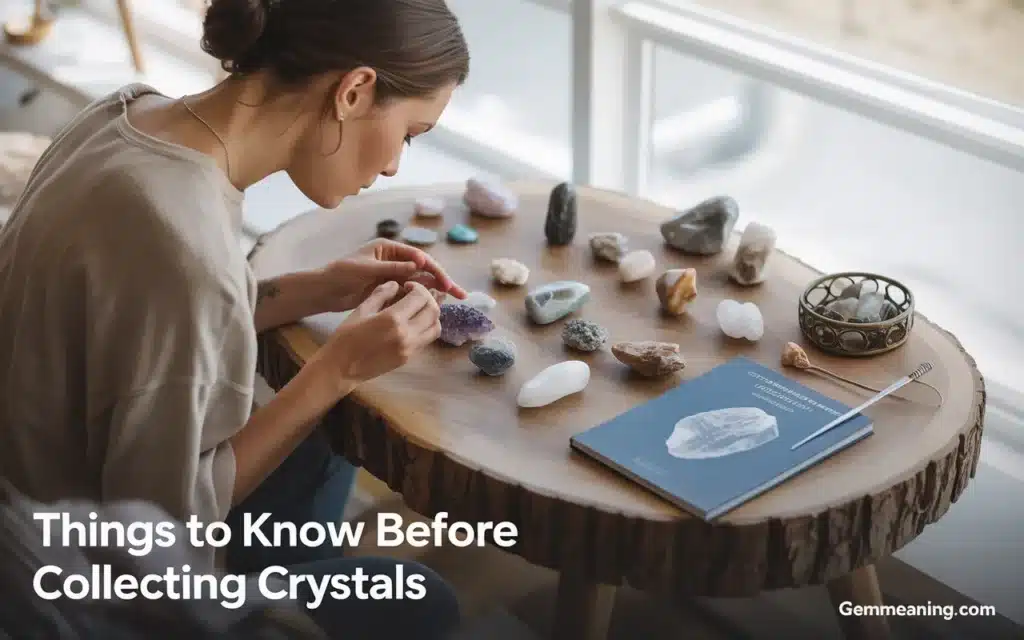
There is a specific moment that happens to almost everyone who ends up with shelves full of sparkling stones. It usually starts innocently enough—you walk past a shop window, spot a glimmer of purple Amethyst or a flash of iridescent Labradorite, and feel an inexplicable pull to pick it up. Before you know it, that single stone has turned into three, then ten, and suddenly you are browsing online forums at 2 AM trying to identify a mystery mineral.
Welcome to the world of collecting crystals. It is a hobby that is equal parts science, art, and personal discovery. Whether you are drawn to the geological history of the earth, the aesthetic beauty of natural sculptures, or the metaphysical properties many believe these stones hold, starting a collection is an exciting journey.
However, like any hobby, diving in without a map can lead to confusion—and sometimes, wasted money. The mineral market is vast, complex, and occasionally tricky for newcomers to navigate. You might find yourself wondering why one piece of Quartz costs $5 while another costs $500, or how to tell if that bright blue stone is real or just dyed glass.
This guide is here to be your roadmap. We will walk you through the essential things you need to know before you start filling your pockets with rocks. From understanding pricing and spotting fakes to ethical sourcing and proper care, we will cover the foundational knowledge that every new collector needs. Let’s set you up for success so you can build a collection that brings you joy for years to come.
1. Define Your “Why” Early On
One of the first things to realize is that there is no single “right” way to collect. People are drawn to collecting crystals for vastly different reasons, and knowing your motivation will help you make smarter purchasing decisions.
The Aesthetic Collector
For some, it is purely about interior design and beauty. You might be looking for large, statement pieces to act as focal points in a room—like a giant Amethyst cathedral for a fireplace or a large Agate slice for a coffee table. If this is you, you can focus less on mineral rarity and more on visual impact and how the stone complements your space.
The Metaphysical Collector
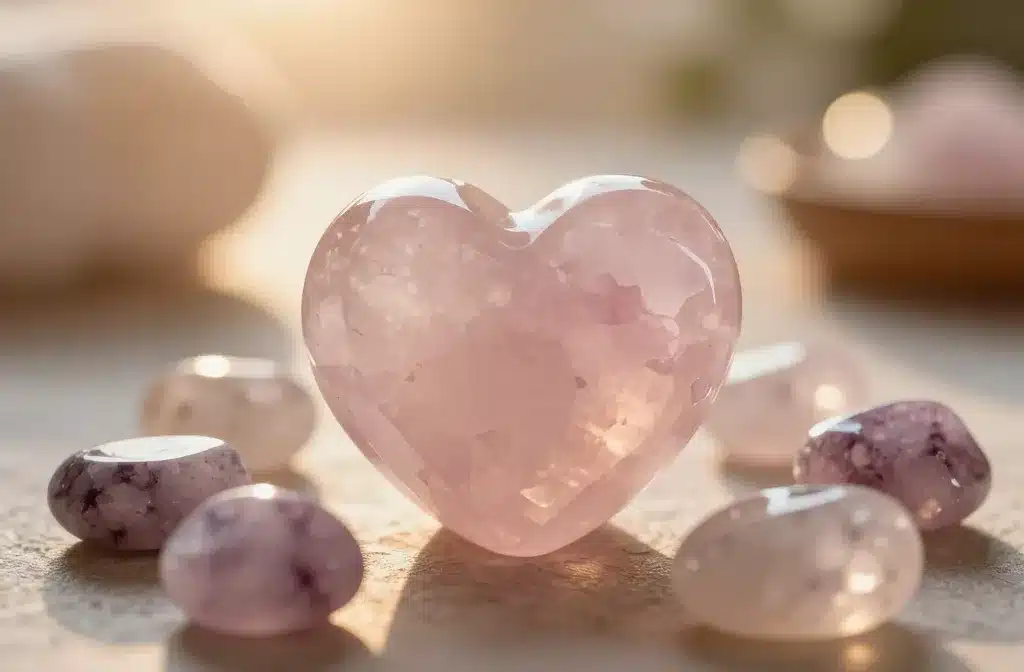
Many people in the USA are drawn to crystals for their energetic properties. You might be building a toolkit for meditation, looking for Rose Quartz for self-love or Black Tourmaline for protection. If this is your goal, you might prioritize the type of stone and its “vibe” over its perfect physical appearance. Small tumbled stones are often perfect for this purpose.
The Geological Collector
Then there are the rockhounds who love the science. These collectors care about crystal systems, chemical formulas, and localities. If this is you, you will likely care deeply about getting undamaged, raw specimens with accurate labels stating exactly which mine they came from.
Knowing which lane you are in helps you filter out the noise. If you are collecting for energy, you don’t need to pay a premium for a “museum-grade” specimen. If you are collecting for science, you will want to avoid polished or altered stones.
2. Not Everything That Glitters is Natural
This is perhaps the biggest hurdle for beginners starting their journey in collecting crystals. The market is flooded with fakes, synthetics, and treated stones. While there is nothing wrong with owning a man-made stone if you like how it looks, it is important to know what you are buying so you don’t overpay.
The “Aura” Treatment
You will often see quartz crystals that shimmer with unnatural rainbows of neon blue, bright pink, or metallic gold. These are called “Aura Quartz.” They are real quartz crystals that have been bonded with metal vapors (like gold or titanium) in a vacuum chamber. They are beautiful, but that color is not natural.
Dyed Stones
Agate slices in bright hot pink, teal, or purple are almost always dyed. Nature rarely produces neon colors. If you see color concentrating in the cracks of the stone, it’s a telltale sign of dye. Howlite, a white stone with grey veins, is often dyed blue to look like Turquoise.
Man-Made Glass
Some popular “crystals” are actually just glass.
- Goldstone: A sparkly reddish-brown or blue stone that is essentially glass with copper flecks.
- Opalite: A milky, glowing glass that mimics moonstone or opal.
- Obsidian Fakes: While Obsidian is natural volcanic glass, brightly colored transparent “Andara crystals” or “Strawberry Obsidian” are usually just industrial slag glass.
Educating yourself on these common treatments protects your wallet. A good rule of thumb: if a color looks too intense to be real, it probably is.
3. Size and Weight Determine Price (Usually)
When you start browsing shops or gem shows, the pricing can seem arbitrary. Why is that tiny green rock more expensive than that huge brown one? In the world of collecting crystals, value is determined by a mix of factors.
Weight Matters
For rough minerals (like Jasper, Rose Quartz, or Sodalite), price is often determined by weight. A larger chunk costs more simply because there is more of it. Sellers often buy these materials by the kilogram or pound and price them accordingly.
Quality and Clarity
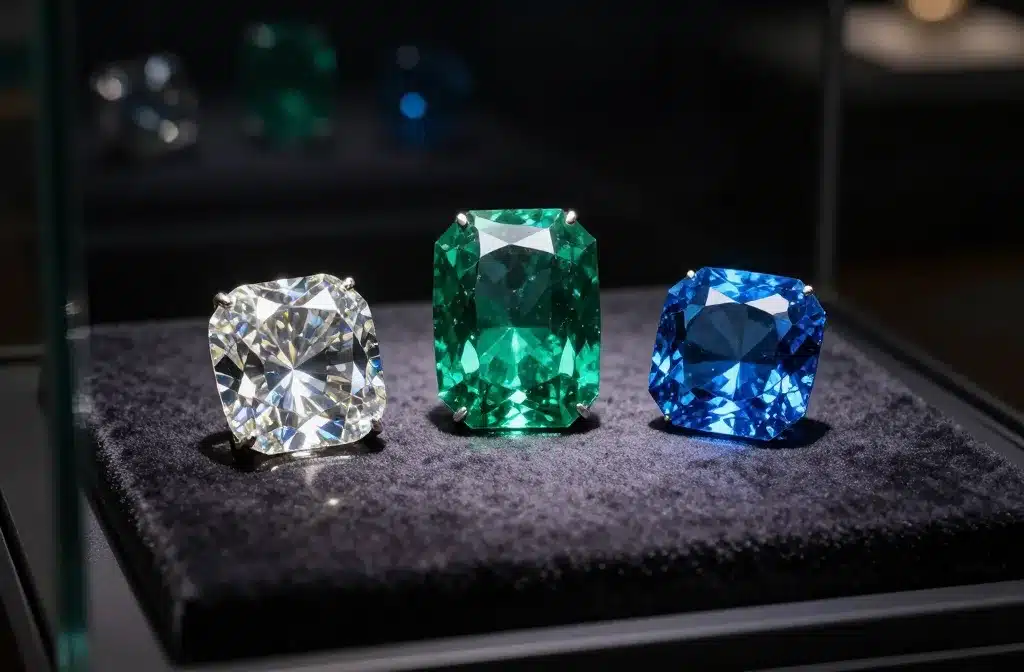
For clearer crystals (like Quartz, Aquamarine, or Fluorite), clarity is king. A small, perfectly clear point with no internal flaws will often cost much more than a large, cloudy, chipped piece. “Gem grade” implies it is clear enough to be cut into jewelry, which commands a premium price.
Rarity of the Mineral
Some minerals are just harder to find. A common stone like Red Jasper is abundant and cheap. A rare mineral like Larimar (found only in one spot in the Dominican Republic) or Moldavite (a tektite from a meteorite impact) will be expensive, regardless of size.
Don’t be afraid to ask why a piece is priced a certain way. A reputable seller will be happy to explain that a piece is from a closed mine or has exceptional color.
4. Imperfections Are Normal (and Beautiful)
If you are used to buying manufactured goods, you might expect your purchase to be flawless. In collecting crystals, however, perfection is the exception, not the rule. These are natural objects that were pulled from the dirt after millions of years.
Natural Flaws vs. Damage
It is helpful to distinguish between natural characteristics and damage.
- Inclusions: Specks of other minerals trapped inside a clear crystal. These are natural and often add value or interest.
- Internal Fractures (Veils): Misty or cloudy curtains inside a crystal. These are stress lines from when the crystal formed.
- Dings and Chips: This is actual damage. If the point of a crystal is chipped off or there is a white bruise on the side, it usually lowers the value.
However, many collectors embrace “empath” crystals—stones that have some damage but are still beautiful. Don’t dismiss a stone just because it isn’t perfect. Sometimes the inclusions create beautiful little worlds inside the rock that make it unique to you.
5. Locality is Key for Serious Collectors
As you get deeper into the hobby, you will start to see labels like “Arkansas Quartz” or “Brandberg Amethyst.” You might wonder, does it really matter where it came from?
For casual collectors, maybe not. But if you plan on collecting crystals long-term, keeping track of “locality” (the place where the stone was found) adds significant value and history to your collection.
A piece of Fluorite from Illinois looks different than Fluorite from China. They have different colors, crystal shapes, and associations. Knowing the locality helps you identify the stone later and connects it to a specific geological event.
Pro Tip: Never throw away the little tags that come with your crystals! If you ever decide to sell or trade part of your collection, having the original locality information makes the specimen much more valuable.
6. Sourcing Ethically is Important
This is a growing conversation in the mineral community. Mining can have a significant environmental and human impact. As a consumer, being aware of where your stones come from helps push the industry toward better practices.
Ethical sourcing generally means:
- Miners are paid fair wages and work in safe conditions.
- The mining practices minimize environmental destruction.
- No child labor is involved.
It can be hard to trace a stone all the way back to the mine, as they often pass through many middlemen. However, you can look for sellers who buy directly from miners or who are transparent about their supply chain. Don’t be afraid to ask sellers, “Do you know where this was mined?” Honest dealers will share what they know, even if the answer is “I’m not sure about this specific batch.”
7. Some Crystals Are Fragile (Handle with Care)
Rocks seem tough, but many crystals are surprisingly delicate. Assuming every stone is as hard as a diamond is a quick way to ruin your new treasures.
The Mohs Hardness Scale
Geologists use the Mohs scale to rank mineral hardness from 1 (very soft) to 10 (very hard).
- Soft Stones (1-3): Talc, Gypsum (Selenite), Calcite. These can be scratched by a fingernail or a copper penny. They will dissolve or lose their shine if left in water.
- Medium Stones (4-6): Fluorite, Apatite. These can be scratched by a knife or glass.
- Hard Stones (7-10): Quartz, Topaz, Corundum, Diamond. These are durable and can scratch glass.
Knowing the hardness helps you store them safely. Never throw a soft piece of Selenite in a bag with a hard piece of Quartz—the Quartz will scratch the Selenite to pieces. When moving your collection, wrap each piece individually.
8. Sunlight Can Bleach Your Stones
Imagine spending money on a beautiful, deep purple Amethyst geode, putting it on your sunny windowsill, and coming back six months later to find it has turned pale grey. It’s a heartbreaking reality for many new collectors.
UV rays from the sun can break down the chemical bonds that give certain crystals their color. This process is usually irreversible.
Stones to keep out of direct sun:
- Amethyst (turns grey/clear)
- Rose Quartz (turns white)
- Citrine (fades to pale yellow)
- Fluorite (loses its vibrant green/purple)
- Celestite (fades from blue to white)
- Kunizite (fades very quickly)
If you want to decorate a sunny window, stick to light-stable stones like Clear Quartz, Hematite, or Black Tourmaline.
9. Cleaning Crystals: Water vs. No Water
Dust is the enemy of a sparkling collection. Eventually, you will need to clean your stones. But before you dunk them in a soapy bath, check their chemistry.
Water Safe: Generally, stones from the Quartz family (Clear, Rose, Smoky, Amethyst, Citrine) and Agates are safe to rinse with water and mild soap.
NOT Water Safe:
- Soft minerals: Selenite and Halite (Salt) can dissolve or become pitted.
- Metals: Pyrite (Iron Sulfide), Hematite, and Galena contain metals that can rust or release toxic substances when wet.
- Fibrous stones: Malachite can be porous and trap water, damaging the finish.
For stones that can’t get wet, use a soft makeup brush or a can of compressed air (like you use for electronics) to dust them off safely.
10. The Difference Between Raw, Tumbled, and Polished
When you start collecting crystals, you will see the same stone in many different forms. The form affects both the price and the energy/aesthetic.
- Raw (Rough): The stone exactly as it came out of the ground. It has natural textures and shapes. These are often cheaper because no labor has gone into shaping them. They are great for connecting with the “earthy” feel of the stone.
- Tumbled: Small stones that have been put in a rock tumbler until they are smooth and round. These are the most affordable way to get a wide variety of minerals. They are durable and portable.
- Polished/Carved: Points, spheres, hearts, or towers that have been cut and polished by a lapidary artist. You pay a premium for the labor involved. These are often used as display pieces or “generators.”
There is no right choice here—it’s purely preference. Some people love the wild look of raw stones; others prefer the neat, shiny look of polished shapes.
11. Beware of Toxic Minerals
Most crystals are perfectly safe to handle, but there are a few exceptions that you should treat with respect. Not every rock is benign!
- Malachite: Contains copper. It is safe to handle in polished form, but raw fibrous Malachite can release toxic dust. Never put Malachite in drinking water (gem elixirs).
- Bumblebee Jasper: Contains arsenic and sulfur. Always wash your hands after handling raw pieces.
- Cinnabar: Contains mercury. It is striking red but should be handled with extreme care or kept in a display box.
As a general rule, always wash your hands after handling raw mineral specimens, and never ingest anything related to your stones unless you are 100% sure it is safe (like putting quartz in water).
12. Trust Your Intuition (The “Spark”)
With all these rules and warnings, it is easy to get bogged down in the technicalities. But the most important rule of collecting crystals is simple: buy what you love.
There is a phenomenon collectors call “the spark.” It’s that moment when you scan a table full of rocks and your eye keeps going back to one specific piece. Maybe it’s not the most expensive one, or the rarest one. Maybe it has a little chip on the side. But for some reason, you can’t leave without it.
Trust that feeling. Whether you believe the crystal is “choosing you” energetically, or you simply appreciate its unique beauty, those are the pieces that will hold the most value for you personally. A collection curated by intuition is always more interesting than one curated by a checklist.
13. Storage and Organization
Finally, think about where these rocks are going to live. A few tumbled stones can live in a bowl, but as your collection grows, you need a plan.
- Labeling: As we mentioned, keeping track of names is hard! Consider keeping a digital spreadsheet or a physical notebook where you log what you bought, when, and from where.
- Display: Glass shelves or acrylic risers are great for maximizing vertical space and letting light through.
- Storage: For pieces you aren’t displaying, plastic organizer boxes (like bead organizers) work well for tumbled stones. Wrap fragile raw specimens in tissue paper before boxing them.
Summary: Your Journey Begins
Starting a mineral collection is an adventure that can last a lifetime. It connects you to the ancient history of our planet and fills your home with natural beauty. By understanding the basics—like how to spot fakes, protect your stones from sunlight, and clean them safely—you can build a collection that is both valuable and meaningful.
Key Takeaways:
- Know your goal: Decide if you are collecting for beauty, science, or energy.
- Spot the fakes: Watch out for dyed stones and “Aura” coatings.
- Protect your investment: Keep colored stones out of the sun and soft stones out of water.
- Buy ethically: Ask questions about where your stones come from.
- Trust your gut: The best crystal is the one that speaks to you.
We encourage you to visit a local rock shop or a gem show near you. Pick up a few pieces, ask questions, and see what resonates. There is a whole world of geological wonder waiting for you to discover it—one stone at a time. Happy hunting!

Christian Grey is the creator of GemMeaning, where he shares simple insights about crystals, gemstone meanings, and spiritual guidance. His focus is on making complex ideas easy to understand and practical for everyday life.