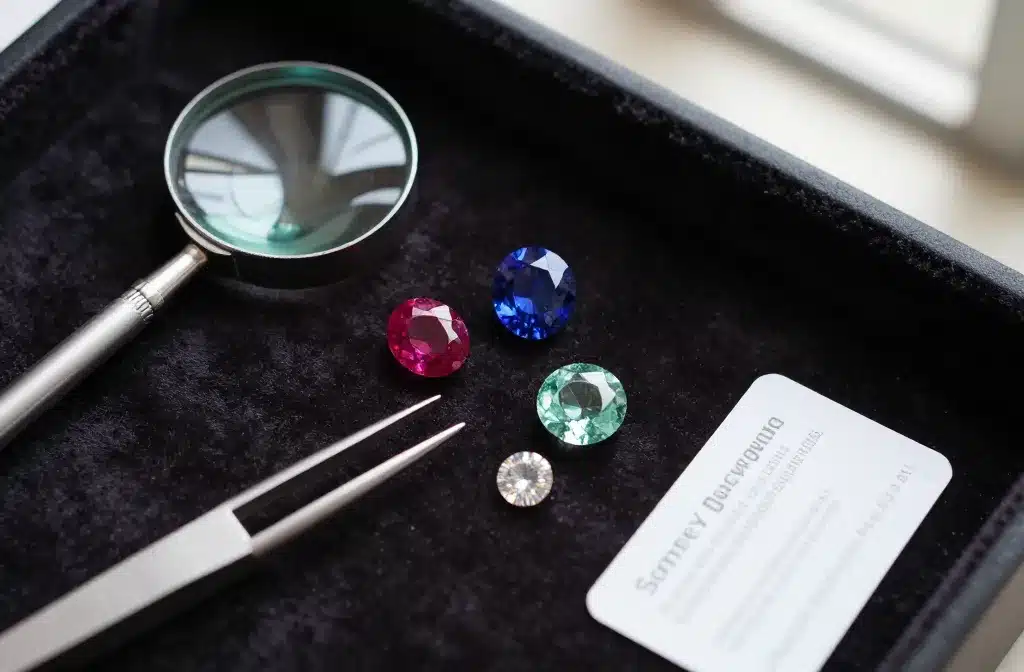
Walking into your first gemstone purchase is equal parts thrill and puzzle. Color glows back at you from every case, prices swing wildly, and every stone seems to have an enchanting story. It’s easy to fall for a sparkle and miss the small details that separate a good buy from a regret.
Here’s the guide I wish someone handed me on day one. You’ll learn how gems are valued, what honest treatments look like, how to spot red flags, and which stones fit your lifestyle. I’ll share practical ways to compare color and clarity, what certificates really mean, and how to care for your new piece so it shines for decades.
By the end, you’ll feel steady looking at a ruby’s silky glow, a sapphire’s royal blue, or a lively mint tourmaline—and know when to say, “Yes, that’s the one,” or “Let’s keep looking.”
Curiosity is your best tool here. Ask questions, trust your eyes, and use the tips below to shop with calm confidence.
Start With Purpose: Why Are You Buying This Stone?
Before price, pick your purpose. Are you hunting for a daily-wear ring, a milestone gift, or a collector piece you’ll rarely wear? Purpose determines what matters most: durability and practicality for jewelry, rarity and provenance for collecting, or standout color for a special occasion.
For an engagement ring or everyday pendant, prioritize hardness and toughness. Sapphires and rubies (Mohs 9), spinel (8), chrysoberyl (8.5), and diamond (10) handle life well. Opal (5.5–6.5), tanzanite (6–7), or emerald (7.5–8 but brittle) can be gorgeous but need gentler treatment. If you love softer stones, choose protective settings, lower profiles, or wear them as earrings or necklaces instead of rings.
Buying as an investment or collectible? Study rarity within a species: Kashmir-like velvety sapphires, neon “electric” paraíba tourmalines, unheated vivid rubies, fine alexandrite with strong color change, or top demantoid garnets with “horsetail” inclusions. With collectors, small differences in color, origin, and treatment can multiply value.
How Gemstones Are Valued: The Four C’s (Plus Two More)
You’ve heard of the 4Cs in diamonds—color, clarity, cut, carat—but colored gemstones play by their own rules. Weight still matters, but color rules the room.
- Color: Think hue (blue vs. green-blue), tone (light to dark), and saturation (vividness). The sweet spot is balanced tone with lively saturation. A sapphire that reads “royal blue” rather than inky black-blue; a ruby that glows red with a whisper of pink; a tsavorite so green it looks lit from within. Avoid stones so dark they look dull in normal light.
- Clarity: Most colored gems have inclusions. They’re nature’s fingerprints. In ruby, oriented silk can soften and spread light beautifully; in emerald, jardin (garden) is expected. Look for stones that are eye-clean or have inclusions that don’t break the surface or endanger durability. If an inclusion jumps at you immediately or reaches the girdle where it could chip, keep walking.
- Cut: Cut doesn’t chase perfect symmetry alone; it aims for the best face-up color and sparkle. Well-cut gems have even color, bright return in the center, and no dead windows (see-through patches) when viewed face-up. Tilt the stone: if a clear pane opens in the middle, that’s windowing—light is leaking out the back.
- Carat Weight: Bigger jumps price fast, especially for fine color. But a well-cut 1.50 ct can outperform a flat, windowed 2.00 ct to the naked eye. Trust what your eyes see over the scale.
- Origin: Where a stone formed can influence value. Burmese ruby, Kashmir and Ceylon sapphire, Colombian emerald, Namibian demantoid, Russian alexandrite, and Brazilian paraíba tourmaline command premiums. Origin alone doesn’t make a stone beautiful—color quality comes first—but in top specimens, it matters.
- Treatment: Most gems are treated. Some treatments are stable and accepted; others quietly inflate price without lasting benefit. Always ask for disclosure.
Treatments You Should Recognize (And What They Mean)
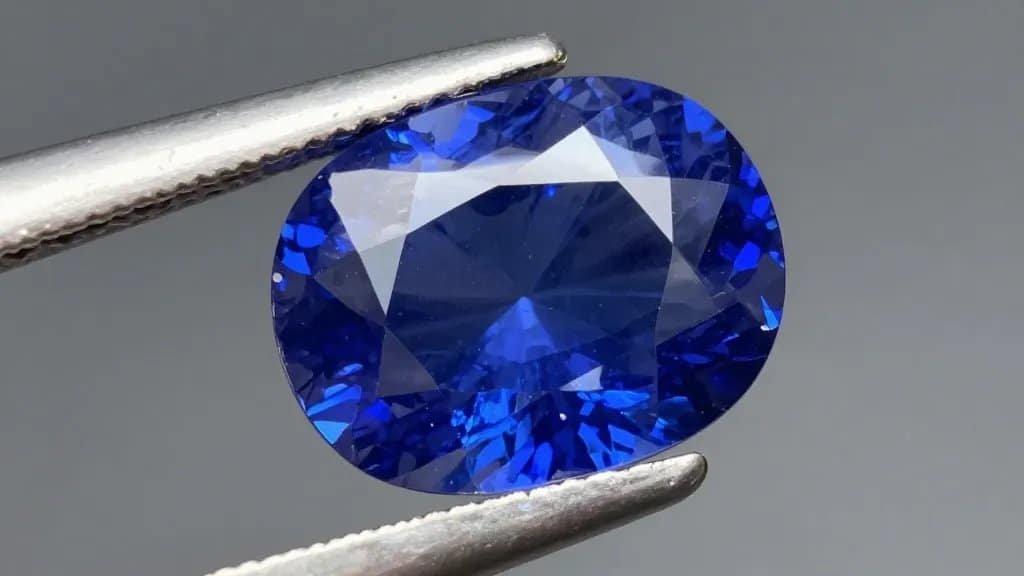
Treatments aren’t inherently bad. Many improve durability or bring out a stone’s best color. The key is transparency.
- Heat Treatment: Very common for sapphire and ruby, also topaz and tanzanite. Heat can refine color and clarity. It’s stable and widely accepted. Unheated blue sapphire or ruby with great color sells for a premium.
- Oiling and Resin Filling (Emerald): Emerald’s network of fissures is often filled with colorless oil or resin to improve clarity. Light oiling is standard; heavy resin fills reduce value and can discolor with heat or chemicals. Always ask for the type and degree of filling, ideally graded on a report.
- Diffusion: Sapphires may be surface-diffused with elements (e.g., beryllium) to add or alter color. The color can be skin-deep. Look for lab reports; diffusion lowers value compared to natural or just heat-treated stones.
- Fracture Filling (Ruby, Diamond): Glass in fractures can make a stone look clean but risks damage with heat or ultrasonic cleaning and drops value significantly.
- Irradiation (Topaz, Quartz): Often used to produce blue topaz or intense fancy quartz colors. Generally stable after proper handling, and value is modest.
Always ask: “Is this stone treated? How? Is the treatment stable and permanent? Is it disclosed on a receipt or report?” A good seller answers without flinching.
Certificates, Reports, and Trustworthy Sellers
Gemstone reports are your independent second opinion. They identify the gem species, note treatments, and sometimes estimate origin. They don’t assign value; they provide facts.
- Respected Labs: GIA, AGL, Gübelin, SSEF, and GRS are widely recognized. For emeralds and colored stones, AGL’s grading formats can be especially informative. For high-value origin-sensitive gems, Swiss labs (Gübelin, SSEF) carry weight.
- When to Insist on a Report: Any ruby, sapphire, or emerald over a meaningful budget threshold, rare stones like alexandrite or paraíba tourmaline, or anything with claimed origin. For mid-priced stones, ask for seller-backed documentation and a return window.
- Seller Red Flags: Vague terms like “gem quality,” “heirloom grade,” or “investment stone” without details. Photos that are oversaturated or shot only under spotlight. Refusal to discuss treatments or provide a return policy.
- Good Practices: Clear written disclosures, consistent photos under neutral lighting, and willingness to show the stone in different conditions—indoor, indirect daylight, and mixed light.
Seeing Like a Gemologist: Simple Tests for Shoppers
You don’t need a lab bench to make smart observations. A few tricks help you compare stones side by side.
- Lighting Check: View the gem under neutral daylight or a daylight-equivalent lamp (around 5000–6500K). Spotlighting makes everything sparkle; natural light tells the truth. Step away from the display case and look in softer lighting too.
- Tilt and Turn: Rotate the stone slowly. Watch for windowing in the center, extinction (dark, unlit areas that don’t brighten with movement), or uneven color bands. Pleochroic gems like sapphire and tanzanite show different colors at different angles; cutters orient them to maximize the best hue.
- Check the Girdle and Corners: Look for chips, feathers reaching the surface, or very thin edges that could wear quickly. For emerald cuts and step cuts, clarity stands out; for brilliant cuts, sparkle can mask minor inclusions.
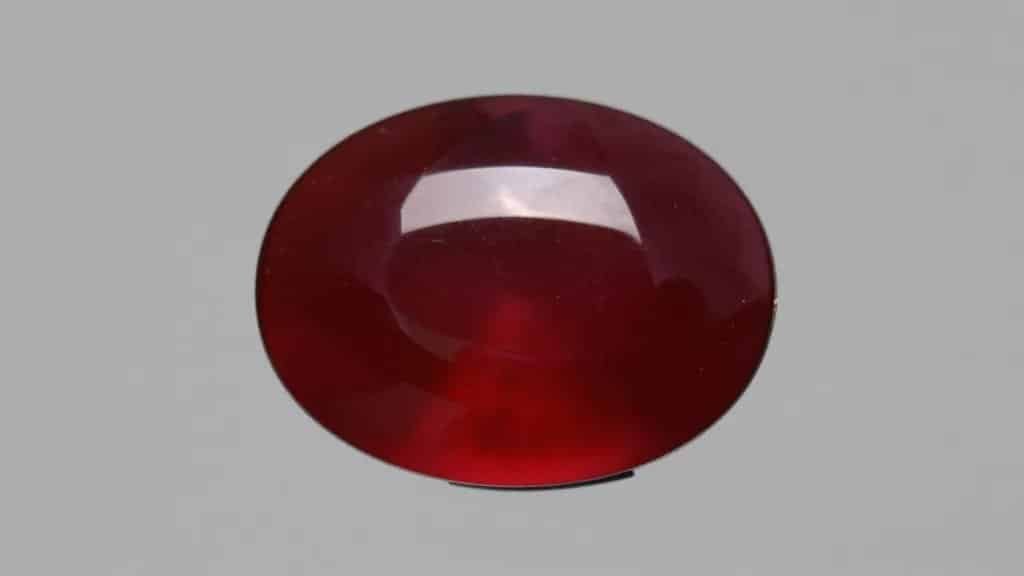
- Transparency vs. Glow: Some stones, like fine jadeite or some rubies with silk, have a soft, velvety glow rather than mirror-like brilliance. Decide what you prefer—glittering scintillation (sapphire, spinel, zircon) or luminous bodycolor (ruby, jadeite).
- Weight-to-Face-Up Ratio: Two stones of the same carat can face up differently. A deep pavilion puts weight where you don’t see it. A skillful cut balances depth for color and a satisfying face-up size.
If you enjoy learning more, explore topics like Gemstone Identification or Gemstone Cuts to understand why certain shapes favor certain species.
Choosing the Right Gem for Daily Life
Not every beauty is built for bustle. Here’s a practical way to match stones to real-life wear.
- High Durability (Daily Rings): Diamond (10), sapphire and ruby (9), chrysoberyl (8.5), spinel (8). Great for engagement rings, bracelets, and watches. Spinel, in particular, is an underrated workhorse with a lively sparkle.
- Moderate Durability (Occasional Rings, Daily Pendants/Earrings): Garnet family (6.5–7.5), tourmaline (7–7.5), peridot (6.5–7), zircon (6.5–7.5 but brittle), tanzanite (6–7). Use protective settings for rings—bezels or half-bezels can help.
- Delicate Beauties (Dress Pieces): Opal (5.5–6.5), emerald (7.5–8 but brittle), morganite (7.5–8 with potential abrasion over time), pearls (2.5–4). Ideal as pendants or earrings where they’re less likely to be knocked.
Also consider color in your wardrobe and skin tone. Cool-toned wearers often glow in blue-green gems—sapphire, aquamarine, tsavorite—while warm-toned wearers sparkle in rubellite, spessartite, and golden beryl. Try stones against your skin; look for a color that lifts your complexion rather than draining it.
Real vs. Synthetic vs. Imitation: Clearing the Fog
Three different concepts get jumbled in marketing speak. Keep them straight and you’ll shop wisely.
- Natural: Formed in the earth. Value comes from rarity and quality. Most collectible and often most expensive.
- Synthetic (Lab-Grown): Same chemical composition and crystal structure as natural, but grown in a lab. A lab-grown ruby is real ruby, not fake, just not mined. It’s affordable and often very clean. Labs can usually distinguish natural from synthetic through growth features and trace elements.
- Imitation (Simulant): Looks like a gem but is a different material—glass, plastic, or another gemstone. Blue glass “sapphire,” cubic zirconia “diamond,” or dyed quartz sold as “jade.” Imitations are the least valuable and should be priced accordingly.
There’s nothing wrong with choosing lab-grown if your priority is budget and beauty. Just ensure it’s disclosed clearly and priced significantly below natural equivalents. If you suspect a too-good-to-be-true price on a “natural, unheated, top color” gem, ask for a reputable report.
Price Ranges and Smart Budgeting
Prices swing with color quality, rarity, and size. A few ballpark notes help frame expectations.
- Sapphire: Commercial blues start modestly; fine royal or cornflower blues jump quickly, especially above 2–3 ct. Padparadscha (delicate pink-orange) is scarce and costly.
- Ruby: Vivid, well-saturated red is rare and climbs fastest. Pinkish rubies or those with strong inclusions are more accessible. Unheated rubies in strong color are elite.
- Emerald: Fine Colombian or Zambian material with even, rich green commands premium. Expect some clarity treatment; top clarity with strong color is very rare.
- Spinel: A sweet spot for value. Vivid reds, cobalt blues, and hot pinks are pricier; lavender, gray, and some blues remain surprisingly affordable for the sparkle.
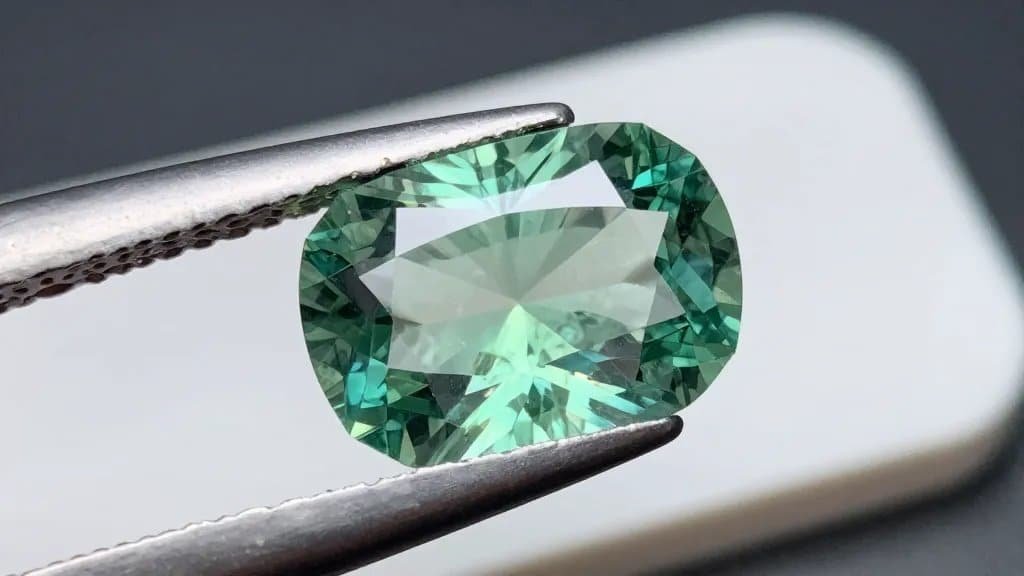
- Tourmaline: Watermelon, mint, and chrome greens are popular; paraíba (neon blue-green) is a different league entirely—prices can be breathtaking for tiny sizes.
- Garnet: A family full of surprises: tsavorite (green) rivals emerald’s color with better durability; spessartite glows orange; rhodolite leans raspberry. Prices are friendly until color and clarity hit the top tier.
Set your ceiling, then allocate for the setting. For a ring, the metal and craftsmanship often run 25–60% of the stone cost. If your budget is tight, consider slightly smaller but higher-quality stones; they usually look better than larger, dull counterparts. You can also explore Gemstone Comparisons and a Gemstone Value Guide to further understand how small changes affect price.
Buying In Person vs. Online: How to Protect Yourself
In Person: You’re shopping with your eyes and your intuition. Ask to see stones unmounted on a white card, then on your skin. Compare two or three side by side. Step to a window if possible. Take your time; good sellers welcome thoughtful buyers.
Online: Look for sellers who provide high-resolution videos in neutral light, full treatment disclosure, and a clear return policy (at least 7–14 days). Check independent reviews and verified sales history. If spending significantly, request a lab report or agree on an escrow process contingent on an independent report.
For both, keep paperwork. Your receipt should list species, weight, dimensions, treatment disclosures, and any report numbers. This matters for insurance and future resale.
Settings, Styles, and Stones That Shine Together
The right setting amplifies your gemstone’s voice. Some stones love a halo of diamonds; others prefer space to breathe.
- Low Profiles for Active Wearers: Bezel or semi-bezel settings protect edges and make daily life easier. Great for sapphires, rubies, spinels, and chrysoberyl in rings and bracelets.
- Open Backs for Color: Allowing light behind colored stones can enhance brightness, especially for medium to light tones. Very dark stones benefit less.
- Contrast Is Your Friend: Diamonds frame colored gems nicely, boosting brilliance without stealing the show. White metal cools and brightens blues and greens; yellow gold deepens reds and warm tones beautifully.
- Shape Matters: Ovals and cushions flatter many colored stones by minimizing windowing. Rounds maximize brilliance but can be rare in some species. Emerald cuts highlight clarity and hue; they’re elegant but unforgiving.
If you’re exploring ring, pendant, or earring options, browse related topics like Gemstone Shapes, Gemstone Jewelry, and Gemstone Rings for design ideas and wearability tips.
Care, Cleaning, and Longevity
Even sturdy stones appreciate gentle care. A few habits keep them sparkling.
- Safe Cleaning: Mild soap, warm water, soft brush. Rinse well. Dry with a lint-free cloth. Avoid ultrasonic or steam cleaners on emeralds, opals, tanzanite, and fracture-filled stones.
- Storage: Keep gems separate. Diamonds can scratch everything; sapphires and rubies can scratch most. Use soft pouches or individual compartments.
- Avoid Chemicals and Heat: Remove jewelry when cleaning, swimming, or applying lotions and perfumes. Heat can harm filled stones; chemicals can etch softer gems.
- Checkups: Have prongs and bezels inspected annually. A quick tightening prevents heartbreak.
If you plan to build a small collection, read more on Gemstone Care to develop an easy routine.
Common First-Time Mistakes—and How to Avoid Them
- Chasing Carat Over Color: A large stone with muddy color will never light up your life like a smaller, vivid gem. Let color lead.
- Ignoring Cut Quality: A pretty hue can still go dull if the pavilion leaks light. Always check for windows and dead zones.
- Skipping Treatment Disclosure: If a deal seems incredible, ask how the magic happened. Treatments should be disclosed in writing.
- Rushing the Decision: Take a breath. If you’re unsure, sleep on it. Good stones are memorable; great sellers understand patience.
- Buying Without a Return Policy or Report: Especially online or at higher price points, protect yourself with documentation and a return window.
Quick Profiles: Crowd-Favorite First Gems
- Blue Sapphire: Mohs 9; durable; colors from cornflower to midnight. Classic for rings. Heat treatment common and acceptable.
- Ruby: Mohs 9; vivid red with glow. Unheated fine rubies are rare and dear; many are heated. Watch for glass-filled bargain stones.
- Emerald: Mohs 7.5–8 but brittle. Mesmerizing green; expect oiling. Choose protective settings and avoid harsh cleaning.
- Spinel: Mohs 8; bright, lively sparkle in reds, pinks, blues, and steely grays. Often untreated and great value.
- Tourmaline: Mohs 7–7.5; rainbow of colors. Paraíba neon blues are elite; mints and pinks are friendly introductions.
- Garnet: Mohs 6.5–7.5; far beyond dark red. Tsavorite green and spessartite orange are joyful and durable enough for regular wear.
- Aquamarine: Mohs 7.5–8; serene blue with crisp clarity. Often heat-treated to remove greenish tones. Lovely in step cuts.
FAQs
How do I know if a gemstone price is fair?
Compare stones of similar species, size, and treatment across multiple reputable sellers. Evaluate color first, then cut and clarity. For higher-value purchases, rely on independent lab reports and a return policy.
Is a lab-grown gemstone a good choice for an engagement ring?
Yes, if you value beauty and budget over rarity. Lab-grown sapphire, ruby, and diamond are durable and visually stunning. Ensure clear disclosure and significant price savings versus natural.
What lighting should I use to evaluate a gemstone at home?
Neutral daylight or a daylight-equivalent LED (5000–6500K). Also check in soft indoor lighting. Avoid judging solely under bright spotlights.
Which gemstones are safest for daily-wear rings?
Diamond, sapphire, ruby, spinel, and chrysoberyl. Use sturdy settings and regular checkups for longevity.
Do small inclusions ruin a gemstone’s value?
Not always. In many colored stones, minor inclusions are expected and can even enhance character. They affect value most when they’re obvious, reach the surface, or threaten durability.
Should I prioritize origin when shopping?
Only after color and overall beauty. Origin can influence value and collectability, but a gorgeous stone from a modest origin often outshines a mediocre one from a famous source.
Can I negotiate gemstone prices?
Often, yes—especially in person or for unmounted stones. Be polite, informed, and ready to walk away if the price doesn’t match the quality.
Final Thoughts
A first gemstone should make your heart lift every time you see it. Let color captivate you, confirm the facts—species, treatment, and cut—and match the stone to your lifestyle. Ask questions, trust your eyes, and buy from people who love gems enough to tell the whole story. That’s how a pretty stone becomes a lasting treasure.

Christian Grey is the creator of GemMeaning, where he shares simple insights about crystals, gemstone meanings, and spiritual guidance. His focus is on making complex ideas easy to understand and practical for everyday life.