Every so often, a crystal or mineral discovery rewrites our understanding of beauty underground. A pocket opens, a miner’s lamp catches a flash of impossible color, and suddenly collectors, scientists, and jewelry lovers share the same held breath. These finds matter because they push boundaries—of geology, of craftsmanship, and of what a stone can make us feel.
In this article, you’ll meet some of the most captivating discoveries of recent decades and learn why they’re special. We’ll look at how they formed, what makes them valuable, and the stories they carry out of the earth. You’ll also get practical tips on identifying genuine specimens, caring for them, and buying wisely if one calls your name.
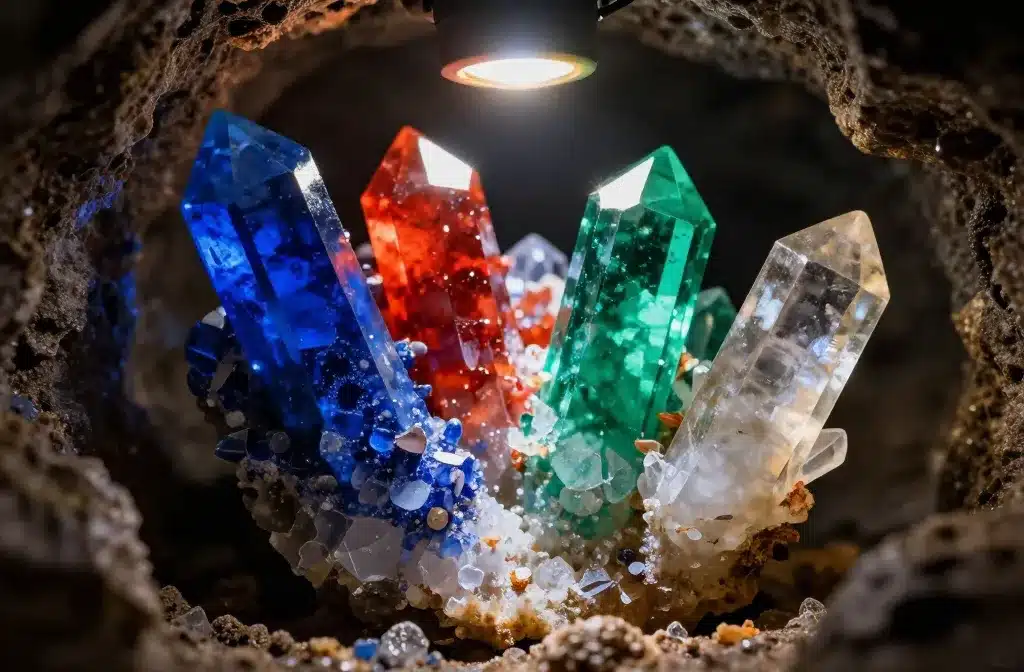
Expect color—electric blues, syrupy reds, and greens that look like bottled springtime. Expect texture—silky fibrous chatoyancy, needle-like inclusions, razor-sharp terminations. And expect a fresh way of seeing crystals: not as static objects, but as snapshots of deep-time chemistry and human curiosity colliding.
Settle in; the mine lights are on.
The Magic of Discovery: Why Certain Finds Stand Out
Not all crystals become legends. The ones that do usually combine rarity, beauty, and a good story. A “legendary” pocket often hits a trifecta: exceptional clarity and color, unusually large crystals, and a context that can be traced—who found it, where, and under what conditions. Geological quirks help too. Fluids rich in specific elements, a slow cooling history, or a freak pulse of heat and pressure can create colors or habits that rarely repeat.
Collectors care about provenance for the same reason art buyers do. A tourmaline crystal from Afghanistan may be gorgeous, but say it came from a known pegmatite with a history of fine rubellite—suddenly you’re not just buying color; you’re buying a chapter in gemstone history. For jewelry, durability and cuttability weigh in, yet exceptional crystals that might never see a faceting wheel still captivate because they embody a moment of perfect geological timing.
High-Voltage Blue: Aquamarine and the Marta Rocha Legacy
Aquamarine’s name promises seawater tones, and Brazil has delivered for more than a century. The most famous tale is the “Marta Rocha” aquamarine buzz of the 1950s—stones so vividly blue they were likened to the eyes of the Brazilian beauty queen. While the nickname became a marketing swirl more than a single documented stone, it cemented a truth: certain Brazilian pegmatites produce aquamarine that glows like sky seen through shallow surf.
Geology sets the stage. Aquamarine, a beryl, grows in granitic pegmatites where beryllium meets iron-bearing fluids. The iron gives blue, and low levels of other impurities keep the color clean. Many stones are heat-treated to nudge greenish tints toward a purer blue, but truly fine natural blues exist—and they command strong prices.
On the Mohs scale, aquamarine is 7.5–8, hard enough for rings with mindful wear and excellent for pendants and earrings. Eye-clean crystals with a velvety internal glow are top tier. Look for long prisms with glassy luster and flat basal terminations. For identification, beryl’s hexagonal cross-section and pleochroism—color shifts from blue to slightly green-blue under different views—are helpful. If you’re eyeing a purchase, ask about treatments and origin; a reputable seller should be comfortable discussing both. For deeper context on wearability, check Gemstone Hardness and Gemstone Jewelry topics for pairing advice.
Spinel’s Second Act: From “Imposter” to Headliner
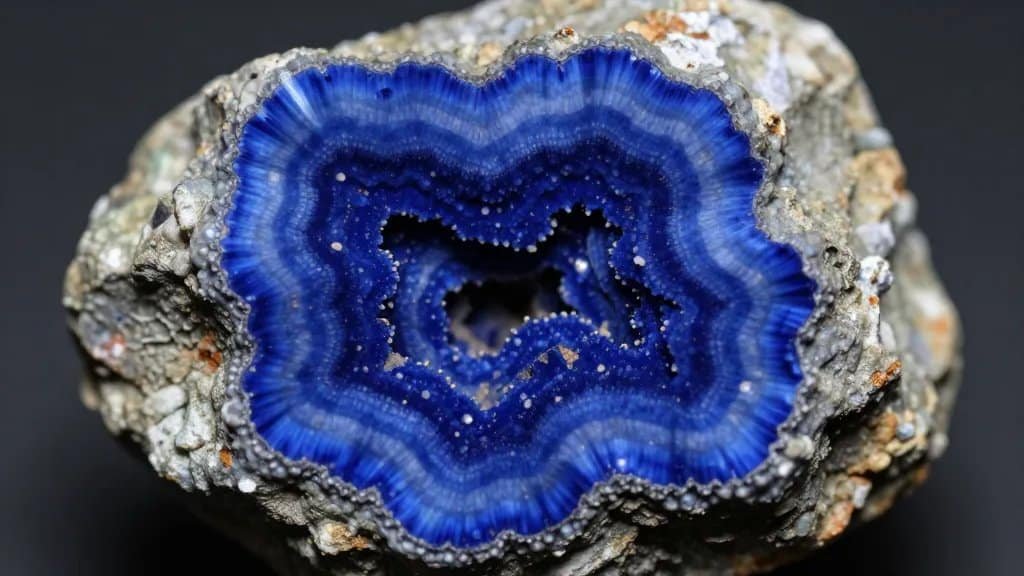
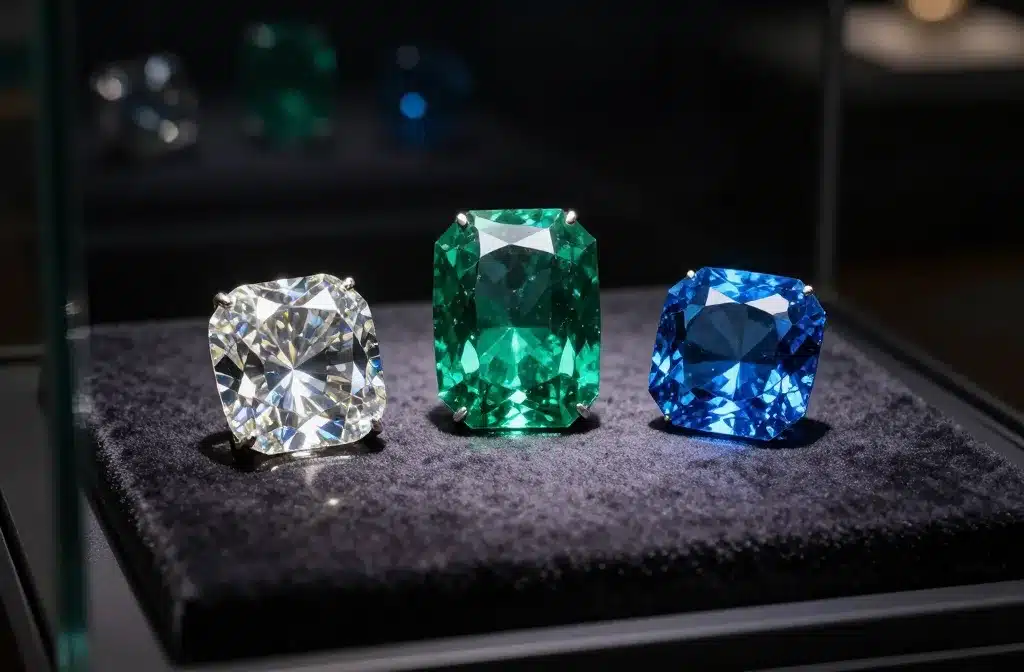
Spinel spent centuries hiding in plain sight. Historic “rubies” in crowns were often spinel—chemically and optically distinct, yet stunning enough to fool early gemologists. Today, spinel has stepped into its own spotlight, driven by new finds with fierce neon colors: cobalt-blue from Vietnam and Tanzania, hot pinks and flame reds from Myanmar and Sri Lanka.
Why the surge? Spinel’s crystal structure handles trace elements in a way that can produce startling saturation. Cobalt, chromium, and iron—applied in just the right amounts—turn spinel into a color firework. These stones typically aren’t treated beyond standard cutting and polishing, which appeals to purists. Mohs hardness near 8 and excellent toughness make spinel a superb daily-wear option, especially for rings and bracelets that take more knocks.
In hand, fine spinel shows a crisp, open color—no murk, no brown shadow—paired with high brilliance. The best neon hues look lit from within even in low light. For identification, octahedral crystal habit, single refraction, and lack of cleavage are key. Synthetic spinel exists and is common in vintage class rings and economy jewelry. To spot synthetics, watch for overly uniform color and gas bubbles; a gemological test is definitive. For comparisons with ruby and sapphire performance in jewelry, see Gemstone Comparisons and Gemstone Rings.
Electric Rainbow: Tourmaline Pockets That Shook the Market
Tourmaline pegmatites are like color laboratories. In one pocket you might see watermelon slices—raspberry cores wrapped in mint-green rinds—next to sleek emerald-green crystals or sunset-pink rubellites. Notable locales include Afghanistan’s Nuristan, Mozambique’s Alto Ligonha, and Brazil’s Minas Gerais. Each region sprinkles a different seasoning of trace elements into the crystal soup, and the results can be spectacular.
A famous late-20th-century wave came from Nigeria and Mozambique, where copper-bearing “Paraíba-type” tourmaline stole breath with electric blue-green. Under daylight, these stones look like tropical waters under a noon sun—luminescent, almost unreal. Their copper and manganese chemistry, along with minute intervals of heat in Earth’s crust, create a glow that normal tourmaline rarely achieves.
Durability sits around 7–7.5 on the Mohs scale with brittle tendencies along growth tubes. Watch for surface-reaching inclusions, which can make stones sensitive to pressure and ultrasonic cleaners. Prices vary wildly; fine copper-bearing stones sit in a different financial galaxy than common greens or black schorl. Ask for origin reports and, ideally, a major-lab certificate for high-value pieces. If you enjoy the science side, our Gemstone Value Guide and Gemstone Colors resources can help you translate hue, tone, and saturation into pricing expectations.
From the Depths: Tanzanite’s One-Locality Drama
Tanzanite burst onto the scene in the late 1960s, a vanadium-rich zoisite discovered in the Merelani Hills of Tanzania. The appeal is immediate: violet-blue that rivals sapphire, with a chameleon-like pleochroism showing flashes of violet, blue, and burgundy depending on the cut and light. Few finds have felt as modern—cool, sophisticated, and unmistakably themselves.
Most tanzanite is heat-treated to pull the color to the blue-violet sweet spot; untreated stones exist but are rarer. At Mohs 6–7, tanzanite deserves protective settings and gentle care. Avoid sudden temperature changes and high-impact wear. Clean with warm soapy water and a soft brush; skip ultrasonics and steam. In jewelry, tanzanite pairs beautifully with diamonds and colorless sapphires to amplify its glow, especially in gemstone necklaces and earrings where it’s less at risk.
Market note: because it comes from a narrow mining area, supply ebbs and flows. That scarcity factor gives well-cut stones strong long-term interest, particularly in larger, richly saturated gems with excellent clarity.
Green Fire and Golden Needlework: Hidden Depths in Classic Minerals
Some discoveries aren’t about new species, but about new expressions. Peridot, for example, can look soft and olive in most jewelry cases, but the right pockets—think Pakistan’s high-altitude deposits—yield limpid, almost neon greens with an oily gloss. Under the loupe, you might catch lily-pad inclusions, circular tension halos that form around crystals within the peridot. With a Mohs hardness of 6.5–7, it’s tougher than it looks but prefers bezel settings to prong-heavy rings.
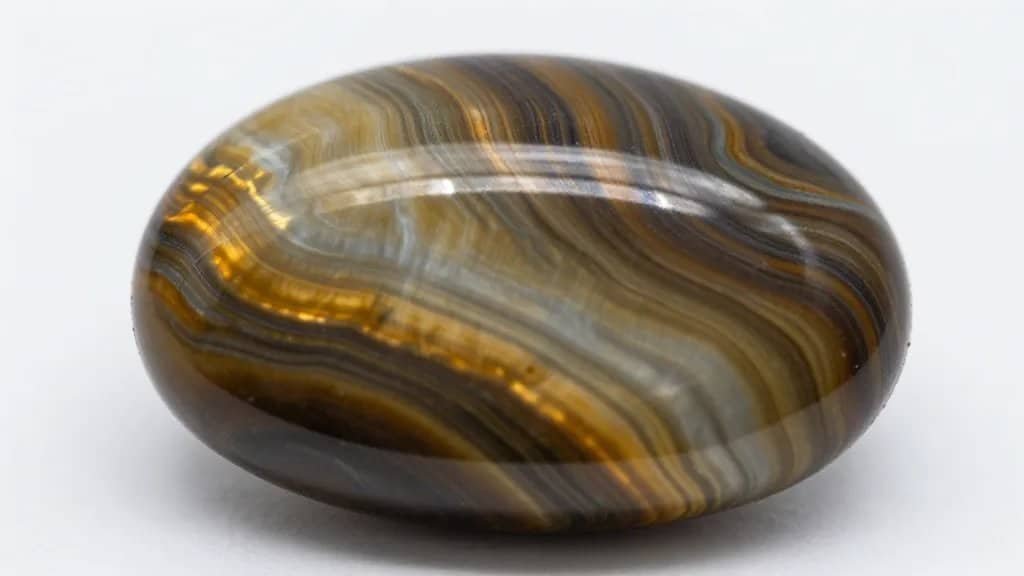
Then there’s rutile-in-quartz, a love letter to inclusions. Strands of golden rutile crisscross clear quartz like sunbeams, each needle a record of chemistry captured mid-growth. While quartz is a 7 on the Mohs scale and easy to wear, what you pay for here is pattern: delicate starbursts, parallel silk, or dramatic tangles that look sculpted by light. Rutilated quartz is a favorite for bold gemstone bracelets and statement pendants, where larger surfaces show off the internal fireworks.
Beyond Beauty: How to Tell You’ve Found the Real Thing
Stunning discoveries attract imitators. Lab-grown gems and clever simulations have their place, but you should know what’s on your finger or in your display case. Here are grounded tips used by field collectors and bench jewelers:
- Study color character. Natural stones often show subtle zoning, tiny shifts of tone or saturation. Lab-grown gems tend to be relentlessly uniform, especially in lower price tiers.
- Check inclusions under magnification. Natural inclusions tell a story—feather-like fractures, mineral crystals, wispy veils. Synthetic gems may show curved growth lines, flux residues, or gas bubbles.
- Ask about treatments. Heat is common and stable for many stones. Fracture-filling, dyeing, and surface diffusion can affect value and care. Get disclosures in writing.
- Seek reputable documentation. For significant purchases, a report from a respected lab supports value and future resale. See Gemstone Identification if you’re curious about testing methods.
- Trust the cutting. Fine gems deserve fine cuts. Even color, crisp facet junctions, and minimal windowing (see-through areas) signal a stone that was worth the effort.
Care and Keeping: How Legendary Finds Stay Legendary
A few habits protect your stones for decades. Store pieces individually so they don’t scratch one another; sapphire and diamond can easily scuff softer neighbors. Wipe jewelry with a soft cloth after wearing to remove oils that dull the surface. Offer warm water, mild soap, and a soft brush as your standard spa day. Avoid ultrasonic and steam cleaners on fracture-filled, heavily included, or heat-sensitive gems like tanzanite.
Sunlight can fade certain stones over long exposures—kunzite is the classic example—so display cabinets should diffuse light or rotate contents. For collectors, a simple desiccant pack in storage boxes reduces moisture, especially helpful for iron-rich specimens that can oxidize around matrix. When in doubt, consult Gemstone Care for stone-specific guidance.
Buying Smart: Value, Rarity, and the Joy Factor
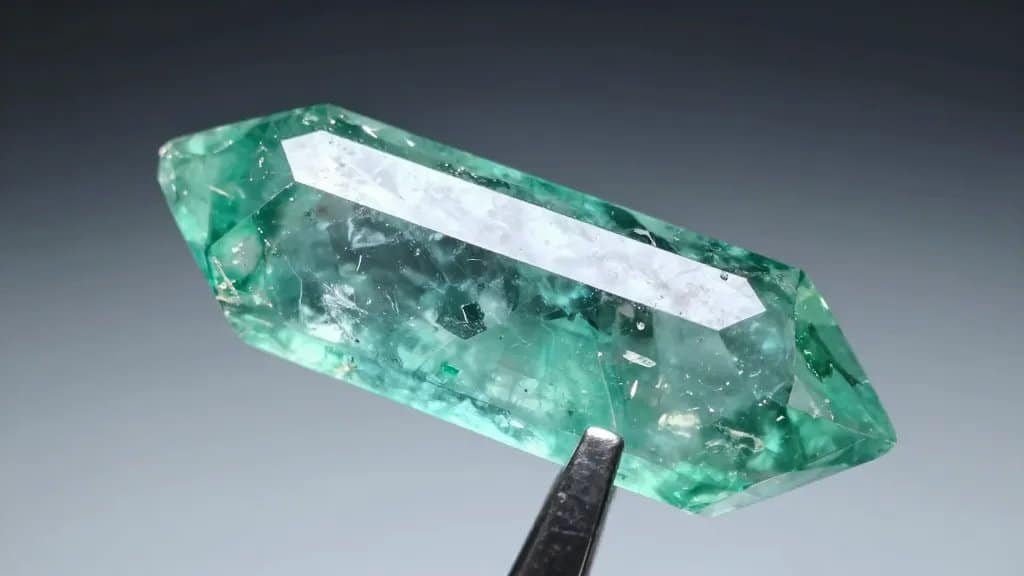
Price follows beauty, rarity, and demand, but don’t discount the joy factor. If a stone’s color makes your pulse jump each time you open the box, that’s value you can feel. Still, here’s a practical lens:
- Color first. For most colored stones, hue, tone, and saturation make or break value. Vibrant, open colors usually outprice dark or muddy tones.
- Clarity with character. Eye-clean is ideal for many gems. For included gems like rutilated quartz, look for pleasing, intentional-looking patterns.
- Cut that honors the material. Masterful cutting can elevate a good stone into a great one by balancing brilliance, color, and face-up size. Explore Gemstone Cuts and Gemstone Shapes to visualize options.
- Origin and documentation. Sought-after origins (Burma for ruby and spinel, Brazil for certain tourmalines) add a premium. Certificates help justify that premium.
- Durability for the intended piece. Harder gems handle rings; softer or brittle stones flourish in pendants or earrings. Gemstone Hardness offers a quick reference when planning a piece.
Stories from the Field: Moments That Still Give Me Goosebumps
Ask any gem enthusiast and you’ll hear a story about the one that got away—or the one that didn’t. I remember holding an Afghan bi-color tourmaline fresh from the pocket, its termination frosted as if still cold from the mountain. Under daylight, the green half looked like alpine grass after rain; tilt it a few degrees and the pink half woke up, sugary and tender. No cutting plan would improve that natural balance, so it became a specimen—untouched geometry with color that changed my mood.
Another time, a dealer unwrapped a palm-sized spinel crystal, a red so pure it felt like a bell tone you could hear. No facet lights, no tricks—just a clean crystal with silky growth lines echoing inside. Someone else bought it before lunch, and I still think about it when a stone feels too perfect to be true. That’s what great discoveries do: they leave echoes.
Myths, Meanings, and the Quiet Power of Stones
While science explains color and structure, people have long woven meanings around crystals. Aquamarine has been a sailor’s talisman; peridot, a ward against night terrors; spinel, a stone of revitalization. You don’t have to believe or disbelieve to appreciate the symbolism. Sometimes a gem’s meaning is simply personal: a shade of blue that calms a busy mind, a flash of green that feels like new leaves. If you enjoy the lore, explore Gemstone Myths and Gemstone History for context that enriches your connection without overshadowing the facts.
FAQs
Are vibrant blue aquamarines always heat-treated?
Not always. Many are heated to remove green, but some pockets yield naturally vivid blues. Ask for disclosure; reputable sellers will tell you.
How does spinel compare to ruby for everyday wear?
Spinel is slightly softer than ruby but still excellent for daily jewelry. It’s typically untreated and offers brilliant color at friendlier prices.
Is copper-bearing tourmaline worth the premium?
If you love that neon glow, yes. Its rarity and unmistakable color justify higher prices. Insist on documentation for Paraíba-type stones.
What’s the safest cleaning method for most gemstone jewelry?
Warm water, mild soap, soft brush, and a gentle rinse. Avoid ultrasonic and steam for treated or fragile gems like tanzanite.
Do inclusions always lower a gem’s value?
Not always. In gems like rutilated quartz, attractive inclusions are the main event. In others, eye-clean clarity usually wins.
Can I wear peridot and tanzanite in rings?
Yes, with care. Use protective settings, avoid hard knocks, and remove them for heavy work. Earrings and pendants are lower risk.
How important is origin for value?
For certain gems, origin can boost price significantly, especially with lab reports. It’s one piece of the value puzzle alongside color and cut.
A Last Word
Stunning crystal and mineral discoveries remind us that Earth is still surprising us. If a stone speaks to you—through color, story, or the way it catches light—let that guide your collecting or your next piece of jewelry. Learn the science, respect the craft, and choose with both head and heart. The right gem will keep rewarding you each time you turn it toward the light.

Christian Grey is the creator of GemMeaning, where he shares simple insights about crystals, gemstone meanings, and spiritual guidance. His focus is on making complex ideas easy to understand and practical for everyday life.