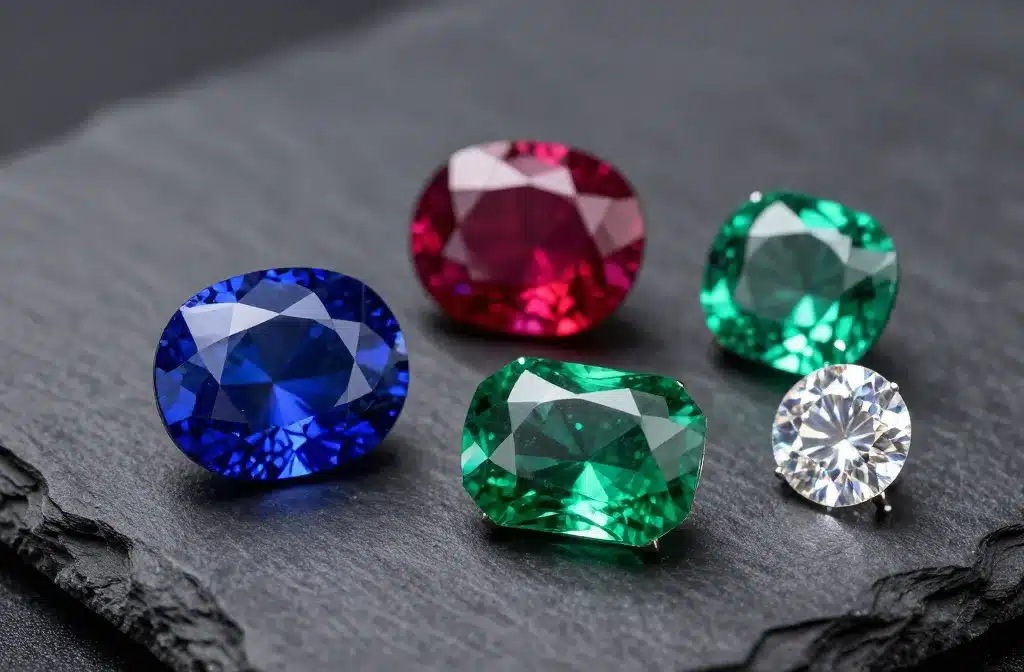
Ask five gem lovers which stone is “most valuable” and you’ll get six different answers. Value isn’t just a price tag—it’s a weaving of rarity, beauty, durability, history, and human desire. That’s what makes the subject fascinating and, at times, a little slippery.
By the end of this guide, you’ll know the main forces behind gemstone value and how they interact in the real world. We’ll look beyond simple lists of “precious” and “semi-precious,” unpack the market drivers gem dealers watch, and share practical tips you can use at the jeweler’s counter.
We’ll explore color and light, origin stories written in rock, cutting that coaxes brilliance from crystal, and treatments that change both appearance and price. If you’ve ever wondered why a velvety blue sapphire can rival a diamond—or why a fingertip-sized ruby can be worth a house—this is for you.
Bring your curiosity. Leave with a clearer eye, sharper instincts, and a better sense of what makes one gemstone more valuable than another.
Rarity: The Root of Value
Rarity sits at the foundation. If nature made very few of something, and people want it, prices climb. But rarity has layers:
- Geological scarcity: Some gems form only under tight conditions—think ruby and sapphire (corundum) growing in metamorphic rocks, or emerald forming where beryllium meets chromium or vanadium. Natural alexandrite, especially with strong color change, is truly scarce.
- Fine-quality scarcity: Many deposits produce stones, but very few yield top color and clarity. Large, vivid rubies above two carats are profoundly rare; a richly saturated, clean emerald above three carats is rarer still.
- Commercial rarity: A stone may exist in the ground, but if political instability, remote terrain, or environmental regulations restrict mining, availability shrinks. Kashmir sapphires are a classic: the historic mines are depleted; their legend outlives their production.
Rarity also varies within a species. Paraíba tourmaline—electric neon blue-green from trace copper—is a tiny subset of tourmaline with prices that eclipse many diamonds. That’s rarity meeting demand in its purest form.
Color: The Heartbeat of Desire
Color is the most powerful visual driver. The market pays for hue, saturation, and tone working in harmony. People often chase the “ideal” for each gem family:
- Ruby: Rich, pure red with a hint of blue—called “pigeon’s blood” in trade shorthand—commands premiums when paired with brightness and minimal brown.
- Sapphire: The coveted “royal” or “cornflower” blue is medium to medium-dark, velvety, and alive in low light. Overly inky stones lose value; washed-out stones lack drama.
- Emerald: Vivid green with fine saturation and slight bluish influence, not too dark, still glowing. The best look almost illuminated from within.
- Spinel: Hot pink to red spinel, and the rare cobalt blue, have surged as buyers rediscover this historic gem once mistaken for ruby.
- Color-change gems: Alexandrite with distinct green to red change is prized; the stronger and cleaner the shift, the higher the value.
Color quality must also be even. Uneven zoning or windows (pale areas when you look head-on) lower value. Lighting matters too. A sapphire that looks royal blue outdoors but goes gray indoors will not compete with one that stays lively under all lights.
Clarity and Transparency: The Window Into the Stone
Clarity isn’t one-size-fits-all. The market accepts, even cherishes, certain inclusions depending on the species. What matters is how inclusions affect beauty and durability:
- Type 1 gems (e.g., aquamarine, topaz) are expected to be eye-clean. Visible inclusions drop value sharply.
- Type 2 gems (e.g., ruby, sapphire, spinel) commonly have some inclusions. A bright, well-colored ruby with fine “silk” can still be extremely valuable.
- Type 3 gems (e.g., emerald) nearly always include. Eye-clean emeralds are unicorns—and valued accordingly. The key is a lively stone where inclusions don’t make it cloudy or fragile.
Transparency influences how light moves. Even with great color, a hazy stone feels dull. Conversely, a crystal-clear gem can appear anemic if its color is weak. The sweet spot is vivid color with crystalline brightness.
Cut: Where Science Meets Art
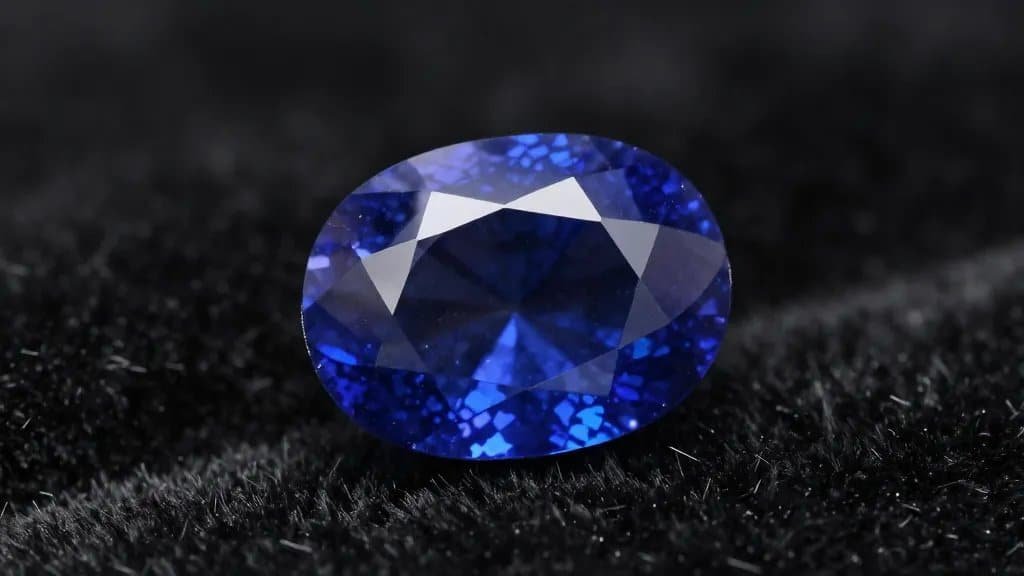
A good cut is not just about symmetry; it’s about how the stone handles light. A skilled lapidary decides proportions to maximize color and brilliance while preserving carat weight. Choices differ by gem:
- Brilliant cuts (round, oval, cushion) aim for sparkle and return of light—excellent for sapphire, spinel, and many garnets.
- Step cuts (emerald, Asscher) emphasize clarity and color. They can be merciless on included stones but magical on clean material.
- Cabochons are chosen when the material is translucent, included, or shows phenomena like asterism (stars) or chatoyancy (cat’s eye). Fine star sapphires with sharp, centered rays are highly collectible.
Poor cutting can create a “window”—a pale see-through area in the center—or a “fish-eye” effect. Both leak value. Conversely, a masterfully cut small stone can outshine a larger, poorly cut one and command a higher price per carat.
Carat Weight: Bigger Isn’t Always Better, But It Usually Costs More
Price per carat seldom increases in a straight line. Instead, it jumps at size thresholds where true scarcity kicks in. A one-carat ruby is common enough; a three-carat ruby of top color and clarity enters rarified air. For many gems, the premium becomes dramatic once you pass two, five, and ten carats, as long as color and clarity hold.
But bigger only helps if beauty scales with size. A dark, lifeless five-carat sapphire can cost less than a two-carat stone that glows like bottled twilight. Buyers pay for presence, not just grams.
Origin and Provenance: The Story Inside the Stone
Origin can heavily influence value when it correlates with recognizable quality. It’s a shorthand that collectors and dealers trust, backed by laboratory evidence:
- Ruby: Burmese (Myanmar) rubies, especially from Mogok, are famed for their saturated red and luminous “glow.” Stones with documented Burmese origin fetch premiums. Mozambique has produced superb rubies too, with values rising as the deposit matures.
- Sapphire: Kashmir sapphires are the mythology of blue—soft, velvety, often with tiny silk that scatters light. Ceylon (Sri Lanka) and Burma are also celebrated for fine blues. Montana yields distinctive steels and teals sought by designers.
- Emerald: Colombian emeralds hold the benchmark for pure, saturated green. Zambia and Ethiopia produce exceptional stones as well, with their own color signatures.
Provenance also includes history—jewels owned by royalty or with notable designers can leap in value. But for everyday buying, laboratory origin reports strengthen confidence. Just remember: origin is a premium only when the stone’s quality supports it.
Treatments and Enhancements: Beauty With an Asterisk
Many gems are routinely enhanced, and the market prices them accordingly. Treatments aren’t automatically “bad,” but they must be disclosed because they affect both value and care:
- Heat treatment (common in sapphire, ruby): Stable, permanent, often acceptable. Unheated stones of top quality command significant premiums.
- Fracture filling (lead-glass in ruby): Dramatically improves appearance but slashes value and durability. These stones can’t handle heat or certain cleaners.
- Oil/resin in emerald: Oiling with cedarwood oil is traditional and reversible; clarity improves subtly. Heavy resin filling lowers value.
- Irradiation and diffusion: Can alter or intensify color (e.g., certain topaz blues, some sapphires via diffusion). Diffusion-treated gems get marked down sharply.
A lab report helps here. The difference between an unheated royal blue sapphire and a heated one can be the difference between a keepsake and an heirloom-level treasure. Ask for disclosure in writing. If a deal seems too good to be true, treatment is often the missing line item.
Durability: Beauty That Survives Wear
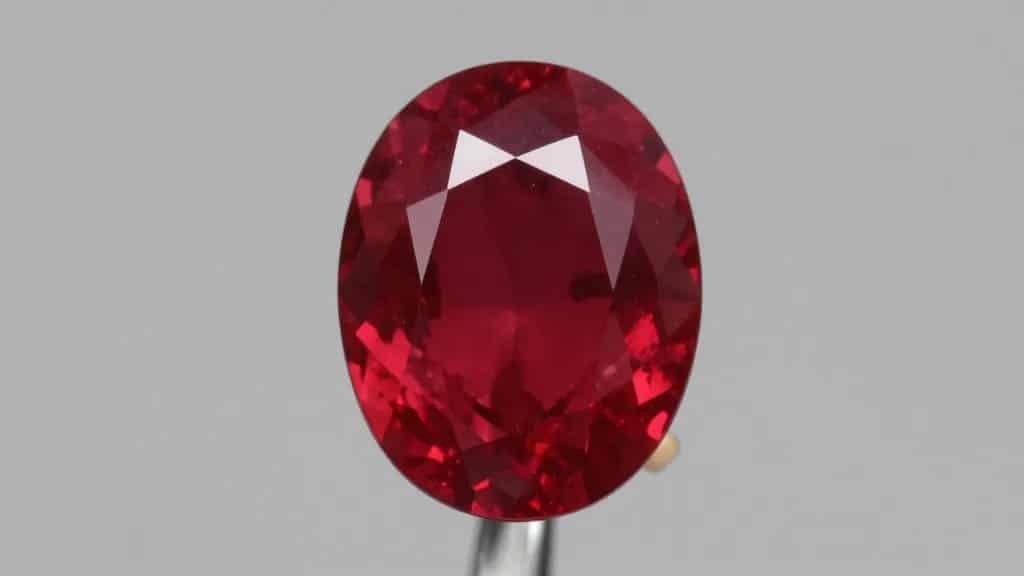
Hardness (resistance to scratching) and toughness (resistance to breaking) shape both longevity and price. On the Mohs Scale, diamond is 10; sapphire and ruby are 9; spinel is 8; quartz family (amethyst, citrine) is 7. But toughness varies—jadeite, though not very hard, is incredibly tough, which is why intricate carvings survive generations.
Durability affects what jewelry a gem suits and how often it can be worn. A 9 Mohs sapphire in a ring is a daily driver; a softer tanzanite (6–7) is better for occasional wear or protective settings. Collectors pay more for gems that hold up—and for fragile beauties in pristine condition.
Market Demand and Fashion Cycles
Gem values breathe with culture. Royal engagements can ignite sapphire fever; celebrity necklaces can spark demand for morganite or spinel. Designers gravitate toward unique colors—like the oceanic teals of tourmaline—and demand lifts prices.
Supply shocks matter too. A new mine find can steady prices; a mine closure can send them soaring. A seasoned collector keeps an eye on both. What endures across cycles? Classic blues, reds, and greens with strong saturation and lively crystals.
Natural vs. Lab-Created vs. Imitations
Natural gems form in the earth and almost always carry higher value. Lab-created stones share the same chemical composition and structure as their natural counterparts but are grown under controlled conditions. They look beautiful and cost far less. Imitations merely mimic the look—glass, plastics, or different minerals dyed or coated to resemble something else.
For value retention, collectors favor natural stones with transparent documentation. Lab-grown can be a smart choice for fashion jewelry or large looks at modest budgets, but they don’t typically appreciate. Imitations are decorative, not investment-grade.
Certification and Documentation: Your Safety Net
Independent reports from reputable laboratories provide a neutral voice about species, treatments, and (sometimes) origin. Think GIA, AGL, Gübelin, SSEF. Reports are especially valuable for high-value purchases where a small difference in quality or treatment means a big difference in price.
Not every stone needs a report, but for major buys—fine ruby, sapphire, emerald, alexandrite, jadeite—request one. Verify report numbers online where possible. A well-documented stone is easier to resell and insure.
How These Factors Interact: Real-World Examples
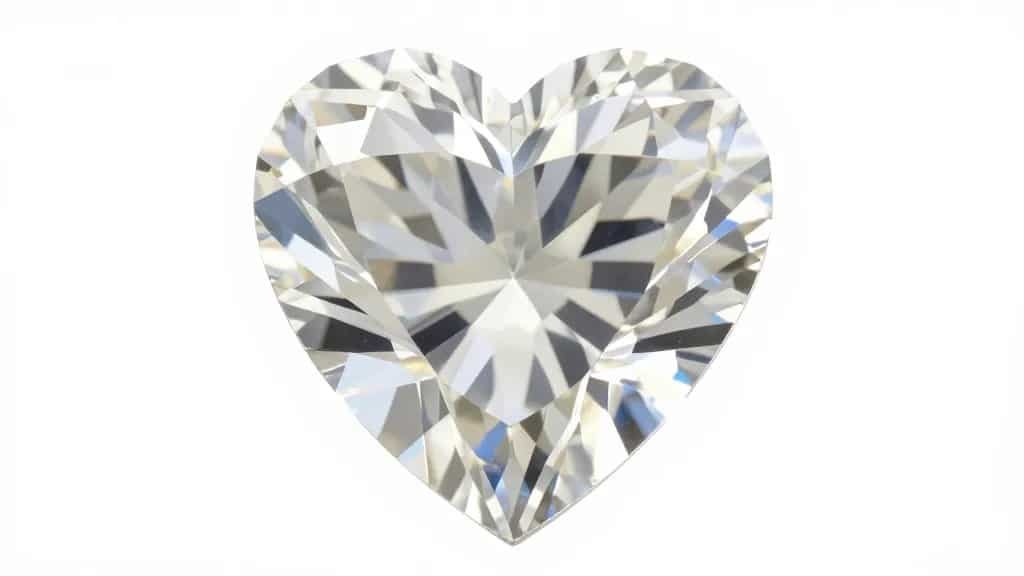
- The small giant: A 1.20 ct ruby, unheated, vivid red, excellent cut, eye-clean under casual viewing, with a respected lab report, can outprice a 2.50 ct heated ruby with weaker color and visible inclusions. Quality trumps size.
- Origin premium, contingent on beauty: A Kashmir sapphire that’s too dark or marred by inclusions won’t top a luminous Sri Lankan gem in market value. Origin can’t rescue poor beauty.
- Treatment transparency: A Colombian emerald with minor traditional oil often beats a larger stone heavily filled with resin. Stability and honesty count.
Buying Tips: From Showroom Lights to Sunlight
Price follows value, but your eye should lead the way. A few field-tested habits:
- View the gem in multiple lights—daylight, office LEDs, warm indoor bulbs. Fine stones keep their character.
- Rotate and tilt the stone. Look for windows, dead zones, and extinction (areas that go black). Liveliness should persist as you move it.
- Ask about treatments and origin, and request written disclosure. For significant buys, consider a lab report.
- Balance size with beauty. A well-cut 1.5 ct sapphire that dances beats a sleepy 3 ct rock.
- Choose the right setting for durability. Softer gems in rings deserve protective bezels or halos; harder stones can handle prongs.
- Work with reputable sellers who back their gems with return policies and credible documentation. Check references and trade affiliations.
If you’re mapping your next purchase, you might enjoy exploring companion topics like Gemstone Buying Guide, Gemstone Cuts, and Gemstone Value Guide for deeper dives into pricing nuances and design decisions.
Care and Longevity: Protecting Value After Purchase
Proper care preserves both beauty and resale value:
- Cleaning: Most durable gems (diamond, sapphire, ruby, spinel) handle warm soapy water and a soft brush. Avoid ultrasonic/steam for fracture-filled gems and oiled emeralds.
- Storage: Keep harder stones separate—diamonds and sapphires can scratch neighbors. Use soft pouches or individual compartments.
- Maintenance: Have prongs checked annually. A secure setting prevents heartache.
- Disclose during repairs: Tell your jeweler if a gem is oiled or filled. Heat and chemicals can harm treated gems.
Thoughtful care adds years to wear and helps a stone look its best when it’s time to appraise or resell. For further tips, see Gemstone Care and Gemstone Jewelry topics.
Common Myths and Honest Truths
- Myth: Precious vs. semi-precious equals value. Truth: The old labels are outdated. Fine spinel, tourmaline, and garnet varieties can surpass average “precious” stones in price.
- Myth: Bigger always costs more. Truth: Price per carat climbs with quality. A big, dull stone can be worth less than a small, electrifying one.
- Myth: All enhancements are bad. Truth: Some are stable and accepted (heat in sapphire). Value depends on type, degree, and disclosure.
- Myth: Origin is everything. Truth: Origin adds a premium only when matched with top beauty. Quality first, story second.
- Myth: Lab-grown is an investment. Truth: Lab-created stones are beautiful and affordable, but they typically don’t appreciate like fine natural gems.
FAQs
Why do unheated sapphires and rubies cost more?
Unheated stones are rarer because they must emerge from the earth already beautiful. Heat treatment improves many gems, so when a stone needs no help, collectors pay premiums for that natural perfection.
Which gemstones hold value best for everyday rings?
Diamond, sapphire, and ruby combine beauty and durability. Spinel also wears well. Choose stones with strong color, good cut, and reliable documentation for value retention.
How can I quickly spot a window in a gemstone?
Look straight down through the table against a light surface. If you see your finger clearly through the center, the stone is “windowed,” leaking light and often value.
Is origin proof always reliable?
Top labs use chemical fingerprints and inclusion patterns to estimate origin, but it’s an expert opinion, not GPS. Choose respected labs and weigh origin alongside actual beauty.
Do star sapphires and cat’s eye gems cost more?
Yes, when the phenomenon is sharp, centered, and visible under varied light. Fine star sapphires and crisp chrysoberyl cat’s eyes can be very valuable, especially in good body color.
Are “collector gemstones” a good investment?
They can be, but the market is specialized. Rarity plus unmistakable quality plus documentation is key. Buy what you love first; potential appreciation is a bonus.
Should I prioritize carat or color on a budget?
Choose color and cut first. A slightly smaller, vividly colored, well-cut stone will look better—and often pricier—than a bigger but sleepy gem.
A Final Word
Gemstone value is a conversation between nature and human taste—rarity and beauty shaped by origin, honesty of treatment, craftsmanship, and durability. Learn to read color and light, ask the right questions, and let your eye lead. Do that well, and you’ll choose stones that please you today and make sense on paper tomorrow.

Christian Grey is the creator of GemMeaning, where he shares simple insights about crystals, gemstone meanings, and spiritual guidance. His focus is on making complex ideas easy to understand and practical for everyday life.