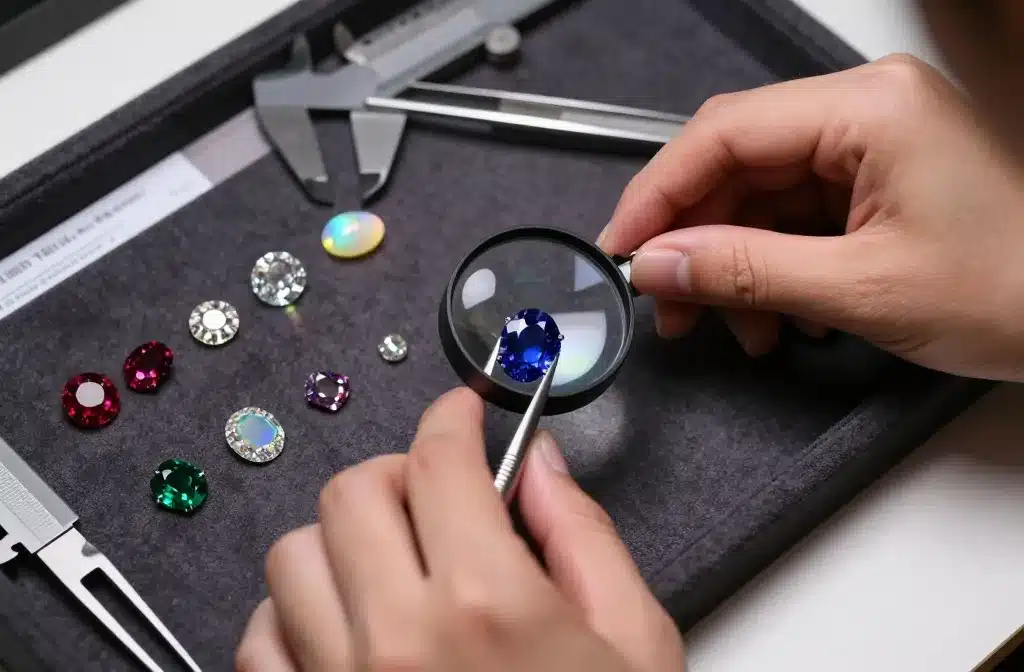
There’s a special sort of thrill in holding a gemstone up to the light and watching it breathe color. Whether you’re hunting for a sapphire that reminds you of the ocean or an emerald with garden-green depth, the right stone feels personal. The wrong one, bought in a hurry, can be an expensive lesson.
This guide walks you through the essentials: what makes a gem valuable, how to recognize natural beauty versus enhancements, and how to match a stone to your lifestyle and budget. You’ll learn how to read a grading report, spot common red flags, and choose settings that protect your investment.
By the end, you’ll know the language jewelers use, what the loupe reveals, and how to balance head and heart. You don’t need to become a gemologist overnight—just a curious, confident buyer with good questions and an eye for the details that matter.
Ready to enjoy the hunt as much as the find? Let’s build your toolbox.
Start with Purpose: What Are You Buying This Gemstone For?
Purpose shapes every decision. A ring for daily wear needs toughness and secure setting choices. A pendant for occasional outings can lean more delicate and prioritize color and size. A collector’s stone lives mostly in a box or safe, so rarity and provenance matter more than wearability.
- Everyday jewelry: Choose durable gems (sapphire, ruby, spinel, diamond) and sturdy settings.
- Occasional wear: You can stretch to softer beauties (opal, tanzanite, morganite) with mindful care.
- Collection or investment: Focus on exceptional color, rarity, origin, and strong documentation.
Have a budget ready but flexible. Set a comfortable range and allocate most of it to the stone rather than elaborate metalwork. Good gems hold attention even in simple settings.
Understand Value: The Four Cornerstones and Beyond
Value isn’t one thing. It’s a chorus of factors singing in tune. Think of these as your core criteria, then add nuance by gemstone type.
- Color: The main driver for colored stones. Look for saturation that’s vivid but not inky, hue that’s pleasing (e.g., royal blue sapphire, pigeon’s blood ruby, vivid green emerald), and evenness across the face. Poorly lit stores can trick your eyes—step to natural light if you can.
- Clarity: Inclusions are natural “birthmarks.” In some gems (emerald, paraiba), minor inclusions are expected. What matters is visibility: can you see them without magnification? Do they interrupt sparkle or threaten durability (feather cracks near the surface)?
- Cut: Cut controls life and brightness. A well-cut gem returns light in lively flashes and avoids dead zones (windowing) where you see through the stone. Tilt the gem; if the center goes see-through, it’s likely windowed.
- Carat Weight and Face-Up Size: Bigger isn’t always better. Check the millimeter dimensions. A deep stone can weigh more yet look smaller from the top. For rings, face-up presence often matters more than raw weight.
Other critical factors:
- Origin: Some localities command premiums (Kashmir sapphire, Burmese ruby, Colombian emerald). Origin affects price when independent labs can confirm it.
- Treatments: Heat, oil, diffusion, fracture-fill, beryllium, dye—each changes value. Natural, untreated stones are rarer and pricier; stable, traditional treatments (e.g., heat in corundum, oil in emerald) are widely accepted but should be disclosed.
- Rarity: Fine spinel, alexandrite, grandidierite, benitoite—less known, often scarce, sometimes remarkable value. See related topics like Rare Gemstones and Collector Gemstones if you want to explore beyond the classics.
Natural, Treated, Lab-Grown, or Imitation: Know What You’re Seeing
You’re not just buying a color—you’re buying an origin story. Ask for clear labeling and documentation.
- Natural: Formed in the earth over geologic time. May be untreated or treated. Expect inclusions that reflect its journey.
- Treated: Common and often stable. Heat in sapphire and ruby is standard. Emeralds are typically oil-treated to improve clarity. Know the method and stability: oil can dry out; glass-fill in ruby can be fragile.
- Lab-Grown: Same chemistry and crystal structure as natural, produced in a controlled environment. High clarity and strong color at a lower price. Must be disclosed. Great for budget or ethical goals; resale and rarity differ from natural.
- Imitation (Simulant): Different material that looks similar (glass, cubic zirconia for diamond, synthetic spinel for birthstones). Price is much lower. Fun costume option but not equivalent in value.
When a seller doesn’t disclose treatment, assume there is one. Ethical dealers make disclosure easy to understand and put it in writing.
Reading Light and Cut: Why Some Gems Sparkle and Others Sleep
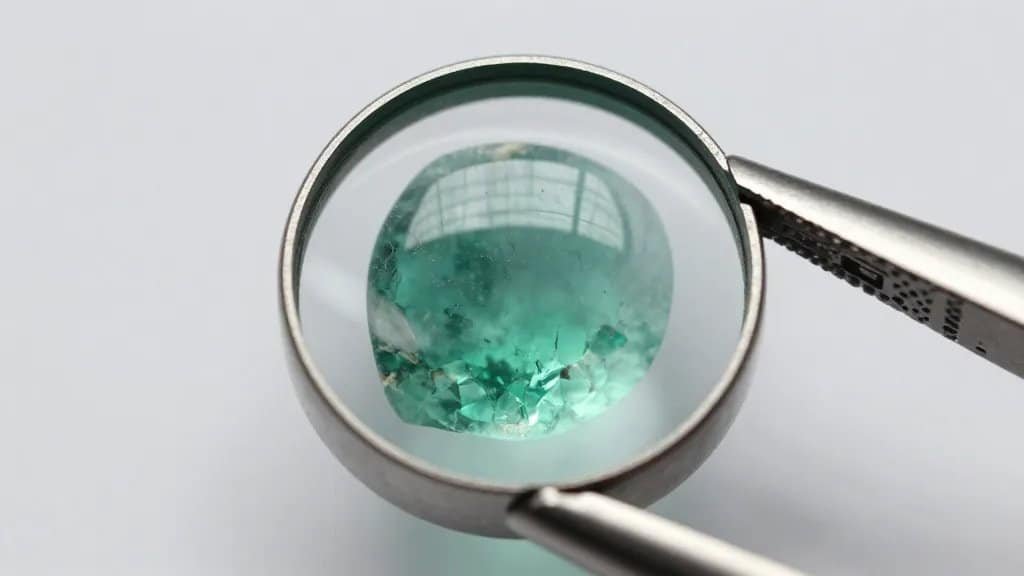
Gems are tiny theaters for light. The best ones put on a show even in humble lighting.
- Brilliance and Return: Hold the stone under diffuse light and then under a spotlight. A lively gem wakes up in both. If it goes dull except under strong beams, the cut may be too deep or shallow.
- Windowing and Extinction: Windowing looks like a see-through patch; extinction appears as dead, inky areas. A small amount is normal; large patches detract from beauty.
- Symmetry and Polish: Facets should mirror each other. Crisp junctions and a bright polish help gems sparkle and feel refined.
- Special Effects: Some stones have personality traits—alexandrite color-change, moonstone adularescence, star sapphires with asterism. For these, judge the strength, sharpness, and orientation of the effect.
Don’t underestimate shape. Ovals and cushions often maximize spread for cost; rounds and emerald cuts can be unforgiving but mesmerizing when well done. Explore Gemstone Cuts and Gemstone Shapes for deeper comparisons.
Hardness, Toughness, and Everyday Durability
Hardness (Mohs scale) measures scratch resistance; toughness measures resistance to breaking. Some gems are hard but brittle, others softer yet surprisingly wearable if protected.
- Very Durable (Daily Wear): Diamond (10), sapphire and ruby (9), spinel (8), chrysoberyl (8.5). Great for rings and bracelets.
- Moderate (Mindful Wear): Garnet (6.5–7.5), tourmaline (7–7.5), peridot (6.5–7), aquamarine (7.5–8). Safer in pendants and earrings or protected settings for rings.
- Delicate (Occasional Wear): Emerald (7.5–8 but often included), opal (5.5–6.5), tanzanite (6–7), morganite (7.5, but can abrade), pearls (3–4, organic). Choose bezels, halos, or low-set designs; keep them away from knocks.
Match the stone to you. If you work with your hands, a sapphire beats an opal for a daily ring. For gifts, steer toward durable classics unless you know the recipient loves delicate gems and will treat them kindly. See Gemstone Hardness and Gemstone Jewelry for more pairing ideas.
Documentation, Labs, and What a Good Report Tells You
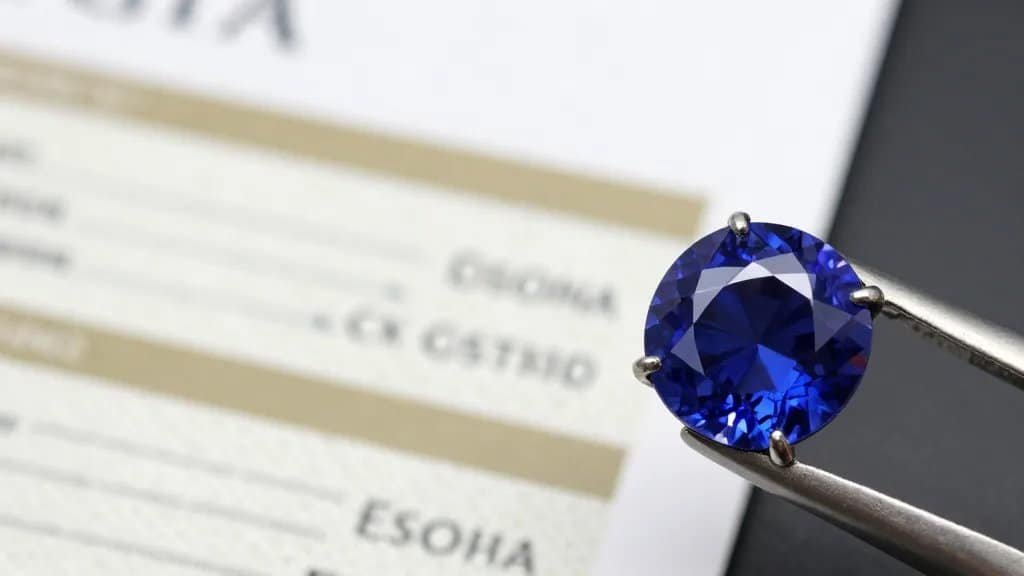
A lab report is the gemstone’s passport. It doesn’t judge beauty; it verifies identity, treatments, and sometimes origin.
- Reputable Labs: GIA, AGL, Gübelin, SSEF, GRS, Lotus Gemology, IGI (common for diamonds/lab-grown). For high-value stones, a top-tier report helps protect your purchase.
- What to Expect: Species and variety (e.g., corundum, sapphire), color description, weight and measurements, treatments (heat, oil, etc.), and possibly origin (if determinable).
- Appraisal vs. Report: An appraisal assigns a monetary value for insurance; a lab report provides scientific identification. They serve different purposes.
For high-ticket gems or those with claimed origins (e.g., “Burma ruby”), insist on a recognized lab report. For modest purchases, at least request a written treatment disclosure on the receipt.
Budgeting Smart: Where to Spend, Where to Save
Think like a curator. Your budget has more power when you prioritize beauty over bragging rights.
- Spend More On: Color quality, clean face-up appearance, good cut, and a stable treatment status you’re comfortable with. For emeralds, consider stones with minimal, traditional oil rather than heavy fillers.
- Save On: Slightly off-shape stones (oval instead of round), near-top colors rather than the rarest hue, small clarity characteristics that are not eye-visible, and metalwork that complements rather than competes.
- Consider Lab-Grown: Particularly for diamonds and some colored stones, lab-grown offers larger size and vivid color at a friendlier price.
Always compare stones side by side in the same light. Your eyes quickly learn what a 10% bump in budget buys—and where it’s not worth it.
Shopping Scenarios: Online vs. In-Store vs. Fairs
Each venue has strengths. Choose the one that suits your comfort and timeline.
- In-Store Jewelers: Try on settings, see stones under multiple lights, and build a relationship. Ask to view under magnification and outdoors if possible.
- Online Dealers: Wider selection, transparent pricing. Look for detailed videos, consistent color in images, return windows, treatment disclosure, and lab reports. Read customer reviews carefully.
- Gem Shows and Fairs: Great for selection and learning. Prices can be competitive, but it’s buyer-beware. Take a loupe, ask about treatments, and don’t rush—walk the floor first, then return to favorites.
Wherever you shop, clarity of return policy and written guarantees are non-negotiable. A trustworthy seller welcomes questions and provides documentation without pressure.
Identification Tips You Can Use on the Spot
You don’t need a lab bench to make smart observations. These simple checks help you avoid common pitfalls.
- Loupe (10x): Look for inclusions consistent with natural growth: tiny crystals, needles, fingerprint-like patterns. Gas bubbles in groups suggest glass; curved striae can indicate flame-fusion synthetic corundum.
- Double Refraction: Some gems (tourmaline, zircon) show doubled facet edges when viewed through the table. It’s a helpful clue, not proof.
- Weight Feel: Zircon and sapphire feel heavy for their size; glass feels unexpectedly light. With experience, heft becomes a quick tell.
- Temperature and Luster: Glass warms quickly in the hand and has a softer luster. Corundum and spinel feel cooler, with sharper reflections after a good polish.
- UV Reaction: Some rubies fluoresce strongly; many sapphires do not. Portable UV lights can help, but interpretation requires practice.
If a claim sounds extraordinary at a bargain price, it likely needs a lab report to match. That “perfect” Kashmir sapphire without papers? Walk away or budget for testing.
Treatments: What’s Normal, What’s Worrying
Treatments range from traditional and accepted to value-changing and fragile. Know which is which.
- Common and Generally Accepted: Heat treatment in sapphire and ruby; oil/resin in emerald (degree matters—minor vs. heavy). These should be priced accordingly and disclosed.
- Value-Reducing or Fragile: Glass-filled ruby, dyed jade, diffusion-treated sapphire (surface color), heavily impregnated turquoise, coated topaz. These can look good initially but may fail or fade. Handle with skepticism unless priced as such.
- Stability: Stable treatments withstand normal wear; unstable ones respond poorly to chemicals, heat, or ultrasonic cleaners. Ask how to care for the treated stone before buying.
If treatment details are vague, assume more intervention than stated. A transparent seller explains the process, permanence, and proper care.
Choosing a Setting: Beauty Meets Protection
The right setting showcases the gem and shields its vulnerabilities.
- Prong vs. Bezel: Prongs show more light and size; bezels hug the edge and protect chips, especially for softer stones.
- Halo and Accents: Smaller diamonds around a colored center amplify presence and add sparkle. Ensure the center isn’t overpowered by the halo.
- Height and Lifestyle: Low-profile settings snag less and take fewer knocks. If you love tall solitaires, consider harder stones and frequent checkups.
- Metal Choices: Platinum grips prongs well and resists wear. White gold offers a bright look; yellow and rose gold can enrich certain gem colors (e.g., warm gold with morganite).
For rings with opal, tanzanite, or emerald, a protective bezel or semi-bezel is worth its weight in peace of mind. Explore Gemstone Rings, Gemstone Necklaces, or Gemstone Earrings for style ideas suited to each stone.
Care, Cleaning, and Long-Term Happiness
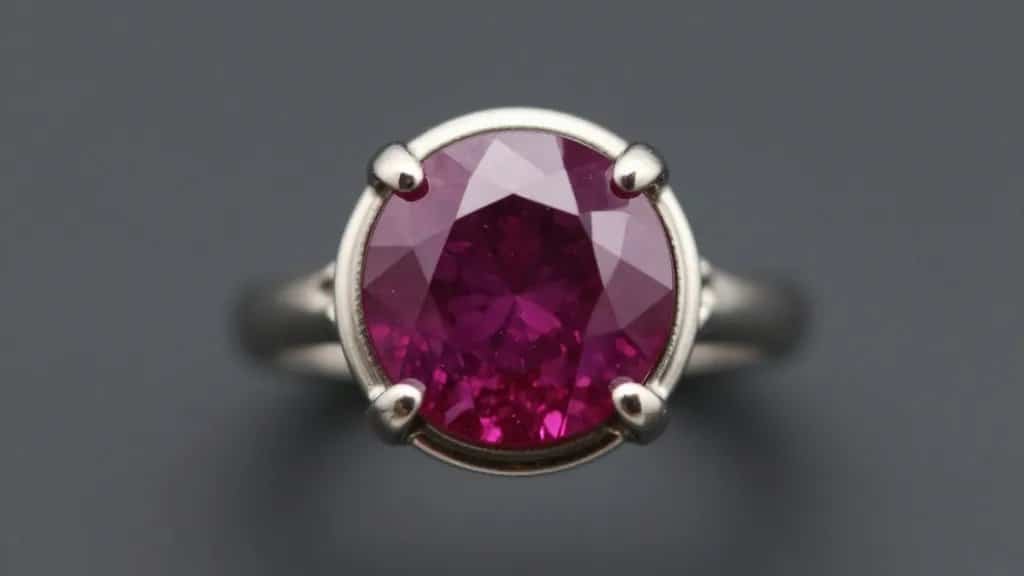
Proper care keeps color bright and facets crisp.
- General Cleaning: Lukewarm water, mild soap, soft brush. Rinse thoroughly and pat dry. Avoid harsh chemicals and steam unless you’re sure the stone tolerates it.
- Avoid Ultrasonic/Steam For: Emerald (especially oiled), opal, tanzanite, turquoise, lapis, pearls. These can crack, dehydrate, or discolor.
- Storage: Separate compartments or soft pouches. Hard stones scratch softer neighbors. Opals appreciate a bit of ambient humidity.
- Maintenance: Have prongs and bezels checked annually. Re-oil emeralds as needed by a professional. Re-polish worn facets on softer gems when they start to look hazy.
A simple habit—removing rings before gym, gardening, or cleaning—prevents most heartbreaks. For detailed upkeep, see Gemstone Care.
Common Mistakes First-Time Buyers Can Avoid
- Chasing carat weight over color and cut. A lively 1.2 ct outshines a sleepy 1.5 ct every time.
- Skipping treatment disclosure and documentation. If there’s no paper trail, price accordingly.
- Ignoring durability. Gorgeous but delicate stones need protective settings and gentle wear.
- Buying under poor lighting. Inspect in neutral or daylight conditions for a true read on color.
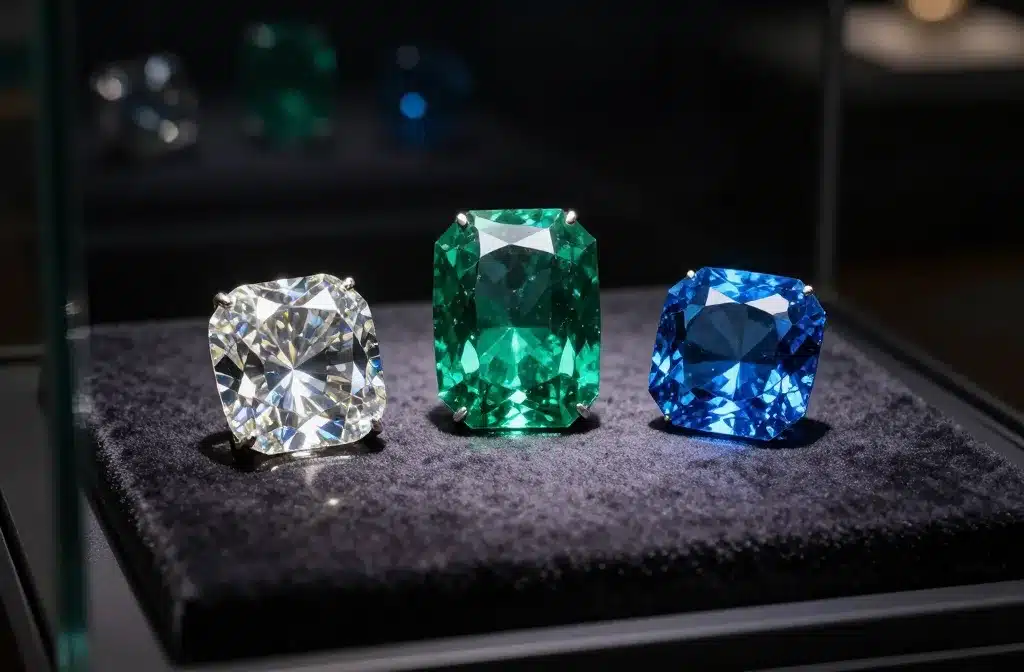
- Not comparing options. Seeing three or four stones side by side trains the eye fast.
- Confusing “rare” with “expensive.” Some rare stones are niche; some common stones in top color are fiercely priced.
A Quick Tour of Popular Choices
Here’s how major players behave in the real world, with a nod to color and durability.
- Sapphire (Corundum): Colors span royal blue to pastel, plus pink, yellow, and green. Mohs 9, tough and dependable. Heat treatment common. A classic for engagement rings; blue remains king for timeless appeal.
- Ruby (Corundum): Vivid red with a whisper of blue is most prized. Mohs 9. Watch for glass-filled material. Strong fluorescence in some can enhance glow.
- Emerald (Beryl): A lush green with silky jardin inclusions. Mohs 7.5–8 but often brittle. Expect oil. Best in protective settings and occasional wear.
- Spinel: Brilliant and underappreciated, found in red, pink, blue, and gray. Mohs 8. Often untreated. A savvy alternative to ruby or sapphire.
- Tourmaline: A rainbow species—vivid pinks, greens, and the coveted neon paraiba. Mohs 7–7.5. Some heat or clarity improvements occur. Good for jewelry with care.
- Garnet: More than deep red—look for vivid tsavorite green and mandarin orange spessartite. Mohs 6.5–7.5. Often untreated, excellent fire when well cut.
- Opal: Play-of-color like confetti under glass. Mohs 5.5–6.5. Sensitive to dryness and shock. Mesmerizing in pendants and earrings.
- Aquamarine and Morganite (Beryl): Soft sea-blue and peach pink. Mohs 7.5–8. Often heat-treated to improve hue. Lovely in larger sizes.
For deeper comparisons, see Gemstone Comparisons or Gemstone Colors to refine your taste and shortlist.
Red Flags and Green Lights
- Red Flags: Prices too good to be true; no treatment disclosure; refusal to provide lab reports for high-value claims; strong surface color concentration at facet junctions (possible diffusion); obvious air bubbles and swirls (glass); inconsistent weight for size.
- Green Lights: Clear, written disclosures; lab reports for important pieces; videos under multiple lighting conditions; return policies; willingness to educate rather than pressure.
Trust travels both ways. Reward transparent dealers with your business—and keep their card for future upgrades.
FAQs
How do I tell if a gemstone is real without equipment?
Check for natural inclusions with a simple loupe, compare weight feel to glass, and observe luster and facet crispness. When in doubt, ask for documentation or use a trusted jeweler for verification.
Is a lab-grown gemstone a good choice for an engagement ring?
Yes, if you value size, color, and budget. Lab-grown has the same chemistry as natural. Just recognize differences in rarity and resale. Disclosure is key.
Which gemstones are the safest for daily-wear rings?
Diamond, sapphire, ruby, spinel, and chrysoberyl. Their hardness and toughness make them reliable for everyday use.
Do I need a lab report for every purchase?
Not for low-cost pieces, but for high-value gems or those with claimed origin/treatment status, a recognized lab report protects you.
Why does my gemstone look dull at home compared to the store?
Jewelry stores often use bright spotlights that exaggerate sparkle. Evaluate gems in neutral or daylight conditions to see true performance.
What’s the safest way to clean my gemstone jewelry?
Mild soap, lukewarm water, and a soft brush. Avoid ultrasonics and steam for emerald, opal, tanzanite, pearls, and porous stones.
How important is origin for value?
For certain gems (ruby, sapphire, emerald), verified origins can add significant premiums. Beauty still reigns, but origin influences price and collectability.
Final Thoughts
Buying a gemstone should feel like choosing a companion: beautiful, understood, and well-matched to your life. Learn what gives a stone its voice—color, cut, clarity, durability—and insist on clear disclosure. With a good eye and a few smart tools, you’ll pick pieces that stay admired long after the receipt is filed away.

Christian Grey is the creator of GemMeaning, where he shares simple insights about crystals, gemstone meanings, and spiritual guidance. His focus is on making complex ideas easy to understand and practical for everyday life.