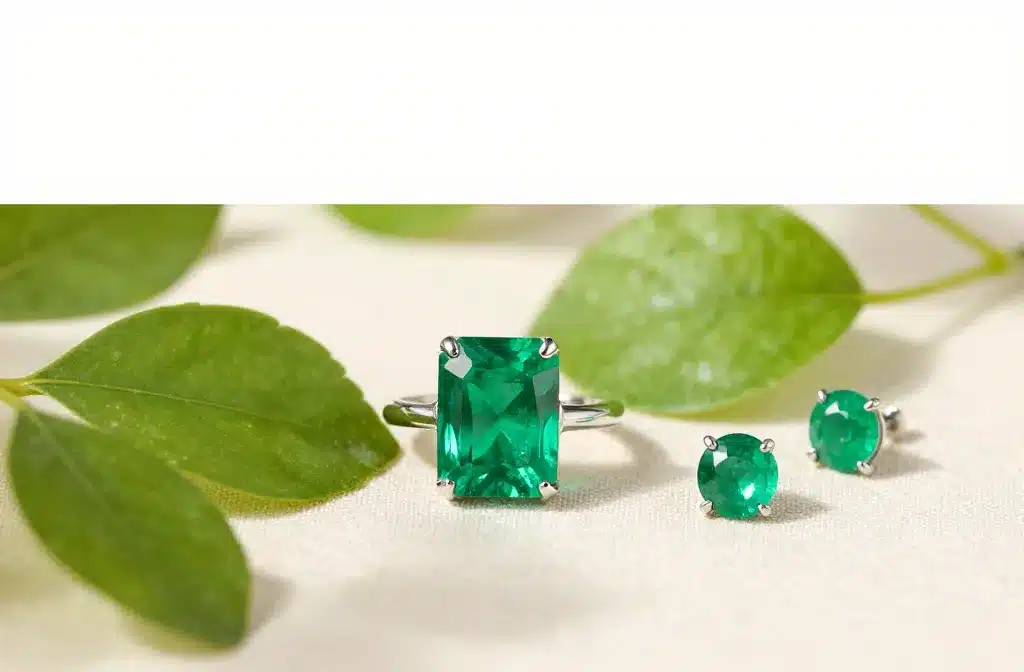
The green of May has a particular glow—fresh, hopeful, and somehow sophisticated. That same spirit lives inside May’s birthstone, emerald, which can make a simple outfit feel composed or turn a special moment into a keepsake. Good emerald jewelry isn’t just pretty; it carries stories in its inclusions and heritage in its cuts.
Here you’ll learn what makes emerald jewelry so compelling, how to judge its quality, and which styles age gracefully. We’ll talk color grades you can actually recognize with your eyes, treatments to ask about, and everyday care that keeps your heirlooms bright. You’ll also see why certain settings protect this storied gem and why some pieces climb in value while others simply sparkle with joy.
Expect real-world buying pointers alongside a bit of gemological context. If you’re gifting for a May birthday, choosing a personal milestone piece, or simply drawn to luminous green, you’ll leave confident and inspired.
And yes, we’ll touch on the romance—emeralds have plenty of it—but we’ll anchor everything in practical advice so the jewelry you pick today is worth saving tomorrow.
Why Emerald Speaks May So Well
Emerald’s color sits between fresh leaf and forest shade, an almost living green. It’s the gem variety of beryl colored by chromium and/or vanadium, and its hue feels like spring distilled. That color isn’t just pleasing; for centuries emerald has symbolized renewal, growth, wisdom, and clear vision. Those themes suit birthdays, anniversaries, and “fresh chapter” moments as much as they suit May.
In bright light, a fine emerald doesn’t flash like a diamond; it glows. You’ll see a soft, velvety radiance with gentle internal reflections. That glow is one reason the gem looks beautiful across skin tones and in different metals—yellow gold deepens its warmth; white metals cool it to a crisp, modern green.
What Gives Emerald Its Color and Texture
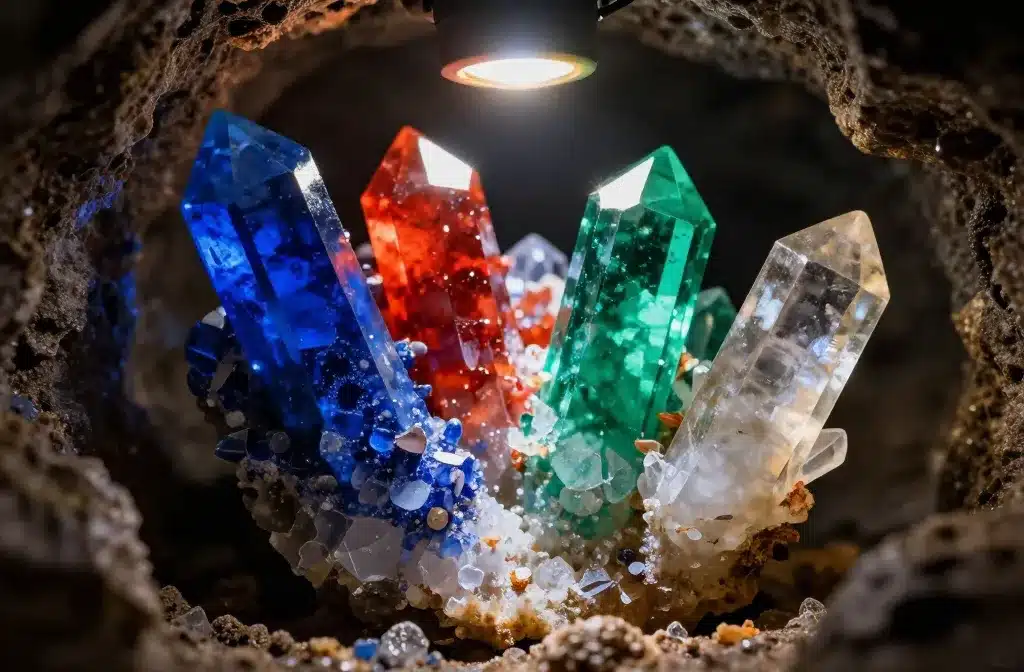
Emerald forms in geological environments where beryllium meets trace elements like chromium. This unlikely meeting often creates internal features—veils, tiny fissures, and mineral “gardens”—collectively called inclusions. In emeralds, they’re so expected gemologists have a nickname: the jardin, or garden.
These growth features scatter light slightly, which produces the famous silky glow. Perfectly clean emeralds are exceptionally rare, and most fine stones still show some character under magnification. The key is how inclusions affect transparency. A fine emerald balances a rich hue with enough clarity to let light move; too many internal fractures can make the gem look sleepy.
On the Mohs Scale of Hardness, emerald is 7.5–8, which sounds sturdy—and it is for scratches—but its natural fissures can weaken toughness. That’s why thoughtful setting design matters and why gentle wear habits keep pieces looking fresh for decades.
Color, Clarity, and Cut: What You’ll Actually See
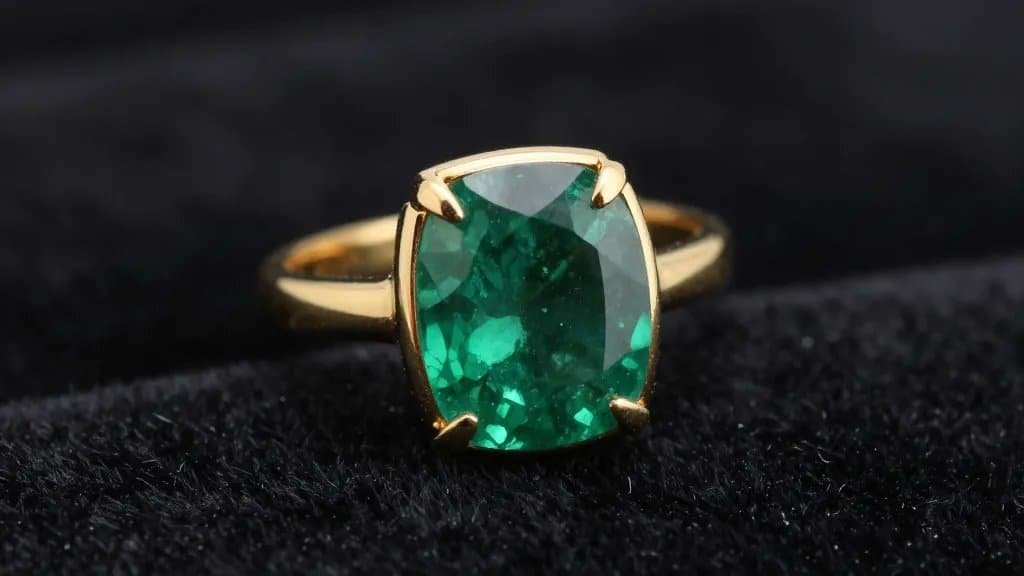
Jewelers love to say “color is king” for emerald, but let’s make that useful. When you view a stone at arm’s length:
- Hue: You want a true green or slightly bluish green, not yellowish. Cool daylight shows hue honestly.
- Tone: Aim for medium to medium-dark. Very dark tones can look inky; very light can look minty rather than emerald.
- Saturation: Look for a vivid, even color that doesn’t turn gray in low light.
Clarity ranges widely. You’ll likely see tiny wisps or threads if you look closely. Favor stones where those features don’t interrupt the overall transparency. If the gem still glows and letters on a page blur softly through it, you’re in a good zone.
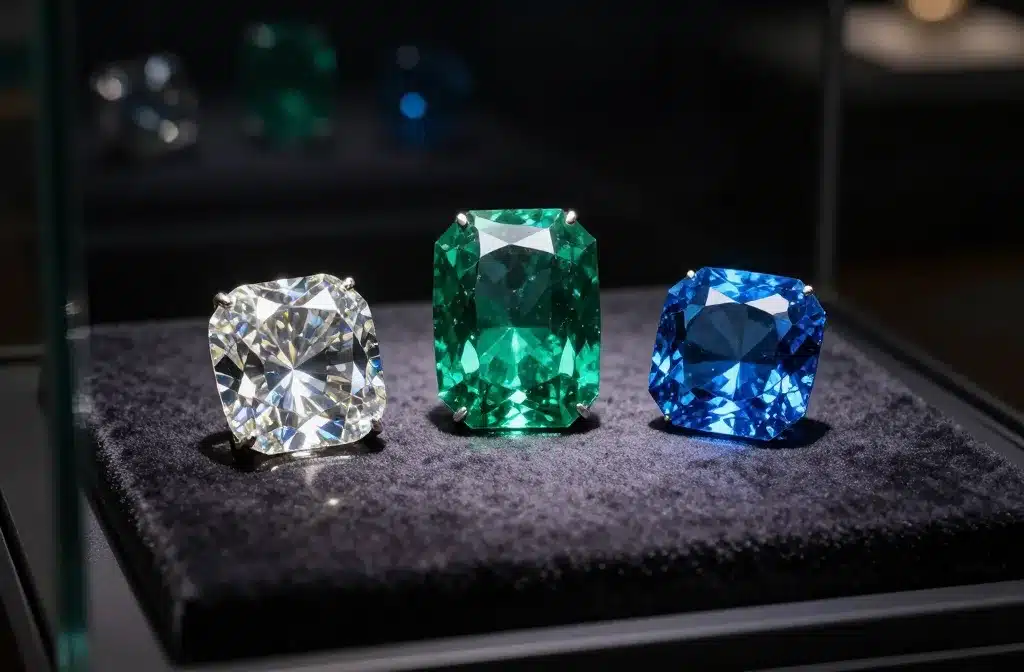
Cut influences durability and beauty. The classic emerald cut—broad steps, trimmed corners—was made for this gem. It protects against chipping and flatters the color by creating larger windows of glow rather than sharp scintillation. Oval, pear, and cushion cuts can be stunning when the color is even. Round and princess cuts are less common because they waste rough and can emphasize inclusions.
Origin Stories and How They Affect Price
Origin can influence value because certain locales consistently yield desirable color and character.
- Colombia: Often the benchmark. Muzo and Chivor districts produce saturated, slightly bluish greens with notable transparency. Stones with classic Colombian color and graceful jardin command premiums.
- Zambia: Known for clean crystals and cooler, sometimes more bluish tones. Prices are strong but usually under top Colombian. Zambian emeralds often perform beautifully in modern white-metal settings.
- Brazil: Wide range, from light mint to rich green. Some crystals are quite large, making Brazilian sources a go-to for bold statement pieces.
- Afghanistan, Ethiopia, Russia, Pakistan: Producers of fine material in smaller volumes. Superb stones exist and can be connoisseur favorites.
Ask for origin only if it matters to you or value is high. A well-cut Zambian stone can outshine a mediocre Colombian emerald every day of the week. What your eyes love should lead, with lab reports to support premium claims when the price brackets upward. If you enjoy digging deeper, you may like exploring related topics such as Gemstone History and Gemstone Facts to place your emerald in a broader story.
Treatments You Should Expect—and How to Read Them
Almost all emeralds are clarity enhanced. Traditional oiling with colorless cedarwood oil fills surface-reaching fissures to improve transparency. It’s accepted in the trade when disclosed. Modern polymer or resin fills last longer but range from subtle to significant.
Here’s how to think about it:
- No enhancement: Rare, priced accordingly, usually with a lab report. Wonderful for collectors.
- Minor oil: Very common in high-quality stones. A pragmatic, respected standard for fine jewelry.
- Moderate oil or polymer: Often makes a pretty stone more wearable and affordable. Ask which substance was used and if it’s stable.
- Heavy impregnation or dyed filler: Budget territory. Pretty today, but value and longevity may suffer.
Request disclosure in writing. For significant purchases, a report from a major lab helps, especially if origin or treatment level justifies price. This is where a quick skim of a Gemstone Buying Guide or Gemstone Identification overview pays dividends.
Designs That Do Emerald Justice
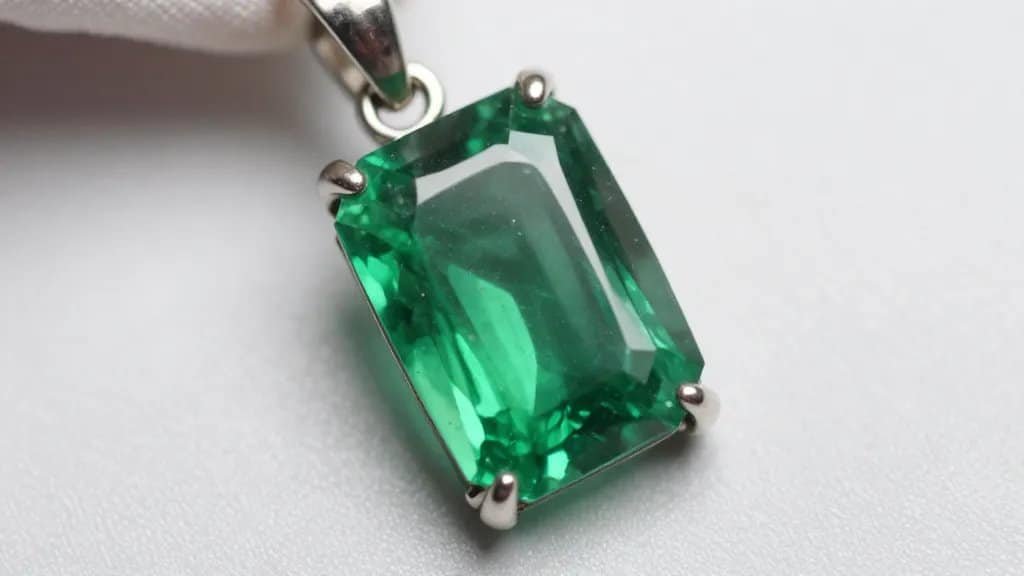
Because emeralds can have internal fractures, protective settings matter as much as style. Look for:
- Bezel or semi-bezel settings: A thin rim of metal around the stone shields vulnerable edges and corners. Great for rings and bracelets.
- Prongs with care: Double prongs or protective V-prongs on corners work well, especially for emerald cuts and pears.
- Halo frames: Small diamonds around the emerald add sparkle and guard edges. Choose low-profile halos for everyday wear.
- East–west settings: An emerald or oval set horizontally feels modern and distributes impact risk differently—stylish and smart.
For pendants and earrings, the risk of knocks is lower, so you can indulge in more open designs. A simple emerald solitaire pendant on a fine chain looks timeless and lets the color speak. In earrings, step-cut emerald drops exude quiet luxury, while small studs bring a flash of green that dresses up a weekday.
Everyday Pieces You’ll Keep Reaching For
Curating a small emerald wardrobe pays off because green plays well with neutrals and other colors. Consider these evergreen picks:
- Emerald Band Ring: A low-profile half-eternity with well-matched stones. Choose channel or bezel settings for strength. It’s a tasteful stacker alongside a diamond band.
- Solitaire Pendant: One cleanly cut 0.50–1.50 ct emerald on a fine cable or wheat chain. Yellow gold warms the color; platinum keeps it cool and sleek.
- Petite Studs: 3–5 mm rounds or cushions, bezel set. They add a whisper of color without asking for attention.
- Three-Stone Ring: Emerald center flanked by tapered baguette diamonds. A classic that flatters hands and emphasizes emerald’s glow.
- Hinged Bangle with Bezel Emeralds: Understated, protective, and easy to wear. Ideal for those who want a daily pop of green.
If you enjoy exploring broader style considerations, browsing Gemstone Jewelry and Gemstone Rings can spark ideas on pairings, shapes, and proportions that suit your lifestyle.
Real vs. Lab-Grown vs. Imitation: Clear Comparisons
All three can be beautiful, but they’re very different purchases.
- Natural Emerald: Born in the earth, typically oil-enhanced, valued for origin, color, and character. Price reflects rarity.
- Lab-Grown Emerald: Real emerald (same chemistry and crystal structure) grown in a lab by hydrothermal or flux methods. Often cleaner, vividly colored, and more affordable. Must be disclosed as lab-grown.
- Imitations: Green glass, synthetic spinel, or assembled triplets that only look like emerald. Not emerald. Useful for costume jewelry; value is primarily decorative.
Quick identification hints: Natural emeralds often show a garden of inclusions under 10x magnification; lab-grown stones show telltale growth patterns like curved veils or chevron flux residues depending on method. Glass has gas bubbles and a softer, “duller” luster. For certainty, a professional evaluation aligns with the basics you’ll see covered under Gemstone Identification.
Value Factors and Smart Budgeting
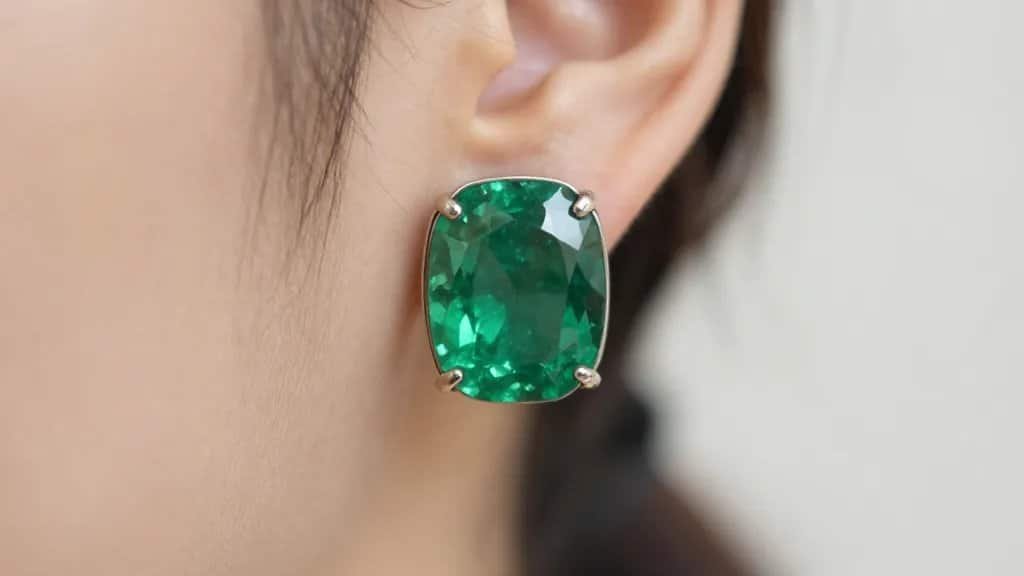
Emerald pricing hinges on a few interconnected elements:
- Color Quality: Vivid, evenly distributed green rules the market. That’s where premiums stack fast.
- Clarity and Transparency: The fewer disruptive fractures, the pricier the stone—especially if untreated or lightly oiled.
- Cut and Carat: Step cuts that preserve even color and symmetry matter. Above one carat, prices rise sharply for fine stones.
- Origin and Documentation: Colombian with top color and minor oil plus a respected lab report can jump tiers.
If you’re balancing beauty with budget, consider slightly lighter tones with strong saturation, or Zambian stones with excellent cut. Choose yellow gold, which complements a wider range of greens and can visually enrich slightly lighter color. And never underestimate the impact of precise cutting; a well-proportioned 0.80 ct emerald often looks better than a sleepy 1.20 ct.
For comparative context across gem families, resources on Gemstone Comparisons and a Gemstone Value Guide can help you recognize when a price makes sense relative to color and clarity trade-offs.
Care, Cleaning, and Long-Term Maintenance
Emeralds appreciate gentleness. Follow these habits so your May birthstone jewelry stays an heirloom:
- Avoid Ultrasonic and Steam Cleaners: Vibrations and heat can widen fissures or disturb filler. Stick to lukewarm water, mild soap, and a soft brush. Rinse well and pat dry.
- Mind Chemicals: Remove jewelry before cleaning, swimming, or applying lotions and perfumes. Solvents can draw out oils or haze surfaces.
- Storage: Keep emeralds separate from harder gems like diamonds and sapphires. Individual pouches or compartments prevent scratches.
- Check Settings: Have a jeweler inspect prongs and bezels yearly, especially on rings. If you notice a sudden change in appearance after years, the stone may need gentle re-oiling by a professional.
With attentiveness, emeralds hold up beautifully. Their charm is resilient, and their color doesn’t fade. You’re preserving both the gem and the memories attached to it—worth the extra care.
Who Looks Best in Emerald, and When to Wear It
Emerald flatters almost everyone. On warm skin tones, the green reads lush; on cool tones, it looks crisp. It pairs elegantly with black, navy, cream, and camel, but don’t be shy about color—emerald against soft pink or lavender is surprisingly chic.
For daytime, lean on bezels, bands, and pendant solitaires. Evenings welcome the drama of step-cut drops, halo rings, and broad cuffs. For milestone gifts—30th, 35th, or 55th anniversaries, or a May baby’s first heirloom—prioritize classic shapes such as emerald-cut solitaires or three-stone rings that never fall out of favor.
For Collectors: Notable Cuts, Pairs, and Old Gems
Collectors often pursue matched pairs for earrings—well-matched emeralds are rarer than single stones and accrue value. Old mine Colombian stones with graceful jardin, antique step cuts with tall crowns, or historic settings from Art Deco and Retro eras make for meaningful acquisitions. A soft polish and knife-edge bezels can indicate vintage craftsmanship.
If you’re building a small collection, keep documentation tight: lab reports for high-value stones, treatment disclosures, and any provenance. Rotating wear and professional inspections help preserve both gem and mounting. Those who enjoy the broader landscape often explore Collector Gemstones or Rare Gemstones to understand where fine emerald sits in the hierarchy of desirable pieces.
Common Mistakes to Avoid
- Chasing Carat Over Color: A larger but murky stone won’t age as well as a smaller, vivid gem.
- Ignoring Setting Integrity: Delicate prongs and open corners on a ring can invite chips during daily wear.
- Skipping Disclosure: Always ask about treatments and keep a record. It matters for value and care.
- Rough Cleaning: Ultrasonic tanks are not your emerald’s friend. Gentle hand cleaning wins.
- Assuming Origin Guarantees Quality: A lackluster Colombian stone isn’t better than a superb Zambian stone in real life.
FAQs
Is emerald a good choice for an engagement ring?
Yes, if you accept its need for care. Choose a protective setting (bezel or sturdy prongs), avoid harsh cleaning, and expect periodic checkups. Many couples love the symbolism and unique glow.
How can I tell if my emerald is treated?
Most are. A jeweler or lab can confirm and estimate the degree. Look for written disclosure on oiling or polymers; major purchases deserve a lab report.
What metal pairs best with emerald?
Yellow and rose gold enrich warmth; platinum and white gold create a cool, modern contrast. Let the emerald’s tone guide you—slightly lighter greens often sing in yellow gold.
Can emeralds be worn daily?
Yes, with care. Rings require the most caution; pendants and earrings are easier. Remove before workouts, housework, or rough activities.
Why do some emeralds look silky rather than sparkly?
Emerald’s step cuts and internal jardin scatter light differently than diamonds. Expect a velvety glow rather than high scintillation—that’s part of the charm.
Do lab-grown emeralds hold value?
They offer beauty at lower cost but don’t track rarity the way natural stones do. Buy lab-grown for design and color, not long-term appreciation.
What’s a sensible starter size for a pendant?
Between 0.50 and 1.00 carat is versatile, flattering, and often offers strong color without a steep price leap.
Final Thoughts
May birthstone jewelry earns a special place not just because emerald is beautiful, but because it wears its history in plain sight—color, jardin, and glow. Choose vivid, well-cut stones, favor protective settings, understand treatments, and care for them gently. Do that, and your emerald pieces will become the kind you reach for often and save for the next chapter in your family’s story.

Christian Grey is the creator of GemMeaning, where he shares simple insights about crystals, gemstone meanings, and spiritual guidance. His focus is on making complex ideas easy to understand and practical for everyday life.