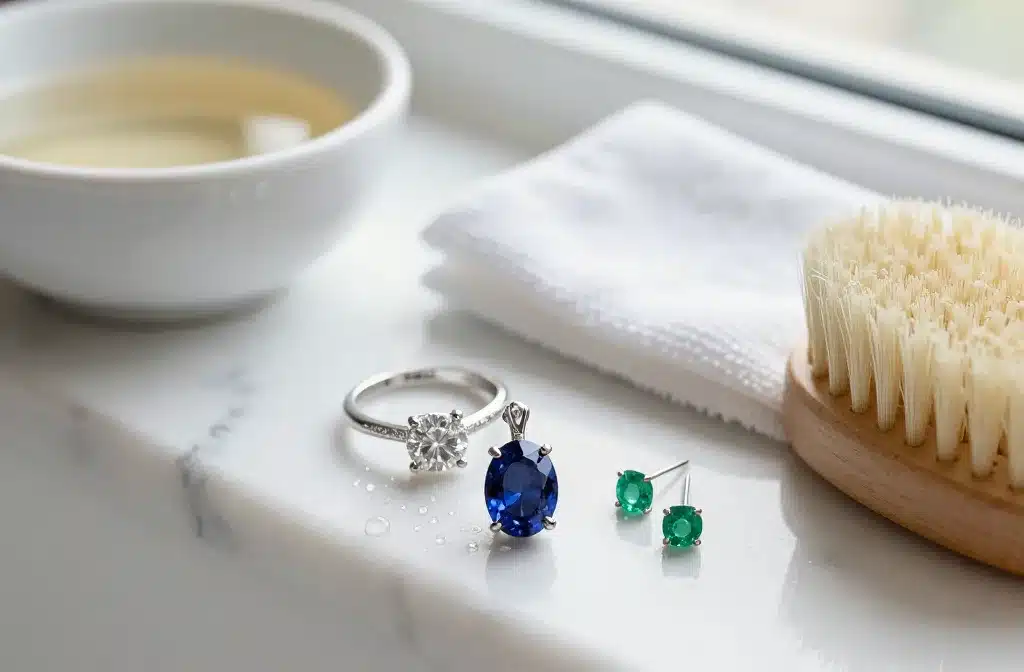
Your jewelry holds stories—anniversaries, travels, personal milestones—and each stone has its own temperament. Cleaned well, gems flash with life; cleaned poorly, they dull or, worse, are damaged in a moment. The surprising truth is that most mishaps happen at the sink, not in a workshop.
Here you’ll learn a safe, methodical approach for keeping gemstone jewelry clear and bright, plus exactly which stones love water and which need a gentler touch. We’ll talk tools, solutions, and step-by-step methods you can apply today, along with easy red flags that warn you to stop and call a professional.
If you’ve ever wondered why one ring looks newly lit while another seems to fade, the answer is rarely magic—it’s chemistry, structure, and the way light plays in a clean setting. We’ll make sense of that so your pieces look the way they were meant to.
Expect practical routines by gemstone type, common mistakes to avoid, myths debunked (no toothpaste, ever), and a quick checklist you can keep by the sink. Let’s keep those facets singing.
Know Your Stone Before You Touch a Brush
Every gemstone belongs to a mineral family with a specific hardness and structure. Those two traits—measured by the Mohs Scale and the stone’s internal architecture—define how it tolerates heat, chemicals, and abrasion. Cleaning success starts with identification.
- Hard and robust (Mohs 9–10): Diamond, corundum (ruby and sapphire). These handle mild detergents and soft brushes well, but avoid harsh chemicals that can attack metal settings and fracture-filled stones.
- Durable but not invincible (Mohs 7–8): Topaz, aquamarine, spinel, garnet. Generally fine with gentle soap and water; be mindful of inclusions and surface-reaching fractures.
- Softer or porous (Mohs 5–6.5): Feldspars (moonstone, labradorite), peridot, tanzanite. Use extra-gentle methods; avoid long soaks and heat swings.
- Porous/organic or heat- and chemical-sensitive: Opal, turquoise, malachite, lapis lazuli, pearls, coral, amber. Avoid ammonia, alcohol, and ultrasonic/steam. These often need only a light damp wipe.
If you’re unsure what you have, look at color, luster, and optical behavior. For example, opal shows rolling play-of-color rather than mirror-like brilliance; turquoise has a waxy, opaque look; sapphire shows a bright, glassy luster with high transparency. When in doubt, consult a jeweler or a reliable Gemstone Identification resource before cleaning.
Tools and Solutions: Simple, Safe, and Easy to Find
You don’t need a lab, just the right toolkit. Keep these items in a small pouch so you’re not improvising with risky substitutes.
- Mild dish soap: Clear, dye-free, lotion-free. A single drop in a cup of warm water is enough.
- Two bowls: One for the soapy bath and one for rinse; line them with a soft cloth or use plastic bowls to avoid accidental chipping.
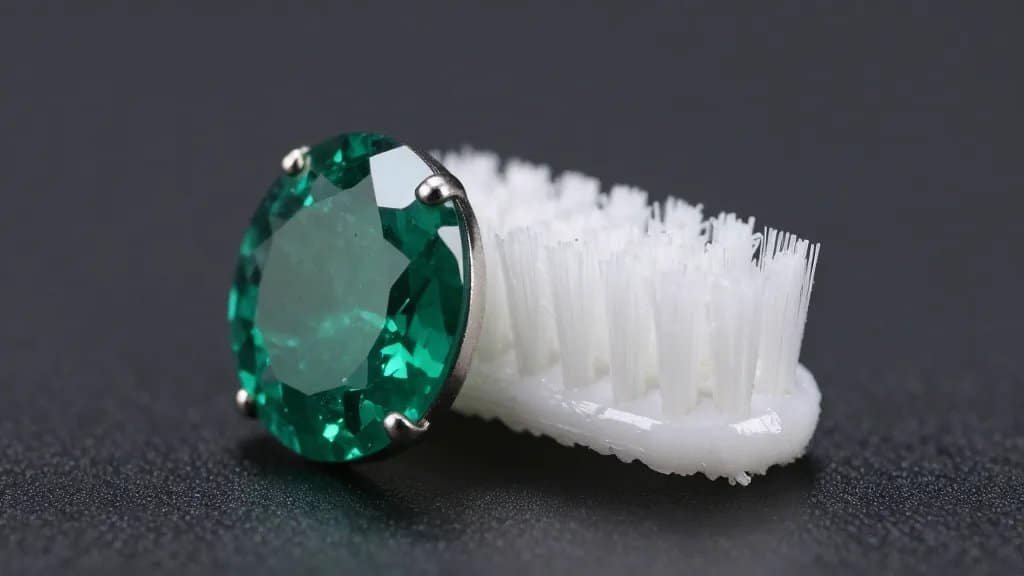
- Soft brushes: A baby toothbrush or dedicated jewelry brush with ultra-soft bristles. Avoid stiff bristles that can scratch softer gems and metal.
- Lint-free cloth or microfiber: For drying and final polish.
- Rubber sink mat or mesh strainer: To prevent ring-down-the-drain tragedies.
- Wooden toothpicks or interdental brushes: For getting behind prongs and under galleries without scraping metal.
- Isopropyl alcohol (optional): Only for diamond, ruby, sapphire, and uncoated spinel to degrease after soap—avoid on organic/porous stones.
Avoid ammonia and vinegar unless you’re absolutely certain the piece is suitable, and never mix chemicals. Household cleaners can etch porous stones and pit metal finishes.
A Gentle, Universal Method for Most Durable Stones
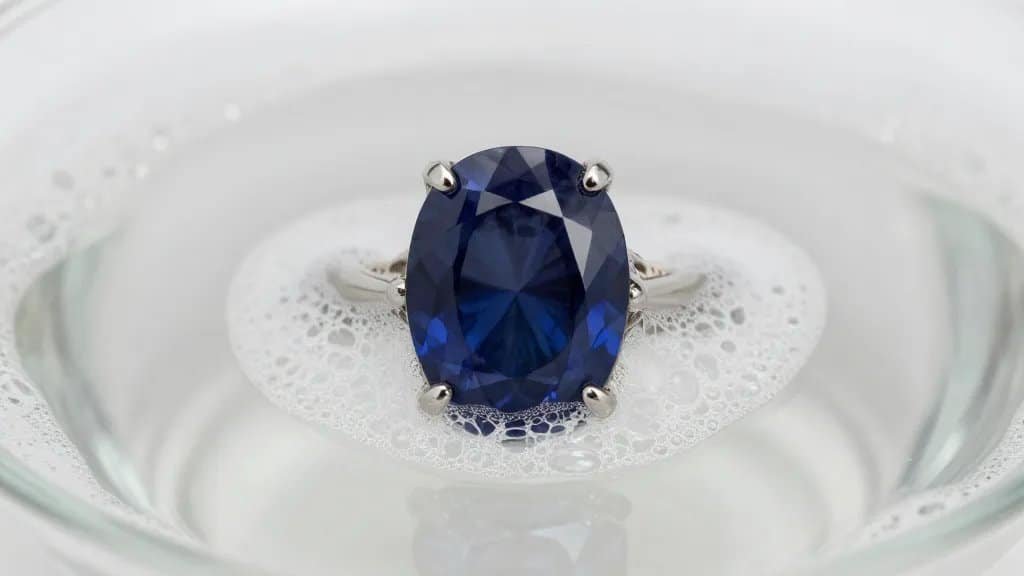
For diamonds, sapphires, rubies, spinel, and most garnets, a simple warm-soap bath returns sparkle and removes skin oils that scatter light and hide brilliance.
- Preparation: Place a mat in the sink or work over a table. Remove the piece from your finger or neck and check for loose stones. If anything rattles or prongs are bent, stop and see a jeweler.
- Soak: In a bowl, mix a drop of mild soap in warm water (not hot). Let the jewelry soak 10–15 minutes to loosen residue.
- Brush: With a soft brush, clean the underside of the stone first—the pavilion and culet area are grime magnets. Use small circles and light pressure.
- Rinse: Move to your clean-water bowl and swish thoroughly. Never rinse directly over an open drain.
- Inspect: Hold the piece under a light and tilt it. True cleanliness shows in crisp, sharp reflections and bright, even sparkle.
- Dry: Pat with a lint-free cloth. Let air-dry on a cloth so trapped moisture under stones evaporates.
This method safely refreshes daily-wear pieces like Gemstone Rings, Gemstone Earrings, and Gemstone Necklaces that use durable stones and stable settings.
Special Handling for Sensitive and Porous Gems
Some stones hold water, react to chemicals, or craze with heat changes. Respect their quirks and they’ll keep their charm.
- Opal (hydrated silica): Avoid soaking, steam, and heat. Use a slightly damp cloth with a tiny touch of soap on metal only, keeping prolonged moisture off the stone. Doublets/triplets are even more sensitive at the glue line.
- Turquoise, Lapis Lazuli, Malachite (porous copper minerals): No soaking, no ammonia, no acids. Wipe gently with a damp cloth; dry immediately. Many pieces are waxed or stabilized—harsh cleaning removes treatments and dulls polish.
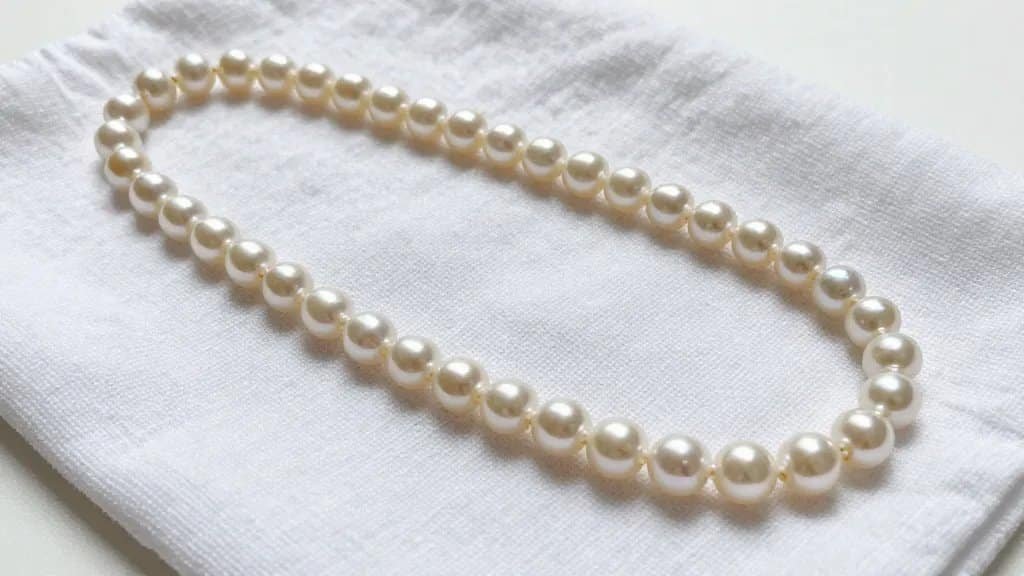
- Pearl (organic, nacre layers): Wipe after every wear with a soft, barely damp cloth to remove skin oils. For more cleaning, use tepid water with a drop of soap, then a quick rinse. Never soak strands—moisture weakens silk thread. Lay flat to dry.
- Amber and Coral (soft, organic): No alcohol, acetone, or heat. Dust with a soft cloth. If needed, a brief pass with lukewarm soapy water on the metal only, keeping the gem nearly dry.
- Emerald (often oil- or resin-filled): Gentle soap-and-water only; no ultrasonic, no steam, no alcohol. Don’t soak for long—filler can be disturbed, leading to cloudy areas.
- Tanzanite, Peridot, Kunzite, Morganite (cleavage and softness concerns): Luke-warm soapy water and feather-light brushing. Avoid sharp temperature changes and ultrasonic units.
- Moonstone and Labradorite (feldspar, cleavage): Gentle wipe; minimal brushing. Avoid ultrasonic and steam.
If you’re ever torn between “cleaner” and “safer,” choose safer. A slightly dusty gem is far better than a dulled or crazed one.
Understanding What Dirt Does to Sparkle
Gemstones play with light. In brilliant stones like diamond and sapphire, light enters, bounces along polished internal facets, and returns to your eye. Oil films and soap scum along the pavilion or in the setting act like fog on a window, diffusing light and muting fire and scintillation. That’s why cleaning the underside matters more than scrubbing the top.
Opaque and translucent stones (turquoise, jadeite, lapis) rely on surface polish, color saturation, and texture rather than internal reflections. Their beauty is a quiet glow or velvety surface sheen. Keep their polish intact by avoiding abrasives; once micro-scratched, they never look quite the same without repolishing.
Fractures and inclusions are normal. Cleaning should never force water or chemicals into those features. Gentle agitation, not pressure, dislodges grime while protecting structural integrity. Knowing a stone’s optical character helps you judge results: a diamond should look crisp and icy; an opal should flash with layered color play; a pearl should show soft, even luster without chalky spots.
Ultrasonic and Steam: When to Use, When to Refuse
At-home ultrasonic machines vibrate cleaning solution to shake dirt loose; steamers blast grime out of tight corners. They’re effective on sturdy stones—but they can be disastrous for the wrong piece.
- Generally safe: Diamond, ruby, sapphire, and unfilled spinel in secure settings, provided the metal work is sound.
- Avoid: Emerald (treated), opal, turquoise, lapis, malachite, pearls, coral, amber, tanzanite, peridot, kunzite, topaz with coatings, and any gem with surface-reaching fractures or unknown treatments.
- Warning signs: Rattling stones, vintage filigree, and pavé with thin beads are risky. Vibration can loosen settings.
If you’re tempted by the convenience, get a jeweler’s opinion first or limit machine cleaning to modern, well-built settings with known durable stones. As a rule, when exploring Gemstone Care methods, gentler is smarter at home.
Metal Matters: Settings, Prongs, and Safe Angles
Cleaning isn’t only about the gem. Gunk hides under prongs and in galleries, where lotions and soaps harden into a gray film. Here’s how to get that area clean without bending anything.
- Inspect prongs: Four- and six-prong settings should look even and snug. If one is short or lifted, stop cleaning and see a jeweler.
- Use the angle: Brush from the side rather than jabbing straight down. Your goal is to whisk debris outward, not push it deeper.
- Mind the metal: White gold rhodium plating can be microscopically scratched by stiff bristles; platinum is tougher but still benefits from soft brushes. Silver prefers mild soap and water; silver dips are chemical-laden and can harm some stones.
- Bezel and channel settings: Debris collects along edges. Use a water-flossing motion with a bulb syringe or a gentle interdental brush, never needles or pins.
Clean metal lifts the whole look. A polished shank and bright prongs frame the stone like a new picture frame around a favorite photo.
Routine Care: Small Habits, Bright Results
The most effective cleaning is the one you hardly notice doing. These micro-habits keep grime from ever taking hold.
- Wipe daily: A quick buff with a clean microfiber when you remove your jewelry keeps oils at bay, especially for diamonds and sapphires where grease kills brilliance.
- Remove before messes: Gardening, gym chalk, hair products, and sunscreen lodge in settings and etch soft stones. Slip pieces off beforehand.
- Avoid extreme temperatures: Hot water then a cold rinse can shock certain stones and weaken glue in composite pieces.
- Store smart: Separate pieces in soft pouches. Diamond scratches almost anything—don’t let it ride next to softer gems.
- Calendar check: A twice-yearly professional check catches loose prongs and worn tips before a stone goes missing.
Think of these as the flossing of jewelry care: quick, consistent, and more powerful than occasional heroics.
Myths, Mistakes, and How to Recognize Trouble
Bad advice clings to jewelry like old polish. Clear these from your routine:
- No toothpaste: Abrasive and loaded with additives that haze polish. The same goes for baking soda pastes.
- No boiling water: Thermal shock can craze opals, pop fillings, and loosen glue in repaired pieces and antique jewels.
- No bleach or chlorine: They attack solders and can pit gold alloys and weaken prongs over time.
- No long soaks for porous gems: They absorb moisture, swell, and may discolor.
Know the red flags. Cloudiness that wasn’t there before, a sudden dark line along a facet junction, a rattling sound, or a stone that spins slightly under a prong—these mean stop, dry the piece, and take it in. A quick tightening and professional clean restores both shine and confidence.
Stone-by-Stone Quick Guide
Use this as a snapshot before you fill the bowl.
- Diamond (Mohs 10): Warm soapy water, soft brush; optional alcohol rinse. Avoid chlorine, ultrasonic generally fine if setting is secure.
- Ruby/Sapphire (Mohs 9): Same as diamond. Avoid ultrasonic if heat-sensitive inclusions or fracture fillings are known.
- Spinel (Mohs 8): Soap and water; ultrasonic usually fine if untreated.
- Aquamarine (Mohs 7.5–8): Gentle soap and water; avoid steam if included.
- Topaz (Mohs 8, perfect cleavage): Soap and water with gentle handling; avoid steam/ultrasonic.
- Garnet (Mohs 6.5–7.5, many varieties): Soap and water, soft brush; avoid harsh chemicals.
- Peridot (Mohs ~6.5–7): Gentle soap and water; no ultrasonic/steam.
- Tanzanite (Mohs ~6–6.5, pronounced cleavage): Very gentle soap and water; avoid machines and heat.
- Emerald (Mohs 7.5–8 but brittle, often filled): Minimal soap and water; no alcohol, ammonia, ultrasonic, or steam.
- Opal (Mohs ~5–6.5, hydrated): Wipe only; no soaking, no heat, protect from dryness and shock.
- Turquoise/Lapis/Malachite (porous): Damp cloth, no chemicals; dry promptly.
- Pearl (soft, organic): Wipe after wear; occasional brief soap-and-water on the string’s exterior and clasp; never soak strands.
If you’re exploring Gemstone Hardness or Gemstone Comparisons, you’ll notice that hardness isn’t toughness; a hard stone can still cleave or chip. Cleaning respects both.
Value, Treatments, and Why Disclosure Matters
Treatments change how a gem behaves. Filled fractures in emeralds, diffusion in some sapphires, oiling in opals, wax in turquoise—these can alter cleaning chemistry. A Gemstone Buying Guide should include treatment disclosure. At home, act conservatively if the piece’s history is unknown. If a stone looks too perfect for the price, assume there might be a treatment that dislikes heat or chemicals.
Regular gentle cleaning preserves value by preventing micro-abrasions from embedded grit. For collector pieces or Rare Gemstones, err on the side of air dusting and professional attention. Vintage jewels often have older solders and delicate prongs; they deserve a light hand.
Real-World Scenarios and Fixes
- Ring after beach day: Rinse in fresh water first to remove salt, then warm soapy bath. Salt crystals grind under brushing, so dislodge them with soak-and-swish before you scrub.
- Hairspray haze on earrings: Let the spray dry completely before cleaning, then use warm soapy water and a soft brush focusing on the back of settings where lacquer-like film builds.
- Lotion lodged under a halo: Soak 15 minutes, use an interdental brush from the side channels, not downward onto the prongs.
- Cloudy opal pendant after winter: Skip water. Wipe with a barely damp cloth. If the stone looks crazed or has lost play-of-color, seek professional advice; do not attempt rehydration tricks at home.
FAQs
How often should I clean gemstone jewelry at home?
Give frequently worn pieces a quick wipe after each wear and a gentle soap-and-water clean every 1–2 weeks. Sensitive stones may only need wiping.
Is it safe to use toothpaste or baking soda on gemstones?
No. Both are abrasive and can scratch metal and softer stones, dulling polish permanently.
Can I use an ultrasonic cleaner for all my rings?
No. It’s fine for sturdy stones like diamond, ruby, and sapphire in secure settings. Avoid for emerald, opal, turquoise, pearls, tanzanite, peridot, and treated or fractured stones.
What’s the best way to clean a pearl strand?
Wipe with a soft, slightly damp cloth after wear. If deeper cleaning is needed, have it restrung and professionally cleaned rather than soaking.
Why does my diamond still look dull after cleaning?
Oil may remain under the stone, prongs might be shading facets, or the diamond has a film of residue. Reclean focusing on the underside; if dullness persists, get a professional deep clean and setting check.
Can warm water damage gemstones?
Moderate warmth is fine for many stones, but avoid hot water and sudden temperature changes, which can crack or craze sensitive gems.
How do I know if my gemstone has treatments that affect cleaning?
Check purchase documentation or ask a reputable jeweler. If unknown, assume gentle-only care and avoid machines and chemicals.
Wrap-Up: A Calm, Safe Ritual for Lasting Sparkle
The right way to clean gemstone jewelry at home is quiet and careful: identify the stone, choose a mild solution, brush softly from smart angles, and respect each gem’s unique temperament. Done well, you’ll see crisper reflections, richer color, and settings that look newly made—without risking the very pieces you love. Keep a small kit ready, make cleaning a short ritual, and let your jewelry tell its stories in brilliant light.

Christian Grey is the creator of GemMeaning, where he shares simple insights about crystals, gemstone meanings, and spiritual guidance. His focus is on making complex ideas easy to understand and practical for everyday life.