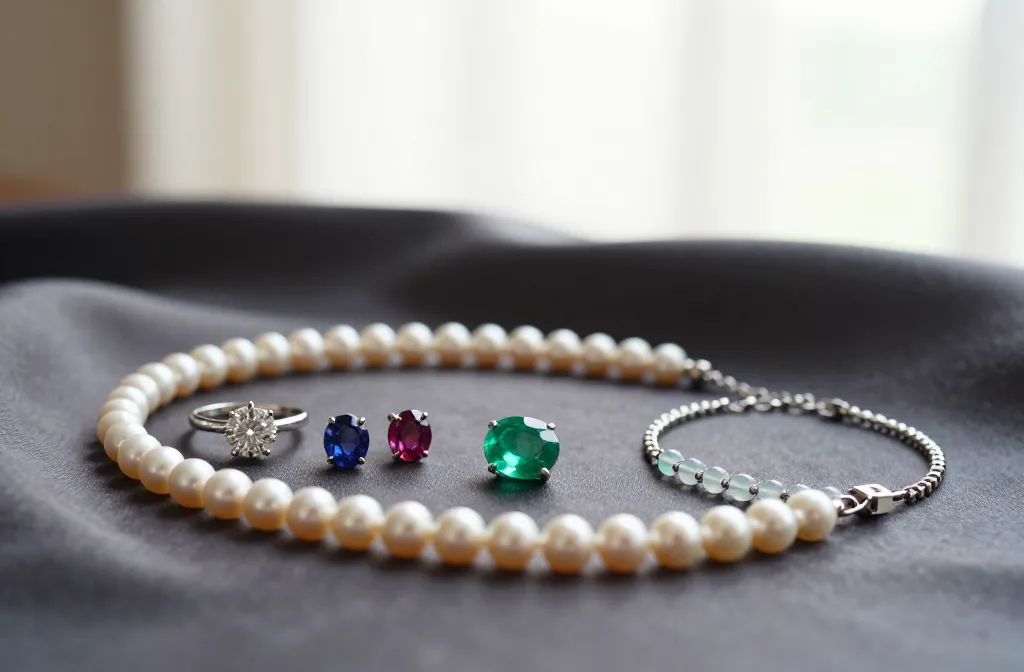
Some gifts outlast seasons and trends. Fine gemstones—cut, polished, and set with care—carry stories, mark milestones, and feel personal without saying a word. They look as good on a 20th anniversary as they did on the first date.
Here, you’ll find a gem lover’s guide to presents that age beautifully: which stones stay elegant year after year, how to read their colors and symbolism, and what shapes and settings keep the look classic. You’ll also learn how durability and value factors influence your decision, along with practical tips for buying, care, and avoiding common pitfalls.
If you’ve ever wondered why some pieces get worn for decades while others land in a drawer, the answer often lies in the gemstone. Let’s match your occasion—and your recipient’s style—to a stone with lasting grace.
Why Certain Gemstone Gifts Stay Forever Elegant
Elegance endures when beauty, meaning, and wearability line up. A stone that looks luminous in all lights, holds up to daily wear, and carries an emotional resonance tends to become a signature piece. That’s why diamonds, sapphires, rubies, and emeralds have anchored jewelry boxes for centuries, while pearls, aquamarine, and garnet add softer or more romantic notes that don’t feel tied to a single decade.
Two practical ideas anchor longevity. First: durability. On the Mohs Scale, diamonds (10), sapphires and rubies (9), and spinel (8) resist scratches and keep their polish. Second: versatile design. A clean solitaire, an elegant halo, or a well-proportioned three-stone setting suits everyday style and evening wear alike. Work within these principles and you’ll find gifts that stay out of the jewelry box and on the wrist or neck.
Classic Staples: Diamond, Sapphire, Ruby, and Emerald
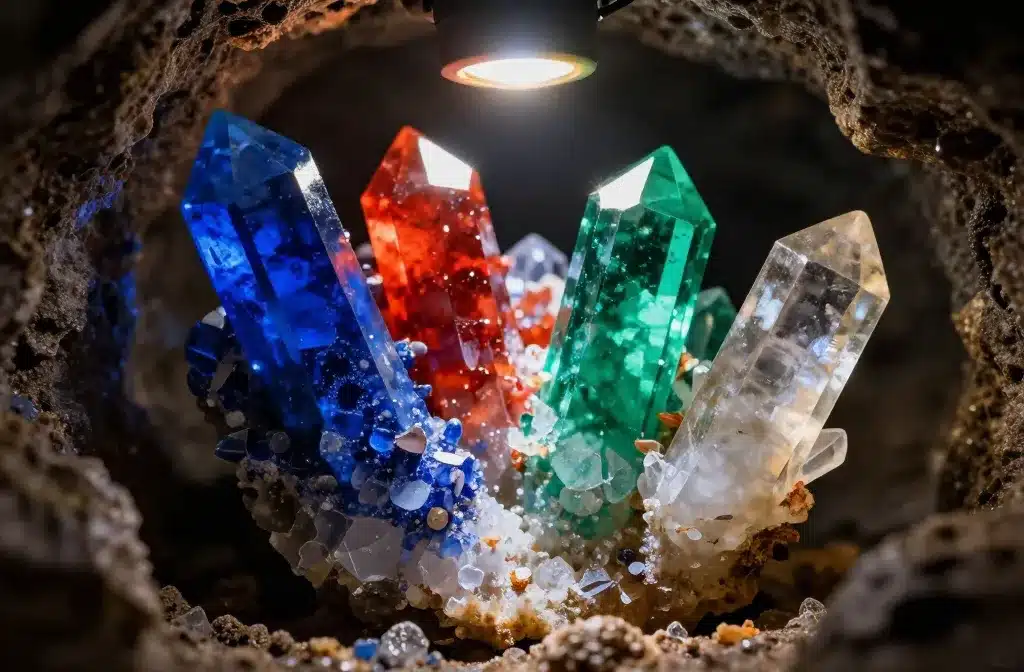
These four are the backbone of elegant gemstone gifts, often called precious gemstones. They earned that title not just for rarity but for sheer presence: color purity, brilliant light return, and a track record in royal and couture jewelry.
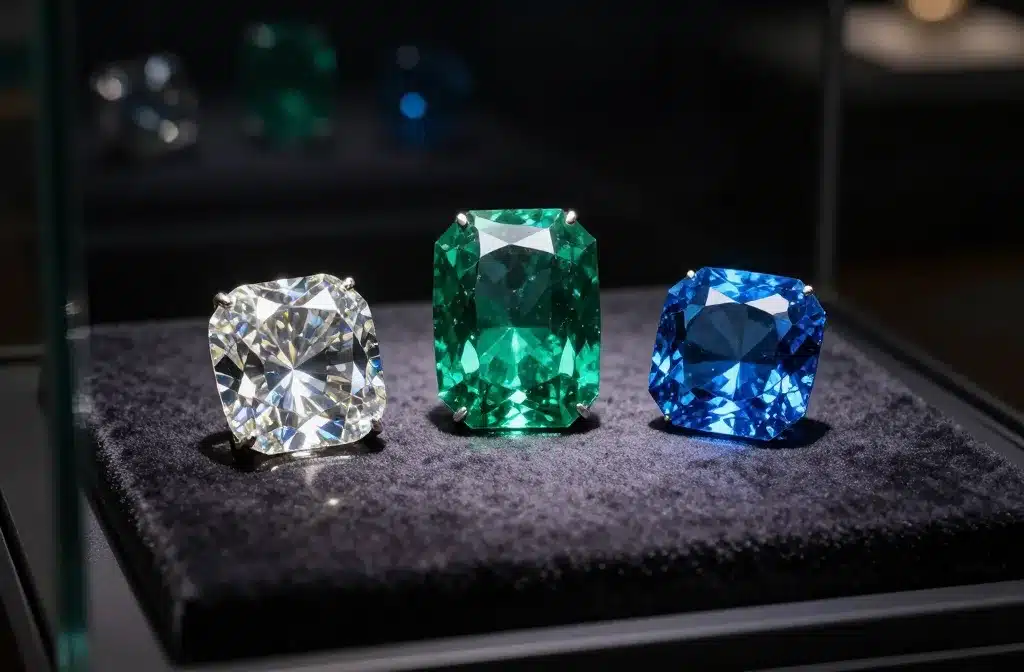
- Diamond: Colorless diamonds scatter white light into a crisp, prismatic sparkle. Clarity and cut matter most to the eye; a well-cut diamond looks alive even in soft daylight. For daily wear, they’re unbeatable in durability. Choose simple studs, a slender tennis bracelet, or a solitaire pendant to guarantee years of use. Lab-grown diamonds offer identical optics and hardness at lower cost; natural stones carry traditional cachet and stronger resale narratives.
- Sapphire: Think deep, velvety blue with flashes of midnight and cornflower. Sapphire’s corundum crystal structure takes a high polish, and its 9 Mohs hardness makes it a workhorse for rings. Untreated stones with even color are coveted, but high-temperature treatment is standard and acceptable when disclosed. Blue is the icon, but pastel to vivid pinks, sunny yellows, and moody teals deliver elegance with individuality.
- Ruby: The finest rubies glow like banked embers: saturated red with a whisper of blue that keeps it from looking orange. Also corundum, ruby shares sapphire’s toughness. Tiny rutile silk can add a velvety texture to the glow. Heat treatment is common; avoid heavy glass-filled stones for heirloom gifts. A ruby bezel ring or pear-drop earrings will still look sophisticated a generation from now.
- Emerald: No green equals emerald’s lush gardens-and-rain depth. It’s beryl, 7.5–8 on Mohs, but often included—those jardin features are part of its romance. Most emeralds are oil-treated to improve clarity; this is a long-accepted practice when properly disclosed. Emeralds thrive in protected settings: pendants, earrings, or rings with sturdy bezels or halos. Pair with yellow gold to warm the green or platinum for a cool, aristocratic tone.
Understated Elegance: Pearls, Aquamarine, Morganite, and Spinel
Not every elegant gift needs intense sparkle. Some whisper instead of shout, and that quiet often proves timeless.
- Pearl: Classic strands and simple studs frame the face with soft luster rather than glitter. Akoya pearls deliver mirrorlike shine in white and cream; freshwater pearls are budget-friendly with a range of shapes; South Sea and Tahitian pearls offer larger sizes and rarer colors. Pearls rate low on Mohs but their nacre lends a magical glow. Reserve them for earrings, necklaces, and dress rings, and store them away from heat and chemicals.
- Aquamarine: Transparent, sea-washed blue with a gentle flash. Clean crystals take an excellent polish, and at 7.5–8 Mohs, aqua holds up well in pendants and rings. Step cuts like emerald or Asscher amplify aquamarine’s glassy clarity; ovals and pears add movement. Look for stones with crisp windows and minimal gray. A slender aquamarine pendant with a white gold chain is hard to misjudge as a gift.
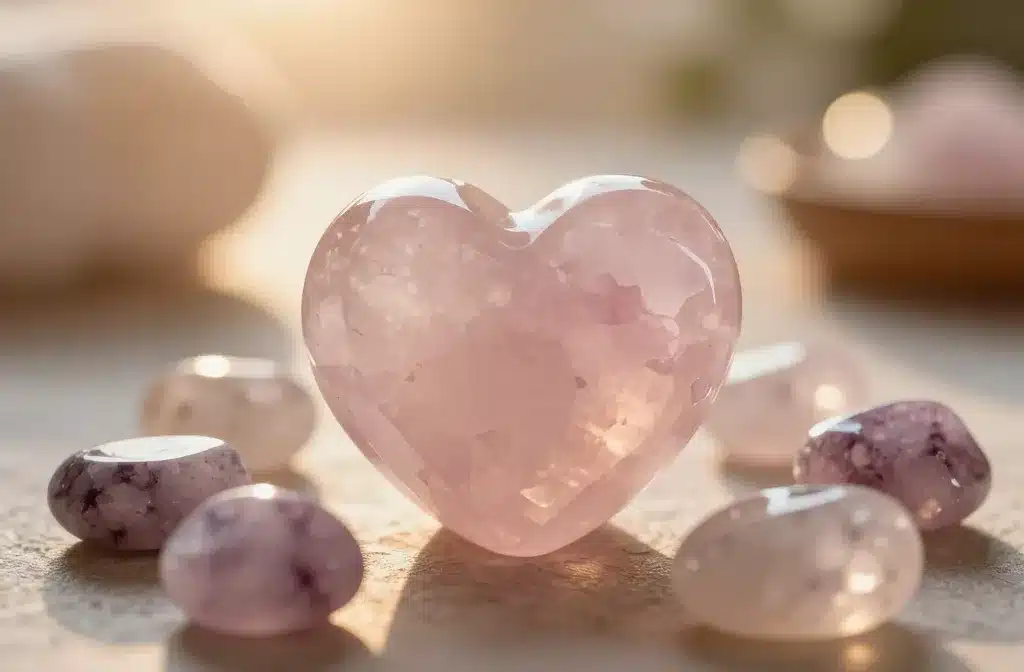
- Morganite: Peachy-pink beryl feels tender and feminine without being saccharine. Its soft glow flatters many skin tones. Morganite loves rose gold, where metal and gem warm each other. Clean, medium-toned stones keep their romance in daylight and candlelight alike. For a modern-classic engagement alternative, a morganite oval in a diamond halo stays perennially elegant.
- Spinel: The connoisseur’s secret. Spinel ranges from vibrant ruby-like reds to steely blues, lavenders, and graphite grays. At 8 Mohs with a high refractive index, it sparkles delightfully and is generally untreated. A vivid pink or cobalt spinel in a minimalist bezel ring or studs looks fresh today and ageless tomorrow. For those who enjoy exploring Rare Gemstones and Collector Gemstones, fine spinel is a rewarding rabbit hole.
Color and Meaning: Picking a Gemstone with Personal Resonance
A timeless gift often tells a subtle story. Color and symbolism help you choose something that feels made-for-them.
- Blue suggests loyalty and clarity of thought. Sapphire and aquamarine are the archetypes for anniversaries, graduations, and steady partnerships.
- Red speaks of passion and courage. Ruby and red spinel turn milestone birthdays or romantic celebrations into heirlooms-in-waiting.
- Green nods to renewal and prosperity. Emerald or verdant tourmaline suit new chapters—fresh starts, new roles, first homes.
- Pink/Peach evokes warmth and affection. Morganite and certain sapphires make gentle, loving gifts for engagements or birth celebrations.
- White/Iridescent stands for purity and wisdom. Diamonds and pearls bridge formal ceremonies and everyday elegance.
Birthstone Jewelry can also anchor your choice without sacrificing taste. Sapphire for September, ruby for July, emerald for May—these links feel personal but never gimmicky. If you want a broader view of hue and emotion, explore Gemstone Colors to match your intent with the right palette.
Cut, Shape, and Setting: Where Taste Meets Longevity
How a gemstone is shaped has as much impact on elegance as which gem you pick. Some cuts emphasize fire and brilliance; others highlight clarity and color saturation.
- Round Brilliant: The most forgiving for light return, especially for diamond and spinel. Ideal for studs, pendants, and classic cluster rings.
- Emerald and Asscher: Step cuts create a hall-of-mirrors effect. They suit aquamarine, emerald, and some sapphires where clarity and color evenness shine.
- Oval and Pear: Elongated lines flatter fingers and necklines. Ovals maximize face-up size; pears add a graceful drop for earrings or pendants.
- Cushion: Rounded corners, antique charm, and a balanced mix of brilliance and softness. Excellent for sapphire, ruby, and morganite.
Settings matter just as much. Prongs show more stone and more sparkle but need occasional retipping. Bezels protect edges—especially helpful for emeralds and daily-wear rings. For a gift that resists fashion drift, consider slender solitaires, three-stone rings symbolizing past–present–future, station necklaces with evenly spaced gems, or a tennis bracelet with well-matched stones. If you enjoy design rabbit holes, browsing Gemstone Cuts and Gemstone Shapes can refine your eye before you buy.
Durability, Treatments, and Value: The Practical Elegance Checklist
Elegant gifts should survive more than a single season. Before you check out, pause on three realities: hardness, treatments, and how value is measured.
- Hardness and toughness: Diamonds (10) and corundum (9) shrug off daily life. Beryl varieties (emerald, aquamarine, morganite) are hard enough but can chip with sharp knocks. Pearls are delicate and prefer gentler use. For ring gifts worn every day, consider stones 8 and above when possible. Gemstone Hardness resources can help you compare options.
- Treatments: Heat for sapphire and ruby is widely accepted. Oil for emerald is normal; resin-filled or heavily glass-filled rubies are less stable and should be avoided for heirloom pieces. Diffusion or dyeing changes surface color only and can complicate future repairs. Always ask for treatment disclosure in writing.
- Value factors: Color often dominates price in colored stones. Look for vivid, even saturation with lively return under varied lighting. Clarity matters most when a cut highlights transparency (step cuts). Cut should balance brightness and shape appeal. Origin can influence value—Kashmir sapphire, Burmese ruby, Colombian emerald—but beauty should lead unless you’re collecting.
- Documentation: For significant purchases, a report from a respected lab helps with identification and treatment disclosure. It’s not only for investment pieces; it simplifies care and insurance.
If budgets are tight, you can keep the elegance without forcing rarity. Consider fine spinel instead of ruby, blue zircon for extra sparkle (with mindful care), or a small but top-color sapphire in a delicate pendant rather than chasing size. A look at a Gemstone Value Guide or a practical Gemstone Buying Guide can clarify where your money makes the most visual difference.
Timeless Jewelry Formats That Rarely Miss
Elegant gemstone gifts aren’t just about the stone; the format sets the tone. A few pieces punch above their weight for lasting style.
- Stud Earrings: Diamond, sapphire, ruby, or spinel studs in round or cushion cuts end up worn weekly, if not daily. For pearls, choose matched luster and clean surfaces.
- Solitaire Pendants: A single well-cut stone on a fine chain works with any neckline. Diamonds sparkle; aquamarine or sapphire adds color serenity.
- Tennis Bracelets: Uniform diamonds are the classic; colored sapphire lines or alternating gems and diamonds modernize without losing polish. Ensure flexible, secure settings and a sturdy clasp.
- Three-Stone Rings: Symbolic and versatile. Central colored gem with diamond sides, or all one species with tonal variation. Keep proportions balanced: the side stones should frame, not compete.
- Halo Designs: A circle of small diamonds lifts a modest center into the spotlight. The trick to timelessness is restraint—slim halos, delicate pavé, and strong center color.
For a fuller tour of formats—from bangles to chandeliers—browsing Gemstone Jewelry, Gemstone Earrings, or Gemstone Rings can inspire without steering you into passing fads.
Real vs. Imitation: Quick Identification Tips for Gift Buyers
You don’t need a lab bench to avoid the most common traps. A few observations help you stay on the elegant side of authentic.
- Too perfect can be a clue: Flawless color and clarity at a suspiciously low price often signals synthetic or heavily treated stones. Natural emeralds, for instance, almost always show internal features under magnification.
- Check the weight and feel: Glass imitations often feel warmer to the touch and can show rounded facet junctions and telltale bubbles. Real gemstones usually have crisp facet edges and more “heft.”
- Ask direct questions: Origin, treatments, and species should be disclosed without hesitation. “Color-enhanced” needs specifics. “Created” means lab-grown of the same chemistry; “simulant” is an imitation.
- Look under varied light: Move the gem from store LEDs to softer light. Fine color should remain appealing; extreme shifts can hint at coatings or diffusion.
If you want to sharpen your eye, a short read on Gemstone Identification or Gemstone Comparisons pays for itself quickly.
Caring for Elegance: Keeping the Glow for Decades
Great gifts become heirlooms with simple, consistent care. Each gemstone has its preferences, but a few rules apply broadly.
- Gentle cleaning: Warm water, mild soap, and a soft brush handle most stones. Rinse thoroughly and pat dry. Avoid harsh chemicals, especially with pearls and emeralds.
- Ultrasonic caution: Safe for many diamonds and sapphires if the setting is secure, but avoid with emeralds, opals, pearls, or stones with fractures or filled treatments. When in doubt, skip it.
- Storage: Harder stones can scratch softer ones. Use individual pouches or compartments. Pearls like breathable fabric and a touch of ambient humidity—don’t seal them in plastic for long stretches.
- Maintenance: Prongs wear down with time. A yearly check keeps stones secure and settings aligned. Restring pearl strands as spacing loosens or silk darkens.
For deeper routines and specific dos and don’ts, bookmark Gemstone Care. It keeps the polish up and the worry down.
Occasion Matching: Elegant Picks for Life’s Big Moments
Elegance feels especially right when it fits the moment. A few pairings rarely fail.
- Engagement or Promise: Sapphire or diamond solitaires, a morganite cushion in a refined halo, or a ruby three-stone for a bold romantic statement.
- Anniversary: Sapphire or ruby eternity bands, an emerald pendant to celebrate growth, or a classic diamond tennis bracelet.
- Graduation or New Role: Aquamarine pendant for calm confidence, a spinel signet ring for quiet strength, or diamond studs for daily polish.
- Birth and Family Milestones: Pearls for maternal grace, birthstone stacking rings, or a delicate station necklace with each child’s gem.
Common Mistakes That Dull an Otherwise Excellent Gift
It’s easy to go slightly wrong even with a beautiful stone. These small adjustments keep your gift timeless.
- Chasing size over quality: A smaller, vivid sapphire often looks richer than a larger, washed-out one. Beauty wears better than carat bragging rights.
- Overdesigned settings: Ornate details can date quickly. If you want flourishes, keep them subtle—millegrain edges, tapered baguettes, or a slim hidden halo.
- Ignoring lifestyle: An emerald ring on a hands-on professional may lead to chips. Choose earrings or pendants, or select tougher stones for daily rings.
- Skipping disclosure: Treatments and care requirements matter. Clear, written details save headaches and protect your gift’s longevity.
FAQs
Are lab-grown gemstones a timeless gift option?
Yes, if the goal is beauty and daily wear. Lab-grown diamonds, sapphires, and rubies share the same chemistry and hardness as naturals, offering excellent sparkle and durability. For heirloom or collector value, natural stones carry stronger long-term narratives.
Which gemstones make the most durable everyday rings?
Diamond and corundum (sapphire, ruby) lead the pack. Spinel also performs well. Emerald, aquamarine, and morganite are fine with mindful wear and protective settings.
How do I choose between white gold, yellow gold, and platinum?
Match metal to stone color and skin tone. Yellow gold warms emeralds and rubies; white gold or platinum adds crisp contrast to diamonds, aquamarines, and blue sapphires. Platinum excels for prong durability.
What gemstone size looks elegant without feeling flashy?
For studs, 0.25–0.50 ct each in diamonds or colored gems is chic and wearable. Pendants around 6–8 mm face-up size feel balanced. Rings vary by hand size, but a 1–2 ct center (or equivalent face-up) often hits the sweet spot.
Which treatments are acceptable for a fine gift?
Heat treatment for sapphire and ruby and oiling for emerald are widely accepted when disclosed. Avoid heavy glass filling or surface coatings for heirloom-intent pieces.
How can I be sure stones in a tennis bracelet are well matched?
Look along the line for consistent color, brightness, and size. Under soft light, stones should appear even with no sudden jumps in tone or sparkle.
What’s a safe first gemstone gift if I don’t know their style?
Diamond or sapphire solitaire pendants and simple studs are universally flattering. For softer elegance, pearl studs or a single-station pearl necklace rarely miss.
A Short Parting Thought
Elegant gemstone gifts combine beauty, meaning, and practical longevity. Choose a stone with enduring color and solid durability, pair it with a clean, wearable design, and ask clear questions about treatments and care. The result is a piece they’ll reach for again and again—today, next season, and many anniversaries from now.

Christian Grey is the creator of GemMeaning, where he shares simple insights about crystals, gemstone meanings, and spiritual guidance. His focus is on making complex ideas easy to understand and practical for everyday life.