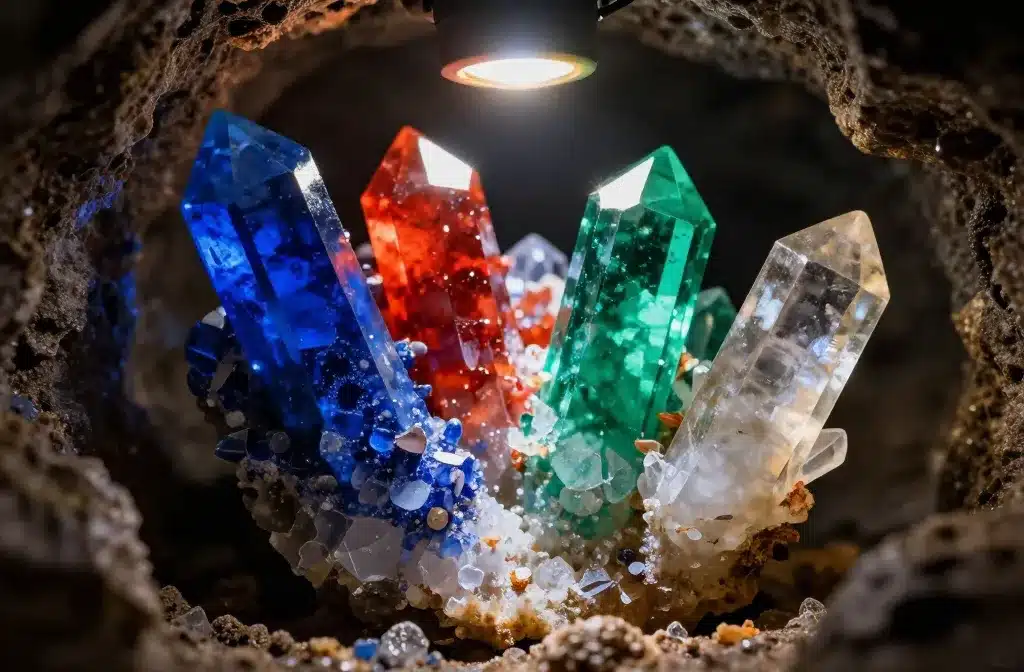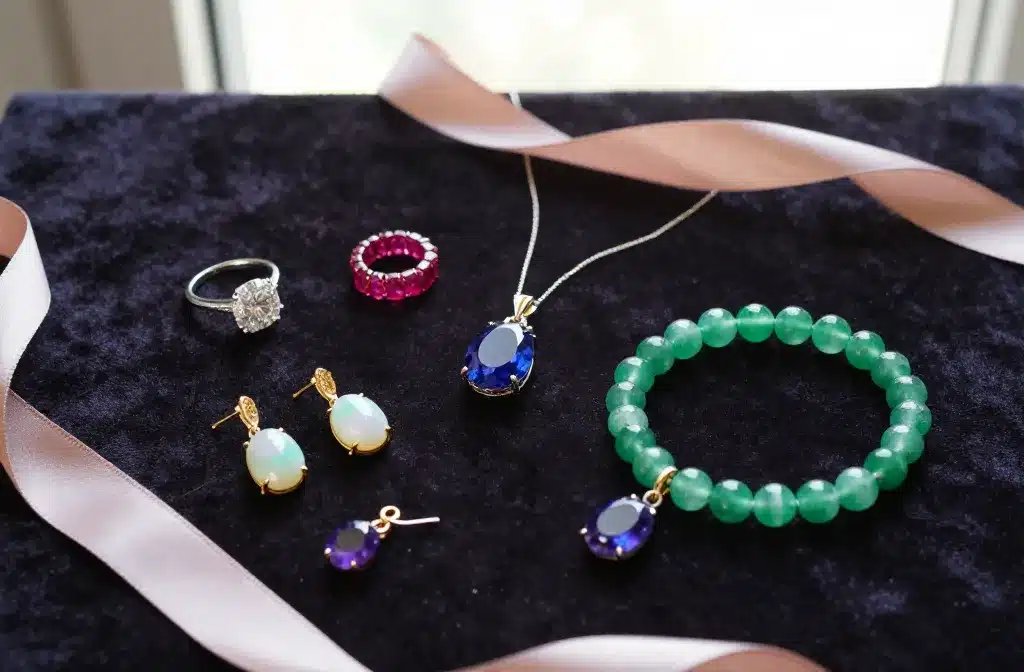
Gemstones speak a language of color, light, and story. They mark milestones, keep memories close, and say what words can’t. A deep-blue sapphire can whisper loyalty, while a fiery opal can spark creative courage.
Here, you’ll find a curated guide to the most beautiful gemstone gifts for birthdays, anniversaries, engagements, graduations, and meaningful “just because” moments. You’ll learn how each stone looks in natural light, what it symbolizes, where it forms, and which jewelry settings help it shine for years.
We’ll also cover durability, treatments, value factors, and simple care tips—so your gift is as practical as it is breathtaking. Expect real-world buying advice, collector insights, and a few myths untangled along the way.
Ready to choose a gift that feels personal, lasts a lifetime, and glows with meaning? Let’s explore gemstones by occasion, budget, and style.
Anniversaries and Lifelong Promises: Diamonds, Sapphires, and Ruby
Anniversaries call for stones with stamina and symbolism. These three have both.
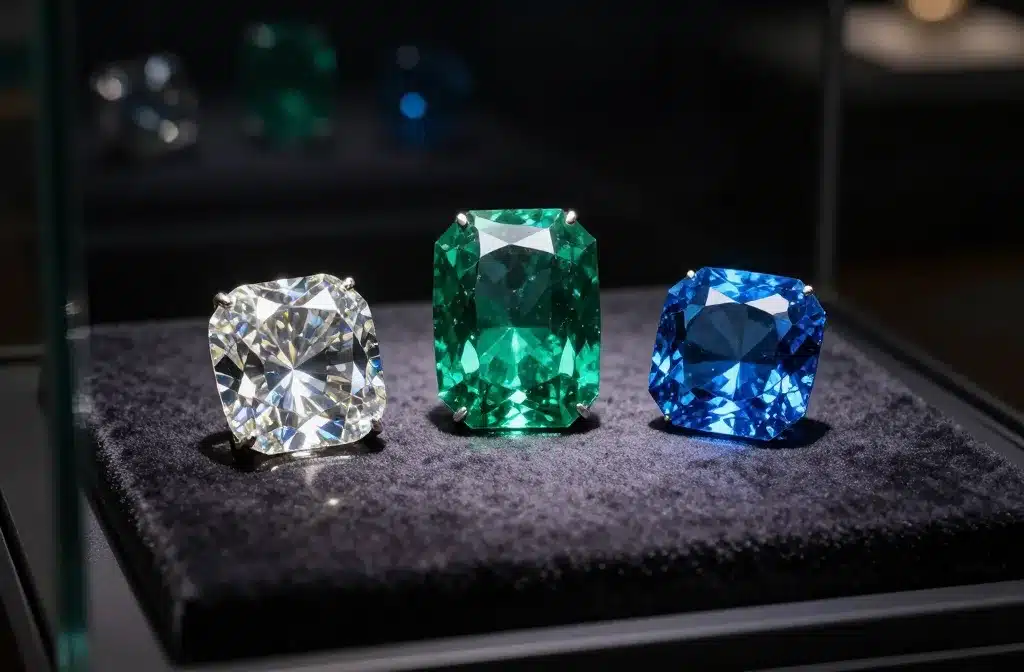
- Diamond – Appearance: colorless to fancy hues (yellow, pink, blue). Brilliance is exceptional due to a high refractive index; sparkle is crisp and razor-bright. Mohs 10, the hardest gem for everyday wear. Traditionally symbolizes enduring love. Look for a balanced cut (excellent/ideal) to maximize fire and scintillation. Lab-grown diamonds offer the same chemistry and hardness with accessible pricing; natural stones carry geological age and rarity. Consider classic diamond studs, a tennis bracelet, or an anniversary band set with a row of matched stones.
- Sapphire – Colors range from royal blue to cornflower, plus pink, yellow, green, and white. Mohs 9 with excellent durability. Symbolizes loyalty, wisdom, and steadfastness. Major origins include Sri Lanka (Ceylon), Madagascar, Myanmar, and Kashmir (historically prized for velvety blue). Heat treatment is common and stable, improving color and clarity; unheated stones are rarer and command premiums. A sapphire halo pendant or a three-stone ring makes an elegant gift that withstands daily wear.
- Ruby – The red variety of corundum, ruby glows from pinkish-red to “pigeon’s blood” crimson. Mohs 9, superb for rings and bracelets. Symbolizes passion and vitality. Fine rubies from Myanmar and Mozambique often show rich saturation with bright internal reflections; silk-like inclusions can soften the glow. Many rubies are heated; avoid stones with glass-filled fractures for heirloom gifts. A ruby bezel ring or classic line bracelet brings a confident pop of color.
Value factors to watch: color saturation and evenness, brilliance, minimal eye-visible inclusions, and precise cutting. For diamond alternatives, explore Rare Gemstones and Precious Gemstones pages for historical context and pricing comparisons.
Birthdays and Personal Milestones: Birthstones with Personality
Birthstones add a personal touch—and they’re easy to tailor to budget and style.
- January – Garnet: Deep red is classic, but garnet families include vivid green tsavorite and orange mandarin spessartine. Mohs 6.5–7.5. Symbolizes protection and safe travel. A pear-cut mandarin garnet pendant glows like warm embers.
- February – Amethyst: From lilac to royal purple with gentle flashes. Mohs 7. A symbol of clarity and calm. Look for even color and minimal zoning; a checkerboard-cut amethyst ring plays nicely with light.
- March – Aquamarine: Sea-blue to slightly greenish blue, often eye-clean. Mohs 7.5–8. Symbolizes serenity and clear communication. Step cuts highlight its glassy transparency; cushion-cut aquamarine studs add cool elegance.
- April – Diamond: Or consider white sapphire or high-quality moissanite for sparkle-rich alternatives. See Gemstone Comparisons for performance insights.
- May – Emerald: Lush green with jardin (garden-like inclusions) that adds character. Mohs 7.5–8 but often brittle due to inclusions; treat gently. Typically oil-treated to enhance clarity; accept light, traditional oiling in fine pieces. A delicate emerald necklace keeps the stone protected.
- June – Pearl, Moonstone, Alexandrite: Pearl offers a soft glow (nacre), Mohs ~2.5–4; best for necklaces and earrings. Moonstone shows adularescence (floating light) and suits boho-chic pieces. Alexandrite shifts green-to-red under different light—rare and mesmerizing, ideal for a special splurge.
- July – Ruby: Vibrant and tough; petite ruby huggie hoops are everyday-friendly.
- August – Peridot: Lively apple to olive green with oily luster. Mohs 6.5–7. Great in pendants; avoid harsh knocks. Warm gold settings intensify peridot’s glow.
- September – Sapphire: Explore fancy colors; a pastel peach sapphire ring is romantic and unique.
- October – Opal, Tourmaline: Opal’s play-of-color dances like confetti; Mohs ~5.5–6.5 and sensitive to heat and impact. Tourmaline ranges from watermelon bi-colors to electric neon Paraíba hues; durable for daily jewelry (Mohs 7–7.5).
- November – Topaz, Citrine: Blue topaz is popular and affordable; imperial topaz (golden-pink) is rarer. Citrine’s sunny orange-brown is cheerful and durable for everyday wear.
- December – Turquoise, Tanzanite, Zircon: Turquoise is sky-blue with a matte waxy luster; often stabilized. Tanzanite shows blue-violet pleochroism and needs gentle care (Mohs 6–7). Zircon (not cubic zirconia) is naturally dazzling with high dispersion—great for vintage-inspired rings.
To personalize further, explore Gemstone Colors and Birthstone Jewelry for design ideas and meaning-rich pairings.
Engagements and Promise Rings: Beyond the Traditional Diamond
Colored gemstone engagement rings are growing in popularity. Choose stones that balance romance with resilience.
- Blue Sapphire: A timeless choice worn by royalty. Its Mohs 9 hardness and high toughness make it ideal for decades of daily wear. A simple solitaire or three-stone ring with tapered baguettes looks crisp and modern.
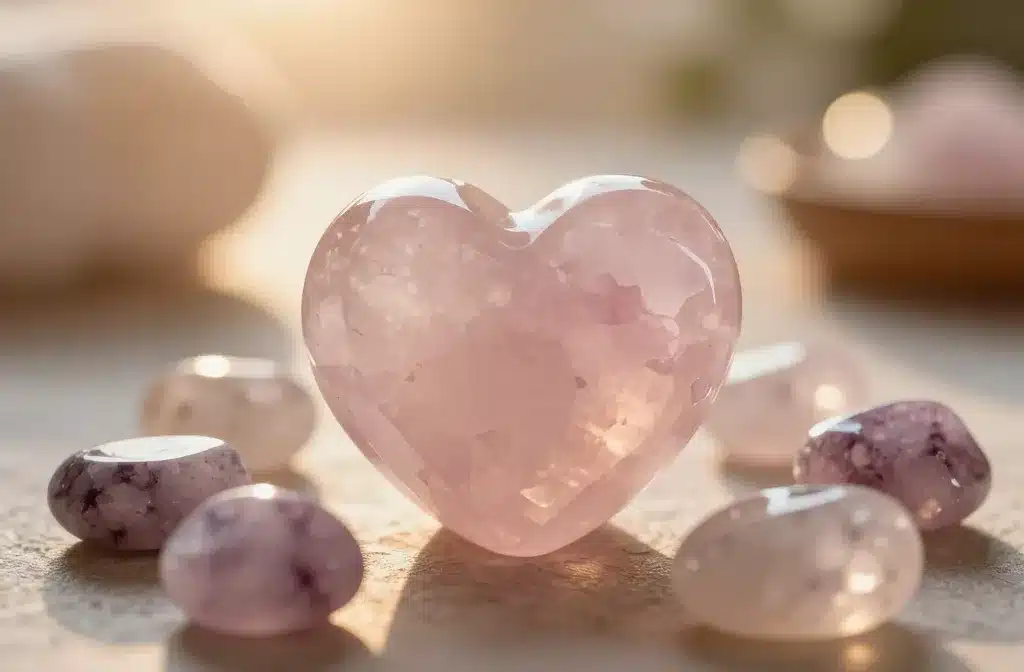
- Morganite: A peach-pink beryl related to emerald and aquamarine. Mohs 7.5–8. Its soft blush pairs beautifully with rose gold. Look for stones with good transparency; halo settings amplify its gentle sparkle.
- Spinel: One of the best-kept secrets. Colors range from ruby-like red to hot pink, cobalt blue, lavender, and steely gray. Mohs 8 with excellent durability. Untreated spinel is common—a plus for purists. Opt for precise cutting; a well-cut spinel can rival the sparkle of top gems.
- Tourmaline: Vivid greens and pinks are popular; Paraíba-type offers neon blue-green, prized and rare. Mohs 7–7.5. Consider protective settings and routine checks for prongs if worn daily.
Check Gemstone Hardness and Gemstone Buying Guide topics for setting choices, warranty policies, and ring maintenance tips like annual prong inspections and stone tightening.
Graduations, New Jobs, and Fresh Starts: Gems of Confidence and Clarity
Milestone achievements call for pieces that can be worn every day and carry meaning discreetly.
- Blue Topaz: Cool clarity and crisp brilliance, often in precise, modern cuts. Its brightness pairs well with white metals. Affordable for gifting a matched set—studs and a pendant.
- Lapis Lazuli: Deep ultramarine with golden pyrite flecks, typically opaque with a velvety polish. Ancient symbol of wisdom and vision. Great as a signet ring or minimalist bead bracelet.
- Onyx: Polished black with mirror-like shine. Sleek and versatile in cufflinks, tie bars, and minimalist necklaces. Symbolizes grounding and focus.
- Carnelian: Translucent orange-red with a warm, waxy luster. Uplifting and bold without being flashy; perfect in a stackable cabochon ring.
For frequent wear, aim for stones above Mohs 7, or choose protected settings like bezels. See Gemstone Jewelry and Gemstone Care for everyday styling and upkeep.
Just Because: Colorful Joy and Conversation Pieces
Surprise gifts shine with personality. Think unusual colors, textures, and optical effects.
- Opal: Look for vibrant play-of-color—broad flashes of red, green, and blue dancing across a milky or crystal body. Australian lightning ridge black opals are dramatic; Ethiopian opals often show lively, confetti-like patterns. Keep away from extreme dryness and sudden temperature changes.
- Moonstone and Labradorite: Moonstone glows with a soft, floating light; labradorite flashes peacock blues and golds (labradorescence). Both make eye-catching pendants and statement rings with artisanal textures.
- Sunstone: Copper platelets create a glittering aventurescence, like tiny embers in glass. Oregon sunstone may show green-to-red pleochroism. Works beautifully in rose gold.
- Chrysoprase: Apple-green chalcedony with a juicy, uniform color and a silky polish. Modern and upbeat in geometric cuts.
Explore Gemstone Facts and Gemstone Myths to appreciate the stories behind these mood-brightening stones.
How to Match Gemstones to Personality and Style
Think about color temperature, metal choice, and everyday habits.
- Minimalist: Choose clean silhouettes and even color—white sapphire studs, icy blue aquamarine pendants, sleek onyx bars. Step cuts (emerald, baguette) emphasize clarity and architecture.
- Romantic: Soft hues and glowing phenomena—peach morganite, lavender sapphire, moonstone cabochons. Rose gold warms gentle colors and complements vintage-inspired filigree.
- Bold Modernist: High-contrast color and unusual cuts—hot pink tourmaline, cobalt spinel, or vivid tsavorite in asymmetrical settings. Satin-finish metals highlight saturated stones.
- Nature Lover: Organic textures and earthy palettes—mossy green tourmaline, rutilated quartz with golden needles, turquoise with natural matrix. Matte finishes and hammered bands add rugged charm.
Check Gemstone Cuts and Gemstone Shapes to see how a stone’s outline and facet style affect its personality on the hand or at the collarbone.
Durability, Treatments, and Value: What Smart Shoppers Watch
Beauty is only half the story. The best gemstone gifts balance charm with practicality.
- Hardness and Toughness: Hardness (Mohs) resists scratches; toughness resists breakage. Diamonds (10) and corundum—sapphire/ruby (9)—are safe everyday choices. Quartz and beryl families (7–8) do well with some care. Softer gems like opal, turquoise, and pearl are better for pendants and earrings.
- Common Treatments: Heat in sapphire/ruby is stable and accepted. Oil in emerald is traditional; aim for minor to moderate levels. Diffusion, dyeing, and glass-filling can lower value or durability—request disclosure. For turquoise, stabilization improves wearability and is standard for fashion jewelry.
- Clarity and Inclusions: Eye-clean stones usually fetch higher prices, but certain inclusions add character—emerald’s jardin, rutile in sapphire, copper platelets in sunstone. Avoid open fractures in rings that take daily knocks.
- Cut Quality: Brightness and even color matter more than size alone. A well-cut 1.2-carat sapphire can outshine a dull 1.5-carat. Examine light return under neutral lighting.
- Origin and Rarity: Provenance can affect value—Kashmir sapphires, Burmese rubies, Paraíba tourmalines. For gifts, prioritize beauty and durability over paperwork unless buying a collector gemstone.
For more depth on pricing and appraisals, browse Gemstone Value Guide and Gemstone Identification topics before you buy.
How to Spot Real vs. Fake: Quick Identification Tips
Authenticity matters, especially for milestone gifts. When in doubt, seek a certified gemologist report.
- Surface and Sparkle: Glass imitations may show gas bubbles and a “soft” luster. Genuine gemstones have more defined reflections and distinctive inclusions under magnification.
- Weight and Temperature: Natural stones often feel cool to the touch and heavier than plastic. Zircon is notably dense compared to synthetic lookalikes.
- Doublets and Triplets: Common in opal and some emerald imitations—look for a visible seam from the side. These can be fine for fashion, but disclose them when gifting.
- Lab-Grown vs. Natural: Lab-grown sapphire, ruby, diamond share the same chemistry and hardness as natural; differences appear in growth patterns and inclusions. Lab-grown is excellent for value and ethics; natural is prized for rarity.
Explore Gemstone Identification and Gemstone Comparisons to learn diagnostic features like birefringence, pleochroism, and refractive index.
Care, Cleaning, and Storage: Keep the Glow
Thoughtful care extends the life of any gemstone gift.
- Routine Cleaning: Most durable stones (diamond, sapphire, ruby, spinel) respond well to warm water, mild soap, and a soft brush. Rinse thoroughly and pat dry with a lint-free cloth.
- Gentle Handling: Avoid ultrasonic and steam cleaners for opal, emerald (due to oil), tanzanite, turquoise, and pearls. Wipe pearls with a damp cloth after wear to remove skin oils.
- Storage: Keep gems separated to prevent scratches; diamonds can mark softer stones. Use individual pouches or lined compartments. Opals prefer a bit of humidity; don’t store them in arid, overheated places.
- Maintenance: Annual prong checks and re-polishing of worn bezels keep stones secure. Restring pearls when knots show spacing or discoloration.
For more routine tips and material-specific cautions, see Gemstone Care and Gemstone Jewelry topics.
Gift Ideas by Budget that Still Feel Luxe
- Under $150: Sterling silver birthstone pendants (amethyst, citrine, blue topaz), minimalist onyx studs, freshwater pearl bracelets.
- $150–$500: Garnet or peridot bezel rings in gold vermeil, moonstone cabochon necklaces, morganite or aquamarine studs in 10–14k gold.
- $500–$1,500: Sapphire halos, ruby huggies, tsavorite solitaire pendants, custom-cut tourmaline rings with protective settings.
- $1,500+: Fine sapphire or ruby anniversary bands, alexandrite or Paraíba-type tourmaline center stones, diamond tennis bracelets, collector spinel.
Pair your gift with a handwritten card explaining the stone’s meaning—an easy touch that turns a pretty piece into a personal talisman. For broader browsing, check Gemstone Gifts and Gemstone Rings, Necklaces, Earrings, and Bracelets collections for curated inspiration.
FAQs
Which gemstone is safest for an everyday ring?
Diamond, sapphire, ruby, and spinel hold up best thanks to high hardness and toughness. Choose protective settings and periodic prong checks.
Are lab-grown stones a good gift?
Yes. Lab-grown diamonds, sapphires, and rubies have the same chemistry and sparkle as natural, often with better clarity and price. They’re ideal when you value size and brilliance over rarity.
How do I pick a flattering gemstone color for someone?
Match undertones and wardrobe. Cool tones (aquamarine, sapphire) suit cooler complexions; warm tones (morganite, citrine) complement warmer skin. Notice which colors they wear most.
What certificate should I look for?
For important purchases, consider reports from reputable labs (e.g., GIA for diamond, GRS/AGL for colored stones). Reports clarify treatments and identity but don’t guarantee beauty.
Can opals and pearls be worn daily?
Pendants and earrings are safer. Avoid rings for heavy daily use unless you’re careful. Keep away from heat, chemicals, and sharp knocks.
How do I know if a stone’s treatment is acceptable?
Heat in corundum and oil in emerald (minor) are industry-accepted. Avoid undisclosed dyeing, glass-filling, or heavy fracture filling for heirlooms.
What’s a thoughtful first gemstone gift?
Birthstone studs or a simple pendant. They’re personal, wearable with anything, and easy to upgrade later with matching pieces.
A Short Wrap-Up
The most beautiful gemstone gifts blend story, color, and staying power. Choose a stone that fits the occasion, matches their lifestyle, and lights up in natural light. With a little knowledge about durability, treatments, and care, you’ll give a piece that’s not just stunning today but meaningful for years to come.

Christian Grey is the creator of GemMeaning, where he shares simple insights about crystals, gemstone meanings, and spiritual guidance. His focus is on making complex ideas easy to understand and practical for everyday life.