Jewelry has a way of carrying more than sparkle. It holds memories—an engagement ring that flashes in café light, a pendant from a once-in-a-lifetime market, a bracelet that reminds you who gifted it. Travel should add stories to those pieces, not scratches. The right habits can keep your gems radiant from check-in to sunset cocktails.
You’ll learn how to pack jewelry the way a bench jeweler would approve, what to wear and when to store it, how to navigate airport security without stress, and how to match protection strategies to the hardness and structure of your stones. We’ll also talk about insurance, documentation, and the small tools that save you from big headaches.
I’ll share what matters most for specific gems—why diamonds travel differently from opals, what pearls dislike on planes, and how heat, humidity, and even lotions can change the way a stone looks. Expect practical pointers with a gemologist’s eye and a traveler’s common sense.
By the end, you’ll have a routine you can actually follow—one that respects both the science of stones and the reality of tight connections and busy itineraries.
Start by Knowing Your Stones: Hardness, Toughness, and Sensitivity
Not all sparkle is equally sturdy. Hardness measures scratch resistance on the Mohs scale: diamond is a 10, sapphire and ruby a 9, emerald around 7.5–8, quartz (amethyst, citrine) a 7, opal ~5.5–6.5, turquoise 5–6, and pearls sit low at ~2.5–4. But hardness isn’t the full story—toughness (resistance to breaking) and cleavage (preferred breakage planes) matter.
- Diamonds: Extremely hard, but with cleavage directions. A sharp blow on a prong or girdle can chip one. They can scratch almost everything else, so isolate them.
- Corundum (sapphire, ruby): Hard and tough, a great traveler’s choice. Heat-treated stones are stable, but avoid sudden thermal shock.
- Emerald: Hard enough, but often included (“jardin”) and commonly oil-filled; sensitive to ultrasonic cleaning, extremes in temperature, and impact.
- Opal: Hydrated silica; sensitive to rapid temperature shifts and low humidity. Prolonged dry cabin air can craze some opals.
- Pearl: Organic, soft nacre; avoid chemicals, perfumes, and rough fabrics. Always last on, first off.
- Turquoise, Lapis, Malachite: Porous, many are stabilized. Keep away from oils and solvents.
- Quartz family: Durable daily-wear stones, but still vulnerable to gritty abrasion when mixed in a pouch.
If you only remember one rule: separate by hardness and structure. Gemstone hardness and gemstone care vary widely; treat each piece as its own traveler with its own seat.
Pre-Trip Prep: Clean, Inspect, Document
Give jewelry a quick bench check before it earns a boarding pass. A bright, clean surface helps you spot issues and reduces grime that can abrade softer gems.
- Clean smart: Mild soap and lukewarm water with a soft brush for most untreated sapphires, diamonds, and quartz. Avoid soaking emerald, opal, pearl, and anything with fracture filling or foil backs. Pat dry—don’t rub pearls aggressively; their luster is a fine crystalline layer.
- Inspect settings: Look for lifted prongs, loose bezels, worn tips, or movement in the stone when tapped near your ear. Micro-pavé and tension settings need special care; travel with a small jeweler’s loupe if you like, but your fingertip and ears work fine.
- Record details: Take clear photos of each piece from multiple angles, including hallmarks and serial numbers. Keep appraisals and receipts in a digital folder. This helps with insurance and proves origin if questioned by customs. If you follow a gemstone buying guide, add recent valuations for high-value items.
- Decide what stays home: If you’d be devastated to lose it, consider a “travel twin”—a well-made lab-grown diamond or a beautifully cut semi-precious stone in a sturdy bezel. Collector gemstones and family heirlooms are safer in the vault than in a beach bag.
Packing Like a Pro: Cases, Compartments, and Climate
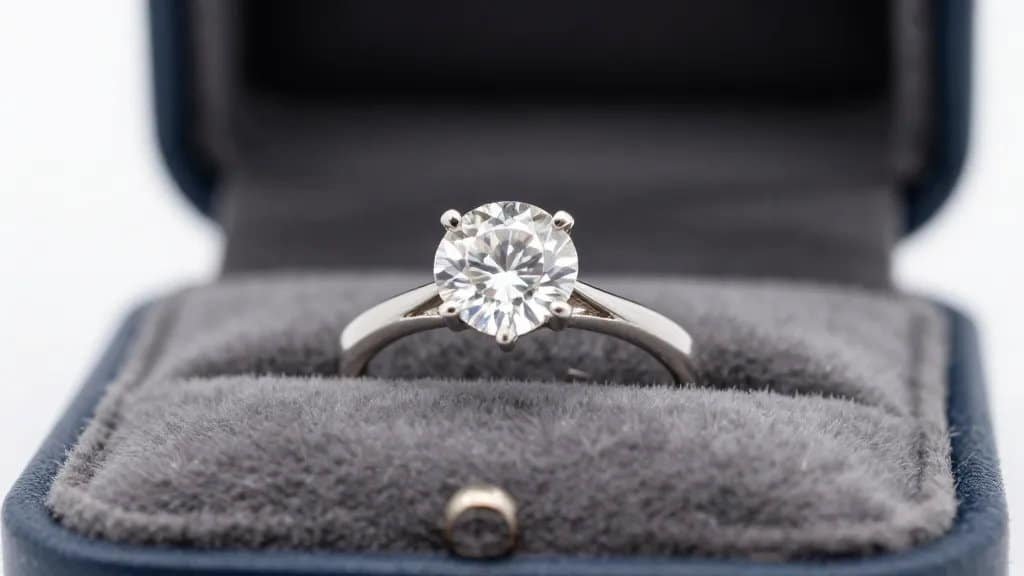
Jewelry breaks more in transit than on the neck. Your goal is zero movement and zero friction between pieces.
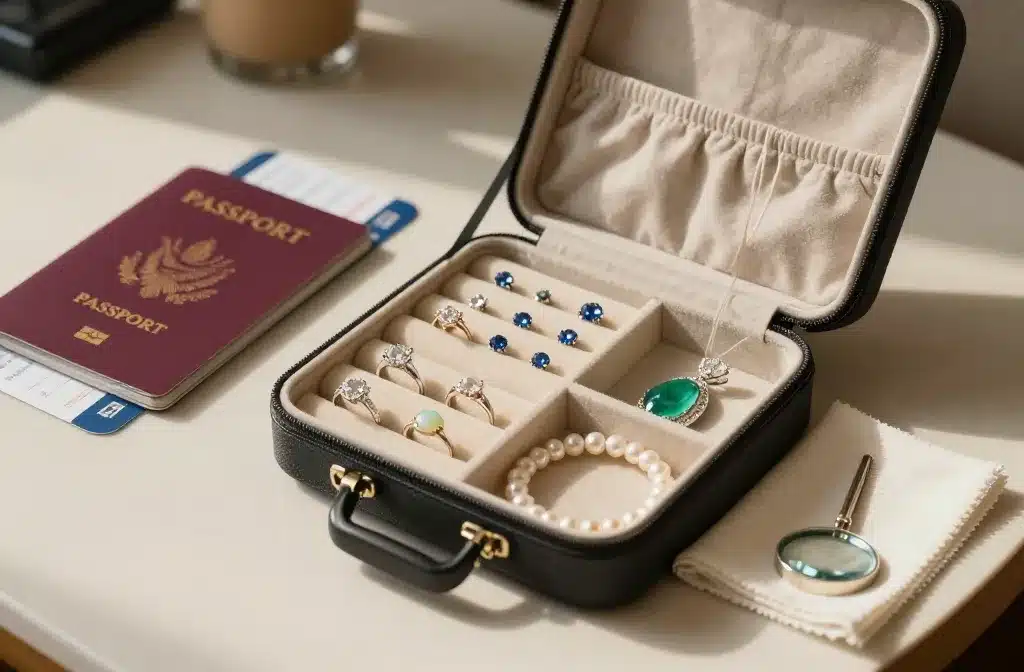
- Use structured cases: Choose a travel jewelry case with hard sides, individual compartments, and soft lining. For rings and studs, a foam or velvet slot keeps posts and prongs from tangling. For chains, look for dedicated channels or snaps to keep them flat. Think tool roll for necklaces—lay, clasp, and secure.
- Micro-pouches for mixed sets: Slip each item into a soft, lint-free pouch, then place pouches in the larger case. A diamond against a garnet is a recipe for scratches.
- Straws and cards for chains: Thread fine chains through a cut straw or a thin silicone tube; fasten the clasp. For sturdier chains, anchor each end to a notched card or wrap in a chamois strip.
- Moisture and opals: If traveling with opals or wooden inlay, avoid extreme dryness. A small humidity pack (the sort used for instruments) inside the jewelry case can help stabilize microclimates on long flights. Don’t overdo it—just a small buffer.
- Pearls on silk: Store them flat, not hung, to avoid stretching the strand. Keep away from sharp metal clasps from other pieces.
- No plastic baggies for long term: They trap moisture and may off-gas. Short flights are fine, but switch to breathable fabric pouches for anything sensitive.
Always keep the jewelry case in your personal item—never in checked luggage. A cross-body tote with an interior zip pocket is a safe home in crowded terminals.
Airport Security and Customs: Smooth, Secure, Documented
Security lines are where good habits shine. You want a routine that’s fast, discreet, and traceable.
- Wear minimal metal: Small studs and a simple ring usually won’t trigger detectors. Heavier pieces can. If you need to remove items, place them inside your zipped travel case before you reach the bins, not loose in a tray.
- Never set bare jewelry in bins: Bins are slippery and chaotic. Use your case or a small zipped pouch. Keep eyes on it as it enters and exits the scanner.
- Know your paperwork: For international trips, bring copies of appraisals or purchase records to show you didn’t buy the piece abroad, avoiding import duties on your own property. A quick folder on your phone works well.
- Smart declarations: If you’re transporting high-value stones for resale or appraisal, research the rules in advance and declare when required. Customs officers appreciate clarity—and so do insurers.
If an officer asks to inspect a piece, request a clean surface and handle it yourself as much as possible. Calm, clear communication keeps everything sparkling and accounted for.
Day-to-Day on the Road: Wear, Store, Rotate
Travel magnifies the little mistakes: sunscreen on emeralds, sand near sapphires, a hot spring that dulls pearl luster. Establish simple habits.
- Last on, first off: Cosmetics, hairspray, insect repellent, and SPF carry fine particles and chemicals that settle on stones and metals. Let them dry before the jewelry goes on.
- Choose a daily set: Pick a dependable trio for sightseeing—perhaps a bezel-set sapphire pendant, a low-profile ring, and small hoops or studs. Keep dressier pieces for evening. Rotating reduces wear.
- Remove for activity: Swimming, spa, gym, sailing, zip lines—off they go. Chlorine tarnishes silver, degrades some solders, and can pit gold alloys. Hot springs and saunas can harm porous or treated stones.
- Hotel room routine: Designate one spot as the “jewelry landing pad”—a travel tray on the dresser away from drains, clutter, and open windows. A consistent place prevents panic.
- Night storage: Put pieces back into their dedicated compartments. Don’t pile them on the nightstand; diamonds and corundum will scratch neighbors.
As a rule, if your plans include sweat, sea, or speed, your jewelry wants a nap in the case.
Stone-Specific Travel Notes: What Each Gem Prefers
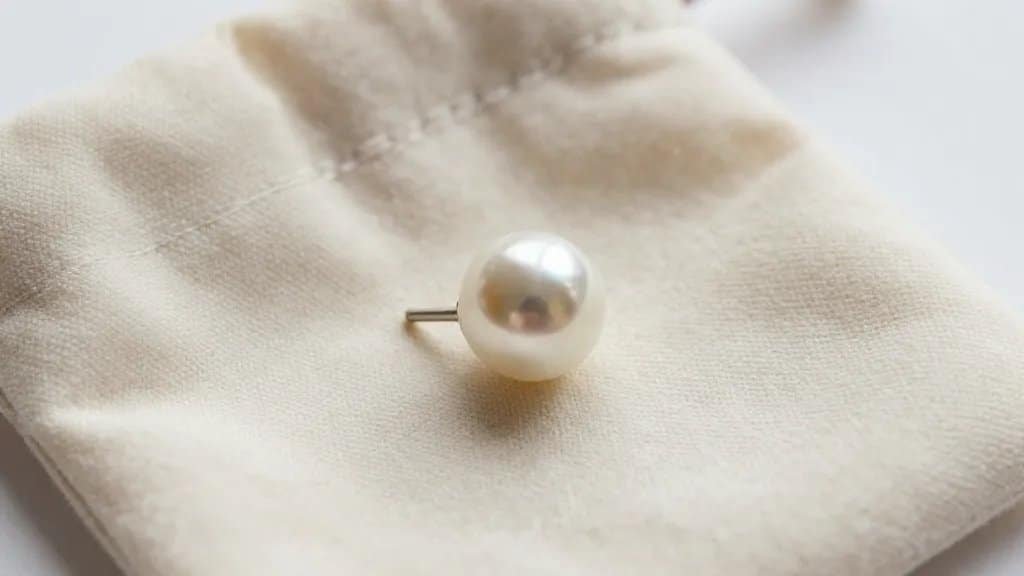
Jewelry recommendations during travel depend on the gem’s personality. A few quick profiles:
- Diamond: High brilliance, crisp reflections. Pack separately to prevent it from etching softer stones. Avoid knocking girdles on granite countertops or metal luggage frames. Great choice for gemstone rings with secure low settings.
- Sapphire and Ruby: Excellent for everyday travel wear. Star sapphires (asterism) and fancy colors deserve the same care. Heat-treated stones are stable; diffusion-treated surfaces can be shallow—avoid aggressive polishing cloths.
- Emerald: Magnificent green with silky jardin inclusions. Oil or resin filling is common; heat and solvents can reduce clarity. Skip saunas, ultrasonics in hotel spas, and rough beachside wear. Bezel or protective settings help.
- Opal: Play-of-color glows under soft evening light. Keep away from prolonged dry heat; store in a padded compartment. Doublets and triplets have layered construction—avoid soaking.
- Pearl: Creamy luster with soft overtones—rose, silver, or golden. Skin oils are fine in moderation, but fragrances dull the surface. Wipe with a damp, soft cloth after wear and let fully dry before storing.
- Turquoise and Lapis: Often stabilized; vivid blues love gentle cleaning only. Avoid sunscreen and perfumes that can darken or spot porous surfaces.
- Amethyst, Citrine, Smoky Quartz: Reliable travelers. Avoid prolonged sunbathing on a window ledge; some quartzes can fade. Pack chains to avoid tangling against their faceted edges.
- Garnet: Wide color range—wine red to vibrant mint (tsavorite). Tough enough for routine wear, but keep away from harder neighbors.
If you collect rarities—think spinel in neon hues or demantoid with horsetail inclusions—treat them like delicate companions. A quick review of gemstone varieties and gemstone hardness before you go helps tailor your plan.
Safety and Security: Discretion Beats Drama
Travel with low profile and high awareness. The best protection is blending in.
- Understated travel set: Swap a big-center-stone ring for a channel-set band or a bezel-set colored gem that doesn’t flash across the street. Even precious gemstones look modest with smart settings.
- Decoy strategy: If you’re visiting crowded markets, consider wearing a simpler piece and leaving your finest jewelry locked up. Many seasoned travelers keep a tasteful “day ring” for exactly this purpose.
- Hotel safe choices: Use in-room safes for short stints and front-desk vaults for extended periods. Photograph the safe contents before locking and after opening. If a safe looks sketchy, your jewelry case stays on you.
- Insurance: Verify coverage for travel, mysterious disappearance, and international incidents. Schedule individual items above your policy’s sublimit. Document with current appraisals—see a gemstone value guide for what appraisers consider: color, clarity, cut, carat, and treatment.
- Don’t advertise: Avoid posting real-time photos that show distinctive pieces and geotags. Save the sparkle post for when you’re home.
Cleaning on the Go: Quick Restorations Without Risk
A little road grime can dim brilliance, especially on diamonds and faceted sapphires. But aggressive cleaning can do more harm than good.
- Travel kit: Soft microfiber cloth, small soft-bristle brush, and a travel-size bottle of mild dish soap. Optional: alcohol wipes for metal only—never pearls, emeralds, opals, or porous stones.
- Routine refresh: A drop of soap in lukewarm water, gentle brush under the setting and around the pavilion if accessible, rinse, blot dry. Skip soaking for layered stones and treated gems.
- No hotel ultrasonics: Some spas offer ultrasonic or steam cleaning. Politely decline unless you know your stone and treatment status. Fracture-filled diamonds, oiled emeralds, and certain heat-sensitive stones don’t belong in those machines.
- Pearls and silk: Wipe with a barely damp cloth after wear; lay the strand flat to dry thoroughly before returning to the case. Avoid hanging strands in steamy bathrooms.
Well-cut gems return to life quickly once you lift lotion film from facets. Keep it simple, keep it gentle.
Choosing Travel-Friendly Designs and Settings
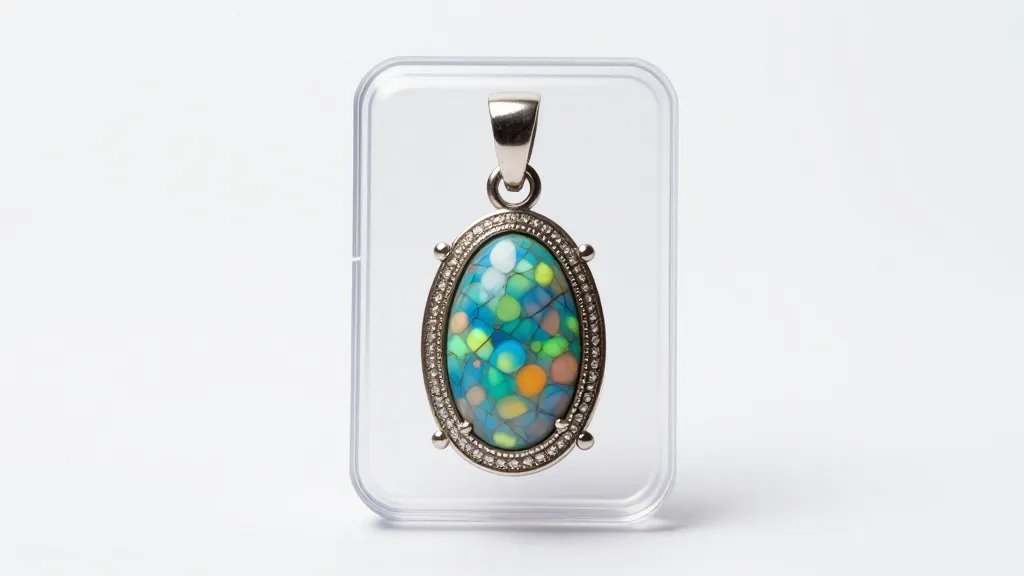
Some jewelry designs love a journey; others are homebodies. Settings make the difference.
- Low-profile settings: Bezel and flush settings protect girdles and snag less on scarves and backpacks. Channel-set bands and half bezels balance protection with light return.
- Sturdy chains and clasps: Opt for box chains, wheat chains, or solid cable links over hollow rope. Upgrade to secure clasps—lobster or even a safety catch—especially for gemstone necklaces or bracelets you’ll wear in busy places.
- Earrings with backs that lock: Screw-backs or lever-backs are safer for gemstone earrings than simple friction posts. For hoops, consider a hinged closure.
- Stacking with intention: Place the hardest stone on top if stacking rings, and avoid combinations that grind—like a diamond band directly next to a softer emerald ring.
- Travel capsule: Build a small, versatile set—one colored stone pendant, one neutral sparkle (diamond or white sapphire studs), one sturdy ring, and one elegant bracelet. Mix-and-match covers dinners and day trips without carrying a jewelry box’s worth.
Explore gemstone cuts and gemstone shapes to pick pieces that throw light beautifully without rising too high off the hand—a bliss for gloves, jacket sleeves, and camera straps.
After You Return: Post-Trip Check and Long-Term Care
Travel leaves micro-stories etched in metal. A short post-trip ritual keeps pieces ready for the next adventure.
- Inspect for movement: Gently nudge prongs and test clasps. If you hear a rattle in a setting, visit a jeweler promptly.
- Professional clean and tighten: A quick polish, steam (if safe for the stone), and prong check every few trips goes a long way. Ask the jeweler to confirm treatment types if you’re unsure.
- Update records: If you picked up a new treasure, add its appraisal and photos to your files. Keep notes on origin if known; it matters for value and for gemstone history enthusiasts.
- Store smart: Humidity-controlled storage for pearls and opals, anti-tarnish strips for silver, and separate compartments by hardness. Good home habits make future packing effortless.
Common Mistakes to Avoid
- Tossing jewelry into one pouch: Diamonds will autograph everything else.
- Wearing jewelry in the ocean: Salt, sand, and currents are a trio of trouble.
- Using harsh cleaners: Bleach, acetone, and abrasive pastes can ruin finishes and treatments.
- Forgetting documentation: Customs and insurance love paperwork; future-you will too.
- Overpacking: More pieces mean more risk. Curate intentionally.
FAQs
Can I wear my engagement ring through airport security?
Usually yes—small to medium rings rarely trigger alarms. If asked to remove it, place it in your closed jewelry case before the bin, not loose in the tray.
Is travel insurance enough for expensive gemstone jewelry?
Often no. Standard travel policies have low jewelry limits. Schedule individual items on a personal articles policy that covers loss, theft, and mysterious disappearance worldwide.
How do I travel with pearls without damaging them?
Keep them in a soft pouch, lay strands flat, avoid perfumes and sprays, and wipe after wear. Don’t expose them to hotel ultrasonics or hot tubs.
What’s the safest way to pack multiple necklaces?
Thread delicate chains through straws or silicone tubes, clasp them, then place each in its own compartment or soft wrap to prevent tangles and abrasion.
Should I bring my opal ring on a long-haul flight?
You can, but store it in a padded case with a small humidity buffer and avoid long exposure to very dry air and sudden temperature changes. Don’t soak doublets or triplets.
How do I know if my gemstone has treatments that affect travel care?
Check your appraisal or ask a trusted jeweler. Common treatments—emerald oiling, fracture-filled diamonds, diffusion-treated sapphires—change cleaning and heat tolerance.
What minimal jewelry set works best for travel?
A pair of secure studs (diamond or white sapphire), a bezel-set colored stone pendant, a sturdy low-profile ring, and a bracelet with a safety clasp—versatile, elegant, and low risk.
Final Thoughts
Travel and gemstones can get along beautifully with a little foresight. Know your stones, separate and secure them, choose protective settings, and keep a calm routine at security and in your room. Do that, and your jewelry returns home just as brilliant as the stories you brought back with it. If you want to go deeper into topics like gemstone care, gemstone comparisons, or gemstone value factors, there’s a whole world of detail waiting—ideally, after you’ve safely unpacked.

Christian Grey is the creator of GemMeaning, where he shares simple insights about crystals, gemstone meanings, and spiritual guidance. His focus is on making complex ideas easy to understand and practical for everyday life.