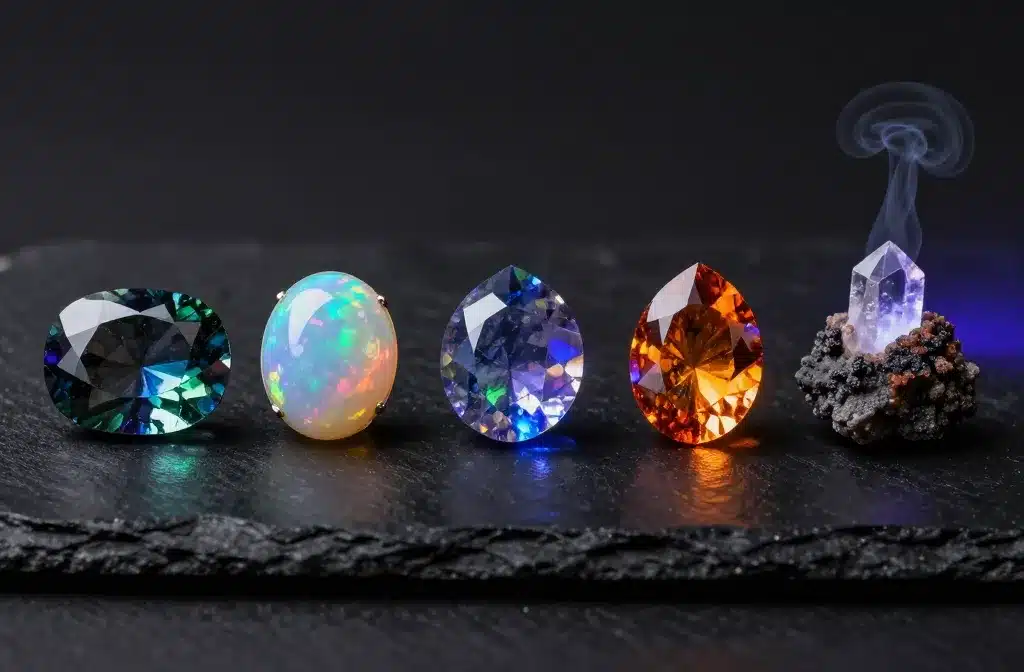
Most people picture diamonds, rubies, and sapphires when they hear the word “gemstone.” Yet the mineral world hides stranger treasures—stones that change color with candlelight, glow under ultraviolet lamps, trap tiny rainbows in their inclusions, or form in places as harsh as volcanic fumaroles. These gems bend our expectations of what a stone can look like, where it can form, and how it behaves in light.
Here, you’ll meet a curated selection of truly unusual gemstones: rare, scientific oddities, and those with optical tricks that never get old. You’ll learn what makes each one unusual, how to recognize authentic stones, how they’re typically cut, where they come from, and what matters most for durability and value. If you love gems with personality, you’re in the right place.
Along the way, I’ll weave in practical guidance for choosing pieces you can actually wear, how to care for them, and the telltale features experts look for. Expect a mix of geology, lore, and hands-on collector advice—without the fluff.
Let’s explore the stones that make gemologists grin.
Alexandrite: Daylight Green, Candlelight Red
Alexandrite is the poster child for unusual behavior. In daylight or fluorescent lighting, it leans green to bluish-green; under incandescent or warm LED light, it shifts to raspberry red or purplish-red. That dramatic “alexandrite effect” is caused by chromium absorbing different parts of the spectrum depending on the light source.
First discovered in Russia’s Ural Mountains, fine alexandrite today also comes from Sri Lanka, Brazil, and East Africa. The best stones show a strong, clean color change and good transparency. On the Mohs scale it’s 8.5, which makes it a tough contender for everyday rings and earrings.
What drives value: the percentage and quality of color change, saturation in both lighting conditions, clarity, and size. A 1-carat stone with a near-complete green-to-red shift can outrun much larger gems in price. Watch for synthetic alexandrite and color-change sapphire, which can mimic the effect but usually show a less convincing green daylight color or a different spectrum. A reliable lab report is wise for higher-end purchases.
Ammolite: An Ancient Shell Turned Rainbow
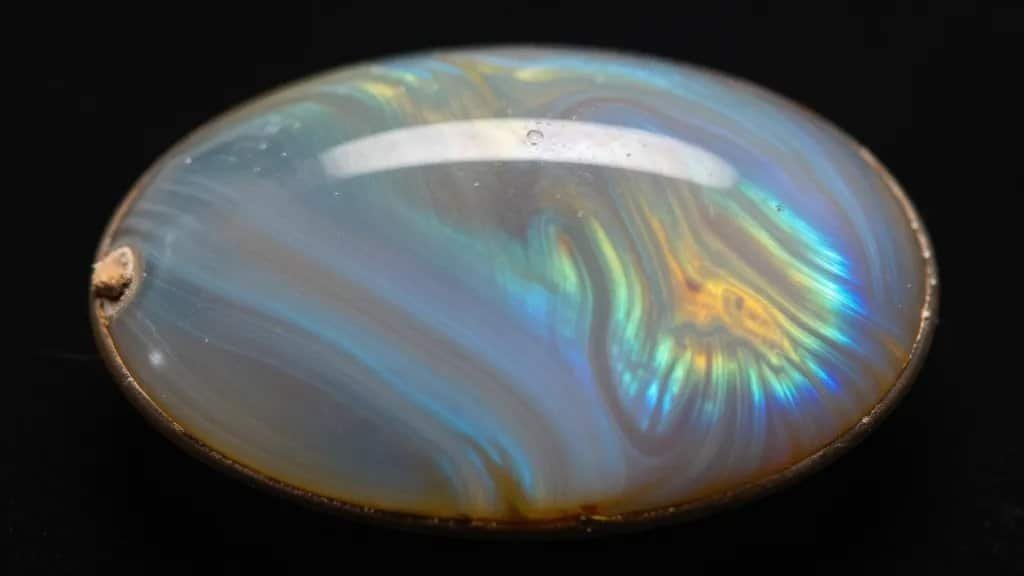
Ammolite is not a mineral at all but a fossilized shell—aragonitic layers of ancient ammonites from the Cretaceous seas of what is now Alberta, Canada. The material flashes neon bands of crimson, orange, emerald, and electric blue as you move it, like oil on water but structured and gemlike.
Because the aragonite layers are thin and fragile, most ammolite is stabilized with a clear cap (often quartz or spinel) and a backing. This composite creates a durable gemstone suitable for pendants, earrings, and protected rings. Its hardness varies—think 4.5 to 5.5 before capping—so choose jewelry that keeps it safe from abrasion.
Buyers should look for strong color play across the face, multi-color panels, and minimal “dead zones.” Inclusions or natural texture often show a stained glass or polygonal mosaic pattern. Avoid ultrasonic cleaners; instead, use a soft cloth and mild soapy water. If you like Gemstone Colors, ammolite is a case study in nature’s brilliance.
Benitoite: California’s Blue Starfire
Benitoite is a California state gemstone and a true rarity. It crystallizes in sapphire-like blue but with a cooler, icy undertone and remarkable dispersion—the stone throws prismatic sparks in white light that you don’t expect from a blue gem. Under shortwave UV, benitoite fluoresces a shocking sky-blue, one of its calling cards.
Most benitoite comes from a single locality: San Benito County, California. Sizes over 1 carat are scarce, and fine clarity is even scarcer. On the Mohs scale it rates 6 to 6.5, so it’s best for earrings, pendants, or ring designs with protective bezels.
Identification tips include high dispersion, UV fluorescence, and trigonal crystal shapes in rough. Beware confusion with sapphire or spinel. Untreated stones are the norm; any large, clean, bright specimen commands a collector premium and belongs on a shortlist for Collector Gemstones.
Grandidierite: Blue-Green Pleochroism You Can Feel
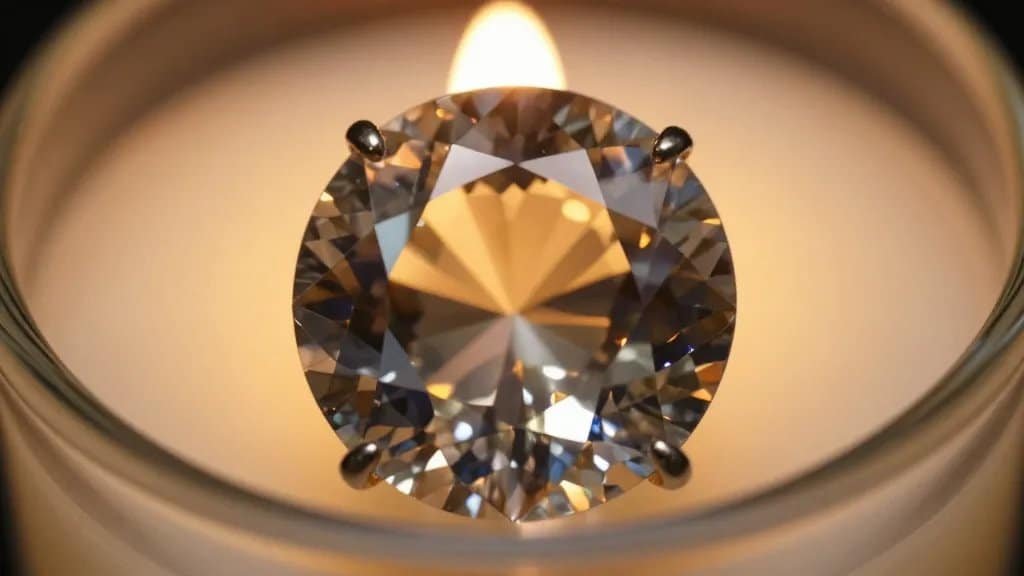
Grandidierite is one of those names that perks up the ears of gem nerds. First described in Madagascar, it shows a mesmerizing pleochroism—look at it from different angles and the color swings from green to bluish-green to almost ink-blue. That three-directional color change isn’t a trick of lighting; it’s built into the crystal’s physics.
Most stones are translucent to semi-transparent. Truly transparent, facetable material is rare and valuable, especially above 1–2 carats. With a Mohs hardness of 7 to 7.5 and decent toughness, it can handle careful wear. Expect inclusions; they’re almost a birthmark of the species. Heat treatments are uncommon; most pieces are natural in color.
Grandidierite rewards a curious eye. Tilt it slowly and watch the hues cycle. In jewelry, cabochons showcase a serene, sea-glass glow; well-cut facets bottle a stormy blue-green. If you’re exploring Gemstone Comparisons, line it up next to tourmaline and indicolite to see how pleochroism sets it apart.
Hauyne and the Lazurite Family: Electric Lapis Rarities
Hauyne is a member of the sodalite group and a cousin to lazurite, the blue of lapis. But hauyne’s color is shockingly saturated—an electric, ultramarine blue that looks lit from within. Found in volcanic regions such as Germany’s Eifel district, hauyne is rare in faceted form; most crystals are tiny and included.
With a Mohs hardness around 5 to 6, this is a gem for careful wear—pendants or earrings beat daily-wear rings. Under strong light, inclusions often sparkle white, set against a vivid blue body color that puts many sapphires to shame for saturation alone.
Because it is uncommon, buyers should request documentation for faceted stones. It’s easy to mistake dyed lapis or glass for hauyne, but the chemistry, refractive index, and often the crystal habit separate it. For lovers of bold color who don’t mind rarity over resilience, hauyne is a treasure.
Moldavite and the Tektites: Earth Meets Outer Space
Moldavite formed about 15 million years ago during a meteorite impact in the present-day Czech Republic. The heat and pressure splashed molten terrestrial material into the air, which cooled into olive-green, bottle-glass-like droplets. Natural moldavite shows etched textures and bubbles, often with a fernlike surface pattern called “sculpting.”
It’s a soft gem (Mohs ~5 to 5.5) with brittle behavior, so pendants and earrings are safer choices than rings. The color ranges from moss green to bright bottle green, sometimes with a translucent glow that looks almost luminous in sunlight.
Fakes are common—usually green glass. Authentic moldavite often shows elongated bubbles, flow lines, and surface etching. Glass imitations usually look too smooth, too even, and lack the natural sculpting. For those into Gemstone History and cosmic stories, moldavite is irresistible, but buy from trusted sources and consider a lab memo for pricier pieces.
Andesine-Labradorite: The Controversial Color-Play Feldspar
Feldspar hosts some of the strangest optical effects in the gem world. Andesine-labradorite sits within the plagioclase series and can show both color and schiller (a metallic flash) depending on composition and inclusions. The controversy: much of the red or green “andesine” that flooded the market in the 2000s was diffusion-treated to alter color.
Natural stones do exist, often with copper-related color and gentle aventurescence, but they are rarer than advertised in the boom years. Mohs hardness is around 6 to 6.5. Look for subtle internal platelets, a softened luster, and natural color zoning. Avoid anything with a suspiciously even “stained glass” red or green without inclusions—seek documentation.
Well-cut cabochons throw a coppery glow similar to Oregon sunstone, while faceted stones can display a rich autumnal palette. If you love unusual feldspars, a careful journey through this category can be rewarding, but approach it with the rigor you would bring to a high-stakes item in a Gemstone Buying Guide.
Black Opal and the Pinfire Galaxy
Australia’s Lightning Ridge black opal is a universe captured in silica. A jet to charcoal body color sets off pinfire, harlequin, and rolling flashes of neon red, green, blue, and violet. Against the dark base, color looks nearly electric, and the play-of-color can shift dramatically with even a slight tilt.
Opal is softer (Mohs ~5.5 to 6.5) and has a relatively low density, so large stones feel light in the hand. It loves moisture stability; extreme heat or very dry environments can cause crazing. Avoid ultrasonic cleaning. Doublets and triplets (opal layers laminated with quartz or glass) are common and affordable. Solid black opal is rarer and more valuable.
Value drivers include brightness, pattern type (harlequin is especially prized), coverage across the face, and the contrast with its body tone. A ring is fine if worn mindfully; bezels and low settings protect the edges. For sheer spectacle in Gemstone Jewelry, few stones compete with a vivid black opal cabochon.
Jeremejevite: A Tongue-Twister with Ice-Clear Charm
Jeremejevite is a borate mineral discovered in Siberia and now known from Namibia and Myanmar. It’s colorless to pale sky-blue and often eye-clean, with a glassy, high-luster look that suggests a miniature icicle. Exceedingly rare in sizes over 1 carat, it’s more a collector’s delight than an everyday jewelry option.
Its hardness (Mohs ~7 to 7.5) is respectable, but crystals can be brittle along certain directions. In well-cut gems, dispersion is subtle but pleasing, and the clarity is its hallmark. Because of the scarcity, synthetics are not a widespread issue; the greater risk is mislabeling or confusion with topaz or beryl. Proper measurements of refractive index and specific gravity separate them easily for a gemologist.
Uvarovite Garnet: Natural Emerald-Like Druse
Garnets aren’t all red. Uvarovite is a vivid chrome-rich green that rarely occurs in facetable sizes. Instead, it forms carpets of tiny crystals on matrix—drusy plates that look like a field of emerald sugar. The effect is eye-catching in pendants and cufflinks where the natural texture becomes the design.
On the Mohs scale it’s about 6.5 to 7.5 depending on composition. Drusy surfaces are delicate; reserve them for occasional wear and avoid abrasion. The color is naturally intense thanks to chromium, without need for treatment. If an emerald-green druse looks suspiciously glassy and uniform, you might be looking at dyed quartz drusy instead.
For those who appreciate raw textures and sparkle in micro-facets, uvarovite druse offers a unique, organic aesthetic that polished cabochons can’t match.
Seraphinite and Chatoyant Oddities
Seraphinite is a trade name for a deep green clinochlore with silvery, feathery chatoyancy reminiscent of wings. It’s too soft for rings (Mohs ~2 to 2.5), but as cabochons in pendants it’s ethereal. The chatoyancy arises from oriented inclusions that scatter light into satiny streaks.
Other chatoyant unusuals include pietersite—sometimes called “the tempest stone”—a brecciated aggregate of tiger’s eye with stormy swirls of blue, gold, and red. These gems spotlight structure and inclusions rather than clarity or dispersion. Their beauty lies in texture, pattern, and the play of light across bundled fibers.
Painite: From “Rarest Mineral” to Still Remarkable
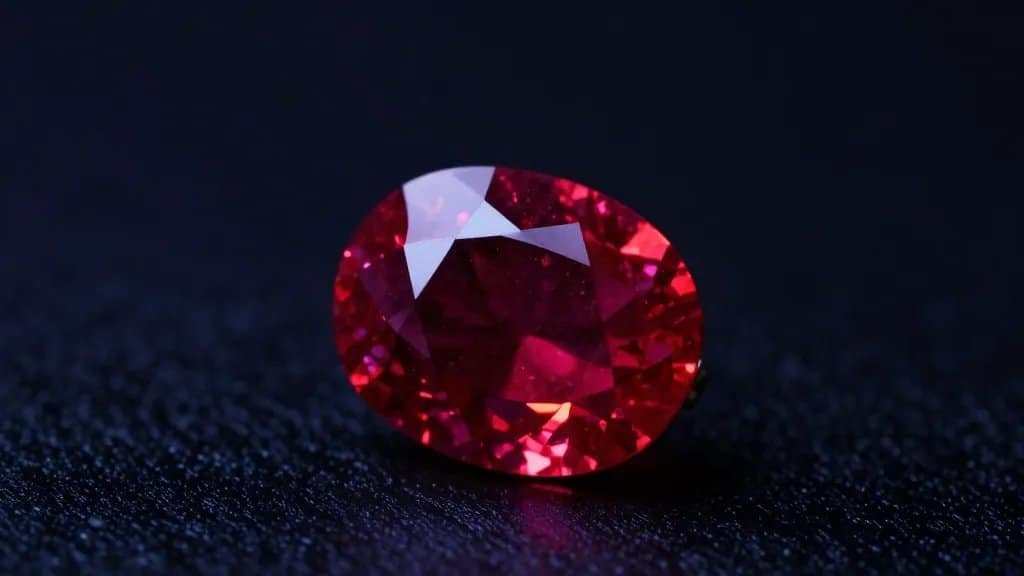
Once dubbed the rarest mineral on Earth, painite was known from only a handful of crystals for decades. Newer finds in Myanmar eased the scarcity but didn’t make it common. Its color ranges from brownish-red to orangey-brown, sometimes with a subtle pink cast. Faceted stones are typically small and included.
With a Mohs hardness around 8, it’s fairly durable, but availability makes it a cabinet stone for collectors more than a daily ring choice. Buy for provenance and the thrill of owning a mineral with a storied past rather than for knockout beauty. If rarity is your north star, painite has a rightful place beside musgravite and taaffeite in a Gemstone Value Guide context.
Taaffeite: Discovered in a Jewelry Shop
Taaffeite’s origin story is legendary: Sir Richard Taaffe identified it when a spinel “behaved wrong” under the loupe. That misfit turned out to be a new gemstone species. Colors range from mauve and lilac to grayish or colorless, often with a gentle glow similar to spinel but subtly different in refractive properties and birefringence.
It’s rare but wearable (Mohs ~8 to 8.5). Stones above 2 carats are scarce. Expect subtlety more than razzle-dazzle—taaffeite appeals to connoisseurs who enjoy understated pastels and the detective story behind the name. Documentation matters; it’s easy to confuse with spinel without proper testing.
Beyond Novelty: How to Judge Unusual Gems
Rarity can cloud judgment. Before you fall for a spectacular story or optical effect, consider a few basics that apply across these unusual gemstones:
- Durability and setting: Check Mohs hardness and toughness. Softer stones like ammolite (capped), opal, and moldavite need protective settings. For daily rings, aim for 7.5 and above or use bezel settings and low profiles.
- Authenticity and treatment: Request disclosure. Color-change, diffusion, dye, capping, and impregnation can all alter look and durability. Independent lab memos are worth it for high-value or controversial materials.
- Cut and design: Some gems thrive as cabochons (opal, seraphinite, uvarovite druse). Others need precise faceting to show dispersion or pleochroism (benitoite, grandidierite). Match the cut to the effect you love.
- Lighting matters: Always view color-change gems under multiple lights. Carry a small LED and compare to warm light to judge shifts accurately.
- Care routine: Many unusual stones dislike ultrasonic or steam cleaners. Mild soapy water, a soft brush, and a microfiber cloth are safe defaults. Store softer gems separately.
If you’re mapping out a collection, consider keeping notes on lighting responses, treatments, and any lab documentation—helpful for insurance, resale, and your own learning. Cross-reference with topics like Gemstone Identification and Gemstone Care to build confidence over time.
Buying Advice and Real vs. Fake Pitfalls
Unusual gems attract unusual misrepresentations. A few quick comparisons help protect your budget:
- Alexandrite vs. color-change sapphire: Alexandrite should look convincingly green in daylight and red in warm light. Color-change sapphire often shifts between blue and purplish, lacking the green-to-red signature.
- Moldavite vs. green glass: Look for natural sculpting, elongated bubbles, and flow patterns. Glass often looks too smooth and even. UV reactions aren’t conclusive; rely on texture and reputable dealers.
- Ammolite vs. synthetic or foil-backed materials: Genuine ammolite has layered interference color that shifts with angle; cap-and-back constructions should be disclosed. Foil-backed imitations look flat at oblique angles.
- Black opal triplet vs. solid: Triplets show a clear rim where the top layer meets the backing. Solids are one piece. Triplets are fine for budget-friendly sparkle but should be priced accordingly.
- Taaffeite vs. spinel: They can look alike. A lab test for birefringence and refractive index distinguishes them. For stones above a carat, get documentation.
Ask sellers direct questions: What treatments? What lab report? What is the return policy if an independent lab disagrees? Reputable dealers answer without defensiveness. For further context on pricing brackets and trade terms, your next stop could be a Gemstone Buying Guide or a well-researched Gemstone Value Guide.
Jewelry Ideas That Showcase the Strange and Beautiful
Design can either smother an unusual gem or make it sing. A few ideas from the bench:
- Alexandrite: A clean, modern solitaire lets you appreciate the color change. Consider a white metal to keep the green crisp in daylight and the red bright at night.
- Ammolite: Bezel-set pendants protect the edges and maximize face-up color. Oxidized silver adds contrast to fiery hues.
- Benitoite: Halo settings amplify dispersion without overwhelming a small center stone. Keep prongs delicate.
- Black Opal: Low-profile bezels or partial bezels prevent chipping. Neutral metals won’t fight the play-of-color.
- Grandidierite: Step cuts or elongated ovals emphasize pleochroism. Understated settings avoid stealing the show.
- Uvarovite Druse: Open-back pendants let light hit the crystal carpet. Frame rather than polish—the texture is the point.
If you love exploring shapes, pairing these gems with creative Gemstone Cuts and Gemstone Shapes can become part of the fun. Just remember that safety and daily wear habits should guide how bold you go.
Care and Cleaning Essentials
Unusual often means particular. A few simple habits extend the life of these gems:
- Avoid ultrasonic and steam for ammolite, opal, moldavite, and any composite stones (doublets/triplets).
- Use lukewarm soapy water and a soft brush. Rinse well and pat dry.
- Store softer stones separately in lined boxes or pouches to prevent scratching.
- Remove rings before gym sessions, gardening, or household chemicals.
- Check settings twice a year. Delicate prongs and bezels deserve maintenance.
A gentle routine beats any harsh cleaner. When in doubt, ask a jeweler familiar with the specific species, not just “all gemstones.”
FAQs
Which unusual gemstone is best for an everyday ring?
Alexandrite and taaffeite are good candidates thanks to higher hardness and toughness. Benitoite, opal, and moldavite are better in protected or occasional-wear settings.
Are unusual gemstones a good investment?
They can be, but markets are thin and taste-driven. Buy stones with strong, verifiable qualities—great color change, top brightness, or documented rarity—and obtain lab reports for higher values.
How do I test a gemstone’s authenticity at home?
You can compare under different lights, check for obvious dye or bubbles, and use a loupe. However, definitive identification requires instruments; rely on professional testing for costly purchases.
Do unusual gems usually come treated?
Some do. Ammolite is commonly capped, and feldspars may be diffusion-treated. Alexandrite and benitoite are typically untreated. Always ask for full disclosure.
Why do some gems change color under different lights?
Elements like chromium create selective absorption. Different light sources have different spectral balances, so what passes through—or is reflected—changes, altering perceived color.
Can opal or ammolite dry out?
Solid opal contains water and can craze in very dry or hot conditions. Ammolite’s thin aragonite layers are sensitive to heat and shock. Stable storage is best for both.
What sizes are realistic for rare stones?
Benitoite and jeremejevite often stay under 1–2 carats; taaffeite and alexandrite reach higher carat weights but get expensive fast. Expect to prioritize quality over size.
Final Thoughts
The most unusual gemstones found in nature reward curiosity. Each stone carries a quirk—an optical stunt, an improbable origin, or a texture that refuses to be tamed. If you match your expectations to the gem’s strengths, ask smart questions, and choose protective designs where needed, these oddities won’t just sit in a display—they’ll become conversation-starting companions you’ll reach for again and again.

Christian Grey is the creator of GemMeaning, where he shares simple insights about crystals, gemstone meanings, and spiritual guidance. His focus is on making complex ideas easy to understand and practical for everyday life.