Some gems wear their stories like a crown. They’ve sparked wars, bankrolled empires, toppled dynasties, and inspired entire eras of jewelry design. Diamonds sit at the center of many of these tales because their combination of beauty, durability, and rarity makes them perfect vessels for human ambition.
Here you’ll meet the most legendary diamonds that made history—stones whose names feel almost mythic. We’ll follow their journeys from rough crystal to polished icon, clarify what makes them special, and separate verified facts from crowd-pleasing myths. Along the way, you’ll learn practical gem knowledge: color, clarity quirks, how cutting changed their fame, and what these stones can teach you about value and authenticity.
Think of this as a guided museum tour with a gemologist who also loves a good story. You’ll leave with a sharper eye for diamonds and a richer sense of why these particular stones continue to fascinate collectors, historians, and jewelry lovers.
Settle in—the facets of these diamonds hold more than sparkle. They hold human history.
Why Certain Diamonds Become Legends
Most diamonds are beautiful; few become famous. The difference usually lies in three ingredients: geological rarity, exceptional cutting, and a dramatic human story. On the science side, fancy colors—especially blue, pink, and vivid yellow—are genuinely rare. Type IIb blue diamonds, for example, contain trace boron that both creates their hue and allows slight electrical conductivity, a bizarre and extremely uncommon trait in gemstones.
Cutting also matters. A stone may be born remarkable, but its polish, symmetry, and proportions determine how light ricochets within it. An expert cut can turn a notable diamond into a landmark. Last, provenance—the hands a stone passes through—amplifies allure. Royal treasuries, celebrity owners, and sensational thefts attach human meaning to geologic miracles.
The Hope Diamond: A Blue Flame with a Murky Past
Few gems carry a reputation like the Hope Diamond. At 45.52 carats, its deep grayish blue color looks like moonlight steeped in ink. The hue comes from boron within a type IIb diamond lattice; under ultraviolet light, the stone famously glows a haunting red due to strong phosphorescence—a parlor trick backed by crystal physics, not magic.
Believed to originate from India’s Kollur mines, the stone began as a much larger rough known as the French Blue. After a turbulent history through the French court, a theft during the Revolution, and re-cutting in London, it surfaced in the Hope family collection in the 1830s. Stories about a “curse” likely grew from a mix of misfortune and newspaper salesmanship. Today it rests in the Smithsonian, where millions of eyes study its antique cushion cut and velvety saturation.
What it teaches: color rarity drives legend and value. Blue diamonds are among the scarcest fancy colors, and fine ones command staggering prices. If you’re drawn to colored diamonds, study hue, tone, and saturation carefully; tiny shifts have big effects on price. For broader perspective on rarity and pricing, see related topics in Gemstone Value Guide and Gemstone Colors.
The Koh‑i‑Noor: Power, Politics, and Changing Shapes
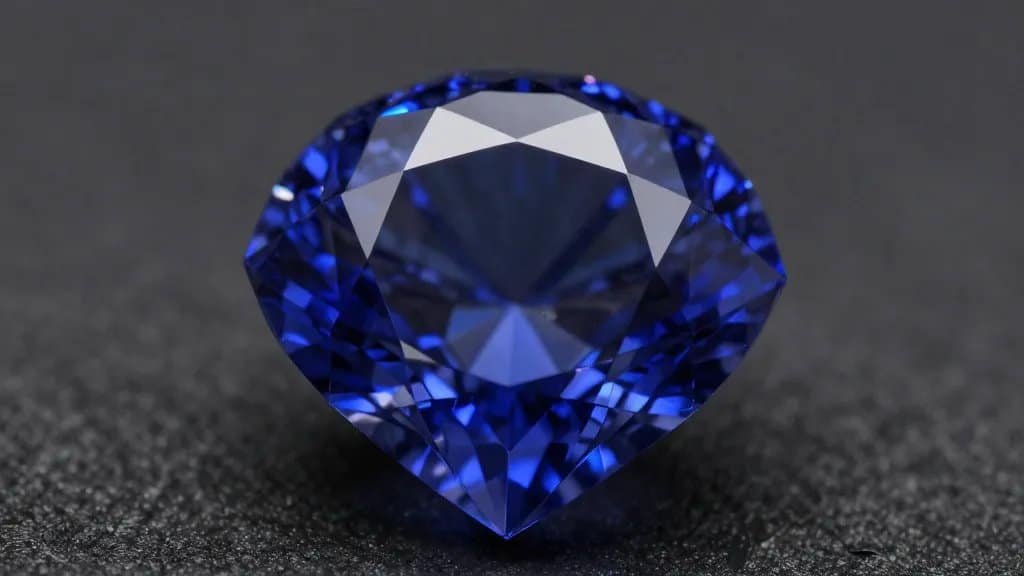
Translated as “Mountain of Light,” the Koh‑i‑Noor carries centuries of contested ownership. Likely mined in the Golconda region—famed for type IIa diamonds with exceptional purity—the stone changed hands among Persian, Afghan, and Sikh rulers before becoming part of Britain’s crown jewels.
Its journey tells a technical story too. The diamond has been re-cut multiple times, most notably in the 19th century to improve brilliance by European standards of the day, reducing weight but increasing fire and scintillation. The current oval brilliant weighs 105.6 carats and sits in the Crown of Queen Elizabeth The Queen Mother. Its alleged “curse” on male wearers is folklore, but the stone’s geopolitical weight is real: it remains a touchstone for debates over cultural patrimony.
What it teaches: cutting is a negotiation. You exchange carat weight for light performance. Antique stones often preserve older cutting styles—rose cuts, old mine cuts—with chunkier facets and warm, candlelight sparkle. Modern brilliants maximize rainbow flashes under brighter lighting. If you love history, antique cuts in Gemstone Jewelry can feel like holding time in your hand.
The Cullinan Family: From Colossus to Crown Jewels
In 1905, miners in South Africa found a rough diamond so large—3,106 carats—that the manager initially thought it was glass. Named the Cullinan, it was eventually cleaved and polished into nine major stones and dozens of smaller gems, many set in the British regalia.
The Cullinan I, the Great Star of Africa, weighs 530.2 carats and sits atop the Sovereign’s Sceptre. Its sister, Cullinan II, a cushion-cut 317.4-carat stone, adorns the Imperial State Crown. These are classic examples of type IIa diamonds: incredibly pure, transparent, and capable of an almost water-clear, icy brilliance. Their cuts—pear for Cullinan I and cushion for Cullinan II—balance face-up spread with strong light return, creating broad, mirror-like flashes rather than pin-fire sparkle.
What they teach: large diamonds that remain lively aren’t accidents. The cleaving process required precise mapping of internal stress lines, inclusions, and growth features, followed by intricate faceting to manage light travel in massive crystals. For collectors, understanding how facet size affects sparkle scale is invaluable. Big facets produce bold flashes; small facets create glitter. Explore Gemstone Cuts and Gemstone Shapes to see how form changes fire.
The Regent: Perfect Proportions and Pure Fire
Discovered in India around 1698 and once mounted in Napoleon’s sword hilt, the 140.64-carat Regent Diamond is often praised by cutters for its perfect proportions. Its old mine brilliant style is a masterclass in balance: symmetry so precise that light bounces cleanly with minimal leakage, giving it a crystalline, steady glow rather than a harsh, flashy glare.
Gemologically, it’s believed to be type IIa with exceptional clarity—one reason the stone has such astounding transparency. You can almost sense the absence of color and internal haze. At the Louvre today, it continues to demonstrate how proportion—table size, crown height, pavilion depth—can be more important to appearance than sheer carat weight.
What it teaches: proportions matter as much as pedigree. When evaluating a diamond, don’t chase carat alone. Compare brilliance, contrast pattern, and dispersion under varied lighting. A smaller stone with strong proportions can out-sparkle a larger but poorly cut diamond, a principle central to any Gemstone Buying Guide.
The Tiffany Yellow: Sunshine in a Square
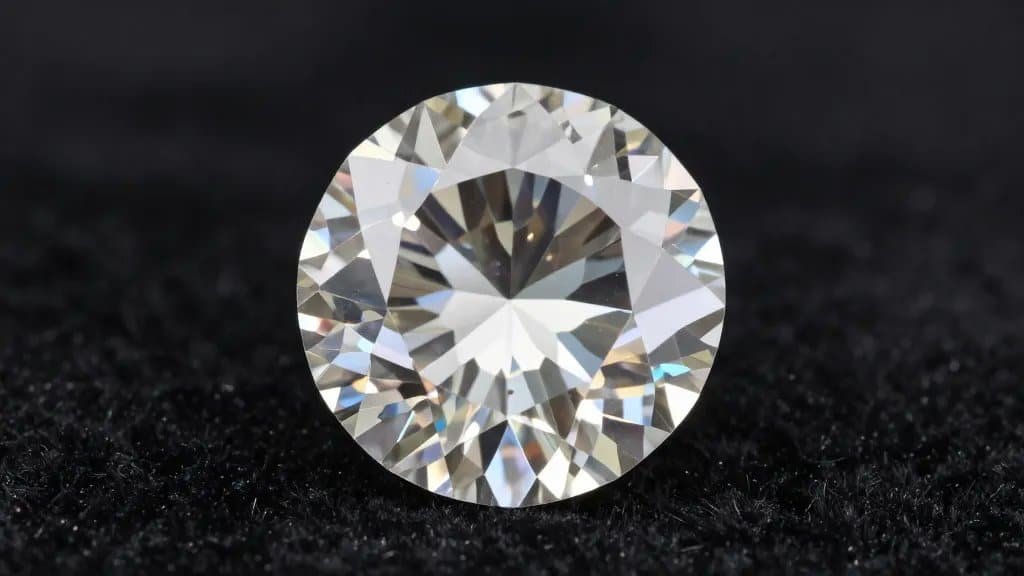
Fancy yellow diamonds are far more common than blue or pink, but the finest reach a saturated, almost liquid hue that looks like trapped sunlight. The Tiffany Yellow started as a 287.42-carat South African rough and now weighs 128.54 carats, cut into a cushion with an innovative facet arrangement that emphasizes both brilliance and the evenness of color.
Yellow diamonds owe their color to nitrogen. The Tiffany’s tone lands in that sweet spot between vivid and warm, with an even saturation across the face. It is usually displayed in a delicate setting that lets light enter from all angles, enhancing the stone’s lively, honeyed radiance.
What it teaches: fancy-color diamonds are judged differently from colorless stones. With colored diamonds, hue purity, evenness, and saturation drive value more than microscopic clarity differences. If you love color, compare stones side by side and study them in daylight as well as LED lighting to avoid surprises. For a wider palette, see Gemstone Colors and Precious Gemstones.
The Orlov: A Mogul’s Eye Reimagined
The Orlov (often spelled Orloff) is a baroque-shaped diamond believed to have been part of a deity’s statue in India before finding its way into Russian imperial regalia in the 18th century. Weighing about 189 carats in its unmodified rose-style cut, the stone retains a bulbous, domed crown and a flat base—so different from modern brilliants that it feels like a time capsule.
Its pale, bluish-green tint has been debated, but many observers describe a delicate, cool cast. As a rose-style diamond, sparkle is subtler, with broad glints rather than the razor-sharp scintillation of modern cuts. The Orlov reminds us that beauty standards evolve, and preserving historic cutting styles protects cultural as well as gemological heritage.
What it teaches: not every great diamond needs re-cutting to shine. Collectors who love antique jewelry often value original facet patterns and patina. If you’re drawn to old stones, train your eye to appreciate softer brilliance and historical craftsmanship—an area richly connected to Gemstone History and Collector Gemstones.
The Dresden Green: A Natural Green Marvel
Natural green diamonds are among the rarest because their color typically develops from natural radiation exposure in the earth, which disturbs the diamond’s crystal lattice near the surface. The Dresden Green, a 41-carat pear-shaped gem, is the world’s most celebrated example. Its hue is a rich, evenly distributed apple green—unusual, since green diamonds often show color concentrated in a “skin” near the surface.
This stone’s even color suggests a rare and complex geologic history. Spectroscopy indicates it is a natural green, not the product of laboratory irradiation, which became common in the 20th century. Historically housed in Dresden’s Green Vault, the diamond represents scientific intrigue as much as artistry.
What it teaches: detection matters. Green diamonds are the trickiest of all colored diamonds for authentication, as lab treatment can mimic nature’s handiwork. A reputable laboratory report is non-negotiable if you consider buying green diamonds, synthetic or treated alternatives notwithstanding. For broader guidance, explore Gemstone Identification to understand testing beyond the loupe.
The Pink Star and the Rise of Modern Marquee Stones
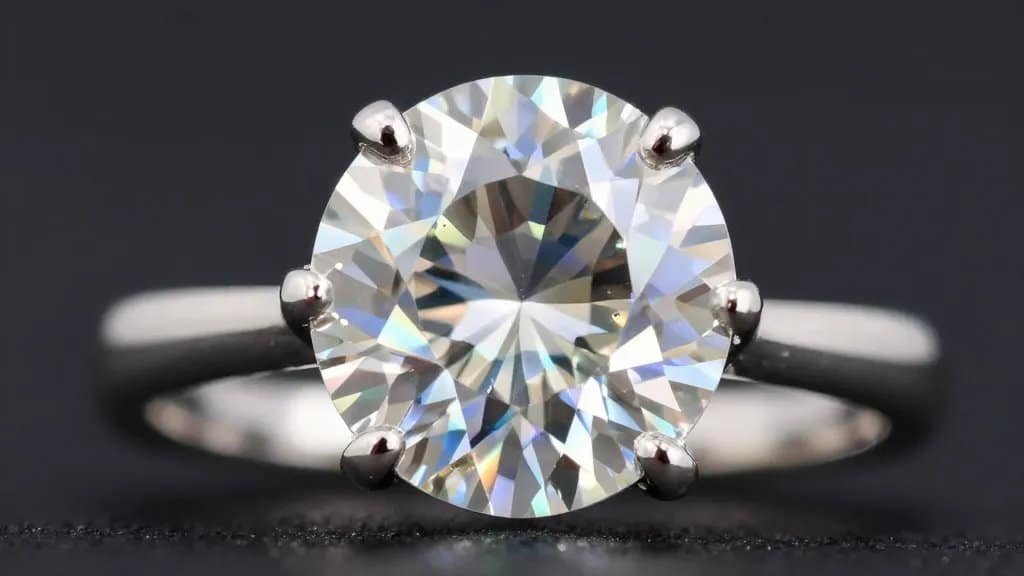
Historic diamonds aren’t confined to centuries past. The 59.60-carat Pink Star (formerly the Steinmetz Pink) is a Fancy Vivid Pink, Internally Flawless marvel that shattered auction records in the 21st century. Pink diamonds owe their color to lattice distortions—slip planes within the crystal—that alter light absorption. True vivid saturation in a large, clean stone is almost unheard of.
Cut as an oval mixed cut, the Pink Star balances a generous face-up spread with facet choreography that keeps the vivid color uniform. It symbolizes how modern cutting, advanced mapping, and meticulous polishing can coax extraordinary results from incredibly challenging rough.
What it teaches: markets evolve. As collectors gain appreciation for fancy colors, masterpieces like the Pink Star become the new legends, proving that history is still being written with every cut and sale.
Real Versus Myth: Separating Stories from Science
Great diamonds attract great stories: curses, daring heists, royal secrets. While these tales give atmosphere, a gem’s real identity lives in measurable traits. Diamond hardness is 10 on the Mohs Scale, but toughness (resistance to breaking) varies with internal grain lines; even giants like the Cullinan required expert cleaving along planes of weakness. Many famous stones show natural inclusions—tiny feathers, crystals, or graining—that help identify them just as fingerprints identify people.
Provenance research, spectroscopy, and inclusion mapping form the backbone of authentication. Documentation from reputable labs and museums anchors the narrative. The myths may entice us, but the science keeps us honest.
What These Legends Teach Collectors and Shoppers
Even if most of us won’t own a museum piece, the lessons apply to everyday choices:
- Cut is king for brightness. Study facet patterns and proportions, not just carat weight.
- Color in fancy diamonds rules value. Hue purity and saturation trump small clarity differences.
- Provenance adds value, but documentation must be rock solid.
- Antique cuts offer a different, romantic sparkle. Appreciate them on their own terms.
- Certification is essential for unusual colors, especially green and blue.
- Durability is excellent—diamonds are hard—but avoid sharp blows to points and girdles, and store separately to prevent scratching other gems.
For practical follow-up, you might enjoy Gemstone Hardness for durability comparisons, Gemstone Cuts for exploring facet styles, and Gemstone Care for cleaning and storage tips. If you’re comparing options for a special piece, Gemstone Rings and Gemstone Necklaces can help visualize how different shapes perform on the body.
Caring for Diamond Heirlooms
Care is simple but thoughtful. Clean diamonds with warm water, mild dish soap, and a soft brush, focusing on the pavilion area behind the stone where oils and lotions dull brilliance. Ultrasonic cleaners are generally safe for sturdy, well-set diamonds, but avoid them if the stone has known feather inclusions near the surface or if it’s set with softer companion gems.
Have prongs and bezels checked annually; a glowing diamond can distract from a worn claw. When traveling, use a padded case with individual compartments to prevent diamonds from scratching other jewelry. And keep all paperwork—appraisals, lab reports, historical notes—together. For more, see Gemstone Care for best practices across jewelry types.
Frequently Asked Questions
Are famous diamonds always flawless?
No. Many legendary stones have inclusions or graining. Their fame stems from color, size, cut, and history more than microscopic perfection.
Why are some diamonds blue or pink without added treatments?
Trace elements or structural distortions alter light absorption. Boron creates blue in type IIb diamonds; plastic deformation in the lattice often causes pink.
How can I tell if a colored diamond is natural or treated?
Trust a major laboratory report. Advanced spectroscopy and imaging can distinguish natural colors from irradiation or HPHT treatments.
Do antique diamond cuts sparkle less than modern ones?
They sparkle differently. Antique cuts emphasize broader flashes and a softer glow, while modern brilliants create higher-contrast scintillation.
What’s the rarest natural diamond color?
Pure red is considered the rarest. Fine blues and greens are also exceptionally scarce, especially in larger sizes.
Can diamonds chip despite being the hardest gemstone?
Yes. Hardness resists scratching, not breaking. Sharp impacts at facet junctions or pointed tips can chip a diamond.
Do legendary diamonds appreciate faster than regular diamonds?
Top-tier historical stones are unique assets and can set record prices. For typical market pieces, value depends on cut, color, clarity, and demand cycles.
A Final Facet
The diamonds we remember best combine improbable geology with unforgettable human stories. Blue flames that glow red in the dark, green pears colored by the earth’s quiet radiation, pink ovals born from crystal strain—each is a lesson in both nature and culture. Study them, and you sharpen not just your eye for beauty, but your sense of how craftsmanship, rarity, and history can turn carbon into legend.

Christian Grey is the creator of GemMeaning, where he shares simple insights about crystals, gemstone meanings, and spiritual guidance. His focus is on making complex ideas easy to understand and practical for everyday life.