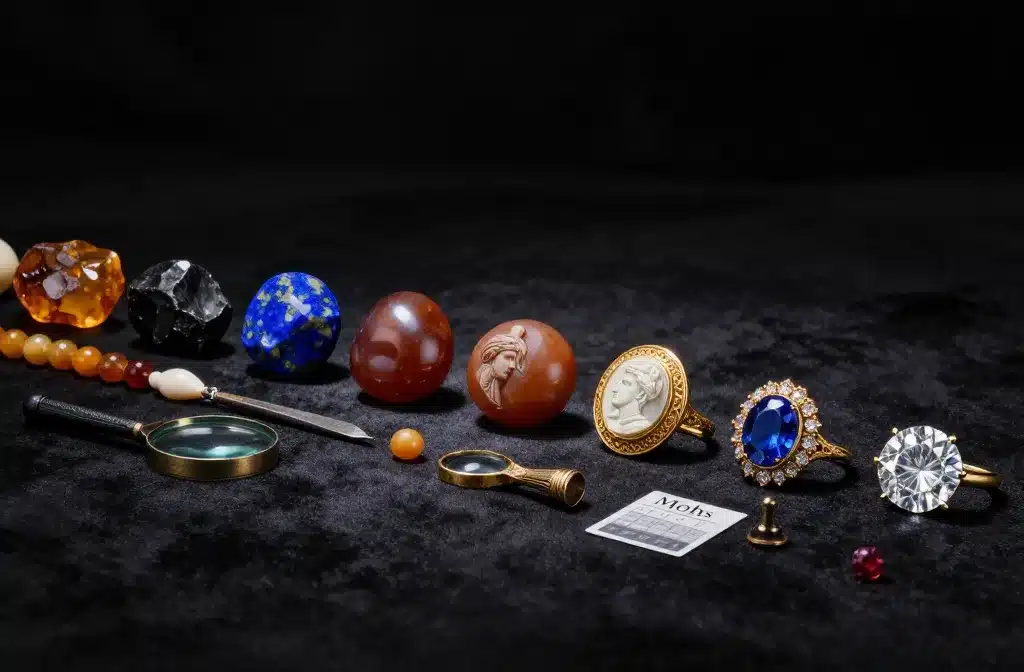
Gemstones are more than ornaments. They are tiny time capsules—pressed from the Earth’s heat and pressure—carried through caravans, coronations, and love stories. Their paths trace human ambition, spirituality, trade, and taste as clearly as any map.
Here you’ll learn how cultures across millennia valued different stones, what those gems signified, and how crafting, cutting, and scientific discovery changed what we see sparkling in jewelry today. We’ll visit ancient mines and royal treasuries, meet alchemists and modern gem labs, and look closely at how symbolism, geology, and craftsmanship shaped the gems we cherish.
Along the way, you’ll see why some colors took on sacred meaning, how the Mohs Hardness Scale reshaped jewelry wearability, which legends are charming myths, and how collectors separate storied specimens from good imitations. Expect practical nuggets too—care, buying context, and what to look for under the loupe.
Think of this as a guided walk through time with a gem lover who can’t resist pointing out both the sparkle and the science.
Stone Age to Bronze Age: The First Spark of Meaning
Long before diamonds symbolized engagement, ancient peoples reached for color in a world of clay and wood. The earliest “gemstones” were organic and soft: amber washed up from Baltic shores, jet carved from fossilized wood, and lustrous shells. These materials were easy to shape, gripped a polish, and glowed warmly against skin and leather.
As early as the Neolithic period, carnelian and chalcedony beads appear in burial sites. Their earthy reds and honeyed translucence suggested life, blood, and protection. Lapis lazuli, traded from Afghanistan’s storied Sar-e-Sang mines, traveled astonishing distances; its ultramarine flecks, shot with brassy pyrite, looked like night skies trapped in rock.
Metallurgy changed everything. With bronze tools, artisans drilled harder stones and engraved cylinder seals from serpentine, hematite, and agate. The earliest value factors were color, polish, and mystical reputation rather than perfect clarity. Even today, you can feel that early logic—warm colors for vitality, deep blues for divinity, green for renewal.
Egypt and Mesopotamia: Color Codes of the Divine
In ancient Egypt, gemstones were vocabulary. Turquoise from Sinai stood for joy and protection; malachite’s velvety green meant rebirth. Carnelian hearts accompanied the dead, polished to a sun-warm shine. Lapis inlays framed eyes on funerary masks—an echo of the night sky promising a safe crossing.
Egyptians mastered faience, a glassy ceramic that imitated turquoise and lapis when genuine stones were scarce or reserved for the elite. This early “simulant” reminds us that beauty and symbolism often mattered more than rarity. Mesopotamian rulers wore agate and jasper seals carved with gods and beasts. These engraved stones doubled as signatures and talismans, function and faith intertwined.
From a gemologist’s view, most of these stones sit around 5–7 on the Mohs Scale—durable enough for daily wear in amulets, soft enough to carve with basic tools. Their luster is waxy to vitreous, their transparency often translucent rather than crystalline. The drama was in color and contrast.
Classical Worlds: Greek Curiosity and Roman Opulence
The Greeks approached gemstones with an eye for proportion and myth. They associated amethyst’s sober purple with clear-headedness—literally “not drunken” in Greek. Hellenistic craftsmen elevated the art of the intaglio: crisp portraits sunken into garnet or sardonyx to stamp wax seals. Cameos, carved in layers of banded agate, turned into miniature sculptures on signet rings.
Romans adored color and spectacle. Emeralds—often mined in Egypt—graced the eyes of the wealthy; Pliny the Elder praised emerald for resting the eye. Opal, a Roman favorite, carried the reputation of holding all colors in one stone. Pearls, smooth as dew and softly luminous, became the status emblem of the empire, their orient glow beautifully complementing gold.
Value factors shifted toward size and vivid hue. Garnet cabochons with syrupy red transparency, emeralds with garden-like inclusions (the “jardin”), and fiery opals with play-of-color all captured attention. Hardness varied—emerald at 7.5–8, garnet ~6.5–7.5, opal around 5.5–6—dictating protective settings and gentler wear.
Silk Roads and Sacred Stones: Asia’s Mastery
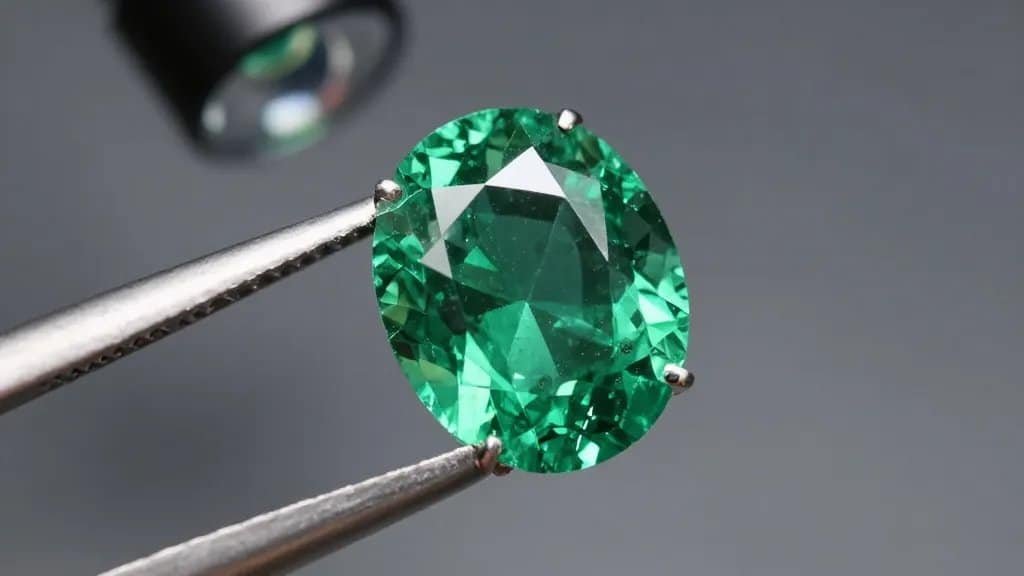
Across Asia, gemstones traveled arteries of trade and faith. In India, sapphire and ruby were “ratnaraj” royalty among gems. The legendary Mogok mines of Burma (Myanmar) yielded rubies so saturated they were called “pigeon’s blood,” their fluorescence lifting red to a glowing, almost inner light. Example value factors here still hold today: a pure, vivid hue, lively brilliance, and significant size with minimal inclusions fetches the highest price.
In China, jade was not merely material but moral philosophy. “Jade” in Chinese history primarily refers to nephrite—silky, tough, often white to green—with a smooth, waxy polish that invites touch. Jadeite, the brighter cousin from Myanmar, arrived later in the Qing Dynasty and stunned the court with imperial green. Jade’s superlative toughness (it resists breaking more than many harder stones) made it perfect for intricate carvings and ritual objects.
Islamic artisans advanced gem cutting and calligraphic inlay, setting carnelian seals engraved with prayers and names. Persian turquoise with spiderweb matrix—sky-blue domes kissed by brown or black veining—became a signature look, while traders carried these gems westward toward the Mediterranean and east toward Mughal ateliers.
Medieval and Renaissance Europe: Alchemy Meets Observation
Medieval lapidaries (gem manuals) were equal parts medicine cabinet and moral guide. Sapphire safeguarded chastity and truth; garnet stilled bleeding; bloodstone literally promised to stop blood flow. While charming, many of these claims blur myth with metaphor. Yet the period refined cutting techniques and introduced table cuts, step cuts, and early faceting that caught more light.
By the Renaissance, science sharpened the view. Explorers returned with new finds—Brazilian topaz and tourmaline among them—while Venetian and German cutters experimented with more precise angles. Diamond, once a talisman left in rough octahedra, began to reveal its brilliance under the wheel. The point cut evolved to the table, then to the rose cut—facets radiating like petals, creating a soft, candlelit sparkle.
Identification advanced too. Scholars distinguished between “true” stones and imitators, though myths lingered. Spinel, a gorgeous red gemstone, lived for centuries in royal treasuries mislabeled as ruby. The famous “Black Prince’s Ruby” in the British Crown Jewels is actually a fine spinel—an instructive episode you’ll often see discussed in Gemstone History and Gemstone Identification resources.
The Diamond Epoch: Brilliance Engineered
The 18th and 19th centuries catapulted diamond to the fore. New deposits in Brazil and later in South Africa swelled supply. Cutters in Antwerp and Paris pushed mathematics into the lap. The old mine and early brilliant cuts began shaping light return systematically, aiming for a bright, even scintillation rather than the gentle glow of rose cuts.
Hardness at 10 on the Mohs Scale made diamond ideal for everyday rings; it resists scratching better than any other gemstone. That durability, combined with cultural marketing in the 20th century, anchored diamond as the standard for engagement jewelry. Yet in earlier centuries, rubies and sapphires were equally prized for romantic tokens—proof that traditions evolve alongside commerce.
As cutting improved, clarity gained value. Inclusions once accepted as “character” became liabilities in the diamond trade. For colored stones, however, the standards remained more nuanced. Kashmir sapphire’s fine silk inclusions, for instance, scatter light softly, contributing to its velvety look—one reason it commands legendary prices today.
Modern Science and the Birth of Lab-Grown
The 19th and 20th centuries turned gem appraisal from lore into laboratory practice. Mineralogy pinned down species and varieties: corundum encompasses ruby and sapphire; beryl includes emerald, aquamarine, morganite, and heliodor. Refractive index, specific gravity, and spectroscopic absorption bands became tools of truth. This scientific clarity gave rise to today’s Gemstone Comparisons and Gemstone Value Guide frameworks.
Enter synthetic gems—chemically identical crystals grown by human hands. Auguste Verneuil’s flame-fusion process made ruby and sapphire accessible by the early 1900s. Later methods like hydrothermal and flux growth yield near-perfect emeralds and sapphires. The stones are real minerals but not naturally formed. Their clean interiors and growth features—curved striae in flame-fusion corundum, for instance—help experienced eyes tell them from natural gems under magnification.
Treatments also matured. Heat treatment for sapphire and ruby intensifies color and improves clarity; it’s widely accepted when disclosed. Emerald often receives oil or resin to reduce the visual impact of fissures. Jadeite may be bleached and polymer-filled (the notorious “B” and “C” jades). Understanding these practices is essential for buyers; a visit to Gemstone Buying Guide or Gemstone Myths can help demystify what’s routine versus risky.
Colors, Meanings, and Why They Stuck
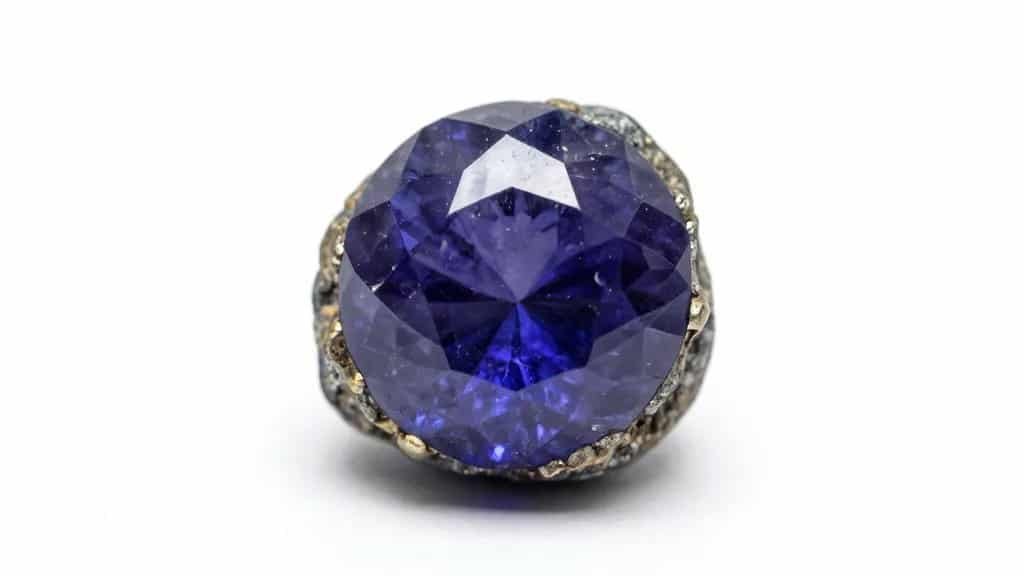
Why do certain colors carry such tenacious symbolism? Part chemistry, part culture. Copper traces turn beryl into blue-green aquamarine; chromium and vanadium paint emerald’s green; iron tints sapphire blue or yellow. These hues felt rare in ancient pigments and landscapes, so they soaked up meaning—blue for the heavens, green for growth, red for life and passion, purple for power.
Even as science replaced superstition, the poetic residues endure. Garnet’s burgundy glow still suggests warmth; moonstone’s milky adularescence whispers of tides and dreams; opal’s kaleidoscope remains a talisman for creativity. Wearing color is a conversation with history as much as with light.
Famous Gems and the Stories They Carry
Some gemstones became characters in their own right. The Hope Diamond’s saturated blue (boron within diamond’s lattice) and tangled ownership story fed tales of a curse—romance outsizing reality. The Timur Ruby, actually spinel, mirrors our evolving knowledge. The Mogul Emerald, carved with Islamic script, shows how gems also served as pages for devotion.
These storied pieces shaped taste. Collectors today still chase origins that echo royalty: Burmese ruby, Kashmir sapphire, Colombian emerald. Geographic origin, verified through trace elements and inclusions, can lift a fine stone into the extraordinary—one reason seasoned buyers consult Gemstone History and Collector Gemstones when provenance matters.
Real vs. Imitation: What the Eye Learns Over Time
Training your eye is part patience, part knowing where to look. Natural stones wear their history inside—tiny crystals, needles, even fluid inclusions that flash like lightning when you tilt the stone. Synthetic counterparts often feature growth zoning too perfect or curved striae, and gas bubbles where nature would form mineral inclusions.
Glass imitations feel “loose” optically: their dispersion is often wrong for the species, and surface wear appears quickly due to low hardness (~5–6). Doublets and triplets—layered stones used with opal and emerald—can be clever, but the junction lines give them away under magnification. When in doubt, a reputable lab report provides peace of mind, aligning with best practices found in Gemstone Identification resources.
How Craft Changed the Spark: Cuts Through the Centuries
Cutting is the dialogue between rough and light. Early cabochons magnified color and sheen—ideal for opal, moonstone, and star sapphire. Step cuts like emerald cut emphasize clarity and even color, their long facets creating mirror-like flashes. Brilliant cuts, perfected for diamond, trade big flashes for a staccato sparkle—the dance we associate with modern rings.
Old European cuts and old mine cuts, with higher crowns and smaller tables, offer a candlelit charm—glowing, less laser-like. They’re prized today for vintage rings and earrings. For colored stones, cutters often tilt for color, leaving slightly asymmetric outlines if that preserves saturation. Understanding these choices deepens appreciation and informs smart choices in Gemstone Cuts and Gemstone Jewelry.
Practical Wisdom: Wearing, Caring, and Choosing
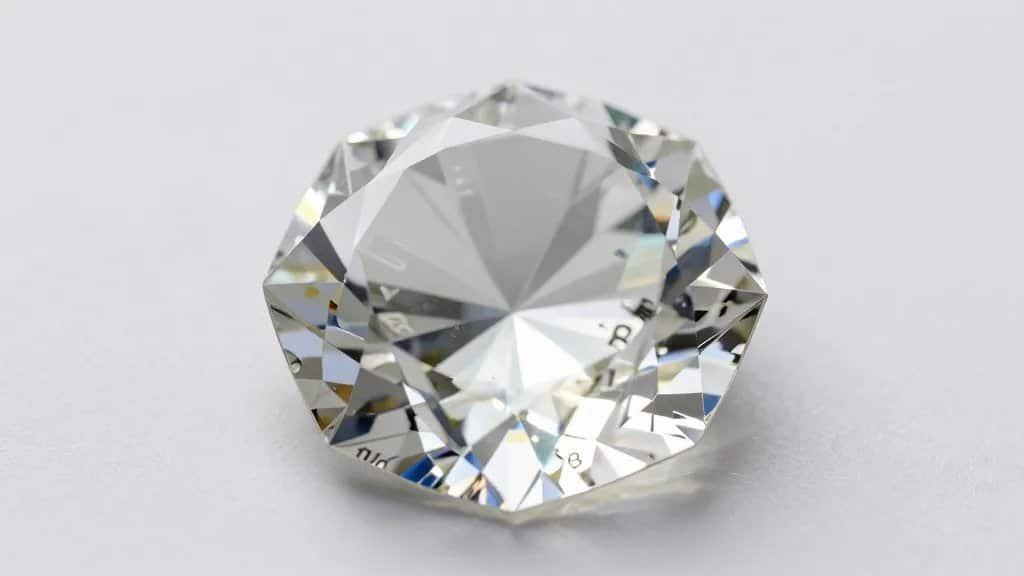
History guides daily wear. Hardness and toughness decide where a stone lives best. Diamonds (10) and sapphires/rubies (9) thrive in rings and bracelets. Emerald (7.5–8) is hard but can be brittle due to inclusions and fissures; it prefers protective settings. Opal (5.5–6.5) and turquoise (~5–6) enjoy necklaces and earrings where knocks are rare.
Care is simple but specific:
- Use lukewarm water, mild soap, and a soft brush for most stones.
- Avoid ultrasonic cleaners for emerald, opal, pearl, and heat- or fracture-treated stones.
- Keep porous stones like turquoise and opal away from prolonged dry heat; they can dehydrate and craze.
- Store gems separately to prevent scratching; diamonds can scuff softer neighbors.
For buying, focus on what each species values. Rubies and sapphires prize color first, then clarity; slight inclusions are acceptable if the color sings. Emeralds accept more inclusions; prioritize a rich, even green and a pleasing cut. For opal, look for broad, vibrant patches of color visible across the face. Verify treatments and origin for significant purchases. A quick browse through Gemstone Hardness and Gemstone Value Guide helps align expectations with budget.
From Mine to Market: Ethics and Evolving Standards
Today’s gem story includes stewardship. Traceable supply chains, fair wages for artisanal miners, and environmental remediation are part of responsible collecting. Lab-grown options reduce mining impacts and offer excellent value for high-durability jewelry like engagement rings. Many buyers mix approaches: a natural colored gem for its unique inclusions, a lab-grown diamond for center-stage sparkle.
Certification has become crucial. Independent labs assess natural versus synthetic, treatments, and sometimes origin. Think of a report as the stone’s passport—a contemporary extension of the long trade routes that once vouched for a gem’s story.
Why This History Still Matters
The allure of gemstones rests on two foundations: what light does in a crystal and what stories we attach to it. Knowing where those stories began turns a beautiful object into a meaningful companion. You’re not just choosing a color—you’re choosing a lineage, from Sinai’s turquoise mines to Kashmir’s alpine valleys, from Roman opals to laboratory sapphires grown with near-star precision.
If you want to explore further, consider branching into Rare Gemstones with unusual optics, compare sparkle and wearability with Gemstone Comparisons, or find the perfect setting by browsing Gemstone Rings and Gemstone Necklaces. And when you’re ready to care for your piece like a curator, Gemstone Care will keep that history shining.
FAQs
What’s the difference between precious and semi-precious stones?
Traditionally, diamond, ruby, sapphire, and emerald were “precious,” with all others “semi-precious.” Today, the terms are outdated; value depends on rarity, quality, and demand. A top alexandrite can exceed many “precious” stones in price.
How did the Mohs Scale change jewelry design?
By ranking scratch resistance from 1 to 10, it guided where stones are worn. Hard gems like diamond and sapphire went into rings; softer stones like opal were favored for pendants and earrings.
Are lab-grown gemstones considered fake?
No. Lab-grown gems share the same chemistry and crystal structure as natural stones; they’re real gemstones with a different origin. Imitations, like glass, only mimic appearance.
Which historical origin adds the most value to a gem?
It depends on species. Mogok (Burma) for ruby, Kashmir for sapphire, Colombia for emerald are top-tier origins, often commanding premiums when verified by reputable labs.
What’s the safest cleaning method for most gemstones?
Lukewarm water, mild soap, and a soft brush. Avoid harsh chemicals and check whether ultrasonic cleaning is safe for your specific gem and any treatments.
Why do some emeralds look cloudy compared to sapphires?
Emeralds commonly have inclusions and fissures; these contribute to their character but lower clarity. Many are oil-treated to improve appearance, which is acceptable with disclosure.
How can I spot a glass imitation quickly?
Look for rounded gas bubbles, a soft “oily” luster, and light wear on facet edges. Glass also feels warm to the touch faster than most crystalline gems.
Final Thoughts
Gemstones mirror our history: tools became craft, myth met science, and color kept its magic. When you choose a gem, you hold a piece of Earth shaped by centuries of human hands and hopes—beauty that speaks fluently in both light and story.

Christian Grey is the creator of GemMeaning, where he shares simple insights about crystals, gemstone meanings, and spiritual guidance. His focus is on making complex ideas easy to understand and practical for everyday life.