Gemstones catch the eye first and the imagination right after. Their colors, their luster, and the stories they carry can turn a casual interest into a lifelong passion. Yet the early steps are where many collections go sideways—money wasted, fake stones purchased, beautiful pieces damaged by well-meaning care.
Here you’ll learn what trips up new collectors and how to sidestep those pitfalls. We’ll talk about recognizing authenticity, understanding treatments, balancing beauty with durability, and building a collection that feels personal yet smart. You’ll also get practical advice for buying, storing, and documenting stones without anxiety.
Expect clear examples, real-world tips, and a little gem lore for flavor. By the end, you’ll feel more confident selecting, handling, and enjoying gems—without paying tuition to the school of hard knocks.
If you want to go deeper after reading, you might also explore topics like Gemstone Identification, Gemstone Value Guide, and Gemstone Care to round out your knowledge.
Mistake #1: Thinking Color Alone Determines Quality
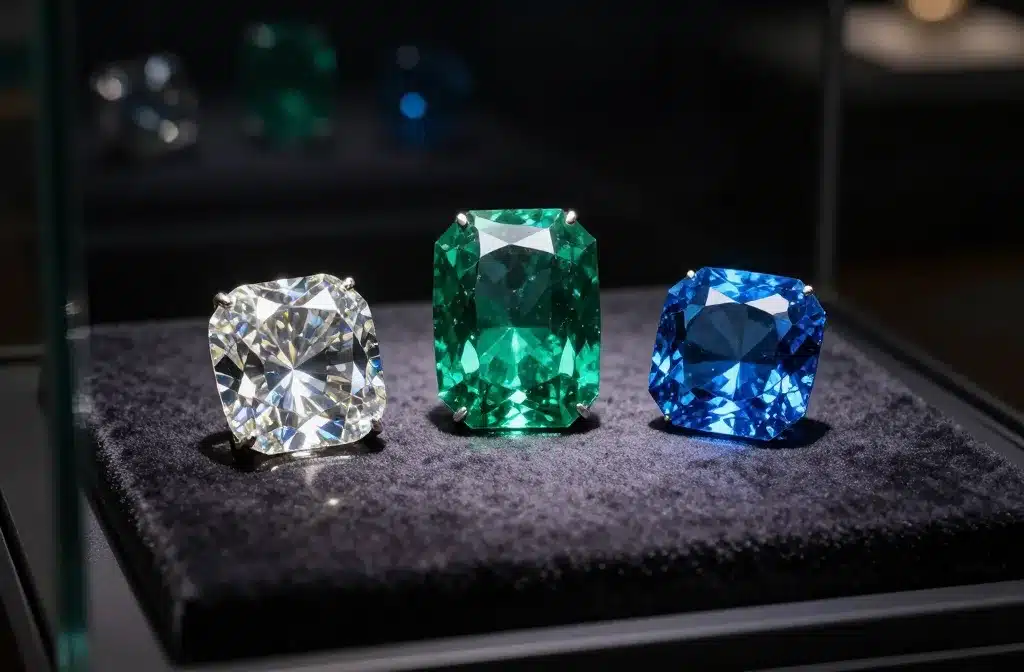
Vivid color draws everyone in, but it’s not the whole story. Quality sits at a crossroads of hue, tone, saturation, clarity, cut, and size. New collectors often pay a premium for overly dark stones because they appear richly saturated under jewelry counter lighting. Take ruby: the ideal “pigeon’s blood” hue is both rich and lively, not blackish in normal light. Similarly, an emerald with a delicious green but extensive fractures can look dull once set, because those fractures scatter light and reduce transparency.
Train your eye to look beyond the headline color. Observe how the stone handles light. Does it glow from within or does it look “sleepy”? Tilt the gem: a fine sapphire should remain attractive at different angles, not just face-up. Also, don’t equate size with beauty. A smaller, impeccably cut garnet may outshine a larger, shallow-cut one whose window (a see-through area in the center) drains its life.
Tip: Compare multiple stones at once and ask to view them in varied lighting—daylight near a window, soft indoor light, and bright spotlight. You’ll quickly see which ones retain elegance and which ones are drama queens under showroom beams only.
Mistake #2: Ignoring Treatments and Their Impact on Value
Treatments are common and not inherently bad, but they matter. Heating sapphire and ruby to improve color and clarity is widely accepted and usually disclosed. Oil filling in emerald is nearly universal; the type and degree of filler (simple cedar oil versus polymer) impacts price and care. On the other hand, glass-filled ruby or diffusion-treated sapphire should be priced far lower than their natural, simply heated counterparts. New collectors often confuse “natural” (earth-formed) with “untreated.” A natural gem can still be heavily treated.
Learn the language of disclosures:
- Heated sapphire/ruby: Generally stable, acceptable in the market.
- Oiled emerald: Common; more extensive or polymer-resin filling lowers value and affects cleaning.
- Fracture-filled ruby or diamond: Can look great until ultrasonic cleaning causes filler to fail.
- Beryllium-diffused sapphire: Color induced deep within; value is significantly lower than heated-only stones.
Tip: Request written disclosure on invoices. If a piece is important or pricey, ask for a laboratory report. For high-value stones, labs recognized in the trade add confidence. This isn’t snobbery—it’s risk management.
Mistake #3: Confusing Synthetics, Simulants, and “Too-Good” Deals
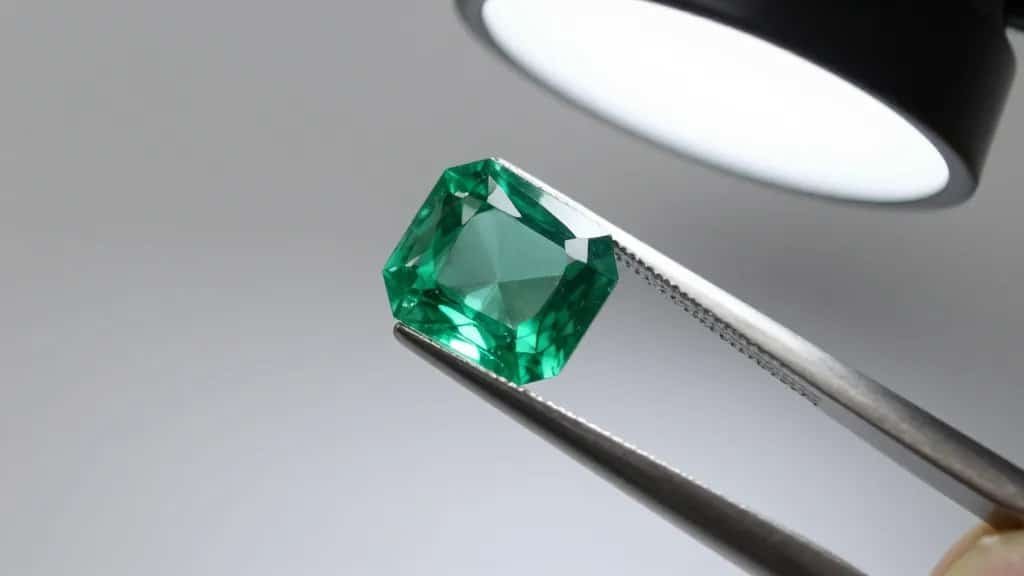
Synthetic gems are lab-grown with the same chemical and physical properties as their natural counterparts. Simulants mimic the appearance but are different materials (like glass, cubic zirconia, or colored spinel imitating other stones). A new collector who hears “lab ruby” may imagine a low-quality stone; in reality, many labs grow exceptionally clean and vibrant rubies and sapphires that are genuine corundum, just not formed underground. Simulants, by contrast, are look-alikes and should be priced accordingly.
Visual cues can help, but they’re imperfect. Synthetic flame-fusion corundum often shows curved growth lines under magnification; hydrothermal emeralds can show chevron growth or colorful flux remnants. Natural stones display inclusions like needles, crystals, or jagged healing fractures. That said, telling them apart with certainty can require a trained eye and proper equipment.
Red flag: A “natural, untreated ruby” over two carats with pigeon’s blood color at a suspiciously low price. Either it’s heavily treated, misrepresented, or synthetic. If it sounds like a fairy tale, bring a loupe and a dose of realism.
Mistake #4: Overlooking Durability, Wearability, and Setting Choices
Beauty fades fast if the stone isn’t suited to its intended use. Hardness (Mohs scale) tells you scratch resistance, not toughness or resistance to chipping. Diamond (10) is hard but can cleave along certain directions. Emerald (7.5–8) is hard enough for jewelry but often fractured, making protective settings important. Opal (~5.5–6.5) and pearl (~2.5–4.5) are soft and sensitive to chemicals and dryness, so daily-wear rings can be risky.
Think context. If you want a ring for constant wear, consider corundum—sapphire and ruby at 9 on the Mohs scale—set in protective bezels or sturdy prongs. Spinel (8), chrysoberyl (8.5), and many garnets (~6.5–7.5) make durable, vibrant choices for rings and bracelets. Opal, tanzanite, and fluorite are better for occasional wear or pendants and earrings, where impacts are less likely.
Practical note: Settings matter as much as the gem. A high-profile mount can catch on sweaters and countertops. For softer or brittle stones, look for bezel settings, halo buffers, or more substantial prongs. Ask your jeweler how they’d protect the gem given your lifestyle.
Mistake #5: Neglecting Provenance, Rarity, and the Story Behind the Stone
Origin can influence both value and charm. A Kashmiri sapphire, a Burmese ruby, or a Colombian emerald conjures images of famed mines and a legacy of quality. But origin should not overshadow the stone itself. A mediocre stone from a storied source is still mediocre. New collectors sometimes chase famous names without assessing what’s in front of them: is the color lively, the cut balanced, the clarity pleasing?
Rarity isn’t always obvious. Fine spinel—especially hot pink to vivid red from Myanmar or neon-like cobalt blue from Vietnam—was long overlooked and is still less familiar to the public than ruby or sapphire. Some garnets (tsavorite’s crisp grassy green, demantoid’s fire, and color-change varieties) can be mesmerizing and scarce. Becoming familiar with “Collector Gemstones” gives you access to beauty and potential value growth that mainstream buyers miss.
Tip: Keep short notes with each purchase—country of origin if known, mine when possible, year of purchase, and any distinctive features. Over time, these notes become the living history of your collection and can help future appraisals.
Mistake #6: Skipping Documentation, Appraisals, and Accurate Weights
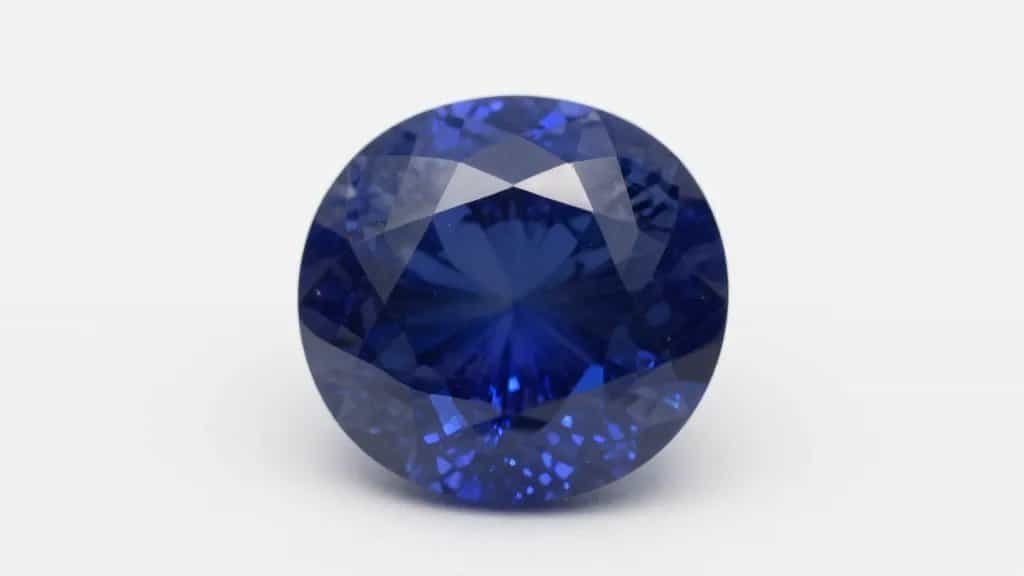
Receipts and casual descriptions disappear faster than you think. Without documentation, selling or insuring later becomes painful. New collectors also overlook how minor weight differences affect price—a 1.98-carat sapphire is not the same as a 2.00-carat sapphire in the marketplace. Rounding up can distort value and trust.
Best practice:
- Keep purchase receipts with details: gem species, variety, weight to two decimals, dimensions, shape and cut, treatments, and metal if set.
- Photograph your pieces and store images with their notes.
- Obtain an independent appraisal for important items; update it periodically if market values change.
- For high-ticket loose stones, consider a reliable lab report. It’s a passport for your gem.
This level of recordkeeping sounds tedious, but it will pay dividends when you insure, resell, or simply share your collection with clarity.
Mistake #7: Poor Care—Harsh Cleaners, Ultrasonics, and Sunlight Surprises
Not every gem loves the same spa treatment. Ultrasonic and steam cleaners can wreak havoc on oil-filled emeralds, fracture-filled rubies, and many organic gems like opal, pearl, and coral. Even natural, untreated stones with internal features can be at risk. Household chemicals and sudden temperature changes are enemies of polish and integrity.
Care basics that save hearts and wallets:
- Warm water, mild soap, and a soft brush are the safest baseline for most gems.
- Keep opal, pearl, and turquoise away from harsh chemicals and extended dryness; store pearls slightly humidified.
- Avoid prolonged sun exposure for gems prone to fading, such as kunzite, some amethyst, and topaz.
- Remove rings before gym workouts, gardening, or dishwashing; grit and knocks do more damage than you think.
- Store pieces separately in soft pouches or compartments; harder stones can scratch softer neighbors.
If in doubt, look up “Gemstone Care” guidelines for that specific species before cleaning. Jewelers see many accidents that a gentle rinse would have prevented.
Mistake #8: Chasing Trends Instead of Building a Personal, Balanced Collection
Trends can be fun but fickle. If your collection is built on fleeting social buzz, you may end up with pieces that neither hold value nor speak to you. Give yourself permission to buy what captivates you, even if it isn’t the flavor of the month. That vivid orange spessartine garnet or icy-blue aquamarine cabochon might be your signature.
Balance also matters. Include a mix of species, colors, and sizes, and a blend of investment-grade and purely joyful pieces. A diversified collection lets you appreciate different optical effects—phenomena like asterism in star sapphire, chatoyancy in cat’s-eye chrysoberyl, or color change in alexandrite—and it spreads risk if you’re thinking about future value.
If you enjoy comparing aesthetics and price points, explore topics like Gemstone Cuts and Gemstone Shapes. Small variations in cut—Portuguese, step, mixed, or cabochon—change how a stone handles light, from glittering facets to velvety domes that emphasize color.
Mistake #9: Forgetting the Power of a Good Loupe and Basic Observation
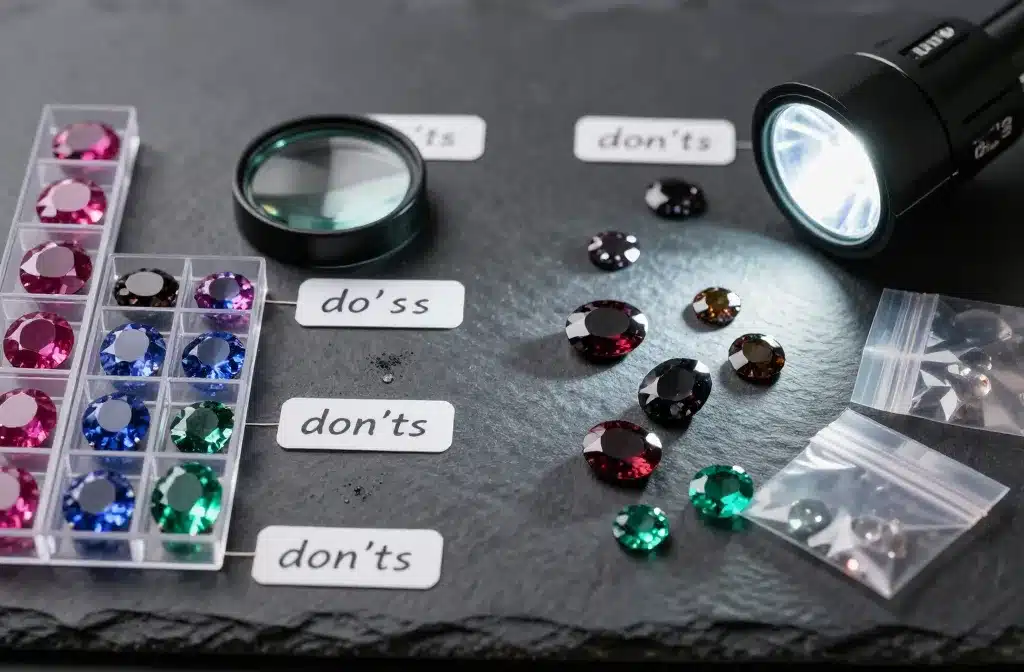
An inexpensive 10x loupe is a new collector’s best friend. You don’t need to be a lab gemologist to use it well. Start by cleaning the stone, then look for inclusions, chips, scratches, and symmetry. A slightly off-center culet, a tilted table, or a big window indicates compromises in cutting. Inclusions can be helpful “birthmarks”—fine rutile needles in sapphire, three-phase inclusions in emerald, or tiny horsetail patterns in demantoid garnet can be beautiful and diagnostic.
Develop a habit: look unaided first for overall beauty and how the stone plays with light. Then loupe it for structure and integrity. That rhythm—beauty first, evidence second—keeps your purchasing both joyful and wise.
Mistake #10: Believing Every Seller Shares Your Definition of “Fine”
Not all dealers grade the same way. Words like “collector quality,” “investment grade,” or “museum-worthy” can be stretched until they squeak. Reputable sellers will answer specifics: exact weight, measurements, treatments, origin if known, how they assessed color grade, and why the cut works. They won’t flinch if you ask for a return policy or lab report on a serious purchase.
Build relationships with trustworthy sources. Ask other collectors for referrals, buy from dealers who stand behind what they sell, and be open about your budget and preferences. You’ll often be offered stones off the public tray—pieces that haven’t hit the website—simply because the dealer now understands your taste.
Mistake #11: Overpaying for Jewelry Mountings and Underpaying for the Stone
New collectors sometimes fall for ornate settings that overshadow a mediocre gem. Metal and diamonds can add to the bill quickly while the center stone remains average. It’s usually smarter to put the lion’s share of your budget into the main gem—the heart of the piece—then choose a setting that enhances it without stealing the show.
Consider how metal color interacts with your stone. Yellow gold can warm up a slightly cool-toned ruby; white metals can crisp the look of a blue sapphire or aquamarine. Rose gold can flatter morganite and peachy tourmalines. These subtle choices elevate perceived color and value.
If you’re starting from scratch, browse Gemstone Jewelry, Gemstone Rings, or Gemstone Necklaces to see how different settings shape a stone’s presence. Notice how bezel edges, halo sizes, and prong thickness change the personality of the piece.
Mistake #12: Underestimating the Joy of Education
The more you learn, the more you see. A short course on Gemstone Identification, a few hours with a good field guide, or time spent comparing stones under a daylight lamp will sharpen your eye tremendously. You’ll start noticing the crisp double refraction in zircon, the silky sheen of moonstone adularescence, or the fiery dispersion in demantoid garnet that seems to fling tiny rainbows from its facets.
Education also protects your wallet. It helps you decide when a lab report is essential, when a loupe is enough, and when to walk away. Over time, your intuition becomes grounded in experience—a much more satisfying way to collect.
FAQs
How can I quickly tell if a gemstone is real without equipment?
You can’t be certain without tools, but you can spot red flags: overly perfect clarity at a suspicious price, bubbles under magnification (often glass), and stones that look dead in daylight but neon under spotlights. When stakes are high, seek a reputable seller or lab report.
Are lab-grown gemstones bad for a collection?
No. They can be beautiful, durable, and affordable. Just keep them labeled as lab-grown. If your goal is rarity and natural history, prioritize mined stones; if your goal is color and sparkle per dollar, synthetics are excellent.
Which gems are safest for daily ring wear?
Corundum (sapphire and ruby), spinel, chrysoberyl, and many garnets are solid choices. Diamonds are great too, but watch for chipping on corners. Softer or brittle gems like opal, tanzanite, and fluorite are better for occasional wear or protected settings.
Do I always need a lab report?
No. For modest purchases, a trusted dealer and your loupe may be enough. For expensive or origin-sensitive stones—ruby, sapphire, emerald, alexandrite—a respected lab report can protect your investment and aid future resale.
What’s the simplest safe cleaning method?
Warm water, mild dish soap, and a soft brush. Rinse thoroughly and pat dry. Avoid ultrasonic or steam on filled, oiled, or delicate gems and on pearls, opals, and turquoise.
How do I store a small but growing collection?
Use a box with individual compartments or soft pouches. Keep an index card with each piece noting species, weight, treatments, and purchase details. Separate harder stones from softer ones to prevent scratching.
Is color less valuable if it’s from treatment?
It can be. Some treatments, like standard heating in sapphire, are widely accepted, while heavy diffusion or fracture-filling reduces value. Pricing should reflect the type and extent of treatment and be disclosed.
Final Thoughts
Great collections grow from patience, curiosity, and a clear eye. Learn to balance beauty with durability, document what you buy, and ask every stone to impress you both with its face-up charm and with the story it tells under a loupe. Do that consistently and your collection will reflect not just value, but your taste—and that’s the part you’ll treasure most.

Christian Grey is the creator of GemMeaning, where he shares simple insights about crystals, gemstone meanings, and spiritual guidance. His focus is on making complex ideas easy to understand and practical for everyday life.