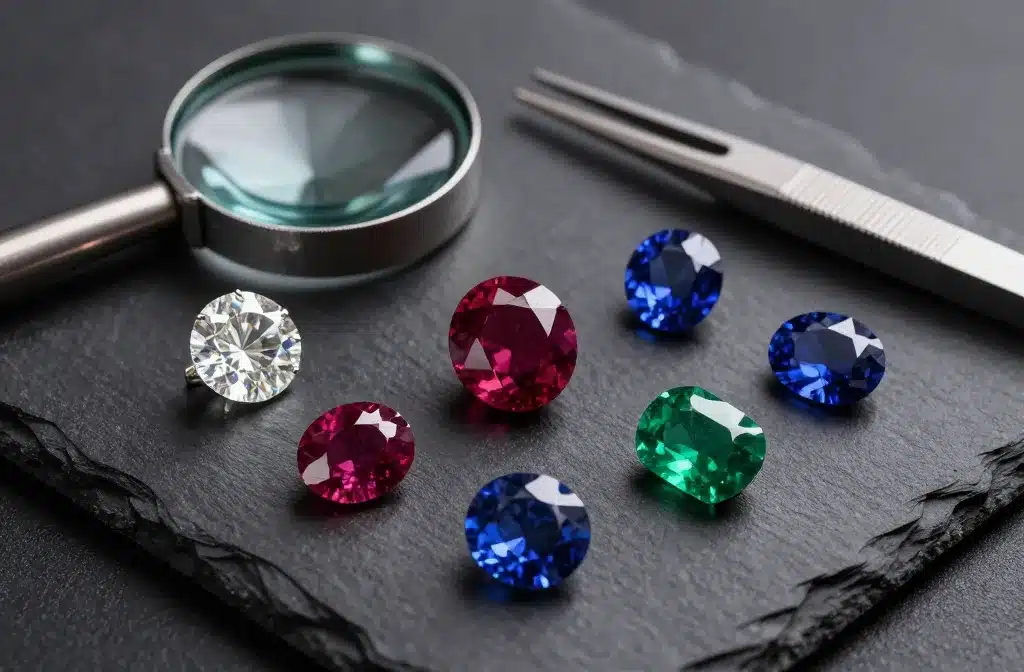
Open a tray of well-chosen gemstones and you’re holding small chapters of Earth’s history—minerals born in volcanic throats, ancient oceans, and deep continental crust. A thoughtful collection doesn’t just look beautiful; it tells stories of geology, culture, and craftsmanship.
Here you’ll find a curated list of must-have gemstones that balance beauty, durability, and significance. You’ll learn how to recognize quality, what sets each stone apart, how they fit into jewelry, and where beginners sometimes stumble. Expect practical buying tips, subtle identification clues, and the kind of context that makes a gem feel personal.
Consider this a field guide written from a jeweler’s loupe perspective—clear, specific, and full of real-world detail. Whether you’re building your first case or filling gaps in a seasoned collection, there’s something here to make your next acquisition confident and joyful.
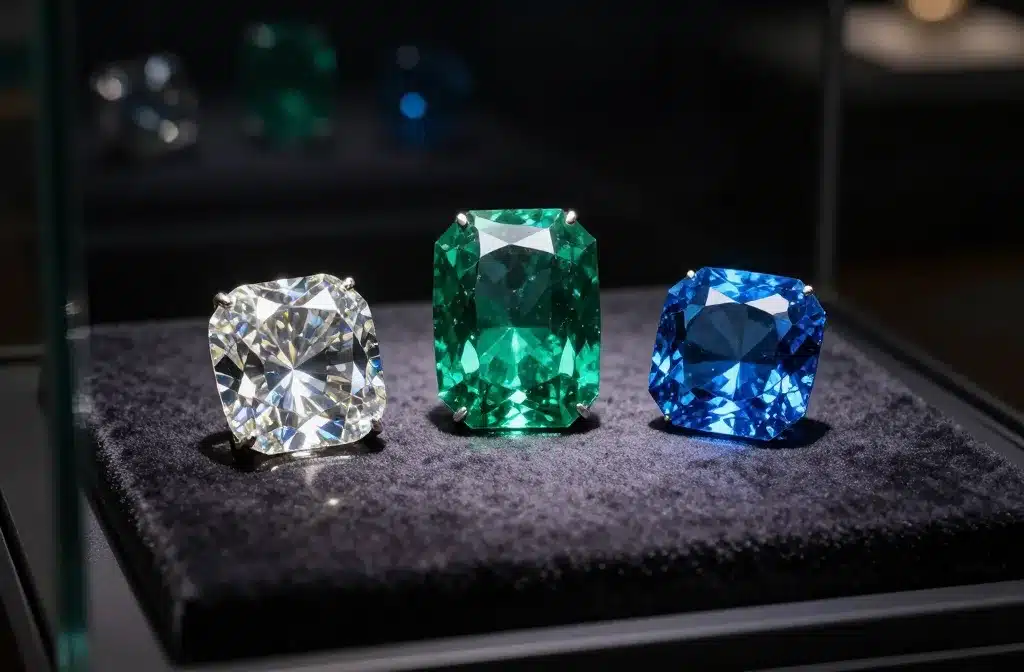
The Classic Four: Diamond, Ruby, Sapphire, and Emerald
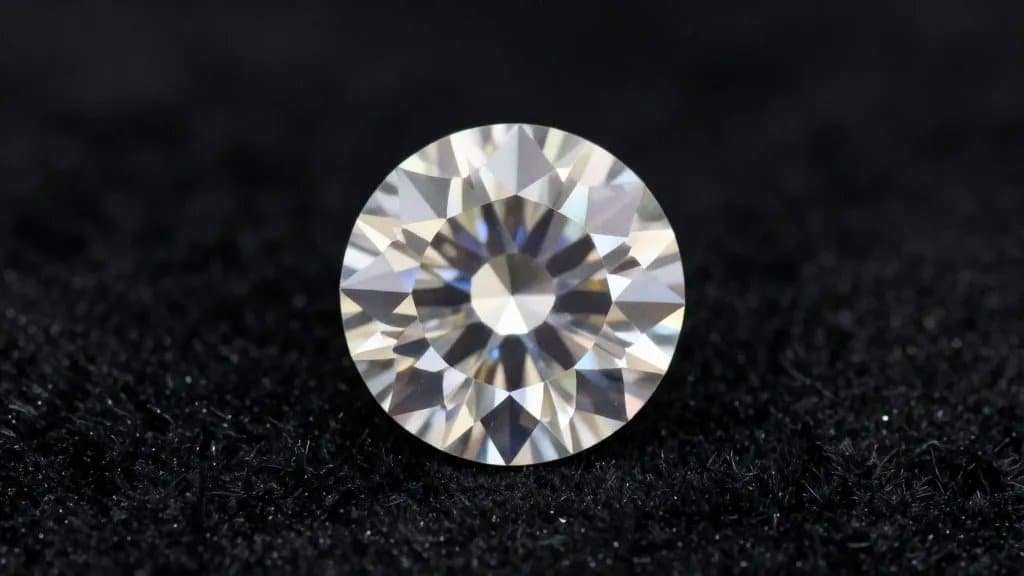
Diamond remains a foundation stone. At 10 on the Mohs scale, it’s the benchmark for hardness and the most brilliant due to its high refractive index. White diamonds range from icy colorless to warm champagne. Fancy colors—yellows, pinks, blues—are coveted and often rarer. Clarity influences value, but a lively cut matters even more; a well-cut diamond throws sharp, white flashes and spectral fire. Lab-grown diamonds are chemically identical to natural stones and provide a cost-effective option. Identification requires a lab report; fancy claims without paperwork should raise eyebrows. For wear, diamond is versatile—rings, earrings, daily pieces. Clean with a soft brush and mild soap; keep away from harsh chemicals that can etch metal settings.
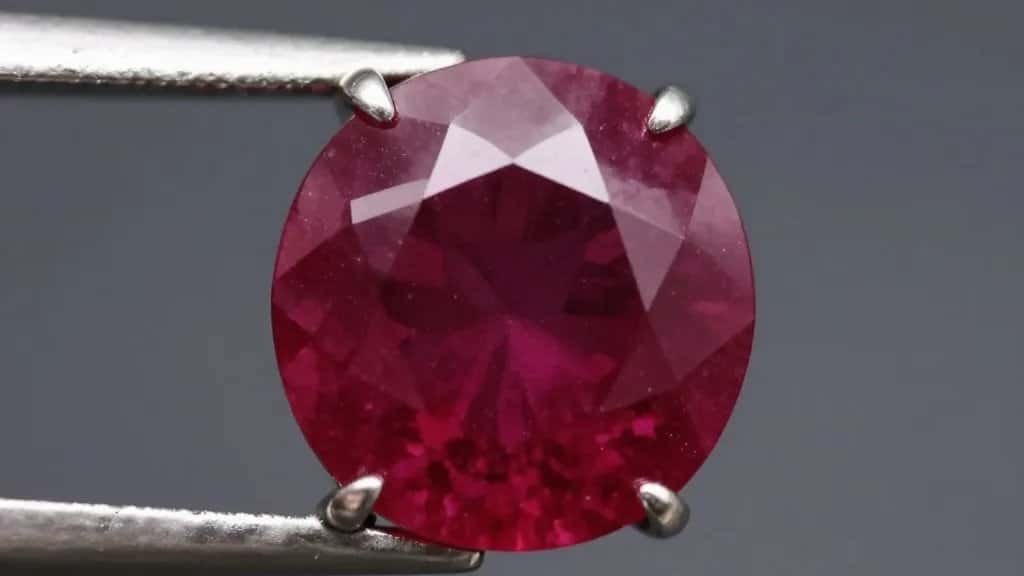
Ruby, the red corundum, earns its royal status with saturated hues from pinkish to deep “pigeon’s blood.” At 9 Mohs, it’s durable and practical in rings. Inclusions, often rutile “silk,” can soften the glow and even create star effects in cabochons. Most rubies are heat-treated, a stable and accepted enhancement that improves color and clarity. Unheated, vividly colored stones—especially from Myanmar or Mozambique—command premiums. Watch for glass-filled rubies: they look flashy but are fragile and far less valuable. Ruby’s symbolism—vitality, courage, heart—gives it timeless gift appeal.
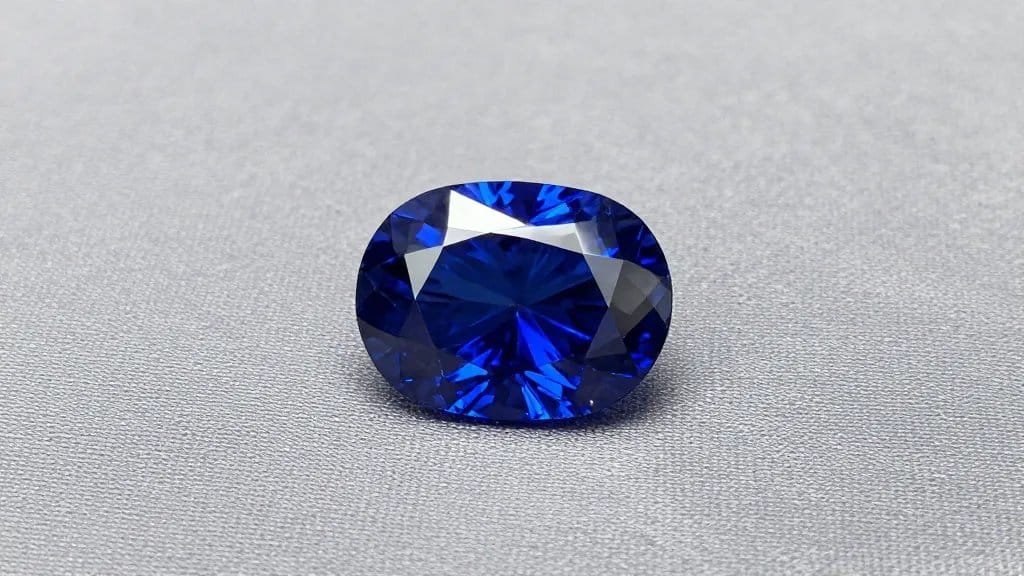
Sapphire isn’t just blue. Corundum spans a rainbow: velvety Kashmir-inspired blues, bright Sri Lankan cornflower, sunset padparadscha (a coveted pinkish-orange), and a sweep of fancy colors from green to purple. Sapphires wear beautifully in any jewelry at 9 Mohs. Look for lively medium to medium-dark tones; too dark and it looks inky, too light and it seems washed out. Heat treatment is common; beryllium diffusion and glass-filling are more invasive and affect value. Bi-color and parti sapphires with natural zoning have become collector darlings, offering uniqueness without the auction-house price tag.
Emerald occupies a different lane: not about perfection, but presence. At 7.5–8 Mohs, emerald is hard but often fractured, so it needs more care. The finest stones glow a saturated bluish-green, like sunlight through deep water. Inclusions—called jardin—are expected and help confirm natural origin. Most emeralds are treated with oils or resins to improve clarity; this is standard, but transparency about treatment affects price. Colombian stones have long fetched premiums, though Zambia now produces superb color with strong saturation. Choose protective settings for rings (bezels or halos) and avoid ultrasonic cleaners; warm soapy water and a soft cloth are safer.
The Color Powerhouses: Tourmaline, Garnet, and Spinel
Tourmaline is a kaleidoscope for collectors. From neon Paraíba hues (copper-bearing electric blues and greens) to sumptuous rubellites and delicate mint or seafoam colors, it brings paints the classics lack. At 7–7.5 Mohs, it wears well with a bit of care. Its long prismatic crystals often show pleochroism—different colors from different angles—so cutting matters to maximize face-up saturation. Copper-bearing Paraíba tourmalines are among the most exhilarating modern collector stones; even small sizes are vibrant. Check for clarity-enhancement disclosures, especially in pinks and rubellites.
Garnet is a family, not a single gem, with distinct personalities. Fiery spessartine glows mandarin orange; tsavorite (green grossular) rivals emerald for color but offers better durability at 7–7.5 Mohs and fewer treatment worries. Rhodolite leans raspberry-purple, often eye-clean and affordable. Color-change garnet swings from greenish in daylight to reddish under incandescent—an underrated magic trick for collectors. Garnet’s luster is syrupy and rich, creating strong presence even in smaller sizes. Most garnets are untreated, which simplifies buying.
Spinel spent decades misidentified as ruby and sapphire in antique crowns, and many collectors now see it as the connoisseur’s alternative. At 8 Mohs with a crisp, glassy luster, spinel offers extraordinary reds, hot pinks, cobalt blues, and steely greys. It’s usually untreated, which is refreshing in a treated world. Burma and Tanzania produce top reds; Sri Lanka and Vietnam yield vibrant blues and pinks. Watch the cut; well-proportioned spinel returns light with a brilliant, clean sparkle. For price-to-beauty ratio, fine spinel is hard to beat.
The Scene Stealers: Opal, Pearl, and Moonstone
Opal is spectacle bottled. In fine black opal, broad flashes of neon green, electric blue, and fiery orange dance across a dark body tone, creating contrast and drama. Crystal opal looks ethereal—translucent with floating confetti of color. Boulder opal shows veins of fire against ironstone, charming in its ruggedness. Opal is softer (5.5–6.5 Mohs) and sensitive to sudden temperature changes and impact. Choose protective settings and avoid prolonged dry heat. Value hinges on play-of-color pattern (broadflash and harlequin are favorites), brightness, and distribution. Synthetic opals have a “lizard skin” pattern under magnification; natural opal shows irregular color patches and organic variety.
Pearl is not a mineral but a gem of life, and every collection benefits from its quiet elegance. Akoya pearls give classic, mirror-like luster with clean rounds; South Sea pearls are larger with a satiny glow in white, silver, or golden tones; Tahitian pearls span peacock greens, aubergines, and stormy greys. Freshwater pearls now come in impressive rounds and natural pastels at accessible prices. Luster is king: the sharper and more mirror-like the reflection, the better. Pearls are soft (around 2.5–4 Mohs), so last on and first off. Wipe after wear and store separately; avoid ultrasonic cleaners and perfume exposure.
Moonstone, a feldspar at 6–6.5 Mohs, carries a floating, misty blue sheen called adularescence, like moonlight drifting under water. Fine pieces show a centered, electric-blue glow against a near-colorless body, often cabochon-cut to emphasize the effect. Rainbow moonstone (a labradorite variety) displays multi-color flashes, leaning toward iridescent blues and greens. Surface-reaching fractures are common; seek clean domes and a strong, centered sheen. Delicate in rings, moonstone excels as pendants and earrings for a celestial touch.
The Connoisseur’s Corner: Alexandrite, Aquamarine, and Peridot
Alexandrite is the shapeshifter. In daylight, it leans green to bluish-green; under warm light, it pivots to reddish or purplish. The stronger the change, the rarer and more expensive. At 8.5 Mohs, it’s durable and superb for heirloom jewelry. Natural Russian stones are legends, but modern sources like Brazil and Sri Lanka produce appealing material. Synthetic and lab-grown alexandrite exist; authentic change in small sizes isn’t cheap, so “bargains” deserve scrutiny. A simple side-by-side view under LED daylight and incandescent light reveals the magic—or the lack of it.
Aquamarine offers calm clarity, like a pool at dawn. Its icy blue sits on the greener side in untreated stones; heat often nudges it to a purer blue, a stable and accepted practice. At 7.5–8 Mohs and typically eye-clean, aquamarine excels in elegant emerald cuts and step cuts, where its glassy transparency shines. Bigger stones hold color better; smaller gems can appear pale unless well saturated. For daily wear, aquamarine is friendly and low-maintenance. Seek stones with even color and clean, crisp facet junctions.
Peridot wears summer year-round, showcasing a lively yellow-green to olive tone. At 6.5–7 Mohs, it’s sturdy enough for most jewelry with a little care. Look for rich, slightly golden-green hues without brownish overtones. Typical “lily pad” inclusions—disc-like crystals—are part of its identity and can help confirm natural origin. Peridot’s doubled refraction gives it a sparkling, slightly “shimmering” look when tilted. It pairs beautifully with yellow gold, which amplifies its warmth.
Foundations for Everyday Wear: Topaz, Amethyst, and Citrine
Topaz in its natural sherry or imperial colors (pinkish-orange to golden) is a collector staple. Blue topaz is highly popular and almost always irradiated and heated—a stable, standard treatment. At 8 Mohs, topaz is hard but has perfect cleavage, meaning a sharp impact can split it; protective settings help. Imperial topaz from Brazil, with its sunset hues, deserves a spot in any well-rounded tray. Beware coated stones that show unusual surface colors; look for even color throughout the body of the gem.
Amethyst brings regal purple to the everyday. Good material displays a rich grape hue with flashes of red and blue under light. A touch of color zoning is normal; skilled cutting can position the deepest color face-up. At 7 Mohs, it’s durable and abundant—ideal for larger statement pieces without breaking the bank. Pair it with white metals for cool contrast or yellow gold to coax out warmth.
Citrine brightens with lemon to honeyed amber tones. Much citrine comes from heat-treated amethyst or smoky quartz, which is common and stable. Natural citrine tends to be paler and rarer. Look for even color and good brilliance; overly dark “Madeira” tones can look brownish if not well cut. Citrine’s sunny vibe makes it a cheerful daily ring or pendant option.
Geology Meets Beauty: How These Gems Form and Why It Matters
Understanding formation adds depth to your choices. Corundum (ruby and sapphire) forms in metamorphic and igneous environments, often where aluminum-rich rocks baked under pressure. Trace elements—chromium for red, iron/titanium for blue—act like pigments. Emerald grows when beryllium-rich fluids infiltrate chromium- or vanadium-bearing rocks, a geological coincidence that explains its scarcity and frequent fractures.
Opal precipitates from silica-rich waters filling cavities, which is why pattern and body tone vary so wildly. Pearl grows as layers of nacre secreted by mollusks around an irritant, hence luster’s importance—finer layers mean sharper reflections. Tourmaline and spinel crystallize in pegmatites or marbles, favoring big, clean crystals when conditions are right. Knowing origins helps with expectations: emeralds are often included, spinels often clean, opals sensitive—none of this is a defect, just part of their nature.
Real vs. Synthetic: Simple Identification Clues
Lab-grown versions exist for diamond, ruby, sapphire, emerald, alexandrite, spinel, and more. They share chemistry with naturals but differ in growth features. Under magnification:
- Flame-fusion corundum shows curved striae; natural stones show straight color zoning or rutile “silk.”
- Hydrothermal emerald can display nail-head spicules or chevron growth; naturals have three-phase inclusions (gas, liquid, crystal) and irregular gardens.
- Lab diamond often carries growth patterns or metallic flux inclusions; a grading report is the easiest peace of mind.
- Synthetic opal reveals a repeating “snake skin” or “chicken wire” pattern; natural opal’s play-of-color is irregular and layered.
A trusted lab report for significant purchases is worth every cent. For a primer on durability differences, see Gemstone Hardness and Gemstone Identification for deeper dives into testing and tools.
Buying Smart: Value Factors and Common Pitfalls
Value rides on a handful of pillars:
- Color: Aim for vivid but not overly dark tones. Balance saturation with brightness. In ruby and sapphire, medium to medium-dark often looks most lively.
- Clarity: Eye-clean is a great benchmark, except for gems where inclusions are expected (emerald, some rubies). Distinct, pleasing inclusions can be a signature rather than a flaw.
- Cut: No cut, no sparkle. Look for symmetrical outlines, crisp facet edges, and centered culets. Avoid windowing—areas so shallow you can read through the gem.
- Carat: Larger often means rarer, but a smaller, well-cut stone can outperform a larger dull one.
- Treatment Disclosure: Heat is widely accepted in corundum and aquamarine; oiling in emerald is industry-standard. Glass-filling or surface coatings slash value and durability.
A few pitfalls: mistaking glass-filled ruby for fine ruby; buying alexandrite with weak or no color change; ignoring durability for rings (opal and pearl need extra care); and overlooking the importance of secure settings for stones with cleavage like topaz. To compare options before committing, check Gemstone Comparisons and the Gemstone Buying Guide for practical checklists.
Caring for a Collection: Practical Maintenance and Storage
Each gemstone has its comfort zone. Here’s a simple rhythm:
- Cleaning: Most faceted stones tolerate warm soapy water and a soft brush. Avoid ultrasonic cleaners for emerald, opal, and pearl.
- Chemicals: Perfumes, hairsprays, and chlorine can dull or damage stones and metals. Last on, first off.
- Storage: Keep gems separated to prevent scratching—diamond and sapphire happily scratch others. Soft pouches or individual compartments help.
- Settings: Prongs loosen with wear. A quick jeweler check annually prevents losses.
- Light and Heat: Excess heat can dehydrate opal and fade some gems; prolonged sunlight can alter certain stones. Store in a temperate, shaded place.
For a deeper routine, see Gemstone Care and Gemstone Jewelry guides that match pieces to everyday life.
Building Your Must-Have Set: A Practical Roadmap
Start with one cornerstone from the classic four in a wearable format, ideally a ring or pendant you’ll reach for often. Add a saturated color powerhouse—spinels or garnets provide big personality per dollar and usually come untreated. Then treat yourself to a scene stealer: a black opal cabochon or a set of Tahitian pearls that change with the light.
Round out the set with a calming blue—sapphire or aquamarine—and a warm-toned gem such as imperial topaz or citrine for versatility. If you’re the type who loves conversation pieces, slide alexandrite or color-change garnet into the rotation. Finally, anchor your collection with one gemstone you have a personal connection to—birthstone jewelry often scratches this itch and adds meaning.
FAQs
Which gemstones are safest for everyday rings?
Diamond, sapphire, and ruby are top choices due to hardness (9–10 Mohs) and toughness. Spinel and garnet can also work well with sensible wear.
How can I quickly spot a glass-filled ruby?
Look for glassy, flash-like colors in cracks and surface-reaching bubbles under magnification. The stone may appear overly bright but “glassy” rather than crystalline.
Do lab-grown gemstones hold value?
They hold use value—beauty and durability—very well, but resale is typically lower than natural stones. They’re excellent for budget-friendly, high-impact jewelry.
What’s the best setting for softer gems like opal or pearl?
Protective bezels, halos, or pendants and earrings reduce impact risk. Avoid exposed prong settings for daily wear.
Are treatments always a bad thing?
No. Heat in sapphire or oil in emerald is common and acceptable when disclosed. Surface coatings and glass-filling are less desirable and affect durability and value.
Should I prioritize carat size or color?
Color and cut first. A smaller, vividly colored, well-cut gem will outshine a larger, dull stone almost every time.
What documents should accompany significant purchases?
Ask for a reputable lab report for higher-value stones, treatment disclosures, and any origin statements. Keep invoices and photos for insurance.
A Short Parting Note
A fulfilling collection balances durability, beauty, and personal story. Choose a few must-have gemstones that speak to you—then let color, light, and texture guide the rest. The right pieces won’t just fill a box; they’ll become chapters in your own history of wearing and sharing them.

Christian Grey is the creator of GemMeaning, where he shares simple insights about crystals, gemstone meanings, and spiritual guidance. His focus is on making complex ideas easy to understand and practical for everyday life.