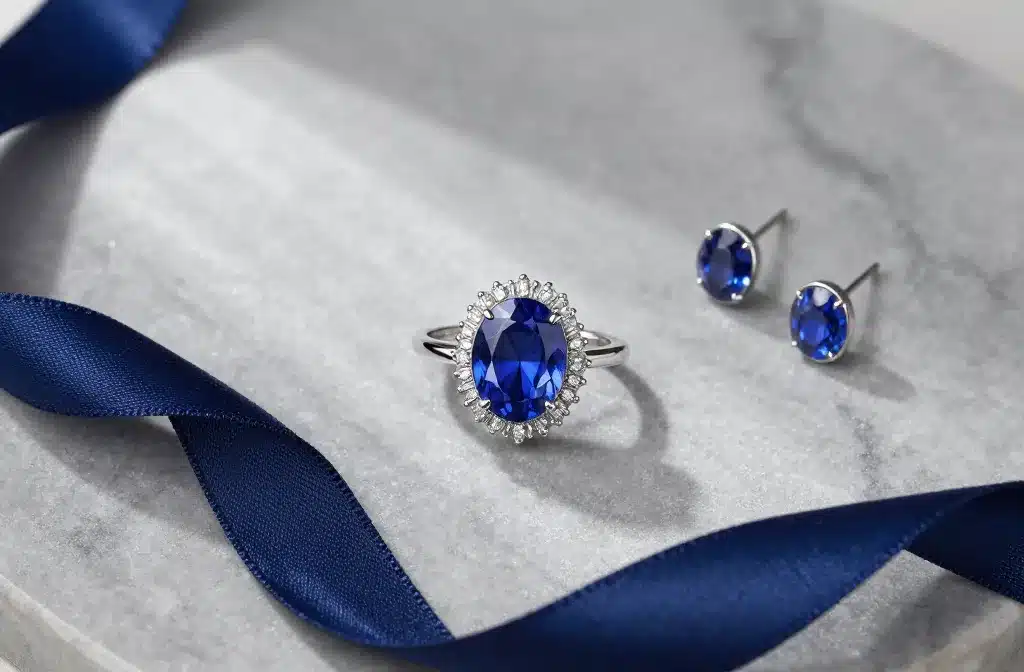
Some gems feel modern one decade and dated the next. Sapphire isn’t one of them. Its deep, velvety blues have anchored royal regalia, Art Deco masterpieces, and sleek minimalist rings with equal confidence. That staying power makes sapphire a remarkably reliable choice for anyone drawn to September’s birthstone or simply to blue itself.
Here, you’ll learn how to recognize quality sapphire, which cuts and settings stand the test of time, and how treatments affect value and longevity. We’ll explore classic and unexpected colors, compare natural versus lab-grown stones, and offer practical buying advice—from everyday studs to heirloom rings.
Expect a gem-lover’s perspective, grounded in real-world details: how sapphire handles daily wear, what kinds of inclusions are actually collectible, and why certain shades of blue look electric in daylight. If you’re choosing a gift or refining a personal collection, you’ll leave with clear, confident direction.
And yes, we’ll talk care, because jewelry you can wear often—and keep sparkling—matters just as much as the poetry of color.
Why Sapphire Endures: Beauty, Meaning, and Wearability
Sapphire’s reputation rests on three pillars. First, color: the ideal blue carries a balanced mix of saturation and brightness, like twilight holding a trace of daylight. In person, a fine sapphire feels plush yet lucid—never inky, never washed out.
Second, symbolism: across cultures, sapphire is tied to wisdom, fidelity, and protection. That give it lasting relevance in engagement rings and milestone gifts. The gem’s steady blue seems to promise steadiness in life.
Third, durability: rated 9 on the Mohs Scale, sapphire (a variety of corundum) is second only to diamond in hardness. That means excellent scratch resistance for rings, bracelets, and everyday earrings. With proper cutting and setting, sapphire becomes a superb lifelong gemstone, able to handle daily knocks far better than softer stones.
Understanding Color: Beyond “Royal Blue”
Most people picture sapphire as royal blue, but the gem forms a spectrum. Within blue alone, tones range from cornflower (light, open, slightly purplish) to royal (medium-deep, vivid) to navy (dark, often less lively). The sweet spot for timeless jewelry sits in the vivid, medium-to-medium-dark range—bright enough to sparkle across a room, dark enough to feel luxurious.
Light sources shape perception. Under daylight, a fine sapphire glows; under warm evening light, it can read richer and moodier. If possible, view candidates in both. A well-cut stone will hold color evenly from center to edge, without a dull “extinction” zone.
And then there are “fancy” sapphires—pink, peach, yellow, green, and colorless (white). These are all corundum, just not blue. For September jewelry with a twist, pastel pink or champagne-leaning padparadscha (a blend of pink and orange) create romantic, enduring pieces. Yellow sapphire, in a deep lemon-gold, pairs beautifully with yellow gold for a vintage-fresh look.
The Science Under the Sparkle: Formation, Origin, and Trace Elements
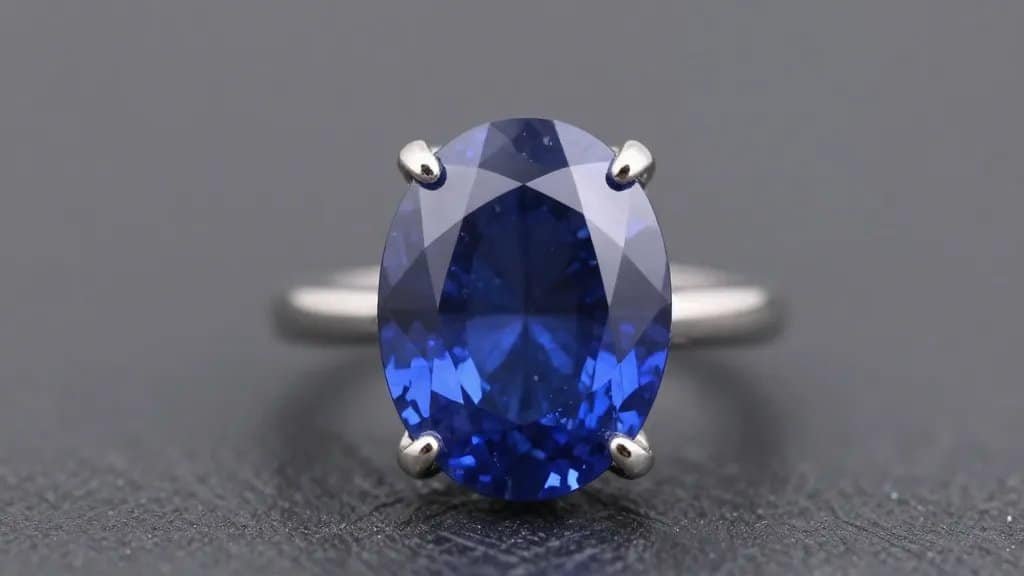
Sapphire’s crystal structure is trigonal, typically forming hexagonal prisms in the rough. Its blue color mainly comes from trace iron and titanium; subtle shifts in trace elements can nudge the hue toward violet or green. Because trace chemistry varies by deposit, origin can sometimes be suggested by inclusions and color character, though lab reports are the standard for origin opinions.
Classic sources include Kashmir (famed for velvety cornflower blues), Burma/Myanmar (vivid, rich blues), Sri Lanka/Ceylon (open, lively colors across the blue and fancy range), and Madagascar (a modern source producing fine qualities). Each origin has legends and price premiums, but beauty and condition should lead the decision. A vivid Madagascar sapphire with exceptional life will outshine a duller stone from a pedigreed locale.
Cut and Setting Styles That Outlast Trends
Cut is where color becomes character. For blue sapphires, a well-proportioned cushion or oval is a timeless choice. These shapes distribute color gracefully, helping the stone remain lively even at deeper tones. Rounds and emerald cuts are classic too, though fewer rough crystals yield strong rounds, and emerald cuts demand especially clean material to glow.
Enduring settings include:
- Solitaire rings with tapered baguettes: The side stones guide the eye and emphasize symmetry without overshadowing the center sapphire.
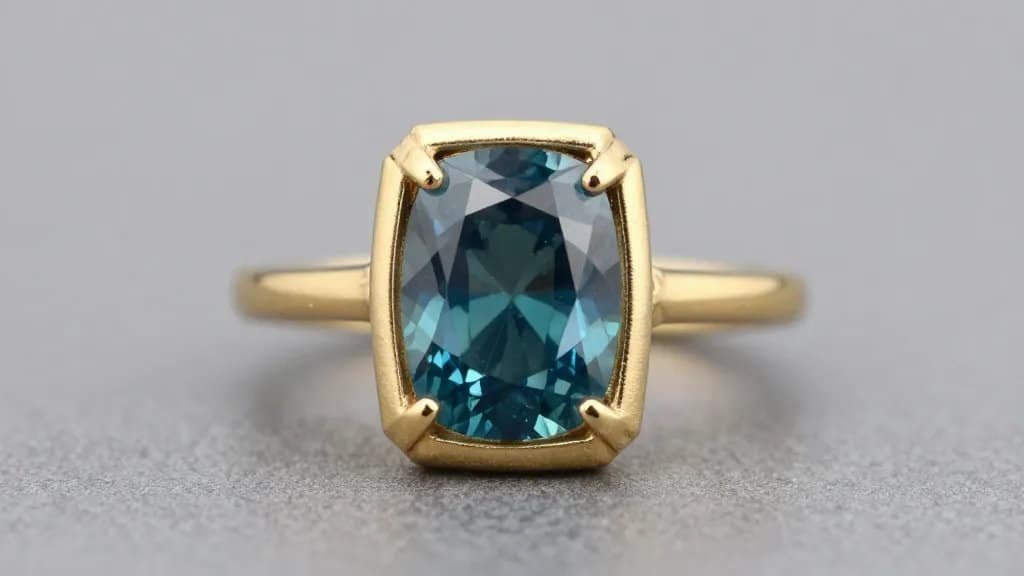
- Bezel-set pendants: A smooth metal rim protects the gem and reads sleek in any decade. In yellow gold, blue pops; in white metals, the look sharpens and cools.
- Halo earrings or rings with fine, small diamonds: Think delicate, not bulky. Tiny diamonds create a lace of light around the sapphire without competing for attention.
- Three-stone rings: Sapphire center with diamond sides—balanced, elegant, and symbolic of past, present, future.
- Classic line bracelets: Alternating sapphires and diamonds in shared-prong or bezel links turn everyday outfits into “quiet luxury.”
A quick tip: ask your jeweler about the pavilion depth. Sapphires cut too shallow can appear “windowed” (see-through in the center); too deep and they may face up smaller and overly dark. You want an even return of light across the face, not just sparkle at the edges.
Clarity, Inclusions, and That Coveted “Glow”
Unlike diamonds, sapphires aren’t judged by a strict clarity scale. Clean stones are valuable, but sapphire’s inclusions can be signatures rather than flaws. Fine silk (rutile needles) arranged in intersecting patterns can lend a velvety softness to the color—one reason Kashmir sapphires feel so plush.
Be wary of eye-visible fractures or large cavities, especially near the girdle (edge), which can affect durability. A jeweler’s loupe reveals details, but the naked eye test matters most: if the gem looks bright, even, and engaging in normal light, minor natural inclusions are entirely acceptable—and often expected.
Treatments and What They Mean for Value
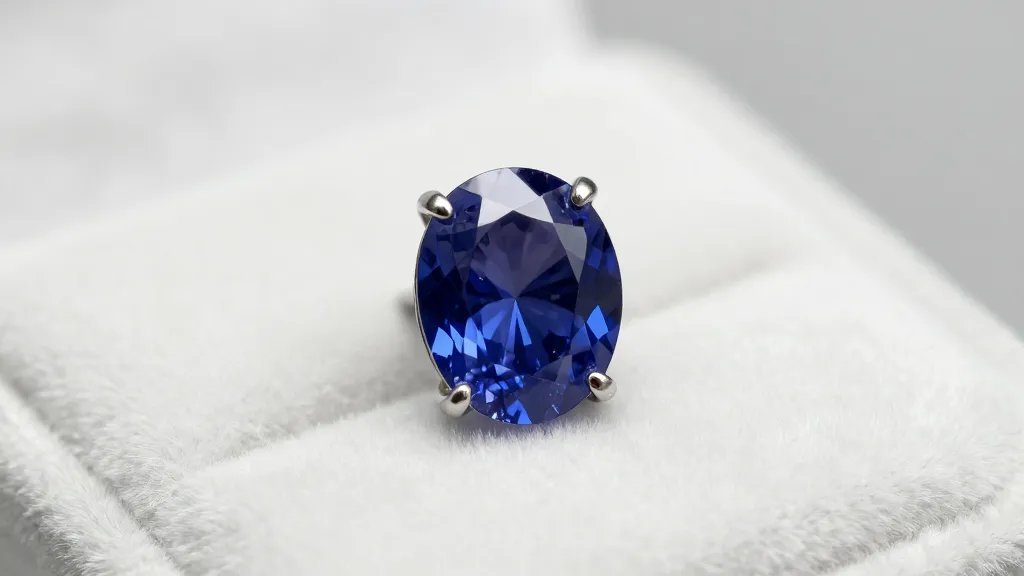
Most sapphires on the market are heat-treated, a stable, permanent enhancement used for centuries to open color and reduce visible silk. Properly heat-treated sapphires are widely accepted and can still be investment-worthy. Disclosure from the seller is essential.
Diffusion treatments, where coloring elements are driven into the surface, are less desirable. Surface diffusion primarily tints the outer layer; if the stone is chipped or recut, color can be affected. Beryllium diffusion can push yellow-to-orange hues more deeply but remains controversial among collectors. Glass-filled or heavily fracture-filled sapphires should be avoided for everyday jewelry due to compromised durability.
High-value stones—especially unheated sapphires or those with prized origins—often accompany reports from respected gemological laboratories. Ask for documentation when considering significant purchases. If you’re building knowledge, related topics like Gemstone Identification, Gemstone Value Guide, and Gemstone Myths can help you read reports with confidence.
Natural vs Lab-Grown: A Honest Comparison
Lab-grown sapphire is chemically and optically the same mineral—corundum—as natural sapphire. It’s typically cleaner and more affordable, making it great for bold designs or larger carat sizes without a massive budget. For daily wear pieces, lab sapphires offer the same hardness and glow in classic blues and fancy colors.
Collectors and clients who prioritize rarity often choose natural stones. Natural sapphires carry geological history—trace inclusions, growth zoning—that tell a story. In terms of detection, trained gemologists distinguish lab-grown through microscopic features and, in some cases, advanced testing. For shoppers, the choice often rests on values: rarity and origin versus size and budget flexibility. If you enjoy learning, browse Gemstone Comparisons and Collector Gemstones to see how pros weigh these factors.
Timeless September Birthstone Jewelry Ideas
These designs consistently look current, year after year:
- Oval Sapphire Solitaire Ring: A 1.5–3 carat oval, heat-treated, in a slim four-prong platinum or yellow-gold setting. Add tapered baguettes for vintage polish.
- Cornflower Blue Pendant: A bezel-set round or cushion, 0.75–1.5 carats, on a fine chain. A subtle curve to the bezel softens the look and keeps it wearable daily.
- Sapphire-and-Diamond Halo Studs: 4–6 mm sapphires with a delicate halo of 1–1.2 mm diamonds. They sit neatly on the lobe and provide a flattering, face-brightening sparkle.
- Ten-Stone Anniversary Band: Alternating small sapphires and diamonds in a shared-prong band. Choose low-profile settings that won’t snag but still let in light.
- Art Deco-Inspired Cocktail Ring: A rectangular or step-cut sapphire framed by baguettes and single-cut diamonds. Keep the proportions restrained for longevity.
- Yellow Sapphire in Yellow Gold: A medium-vivid golden sapphire in a signet or gypsy-style ring. The tonal harmony feels modern yet rooted in history.
For necklaces and bracelets, consider line designs with consistent, well-matched color. For rings, prioritize secure settings: double prongs on corners of cushions and emerald cuts, or bezels for active lifestyles.
How to Judge Quality in Person
When you’re at the counter, let your eyes lead:
- Color First: Look for an even, vivid hue that doesn’t black out when you tilt the stone. Rotate it. A quality sapphire keeps its personality at different angles.
- Cut and Liveliness: Face the stone toward a window. Do you see bright reflections across the table (center), not just at the rim? Good signs.
- Clarity Reality Check: Hold it at arm’s length. If you can’t see inclusions easily, they likely won’t bother you in daily wear.
- Comfort on the Hand: Try the ring and make a fist. Does the setting snag? Classic styles wear smoothly; that’s part of their staying power.
- Disclosures and Paperwork: Ask directly about treatments, origin opinions, and return policies. A trustworthy seller answers plainly and in writing.
If you want a deeper dive across minerals, browsing Gemstone Hardness or Gemstone Buying Guide can sharpen your eye for proportion, polish, and performance.
Value Factors and Smart Budgeting
Price climbs sharply for stones that hit the trifecta: unheated, vivid color, and strong size. Many shoppers find the sweet spot in 1–2 carats, heat-treated, with pleasing color and minimal inclusions. Ovals and cushions often provide better value per millimeter of face-up size than rounds of equal weight.
Color premiums vary: cornflower blues with velvet glow, rich medium-dark royals, and unheated stones with certificates fetch more. Fancy colors have their own dynamics—padparadscha commands high prices when the pink-orange balance is just right; yellow sapphire remains relatively attainable even at larger sizes.
Don’t ignore mounting quality. Well-crafted prongs, smooth bezels, and accurate diamond accents lift the entire piece. A beautifully made setting can make a very good sapphire look exceptional; a clumsy setting can doom a great gem to mediocrity.
Care, Cleaning, and Everyday Practicality
Sapphire’s hardness makes it easy to wear, but care keeps it looking crisp. Clean with warm water, mild dish soap, and a soft brush, especially under the pavilion and behind prongs where lotions collect. Rinse thoroughly and pat dry with a lint-free cloth.
Ultrasonic and steam cleaners are generally safe for untreated or properly heat-treated sapphires, but avoid them for stones with cavities, significant fractures, or questionable treatments. Have prongs checked annually if you wear the piece often; sapphire’s toughness resists scratches, but metal prongs still wear down over time.
Store sapphire away from diamonds, which can scratch anything in the box. Individual pouches or compartments prevent accidental contact.
Who Looks Best in Sapphire—and How to Wear It
Sapphire’s cool blues flatter most skin tones. Medium to vivid blues brighten fair complexions without washing them out; deeper hues add contrast on deeper skin tones, reading luxurious and defined. If you love warm palettes, pair blue sapphire with yellow gold to add a honeyed glow. White metals amplify the cool factor for crisp, modern styling.
For work, choose low-profile studs, bezel pendants, or slim bands—pieces that tuck under cuffs and don’t snag on knitwear. For evening, an oval solitaire or a line bracelet telegraphs elegance without shouting. If you prefer color harmony, mix blue sapphire with blue topaz or aquamarine in layered necklaces; if you like contrast, pepper in diamond and even ruby accents for bold, graphic compositions. For broader pairing ideas, you might enjoy browsing Gemstone Colors and Gemstone Jewelry.
Common Mistakes to Avoid
- Chasing Carat Over Color: A large, murky sapphire underwhelms. A smaller, electric stone turns heads.
- Ignoring Cut: Overly deep or shallow stones can look sleepy or windowed. Seek balanced brilliance and even color.
- Skipping Treatment Disclosure: Know what you’re buying. Heat treatment is fine; undisclosed diffusion or filling is not.
- Heavy Halos and Bulky Bezels: Oversized settings date quickly. Finer workmanship ages gracefully.
- One-Light-Source Testing: View under daylight and warm indoor light to ensure you love the stone everywhere you’ll wear it.
FAQs
Is sapphire good for daily wear compared to other gemstones?
Yes. At 9 on the Mohs Scale, sapphire resists scratches far better than most colored gems, making it ideal for rings and bracelets.
How can I tell if a sapphire is heat-treated?
Visual clues aren’t reliable for non-experts. Reputable sellers disclose treatments; for high-value stones, request a lab report.
What metal pairs best with blue sapphire?
Yellow gold enriches and warms the blue; platinum and white gold sharpen and cool it. Choose based on your wardrobe and skin tone.
Are lab-grown sapphires durable?
Yes. They’re the same mineral—corundum—and share the same hardness and toughness as natural sapphire.
What size sapphire makes a noticeable pendant?
Around 1 carat (6–6.5 mm round or equivalent) reads clearly on most necklines. Larger stones offer more presence without feeling overpowering.
Do sapphires lose color over time?
No. Sapphire color is stable. Keep it clean and protected from hard knocks, and it will look the same decades from now.
Are star sapphires a good choice for classic jewelry?
Yes, in vintage-leaning pieces. A fine six-rayed star, centered and sharp under a single light, is collectible and timeless in cabochon rings.
A Short Wrap-Up
Sapphire’s enduring appeal rests on a rare combination: a color that feels both calming and alive, symbolism that resonates, and a ruggedness ready for real life. Choose balanced, vivid color, thoughtful cutting, honest disclosure, and restrained settings. Whether it’s a quiet pendant or a storied ring, September’s birthstone has the poise to become your daily signature—and the strength to stay beautiful for generations.

Christian Grey is the creator of GemMeaning, where he shares simple insights about crystals, gemstone meanings, and spiritual guidance. His focus is on making complex ideas easy to understand and practical for everyday life.