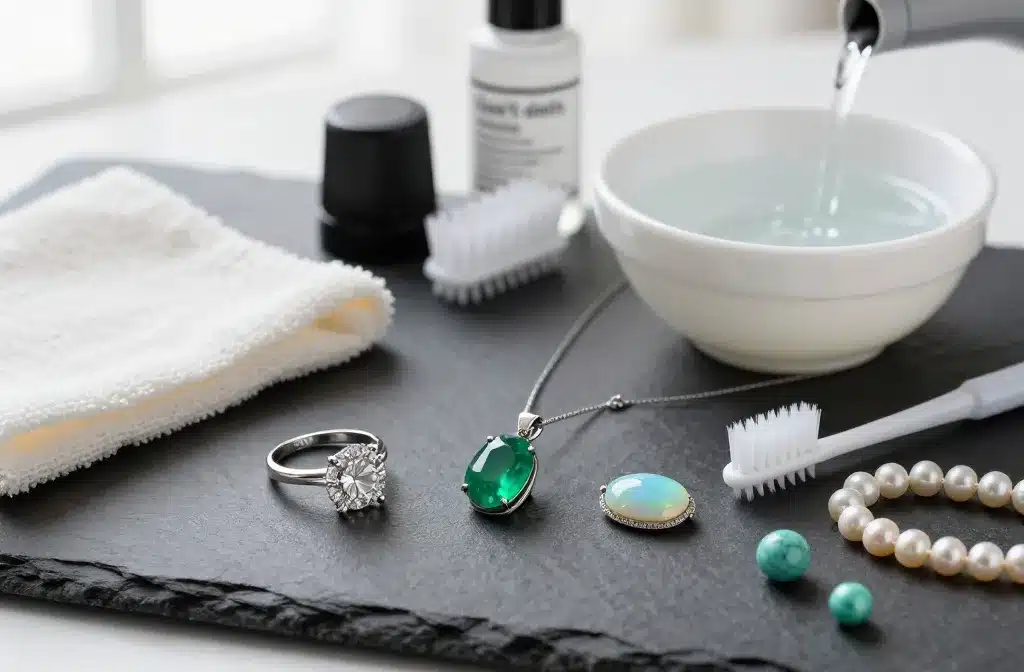
If you’ve ever watched a ring lose its fire or a pendant look dull no matter how much you polish, you’re not alone. Many beautiful stones fade before their time not because of wear, but because of well-meant cleaning gone wrong.
Here you’ll learn which habits quietly harm gems, how different stones respond to heat, chemicals, and vibration, and the safer routines that keep color and brilliance alive. We’ll cover fragile species, popular treatments, and tricky settings so you can clean confidently at home—and know when to step back.
Expect practical, brand-agnostic advice from a gem lover who’s seen both gleaming saves and heartbreaking mishaps. You’ll come away with a routine that respects geology, not just jewelry.
Mistake #1: Treating Every Gemstone Like Diamond
Diamond sets a high bar at 10 on the Mohs scale, but hardness is only one piece of the durability puzzle. Toughness (resistance to breaking), stability (resistance to heat, light, and chemicals), and cleavage (natural breaking planes) all matter in cleaning. Diamond handles most mild soaps and soft brushes, though even diamonds can chip at cleavage with rough handling.
Softer stones scratch easily. Opal (5.5–6.5), turquoise (5–6), malachite (3.5–4), and pearls (2.5–4.5) demand feather-light care. Even relatively hard gems like emerald (7.5–8) can be brittle because of internal fractures, so aggressive scrubbing or ultrasonic cleaning is risky.
What to do instead: Identify the stone and its usual vulnerabilities before you clean. If you’re unsure, look up its Mohs hardness and typical treatments, or consult a trusted jeweler. Our related topics on Gemstone Hardness and Gemstone Identification are helpful places to start.
Mistake #2: Using Harsh Chemicals and “All-Purpose” Cleaners
Household cleaners often carry ammonia, bleach, acids, or abrasives. These can etch surfaces, strip oils, and permanently change color. For example, opal can craze after chemical exposure, turquoise can discolor when oils and dyes are pulled out, and malachite’s banded green surface is easily etched by acids. Even the oil film that keeps pearls luminous can be stripped by harsh detergents.
Ammonia-based glass cleaners are sometimes recommended for diamonds and sapphires, but they can weaken certain mounts, loosen glues, and should never touch porous stones. If you smell a strong chemical, assume it’s not jewelry-friendly.
What to do instead: Use lukewarm water and a drop of gentle, dye-free dish soap for most untreated, durable stones. Rinse thoroughly and pat dry with a lint-free cloth. Keep a separate soft brush solely for jewelry so grit from other tasks doesn’t transfer.
Mistake #3: Overheating with Hot Water, Steam, or Sudden Temperature Swings
Thermal shock is a quiet gemstone killer. Sudden temperature changes can cause fractures or expand existing ones. Opal, with its microscopic water content and delicate internal structure, may craze under heat or rapid cooling. Tanzanite and kunzite can cleave with sharp temperature shifts. Quartz varieties (amethyst, citrine) are generally stable but can still develop stress if internal inclusions are strained.
Steamers deliver high heat and pressure that can dislodge stones and damage treatments. Even “sturdy” corundum (sapphire, ruby) sometimes carries internal stress from growth or heat treatment that doesn’t appreciate steep thermal gradients.
What to do instead: Lukewarm water only. Avoid steaming at home unless you’re certain the gem is untreated corundum or diamond and the setting is solid. Let jewelry come to room temperature before washing, and don’t rinse hot jewelry in cool water.
Mistake #4: Ultrasonic Cleaners Without Knowing the Stone or Treatment
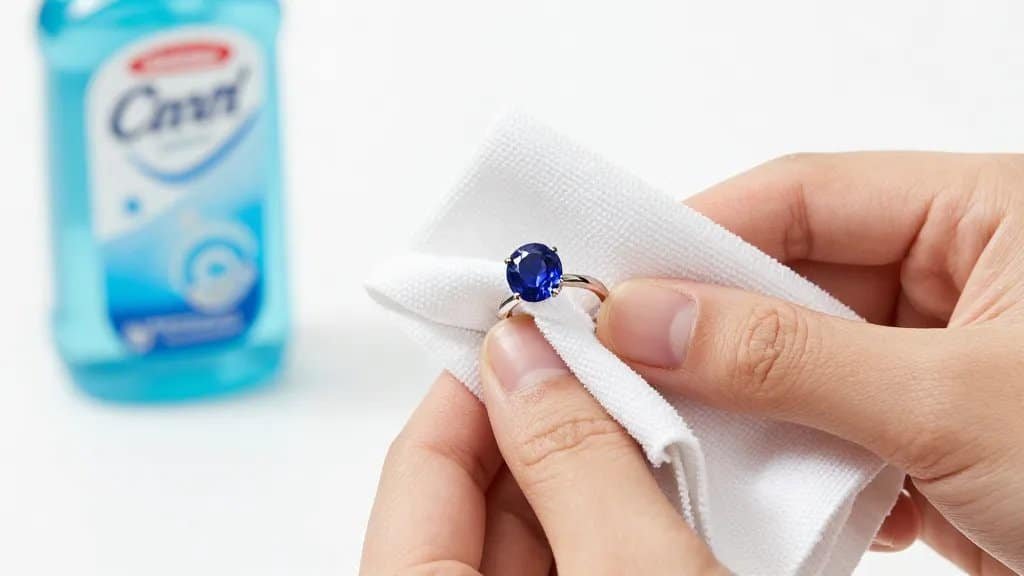
An ultrasonic bath agitates at high frequency. It shakes dirt loose—but can also rattle apart inclusions, widen fractures, or vibrate a gem right out of its seat if prongs are worn. Emeralds are notorious here because they’re commonly fracture-filled with oils or resins; ultrasonics can exude the filler, leaving the gem dull and more fragile. Opal, pearl, amber, ivory, coral, turquoise, lapis lazuli, and malachite should never see an ultrasonic. Tanzanite, morganite, and kunzite are safer by hand.
Even with diamonds and sapphires, ultrasonics are only as safe as the setting. Micro-pavé and thin prongs can loosen, and melee stones can vanish down the drain before you notice.
What to do instead: Reserve ultrasonics for robust stones in strong settings after a professional check. When in doubt, use a soft brush and mild soap. If you suspect any clarity treatments (oil, resin, glass filling), skip the machine entirely.
Mistake #5: Scrubbing with the Wrong Tools
A stiff toothbrush can carve fine scratches into softer gems and even into metal, leaving a foggy haze that never quite buffs out. Abrasive powders and baking soda are notorious for adding micro-scratches that dull polish and trap grime. Paper towels are made of wood pulp and can mark soft materials like pearls.
What to do instead: Use a very soft, clean brush—think baby toothbrush or an artist’s sable brush—for faceted stones. For pearls and opals, use only a damp, soft cloth. Work under good light so you can avoid snagging prongs or abrading the girdle (the thinnest edge of a faceted gem). Finish with a lint-free microfiber or a chamois designed for jewelry.
Mistake #6: Ignoring Porosity, Treatments, and Coatings
Many gems are porous or receive routine treatments that change how they handle cleaning. Turquoise and lapis lazuli often absorb oils and dyes; strong soaps can strip these and lighten color. Emeralds are regularly oiled to mask fractures; detergents and heat pull oil out, increasing visibility of the fissures. Topaz and quartz may be coated to achieve special colors; scrubbing can abrade the coating, leaving patchy hues.
Doublets and triplets—common with opal—are layered constructions with glue between segments. Soaking can infiltrate the layers and cause fogging or separation. Similarly, some pearls are glued onto posts; soaking or hot water can loosen the adhesive.
What to do instead: Keep soaks brief for porous stones—think a quick swish, not a bath. Avoid prolonged exposure to detergents. For suspected coatings or assembled stones, stick to a damp cloth and gentle patting. If you inherited a piece and don’t know its history, have a jeweler assess treatments before any deep clean. Our Gemstone Care and Gemstone Comparisons topics can help you learn how varieties differ.
Mistake #7: Soaking Everything for Too Long
Leaving jewelry for hours in even mild soap can soften adhesives, swell porous gems, and deposit residue in crevices. Vintage pieces with delicate bezels or filigree can trap moisture behind stones, inviting corrosion on closed-back settings.
What to do instead: Keep soak times short—two to five minutes is usually enough to loosen lotion and everyday grime. Use a soft brush to nudge dirt from under galleries and between prongs, then rinse thoroughly and dry carefully. For closed-back settings, coax out moisture with gentle airflow and time, not heat.
Mistake #8: Cleaning Over an Open Sink (and Other Set-Up Snafus)
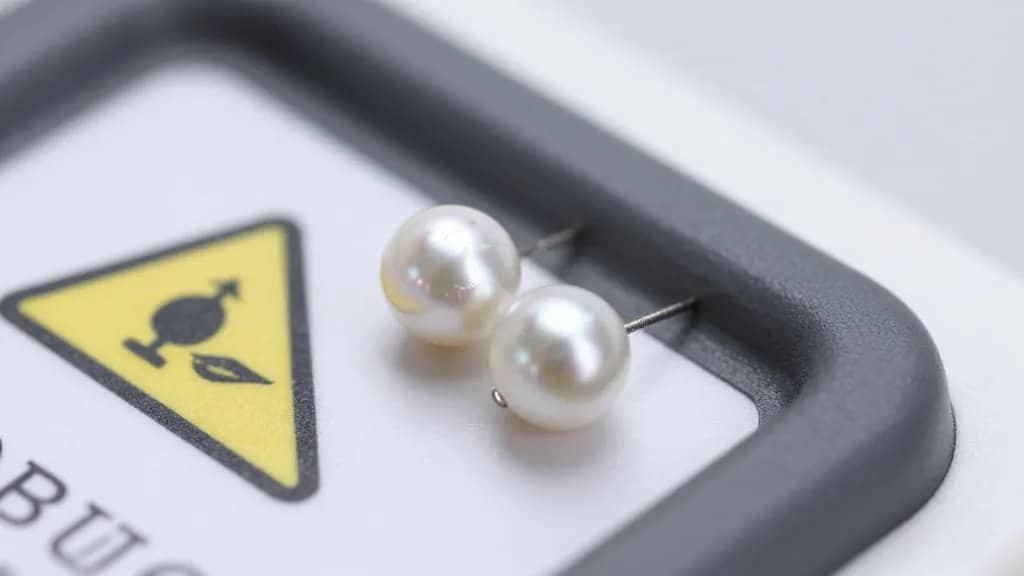
It sounds basic, but many losses happen in the last step. Ultrasonic baskets open, prongs let go, and melee stones roll faster than reflexes. Open drains and hard porcelain are a bad combination.
What to do instead: Work at a table lined with a soft towel. If you must use a sink, plug the drain and place a mesh screen over it. Set a small bowl inside a larger tray so anything that escapes is contained. Keep a loupe or magnifying glass nearby to inspect prongs, beads, and channels after cleaning.
Mistake #9: Forgetting Metal and Setting Vulnerabilities
The cleanliness of a stone is limited by the security of its setting. White gold that has lost its rhodium plating can look gray even with a spotless stone. Silver tarnish can cast a yellow shadow into pale gems like aquamarine, morganite, and pale sapphire, making them appear muddier. Aggressive scrubbing can thin prongs, and chemical dips for silver may pit or stain porous gems.
What to do instead: Tackle metal and gemstone as a team. For silver, use a gentle silver cloth that avoids the stone. For white gold, consider re-plating if brightness is lost. Check prongs and channels regularly—especially on rings—since everyday knocks loosen settings. If you notice a snag on clothing, get a professional tightening before cleaning at home.
Mistake #10: Too Much Light, Too Much Time
Some gems are photosensitive. Kunzite can fade with prolonged UV exposure; dyed stones can lighten; organic materials like amber and ivory may darken or craze. Leaving pieces under bright lamps to dry or in a sunny window can shift color over time.
What to do instead: Air-dry in the shade or gently pat dry. Store sensitive gems in a soft pouch away from direct light. If you wear kunzite or delicate pastels, rotate pieces so they spend less continuous time in bright conditions.
Stone-Specific Pitfalls and Safer Routines
Not all gems behave alike. A few quick, practical notes will save heartache:
- Diamond (Mohs 10): Generally safe with mild soap and soft brushes. Avoid banging the edges and be wary of loose pavé. Ultrasonic is usually fine if the setting is solid.
- Ruby & Sapphire (9): Tough and heat-stable, but beware of glass-filled or diffusion-treated stones; avoid ultrasonics for those. Mild soap and brush is the safe default.
- Emerald (7.5–8, often oiled): No ultrasonics or steam. Lukewarm water, a drop of gentle soap, brief swish, soft brush on metal only, and quick dry.
- Quartz Family (7: amethyst, citrine, smoky, rose): Mild soap and brush are fine. Avoid high heat for included stones. Coated quartz requires extra gentleness.
- Topaz (8 but with perfect cleavage): Gentle handling only; avoid ultrasonics if coated or heavily included. Brush lightly, support the stone.
- Tanzanite (6–7, cleavage): No ultrasonics or heat. Short soak, very gentle brush on the setting.
- Opal (5.5–6.5, hydrated): No soaking, no heat, no ultrasonic. Wipe with a damp cloth; for stubborn grime, a barely soapy swab around metal parts.
- Turquoise, Lapis, Malachite (soft, porous): No harsh soaps, no soaking. Wipe with damp cloth, dry immediately. Avoid silver dips.
- Pearl (2.5–4.5, organic): Wipe after each wear to remove acids from skin. Never soak; avoid detergents and ultrasonic. Restring when silk darkens or stretches.
- Garnet (6.5–7.5): Generally robust; mild soap and brush are fine. Some rare demantoid types can be included—be extra gentle.
- Peridot (6.5–7, brittle): Avoid ultrasonics and heat. Gentle clean only.
- Spinel (8): Usually safe with soap and brush; avoid harsh chemicals. Great luster when clean.
The Right Way to Clean at Home
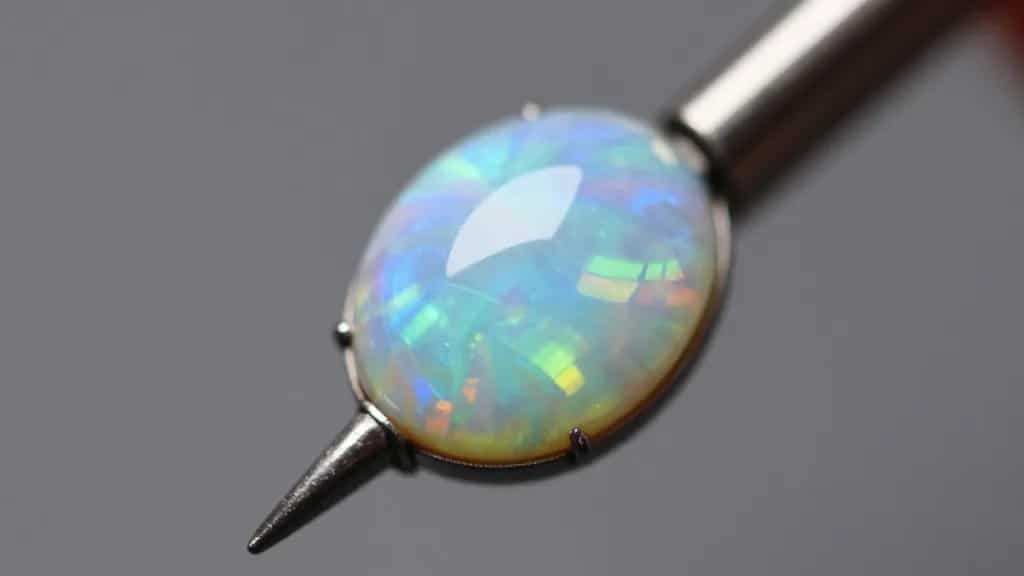
Here’s a dependable routine that respects most gems and settings:
- Prepare a station: Soft towel-lined tray, small bowl of lukewarm water, a drop of mild dish soap, soft brush, and a microfiber cloth. Plug drains if near a sink.
- Quick inspection: Under good light, check for loose stones, bent prongs, or cracks. If anything looks off, postpone cleaning and see a jeweler.
- Short soak: Two to three minutes in the soapy water—skip the soak for opal, pearls, and porous stones; instead, dampen a cloth.
- Gentle brushing: Brush the metal first, then the stone lightly, focusing under the setting where oils collect. Keep strokes short and soft.
- Rinse: Use a fresh bowl of clean lukewarm water or a gentle trickle with a mesh screen in place.
- Dry: Pat with microfiber. Let pieces sit on the towel to air-dry fully, away from heat and direct sun.
- Final check: Ensure stones feel secure. If a piece still looks cloudy, residue might be trapped beneath the stone—time for professional help.
When to Let a Professional Step In
Some jobs call for trained hands and specialized tools. Consider a pro cleaning and inspection if:
- A stone looks milky or has fog beneath the surface that won’t budge. This can signal trapped moisture, residue, or a treatment issue.
- Your jewelry has pavé, micro-prongs, antique filigree, or closed-back settings where debris hides.
- You suspect oiling, filling, or coating but can’t confirm it. A jeweler can advise safe methods and reapply oils where appropriate.
- Prongs catch on fabric, or you hear a rattle when you shake the piece near your ear.
Regular professional checkups—once or twice a year—keep settings tight and finishes bright. It’s also a good time to discuss Gemstone Jewelry care or explore Gemstone Cuts that are easier to keep clean day-to-day.
Storage Habits That Make Cleaning Easier
A clean today is easier if you prevent buildup tomorrow. Hard stones can scratch soft ones when tossed together in a pouch. Diamond is the worst offender, but sapphire and spinel can also mark neighboring gems.
Store each piece separately in soft pouches or lined compartments. Keep silica gel packs where humidity is high, but away from opals, which prefer stable moisture. Pearls like a breathable pouch, worn often to absorb skin oils that keep their luster. Remove rings before applying lotion and sunscreen; these products are the main culprits behind that filmy sheen that dulls facets.
Myths vs. Facts in Gemstone Cleaning
- Myth: “Toothpaste makes jewelry sparkle.” Fact: It’s abrasive and scratches soft gems and metal.
- Myth: “Ultrasonic cleaners are safe for everything.” Fact: They’re not safe for many stones or fragile settings.
- Myth: “Boiling water sterilizes and brightens.” Fact: Heat cracks sensitive gems and loosens adhesives.
- Myth: “If it’s hard, it’s indestructible.” Fact: Toughness and cleavage matter as much as hardness.
- Myth: “Soaking longer cleans better.” Fact: Long soaks can damage porous stones and trapped settings.
Choosing the Right Cleaning Products
You don’t need a shelf of specialty items. A small kit does the job:
- Mild, dye-free dish soap for most non-porous, untreated stones.
- Two very soft brushes: one for stones and one for metal crevices.
- Microfiber and chamois cloths; a pearl-safe cloth for organics.
- A loupe or magnifier to check settings before and after.
- Optional: A silver polishing cloth that avoids stones, for tarnished silver settings.
Skip powdered abrasives, strong ammonia, bleach, alcohol on porous gems, and silver dips near set stones. If you’re shopping, our Gemstone Care and Gemstone Value Guide topics can help you weigh whether a professional-grade cleaner makes sense for your collection.
FAQs
How often should I clean gemstone jewelry at home?
Lightly clean high-wear pieces like rings every one to two weeks. Earrings and pendants can go two to four weeks. Always inspect settings first.
Is baking soda safe for gemstones?
No. It’s abrasive and can scratch softer stones and metal, creating a hazy finish that traps grime.
Can I use vinegar or lemon to remove tarnish around stones?
Avoid acids near gemstones. Use a dedicated silver cloth for metal only, keeping it away from the stone.
What’s the safest method for pearls?
Wipe with a soft, slightly damp cloth after each wear. No soaking, no detergents, and restring regularly if worn often.
How do I know if my stone has treatments that affect cleaning?
Ask for documentation when buying. If unknown, assume caution: no ultrasonics, no heat, brief soaks, and a gentle brush. A jeweler can test and advise.
Are coated or color-enhanced stones common?
Yes. Topaz, quartz, and some diamonds and sapphires can be coated or diffusion-treated. Clean lightly and avoid abrasives or prolonged soaks.
What if my ring still looks cloudy after cleaning?
Residue may be trapped under the stone or the setting may be tarnished. Seek a professional ultrasonic/steam (if safe) and a setting check.
Wrap-Up: Clean Gently, Know Your Stone
A gem’s beauty comes from its structure, treatments, and the way it’s set. Respect those factors and you’ll avoid the most common cleaning mistakes. Identify the stone, choose mild tools, keep temperatures moderate, and give fragile pieces a lighter touch. When in doubt, a quick professional checkup protects both sparkle and value—and keeps your favorites shining for the next occasion.

Christian Grey is the creator of GemMeaning, where he shares simple insights about crystals, gemstone meanings, and spiritual guidance. His focus is on making complex ideas easy to understand and practical for everyday life.