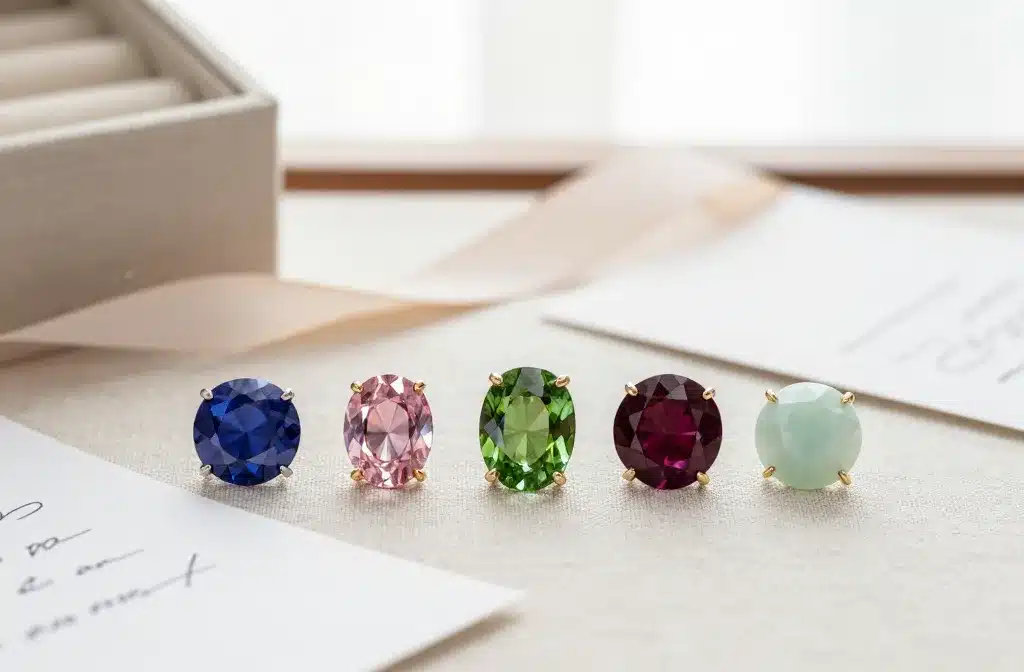
Choosing a gemstone for someone you love is more than picking a pretty color. A well-chosen stone carries a story—of Earth’s deep time, of personal symbolism, and of the moments you’re marking together. That’s what makes gemstone gifts feel intimate and enduring.
In the next few minutes, you’ll discover which gems make the most thoughtful gifts, how to match a stone to a personality, what to look for when buying, and the care that keeps pieces glowing for years. You’ll also find practical suggestions for rings, necklaces, earrings, and bracelets that suit real lives—not just display cases.
If you’ve ever felt overwhelmed by names, treatments, and prices, this guide will steady your footing. I’ll share the kind of advice I give friends: straightforward, tactile, and grounded in years of handling stones under good light and a loupe.
By the end, you’ll know how to choose a gemstone that speaks to your story and sparkles beautifully in everyday wear.
Start With Meaning: Stones That Tell Your Story
A gemstone feels most special when its meaning aligns with the moment you’re celebrating. This doesn’t have to be mystical; it’s about personal resonance and shared milestones.
- Birthstones with a twist: January’s garnet isn’t just deep burgundy—look for rare green tsavorite or mint grossular for a livelier take. September’s sapphire spans more than classic blue; consider velvety cornflower hues, romantic pinks, or bright yellows. Birthstone jewelry feels tailored, especially as a petite pendant or bezel-set ring for daily wear.
- Anniversary traditions: Sapphires (5th), emeralds (20th), and rubies (40th) are classic for a reason: they’re durable and iconic. If you want something distinct, alternate with equally resilient gems like spinel or chrysoberyl—both sleek, bright, and underappreciated.
- Colors that echo personality: For someone serene and thoughtful, a cool-toned blue-green tourmaline or aquamarine can mirror that calm. For a vivacious spirit, electric fuchsia spinel or neon paraíba tourmaline lights up the room.
If you’re unsure where to begin, start with a favorite color and read up on the stone family in topics like Gemstone Colors and Gemstone Comparisons. It keeps the search focused and fun.
Everyday Stars: Durable Gems That Stand Up to Life
Gems worn daily need both beauty and backbone. Durability involves hardness (resistance to scratching) and toughness (resistance to breaking). The Mohs Scale helps here, but it’s not the whole story.
- Sapphire and Ruby (Corundum, Mohs 9): Excellent hardness and robust toughness. Perfect for engagement rings, bracelets, and everyday pendants. Blues and reds steal headlines, but silvery “ice” sapphires and pastel shades are stunning alternatives.
- Spinel (Mohs 8): Clean, lively sparkle with colors from rich cobalt to bubblegum pink. Often confused with ruby historically, spinel is more affordable and fantastic for those who like saturated color without a delicate stone.
- Chrysoberyl (Mohs 8.5): Crisp, bright gem in lemony hues, sometimes with a cat’s-eye effect when cut cabochon. Underrated and extraordinarily tough.
- Diamond (Mohs 10): The hardest, with brilliant fire. Beyond white, consider fancy colors like champagne or salt-and-pepper for a fresh, modern look.
If your loved one uses their hands a lot, prioritize these stalwarts. Softer beauties like opal and pearl still make wonderful gifts, but they shine best as necklaces and earrings rather than rings. For more specifics, browsing Gemstone Hardness and Gemstone Jewelry is a smart detour.
Romance in Color: Classic Choices With Heart
Some gemstones feel inherently romantic. Their colors have centuries of poetry behind them, and they pair elegantly with precious metals.
- Ruby: Saturated pigeon’s blood reds are the icon, but even slightly pinkish-red rubies are packed with emotion. Inclusions—fine silk or “rain”—can soften the glow, while clean stones blaze under spotlight. Great for a single-stone ring or a delicate pavé band as a symbol of devotion.
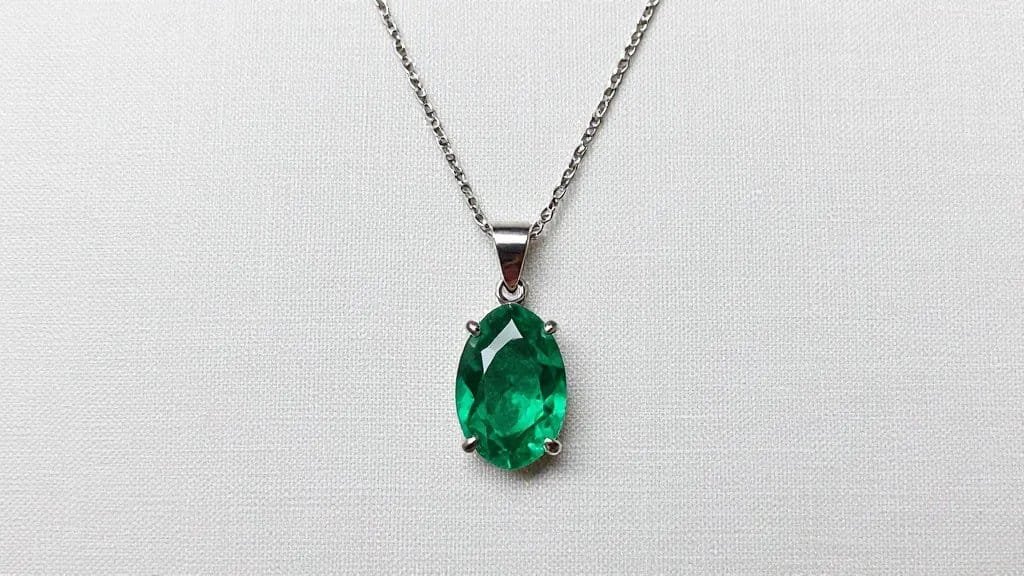
- Emerald: Lush, garden-green emeralds carry a sense of growth and renewal. They commonly show jardin—garden-like inclusions—that lend personality. Because emerald is more brittle (Mohs 7.5–8 but not as tough), choose protective settings like bezels for rings, or opt for earrings and pendants where they stay out of harm’s way.
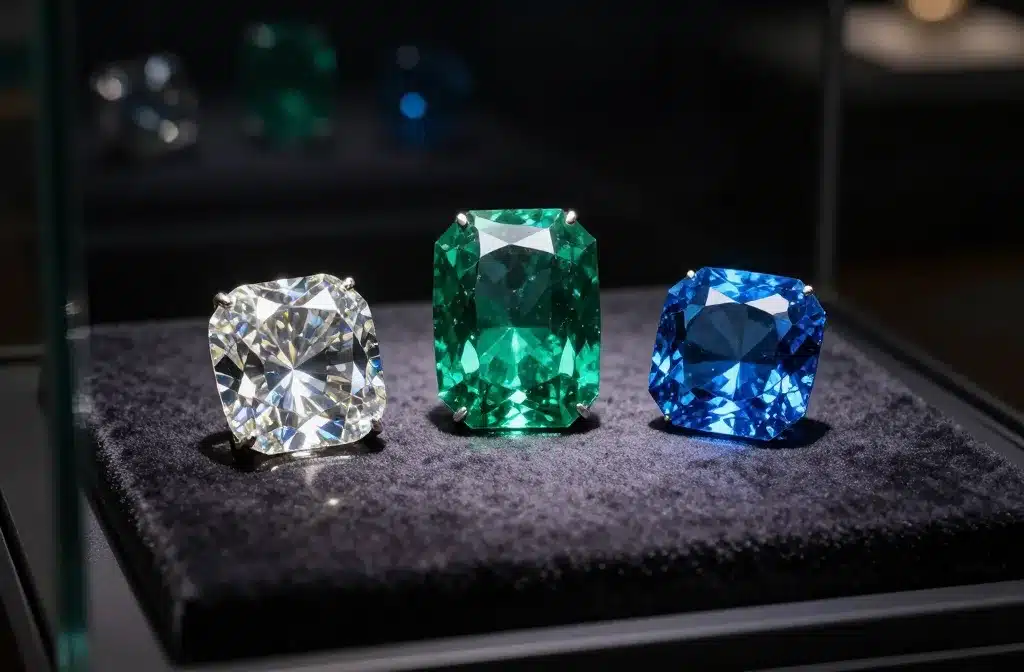
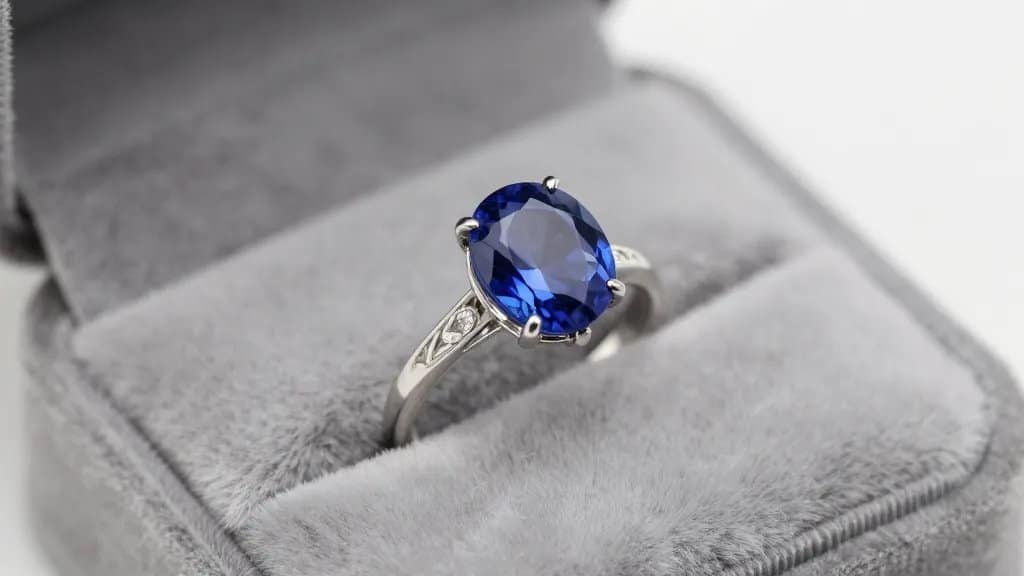
- Blue Sapphire: The dependable classic. Look for rich royal blue in medium-dark tones with even color. A slight violet or green modifier changes mood: violet-blue feels regal; teal-tinged looks contemporary. A three-stone sapphire ring with diamond sides is timeless without being predictable.
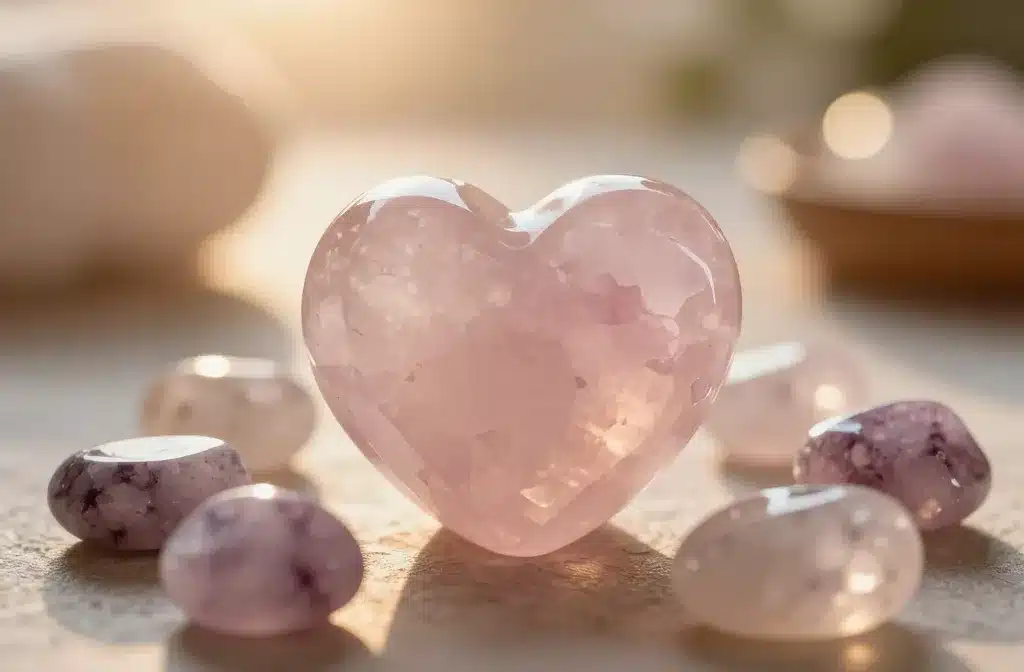
- Morganite: Peach-pink beryl with a soft, romantic glow—especially in warm rose gold. Lower saturation than sapphire or spinel, but it projects tenderness. Best in pendants and earrings, or rings for gentle wearers.
Match these with thoughtful metal choices: platinum amplifies cool tones; yellow gold warms pinks and greens; rose gold wraps morganite and rubellite in a candlelit glow.
For the Original: Off-the-Path Gems That Start Conversations
If your loved one has a creative streak, consider gems with character and story. They’re a delight to talk about over dinner.
- Tourmaline: A kaleidoscopic family—emerald-like greens, sunset pinks, and the electrifying paraíba blues and greens fueled by copper. Bi-color and watermelon slices (green rind, pink core) are playful and eye-catching. Mohs ~7–7.5, suitable for most jewelry with mindful wear.
- Spinel: Fierce brilliance and a modern personality. Cobalt blue spinel rivals sapphire; hot pink and flame orange varieties feel edgy. Clean crystals mean crisp sparkle with fewer inclusions.
- Moonstone and Labradorite: They don’t “sparkle” in the diamond sense; instead, they glow. Moonstone’s blue or rainbow sheen floats beneath the surface; labradorite flashes peacock blues and chartreuse as you move. Best as pendants or statement earrings.
- Opal: A celestial light show. Ethiopian opal often has honey translucency with green and red flashes; Australian black opal features ink-dark bodycolor that makes neon play-of-color pop. Softer (Mohs ~5.5–6.5); reserve for protected settings and special-occasion wear.
- Zircon (natural): Not cubic zirconia. Natural zircon has fiery dispersion and rich hues—from sky blue to cinnamon. Mohs ~7.5 but can be brittle; protect in prong or bezel styles and avoid hard knocks.
These choices reward curiosity. If you want to bone up on origins, inclusions, and how to tell them apart, peek at Gemstone Identification and Rare Gemstones.
Stone Truths: Treatments, Origins, and What Impacts Value
A thoughtful gift also means knowing what you’re buying. Treatments are common and often stable, but they should always be disclosed.
- Heat treatment: Widespread in corundum (sapphire, ruby) and many other gems to enhance color and clarity. Considered standard and generally permanent. Fairly priced when disclosed.
- Oil/resin in emeralds: Oil (cedar, etc.) fills fissures to improve clarity. It’s traditional and accepted, but the extent matters. “Minor oil” is preferred over “significant.” Avoid heavy resin fillings for heirloom pieces.
- Diffusion and fracture filling: More invasive. Diffusion can add surface color to sapphire; glass-filled rubies look vivid but are fragile. These pieces are more fashion than forever—fine if you know what you’re buying.
- Origin: Country can influence price—Kashmir sapphire, Burma ruby, Colombian emerald. But beauty trumps passport. A vivid, well-cut stone from Madagascar can outshine a dull “famous origin” gem.
- Cut quality: The secret hero. A precise cut balances brightness and color saturation, avoids windowing (see-through centers), and brings life to the stone. In many gems, a superb cut beats minor clarity improvements.
When you’re comparing options, ask for details in writing and, for higher-value pieces, request a report from a respected lab. For deeper cost and quality insights, a skim of a Gemstone Value Guide or Gemstone Buying Guide pays off quickly.
Real vs. Lab vs. Imitation: Choosing What Fits Your Story
Not all gemstones come from the same journey, and that’s okay. Each path can be meaningful, depending on your values and budget.
- Natural gemstones: Formed in the Earth, each with quirks and inclusions that read like geology’s diary. Often higher in price, especially in fine color and clarity.
- Lab-grown gemstones: Chemically identical to their natural counterparts and typically cleaner and less expensive. An excellent choice if you prioritize size, budget, or traceability. For example, lab-grown sapphire gives you vivid color and durability without the premium of rare natural material.
- Simulants/imitations: Materials that mimic appearance but are not the same species (e.g., cubic zirconia for diamond, glass-filled composites). Fun for fashion jewelry, but not ideal for heirlooms.
Transparency matters most. Make sure the listing clearly distinguishes natural, lab-grown, or simulant. If the recipient loves Earth’s stories, go natural. If they love the look and want a larger presence, lab-grown is a smart love letter to modernity.
Jewelry That Works: Setting Ideas for Real Lives
Match the gemstone to a piece that fits daily rhythms and style. Here are tried-and-true pairings that spotlight the stone and protect it where needed.
- Rings: For active wearers, choose corundum, spinel, or chrysoberyl and favor low profiles. Bezel or half-bezel settings shield edges; cathedral shoulders offer support without bulk. East–west ovals or emerald-cuts feel sleek and contemporary.
- Necklaces: A solitaire pendant lets a stone breathe—perfect for opal, moonstone, emerald, or morganite. Consider a slider bezel for a clean line. Birthstone stations across a chain make a subtle everyday signature.
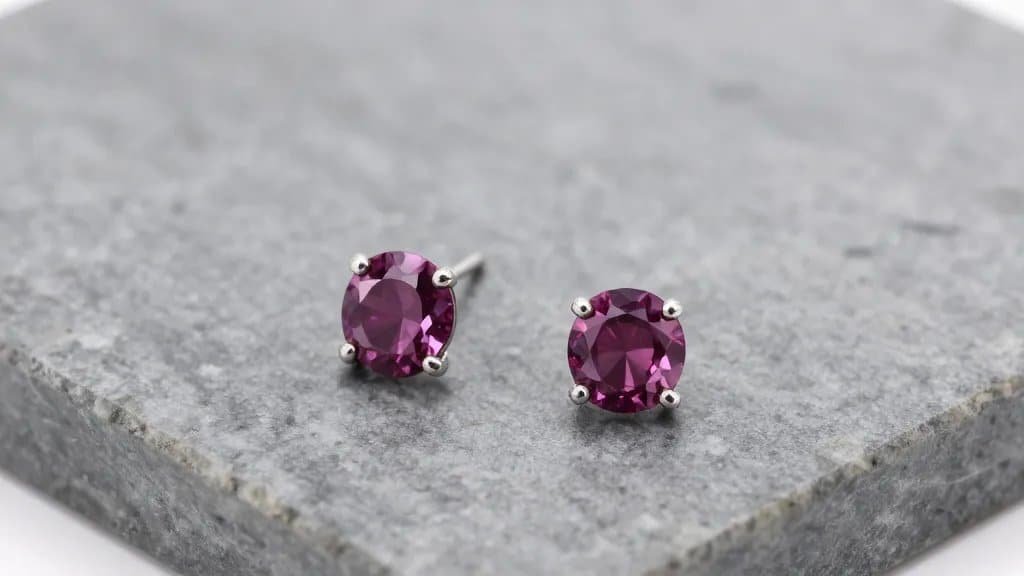
- Earrings: Make color the star. Studs in sapphire or spinel are bulletproof classics. Drop earrings flatter opal and tourmaline, where movement teases color play.
- Bracelets: Gems here see more knocks. Choose tougher stones or use protective settings. A line bracelet in sapphire shades—from navy to sky—adds depth and durability.
Think also about cut and shape: a round brilliant maximizes sparkle; an emerald cut shows off calm, glassy depth; cushions balance both. If you’re weighing options, exploring Gemstone Cuts and Gemstone Shapes can help you visualize the end result.
Care, Cleaning, and Keeping the Spark Alive
A little care preserves romance. Different stones ask for different routines.
- Safe cleaning: Most hard stones (diamond, sapphire, spinel) handle warm water, a drop of mild dish soap, and a soft brush. Rinse well and pat dry. Avoid harsh chemicals.
- Handle with care: Opal, pearl, turquoise, and emerald don’t belong in ultrasonic or steam cleaners. Wipe gently with a soft cloth. Emerald’s fissures can widen with heat—lukewarm, not hot.
- Storage: Hard stones can scratch softer ones. Keep pieces in separate pouches or compartments. Pearls enjoy a bit of humidity; don’t let them dry out in airtight boxes for ages.
- Check settings: Prongs loosen over time. A quick yearly check by a jeweler prevents heartbreak. If a stone spins or clicks, stop wearing and get it tightened.
Follow these habits and your gift will look like it did the day you gave it—maybe better, with memories layered on.
Buying With Confidence: Practical Steps Before You Say “Wrap It”
A calm, confident purchase feels as good as the gift itself. Here’s a compact checklist you can actually use.
- Define the dream: Choose a color family, metal, and wearability level (daily vs. occasional). This narrows choices smartly.
- Set a flexible budget: Gem pricing varies wildly with size, color, and origin. Decide where you’ll compromise—size, origin, or treatment.
- Ask key questions: Natural or lab-grown? What treatments? Any lab report? Return policy? Resizing or maintenance options?
- Evaluate the cut under different lights: Daylight reveals true color; warm indoor light shows fire. Tilt the stone—does it “die” at certain angles? A lively stone looks good in motion.
- Prefer reputable sellers: Specialists who can explain species, origin possibilities, and treatments. For significant purchases, documentation from a respected lab adds peace of mind.
- Try for fit and proportion: On the hand or neck, does the piece balance with their features and style? A petite person may love a lower-profile ring; a dramatic dresser might shine with elongated ovals or pear shapes.
If you love research, related reads like Gemstone Buying Guide, Precious Gemstones, and Gemstone Care can round out your perspective.
Personalized Ideas: Match the Gem to the Person
Sometimes all you need is a spark of inspiration that feels tailored. Here are ideas I’ve seen light up faces.
- The sentimental minimalist: A bezel-set round blue sapphire pendant on a fine chain—clean, durable, meaningful. Add a tiny diamond accent for a wink of fire.
- The artist: A free-form bicolor tourmaline slice in a brushed yellow-gold frame. It reads like wearable watercolor.
- The romantic: Oval morganite in rose gold with a halo of small white diamonds, set low for everyday tenderness.
- The adventurer: A chrysoberyl cat’s-eye cabochon ring with a protective bezel—glowing, unusual, and tough enough for a life in motion.
- The classicist: Medium-dark blue sapphire studs or a three-stone ring with tapered baguettes. Serious, elegant, never out of place.
- The storyteller: A black opal pendant where the play-of-color becomes a tiny galaxy. Best for someone who will happily take it off for workouts and garden days.
Layer in small personal touches: a hidden engraving on the band, a birthstone accent on the chain end, or a custom-cut shape that mirrors a meaningful place or symbol.
Common Mistakes to Avoid
A few missteps can shrink joy. Dodge these, and your gift will sing.
- Buying solely by carat weight. A well-cut 1.2-carat sapphire can look richer and brighter than a sleepy 1.5.
- Ignoring setting design. A fragile stone in a high-prong solitaire invites chips. Choose protective settings for softer gems.
- Skipping disclosure. If the piece is heavily treated or lab-grown, that should be clear. Surprises erode trust.
- Forgetting lifestyle. If they climb, sculpt, or lift, prioritize durable stones and lower profiles.
- Overlooking color preference. A perfect gem in the wrong hue gathers dust. Ask about favorite colors early.
FAQs
What’s the safest gemstone for an everyday ring gift?
Diamond, sapphire, and spinel are top picks for daily wear thanks to high hardness and good toughness. Choose a protective setting for extra security.
Are lab-grown gemstones a good gift?
Yes. They offer excellent beauty and value, especially for larger looks or vibrant colors. Just ensure the recipient appreciates modern, sustainable-leaning options.
How can I tell if a gemstone is treated?
Ask the seller directly and request documentation. Reputable sources disclose treatments; for larger purchases, consider a lab report.
What gemstones need the most care?
Opal, pearl, turquoise, and heavily included emeralds. Keep them away from harsh cleaners, extreme heat, and rough wear, and store them separately.
Which gems are best for sensitive skin?
The stone usually isn’t the issue—it’s the metal. Choose hypoallergenic settings like platinum, 18k gold, or titanium.
Is origin really worth paying more for?
Sometimes, for collectors or investment-minded buyers. But beauty, cut, and condition matter more to most gift recipients than origin.
How do I choose the right gemstone color online?
Request videos in natural and indoor light, look for consistent color from edge to center, and avoid stones that look washed out head-on.
A Thoughtful Finish
The best gemstone gifts connect color, character, and care to the person you love. Choose a stone that suits their style and daily life, understand any treatments, and favor a well-cut gem in a protective setting. Do that, and you’ll give a piece that’s beautiful on day one and meaningful ever after—a little shard of Earth that carries your story forward.

Christian Grey is the creator of GemMeaning, where he shares simple insights about crystals, gemstone meanings, and spiritual guidance. His focus is on making complex ideas easy to understand and practical for everyday life.