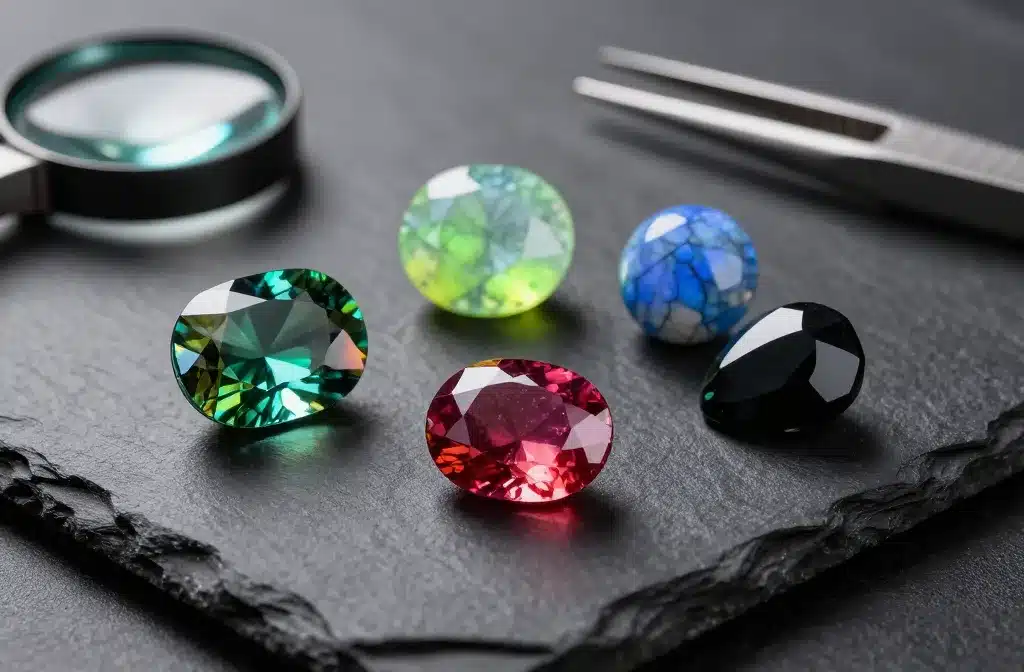
Some stones reveal their secrets only to those who look closely. They flash unusual colors, shift under changing light, or hide within layers of history and geology. These are the gems that make collectors lean in and say, “Tell me more.”
If you’re drawn to unusual beauty, this guide walks you through rare gemstones as a seasoned enthusiast would: how they look, where they come from, what affects their value, and how to buy and care for them wisely. You’ll pick up practical identification tips and understand why certain stones make collectors’ hearts skip a beat.
We’ll follow the stones from deep earth to display case, highlighting color-change marvels, neon brilliants, geological oddities, and under-the-radar treasures. Expect honest advice, a few myths debunked, and plenty of sensory detail to help you “see” each gem even before you ever hold one.
By the end, you’ll know which rare gemstones deserve a spot on your shortlist—and how to recognize the right specimen when it appears.
Alexandrite: The Chameleon of the Gem World
Alexandrite is famous for a dramatic color change: green to bluish-green in daylight shifting to raspberry-red or purplish-red under incandescent light. Fine stones feel alive, as though someone flicked a switch between two gems. Under mixed lighting, the colors can smolder together in a wine-toned twilight.
Formed in chromium-rich pegmatites, alexandrite is a chrysoberyl variety with a Mohs hardness of 8.5, making it suitable for rings with mindful wear. Classic localities include Russia’s Urals, Brazil, Sri Lanka, and East Africa. Russian stones set the historical standard, but lively color-change from modern sources can be exceptional.
Value hinges on how complete and vivid the change is. Collectors look for a strong green-to-red flip and saturated hues rather than a muted olive-to-brown shift. Clean clarity helps, yet as long as inclusions don’t dull transparency, color trumps perfection. Beware synthetics: lab-grown alexandrite exhibits convincing change. Identification labs use spectroscopy and inclusion patterns; at home, view under daylight and a warm bulb. If the stone barely changes or only browns out, it’s likely not top-tier.
Care is straightforward—avoid hard knocks and extreme heat. For jewelry, a bezel or protective setting makes a smart alexandrite ring. Among Rare Gemstones, it’s a crown jewel for those who love optical magic.
Paraíba-Type Tourmaline: Electric Fire in Blue-Green
Paraíba tourmaline looks like tropical water lit from within. Its copper content produces a neon glow—electric blue, vivid turquoise, or greenish-blue that seems to self-illuminate. Cut well, it throws light back in sharp flashes with a glossy, wet luster.
Discovered in Paraíba, Brazil, in the late 1980s, similar copper-bearing stones later surfaced in Nigeria and Mozambique. While origin stories fascinate collectors, proof requires advanced testing. On the Mohs Scale, tourmaline is 7–7.5, durable enough for most jewelry when properly set.
Value is driven by saturation, brightness, and a strong copper signature. Small sizes can still command head-turning prices if they glow. Many stones are heated to optimize color; this is accepted and should be disclosed. Watch out for misleading labels—only copper-bearing tourmaline belongs in the “Paraíba-type” conversation. Look for strong pleochroism (color variation from different angles) and a lively, clean interior. Heavily included stones can look sleepy, losing that electric spark.
A pair of Paraíba studs or a slender halo ring showcases the neon without overspending on size. If you’re measuring budget against impact, few gems rival this variety’s punch.
Benitoite: Starry Blue from California
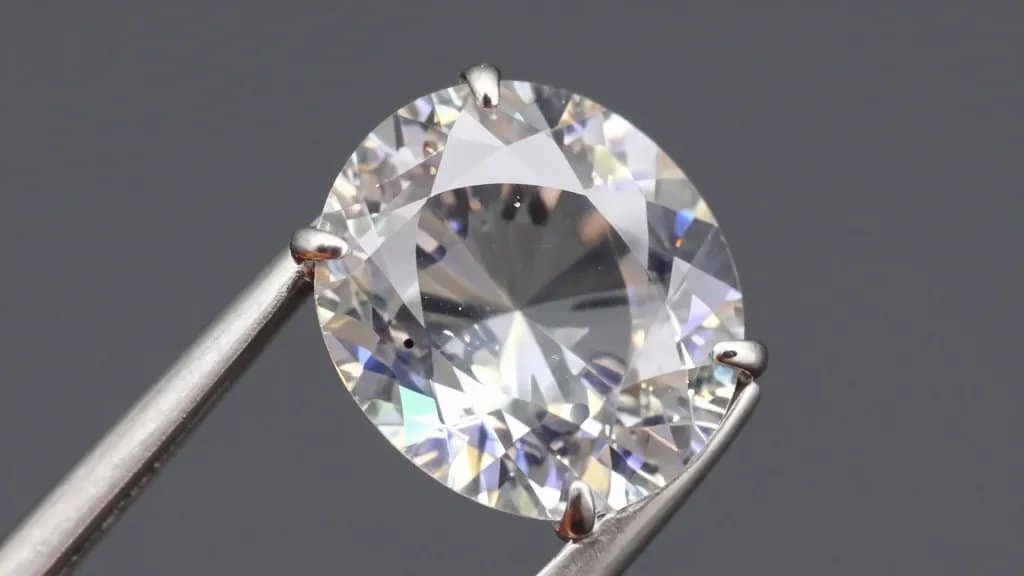
Benitoite is a collector’s secret that never stays secret for long. Its blue is distinct: a rich, sapphire-like hue with a soft, velvety undertone that takes on a crisp sparkle under bright light. Under shortwave UV, it fluoresces a striking blue-white—one of the most famous reactions in gemology.
This barium titanium silicate formed in low-temperature hydrothermal settings, with San Benito County, California, as the classic source. Faceted stones are typically small; fine gems over one carat are genuinely scarce. With a Mohs hardness around 6–6.5 and brittle tenacity, benitoite is best for pendants or earrings rather than daily-wear rings.
Clarity and an even, medium-to-deep blue matter most. Extremely pale stones can feel washed out; overly dark stones lose their lively sparkle. Heat treatment isn’t common. Be wary of confusion with sapphire or spinel—refractive index and the trademark UV response help separate them. For a Gemstone Facts highlight, benitoite is also California’s state gem, and that provenance adds charm.
Demantoid Garnet: Green Fire with Horsetails
Demantoid is the green variety of andradite garnet, prized for outrageous dispersion—the “fire” of colored pinflashes surpassing even diamond in certain cuts. Fine stones flash yellow, red, and green sparks across a saturated emerald-like body color. The effect is hypnotic in bright light.
Russian demantoids from the Urals can contain wispy radiating byssolite inclusions called “horsetails,” long considered a sign of old-mine origin and often a value booster. Namibia and Madagascar produce superb demantoids too, often cleaner and slightly more yellow-green. With a Mohs hardness of 6.5–7 and relatively brittle edges, it’s best mounted in protective settings.
Color, fire, and size form the value trio. A balanced medium green with vivid dispersion commands a premium, especially over one carat. Watch for clarity—too many inclusions can dull brilliance—yet a graceful horsetail in a bright stone can be a collector’s delight. Demantoid is rarely treated; if you see oiling or filling claims, ask questions. For Gemstone Identification, demantoid’s high dispersion and typical inclusion scene are your clues.
Padparadscha Sapphire: The Sunrise in a Stone
Padparadscha is the most poetic sapphire color—an elusive blend of pink and orange, like a lotus blossom or a warm tropical dusk. Tilt it and you may see more peach from one direction, more blush from another. In top stones, the color is luminous and delicate, not muddy or brownish.
Historically associated with Sri Lanka, padparadschas also come from Madagascar and Tanzania. Corundum’s Mohs 9 hardness makes this a durable choice for engagement rings and heirloom pieces. The difficulty lies in defining the exact hue: labs and markets debate what qualifies. Stones too orange or too pink fall outside the classic range.
Value revolves around a subtle balance—light yet saturated, with excellent transparency and minimal color zoning. Heat treatment is common in sapphire; beryllium diffusion can alter color more dramatically and should be disclosed, often reducing collector value. Request a trusted laboratory report when buying. A clean, graceful oval in a simple ring lets the color sing without distraction, a lesson straight from Gemstone Jewelry design wisdom.
Color-Change Garnet: One Gem, Two Personalities
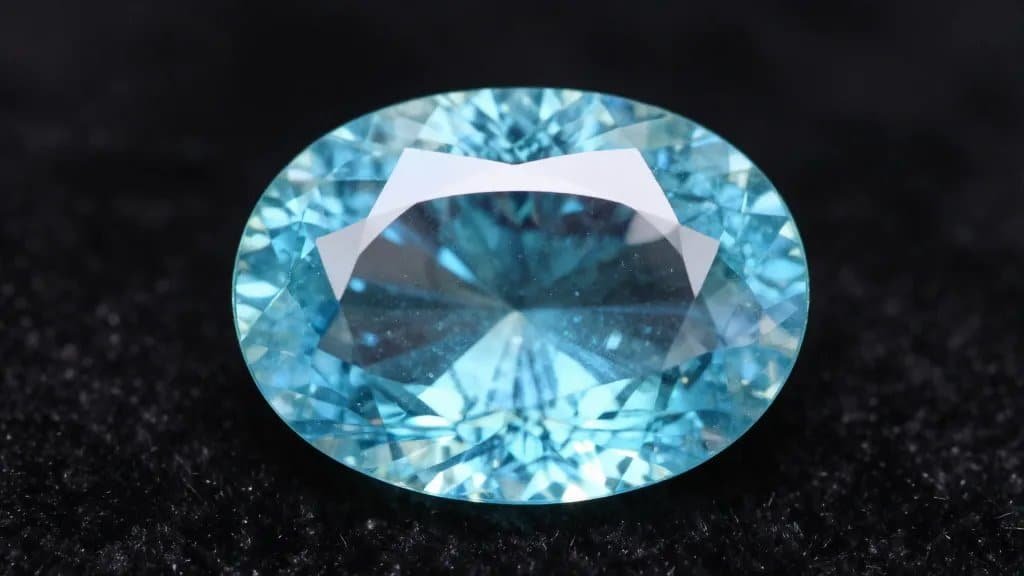
Color-change garnet can swing from forest green or bronze in daylight to raspberry, magenta, or grape purple under warm light. The shift can be startling—less famous than alexandrite but often more affordable. Body color and shift strength vary widely by source, with East Africa producing many notable examples.
With typical garnet hardness around 7–7.5, they’re durable enough for most settings. Collectors hunt for stones with a decisive, attractive change and good clarity. Some have a metallic, almost velvety sheen when color is strong; others look smoky if overly included.
Identify by testing under different light sources. LED, daylight, and incandescent will show you the truth. No standard treatments dominate this category, but always confirm disclosures. As a Gemstone Buying Guide tip, watch for stones with good face-up spread and strong brilliance; a sleepy cut can mute the drama you’re paying for.
Grandidierite: A Sea-Washed Rarity
Grandidierite’s color channels quiet sea glass—bluish-green to green-blue with a misty translucence in many stones. Facetable, transparent material exists but is rare; most gems are semi-transparent, with silky scattering that creates a soft inner glow rather than a sharp sparkle.
First described in Madagascar, grandidierite also appears in Sri Lanka and a few other locales. It ranks 7–7.5 on Mohs, but internal stress and inclusions make durability variable. Expect elongated shapes that follow the crystal’s strong pleochroism: different directions show bluer or greener tones.
Look for even color, pleasing translucency, and a clean surface polish. The stone’s charm lies in atmosphere, not fireworks. Treatments are not commonly reported; origin stories can affect price but color and transparency rule. Earrings or a pendant let grandidierite’s serene hue radiate without the wear-and-tear risk of daily rings.
Red Beryl (Bixbite): Scarlet as Lightning, Rare as It Gets
Red beryl is among the scarcest collector gemstones. Imagine the saturated raspberry-crimson of fine ruby crystallized in beryl’s hexagonal form. Most crystals are tiny; stones above half a carat are special, and clean, bright gems are exceptionally rare.
Formed in gas-rich rhyolitic cavities in Utah, red beryl owes its color to manganese. With a Mohs hardness of 7.5–8, the mineral itself is sturdy, but stones are often heavily included and fragile during cutting. Expect small sizes, strong color, and visible internal features.
Prices reflect severe scarcity. Untreated stones are the norm; lab-grown beryl exists but red beryl synthetics are uncommon compared to emerald. For verification, demand reputable lab reports. If you collect for rarity, a petite red beryl in a protective halo pendant provides impact without undue risk.
Tanzanite: Indigo Drama from a Single Hillside
Tanzanite’s saturated violet-blue, often with a whisper of burgundy pleochroism from the side, looks regal and modern at once. It’s a single-source gem from the Merelani Hills of Tanzania, which inherently concentrates demand and collector interest.
Most tanzanite is heat-treated to convert brownish tones to blue-violet—an accepted practice that enhances beauty. With a Mohs hardness of 6–7 and a tendency to cleave, tanzanite rewards gentle wear. It’s spectacular in necklaces and earrings and can star in rings if well-protected.
Color saturation drives value, especially in medium to larger sizes where the velvet-blue deepens. Clean clarity and precise cutting make the pleochroic colors harmonize rather than fight. Consider the Gemstone Care basics: avoid sudden temperature changes and ultrasonic cleaners; use warm soapy water and a soft brush instead.
Jadeite Imperial and Beyond: Texture as Treasure
Jadeite isn’t about sparkle; it’s about texture, translucency, and a glow that seems to pool just under the surface. Imperial jadeite—rich, even, slightly bluish green with fine translucency—commands top prices. Under diffused light, the interior “jelly” effect feels serene and luxurious.
Myanmar is the classic source, with grades running from opaque commercial material to translucent fine. Mohs hardness is about 6.5–7, but jadeite’s interlocking structure makes it tough—excellent for bangles and carvings. Texture, called “grain,” should appear fine and smooth under magnification.
Treatments are critical in jadeite. The industry uses an A-B-C classification: Type A (untreated, often just polished and waxed), Type B (bleached and polymer-impregnated), and Type C (dyed, sometimes combined with B). Collectors overwhelmingly prefer Type A. Insist on a respected lab report for significant purchases. Among Gemstone Comparisons, jadeite stands apart for valuing texture and translucency over refractive glitter.
Tips for Spotting Value: Color, Cut, and Character
Rare gemstones reward a trained eye. Three factors consistently separate memorable stones from the merely scarce:
- Color: Seek saturation without blacking out. For color-change stones, evaluate under multiple lights. For pastel gems like padparadscha, look for vivid yet delicate balance.
- Cut: Precision cutting brings stones to life. Windowing (a see-through center) or overly deep pavilions sap brilliance. Fancy cuts can maximize color zones in pleochroic stones like tanzanite.
- Character: Some inclusions add charm or provenance—demantoid horsetails, silk in sapphire that softens light. Others are detrimental if they cloud transparency or threaten durability.
Documentation matters. For high-value stones, request reports from well-regarded labs. Cross-check disclosures against a Gemstone Buying Guide to confirm treatments and, where possible, origin. Then, trust your eyes; the stone that stops you in your tracks is often the right one.
Caring for Rarities: Keep the Spark and the Story
Care is part science, part common sense. Here’s what preserves beauty and value:
- Use warm water, mild soap, and a soft brush. Avoid harsh chemicals. Ultrasonics are risky for stones with inclusions, fractures, or treatments.
- Store gems separately. Hard stones scratch softer ones; diamonds can mark nearly anything.
- Mind heat and sudden temperature shifts—especially for tanzanite, grandidierite, and stones with filled fractures.
- Choose protective settings for brittle or included stones. A bezel or halo can guard edges without hiding the face.
- Insure important pieces with detailed descriptions and lab reports.
For further reading, topics like Gemstone Care and Gemstone Hardness help tailor routines to each stone in your collection.
Common Pitfalls and How to Avoid Them
Rarity can cloud judgment. Keep clear with these pointers:
- Chasing size over quality: A small, neon Paraíba outshines a larger, dull one. Prioritize color and life.
- Ignoring light testing: For color-change and pleochroic gems, evaluate under daylight, LED, and incandescent bulbs before buying.
- Skipping paperwork: For high-stakes stones like alexandrite, padparadscha, and jadeite, lack of documentation is a red flag.
- Assuming untreated status: Many gems are heated or otherwise enhanced. Honest disclosure protects value and trust.
- Forgetting wearability: Benitoite and red beryl aren’t daily ring warriors. Plan settings and occasions accordingly.
As your eye improves, so will your timing. Great stones appear unexpectedly. Having a mental checklist informed by Gemstone Identification and Gemstone Value Guide topics helps you act with confidence when they do.
FAQs
How can I tell if an alexandrite’s color change is strong enough to be valuable?
View it under daylight or a daylight-balanced LED, then under a warm incandescent bulb. A high-quality stone shows a decisive green-to-red shift, not just a murky brownish toggle. The more complete and vivid the change, the more collectible.
Is Paraíba tourmaline from Mozambique as valuable as Brazilian material?
Top Mozambique stones can rival Brazilian in color and glow. Value depends more on saturation, brightness, and copper content than passport. Laboratory origin reports settle debates at higher price tiers.
Do demantoid horsetail inclusions always increase value?
Often, yes—especially in Russian stones—as long as brilliance stays high. A picturesque horsetail in a lively stone is desirable; heavy clouds that dull sparkle are not.
What’s the safest everyday rare gemstone for a ring?
Padparadscha sapphire and alexandrite (both hard and tough) fare better than benitoite or tanzanite. Even so, choose protective settings and remove rings for rough work.
Are most tanzanites treated?
Yes, heat treatment is common and accepted to enhance blue-violet color. It should be disclosed, but it typically doesn’t reduce desirability when the color is fine.
How do I avoid buying treated or dyed jadeite as Type A?
Insist on a respected lab report specifying Type A. Examine surface under magnification for dye concentrations and check for an overly plastic-like luster that suggests polymer impregnation.
What certifications should accompany an expensive rare gemstone?
Seek reports from recognized gemological laboratories that address species, treatments, and when relevant, origin. Keep copies with appraisals for insurance and resale.
Final Thoughts
Rarity is only half the story; the right stone must also sing. Train your eye for color, insist on honest documentation, and match each gem to the right setting and occasion. With patience and a clear sense of what moves you, the rare gemstones you collect will feel less like acquisitions and more like discoveries you were meant to make.

Christian Grey is the creator of GemMeaning, where he shares simple insights about crystals, gemstone meanings, and spiritual guidance. His focus is on making complex ideas easy to understand and practical for everyday life.