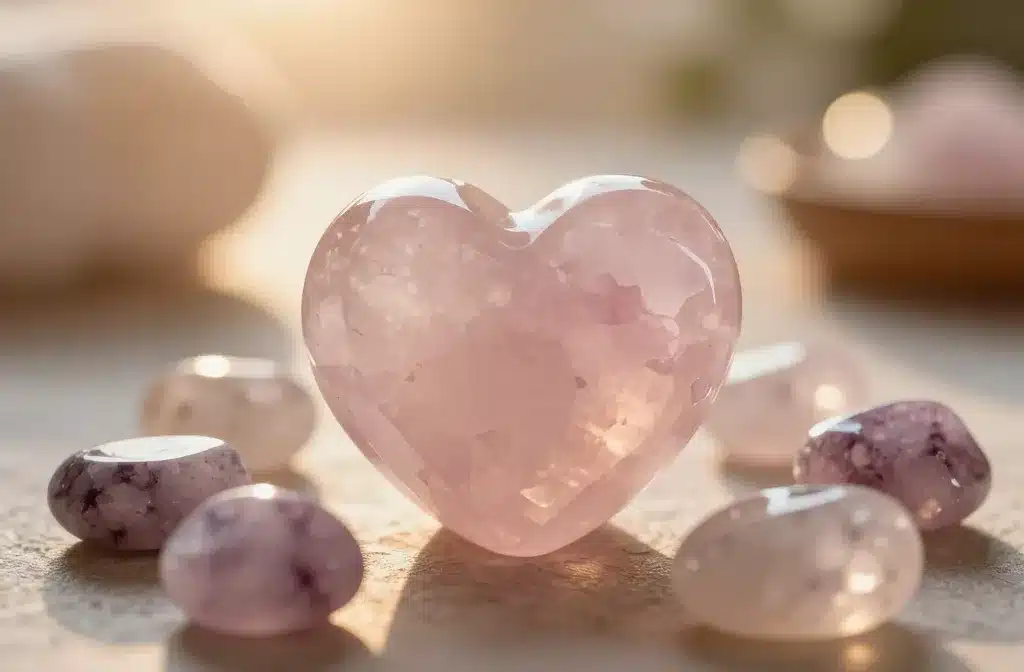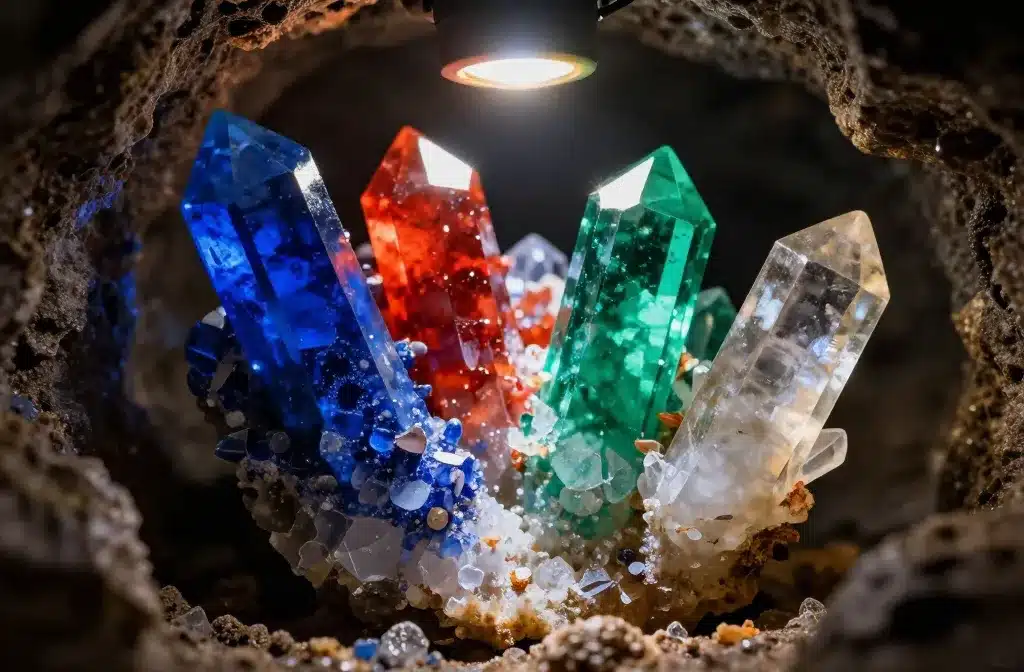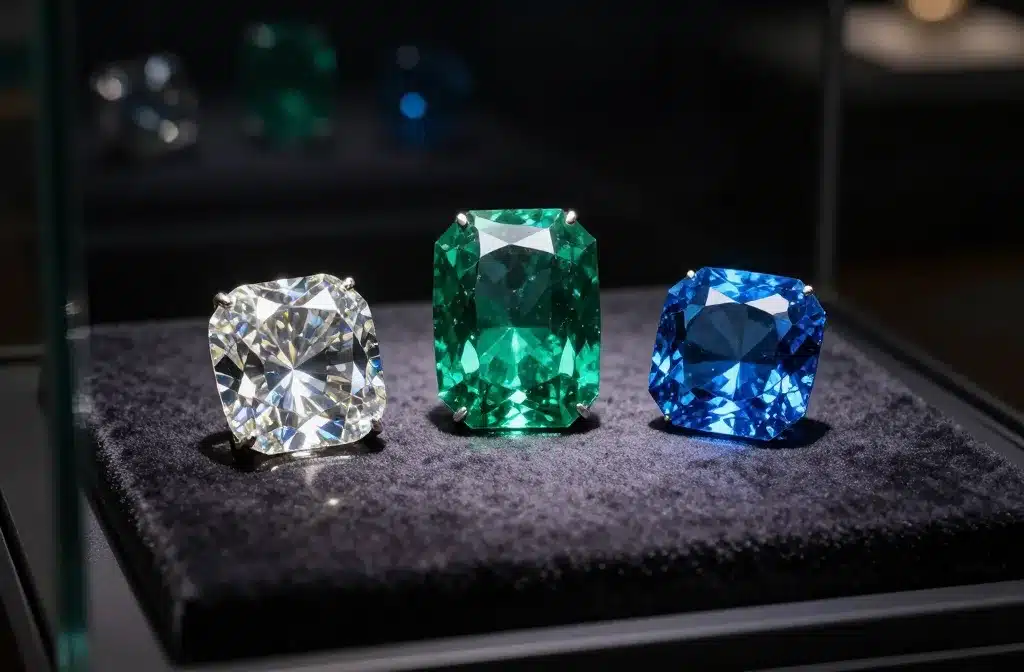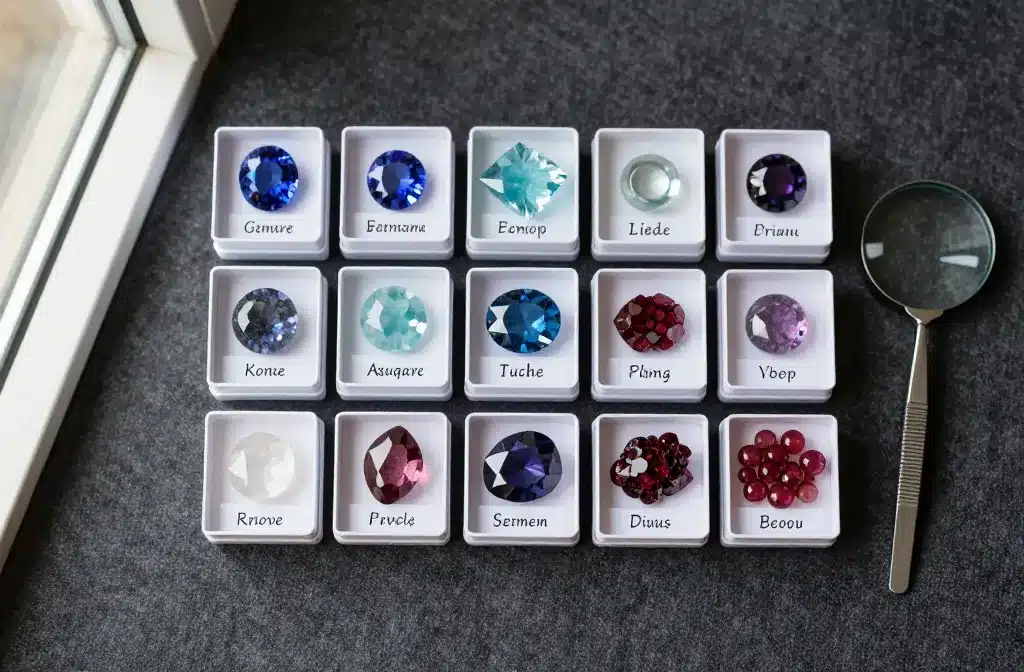
Gemstones are tiny worlds you can hold in your hand. Each one carries the story of heat, pressure, and time—plus the fingerprints of the mine and cutter who shaped it. Collecting them turns those stories into something you can see and feel.
If you’re curious about where to begin, you’re in good company. This guide walks you through building a first collection that’s both beautiful and sensible: how to choose stones, judge quality, avoid fakes, store and display them, and make purchases you’ll be proud of years from now.
We’ll keep things practical. You’ll learn what matters most (and what doesn’t), pick up identification habits used by gemologists, and discover a starter set of gems that checks every box: color, durability, rarity, and joy.
By the end, you’ll have a clear plan to assemble a collection with personality—one that reflects your taste and stands up to closer and closer inspection.
Clarify Your Collecting Style
Before you buy a single stone, decide what kind of collector you want to be. This isn’t about rules; it’s about focus. A little direction makes your choices more satisfying and stops impulse buys from draining your budget.
- Theme-based: Focus on a color family (blue gems like sapphire, aquamarine, and apatite), a crystal system (hexagonal species such as beryl, corundum, quartz), or a geological story (pegmatite treasures like tourmaline, morganite, and spodumene). This approach creates visual harmony in a display.
- Species and varieties: Build depth in a single species—the corundum family alone offers blue sapphire, ruby, and fancy-color sapphires. You’ll sharpen your eye by comparing small differences side by side.
- Locality and history: Some collectors chase origin: Kashmir sapphires for velvety blue, Colombian emeralds for the glowing green with “jardin” inclusions, or Montana sapphires for their steely blues and teals. Provenance adds charm and often value.
- Wearable vs. cabinet specimens: Decide whether your gems will live in jewelry or display cases. Jewelry requires durability and secure settings; cabinet stones allow you to enjoy delicate species you might not wear daily.
Start Smart: A Foundational Set of Stones
A sturdy starter set gives you range—hardness, color, and crystal habit—while staying budget-friendly. Consider this mix:
- Quartz (Mohs 7): Amethyst and citrine show how trace elements tint quartz from regal violet to warm gold. Look for clean transparency with few eye-visible inclusions. Quartz teaches you to spot “silky” color zoning and the crisp sparkle of a good polish.
- Garnet (6.5–7.5): Almandine’s deep burgundy, pyrope’s wine red, and grossular’s minty greens (tsavorite if your budget allows) show garnet’s broad palette. Garnet’s higher refractive index delivers a rich, syrupy glow rather than a sharp, icy sparkle.
- Peridot (6.5–7): Zesty, olive to lime green with a soft, oily luster. Peridot shows distinctive “lily pad” inclusions under magnification, a great exercise in identification.
- Spinel (8): Underrated and brilliant. Look for hot pinks, steel blues, or graphite grays. Spinel’s crisp, lively scintillation helps train your eye to cut quality and symmetry.
- Topaz (8): Sky blue to Swiss and London blue varieties are common and affordable. Topaz cleaves easily, which teaches you about durability and careful setting.
- Beryl (7.5–8): Aquamarine offers cool, oceanic blues; morganite brings soft peach. Pleochroism (color variation by viewing direction) is subtle but instructive.
- Corundum (9): A small sapphire or heat-treated ruby introduces you to the precious tier. Their hardness and luster stand out immediately, and zoning in sapphire is a classic study topic.
This range prepares you for deeper dives into Gemstone Hardness, cutting styles, and how different refractive indices affect brilliance.
Judging Quality: Color, Cut, Clarity, and Carat in Context
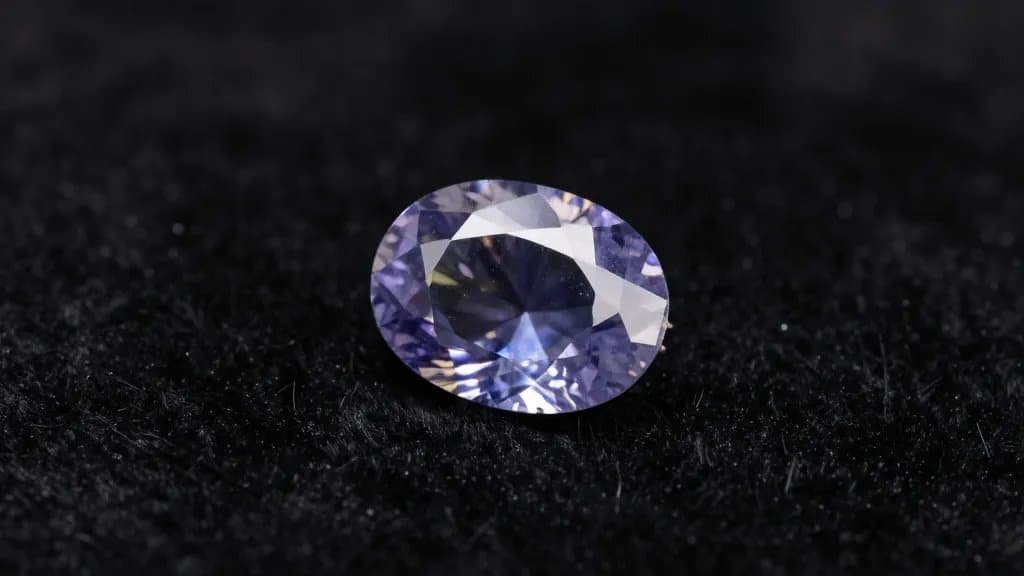
Quality factors interact; don’t judge any gem by one trait alone. Learn how each plays off the others.
- Color: Look for hue (the basic color), tone (lightness to darkness), and saturation (intensity). For most stones, medium to medium-dark tone with high saturation is the sweet spot. Watch for color zoning—bands or patches—especially in sapphire, amethyst, and tourmaline. Zoning can charm or distract depending on its visibility face-up.
- Cut: A good cut optimizes light return and displays color evenly. Symmetry and polish matter more than you think; a well-finished girdle and aligned facets create that crisp, “mirrory” sparkle. For colored stones, cutters often prioritize color over brilliance, so expect deeper pavilions and heavier carat weights.
- Clarity: Some species naturally carry inclusions (emerald) while others trend cleaner (aquamarine, blue topaz). Eye-clean is the general target for jewelry, but collector stones sometimes celebrate unique inclusions—rutile needles forming asterism (star sapphires) or horsetail inclusions in demantoid garnet.
- Carat weight: Size influences price nonlinearly. Two 1-carat stones are almost always cheaper than a single 2-carat of similar quality. Calibrate expectations by species; for example, fine spinel prices can surprise you compared to similarly sized garnet.
When comparing two stones, hold them side by side under multiple lights: daylight near a window, warm indoor lighting, and a neutral LED. Observe the face-up color shift and how inclusions light up or fade. Your eyes are your best instrument—train them.
Real vs. Fake: Treatments and Identification Habits
Enhancements are common and often acceptable. The key is transparency. Learn the basics and ask for disclosures in writing.
- Heat treatment: Common for sapphire, ruby, and tanzanite to improve color and clarity. Usually stable and widely accepted. Prices reflect treated vs. untreated status, with untreated fine sapphires commanding premiums.
- Irradiation and heat: Used for blue topaz. The color is usually permanent. Sellers should disclose this; most do as standard practice.
- Fracture filling and oiling: Emeralds are traditionally oiled; some are treated with resins. Value depends on the amount and type of filler. Seek stones with minor treatment and reputable lab reports for higher-end purchases.
- Diffusion and surface coatings: Can create intense color but often only near the surface. Watch for suspiciously strong color concentrations at facet junctions. These treatments affect value significantly.
- Synthetics and imitations: Lab-grown ruby, sapphire, emerald, and spinel are real gemstones in the scientific sense but not natural. Glass or composite stones imitate the look. Learn to spot gas bubbles (glass), curved growth lines (flame-fusion synthetics), and suspiciously perfect clarity at low prices.
Build habits that reduce mistakes:
- Keep a 10x loupe and a small LED flashlight. Inspect girdles, facet junctions, and inclusions.
- Check refractive index and birefringence if you have access to basic tools. Even a polariscope and dichroscope pay for themselves quickly.
- For major purchases, request a report from a known lab (GIA, AGL, SSEF, Gübelin). For mid-range stones, consider vendor-specific reports and a solid return policy.
If you want to go deeper on this topic, look for a primer on Gemstone Identification and detailed Gemstone Comparisons between natural, treated, and synthetic materials.
Budgeting and Buying: Where and How to Shop
A thoughtful budget keeps the hobby fun. Decide on a monthly or per-stone ceiling and reserve a small fund for the occasional standout piece.
- Dealers and shows: Reputable dealers are the backbone of a solid collection. Gem shows let you compare many stones in person, but bring patience and your loupe. Ask every seller: What treatments? Natural or lab-grown? Any known origin?
- Online marketplaces: Look for clear photos, videos in natural light, disclosures, and return policies. Avoid listings with only studio shots; gems change in different lighting, and you want to see that behavior.
- Auctions and estate sales: Great for vintage cuts and unusual species, but do your homework. Fees add up, and returns can be difficult.
- Price anchors: Before buying, compare similar stones across at least three sources. If a price seems too good, the story behind the stone probably is too.
As you grow, you may appreciate a Gemstone Buying Guide and a Gemstone Value Guide to understand why one sapphire is twice the price of another that looks similar at first glance.
Display, Storage, and Care
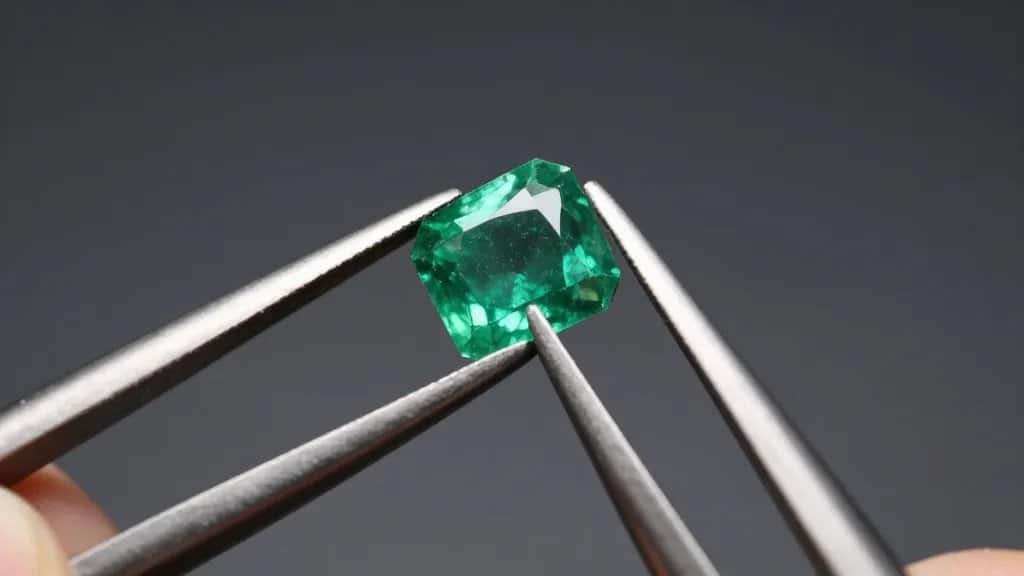
Treat your collection like a miniature museum. The way you house and handle stones affects both beauty and longevity.
- Storage: Keep harder stones separate from softer ones. Diamonds and sapphires will scratch almost anything nearby. Use individual gem jars or soft pouches and label each with species, weight, origin, and treatment notes.
- Environment: Avoid prolonged direct sunlight for color-sensitive stones like kunzite and amethyst, which may fade. Keep away from heat sources that can stress-filled stones.
- Cleaning: Most gems tolerate warm water, mild soap, and a soft brush. Avoid ultrasonic or steam cleaners for emerald (due to fissures), opal (water content and crazing risk), and heavily included or fracture-filled stones. Dry with a lint-free cloth.
- Handling: Hold gems over a soft surface. Oils from skin dull luster; give them a quick wipe before putting away.
For long-term maintenance tips and specific do’s and don’ts by species, a dedicated resource on Gemstone Care is handy.
Jewelry or Cabinet? Matching Stones to Wear
Many collectors like a foot in both camps: a tray of loose stones to study and a few pieces to wear daily. Choose settings that protect the gem while showing it off.
- Everyday rings: Corundum (ruby, sapphire) and spinel shine in rings thanks to hardness (8–9) and toughness. Consider bezel or half-bezel settings for extra security.
- Necklaces and earrings: More forgiving for delicate species. Opal, tanzanite, and peridot do well here—less knock and scrape risk. Light plays beautifully across larger surface areas in pendants.
- Bracelets: High-contact jewelry demands hard stones, clean setting work, and regular inspections. Sapphire and diamond are safest choices.
Pairing gemstone properties with jewelry types is a practical lesson in durability. A focused look at Gemstone Jewelry or specific categories like Gemstone Rings and Gemstone Necklaces can inspire protective, stylish settings.
Origins, Stories, and Symbolism
Part of the magic is knowing where your stones come from and what they’ve meant to people over time. These layers add depth to a collection.
- Geologic backstories: Emerald and aquamarine (beryl) crystallize in granitic pegmatites and hydrothermal veins. Ruby and sapphire (corundum) grow in metamorphic marbles or basaltic environments. Their geology leaves clues: silk in sapphire, three-phase inclusions in emerald.
- Locality character: Ceylon (Sri Lankan) sapphires often show bright, open blues; Burmese rubies are famed for glowing “pigeon’s blood” reds; Brazilian amethyst leans rich violet with minimal zoning.
- Symbolism: Ruby suggests vitality and protection; sapphire, wisdom and loyalty; emerald, renewal and insight; amethyst, clarity and calm. Even if you’re purely scientific, the cultural stories are part of collecting’s charm.
- Birthstones: Adding birthstones ties a collection to personal milestones. January’s garnet, May’s emerald, September’s sapphire—these can guide gift choices or mark life events. A later dive into Birthstone Jewelry can connect your cabinet to your calendar.
Common Pitfalls and How to Avoid Them
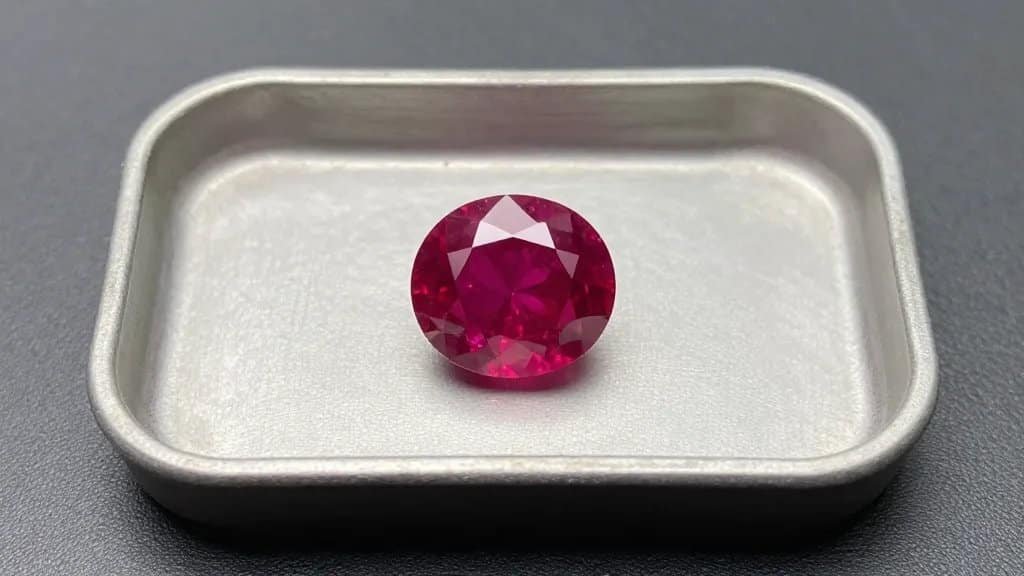
Most regrets come from hurry, not from choosing the “wrong” species. Slow down and sidestep these traps:
- Chasing size over quality: A large stone with muddy color or windowing (a see-through center caused by shallow cut) will always look tired next to a smaller, lively gem.
- Ignoring treatments: Get disclosures in writing. If the seller hesitates, walk away. Treatments can be fine; secrecy is not.
- Buying before comparing: Build a habit of sleeping on purchases over a certain price. A second viewing reveals what first impressions missed.
- Under-budgeting for mounting and reports: If you plan to wear a gem, factor in the cost of a protective setting. For valuable stones, a lab report protects your investment.
- Neglecting lighting: Some gems are chameleons. Alexandrite is the famous color-changer, but even sapphire and spinel can shift. Always check in varied light.
Building Knowledge: Tools, Notes, and Community
Give your curiosity structure. A few tools and habits turn you into your own expert.
- Starter toolkit: 10x loupe (triplet), penlight, tweezers with grooves, white card, and a pocket scale. Optional but useful: refractometer, dichroscope, polariscope, spectroscope.
- Record keeping: Tag each stone with species, variety, weight, dimensions, treatment, origin (if known), vendor, price, and date. Add notes on what caught your eye and under what lighting it looked best.
- Reading and courses: Classic gemology texts, museum catalogs, and short courses sharpen your eye. Local mineral clubs and gem shows connect you with mentors and fellow collectors.
- Comparative trays: Arrange a few stones of similar color but different species—say, spinel vs. garnet vs. sapphire in pink—to learn how luster and dispersion change the look. This kind of study supports deeper Gemstone Comparisons.
A Simple Roadmap: Your First Year of Collecting
Here’s a pacing guide that blends learning and joy:
- Month 1–2: Set a theme and budget. Buy a loupe and penlight. Pick up a clean amethyst and a blue topaz to practice inspection and cleaning.
- Month 3–4: Add a garnet trio (almandine, pyrope, grossular) to see color variation within a family. Start a notebook with lighting observations.
- Month 5–6: Hunt for a lively spinel under 1 carat. Compare videos from three vendors before buying. Note how the stone performs in daylight vs. warm indoor light.
- Month 7–8: Choose a peridot or tourmaline with interesting inclusions. Learn to spot lily pads or growth tubes. Begin considering a simple pendant setting.
- Month 9–10: Upgrade with a small sapphire. If budget allows, obtain a lab memo. Study color zoning and pleochroism.
- Month 11–12: Review what you love most so far: color, origin, or crystal stories. Plan a focused purchase—maybe a better spinel or a rare locality quartz—to anchor your theme.
When Rarity Calls: Stepping Into Scarcer Territory
As your confidence grows, you may be tempted by lesser-seen gems. Approach with curiosity and caution.
- Collector magnets: Paraíba tourmaline (electric neon blue-green), alexandrite (dramatic color-change), demantoid garnet (fiery dispersion), and benitoite (sapphire-like blue with strong dispersion). Prices spike fast with quality.
- Documentation: For rare stones, a trusted dealer and a lab report are nonnegotiable. Origin often weighs heavily in value—especially for paraíba-type copper-bearing tourmaline.
- Condition: Rare doesn’t mean wearable. Some species are brittle or cleave easily. Consider cabinet display rather than everyday jewelry.
If rarity intrigues you, browse resources on Rare Gemstones and Collector Gemstones to set expectations before you invest.
FAQ
How many gemstones should I buy to start a collection?
Begin with 5–8 thoughtfully chosen stones covering different colors and hardness levels. Depth matters more than quantity; you can always build out later.
Do I need lab reports for every gemstone?
No. Reserve reports for higher-value purchases or stones prone to undisclosed treatments, such as ruby and emerald. For modest buys, rely on reputable sellers and return policies.
What’s the best lighting to evaluate color?
Use indirect daylight near a window and a neutral LED. Check warm indoor light as well to see shifts. Avoid only judging under bright jewelry counters, which can flatter everything.
Should I collect loose stones or finished jewelry?
Loose stones are better for study and comparison. Jewelry is best for enjoyment and practicality. Many collectors keep both: cabinets for study, a few well-chosen pieces to wear.
How do I avoid buying synthetic stones by mistake?
Ask direct questions, request written disclosures, and examine under magnification. For expensive stones, add a lab report. Beware of prices far below market for the stated quality.
Which gemstones are too soft for daily rings?
Opal, pearl, turquoise, and tanzanite are vulnerable to scratching or impact. If you love them, choose protected settings or wear as pendants and earrings.
What’s a reasonable monthly budget to start?
Many new collectors set aside a small, steady amount—say, $50–$200—then save for a larger buy every few months. Consistency teaches your eye faster than rare splurges.
Final Thoughts
A great gemstone collection grows from curiosity, not urgency. Choose stones that speak to you, learn a little with each purchase, and document the journey. With a clear theme, honest sellers, and a few good tools, you’ll build a collection that shines in the hand and holds up under a loupe—now and years from now.

Christian Grey is the creator of GemMeaning, where he shares simple insights about crystals, gemstone meanings, and spiritual guidance. His focus is on making complex ideas easy to understand and practical for everyday life.