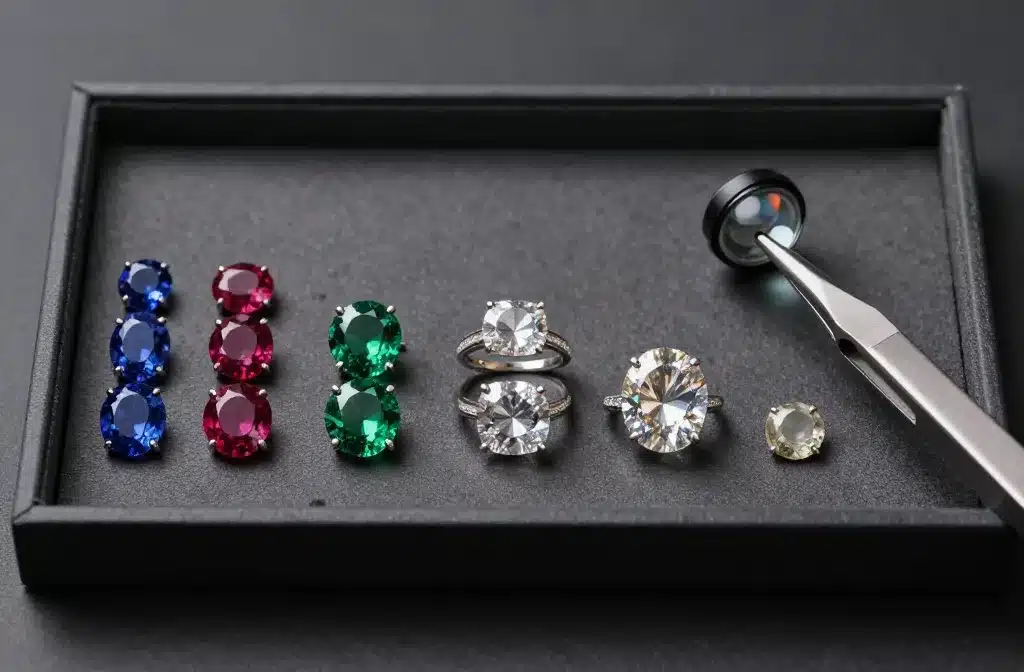
Shopping for a gemstone should feel exciting, not overwhelming. Prices range wildly, colors seem endless, and every dealer has a story. The good news: you can land a beautiful stone at nearly any budget once you understand which qualities matter most and where flexible choices save real money.
In the next few minutes, you’ll learn how gem value is built—color, clarity, cut, size, and rarity—and how to trade among those factors to meet your price point. You’ll see which stones punch above their weight, when lab-grown makes sense, how treatments affect cost, and what to ask a seller so you spend confidently.
We’ll move beyond generalities. I’ll share practical comparisons, price-savvy examples, and little details gemologists watch for under the loupe. By the end, you’ll know what to choose, what to skip, and how to enjoy the sparkle you really want.
Ready to find a gemstone that fits your taste and your wallet? Let’s map the smartest path.
Start With a Budget and a Purpose
First decide what the gem is for: a daily-wear ring, a special pendant, a pair of stud earrings, or a collector piece. Purpose shapes your choices as much as price. A daily ring needs toughness; a pendant can prioritize color over durability. A collector piece leans on rarity and provenance.
Next, set a comfortable total budget that includes mounting, setting, and any certification. For example, if you have $1,500 to spend on a ring, plan roughly $700–$1,100 for the stone and $400–$800 for the setting, depending on metal and design. This keeps you focused when a vivid gem tempts you past your limit.
Finally, identify your non-negotiables. Is it a particular color (cornflower blue, mossy green), an ethical origin, or a birthstone? Clear priorities help you make value trade-offs later.
Understand How Value Is Built: Color, Clarity, Cut, and Size
Gem prices rise when multiple quality factors align. If your budget is tight, relax one or two factors to keep the look you want without the premium.
- Color: The most powerful driver. For many gems, pure, saturated hues command top prices—think royal blue sapphire, neon Paraíba tourmaline, and pigeon’s blood ruby. If price is a concern, consider slightly lighter or darker tones, or faint secondary modifiers. Example: blue sapphires with a touch of violet or gray often look rich in everyday light and cost far less.
- Clarity: Most colored gems tolerate minor inclusions. Eye-clean stones cost more, but a few wispy inclusions can lower price dramatically with little impact on beauty. Some gems, like emerald, are nearly always included. Learn the gem’s norm before demanding perfection.
- Cut: A precise cut improves brightness and face-up size. In colored stones, cut often optimizes color rather than perfect symmetry. A well-cut, slightly smaller gem can out-sparkle a larger, sleepy one—and may be cheaper per carat because weight wasn’t preserved at the expense of beauty.
- Size (Carat Weight): Prices aren’t linear. Many gems jump at magic sizes (1.00 ct, 2.00 ct). A 0.90 ct stone can be significantly cheaper yet visually close in size. For bigger looks on a budget, consider elongated shapes—oval, pear, marquise—that have larger face-up dimensions per carat.
Use those levers creatively: pick a strong color with modest clarity, or a slightly lighter tone in an exceptional cut. That’s how you stretch budget without sacrificing charm.
Match Durability to the Jewelry Type
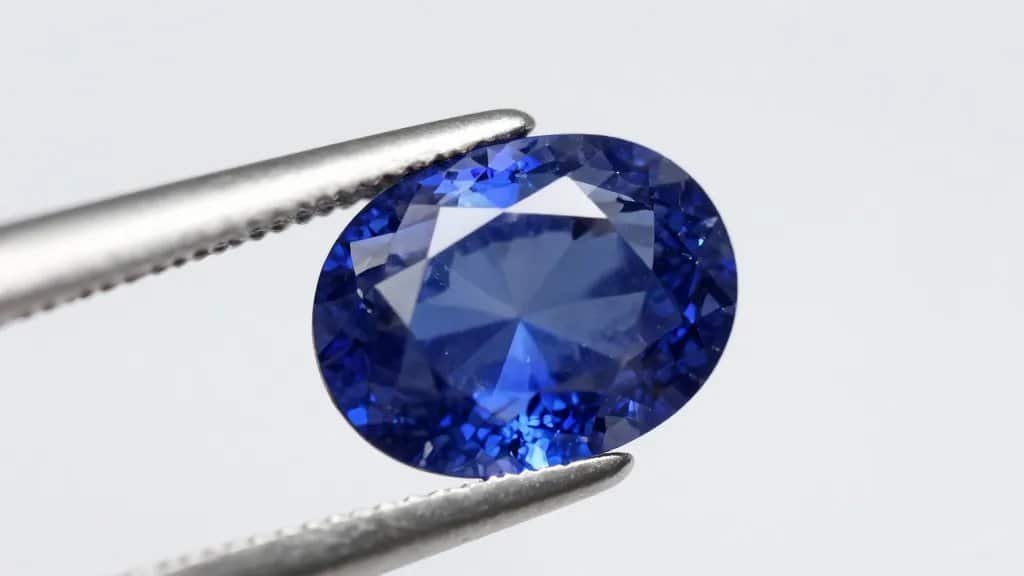
The Mohs scale measures scratch resistance, not overall toughness, but it’s a practical guide. Rings and bracelets take the most knocks; pendants and earrings are gentler environments.
- Great for daily rings: Sapphire and ruby (corundum, Mohs 9), spinel (8), chrysoberyl (8.5), diamond (10). These handle abrasion and retain polish well.
- Good with mindful wear: Garnet group (~6.5–7.5), tourmaline (7–7.5), zircon (7.5, but brittle), topaz (8 but cleavage makes it prone to split), aquamarine (7.5–8). Consider protective settings or choose them for pendants/earrings.
- Special-occasion or protected settings: Opal (5.5–6.5), tanzanite (6–7 with cleavage), morganite (7.5–8 but often light tone), pearls (~2.5–4), turquoise (~5–6). Gorgeous choices, but plan for gentler use.
Durability affects maintenance costs, too. A very soft or brittle gem may need more frequent polishing or replacements, something to account for within your budget.
Smart Substitutions: Looks You Love at Friendlier Prices
There’s almost always a route to the look you want without paying top-tier premiums. Consider these well-known swaps:
- Ruby look: Fine red spinel offers vibrant, clean reds with lively sparkle at a fraction of unheated ruby prices. Red garnets (pyrope, Mozambique) deliver rich wine to crimson tones and excellent value, though they’re darker and lower on the Mohs scale.
- Sapphire look: Blue spinel or blue tourmaline (indicolite) can be striking. Blue zircon gives diamond-like fire with a deep sky tone; best for earrings or pendants due to brittleness.
- Emerald look: Tsavorite garnet and chrome diopside bring lush greens. Tsavorite rivals emerald in brightness and is often cleaner; chrome diopside has rich forest color but is softer and better in low-impact jewelry.
- Diamond sparkle on a budget: Colorless sapphire is bright and durable; white topaz offers a clean look but loses polish faster; moissanite is not a natural gemstone in most cases but provides exceptional fire and durability if you’re open to man-made options.
- Paraíba glow: Electric blue-green tourmaline from other localities (not classic Paraíba) or neon apatite gives a similar mood at lower cost, though apatite is soft.
These substitutions maintain the aesthetic, even if the optical behavior isn’t identical. If budget is tight, target gems that are naturally affordable and beautiful rather than chasing prestige names.
Treatments, Origin, and Lab-Grown: What Affects Price Most
Treatments can be your friend—honest, stable enhancements often deliver terrific value. Origin and growth method also impact cost.
- Heat treatment: Common for sapphire, ruby, and many others. It’s generally stable and accepted. Heated stones are far less expensive than unheated equivalents with similar color.
- Oil/resin in emerald: Traditional cedar oil improves clarity by minimizing visible fissures. Light to moderate oiling is widely accepted; heavy, resinous fills reduce value and durability. Ask for the degree of treatment on a report.
- Diffusion and dye: Surface diffusion in sapphires and dyes in stones like jade or chalcedony can create intense color but may not be deep or permanent. Prices should reflect that. Buy knowingly and avoid assuming high value.
- Origin premiums: “Kashmir” sapphire, “Burma” ruby, and “Colombia” emerald carry steep premiums for pedigree and historical desirability. If your goal is beauty on a budget, focus on color and cut rather than a famous name. Sri Lankan sapphires or Zambian emeralds can be breathtaking and more affordable.
- Lab-grown gems: Lab-grown sapphire, ruby, emerald, and diamond provide top clarity and color at a fraction of natural prices. They’re real gemstones with the same chemistry and crystal structure, just grown in a lab. If symbolism of natural formation matters less than aesthetics and durability, this is a budget-friendly path.
Always ask for disclosure of treatments and, when the price is high, consider a respected gemological report. This is part of a smart Gemstone Buying Guide mindset.
How to Evaluate a Stone in Person (or Online) Like a Pro
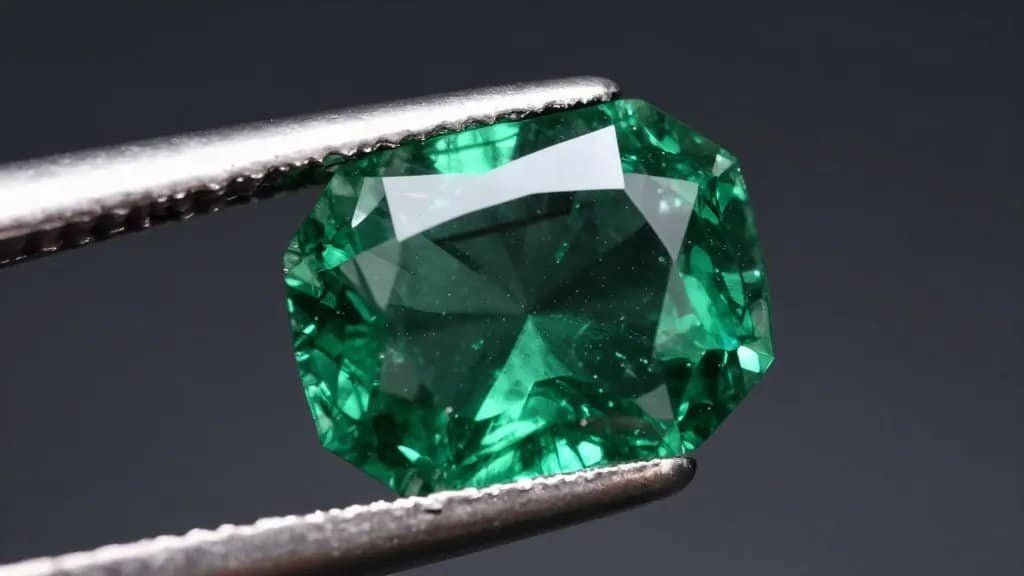
Your eyes are your best tool. Spend a minute with the gem under different lights—daylight near a window, warm indoor light, and if possible, LED spotlights. Some gems shift color between light sources; make sure you love the range.
- Color consistency: Look for even color across the face. Uneven patches or a “window” (a see-through pale zone in the center) can reduce beauty and value.
- Brightness and life: Tilt the stone. Do facets flash or does it go dull at certain angles? A lively stone stays interesting as it moves.
- Clarity and inclusions: At arm’s length, do you spot anything distracting? Under a loupe (10x), needlelike inclusions, crystals, or fingerprint patterns can be charming or troublesome depending on location. In emerald, tasteful jardin is expected; in sapphire, large, central feathers are less desirable.
- Cut quality: Check symmetry and girdle thickness. Is the pavilion too deep (stone looks small for its weight) or too shallow (windowing)? Well-proportioned stones spread nicely and face up bright.
- Accompanied documents: For meaningful purchases, a report from a reputable lab can clarify type, treatments, and sometimes origin. Consider this for higher-value stones discussed in Gemstone Identification and Gemstone Value Guide resources.
Buying online? Ask for high-resolution photos and videos in neutral light, face-up and tilted. Reputable sellers will supply measurements, not just carat weight, so you can gauge face-up size.
Price-Savvy Choices by Color Family
Color often drives the decision. Here’s where budgets stretch the furthest within popular palettes.
- Blue lovers: Sapphire is classic; opt for slightly violetish or medium tones to save. Spinel offers vivid royal and steely blues affordably. Blue tourmaline can be moody and elegant. For high fire, consider white diamond with small blue accent stones for contrast.
- Green enthusiasts: Tsavorite garnet and green tourmaline shine bright and lively; they’re cleaner than most emeralds at the same price. If emerald is your dream, target medium tone with moderate oiling and prioritize a lively cut.
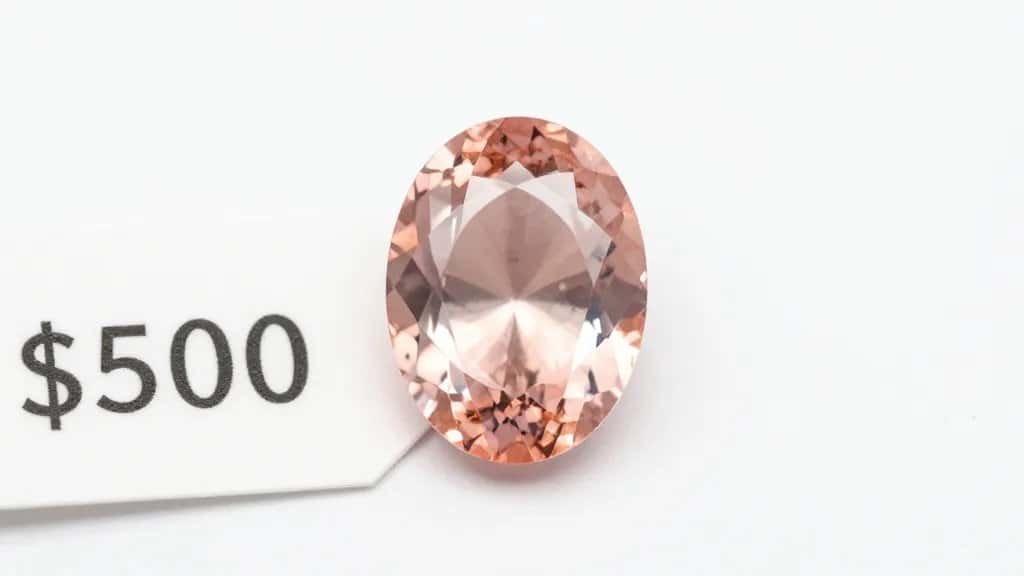
- Reds and pinks: Red spinel and garnet deliver impact without ruby’s premium. For pink, look to sapphire (heated), spinel, and tourmaline. Morganite provides romantic peachy pink at larger sizes for reasonable cost; pair with rose gold to amplify color.
- Purples and violets: Amethyst still represents outstanding value. In higher ranges, purple spinel offers a refined, slightly grayish purple with excellent durability.
- Teal and lagoon hues: Teal sapphire is a current favorite, often unpretentious in price and wildly attractive. Certain tourmalines and Montana sapphires in blue-green mixes deliver a modern, earthy look.
- Neutrals and pastels: Champagne and cognac diamonds, white sapphire, and pale spinels create elegant, understated pieces that wear easily with everything and price softly compared to saturated colors.
If you enjoy comparing options side by side, browse Gemstone Comparisons and Gemstone Colors topics to see how lightness, saturation, and undertones play together.
Settings That Make a Modest Stone Look Exceptional
Design can elevate a good stone to great. Thoughtful settings stretch the budget without touching gem quality.
- Halos and accent stones: A small center gemstone ringed by fine-cut white stones (diamond, moissanite, or white sapphire) amplifies sparkle and apparent size.
- Bezel settings: A clean metal rim can intensify color and protect edges, especially for softer stones. Yellow gold deepens warm tones; white metals cool and brighten blues and greens.
- Open backs and lift: Allowing light behind the stone can increase brightness. For gems that window slightly, a clever seat and reflective undergallery can disguise it.
- Shape strategy: Ovals and pears face up larger than rounds at the same carat. Marquise and emerald cuts provide long, elegant finger coverage on rings.
Allocate budget toward expert setting work. A skilled jeweler can coax surprising presence from a mid-priced gem.
Common Mistakes That Waste Money
Even seasoned shoppers slip up. Sidestep these pitfalls:
- Chasing carat weight over face-up size: A poorly cut 1.00 ct that looks small is less satisfying than a bright 0.85 ct with broad spread—and usually more expensive.
- Ignoring durability for daily wear: Buying a fragile stone for a hard-wear ring leads to chips, scratches, and regret. Match Mohs hardness and toughness to the job; see Gemstone Hardness for quick reference.
- Undisclosed treatments: Always ask. If the price seems too good, something’s off—heavy fillers, dye, or glass-filled fractures should be priced accordingly.
- Assuming origin equals beauty: Spectacular color exists from many regions. Judge with your eyes first, paperwork second.
- Forgetting the total project cost: The perfect gem still needs a setting, potential resizing, and insurance. Plan for the whole journey.
Care, Cleaning, and Long-Term Value
A well-chosen gemstone should remain pleasing for decades. Care routines vary by species and treatment.
- General care: Warm water, mild soap, and a soft brush are safe for most untreated, durable stones. Rinse thoroughly and pat dry.
- Ultrasonic/steam: Avoid for treated or fragile stones (emerald with oil, opal, tanzanite, filled stones). Corundum and diamond usually handle ultrasonics unless inclusion-heavy.
- Storage: Keep gems separate; diamonds and sapphires can scratch softer neighbors. Pouches or divided trays help preserve polish.
- Maintenance: Periodic checks for loose prongs and edge wear save repair costs later. A repolish or professional cleaning can revive a stone’s sparkle.
Some gemstones appreciate in value due to rarity, but most should be purchased for beauty and enjoyment. If you’re collecting with investment in mind, study Collector Gemstones and historical auction results, and obtain top-tier documentation.
Real vs. Fake: Quick Identification Tips for Budget Shoppers
You don’t need a gem lab to dodge the most common traps, just a little vigilance.
- Too perfect, too cheap: A “flawless, unheated ruby” at a bargain price is almost certainly synthetic or heavily treated. Expect to pay for rare combinations of quality.
- Glass and composites: Bubbles, swirls, and a soft, glassy luster hint at glass. Ruby-glass composites show flashy blue flashes in fissures under strong light and scratch easily.
- Doublets/triplets: Layered stones show a fine line around the girdle and color differences between top and bottom. These can be lovely but must be priced as assembled gems.
- Ask for refractive index, hardness, and a basic report: Sellers familiar with Gemstone Identification will share specs readily. Hesitation is a flag.
When spending beyond your comfort zone, push for a gemological report from a recognized lab—especially for ruby, sapphire, emerald, jade, and high-value spinel or tourmaline.
Sample Budget Paths That Work
Here are realistic, happiness-first choices across three budgets for a ring or pendant:
- Under $500: A vivid amethyst or garnet in a sleek bezel; a petite blue spinel or peridot in sterling or 14k gold; white topaz halo pendant for bright presence. Focus on clean cuts, medium-light tones, and protective settings.
- $500–$1,500: Heated blue sapphire around 0.80–1.10 ct in oval or cushion; tsavorite garnet 0.60–1.00 ct for saturated green; pink tourmaline or spinel near 1 ct. Consider halos or two-tone metal to maximize impact.
- $1,500–$4,000: Fine spinel 1–2 ct in red, pink, or gray-blue; teal sapphire 1–2 ct with lively cutting; modestly included emerald with great color and light oiling; larger aquamarine or morganite in custom settings. Allocate for a lab report when appropriate.
Each path balances color, cut, and size with durability and setting design. Let aesthetics lead, not just the brand-name species.
FAQs
Is a lab-grown gemstone a good choice if I’m on a tight budget?
Yes. Lab-grown sapphire, ruby, emerald, and diamond offer excellent color and clarity at a fraction of natural prices. They’re durable and ideal for daily jewelry when the natural origin isn’t a must-have.
Which gemstone gives the most color for the money?
Garnet varieties, amethyst, blue topaz, and many spinels provide strong color at accessible prices. Tsavorite and tourmaline also deliver vivid greens and blues with good value compared to emerald and sapphire.
How important is it to have a lab report?
For modest purchases, it’s optional. For higher-value stones—ruby, sapphire, emerald, jade, or any gem with claimed origin or no treatment—a respected lab report protects your investment.
What’s the best gemstone for a daily-wear ring under $1,000?
Sapphire and spinel are excellent for durability and beauty. Choose a well-cut oval or cushion around 0.80–1.20 ct, possibly heated (for sapphire) to keep costs in range.
Do halos and accent stones really make a small gem look bigger?
Absolutely. A tight halo and bright metal can increase perceived size by 30–50% without the cost jump of a larger center stone.
Are “untreated” stones always better?
Not necessarily. Untreated stones can be rare and pricey. A heated sapphire or lightly oiled emerald may look just as beautiful and fit your budget better.
How do I avoid overpaying for carat weight?
Compare millimeter measurements and face-up spread, not just carats. Consider near-magic sizes (0.90 ct, 1.90 ct) and elongated shapes that look larger per carat.
Final Thoughts
Choosing the perfect gemstone for your budget is about smart trade-offs, not sacrifice. Prioritize the color that moves you, match durability to the way you’ll wear it, and let a thoughtful cut and setting do the heavy lifting. Ask good questions, welcome honest treatments, and consider lesser-known gems that shine just as brightly. With these strategies, your price range becomes a path to a stone you’ll love for years.

Christian Grey is the creator of GemMeaning, where he shares simple insights about crystals, gemstone meanings, and spiritual guidance. His focus is on making complex ideas easy to understand and practical for everyday life.