Gemstones are more than bright sparks in a jewelry case. They’re tiny time capsules, each storing a fragment of Earth’s history and human culture. Hold a gem to the light and you’re seeing crystallized chemistry shaped by pressure, heat, and chance—then polished by centuries of lore and trade.
In this article, you’ll learn what makes certain gems change color, why some stones glow in the dark, and how geography influences beauty and value. You’ll also discover curious records—like the gem that’s older than life on land—and practical pointers for collectors and shoppers.
Expect a guided tour through mines, markets, and microscopes, told from the perspective of someone who has peered through a loupe more times than they can count. By the end, you’ll see your favorite stones with new eyes—and maybe spot a few you’ve never met before.
Let’s travel the world one crystal at a time.
Earth’s Oldest Storytellers: Gems As Geological Timekeepers
Some gemstones predate the continents as we know them. The oldest known gem material is zircon from Western Australia’s Jack Hills, dated at about 4.4 billion years. Under magnification, zircons can preserve tiny inclusions that reveal the temperature and chemistry of early Earth, effectively acting like geological black boxes.
Diamonds, too, carry messages from the deep. Many form over a billion years below the continents, 150–200 kilometers down, and ride to the surface in explosive kimberlite eruptions. Minute mineral inclusions inside natural diamonds—like peridotite or eclogite—tell geologists about the mantle’s composition. Synthetic diamonds lack these geologic “souvenirs,” a clue that helps in gemstone identification.
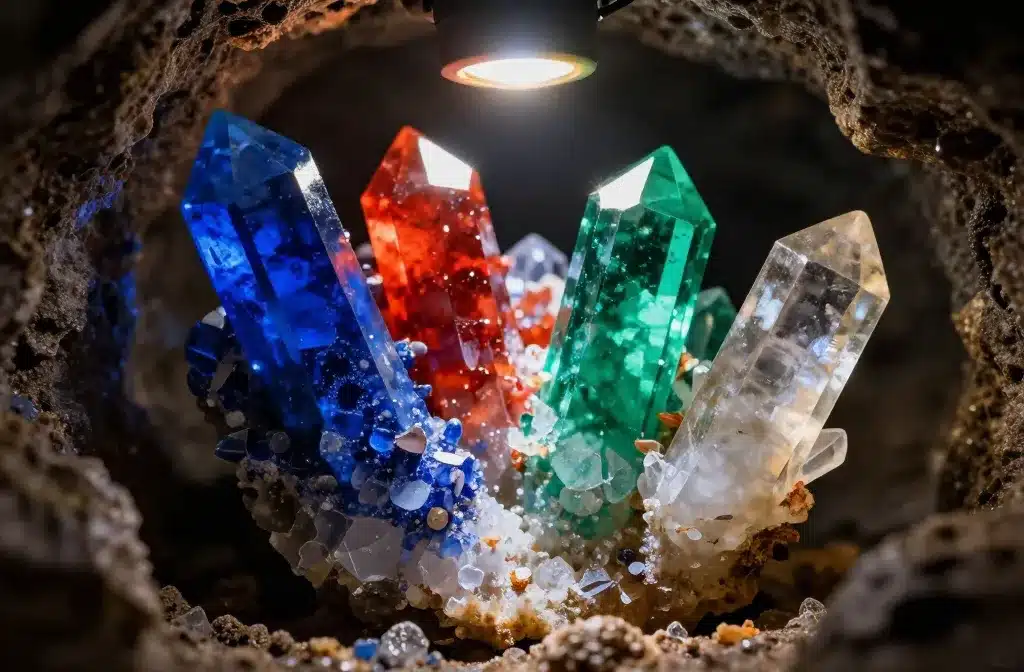
Emeralds, a beryl variety colored by chromium or vanadium, often nucleate along fault zones where hot fluids react with host rocks. Colombian emeralds are world-famous partly because their geologic recipe—black shale, limestone, and hydrothermal fluids—produces rich color with characteristic three-phase inclusions (liquid, gas bubble, and salt crystal) that are a signature of origin.
Colors That Think: Phenomena Gems And Their Optical Tricks
Not all gems behave the same under light. Some seem to think before they glow. Alexandrite, a chrysoberyl variety, is the poster child: green in daylight, raspberry under incandescent light. Its crystal structure selectively transmits different wavelengths in different lighting conditions. Fine alexandrite—especially from Russia’s Urals—remains one of the world’s rarest and most expensive colored stones.
Sapphires can star. Needles of rutile aligned in the corundum lattice create asterism: a crisp six-rayed star that floats across the dome of a cabochon. The effect is strongest in stones with a silky, semi-translucent body where rutile is abundant and well oriented.
Opal seems to contain a storm cloud of color. Precious opal is made of silica spheres stacked in grids; the spacing diffracts light into spectral flashes. Australian Lightning Ridge black opal, set against a dark body tone, displays electric reds and greens that feel almost backlit. Ethiopian opal, often hydrophane, can absorb water and become temporarily more transparent—a trait that requires thoughtful care.
Some gems get playful with direction. Andalusite and iolite show strong pleochroism: different colors from different angles. A well-cut iolite can flip from violet-blue to grayish as you rotate it, lending a moody, vintage character to gemstone rings and pendants.
From Forest To Flame: Organic Gems With Wild Journeys
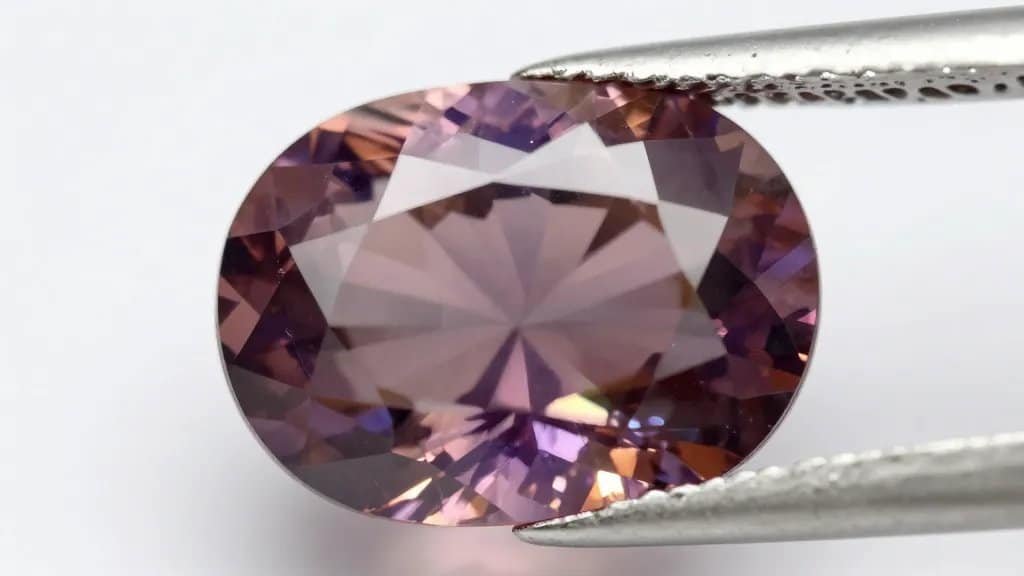
Not all gemstones grow in the ground. Amber began as tree resin, trapping pine needles and ancient insects before hardening over millions of years. Baltic amber often carries a warm cognac glow, while Dominican amber can be honey-gold or a rare electric blue under sunlight due to fluorescence.
Pearls are the only gem made by an animal. A mollusk layers nacre—aragonite platelets and conchiolin—around an irritant in lustrous sheets that reflect soft, liquid light. Japanese Akoya pearls are known for mirror-like luster on smaller sizes; South Sea pearls grow larger with satiny whites and golds; Tahitian pearls offer greens and peacocks that seem to float beneath the surface. Pearls sit at 2.5–4.5 on the Mohs scale, so they scratch easily. Storing them away from harder stones and wiping them after wear is essential gemstone care.
Jet, a deep black gem, is actually fossilized wood from ancient forests. Its velvety polish made it the mourning jewel of Victorian England. Coral, another organic material, builds its beauty through living colonies; sustainable sourcing and strict regulations are important factors in modern purchases.
Local Legends: Countries That Shaped Gemstone History
Travelers learn gemstones by their passports. Myanmar’s Mogok region set the standard for ruby with its “pigeon’s blood” color—rich red with a whisper of blue. These rubies often display fluorescence that boosts their glow in daylight. Kashmir sapphire, mined briefly in the late 19th and early 20th centuries high in the Himalayas, is treasured for its velvety blue caused by fine rutile “silk.” Today, unheated Kashmir sapphires fetch legendary prices among collector gemstones.
Colombia’s Muzo and Chivor districts produce emeralds with saturated color and strong daylight presence. Brazil, a treasure chest of pegmatites, gave the world Paraíba tourmaline in the 1980s—a copper-bearing stone so neon it looks plugged into a socket. The rarest hues combine electric blue and green, and even tiny stones can command five-figure prices per carat.
Sri Lanka is nicknamed the “Island of Gems” for good reason. Its alluvial gravels yield sapphires in a painter’s palette—royal blue, padparadscha (a delicate mix of pink and orange), and luminous pastel tones. Madagascar, relatively new to the global market, now rivals traditional sources with striking sapphires, garnets, and beryl.
Hardness, Toughness, And Wearability: What Survives Daily Life
Hardness (resistance to scratching) is often confused with toughness (resistance to breaking). Diamonds rank 10 on the Mohs scale, sapphire and ruby 9, making them excellent for daily wear in gemstone jewelry. Jadeite, though softer (about 6.5–7), is famously tough due to its interlocking crystal fibers, which can resist chipping better than many harder gems.
Opal (5.5–6.5) and tanzanite (6–6.5 with distinct cleavage) do better in earrings or necklaces than rings intended for rough wear. Spinel (8) is a star for durability and color variety, often overlooked but superb for everyday pieces. For a quick primer across many stones, see topics like Gemstone Hardness and Gemstone Value Guide—hardness, cut quality, and treatments all influence long-term satisfaction and price.
Truth, Treatments, And Telltales: How Gems Get Their Glow
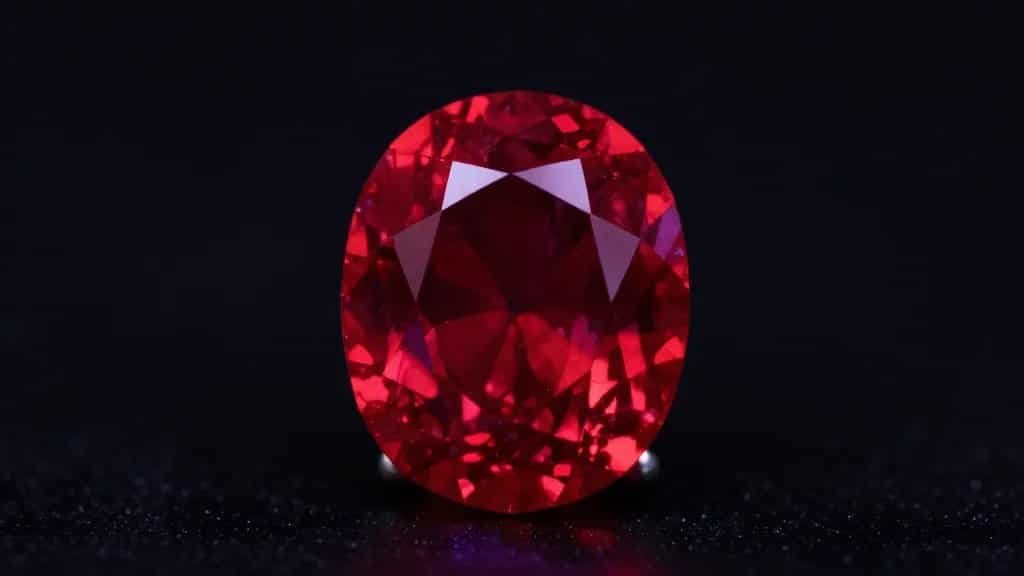
Most gems undergo some form of treatment to improve color or clarity. Heat treatment of sapphire and ruby is widely accepted when disclosed; it can intensify blue or red and dissolve tiny inclusions that haze the stone. Emeralds are commonly fissure-filled with oil or resin to disguise fractures. The industry expects disclosure, and honest dealers will share what enhancements were used.
Glass-filled ruby looks tempting for its low price and bright color, but the filling can be fragile and cloudy over time. Similarly, dyed jade can display overly uniform color and suspiciously low cost. Laboratory-grown diamonds and sapphires are chemically identical to natural stones but often show diagnostic growth patterns under magnification. A lab report from a respected institution can be invaluable for high-value purchases, especially for rarities like alexandrite, Paraíba tourmaline, or unheated sapphire.
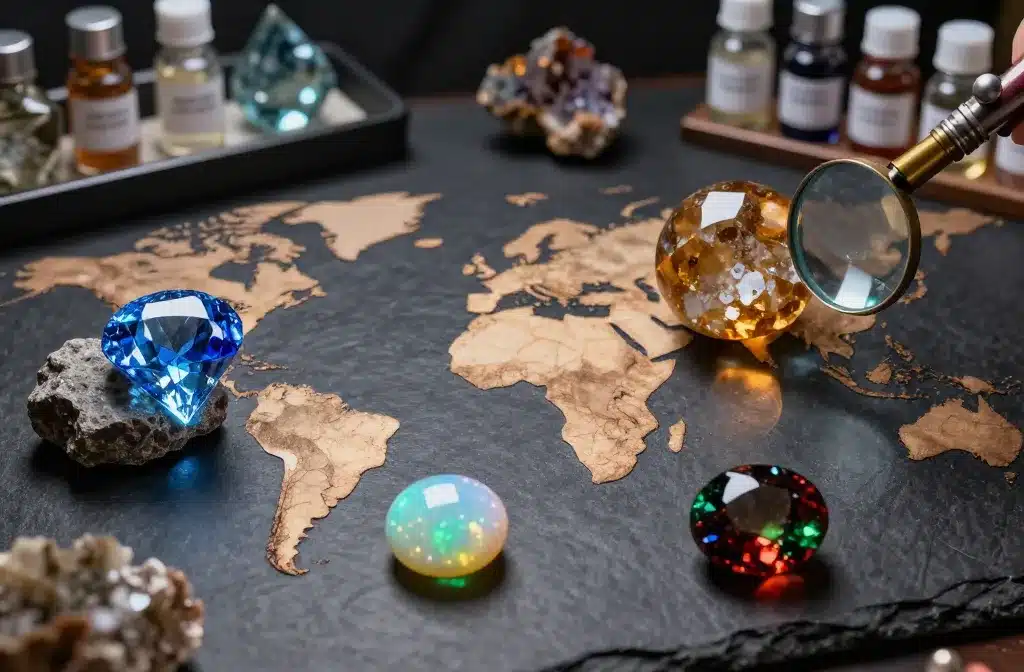
For quick field checks, a 10x loupe is your friend. Look for inclusions that make sense for the species: fingerprint-like patterns in corundum, three-phase inclusions in emerald, fine octahedral crystals in diamond. If a stone looks too clean and too cheap, ask questions.
Record Breakers And Oddities: Facts That Stick In Your Memory
The world’s largest gem-quality sapphire rough, the “Star of Adam,” reportedly weighs over 1,400 carats, a monster blue star sapphire from Sri Lanka. But some of the most valuable gems are tiny: top-color red diamonds and natural alexandrites can sell for more per carat than most large stones.
Color-change garnets can flip from mossy green to ruby red like traffic lights. Some fluorite and hackmanite (a sulfur-rich sodalite) exhibit tenebrescence—reversible color change after exposure to UV light. And a few gems glow only when X-rayed, an eerie reminder that chemistry holds surprises beyond the visible spectrum.
Speaking of red, the ruby’s rival isn’t diamond—it’s spinel. For centuries, royal “rubies,” including the 170-carat Black Prince’s Ruby in the British Crown Jewels, turned out to be spinel. Modern testing has finally given spinel the credit it deserves.
Buying Smart: Value Factors And Real-World Tips
Color is king for colored gems. The most prized hues balance saturation and brightness without tipping into darkness or gray. Evenness matters: a sapphire that’s bright across the entire face outperforms one with inky corners. Clarity counts too, but not equally—emeralds are forgiven more inclusions than aquamarines, for example, because their growth environment is fracture-prone.
Cut transforms potential into presence. A well-cut stone returns light evenly without “windowing” (a see-through dead zone at the center). Ask to view stones in different lighting—daylight, LED, and incandescent—since some gems shift appearance. Always compare a few options side by side; our brains judge color best comparatively.
Origin can influence price, but beauty should lead the decision. A stunning Madagascar sapphire can outshine a so-so Kashmir. For major purchases, request documentation and consider topics like Gemstone Buying Guide or Gemstone Comparisons to align expectations with budget. If you’re shopping gifts, browsing Gemstone Gifts can spark ideas matched to personality and style.
Care And Keeping: Make Beauty Last
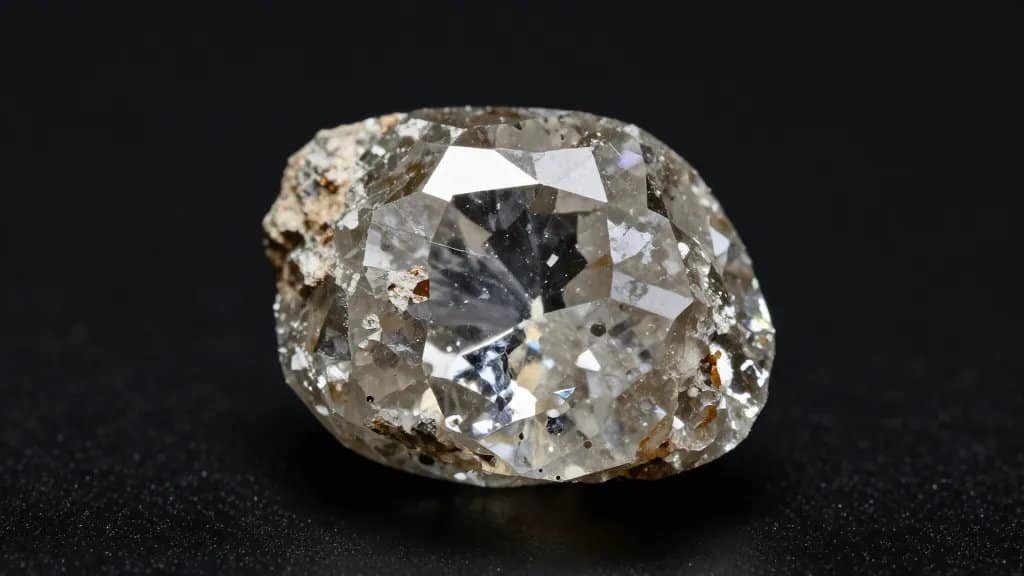
Each gem has its quirks. Ultrasonic cleaners can crack emeralds with filled fractures and may cloud glass-filled rubies. Opals dislike rapid temperature swings and low humidity; a soft pouch and occasional gentle moisture help. Pearls prefer to be worn—their luster benefits from skin oils—but keep them away from perfume and hairspray.
As a rule of thumb, clean most gems with lukewarm water, mild soap, and a soft brush. Store pieces separately to avoid scratching; diamond and sapphire can scratch almost anything nearby. Regular inspections catch loose settings and protect against loss.
Jewelry Ideas: Matching Gems To Real Life
For engagement rings that face daily knocks, sapphire, ruby, and diamond lead. Spinel and chrysoberyl are superb alternatives with excellent durability and color punch. If you love opal or tanzanite, consider protective settings—bezels or halos—and save them for special-occasion wear.
Birthstone traditions add meaning. Garnet brightens January with wine-reds and tsavorite greens; aquamarine brings March a cool sea breeze; November offers warm citrine or golden topaz; December’s blue trilogies—turquoise, zircon, and tanzanite—evoke winter skies. If symbolism speaks to you, tourmaline’s rainbow of colors suits those who reinvent themselves often.
For earrings and Gemstone Necklaces, play with phenomena: moonstone’s adularescence near the collarbone is soft and flattering; star sapphires in studs offer quiet drama. Bracelets take a beating, so choose tougher species or protective designs if you’re hands-on during the day.
Myths, Meanings, And The Human Thread
Every culture stitches stories into stones. Ancient Persians imagined the sky was blue because it reflected from a giant sapphire; Romans wore carnelian signet rings for wax seals that wouldn’t stick; Chinese artisans carved jade as the embodiment of virtue—tough, cool, and serenely beautiful.
Modern meanings persist. Ruby is linked with vitality and courage, emerald with growth and insight, sapphire with wisdom and fidelity. Whether you embrace the myths or not, their persistence tells you something: people use gems to mark what matters—love, achievement, remembrance.
FAQs
Are lab-grown gemstones “real” gems?
Lab-grown diamonds and corundum (ruby, sapphire) have the same crystal structure and chemistry as natural stones. They’re real but not naturally formed, and they typically cost less. Always buy with clear disclosure.
Which gemstones are best for daily-wear rings?
Diamond, sapphire, ruby, spinel, chrysoberyl, and moissanite (a lab-grown diamond alternative) hold up well. Use protective settings for softer stones like opal or tanzanite.
How can I spot a color-treated gemstone?
Some clues include overly uniform color, surface-reaching fractures filled with a glassy substance, or suspiciously low prices. A professional report is the most reliable answer.
Do gemstones change color under different lights?
Yes. Alexandrite shows dramatic color change; some sapphires and garnets shift subtly. Even stones without true color-change can look different under warm vs. cool lighting.
What’s the difference between hardness and toughness?
Hardness is resistance to scratching (Mohs scale). Toughness is resistance to breaking or chipping. Jadeite is tough; diamond is extremely hard but can cleave along planes.
Is origin important for value?
Often, yes—Kashmir for sapphire, Burma for ruby, Colombia for emerald. But exceptional beauty can outshine origin. Judge the stone first, provenance second.
How should I clean my gemstone jewelry?
Use lukewarm water, mild soap, and a soft brush. Avoid ultrasonic and steam for emeralds, opals, pearls, and heavily treated stones.
Final Thoughts
Gemstones are where geology, craftsmanship, and human feeling meet. Learn how they form, how light plays inside them, and which traits suit your life. The more you understand, the more every sparkle tells a story worth hearing—and wearing.

Christian Grey is the creator of GemMeaning, where he shares simple insights about crystals, gemstone meanings, and spiritual guidance. His focus is on making complex ideas easy to understand and practical for everyday life.