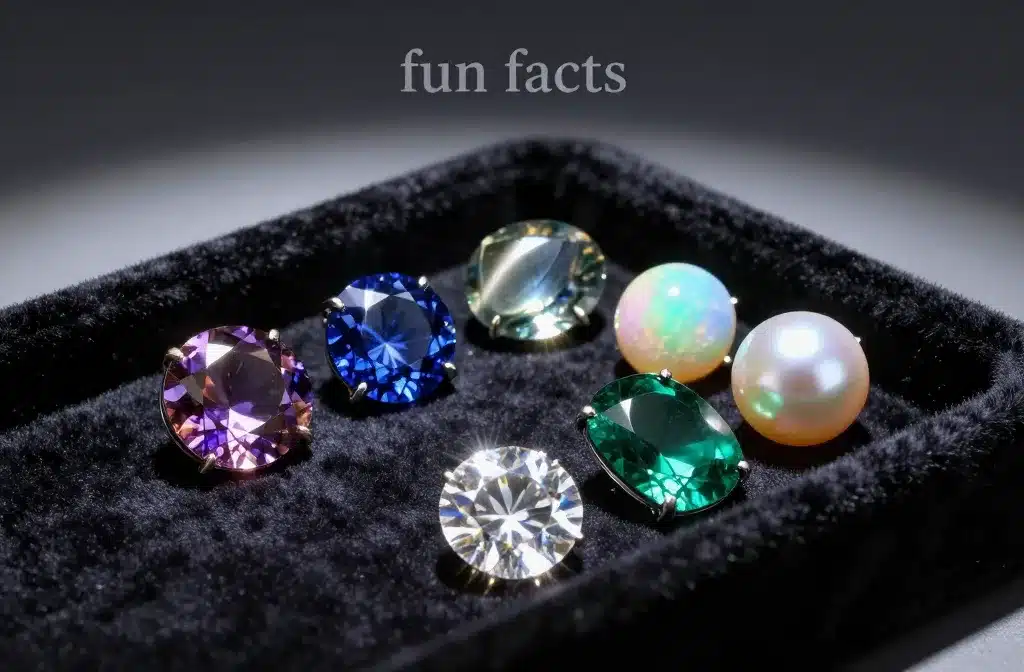
Gemstones are little time capsules—minerals and materials forged by pressure, heat, and chance, then lifted into our lives as bright tokens of history. The fun begins once you realize each stone hides a story in its color, structure, and quirks. Some glow in the dark, others change color with your lighting, and a few are rarer than the most famous “precious” gems.
In this article, you’ll learn surprising truths about hardness and durability, oddities like star sapphires and cat’s eye chrysoberyl, and how nature accidentally paints perfect colors with trace elements. You’ll meet shape-shifting alexandrite, see how pearls defy the very idea of “gemstone,” and find out why emeralds get away with being both fragile and expensive. We’ll also touch on buying advice, identification tips, and clever care tricks.
If you’ve ever wondered why some gems cost a fortune while others remain hidden treasures, or how to tell a natural stone from a lab-grown twin, you’re in the right place. Let’s open the jewelry box and look closer—really closer.
Hard Doesn’t Always Mean Tough
People often confuse “hardness” with “toughness.” On the Mohs Scale, diamond scores 10, ruby and sapphire (corundum) 9, and quartz 7. That scale measures scratch resistance, not resistance to breaking. A diamond can scratch nearly anything, but a sharp blow on a cleavage plane can chip it. Toughness is a stone’s ability to take a hit without breaking; jadeite and nephrite (often simply called jade) are remarkably tough despite being softer than corundum.
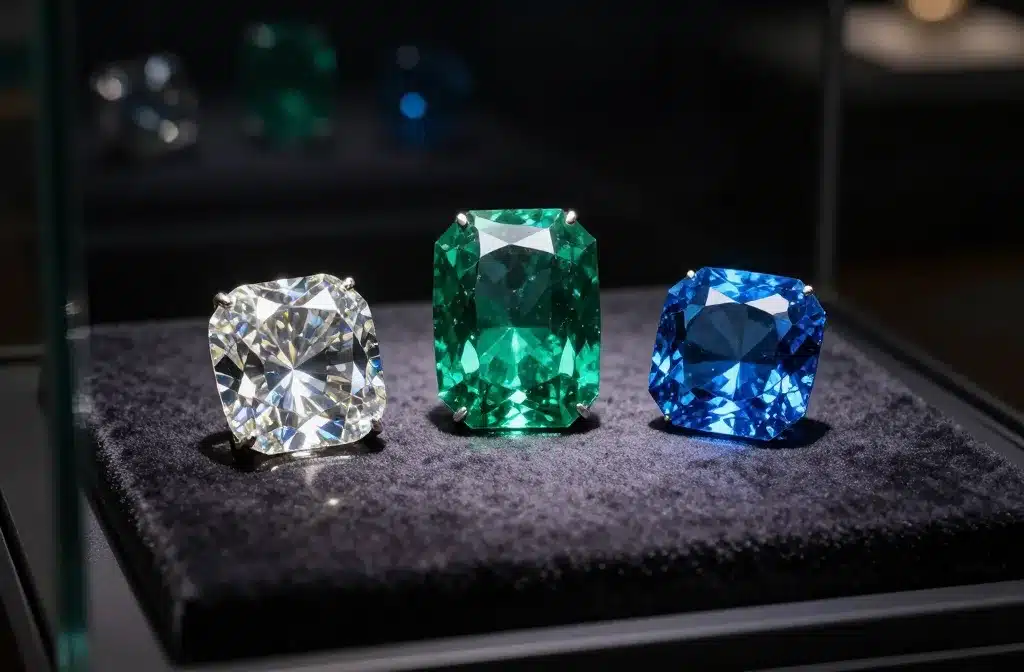
Practical example: a sapphire ring stands up to daily wear better than an emerald ring of the same size. Emeralds are softer than sapphire (7.5–8 vs 9) and often filled with fractures and inclusions, making them more brittle. That’s why many emeralds are set in protective mountings, and why jewelers recommend gemstone rings like ruby or sapphire for engagement wear. See Gemstone Hardness or Gemstone Rings for a deeper dive into how to choose everyday pieces.
Color Is Chemistry in Disguise
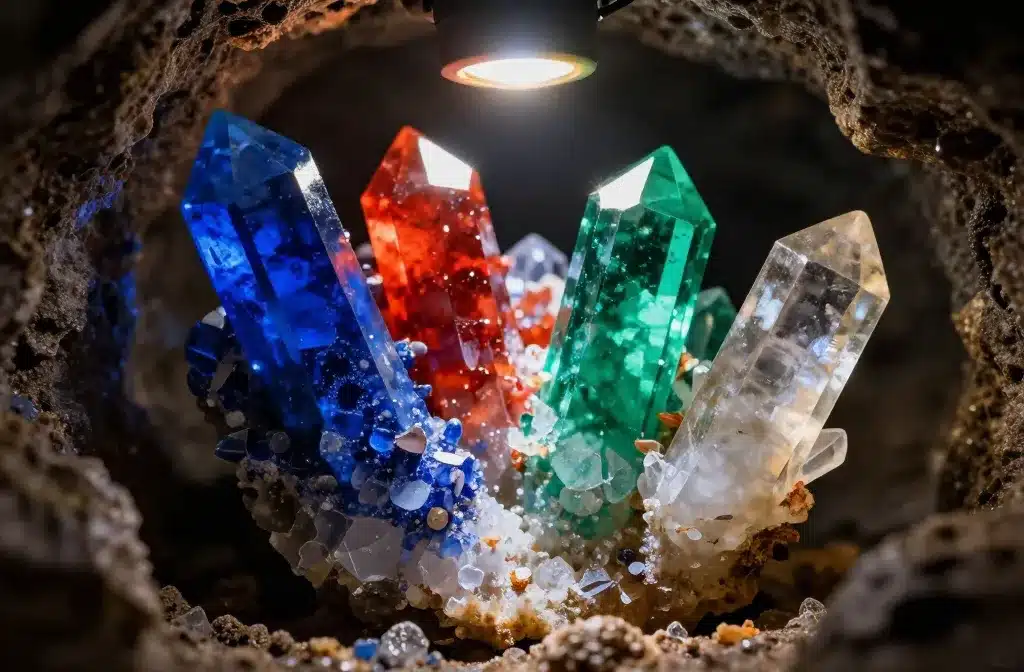
The colors that make us gasp come from tiny impurities and crystal structures that bend light in specific ways. Pure corundum is colorless—but add traces of chromium and you get ruby’s wine-red glow. Add iron and titanium, and sapphire turns blue. Switch the mix and you’ll see yellow, green, or pink sapphires. That’s why corundum is a single species with many personalities.
Even within one species, the shade can shift with minute changes. Aquamarine, a blue-green beryl, deepens in color with more iron. Emerald, another beryl, owes its green to chromium (and sometimes vanadium). Spinel, unfairly overlooked, comes in candy-store colors from hot pink to cobalt, all thanks to a similar trace-element ballet. If you love exploring hues, Gemstone Colors and Gemstone Comparisons can help you pair stones with your personal palette.
Some Gems Put on a Light Show
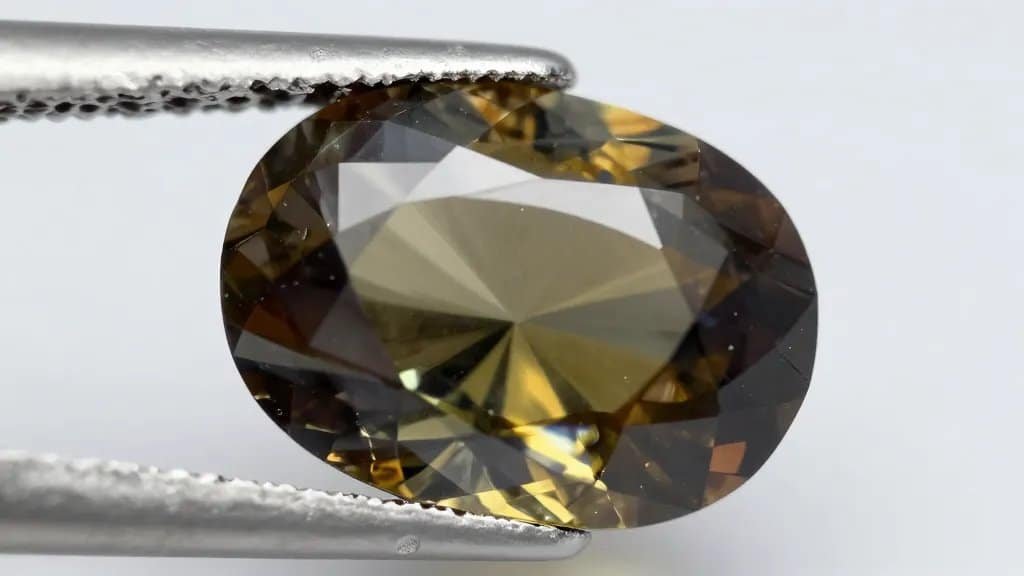
A few gems are natural entertainers. Alexandrite is famous for dramatic color change: greenish in daylight, raspberry-red under incandescent light. The stone’s crystal structure filters light differently depending on wavelength, so it looks like two stones in one. Fine alexandrite is rare and valuable, and its color shift is the main value driver.
Other optical tricks include:
- Chatoyancy (Cat’s Eye): In chrysoberyl and some tourmalines, aligned needle-like inclusions reflect a single bright line that seems to slide across the surface.
- Asterism (Star Effect): Tiny rutile needles in sapphire and ruby can create a sharp six-rayed star, most visible in cabochon cuts.
- Adularescence: Moonstone shows a blue or white billowy glow caused by internal layering that scatters light, like soft lightning inside the stone.
- Play-of-Color: In opal, microscopic silica spheres diffract light into flashes of rainbow, changing with the viewing angle.
For everyday wear, consider setting star sapphires or cat’s eye chrysoberyl in rings with bezel settings to protect edges. Moonstone charms in necklaces where it’s less likely to be knocked. If this intrigues you, keep an eye on Collector Gemstones for standout optical phenomena pieces.
The “Precious vs Semi-Precious” Labels Are Misleading
For years, diamonds, rubies, sapphires, and emeralds were dubbed “precious,” while everything else was “semi-precious.” Those labels persist, but they don’t track rarity or value all that well. A top-quality demantoid garnet or paraíba tourmaline can outprice many sapphires. Fine spinel, once mistaken for ruby (hello, Black Prince’s “Ruby” in the British Crown Jewels), is now a darling of collectors.
Value comes from a mix of color saturation, rarity, clarity, cut, size, and demand. Even within the same species, price can swing widely. For example, electric neon paraíba tourmaline commands staggering prices due to copper content that lights it from within. If you’re researching price trends, a Gemstone Value Guide can provide realistic ranges and buying context beyond old labels.
Pearls and Amber Break the Rules—and Still Count
Gemstones aren’t all minerals. Pearl is an organic gem grown inside mollusks. Amber is fossilized tree resin. Jet is fossilized wood; coral is a marine organism’s skeleton. Their beauty comes with different care rules.
Pearls are soft (about 2.5–4.5 on Mohs), sensitive to acidity, and happiest when worn. Natural skin oils keep their nacre lustrous. Put pearls on last, after perfume and hairspray. Wipe them gently with a soft cloth post-wear. Store them separately to avoid scratches. If you restring, ask for knots between beads so one accidental break won’t send them scattering.
Amber is warm to the touch and often hosts ancient inclusions—tiny trapped insects or plant bits that turn a golden window into a time machine. Jet has a velvety luster when well-polished and was a high-Victorian favorite. These materials can be perfect for Gemstone Necklaces and Gemstone Earrings when you want character over flash.
Treatments Are Common—And Not a Dirty Word
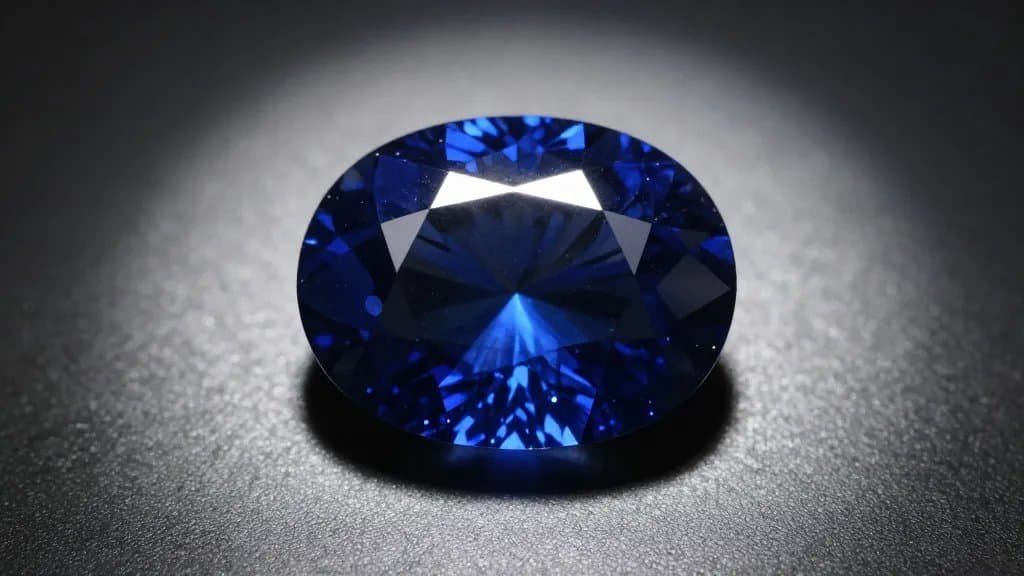
Many gems are treated to enhance color or clarity. Heat treatment is very common for sapphire and ruby, often stable and permanent. Aquamarine is frequently heated to reduce green tones, leaving a cleaner blue. Oiling of emeralds fills fractures with colorless oils or resins to improve clarity; this is standard practice, but it needs disclosure and occasional re-treatment over time.
Some treatments are less favored by collectors. Diffusion can add color to sapphire only near the surface. Fracture filling with colored glass in ruby can produce dramatic improvements that aren’t durable. Understanding which treatments are permanent and which require special care protects your investment. A good Gemstone Buying Guide will emphasize asking for full treatment disclosure and, for significant purchases, requesting a lab report from a reputable gemological laboratory.
Natural vs Lab-Grown: Twins With Different Birth Certificates
Lab-grown gemstones share the same chemical composition and crystal structure as their natural counterparts; they’re not imitations like glass or cubic zirconia. Lab-grown sapphire is still corundum. Lab-grown diamond is still diamond. The difference lies in origin: nature versus a controlled laboratory process. That distinction affects rarity, price, and collector appeal.
Identification can require advanced tools. Lab-grown stones may show telltale features like curved growth lines in some synthetic sapphires, or metallic flux inclusions in certain emeralds. Lab-grown diamonds are often identified by spectroscopy and growth patterns. If you care about origin, buy from sellers who provide clear documentation. For practical comparisons, see Gemstone Identification and Gemstone Facts—these topics help you separate authentic, lab-grown, and imitation materials with confidence.
Inclusions Are Clues, Not Flaws
Most gemstones carry tiny internal features formed during growth—wisps, crystals, feathers, or tubes. Under magnification, these inclusions act like a gemstone’s fingerprint, helping experts identify species, locality, and sometimes treatments. “Silk” (rutile needles) in sapphires can soften color and, in sufficient alignment, produce asterism. Horse-tail inclusions in demantoid garnet are a beloved diagnostic trait.
Clarity influences value, but not uniformly. Emeralds are expected to have inclusions; a perfectly clean emerald may raise suspicion of treatment or synthesis. In colored stones, color saturation usually outranks clarity. Rubies with rich, even red can command strong prices despite minor inclusions. Think of inclusions as a record of a stone’s life—evidence it wasn’t too perfect to be true.
Cut Is the Quiet King of Beauty
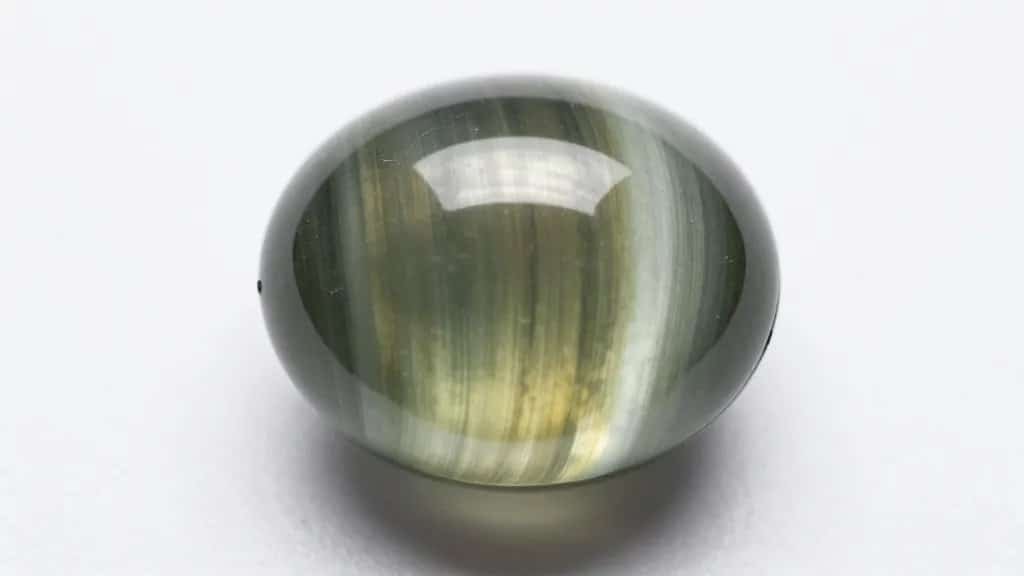
A fine cut can transform a decent stone into a showstopper. Cut isn’t just shape; it’s the architecture of facets that control light. Diamonds are cut for maximum brilliance and fire. For many colored gems, cutters balance brilliance with color depth and weight retention. That’s why colored stones often wear slightly deeper pavilions—more body color, more glow.
Some gems sparkle differently. Demantoid and spessartine garnets can show fiery dispersive flashes, while tourmaline often displays a longer, silky glow with deep colors. Cabochons showcase stars, cats’ eyes, and moonstone’s ethereal sheen. If you’re exploring shapes and how they influence personality, Gemstone Cuts and Gemstone Shapes are worth a look, especially before commissioning custom Gemstone Jewelry.
Birthstones, Beliefs, and Brilliant Stories
Birthstone traditions weave history with marketing. Modern lists place garnet in January, amethyst in February, aquamarine in March, diamond in April, emerald in May, and so on. While these associations don’t change the physics, they add personal meaning and make for memorable Gemstone Gifts.
Folklore is full of fascinating claims: emerald to soothe eyes, amethyst to ward off intoxication, opal to inspire creativity. I’m not here to verify mystical powers, but I will say this—meaning matters when you give jewelry. If you connect a stone’s story to the person who wears it, the piece becomes more than sparkle. For those who love old tales, Gemstone History and Gemstone Myths are delightful rabbit holes.
Care and Cleaning: Tiny Habits, Big Results
Gem care doesn’t need to be complicated. A few habits preserve brilliance:
- Know your stone. Diamond, ruby, and sapphire handle ultrasonic cleaners well unless heavily included. Emerald, opal, tanzanite, and pearls should avoid ultrasonics and steam.
- Use mild soapy water and a soft brush for most stones. Rinse thoroughly and pat dry.
- Store pieces separately. Hard stones can scratch softer ones; diamonds can scratch nearly everything.
- Avoid harsh temperature changes. Opal and tanzanite are sensitive to rapid heating or cooling.
- Mind the chemicals. Pearls and opals dislike perfumes, lotions, and cleaning agents.
For bracelets and rings, which take more knocks, choose tougher stones or protective settings. When designing Gemstone Bracelets, consider bezel or channel settings for added security, and save delicate gems for pendants and earrings.
Buying Smart: A Few Practical Pointers
Before you fall in love with a color, decide how you’ll wear the piece. Daily wear favors durability: sapphire, ruby, spinel, and diamond are excellent. If you love opal or emerald, consider pendants or earrings. Confirm treatments and ask for lab reports on significant purchases. Learn to read proportions and cuts that favor color without going too deep and dark.
Price should align with rarity and quality. If a deal looks too good, ask more questions. Compare stones side-by-side in neutral light. Move them—tilt, rotate, and view at arm’s length. A stone that glows at multiple angles tends to satisfy longer. For step-by-step guidance, a Gemstone Buying Guide or Gemstone Value Guide can help you balance budget with brilliance.
Quick Curiosities to Impress Your Friends
- Only four gems are commonly known for phenomenal color change: alexandrite, some garnets, sapphire in rare cases, and certain spinels.
- Not all garnet is red. Tsavorite and demantoid are dazzling greens; spessartine burns orange to tangerine.
- Padparadscha sapphire blends pink and orange like a tropical sunset; authentic stones are rare and fiercely collected.
- Some diamonds fluoresce blue under UV light; this can make a faintly tinted diamond appear whiter in sunlight.
- Rainbow lattice sunstone from Australia shows natural geometric patterns that look like art drawn inside the crystal.
FAQs
Is a “semi-precious” stone less valuable than a “precious” one?
Not necessarily. Many so-called semi-precious stones, like paraíba tourmaline or fine demantoid, can be more valuable than average rubies or sapphires. Value depends on rarity, color, size, and quality, not the old labels.
How can I tell if a gemstone is treated?
You can’t always tell by sight. Ask the seller for treatment disclosure and, for important pieces, a report from a respected lab. Some treatments, like heat in sapphires, are common and stable; others require caution.
Are lab-grown gemstones “fake”?
No. Lab-grown gems share the same chemistry and structure as natural stones. They’re real gemstones with a different origin. Imitations, like glass or cubic zirconia for diamond, are different materials entirely.
Which gemstones are best for daily-wear rings?
Diamond, sapphire, ruby, and spinel are great choices due to hardness and relative toughness. Emeralds, opals, and tanzanite look stunning but prefer gentler wear or protected settings.
Why do some sapphires look inky or overly dark?
Cut and saturation matter. Deep pavilions or overly strong color can make a stone look blackish. Look for sapphires that show color and sparkle even in dim light and from multiple angles.
Do inclusions always lower value?
They can, but it depends. In colored gems, a vivid, even color often matters more than perfect clarity. Some inclusions, like star-forming silk in sapphire or horsetails in demantoid, can even be desirable.
What’s a good first stone for a collector?
Spinel and garnet offer variety, durability, and excellent value. Look for bright, well-cut stones in distinctive colors—cobalt spinel, tsavorite, or vivid spessartine are rewarding starts.
Your Takeaway
Gemstones are equal parts science and story. Understand the real meaning of hardness, how color springs from chemistry, and which quirks—like stars, cats’ eyes, and color change—set certain stones apart. Ask smart questions about treatments and origin, choose cuts that flatter the stone, and match durability to how you’ll wear it. When you pair knowledge with personal taste, your collection shines with both beauty and confidence. And if you’re ready to keep exploring, topics like Gemstone Care, Rare Gemstones, and Birthstone Jewelry can guide your next sparkling discovery.

Christian Grey is the creator of GemMeaning, where he shares simple insights about crystals, gemstone meanings, and spiritual guidance. His focus is on making complex ideas easy to understand and practical for everyday life.