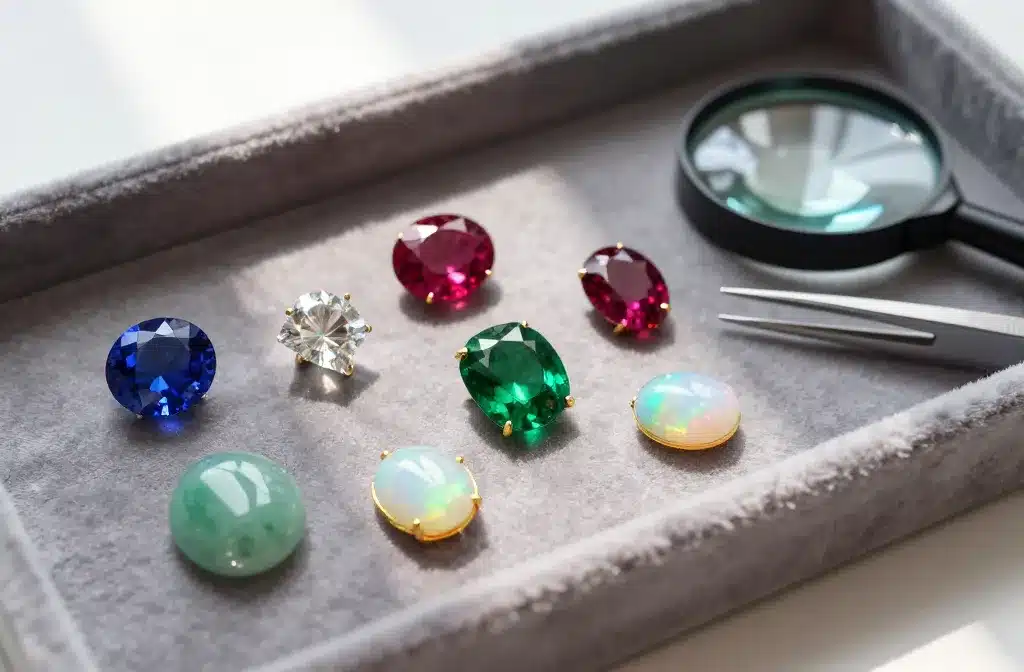
Gems feel alive. They shimmer differently in morning light, hold stories from deep inside the earth, and carry centuries of meaning on a single finger. That’s exactly why learning a little more about them transforms how you browse a showcase or choose a gift.
In this guide, you’ll pick up 25 clear, memorable gemstone facts—from durability and color science to treatments, pricing quirks, and smart buying tips. You’ll also learn how gemologists think about clarity, cut, and origin, plus how to keep your favorite pieces sparkling for decades.
Whether you’re building a collection or choosing a milestone ring, these insights help you see beyond the sparkle and make confident, joyful decisions.
Let’s open the jewel box.
1) Hardness Isn’t the Whole Story of Durability
Mohs hardness measures scratch resistance, not toughness. Diamond scores 10 but can still chip if hit along a cleavage plane. Jadeite, at about 6.5–7, is surprisingly tough because of its interlocking structure. For rings, you want both hardness and toughness; that’s why sapphire and ruby (corundum, 9 on Mohs with good toughness) are favorites for everyday wear.
2) Color Drives Value—But Saturation Rules
Gem dealers talk about hue, tone, and saturation. Hue is the basic color (blue, green, pink), tone is light to dark, and saturation is intensity. Most value sits in high saturation with a medium to medium-dark tone: think royal blue sapphire or vivid pigeon’s blood ruby. Too dark and the gem looks inky; too light and it looks washed out.
3) “Precious” vs “Semi-Precious” Is Old-School
Historically, diamond, ruby, sapphire, and emerald were called “precious.” Everything else was “semi-precious.” Today, a fine demantoid, alexandrite, or paraíba tourmaline can outprice many “precious” stones. Judge the gem, not the label. If you enjoy category deep dives, see related topics like Precious Gemstones and Semi-Precious Stones.
4) Origin Can Matter—But Only If the Stone Deserves It
A top-quality Ceylon sapphire or Burmese ruby can command a premium due to historical reputation and characteristic appearance. Still, origin alone won’t save a mediocre stone. Always prioritize quality—color, clarity, cut, and carat—then consider origin as icing on the cake.
5) Inclusions Are Clues, Not Flaws
Inclusions are internal fingerprints. Rutile silk in sapphire can create soft glow and even asterism (stars). Jardin in emerald is so typical that eye-clean emeralds are rare and prized. Under magnification, inclusions help with Gemstone Identification and can separate natural from synthetic.
6) Lab-Grown Gems Are Real Gemstones—Just Not Natural
Lab-grown rubies, sapphires, diamonds, and more share the same chemical composition and crystal structure as their natural counterparts. They are not imitations. They cost less because they’re more abundant and lack the mining premium. Full disclosure is key; reports from reputable labs remove doubt.
7) Heat Treatment Is Common—And Often Acceptable
Heat is used to improve color and clarity in sapphire, ruby, and aquamarine. It’s stable and permanent under normal wear. Diffusion, glass-filling, or dyeing are different stories—these can affect value and care. Always ask for treatments in writing; a good Gemstone Buying Guide will help you compare options.
8) Some Gems Change Color Like Mood Rings—Only Real
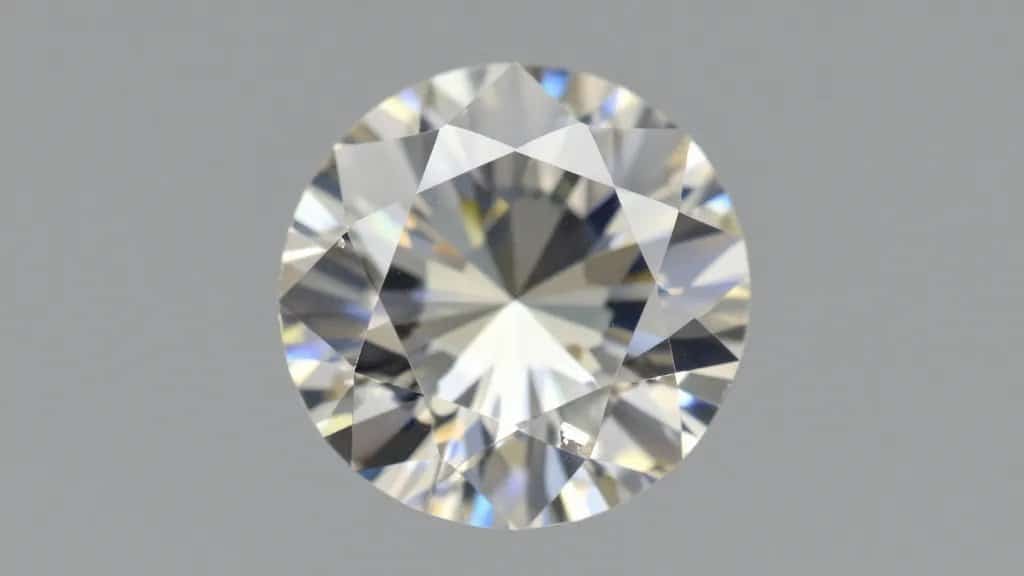
Alexandrite can shift from greenish in daylight to purplish-red under incandescent light, thanks to chromium and how the crystal absorbs wavelengths. Some garnets and sapphire varieties also show change, though usually less dramatic. Strong, clean shifts add significant value.
9) Phenomena Are Nature’s Magic Tricks
Chatoyancy (cat’s eye) occurs when parallel inclusions reflect a focused band of light. Asterism (stars) in sapphire or ruby show as four- or six-rayed stars under a point light. Play-of-color in opal arises from silica spheres diffracting light. These effects are mesmerizing and highly collectible.
10) Cut Is More Than Shape—It’s Light Performance
Shape is round, oval, pear. Cut describes how facets are arranged, their angles, and polish. A fine cut balances brightness, fire, and scintillation. In colored stones, cutters often optimize for color and weight, using native cuts or deep pavilions to saturate tone. When you shop, compare how stones “light up” from different angles. For a deeper look, see Gemstone Cuts and Gemstone Shapes.
11) Carat Weight Doesn’t Equal Face-Up Size
Two gems of the same carat can face up very differently. A deep sapphire may carry weight in the pavilion and look smaller from the top, while a shallow one faces up big but leaks light. Always ask for millimeter measurements alongside carat weight for accurate comparisons, especially in Gemstone Rings and Earrings.
12) Some Gems Are Too Soft for Daily Rings
Pearl (2.5–4.5 Mohs), opal (around 5.5–6.5), and amber (2–2.5) scratch easily. They work better in earrings and necklaces, or as occasional rings with protective settings like bezels and halos. If you love them daily, be mindful: remove before chores, workouts, and lotions.
13) Emerald’s Beauty Often Comes With Fractures
Most emeralds are oil-treated to minimize their natural fissures and improve clarity. This is widely accepted if disclosed. Harsh cleaners can remove the oil, altering the look. Warm soapy water is safest. Avoid ultrasonic and steam cleaners for oil-treated stones.
14) Blue Topaz Is Often Created in a Lab—By Irradiating Clear Topaz
To get that lively Swiss or London blue, colorless topaz is irradiated and then heat-treated. The treatment is stable and common. Be sure the seller discloses it. Natural blue topaz exists but is rare and typically much lighter.
15) Opal Isn’t Fragile—It’s Sensitive
Opal contains water, which gives it a slightly “velvety” luster. Rapid changes in temperature or very dry environments may cause crazing (tiny cracks). Store opal away from heat, avoid ultrasonic cleaning, and reserve for dress wear if you’re hard on your hands. Their play-of-color rewards the extra care.
16) Garnet Is a Family, Not a Single Stone
Almandine, pyrope, spessartine, grossular (including tsavorite), and andradite (including demantoid) are all garnets. Colors range from deep red to tangerine, grass green, and rare chrome green. Demantoid’s dispersion can rival diamond, throwing rainbow fire from a small stone.
17) Tanzanite’s Color Zoning Is Part of Its Allure
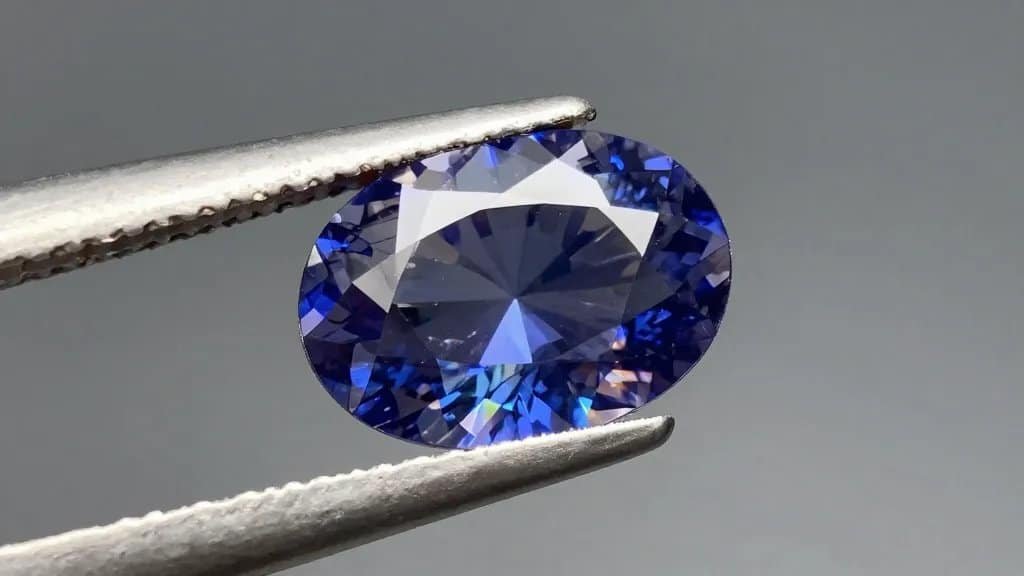
Tanzanite often shows pleochroism—blue, violet, and purplish-red flashes from different angles. Heat treatment enhances that saturated blue-violet many people love. It’s softer than sapphire (about 6–7 on Mohs) and has cleavage, so treat it gently in rings.
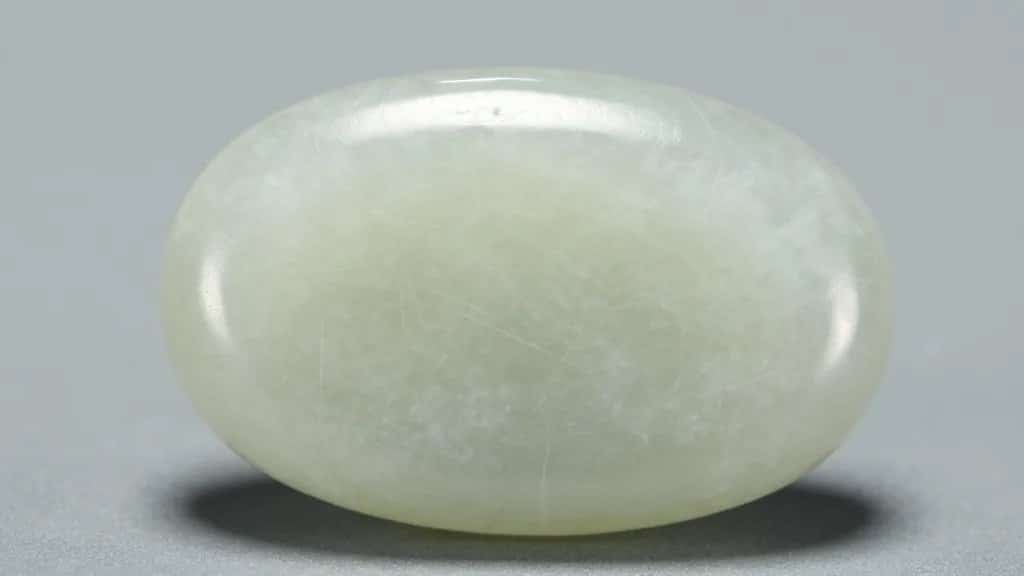
18) Jade Means Two Minerals: Jadeite and Nephrite
Jadeite is rarer and can achieve the world-famous imperial green. Nephrite is typically more common, creamy to spinach green, and extremely tough. For high-value jade, translucency and even, vivid color are key. Polished surfaces should feel smooth and “oily,” with a glassy luster on top material.
19) Pearl Quality Balances Luster, Surface, Shape, and Size
Luster—the sharpness of reflections—is king. A high-luster pearl has mirror-like brightness and depth. Surface cleanliness, roundness, and size follow in importance. South Sea and Tahitian pearls grow larger; Akoya pearls excel in luster. Store them away from dryness and wear them often—the skin’s natural moisture helps.
20) Sapphires Aren’t Just Blue
Padparadscha sapphire blends pink and orange like a tropical sunset. “Fancy” sapphires cover yellow, green, purple, and colorless. Even “parti” sapphires split colors within a single crystal. Non-blue sapphires often offer fantastic value for the look.
21) Spinel: The Royal Impostor Turned Star
Before modern testing, spinel masqueraded as ruby, even in royal crowns. Today, fine red, cobalt blue, and neon pink spinels are hot collector favorites. They’re durable (8 Mohs), often untreated, and brilliant—an excellent choice if you want rarity without the ruby price tag.
22) Not All “Green Emerald” Is Emerald
Green beryl is beryl like emerald, but without enough chromium or vanadium to qualify. It’s attractive but generally less valuable. Also watch for dyed green quartz or glass sold as “emerald-like.” Magnolia-green glass shows telltale bubbles and a softer surface compared with emerald’s brittle fracture and hexagonal crystal structure.
23) The Loupe Is Your Best Pocket Tool
A 10x triplet loupe reveals polish lines, inclusions, and chips. Look for symmetrical facets, crisp facet junctions, and a tidy girdle. You don’t need to be a pro; a quick peek can confirm condition and help you compare stones side by side. For further study, explore Gemstone Identification basics.
24) Certificates Aren’t All the Same
Gemological reports vary by lab and by gemstone. Diamonds have standardized grading systems; colored stones don’t. For high-value purchases, reputable labs (GIA, AGL, SSEF, Gübelin) can confirm species, treatments, and sometimes origin. Read what the report covers—no report can grade “beauty,” only measurable attributes.
25) Care Routines Preserve Brilliance
Most gems enjoy warm water, mild soap, and a soft brush. Avoid ultrasonic or steam on opal, emerald (oil-treated), tanzanite, pearl, and porous or fracture-filled stones. Store pieces separately to prevent scratching—diamond will mark almost anything. A gentle polish with a microfiber cloth before wearing makes a noticeable sparkle difference. For deeper routines, see Gemstone Care for stone-specific tips.
How Value Really Works: The Dance of the Four Cs (and Beyond)
The usual “Four Cs”—color, clarity, cut, carat—apply to colored stones, but color dominates, followed by cut, then clarity and carat. A vivid 1.2-carat sapphire may beat a dull 2-carat one in price and presence. Subtleties like fluorescence, pleochroism, and windowing (a see-through patch in the center) also influence beauty and value. A practical Gemstone Value Guide can help you translate these traits into market reality.
Spotting Fakes and Misleading Enhancements
Imitations mimic the look but not the composition: glass-filled ruby, synthetic spinel cabochons in vintage class rings, or paste “emeralds.” Watch for suspiciously perfect clarity in stones that normally show inclusions. Under a loupe, gas bubbles indicate glass; a flowy, swirled structure hints at assembled stones. If a price is “too good,” slow down and ask questions. When in doubt, buy from sellers who offer returns and independent lab reports.
Choosing the Right Gem for the Right Jewelry
For daily rings: sapphire, ruby, spinel, garnet (most varieties), chrysoberyl, and diamond hold up well. For dress rings and pendants: opal, tanzanite, tourmaline, and morganite shine with mindful wear. Earrings are the safest home for softer or more delicate stones. If you’re active, look for protective settings and consider low-profile cuts. For styling ideas, browse Gemstone Jewelry, Gemstone Necklaces, and Gemstone Bracelets.
Birthstones, Symbolism, and Sentiment
Birthstone Jewelry adds personal meaning—emerald for May, ruby for July, sapphire for September, and so on. Symbols often reflect cultural stories: sapphire for wisdom and loyalty, garnet for safe travel, pearl for purity, peridot for renewal. Wear the meaning you enjoy; there are no rules.
Collector Mindset: Rarity, Provenance, and Patience
Collectors chase uncommon colors, origins, and phenomena: paraíba tourmaline’s neon glow, Kashmir sapphire’s velvety blue, old-mine Colombian emeralds with classic jardin, and alexandrite with bold color change. Provenance—old collections, documented mines—adds interest. Patience pays: one exceptional stone beats a handful of average ones. If that speaks to you, explore Collector Gemstones and Rare Gemstones.
Buying Smarter: Practical Tips from the Bench
- Compare under different lights: daylight, office LEDs, and warm lamps. Some stones wilt under cool light.
- Ask for millimeter measurements, treatment disclosures, and return policies in writing.
- Try pieces on. Skin tone, hand shape, and finger size change how a color performs.
- Choose jewelers who welcome questions. A good seller will happily explain clarity characteristics and treatment stability.
- Set a budget for the stone and a separate budget for the setting—you can upgrade one later.
Care and Cleaning: Gentle Wins
Most grime is lotion and soap residue. A small bowl with warm water, a drop of mild dish soap, and a soft brush works wonders. Rinse thoroughly and pat dry. For porous stones (turquoise, lapis), just wipe with a damp cloth. Pearls need a soft cloth after each wear. Store pieces individually; even sapphires can scratch each other if tossed together.
FAQs
Which gemstones make the most durable everyday engagement rings?
Diamond, sapphire, and ruby are the top trio. Spinel and chrysoberyl are strong contenders if you want something a bit different with excellent wearability.
How do I know if a colored stone is treated?
Ask the seller directly and request it in writing. For higher-value pieces, independent lab reports are worth the cost.
Are lab-grown diamonds and sapphires good for fine jewelry?
Yes. They’re chemically identical to natural stones, durable, and often more affordable. Ensure clear disclosure so you know exactly what you’re buying.
What’s the safest way to clean my gemstone ring at home?
Warm water, mild soap, and a soft brush. Avoid ultrasonic and steam for opal, pearl, emerald (oil-treated), and fracture-filled stones.
Is origin worth paying extra for?
Only when the stone is already top quality and the origin is confidently documented by a respected lab.
What’s the main difference between imitation and synthetic gems?
Imitations only look like the gem (often glass or plastic). Synthetics are real gemstones grown in a lab with the same composition as natural stones.
Why do some stones look dull in certain lights?
Different light sources emphasize or mute colors and brilliance. Always evaluate gems in multiple lighting conditions before buying.
A Bright Finish
The more you learn, the more each gemstone reveals—color subtleties, light behavior, and the tiny internal worlds that prove a stone’s natural journey. Keep a loupe in your pocket, ask questions, and trust your eye. There’s real joy in choosing pieces that suit your life, your style, and your story.

Christian Grey is the creator of GemMeaning, where he shares simple insights about crystals, gemstone meanings, and spiritual guidance. His focus is on making complex ideas easy to understand and practical for everyday life.