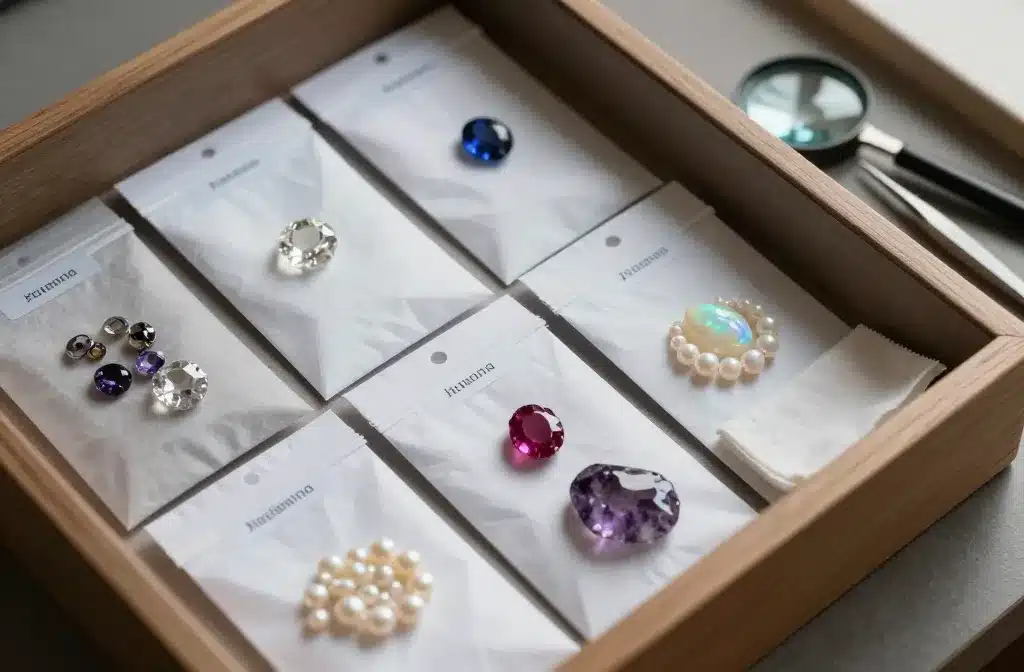
Gemstones look tough, but they’re not invincible. A diamond will shrug off most scratches yet chip if it meets the wrong edge. Opal can craze from dry air. Pearls wince at perfume. Good storage keeps beauty intact and value steady—whether you own a single heirloom ring or a tray of colorful cabochons.
Here you’ll learn how to set up safe storage for loose stones and jewelry, which materials protect (and which quietly harm), how to separate gems by hardness and chemistry, and how to control light, moisture, and temperature. You’ll also get simple routines used by working gemologists, plus specific notes for fragile and treated stones.
Expect hands-on tips: how to line a drawer, what to do with silica-gel packs, how to label parcels, and how to prepare gems for travel. The goal is straightforward—your stones should look as bright ten years from now as they do today.
Along the way, I’ll point out related topics you may enjoy, like Gemstone Hardness, Gemstone Care, and Gemstone Identification, so you can build a confident routine from purchase to display.
Know Your Gem: Hardness, Toughness, and Sensitivity
Before choosing a box, understand what you’re storing. Hardness (Mohs scale) measures scratch resistance, not overall durability. Diamond (10) resists scratching yet can cleave along crystal planes. Corundum—ruby and sapphire (9)—is sturdy daily-wear material. Quartz family stones (7) like amethyst and citrine are fairly resilient but will lose polish if jostled against harder gems. Softer beauties like turquoise (5–6), malachite (3.5–4), and pearls (2.5–4.5) demand extra padding and isolation.
Toughness refers to resistance to breakage. Jadeite and nephrite are famously tough; emerald is not, thanks to its fracturing nature and typical inclusions. Sensitivity also matters: opal dislikes rapid humidity changes; pearls can dehydrate and yellow; kunzite fades in strong light; topaz is prone to cleavage; tanzanite is brittle with temperature shocks.
Treatments affect care. Oil in emerald can dry out; heat-treated or diffusion-treated corundum is usually stable, but fracture-filled diamonds and lead-glass-filled rubies are vulnerable to heat and harsh chemicals. If you’re building a storage plan, start with a quick list of each gem’s Mohs hardness, treatment (if known), and special needs. A note card tucked into each compartment works wonders.
The Golden Rule: Separate by Hardness and Setting
Scratches happen when stones rub. A diamond rolling over a tray will carve delicate paths across softer neighbors. Keep harder stones apart from softer ones, and store jewelry so metal prongs and facets can’t scrape other pieces.
- Loose stones: Use individual gem papers, small polyethylene baggies, or plastic gem jars with foam. Label each with species, variety, size, and any treatment.
- Faceted vs. cabochon: Faceted stones have sharp girdles and pointed culets—separate them so edges don’t meet. Cabochons can scuff easily; give them cushioned slots.
- Jewelry: Assign each ring, pendant, and earring pair its own lined compartment. Avoid stacking. If space is tight, wrap each piece in acid-free tissue or soft, non-abrasive cloth before placing in a shared box.
- Pendant chains: Fasten clasps, coil gently, and slip the pendant in a micro-pouch so the gem doesn’t swing into other pieces.
Think of your storage like a gem showroom: every piece has a “parking space.” No traffic, no dings.
Choose Materials That Protect, Not Damage
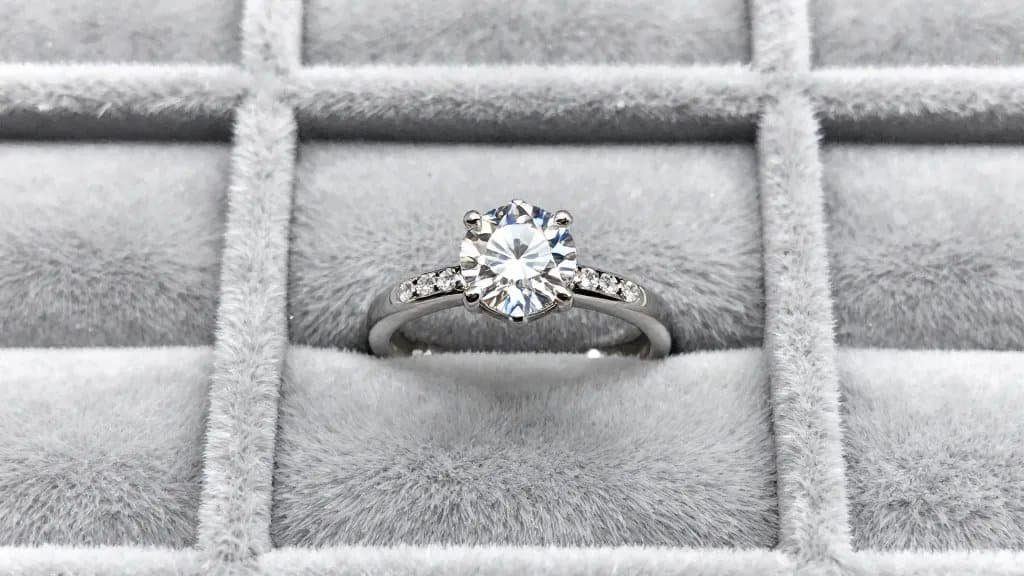
Not all boxes and pouches are created equal. Some materials quietly off-gas acids, trap moisture, or shed abrasive fibers.
- Safe linings: Microfiber, suede-like cloth, natural silk liners, and archival-quality acid-free tissue protect polished surfaces. High-density foam inserts in gem jars are good for faceted stones.
- Avoid: Rough wool, low-grade felt, and paper with lignin (it can acidify). Skip vinyl pouches; PVC can release hydrochloric acid over time. If you smell a strong “plastic” odor, pass.
- Desiccants: Silica gel packs regulate moisture. Use rechargeable ones (color-indicating beads are handy). Replace or recharge seasonally.
- Anti-tarnish strips: Useful for silver jewelry with gemstones. Keep strips away from porous stones like opal and turquoise; place them elsewhere in the box so gases don’t concentrate on the gem.
- Archival boxes: For long-term storage, choose inert plastics (polyethylene, polypropylene) or acid-free cardboard boxes. Label clearly on the outside to minimize rummaging.
For collections, a drawer system with modular trays is ideal. Look for trays with removable, padded compartments; line them with non-abrasive cloth; and reserve a few “deep” slots for chunkier bracelets and brooches.
Control the Environment: Light, Heat, and Humidity
Gemstones enjoy steady conditions. Sudden swings in temperature or humidity stress certain minerals, and strong light fades others.
- Light: Prolonged UV exposure can lighten kunzite, smoky quartz, some colored topaz, and certain dyed or coated stones. Store them in closed drawers or opaque gem jars. Diamonds, sapphires, and rubies are generally stable, but jewelry settings and organic materials (like coral) prefer indirect light.
- Heat: Keep gems away from heating vents, dashboards, and sunny windowsills. Heat can expand metal settings and loosen stones; fracture-filled gems may suffer.
- Humidity: Aim for moderate humidity (around 45–55%). Pearls appreciate ambient moisture; opals benefit from stable humidity but don’t need to soak. In arid climates, place a small humidity buffer—a clean dampened cotton ball sealed in a separate ventilated container within the drawer—never in direct contact with stones.
If you live in a coastal or very dry region, a small cabinet dehumidifier or a humidity-control box with rechargeable packs gives you reliable stability year-round.
Special Cases: How to Store the Most Sensitive Gems
Some stones come with fine print. Here’s how to respect their quirks without turning storage into a science project.
- Opal: Store in a padded, closed container away from strong light and drafts. Keep humidity steady. A soft pouch in a lined box is perfect; avoid airtight desiccation in very dry homes.
- Pearl: Think “gentle and breathable.” Use silk or soft cloth pouches in a shaded drawer. Lay necklaces flat so string isn’t stressed. Keep them away from cosmetics and perfume residues; wipe gently before storing.
- Turquoise and Lapis Lazuli: Porous stones that can absorb oils. Wrap individually in acid-free tissue or soft cloth. Avoid anti-tarnish chemicals touching the stones.
- Kunzite, Morganite, and Some Treated Topaz: Light sensitive. Store in opaque containers or closed drawers, individually wrapped.
- Emerald (oiled): Cushion each piece and avoid desiccants directly near the stone. Keep temperature steady. Label as “oiled” so future cleanings and appraisals are careful.
- Tanzanite and Topaz (cleavage-prone): Prevent knocks. Rigid gem jars or snug compartments stop movement.
- Amber and Coral (organics): Protect from dryness and heat. Use soft pouches, away from direct light and from substances that can craze or dull surfaces.
If you’re unsure about a stone’s sensitivity, a quick look at Gemstone Hardness and Gemstone Care references can guide how much padding, separation, and light control you need.
Storing Loose Stones Like a Pro
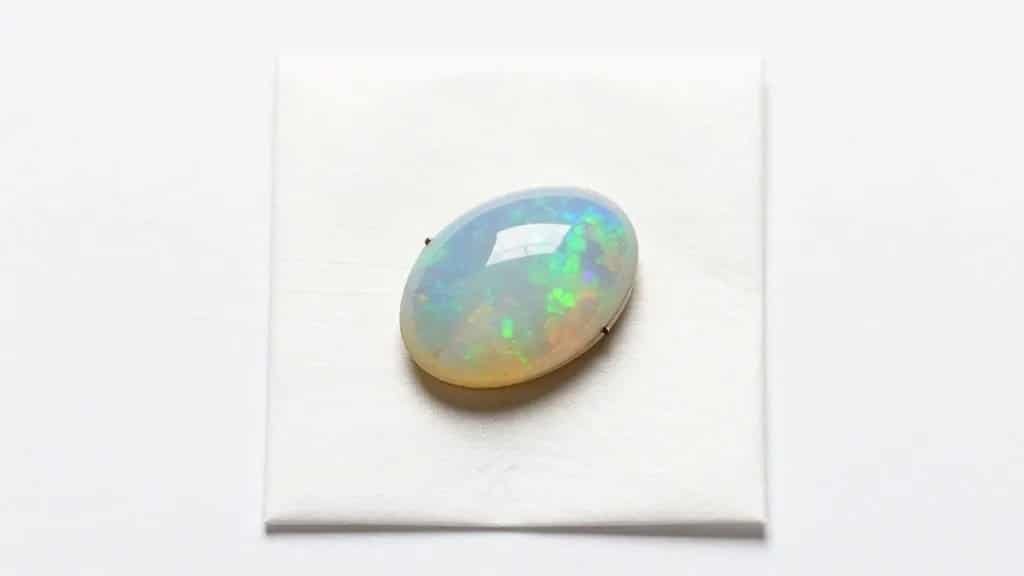
Loose gems deserve the same attention jewelers give them behind the counter. Proper handling keeps facet edges crisp and tables mirror-smooth.
- Clean first: A gentle wipe removes skin oils and grit that could abrade during storage. Avoid soaking fragile or filled stones; use a soft, dry cloth or barely damp microfiber followed by a dry wipe.
- Use gem papers: Fold stones in acid-free gem papers, facet-to-facet is fine only if stones are similar hardness and there’s a protective layer between. Better yet, one stone per paper.
- Jar the showpieces: For high-value or delicate cuts (hearts, marquises), use plastic gem jars with foam. Seat the stone with the table up and snug foam so it can’t rattle.
- Label thoroughly: Species, variety, carat weight, measurements, origin (if known), and treatments. Add purchase date and vendor. Good records help with insurance and resale.
- Tray organization: Arrange by species and hardness, then by color. This reduces mix-ups and makes Gemstone Identification quicker when you revisit the collection.
For parcels of small stones—melee diamonds, tiny sapphires—store by size in lidded compartment boxes. Put a soft liner at the bottom to prevent micro-chipping.
Jewelry Storage That Prevents Wear
Gemstone jewelry introduces metal, prongs, and moving parts. A thoughtful layout keeps sparkle high and repairs rare.
- Compartmented boxes: One slot per piece. Rings upright in ring rolls, earrings paired in small, lined cups, pendants flat with chains clasped and coiled.
- Travel cases: Choose rigid cases with padded walls. Use individual pouches inside so pieces don’t kiss each other mid-flight. Keep cleavage-prone gems (topaz, tanzanite) in the center where shocks are lowest.
- Hanging storage: Not for gemstone jewelry. Swinging motion equals hairline scuffs. If you love organizers, place pouches on hooks rather than bare pieces.
- Regular rotation: If you wear a favorite ring daily, give it rest days in its compartment to limit micro-abrasion. A quick microfiber wipe before storage preserves polish.
- Security: For higher-value pieces, a small home safe with desiccant and a padded interior is wise. Avoid velvet-lined safes that shed or trap moisture unless you add humidity control.
Stud earrings benefit from silicone or wide metal backs that distribute pressure in storage trays; they won’t wobble and scratch neighboring pieces.
Climate Hacks for Small Spaces
Not everyone has a gem room. If you live in a compact apartment, you can still create a stable micro-environment.
- Layered shoebox method: Place a small, lidded box of desiccant inside a larger, lined box. Store pouches around the inner box. This buffers humidity swings without over-drying sensitive stones. Rotate the desiccant as seasons change.
- Drawers over countertops: Bathrooms and kitchens fluctuate wildly. A bedroom dresser drawer, padded and lined, is usually calmer.
- Opaque pouches in decorative boxes: Attractive and practical. Just choose inert materials and add a humidity card so you can spot-check conditions.
- Seasonal checkups: After winter heating or summer humidity, inspect opals, pearls, and emeralds first. A quick look prevents surprises.
Documentation, Identification, and Value
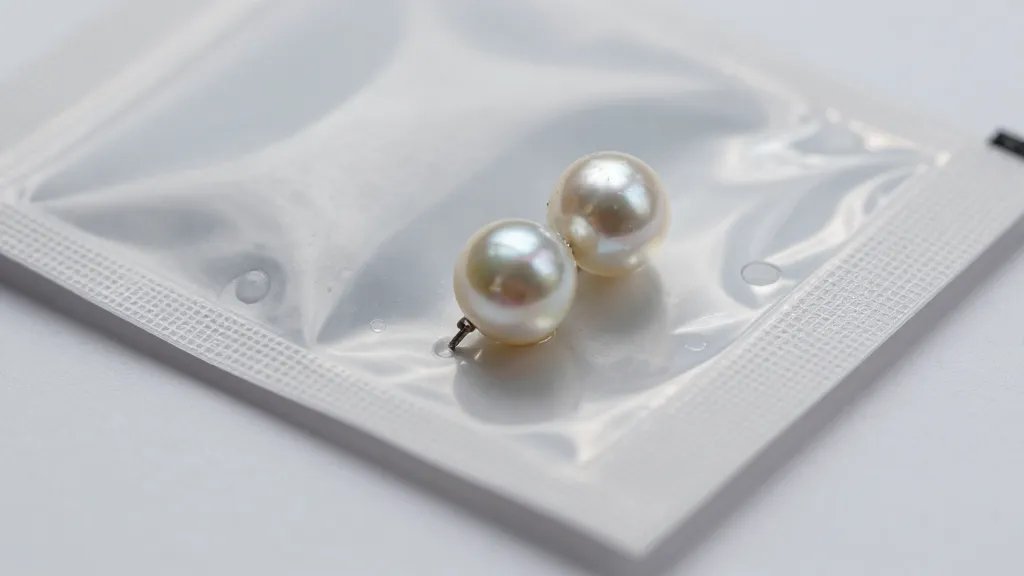
Storage isn’t just physical. Good paperwork protects value and tells your collection’s story.
- Certificates and appraisals: Keep lab reports and appraisals in a separate file or digital vault. Add a snapshot of each item. Cross-reference report numbers on compartment labels.
- Treatment notes: Record heat, oil, dye, fracture-fill, or coating. It informs how you store and clean, and it matters for the Gemstone Value Guide and any Gemstone Buying Guide decisions.
- Inventory list: A simple spreadsheet—item, location, condition, dates of cleanings or stringing (for pearls). If you ever sell or insure, you’ll be grateful.
If you enjoy comparison shopping or curating, pairing your storage system with Gemstone Comparisons and Gemstone Cuts information can help you group like with like and spot missing pieces at a glance.
Cleaning Before Storing: What to Do and What to Avoid
Clean gems sparkle longer in storage and are less likely to suffer from residues that attract dust. But cleaning mistakes can undo careful storage.
- Safe universal method: Lukewarm water, a drop of mild dish soap, and a very soft brush. Rinse and pat dry with lint-free cloth. Let pieces air-dry fully before boxing.
- Avoid for fragile or treated gems: Ultrasonic and steam cleaners can damage opal, emerald (oiled), tanzanite, topaz (especially coated), and fracture-filled stones. Pearls prefer just a soft damp cloth—no soaking.
- Metal matters: Silver dips can harm porous stones. If you must use anti-tarnish methods, remove the gemstone or protect it completely—and consider professional cleaning.
Storing a damp piece invites tarnish and trapped moisture. Give cleaned jewelry an hour to dry before it returns to its compartment.
Red Flags and Common Storage Mistakes
Skip these pitfalls and you’ll avoid 90% of preventable wear.
- Mixing all gems together in a single pouch or dish.
- Using cotton balls that shed fibers and hold moisture against surfaces.
- Leaving pieces on windowsills or near radiators “for display.”
- Keeping pearls sealed long-term with strong desiccants; they need a bit of ambient humidity.
- Storing jewelry dirty; skin oils and grit create micro-abrasion.
- Using PVC plastics or old foam that crumbles and scratches.
- Overlooking labeling—future you won’t remember which green is tsavorite and which is chrome diopside.
Simple Maintenance Routine
A light, consistent routine beats heroic rescues.
- Weekly: Quick visual check of daily-wear items. Wipe with microfiber before storage.
- Monthly: Inspect prongs and clasps; look for play in stones. Replace or recharge desiccants.
- Seasonally: Condition check on opals, pearls, emeralds, and anything with known treatments. Update inventory notes.
- Yearly: Professional inspection for high-value gemstone rings and bracelets. Consider re-stringing pearls every 1–2 years if worn often.
These habits keep gemstones bright and help you catch small issues before they become repairs.
FAQs
Can I store different gemstones in the same box?
Yes—if each piece is in its own padded compartment or pouch. Separate by hardness so harder stones can’t contact softer ones, and keep faceted edges from touching other items.
Do gemstones need air, or should I use airtight containers?
Most minerals don’t “need” air. Airtight is fine for stable stones if humidity is controlled. Avoid bone-dry airtight storage for pearls and opals; they prefer moderate, steady humidity.
Is a safe deposit box good for gemstone storage?
It’s excellent for security but can be very dry. Use padded containers and consider placing moisture buffers for pearls and opals. Schedule occasional checks.
How do I store a pearl necklace long-term?
Lay it flat in a silk-lined compartment or soft pouch. Keep it away from heat and strong desiccants. Wipe gently after wear and re-string periodically with knots between pearls.
Should I leave silica gel packs with all my gems?
Use them to stabilize humidity, not to desiccate. Recharge or replace regularly. Keep sensitive, moisture-loving gems slightly separated from strong desiccants.
Is it safe to display gemstones on open shelves?
Short-term display is fine away from sun and dust, but long-term exposure risks fading, grime, and knocks. Rotate displays and return pieces to protected storage.
How can I tell if my gem is treated and needs special storage?
Check purchase documents or seek a lab report. If uncertain, treat vivid emeralds, heavily included diamonds, and unusually bright rubies or sapphires as potentially treated and store gently until confirmed.
Wrap-Up: A Home Where Gems Stay Gorgeous
Store gemstones the right way by giving each piece a soft, separate space, controlling light and humidity, and matching care to the gem’s hardness and quirks. A few thoughtful tools—archival papers, padded compartments, silica packs, and clear labels—turn a box into a protective habitat. Do that, and your collection’s color, polish, and sparkle will keep lighting up your day every time you open the drawer.

Christian Grey is the creator of GemMeaning, where he shares simple insights about crystals, gemstone meanings, and spiritual guidance. His focus is on making complex ideas easy to understand and practical for everyday life.