A clean gemstone catches light differently. Dust softens the sparkle, oils mute color, and tiny films build up until even a fine sapphire starts to look tired. Cleaning isn’t just about shine—it’s about preserving the stone, the setting, and your enjoyment each time you fasten a clasp or catch a flash of fire in a shop window.
Here you’ll learn how often gemstone jewelry should be cleaned, why some pieces need more attention than others, and what methods are safe by stone type. I’ll also share pro tips for daily habits that keep grime from ever getting a foothold, plus simple schedules you can follow without fuss.
We’ll cover durability and the Mohs hardness scale in plain language, how treatments affect cleaning, and which gemstones should never meet harsh chemicals or ultrasonic machines. By the end, you’ll know exactly what your ruby ring or opal pendant needs—no guesswork, no stress.
Bring your favorite pieces to mind as you read; small, consistent care makes a surprising difference in how they look and how long they last.
How Frequently Should You Clean Gemstone Jewelry?
There’s no single answer because jewelry lives different lives. A daily-worn diamond solitaire meets lotions and hand soap all day, while a garnet necklace leaves the box for special occasions. As a rule of thumb:
- Daily wear pieces (rings, bracelets, studs): quick clean weekly; deeper clean monthly.
- Occasional wear pieces (pendants, drop earrings, dress rings): quick clean after each wear or monthly, whichever comes first.
- Heirloom or delicate stones (opal, emerald with fillers, tanzanite, pearls in gemstone mixes): gentle wipe after wear; deep clean every 1–3 months by hand only.
Plan on a professional check and clean once or twice a year for any piece you love. Jewelers remove compacted grit behind settings and check prongs for wear—especially useful for frequently worn rings that see the most knocks.
Why Some Stones Need More (or Less) Cleaning
Two factors decide cleaning rhythm: the gem’s durability and how you wear it.
- Hardness (Mohs Scale): Harder stones like diamond (10), ruby and sapphire (9) resist scratching and can handle more frequent, thorough cleaning. Softer gems like opal (5.5–6.5), turquoise (5–6), and fluorite (4) are easily abraded and need extra gentleness.
- Toughness and structure: Some stones have cleavage or layered structures that dislike sudden temperature changes or ultrasonic vibration (tanzanite, topaz). Others contain natural fissures or fillers (emerald) that can be disturbed by chemicals.
- Surface character: Porous or microcrystalline stones (turquoise, lapis, jadeite to a degree) absorb oils and can darken, prompting more frequent—but very careful—cleaning.
- Setting exposure: Rings and bracelets collect the most grime. Pendant backs also gather skin oils. Earrings trap hairspray and sebum; they clean up dramatically with consistent care.
Match your cleaning schedule to the “dirtiest” part of your routine: hand creams, gym sweat, sunscreen, gardening, cooking. If you use heavy lotion, even a diamond ring benefits from a weekly sudsy soak.
The Safe, Simple Routine Most Jewelry Loves
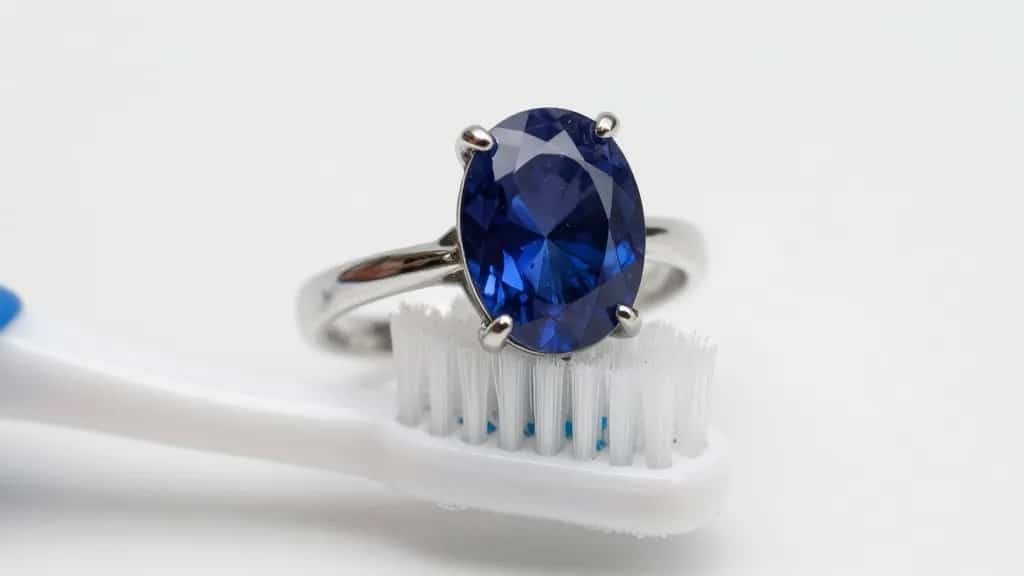
For many gems, a mild method used regularly beats dramatic deep cleans. Here is a baseline routine for sturdy stones like diamond, sapphire, ruby, spinel, garnet, chrysoberyl, and many quartzes (amethyst, citrine, smoky quartz):
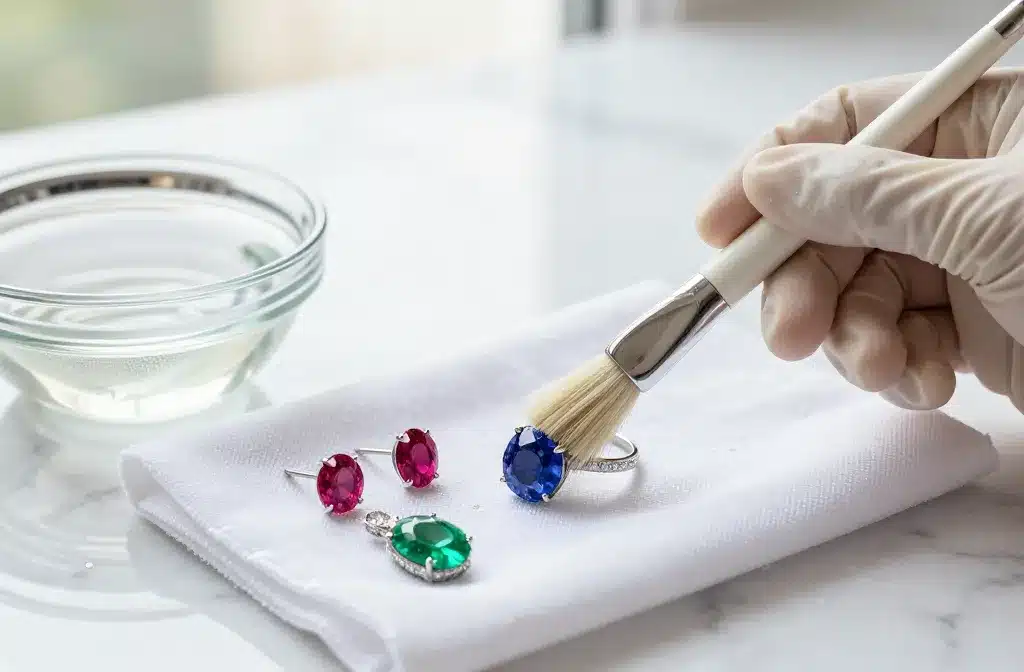
- Prepare a bowl of lukewarm water with a few drops of gentle dish soap. Avoid anything with moisturizers or abrasives.
- Soak for 10–15 minutes to loosen oils. If the piece is very dirty, refresh the solution and repeat.
- Brush lightly with a soft, new toothbrush. Focus on the underside of settings where grime hides.
- Rinse under lukewarm running water using a fine-mesh strainer so nothing goes down the drain.
- Dry with a lint-free cloth. Let prongs and crevices air-dry on a soft towel.
Frequency: Weekly for daily-wear rings and studs; monthly for occasional pieces. This keeps brilliance high and reduces the need for harsher methods.
Stones That Need Special Care—and How Often to Clean Them
Certain gems prefer a gentler hand. Adjust your schedule and method accordingly.
- Emerald (often oil/resin treated; Mohs ~7.5–8): Wipe after each wear. Hand-clean monthly with mild, lukewarm soapy water; minimal soak time. No ultrasonic or steam—these can draw out fillers or widen fissures.
- Opal (hydrated silica; 5.5–6.5): Wipe after wear. Quick, tepid soapy rinse monthly; do not soak for long. Avoid extremes of heat, dryness, and ultrasonic. Doublets/triplets need extra caution—keep water exposure brief.
- Turquoise (porous; often stabilized): Wipe after wear. Avoid soaks, chemicals, or ultrasonic. If grime builds, a slightly damp cloth with mild soap, then immediately dry. Limit cleaning frequency to protect surface treatments.
- Pearl-in-gem combinations (e.g., pearl accents in a gemstone ring): Treat as pearls—wipe after wear; rarely immerse. Keep perfumes and hairspray away. Professional clean yearly.
- Tanzanite and Topaz (cleavage; Mohs 6–8): Gentle hand-clean monthly. Avoid ultrasonic or sudden temperature shifts.
- Lapis, Malachite, Azurite (porous, often dyed or waxed): Wipe with dry or barely damp cloth after wear. Avoid soaking. Clean sparingly, perhaps every 1–3 months.
- Amber and Coral (soft, organic): Wipe after wear. If needed, brief lukewarm soapy rinse, no soaking; dry immediately.
- Jadeite/Nephrite (tough, sometimes polymer-treated): Wipe after wear. Monthly mild soapy clean is fine; avoid harsh chemicals and hot steam if treatment is unknown.
When in doubt, the safer path is a quick wipe after wear and a conservative monthly clean by hand. Save ultrasonic or steam for untreated, durable stones only, and only when grime is truly stubborn.
Ultrasonic and Steam Cleaners: When They Help and When to Skip
Ultrasonic baths dislodge grime from settings with high-frequency vibration; steam jets blast residues from tight corners. They’re excellent for hard, untreated stones but risky for many others.
Generally Safe (check settings first): diamond, ruby, sapphire, spinel, chrysoberyl, moissanite, and many untreated quartzes. Frequency: every 1–3 months for heavy-use rings.
Often Unsafe or Conditional:
- Emerald (oiled/resin-filled): avoid.
- Opal, turquoise, lapis, malachite: avoid.
- Tanzanite, topaz, kunzite: avoid due to cleavage.
- Fracture-filled diamonds or heat-sensitive stones: avoid.
If you’re not sure your stone is untreated, assume it’s not suited for ultrasonic or steam. A jeweler can advise; a quick mention while discussing Gemstone Identification or a routine Gemstone Care check is worth the minute.
How Dirt Actually Dims Gemstones
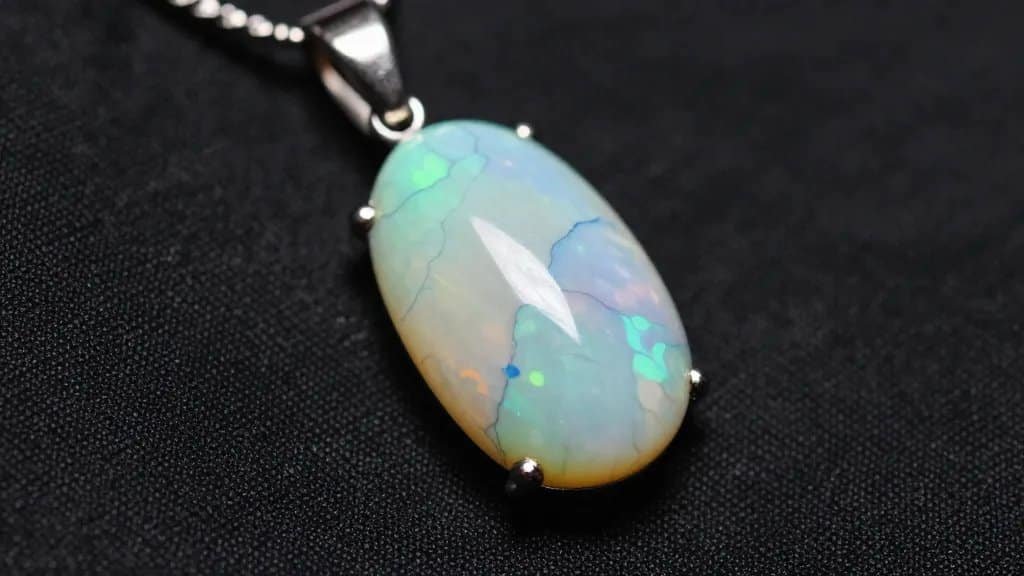
Grime isn’t just unsightly—it changes how light behaves inside the stone. Transparent gems sparkle because light enters through the crown, bounces off internal facets, then returns to your eye. A film of oil on the pavilion (underside) acts like a dimmer switch:
- Oils flatten brilliance: a thin smear reduces contrast between light and dark facets, dulling the dance of light.
- Lotions and soap residue scatter light: microfilms create haze that mutes color saturation, especially noticeable in blue sapphires and deep green tourmalines.
- Dust causes micro-abrasion: on softer stones, embedded grit can create a fine matte look over time, even without obvious scratches.
This is why a ring looks sluggish after a beach day—sunscreen plus sand is a sparkle thief. A weekly clean reverses the effect before it becomes stubborn.
Treatment Matters: Tailoring Your Cleaning Schedule
Many gemstones receive common treatments that improve appearance. Cleaning frequency is tied to how these treatments hold up.
- Oiling/Resin filling (Emerald, some rubies): keeps fissures less visible. Too-frequent hot water, steam, or chemicals can leach filler. Clean gently and less often—monthly is usually plenty.
- Heat treatment (Sapphire, Ruby, Aquamarine): generally stable. Normal weekly-to-monthly cleaning is fine.
- Diffusion (some sapphires): surface-altered; safe for mild soapy cleaning. Avoid aggressive polishing at home.
- Dyeing (Lapis, Chalcedony, Agate): surface vulnerable. Clean with damp cloth sparingly, not weekly immersion.
- Stabilization (Turquoise): adds durability but still avoid chemicals and long soaks. Infrequent, gentle cleaning preserves luster.
If you bought the gem new, your receipt or appraisal may note treatments. If not, ask a jeweler during your next periodic check. Aligning cleaning habits with treatments not only preserves the look but also the Gemstone Value Guide considerations for collectors.
Weekly, Monthly, and Yearly Schedules You Can Actually Keep
Think simple routines, not chores.
- Weekly: For your daily ring and studs, a lukewarm soapy soak and soft brush. Takes five minutes. Skip if you had a low-contact week, but aim for regularity.
- Monthly: Inspect prongs and backs with a bright light. Do a full hand clean for all pieces worn in the last month, including pendants and drop earrings.
- Quarterly to Semiannual: Professional clean and inspection for ring settings, especially pavé and prong-heavy designs. Ask about retightening stones and checking for hidden chips.
- Event-based: After heavy sunscreen days, beach trips, gardening, gym sessions, or cooking marathons, give pieces a same-day clean.
If you maintain this cadence, you rarely need aggressive methods and your jewelry will look consistently “fresh from the case.”
Real vs. Fake: Does Cleaning Frequency Differ?
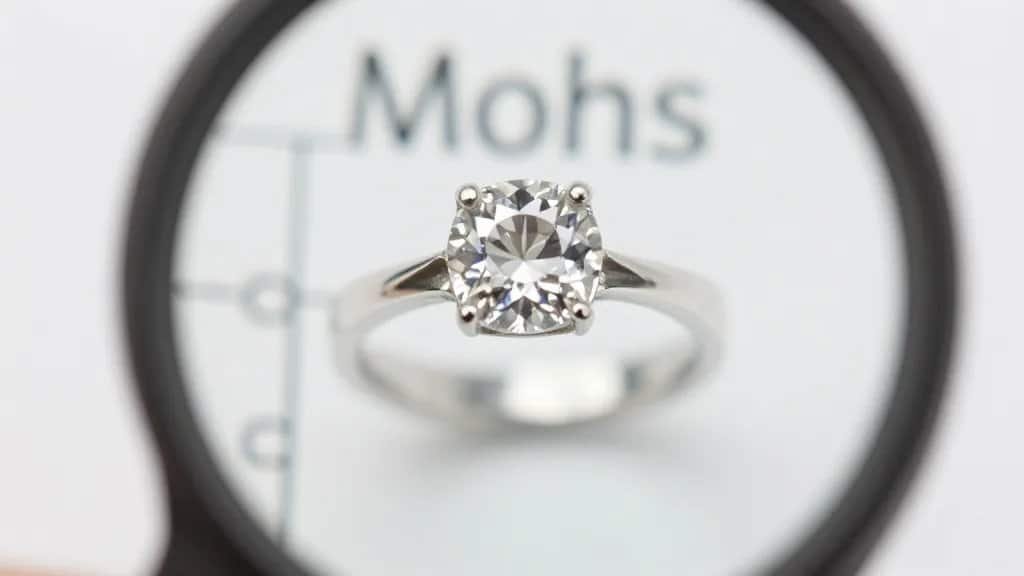
Simulants like cubic zirconia (CZ) and glass cloud quickly with body oils; they often benefit from more frequent quick cleans—sometimes after each wear. Lab-grown gemstones (lab diamond, lab sapphire, etc.) are chemically identical to their natural counterparts, so follow the same rules as for the natural stone. For treated simulants or foil-backed stones in vintage pieces, avoid soaking; a gentle wipe preserves the backing.
If you’re unsure what you own, a brief consultation or learning the basics in a Gemstone Identification session will save you from accidental damage and help set the right cleaning rhythm.
Practical Habits That Reduce Cleaning Needs
- Put jewelry on last: after lotions, perfume, hairspray. Take it off first at night.
- Rinse after the day: a quick lukewarm rinse and pat-dry on high-use pieces prevents buildup.
- Keep a soft brush and mild soap nearby: a tiny kit encourages those five-minute weekly cleans.
- Store separately: diamonds and sapphires can scratch softer neighbors. Individual pouches or compartments help preserve polish.
- Remove for tasks: sports, gardening, kitchen prep, and swimming. Chlorine and salt are enemies of both metal and some stones.
These small habits are as important as any scheduled clean and they protect both Gemstone Rings and more delicate Gemstone Necklaces from unnecessary wear.
Appearance Cues: How to Tell It’s Time
Don’t rely only on the calendar. Your eyes will tell you when to clean:
- Dulled sparkle: facets look gray instead of flashing.
- Muted color: stones lose saturation, especially noticeable in vibrant blues and greens.
- Hazy or filmy look: a veil across the stone, often from soap residue.
- Grit behind the stone: visible debris under open galleries of ring heads.
- Sticky feel: earrings that collect lint or hair.
If any of these appear, give the piece a gentle clean, even if it’s ahead of schedule.
Buying Advice with Cleaning in Mind
If you’re selecting a piece you plan to wear frequently, consider how it will behave in real life:
- Choose durable species: diamonds, sapphires, rubies, spinels, and chrysoberyl handle frequent cleaning and daily wear well.
- Favor protective settings: bezels and low-set stones trap less grime than high-tipped prongs and are easier to clean.
- Confirm treatments: ask before buying emeralds, opals, and turquoise. Your cleaning schedule and method depend on this.
- Think color fastness: dyed stones may need kid-glove care. If you want low maintenance, pick naturally vivid stones or those with stable treatments.
This perspective also helps when comparing pieces across Gemstone Cuts and Gemstone Shapes. Fancy cuts with deep pavilions can hide more residue; simple cuts are easier to brush clean.
FAQ
Can I use toothpaste to clean gemstone jewelry?
No. Toothpaste contains abrasives that can scratch metals and softer stones. Stick to mild dish soap and a soft brush.
How often should I clean diamond earrings I wear daily?
A quick weekly soapy clean keeps them bright, with a deeper monthly clean and a professional check once or twice a year.
Is vinegar or ammonia safe for gemstones?
Only for certain hard, untreated stones—and sparingly. Acidic or alkaline cleaners can damage porous or treated gems. Soap and water is the safer default.
Do I need to dry jewelry after rinsing?
Yes. Pat dry with a lint-free cloth and let crevices air-dry. Trapped moisture can dull the look and encourage tarnish on metals.
How do I clean an opal doublet or triplet?
Wipe with a barely damp cloth and dry immediately. Avoid soaking; water can seep into the layers and cause fogging.
What if I don’t know which gemstone I have?
Err on the gentle side: wipe after wear and do a brief lukewarm soapy rinse monthly. Seek a jeweler’s ID or consult a Gemstone Buying Guide or Gemstone Identification resource.
Can ultrasonic cleaning loosen stones?
If a setting is worn or prongs are weak, yes. Have settings checked regularly, and avoid ultrasonic for delicate or treated gems.
Conclusion
Set a realistic rhythm: quick weekly cleans for daily pieces, monthly attention for the rest, and a jeweler’s check once or twice a year. Adjust for delicate or treated stones, and let your eyes guide you when sparkle dips. A few consistent habits keep gemstone jewelry lively and luminous, just as the cutter intended.

Christian Grey is the creator of GemMeaning, where he shares simple insights about crystals, gemstone meanings, and spiritual guidance. His focus is on making complex ideas easy to understand and practical for everyday life.