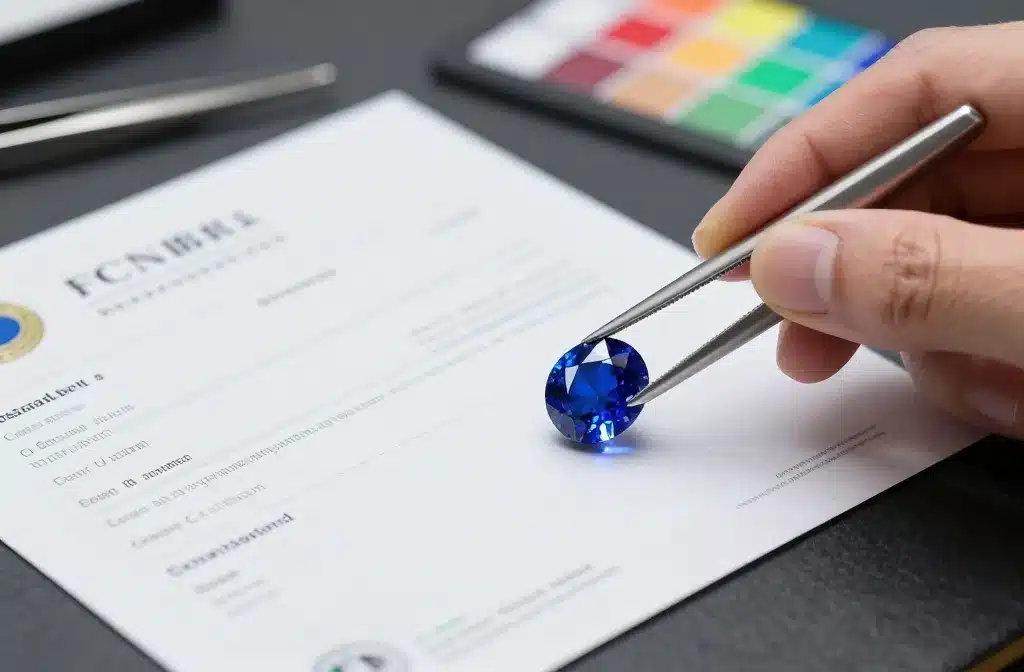
That crisp paper tucked into a jewelry box can feel mysterious—columns of numbers, lab names, and jargon. Yet a gemstone certificate is your clearest window into what you’re buying. It tells the story of a stone’s identity, quality, and journey, in a language labs and dealers trust.
By the end of this guide, you’ll be able to read a certificate line by line, understand the subtle hints hidden in comments, and spot which details truly move value. You’ll also learn how treatments are disclosed, what origin means, and how to match a report to the stone in your hand.
Expect plenty of practical pointers, a few collector’s notes, and real-world comparisons. The aim is simple: help you feel confident the next time a seller slides a report across the counter—or into your inbox.
What a Gemstone Certificate Actually Is
A gemstone certificate—often called a report—is an independent lab’s opinion on a stone’s identity and characteristics. Think of it as a lab-tested biography, not a sales pitch. It doesn’t assign a price; it documents facts that affect price. The most recognized labs for colored stones include GIA, AGL, Gübelin, SSEF, and GRS; for diamonds, GIA and IGI are common. Each lab has its own layout, but the core information overlaps.
Two big categories of reports exist: identification reports (what is it, has it been treated?) and grading reports (how good is it on specific scales like color, clarity, and cut). With colored stones, grading language varies by lab, while treatment disclosure and species identification are standard. For diamonds, grading is codified—color and clarity grades follow narrow definitions.
Start at the Top: Lab, Report Number, and Stone Identity
Every reading begins with the header: the lab name, report number, and date. The lab’s reputation matters—it influences buyer confidence and resale potential. The report number is the ID tag you’ll use to verify the document on the lab’s website. If the lab offers a QR code or online lookup, use it to confirm the stone’s data matches what you’ve been sent.
Next comes identity: species and variety. Species describes the mineral (corundum), while variety names the gem you know (ruby or sapphire). Expect entries like “Beryl (Variety: Emerald),” “Corundum (Variety: Sapphire),” or “Quartz (Variety: Amethyst).” For uncommon finds, the wording might read simply “Natural Spinel” or “Natural Chrysoberyl.” Synthetic or imitation materials will be plainly stated—“Laboratory-Grown Corundum” or “Glass Imitation.” If the certificate says “natural,” that refers to origin of formation, not country of origin.
Weights, Measurements, and Shape: Numbers That Must Match
Carat weight should be exact to at least two decimals for colored stones and three for diamonds. Measurements usually list length × width × depth in millimeters, plus shape and cutting style: oval mixed cut, emerald cut, round brilliant, cabochon, or sugarloaf. Take your stone and measure it with a caliper; the size should agree within normal tolerances. A mismatch can mean you’re comparing the wrong report or the stone was re-cut after certification.
Proportions affect beauty and wearability. A 9 × 7 mm oval sapphire that’s extremely deep may face up smaller but show richer color; a shallow stone looks bigger but can window (a see-through patch in the center). If you enjoy learning how proportions change sparkle and spread, explore Gemstone Cuts and Gemstone Shapes for a friendly primer.
Color, Transparency, and Clarity: Where the Eye Meets the Lab
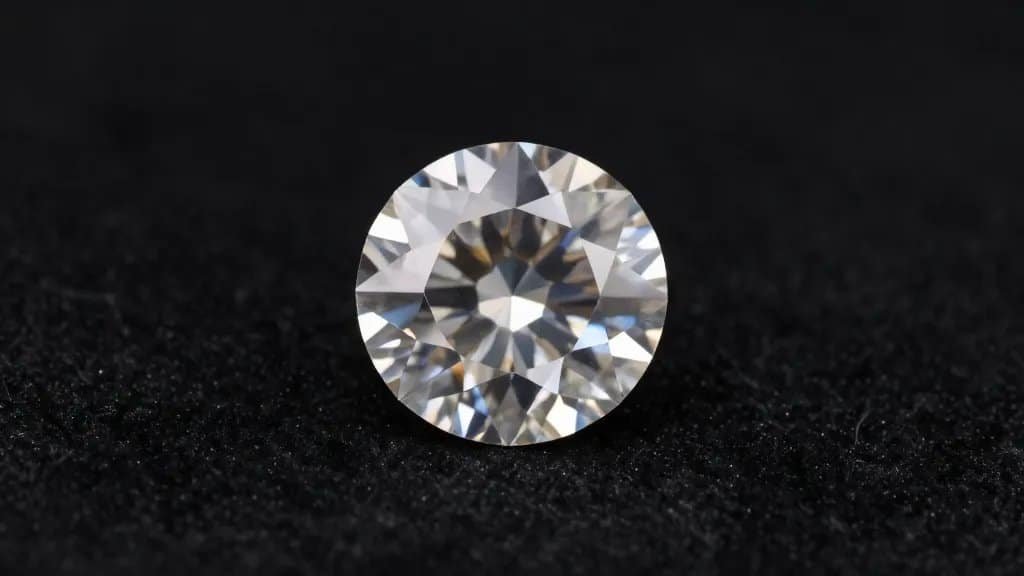
Color is king for colored stones. Most labs describe it in terms like “vivid blue,” “strongly greenish blue,” or with a coded scale (AGL uses quality tiers; GRS may use terms like “Royal Blue”). You’re looking for words that match what you see—hue (blue with green or violet modifiers), tone (light to dark), and saturation (weak to vivid). A prized sapphire often sits in the medium to medium-dark tone with vivid saturation, glowing like twilight with crisp flashes when rocked under light.
Transparency ranges from transparent and translucent to opaque. Emerald, for example, is often moderately included and slightly to moderately translucent; that velvety softness can be part of its charm. Spinel and sapphire are commonly transparent with bright return of light. Diamonds get full clarity grades (IF to I3); colored stones often receive descriptive clarity (eye-clean, moderately included) or a comment under “Comments.” Remember, some inclusions are signatures of origin. A rutile silk in corundum can lend a velvety texture; three-phase inclusions in emerald whisper “Colombian” to a gemologist’s eye.
If clarity impacts durability, the report may flag it. Large surface-reaching fractures in a ring stone deserve caution. Pair such gems with protective settings if you plan frequent wear; bezel or halo designs help shield a fragile corner.
Treatments: The Most Important Fine Print
Treatments change value more than almost any single factor. Read this box slowly and twice. Common notations include:
- Heated: Standard for sapphire and ruby. Gentle heat to improve color and clarity. Prices for heated stones are typically lower than unheated equivalents of the same look.
- No Indications of Heating: A premium statement for corundum, prized by collectors. Expect stronger premiums for fine color.
- Oil/Resin in Emerald: Traditional cedar oil or modern polymers fill fractures to improve transparency. “Minor oil” is acceptable to many buyers; “Moderate” or “Significant” reduces value and may affect longevity. Heat can disturb fillings.
- Lead Glass-Filled Ruby: A durability and value red flag. These rubies can look stunning but are fragile; household acids and a jeweler’s torch can damage them. Buy only at deep discounts and wear with care.
- Diffusion, Dye, Surface Coatings: Adds color near the surface or into fractures. Read comments closely; diffusion in sapphire (e.g., titanium diffusion) greatly lowers value compared to natural or heated-only stones.
- HPHT, Laser Drilling (Diamonds): Legitimate, disclosed, and price-impacting. HPHT can improve color; laser drilling targets dark inclusions.
Some treatments are stable (classic heat), others are sensitive (oils, resins, dyes). Your Gemstone Care routine should be based on what the certificate reports. Ultrasonic cleaners, steam, or strong solvents can be risky for filled stones and porous gems like turquoise.
Origin Opinions: Romance, Rarity, and a Margin of Uncertainty
Countryside names like “Kashmir,” “Burma,” and “Colombia” can send prices skyward. Origin opinions are based on trace elements, inclusion scenes, and visual criteria. Look for entries like “Origin: Burma (Myanmar),” “Sri Lanka (Ceylon),” or “Colombia.” Top-tier labs are cautious; if they can’t be confident, they’ll say “No Determination.”
Origin affects value a lot when paired with top color and no treatment. A fine, unheated Burmese ruby is a different market creature from a heated Mozambique stone of similar look. Remember, origin is an informed opinion, not a guarantee; two labs can differ. If origin is a price driver in your purchase, consider cross-reporting with another respected lab, especially for high-value Collector Gemstones.
Cut and Proportions: Beauty, Brightness, and Wearability
Colored stones are typically cut to maximize color, not to chase perfect brilliance like diamonds. Reports may list “Cutting Style: Mixed Cushion,” “Proportions: Good,” or simply describe the shape. Use your eyes. A well-cut sapphire will glow evenly across its face with lively reflections under daylight and warm lights. A window (a pale patch you can see through at the center) suggests a shallow pavilion; an overly deep stone looks small for its weight and may go inky in low light.
Symmetry and polish matter too. Crisp facet junctions and a mirror-like surface help a stone sparkle. In cabochons, look for a smooth dome with no flat spots. For asteriated stones (star sapphires), the star should be sharp, centered, and mobile under a single light source. If you’re comparing styles, our Gemstone Cuts and Gemstone Jewelry topics offer friendly overviews.
Clues in the Comments Section: Where the Story Lives
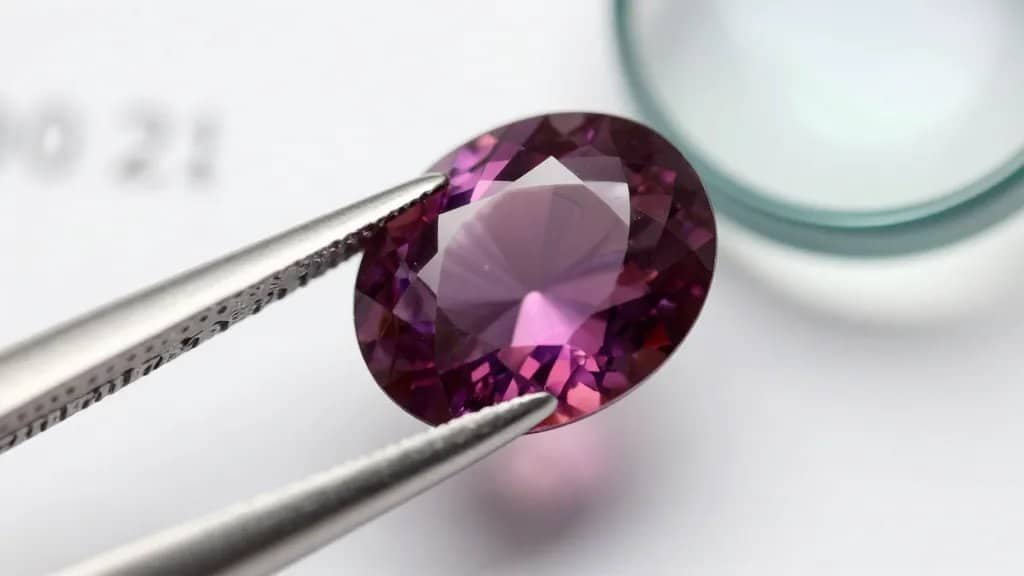
Never skip the comments. Labs tuck essential context here:
- “Color stability affected by heat or chemicals” warns against aggressive cleaning.
- “Minor clarity enhancement” or “Fissure-filling with resin” quantifies treatment intensity.
- “Natural silk” or “Three-phase inclusions” hints at potential origin traits and authenticity.
- “Inscription: GIA 1234567890” tells you the report number is laser-inscribed on the girdle—match it with a loupe.
- “Fluorescence: Medium blue” (for diamonds and some colored stones) can shift how a stone looks in sunlight or under UV-rich lighting.
How to Match the Report to the Stone in Your Hand
Start with the laser inscription if present; a 10x loupe or a microscope reveals the tiny characters along the girdle. Then verify weight and measurements. Compare shape, cutting style, and facet pattern. Under the loupe, find a distinctive inclusion described by the seller—a rutile needle or a tiny crystal—and note its position relative to the crown facets. If something doesn’t line up, pause the transaction and verify with the lab via their online report check.
For high-tier purchases, it’s normal to request a current report. Stones travel. They get re-polished. Treatments can be added. A fresh date and matching measurements protect you. If a report is older and you’re paying for premium descriptors like “No Indications of Heating” or “Kashmir,” consider a second lab opinion.
What Drives Value on a Certificate
Focus on the entries that move the needle:
- Species/Variety: Natural ruby, sapphire, emerald, alexandrite, and fine spinel often lead the Precious Gemstones market.
- Color: Saturation and tone are decisive. A lively medium-dark royal blue sapphire, a rich pigeon’s-blood ruby, a fine, slightly bluish-green emerald—top colors command leaps, not steps, in price.
- Treatment: “No indications” premiums for ruby, sapphire, and emerald are substantial. Minor oil in emerald is widely accepted; significant filler is not.
- Origin: Adds romance and rarity premiums when the color and clarity are already strong.
- Weight: Thresholds matter (2, 3, 5 carats and so on). Eye-popping jumps happen at clean, untreated stones above 5 carats.
- Cut and Transparency: Balanced cut with even color and good transparency supports the top prices that color and treatment promise.
If you’re weighing two stones with similar reports but different prices, bring the Gemstone Value Guide mindset: which lines on the certificate actually justify the premium, and which are sales gloss?
Real vs. Synthetic vs. Imitation: Reading Between the Lines
Certificates state “Natural,” “Laboratory-Grown,” or “Imitation.” Laboratory-grown gems share chemistry and structure with naturals but lack geological age and rarity. Imitations mimic the look using different materials (glass, cubic zirconia, doublets). Look for explicit wording; vague descriptions are a warning sign. For diamonds, “CVD” or “HPHT” indicates lab-grown methods.
Some stones—like red spinel—were historically misidentified as ruby. A modern certificate ends that confusion. If you enjoy sleuthing, explore Gemstone Identification topics to learn how inclusions and optic behavior separate lookalikes in the field.
Care, Cleaning, and Jewelry Choices Guided by the Certificate
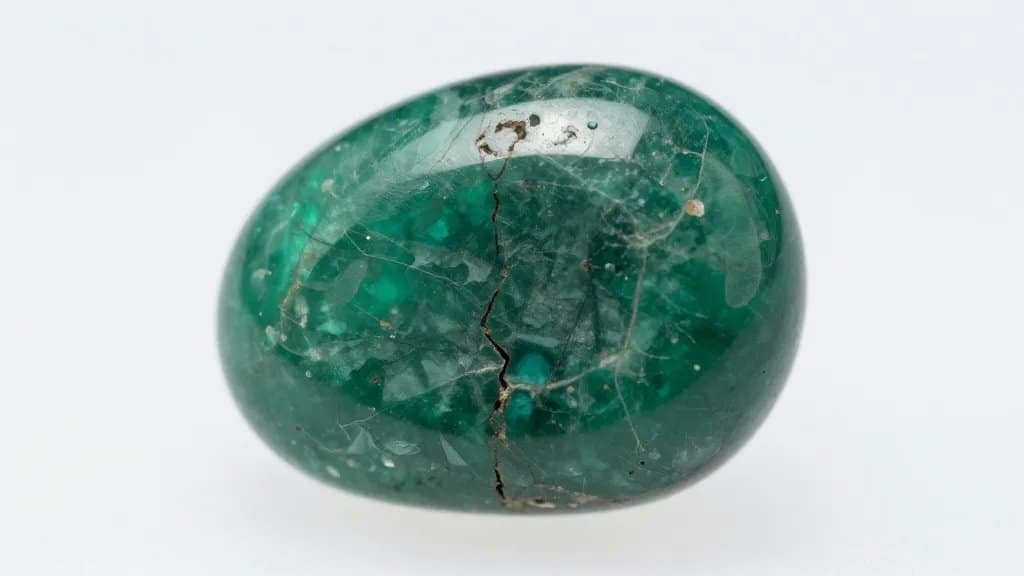
Durability depends on hardness, toughness, and treatments. The Mohs Scale measures scratch resistance: diamond 10, corundum (ruby/sapphire) 9, chrysoberyl (including alexandrite) 8.5, spinel 8, quartz 7, turquoise ~5–6, opal ~5.5–6.5. But toughness and cleavage matter too: emerald is 7.5–8 but can be brittle due to fractures; tanzanite (6–7) has distinct cleavage and needs gentle wear.
Use the treatment line on the certificate to set your care routine:
- Heated sapphire or ruby: Generally safe for daily wear; avoid extreme thermal shock.
- Oiled emerald: No ultrasonic or steam; warm soapy water only. Re-oiling may be needed over decades.
- Glass-filled ruby or resin-filled stones: Handle like delicate antiques; avoid heat, chemicals, and resizing near the gem.
- Porous gems like turquoise: Keep away from perfumes and lotions.
Pick settings that respect durability. Prong-set sapphire rings are sturdy daily companions; emeralds often fare better in bezels or pendants. If you’re planning Gemstone Rings or Gemstone Earrings for everyday wear, choose species and treatments with stable performance.
Common Mistakes People Make Reading Certificates
- Ignoring treatment details because the color looks great. Treatment defines long-term stability and price.
- Assuming “natural” means “untreated.” It doesn’t. Look for a separate line: “No indications of …”
- Equating origin alone with value. Without top color and clarity, origin premiums shrink.
- Not matching measurements and inscription. A wrong report can be an expensive lesson.
- Over-focusing on carats and under-focusing on face-up dimensions. A deep 3-carat may look smaller than a well-cut 2.5.
- Skipping the lab verification page. Always confirm the report number on the lab’s site.
Practical Buying Advice Using the Certificate
Ask for the report before negotiating. Review color description, treatment, and origin. If a seller quotes a premium for an unheated sapphire, you should see “No indications of heating” on a reputable lab’s report. If you’re choosing between an unheated 1.8-carat stone and a heated 2.2-carat of similar look, decide whether rarity (untreated) or presence (larger size) matters more for your budget and style.
For gifts, focus on beauty first: lively color, pleasant cut, and a respected lab. Cross-reference with Gemstone Buying Guide and Gemstone Gifts for occasion-friendly ideas. For investments or collector-level pieces, prioritize untreated status, rare origin, and “best” color calls, and consider dual-lab documentation.
Frequently Asked Questions
Which labs are most trusted for colored stone certificates?
GIA, AGL, Gübelin, SSEF, and GRS are widely respected. For diamonds, GIA and IGI are common. Each lab has distinct wording; serious collectors often prefer AGL, Gübelin, or SSEF for detailed colored-stone reporting.
Does “natural” on a certificate mean the stone is untreated?
No. “Natural” refers to geological origin. Treatment status appears separately. Look for phrases like “No indications of heating” or “Insignificant oil.”
How much does origin matter?
Origin can add significant premiums when paired with top color and minimal treatment. Without fine color, origin’s impact diminishes. Some buyers value beauty over origin; others collect names like “Kashmir” or “Burma.”
Can a stone’s treatment change over time?
Treatments don’t change by themselves, but fillers can diminish or be damaged by heat and chemicals. Re-polishing or re-treatment can occur; that’s why current reports are useful for high-value stones.
Should I avoid heated sapphires and rubies?
Not necessarily. Heat-only corundum is stable and widely accepted. You’ll get better color per dollar. Unheated stones are rarer and pricier; choose based on budget and preference.
What if two labs give different origin opinions?
It happens. Origin is an expert opinion based on evidence. If value hinges on origin, consult a top-tier lab or obtain a second opinion to align market expectations.
Why doesn’t my colored stone report include clarity and cut grades like a diamond?
Colored stones are diverse, and strict grading systems aren’t universally applied. Labs focus on identity, treatments, color description, and origin. Some offer quality scales, but they vary.
Final Thoughts
A gemstone certificate is a roadmap, not a verdict. Read the headline facts—identity, treatment, color, and origin—then check the quiet corners where comments reveal stability and story. Match the numbers to your stone, trust your eyes for beauty, and let the report guide smart, confident choices.
When those pieces align, you’re not just buying a gem—you’re choosing a keeper with a clear, well-documented past and a future you can enjoy. For more background as you compare pieces, you might explore Gemstone Value Guide, Gemstone Hardness, or Gemstone Comparisons to sharpen your eye even further.

Christian Grey is the creator of GemMeaning, where he shares simple insights about crystals, gemstone meanings, and spiritual guidance. His focus is on making complex ideas easy to understand and practical for everyday life.