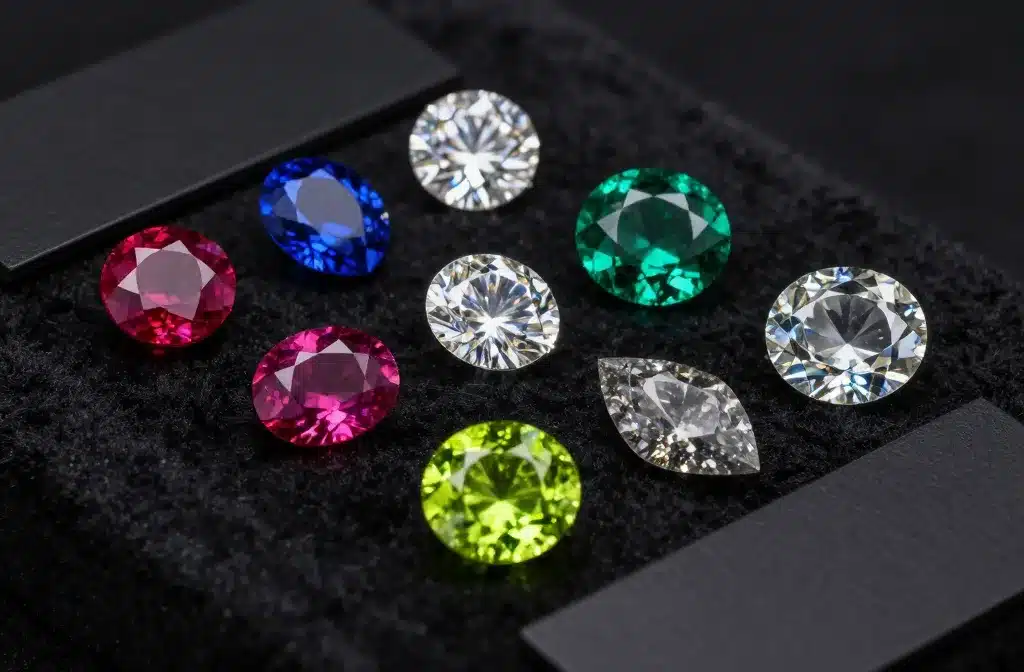
Some gemstones ignite a reaction the moment they catch the light—a quick intake of breath, a quiet calculation: How rare is this? What am I really looking at? Value in gemstones is rarely just about price; it’s about scarcity, character, and a story locked in crystal for millions of years.
This article unpacks which stones consistently command top prices, why they do, and how a collector can evaluate subtle factors that separate the exceptional from the merely pretty. You’ll learn how rarity, origin, color saturation, clarity, and cut play together, plus the treatments and pitfalls that matter in the real world.
We’ll walk through legendary species—ruby, sapphire, emerald, and diamond—then venture into niche collector territory with padparadscha, alexandrite, paraíba tourmaline, and spinel. Along the way, you’ll get buying tips, identification cues, care advice, and the quiet details that make a collection feel curated rather than accumulated.
If you’ve ever wondered why two stones of the same size can differ in value tenfold, you’re in the right place.
What Makes a Gemstone “Valuable” to Collectors
Value rests on four pillars: rarity, beauty, durability, and demand. Each plays out differently across species and origins.
- Rarity: Not just how much exists in the earth, but how often fine, clean, and well-colored stones above one carat are found. Collector-grade material is often a fraction of total production.
- Beauty: Saturation, hue, tone, and how the gem handles light. Some stones glow from within, others offer mesmerizing phenomena like color change or asterism.
- Durability: Mohs hardness, cleavage, and toughness dictate how a stone wears, which affects long-term desirability, especially for rings.
- Demand & Story: Prestige, historical use, and origin narratives (think Kashmir, Mogok, Colombian Muzo) amplify desirability. Limited-production mines create enduring mystique.
Ruby: The King of Colored Gems
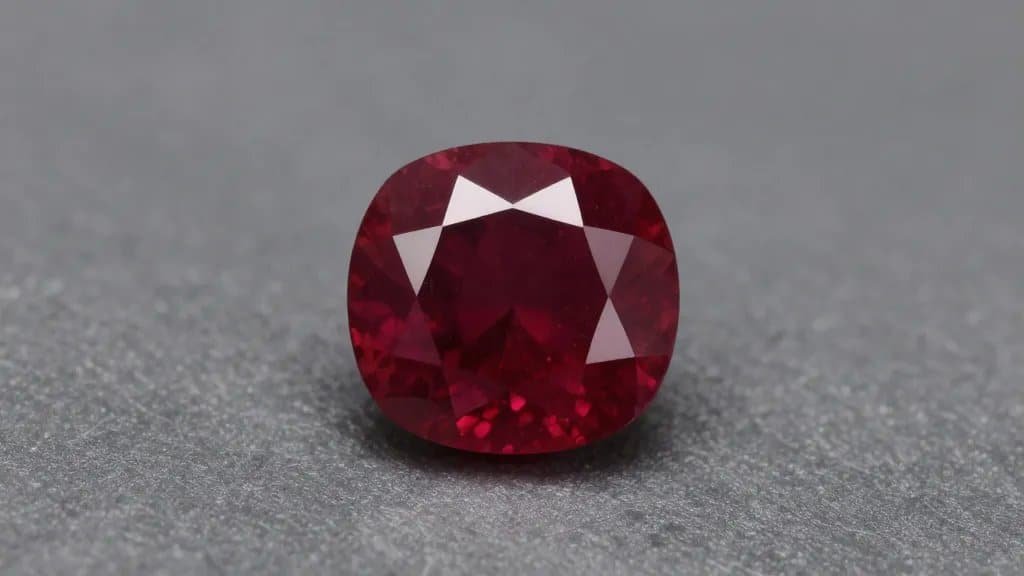
Fine ruby has an authority few colored stones can match. The ideal is a vivid, slightly bluish “pigeon’s blood” red with strong fluorescence under daylight, giving the color a living glow. Top origins—historically Burma (Myanmar’s Mogok and Mong Hsu) and modern Mozambique—anchor the high end of the market.
On the Mohs Scale, ruby (corundum) sits at 9. It’s durable, with no cleavage, making it excellent for jewelry. Stones over 2 carats in top color and clarity rise steeply in price; a clean 5-carat unheated Mogok ruby is the sort of stone that anchors collections.
Value cues: Unheated status documented by a respected lab, even, open color, and minimal inclusions visible to the naked eye. Natural silk inclusions can be a positive in moderation, imparting softness and proving natural origin. Heat treatment is common and accepted; clarity enhancement by glass filling, however, reduces value dramatically.
Collector tip: Seek rubies with reputable reports noting unheated status and geographic origin. Loupe a ruby for internal “fingerprint” healing and rutile silk—indicators of natural formation and classical heat signatures. Compare glow under daylight; the finest stones have a red that seems to lift off the surface.
Sapphire: Beyond Blue, a World of High-Value Rarities
Sapphire shares ruby’s chemistry—both are corundum—so it’s also a 9 on the Mohs Scale. The most famous color is cornflower or royal blue. Kashmir sapphires, with their velvety texture from dense rutile silk and celestial glow, set the price bar; old-mine stones are scarce and fiercely contested. Burmese and Sri Lankan (Ceylon) blues follow closely.
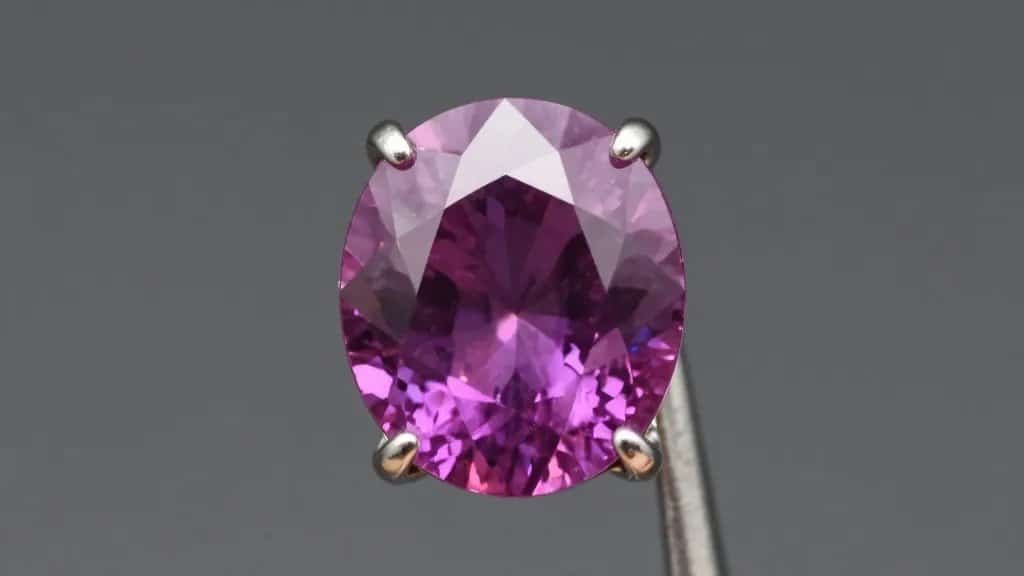
But collectors often chase the unusual within sapphire’s wide palette: padparadscha (a delicate mix of lotus pink and sunset orange), fine unheated yellows, and vibrant teals. True padparadscha is tightly defined in hue; stones that skew too pink or too orange fall out of the category and lose value.
Value cues: Unheated status, unmodified strong saturation, and attractive tone (neither too dark nor washed out). Some inclusions are tolerated, but a clean face-up view is preferred.
Collector tip: For padparadscha, insist on multiple lab opinions if the price is significant; definitions vary slightly among labs. For blue sapphire, look for even color distribution and strong return of light. If exploring teal or parti-color stones, favor crisp zoning that enhances the design rather than muddying it.
Emerald: Beauty with Character
Emerald’s richness is a different kind of luxury—green that suggests life, forests after rain, and antique crowns. Colombian emeralds from Muzo and Chivor lead the narrative with a refined, slightly bluish green and exceptional saturation. Zambia and Ethiopia also produce fine stones, sometimes cleaner, sometimes more vivid.
At 7.5–8 on the Mohs Scale with distinct cleavage and common inclusions (jardin), emerald is less durable than corundum. Collectors accept inclusions as part of the gem’s personality, but clarity still affects price, especially in large stones. Oil treatment is traditional; resin or polymer infill can reduce value.
Value cues: Pure, saturated green with a balanced tone (not blackish, not too light), good transparency, and minimal surface-reaching fractures. Reports detailing the degree and type of clarity enhancement are essential.
Collector tip: Ask for an enhancement letter: “minor oil” is ideal. For rings, protect with a bezel or halo and avoid ultrasound cleaners. A well-cut emerald that faces up bright despite its inclusions often outperforms a darker, cleaner stone in both beauty and value retention.
Diamond: White Fire and Colored Wonders
Diamond’s place is secure thanks to unmatched hardness (10) and brilliance. For white diamonds, value is driven by the Four Cs—color, clarity, cut, and carat—but cut quality is the engine of beauty. Excellent symmetry and proportions bring crisp scintillation and the sought-after “ice” effect.
The rarified tier belongs to natural fancy colored diamonds: vivid pinks (Argyle’s legacy), blues (Boron-bearing Type IIb, sometimes from South Africa), and canary yellows. Saturation is paramount; a Fancy Vivid blue or pink commands prices that dwarf equivalent white diamonds.
Value cues: For white stones, prioritize cut over microscopic clarity jumps. For fancies, insist on a lab report detailing color grade and origin of color (natural vs. treated). Larger sizes with strong saturation are exponentially rarer.
Collector tip: Consider old European cuts or antique cushions for historical charm and a distinctive light profile. For colored diamonds, calibrate expectations: even a 0.50-carat Fancy Vivid pink with good clarity can be a major purchase—and a centerpiece of a collection.
Alexandrite and Color-Change Phenomena
Alexandrite, a chrysoberyl variety, captivates with its chameleon act: green to bluish-green in daylight, red to purplish-red under incandescent light. Fine stones show dramatic, balanced change with good saturation in both conditions. Russian Ural material is legendary; Brazil, Sri Lanka, and East Africa produce collectible stones too.
At 8.5 on the Mohs Scale, alexandrite is durable. Clean crystals above one carat with strong change are genuinely scarce. Prices can surpass sapphire and ruby when quality is exceptional.
Value cues: Strength of color change, purity of hues, and clarity. A muddy green to brownish-red change lowers value; a bright emerald-like green to raspberry red is elite.
Collector tip: Always view under multiple lights: daylight-equivalent LED, fluorescent, and warm incandescent. Keep a small flashlight in your pocket. For verification and deeper study, explore Gemstone Identification resources that explain pleochroism and absorption spectra.
Paraíba Tourmaline: Neon Electricity Bottled in Crystal
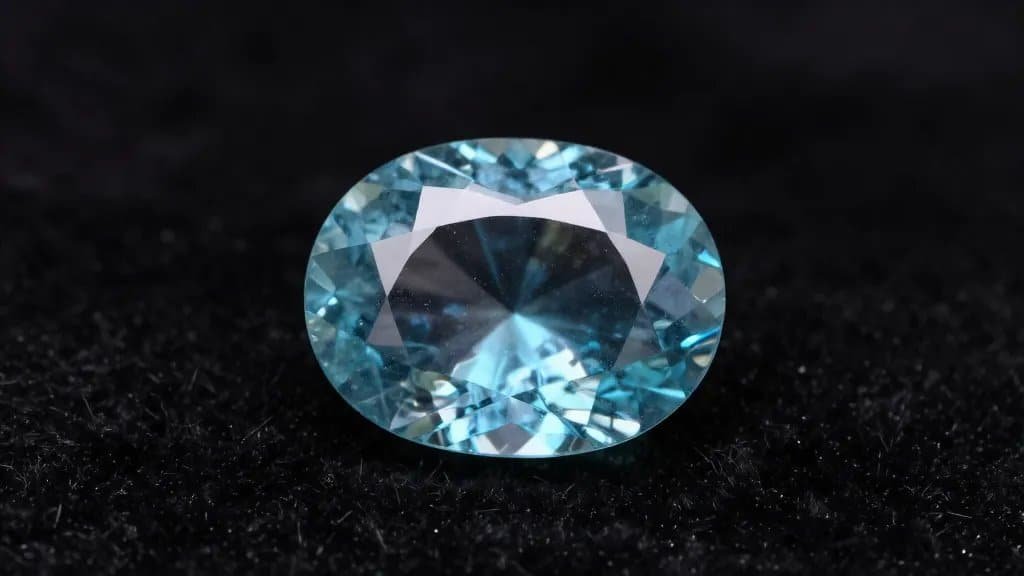
Paraíba tourmaline is the electric rebel of the gemstone world. Copper-bearing tourmaline, discovered in Brazil’s Paraíba state in the late 1980s, shocked the trade with neon blue to green hues that appear almost internally lit. Comparable copper-bearing stones from Mozambique and Nigeria expanded availability but true Brazilian origin still commands a premium.
Tourmaline is 7–7.5 on the Mohs Scale, reasonably durable for careful wear. Clarity is often compromised by growth tubes and inclusions, but the color dominates value. Even small stones can be costly if they deliver that “glow.”
Value cues: Vivid saturation, low gray mask, open tone, and confirmation of copper (Cu) and manganese (Mn) content via lab testing. Origin can be a value lever but color rules first.
Collector tip: Be cautious of overly dark or oversaturated stones that lose vibrancy in low light. Ask for a lab memo confirming copper-bearing chemistry. Compare side-by-side—true paraíba lights up in even modest illumination.
Spinel: The Connoisseur’s Secret No More
Once mistaken for ruby and sapphire (the Black Prince’s “ruby” is spinel), high-grade spinel has stepped into the limelight. Fine reds from Burma (Mogok) and Vietnam, cobalt blues from Luc Yen, and hot pinks and oranges command strong prices. Spinel’s brilliance and lack of treatment make it a purist’s joy.
At 8 on the Mohs Scale with no cleavage, spinel is an excellent jewelry stone. Unheated status is the norm, which helps it stand out in a world of routine treatments.
Value cues: Pure, bright saturation without brown or gray, strong life in the cut, and minimal inclusions. Cobalt-blue spinel can be extremely valuable; verification through spectroscopy helps separate it from ordinary blues.
Collector tip: If you like sapphire but want a cleaner, often brighter look for the money, explore spinel. Track smaller artisanal productions; single pocket discoveries can yield unforgettable colors that never repeat.
Padparadscha: The Lotus That Tests Definitions
Padparadscha sapphire sits at the crossroads of pink and orange, often compared to a Sri Lankan lotus flower at sunset. The charm is in the delicate balance; tip too far and it becomes just a pink or just an orange sapphire.
Supply is thin. Sri Lanka remains the spiritual home, with Madagascar offering notable alternatives. Most stones are under 3 carats; large, evenly colored, unheated examples are trophy-level.
Value cues: Balanced pink-orange hue, bright tone, minimal inclusions, and a lab report using the word “padparadscha.” Orangey-pink or pinkish-orange is normal in wording; the nuance and visual impression matter most.
Collector tip: Buy with your eyes first, reports second. The best padparadscha feels like sunrise—gentle yet unmistakable. Avoid overly brownish or salmon tones that look tired in dim light.
Jadeite Jade: Texture, Tone, and the Poetry of Green
Imperial jadeite is the quiet powerhouse of Asian collecting. The finest material presents a vivid, pure emerald-like green, semi-translucent to translucent, with a smooth, even texture that seems to hold light. Top bangle-grade pieces and matched cabochons fetch world-class prices.
Hardness sits around 6.5–7, but jadeite’s interlocking structure offers exceptional toughness, making it ideal for carving and daily wear. Value hinges on color, translucency, and texture (grain). Untreated “Type A” jadeite is the gold standard; “Type B” (bleached and polymer-impregnated) and “Type C” (dyed) drop sharply in value.
Value cues: Even, vibrant green with no blotches, high translucency, fine grain, and a trusted report confirming Type A status.
Collector tip: Examine in diffused daylight; rotate slowly and watch how light pools. Insist on a reputable lab memo specifying no polymers or dyes. Minor natural mottling is acceptable at lower price points, but even texture is king.
Other Coveted Rarities Worth Knowing
- Tsavorite Garnet: Vivid green grossular from Kenya and Tanzania. Often cleaner than emerald, no routine treatments, 7–7.5 hardness. Fine stones above 3 carats are scarce and highly collectible.
- Demantoid Garnet: Electric green with diamond-like fire thanks to extreme dispersion. Russian stones with “horse-tail” inclusions are particularly treasured.
- Benitoite: California’s state gem, sapphire-like blue with strong dispersion. Small sizes, limited locality—pure collector appeal.
- Red Beryl (Bixbite): Utah-only rarity, tiny crystals, few cut gems. Color can rival ruby; scarcity drives price.
- Grandidierite and Painite: Once called the rarest. Typically included and small, but the name alone sparks collector interest when transparency and color cooperate.
How to Evaluate, Buy, and Care for High-Value Stones
High-value collecting lives at the intersection of knowledge and patience. Build a mental framework before spending.
- Certification and provenance: For significant purchases, lean on respected labs. For colored stones, origin opinions (e.g., Kashmir, Burma, Colombia) can move markets. Keep paperwork orderly.
- Cut and light performance: A great cut liberates color and life. Tilt the stone; watch for windowing (see-through centers) and extinction (dead patches). Even legendary colors disappoint if the cut is lifeless.
- Treatments: Heat in corundum and oil in emerald can be acceptable. Fracture filling, dye, heavy diffusion, and synthetics misrepresented as natural are red flags. A Gemstone Buying Guide is worth studying.
- Durability in use: Diamonds, corundum, and spinel thrive in rings. Emeralds, paraíba, and some garnets do better in pendants or earrings. Explore Gemstone Jewelry and Gemstone Rings topics for design ideas that protect vulnerable stones.
- Cleaning and storage: Warm soapy water and a soft brush are safe for most stones; avoid ultrasonic and steam for emeralds, opals, and heat-sensitive gems. Store individually in soft pouches. See Gemstone Care for detailed routines.
Spotting Synthetics and Simulants
The market hosts excellent lab-grown stones. They’re not inherently “bad,” but they must be disclosed. Lab-grown ruby, sapphire, emerald, and diamond can look convincing to the untrained eye. Glass-filled rubies and dyed jade are common pitfalls.
Basic field tips help, but serious collecting benefits from professional tools and reports.
- Inclusions: Natural growth features—needles, crystals, and fingerprint patterns—often differ from curved striae or gas bubbles seen in some synthetics and simulants.
- Response to light: Fluorescence patterns can hint at origin in ruby and diamond. Asterism and color change effects can also behave differently in synthetics.
- Specific gravity and refractive index: Simple instruments provide quick reality checks. Consider a short course or guide under Gemstone Identification.
Building a Cohesive Collection
A strong collection tells a story: by origin, by color, by phenomenon, or by historical significance. Some collectors pursue a “type set” (one stellar example of each major species). Others chase a color spectrum across stones, or assemble a group from a legendary mine like Mogok or Muzo.
Document your pieces—acquisition date, source, lab memos, photos, and notes about why you chose it. Over time, those notes become as interesting as the stones. Learn how different Gemstone Cuts and Gemstone Shapes present each species at its best; an oval padparadscha may sing, while a cushion ruby feels regal.
Consider complementary pieces of Gemstone Necklaces, Earrings, and Bracelets to enjoy your stones without overexposing fragile species to daily knocks. If you enjoy meaning and lore, sprinkle in Birthstone Jewelry or historically significant motifs—just don’t let the story outrun the quality.
FAQs
Which gemstones hold value best over time?
Top-quality ruby, sapphire (especially Kashmir and fine padparadscha), emerald (Colombian), and natural fancy colored diamonds show strong long-term demand. Exceptional alexandrite, paraíba tourmaline, imperial jadeite, and fine spinel have also proven resilient.
How big should a collector stone be?
Quality first. A vibrant 1.5-carat ruby with ideal color can outvalue a 3-carat mediocre stone. For many species, 2–5 carats is a sweet spot; larger jumps become exponentially rarer and pricier.
Are heated sapphires or rubies worth collecting?
Yes, if the color is excellent and the price reflects treatment. Unheated status adds scarcity and value, but a top-color heated stone can be a smart buy.
How do I verify a stone’s origin?
Use respected labs that issue origin opinions based on inclusion analysis and advanced testing. Origin can be uncertain for some stones; trust the report wording and buy the gem’s beauty, not just the ink.
What’s the safest daily-wear valuable gemstone?
Diamond, sapphire, and spinel are top choices for rings due to hardness and toughness. Emerald and paraíba tourmaline are better in protected settings or occasional-wear pieces.
Should I collect by species or by color?
Either. Species-based sets showcase knowledge of rarity and origin; color-based collections create visual harmony. Choose the approach that keeps you excited and focused.
What are common beginner mistakes?
Chasing size over quality, neglecting cut, skipping lab reports for high-ticket items, and underestimating how treatments affect value. Start with a clear theme and learn price ranges via a Gemstone Value Guide.
Final Thoughts
The most valuable gemstones for collectors share a blend of rarity, beauty, and narrative. Train your eye to see color purity, light return, and the quiet signals of authenticity. With patience, good counsel, and a clear collecting theme, you’ll assemble a group of stones that holds value—and feels alive each time they catch the light.

Christian Grey is the creator of GemMeaning, where he shares simple insights about crystals, gemstone meanings, and spiritual guidance. His focus is on making complex ideas easy to understand and practical for everyday life.