Walk into any jewelry store and you’ll see two labels everywhere: natural and lab-grown. Both sparkle. Both claim to be “real.” Prices, however, can be miles apart. That gap raises a practical question for buyers: what exactly are you paying for?
By the end of this guide, you’ll know how each type forms, how they compare in beauty and durability, how value behaves over time, and what to look for on a grading report. We’ll also talk ethics, romance, and resale—because buying gems isn’t just science; it’s personal.
I’ll keep the jargon light but accurate. Think of this as advice from a gem-obsessed friend who’s spent too many afternoons peering through a loupe and comparing sparkle in different lights.
Ready to decide what belongs in your ring box?
What “Natural” and “Lab-Grown” Actually Mean
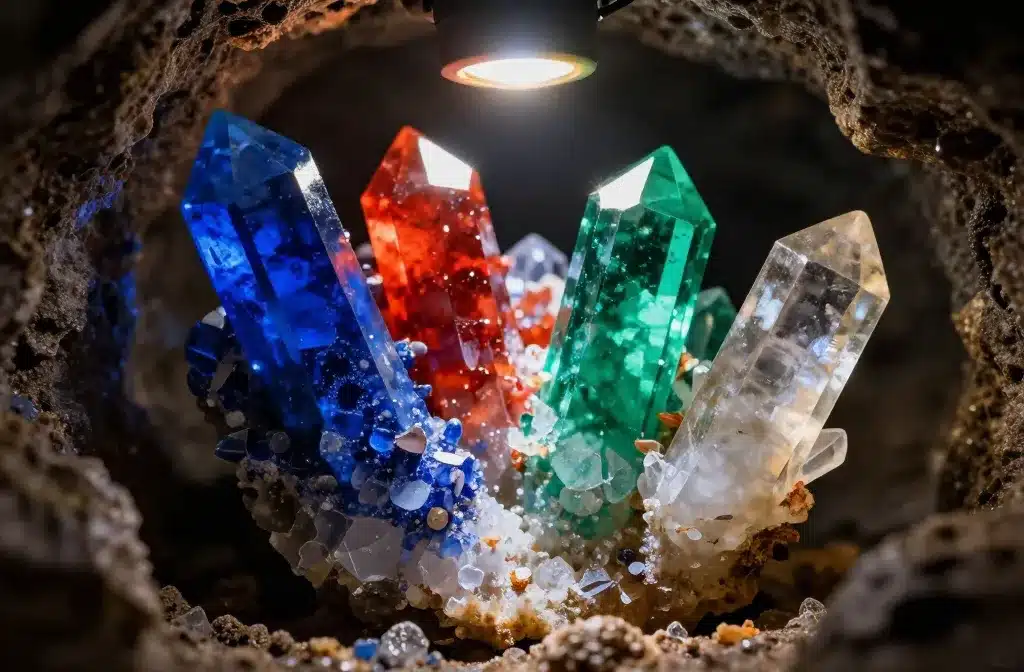
Natural gemstones are minerals or organic materials (like pearl and amber) formed by geological processes over millions of years. They’re mined from the earth, often with trace inclusions and color zoning that record their journey from the mantle or metamorphic rock to daylight. Each one is a small, sparkling autobiography.
Lab-grown gemstones have the same chemical composition and crystal structure as their natural counterparts. They’re not imitations; they’re cultivated crystals grown under controlled conditions that mimic nature—either high pressure and high temperature (HPHT), chemical vapor deposition (CVD) for diamonds, or flux and hydrothermal methods for colored stones like ruby, sapphire, and emerald.
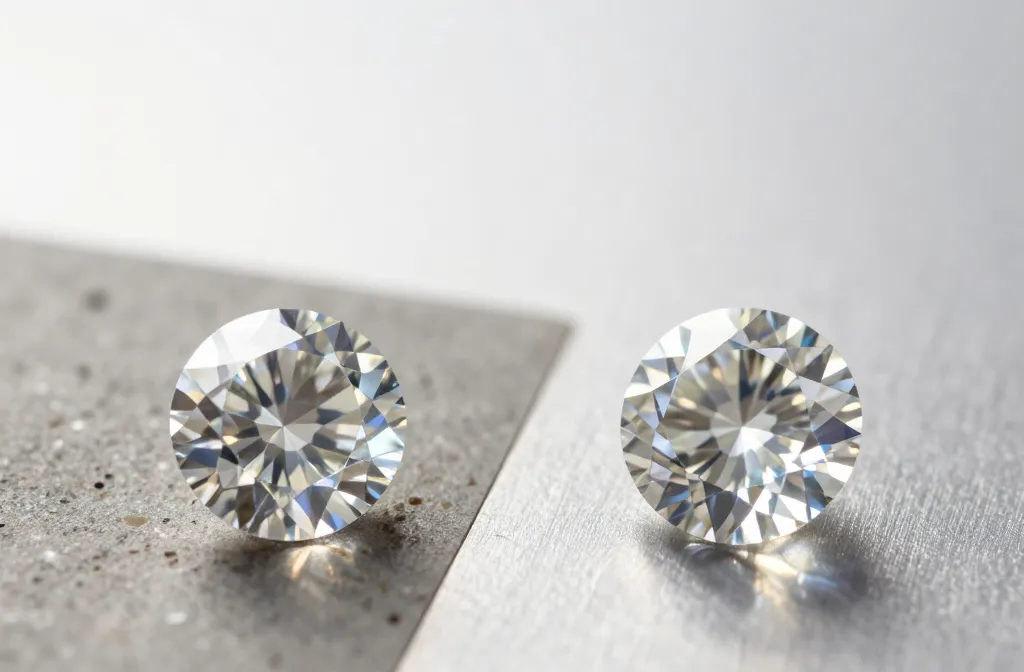
The key difference isn’t the chemistry; it’s the origin story. One took eons in rock, the other weeks or months in a lab. If a grading lab removed the labels, many people couldn’t tell them apart without magnification or specialized testing.
Beauty: Are Lab-Grown Stones As Pretty As Natural?
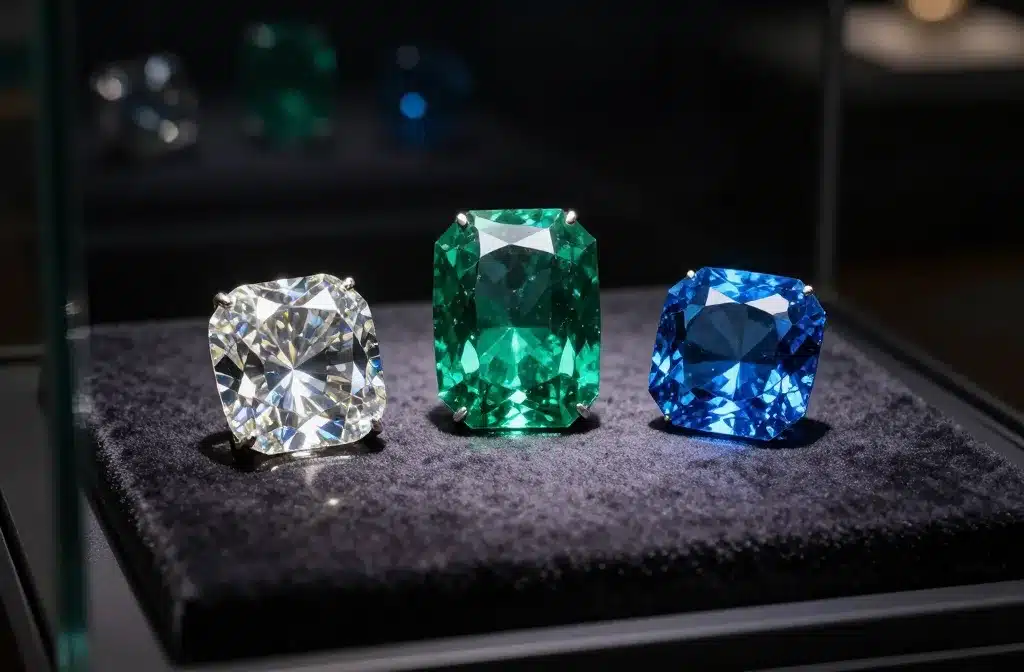
To the eye, the answer is usually yes. Gem beauty centers around color, transparency, brilliance, and how the stone plays with light. On a display tray, a well-cut lab-grown sapphire can look indistinguishable from a fine natural sapphire of the same color and clarity.
Here’s what can differ:
- Inclusions and character: Natural stones often carry tiny inclusions—silk in sapphire, fingerprints in emerald, crystallized needles in ruby—that create soft internal textures. Some collectors find this visual “grain” romantic. Lab-grown gems tend to be cleaner; when inclusions are present, they may have diagnostic shapes such as curved growth lines in flame-fusion corundum or metallic flux in flux-grown stones.
- Color consistency: Labs can dial in color with impressive precision. Natural stones may show subtle zoning—paler areas or deeper bands—that give a stone personality. In commercial jewelry, color consistency is a win. For connoisseurs, natural variation can be irresistible.
- Cut and sparkle: Because lab-grown rough is abundant and predictable, cutters can sacrifice weight to achieve optimal brilliance. That often means very lively sparkle, crisp facet junctions, and a bright return of light. Many natural stones are also cut superbly, but some are shaped to retain carat weight, which can trade a bit of fire for size.
If your top priority is pure optics—rich color, bright sparkle, high clarity—lab-grown can go toe-to-toe with natural at a fraction of the price. If you crave a stone with unique internal “fingerprints,” natural will speak to you more.
Hardness, Durability, and Daily Wear
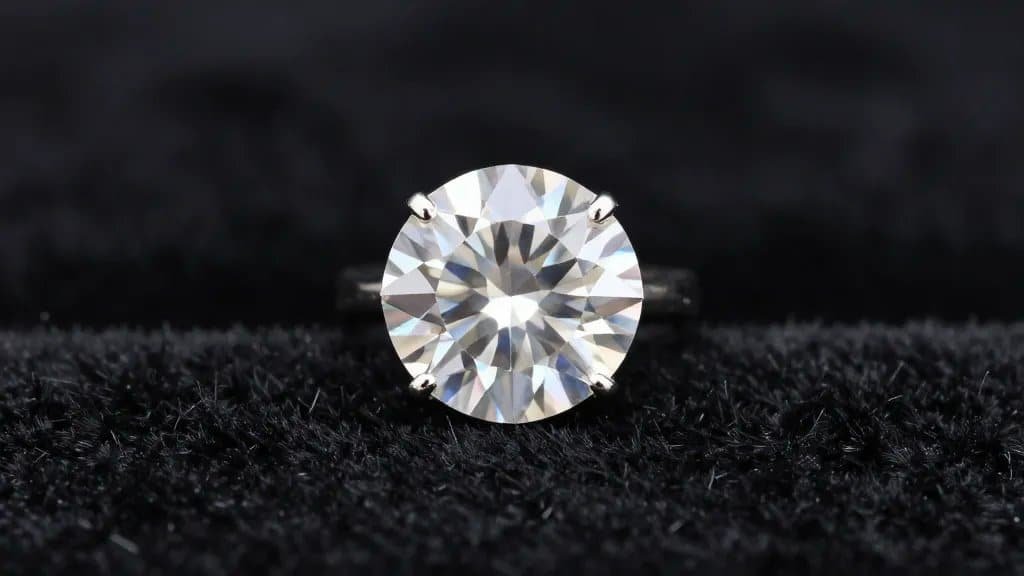
Hardness is measured on the Mohs scale. This matters for rings and bracelets, which take more knocks than earrings or pendants.
- Diamond (Mohs 10): Equally hard whether natural or lab-grown. Both resist scratching well. Watch out for chipping at sharp corners; that’s a toughness issue, not hardness.
- Ruby and Sapphire (Corundum, Mohs 9): Tough and suitable for daily wear. Lab-grown corundum performs like natural in durability.
- Emerald (Beryl, Mohs 7.5–8): More brittle due to common internal fissures. Natural emeralds are frequently oil-treated to improve clarity. Lab-grown emeralds can be cleaner but still need thoughtful setting and care.
- Spinel, Chrysoberyl, Alexandrite (Mohs 8–8.5): Great options in both natural and lab-grown for rings.
Bottom line: durability follows species, not origin. Choose the right gem for your lifestyle, then decide natural vs lab-grown within that species.
Formation Stories: From Mantle to Machine
For some buyers, origin is the heart of the decision.
- Natural formation: Diamonds crystallize deep in the mantle and ride to the surface in kimberlite pipes. Sapphires may form in metamorphic rocks, rubies in marble-hosted deposits, and opal in silica-rich voids. Inclusions record pressure, heat, and growth interruptions—a geological diary.
- Lab growth methods:
- HPHT Diamond: Seeds of diamond are grown under intense pressure and heat. Yellowish hues can appear from nitrogen; post-growth treatments may adjust color.
- CVD Diamond: Carbon-rich gas deposits carbon layers onto a diamond seed, often yielding very high clarity. Grow lines and strain patterns can be diagnostic.
- Flux-Grown Corundum and Emerald: A molten flux dissolves ingredients and slowly precipitates crystals on seeds. Inclusions may look like wispy veils or metallic flux.
- Hydrothermal Beryl and Quartz: Superheated solutions in autoclaves grow crystals with zoning patterns reminiscent of nature but often more regular.
If knowing your sapphire was born in Kashmir or your diamond formed before the dinosaurs makes your heart race, natural will satisfy that longing. If you value engineering elegance and modern precision, lab-grown may be your kind of romance.
Value and Resale: Where Money Meets Meaning
Price is where the two paths diverge most dramatically.
- Upfront cost: Lab-grown options typically cost 60–90% less than comparable natural stones, especially in diamonds over one carat. That can free budget for a better cut, a designer setting, or a larger size.
- Long-term value: Fine natural gemstones with desirable color, size, and origin tend to hold or appreciate over time, particularly in rarities (Burma ruby, Kashmir sapphire, Colombian emerald, unheated stones). Lab-grown stones, produced at scale, generally depreciate and have weak resale markets.
- Insurance and appraisals: Insure based on replacement value. A lab-grown diamond bought for $2,000 should be insured at its actual replacement cost, not a hypothetical “retail” that inflates expectations.
Ask yourself: are you buying an heirloom and potential collector piece, or are you maximizing size and sparkle for your budget today? If future resale matters, natural is the safer bet. If not, lab-grown offers exceptional visual value.
Ethics, Environment, and Transparency
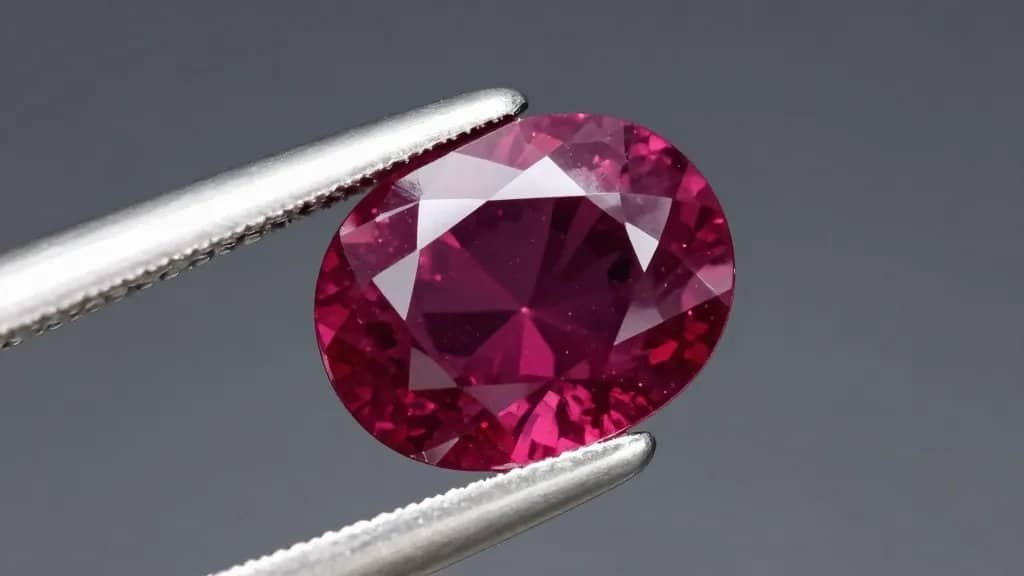
Many shoppers choose lab-grown for perceived ethical and environmental benefits, but the picture is nuanced.
- Mining impacts: Responsible mining supports local communities and enforces environmental safeguards; irresponsible mining can cause harm. Look for origin disclosure and third-party certifications. Small-scale mining can be a vital source of income when supported ethically.
- Lab energy use: Growing crystals requires substantial energy. Producers using renewable power have a stronger sustainability case than those reliant on fossil fuels. Ask suppliers about energy sources.
- Traceability: Some natural stones now come with mine-to-market tracking. Likewise, reputable lab-grown producers provide growth method and post-growth treatment details.
Ethics aren’t guaranteed by origin alone. Prioritize transparent sellers—whether you buy natural or lab-grown. If this is important to you, seek vendors who share documentation and welcome questions.
Identification: How Professionals Tell Them Apart
To the naked eye, many gems look identical. Under magnification and with testing, differences emerge.
- Diamonds: CVD and HPHT stones can show characteristic fluorescence patterns, growth striations, or metallic inclusions. Advanced instruments (spectroscopy, phosphorescence imaging) are often required. Trust a grading report from a respected lab for clear disclosure.
- Corundum (Ruby/Sapphire): Flame-fusion synthetics show curved growth lines and gas bubbles; flux-grown may show flux residue. Natural stones often show straight or angular zoning and rutile silk.
- Emerald: Natural emeralds usually show a “jardin” garden of inclusions. Hydrothermal-grown emeralds can show chevron growth and characteristic two-phase inclusions with distinct shapes.
Buy with documentation: a gemological report is your friend. For substantial purchases, choose labs known for rigorous testing and clear nomenclature. If you’re curious about how identification works, explore resources related to Gemstone Identification and Gemstone Facts for deeper dives.
Treatments: What’s Been Done to Your Stone?
Treatments enhance beauty and are common in both natural and lab-grown markets. Disclosure matters more than the treatment itself.
- Heat treatment: Frequently applied to natural ruby and sapphire to improve color and clarity. Generally stable and widely accepted.
- Oil and resin in emerald: Fills fissures to improve apparent clarity. Stability varies; gentle cleaning recommended.
- HPHT color adjustment in diamond: Can lighten or remove brown tones. Should be disclosed on reports.
- Lead-glass-filled ruby: Dramatically improves appearance but reduces durability; avoid for heirlooms.
Lab-grown stones may also be heat-treated or post-processed. Always ask for full treatment disclosure to set expectations for care and value. For more detail on how treatments affect price, see Gemstone Value Guide.
Buying Advice: Matching the Stone to the Person
If you’re torn between natural vs lab-grown gemstones, anchor the decision to real-life priorities.
- Engagement rings and daily-wear jewelry: If budget is tight but you want size and sparkle, a lab-grown diamond or sapphire is a smart, beautiful choice. If you dream of passing down a stone with provenance and future value, consider natural—perhaps smaller, but with pedigree.
- Color lovers: Lab-grown ruby and sapphire deliver velvety reds and cornflower blues at approachable prices. Natural stones with top color command premiums; if color is king and size matters, lab-grown stretches your budget.
- Sensitive to ethics: Choose vendors with transparent sourcing, recycled metals, and clear disclosures. You can feel good about either path with the right seller.
- Collectors: Seek unheated natural corundum, alexandrite with strong color change, or natural spinel in rare hues. Documentation of origin matters. Explore Collector Gemstones and Gemstone History to refine your eye.
- Gifts: For birthdays and anniversaries, lab-grown offers impressive presence without overspending. If the recipient adores tradition, natural birthstone jewelry may carry more emotional weight. Browse Birthstone Jewelry for month-specific ideas.
Regardless of origin, prioritize cut quality. A precise cut unlocks brilliance in diamonds and depth of color in colored gems. If you enjoy design details, explore Gemstone Cuts and Gemstone Shapes to find a style that flatters your stone.
Care, Cleaning, and Longevity
Proper care preserves beauty, no matter the origin.
- Cleaning: Most diamonds, sapphires, and rubies handle warm water, mild detergent, and a soft brush. Ultrasonics are usually fine for untreated corundum and most diamonds but avoid for fracture-filled, heavily included, or oil-treated stones.
- Emeralds and delicate gems: Skip ultrasonics and steam. Use a gentle hand wash and pat dry.
- Storage: Diamonds can scratch other gems; store pieces separately in soft pouches.
- Settings: Bezel or protective prongs help softer or brittle stones in rings. For daily wear, consider the Gemstone Hardness of your choice and match the setting accordingly.
Maintenance is part of ownership. Have prongs checked yearly, and if your emerald is oiled, expect occasional re-oiling to maintain its look.
Common Mistakes to Avoid
- Confusing lab-grown with simulants: Moissanite and cubic zirconia are diamond simulants, not lab-grown diamonds. Different chemistry, different value.
- Chasing carat over cut: A poorly cut 1.50 ct looks dull next to a well-cut 1.20 ct. Cut is the engine of beauty.
- Ignoring treatments: Ask, “Has this stone been treated? How? Is it stable?” Have answers in writing on the receipt.
- Assuming ethical equals lab-grown by default: Research the producer or mine. Transparency beats assumptions.
- Skipping documentation: For meaningful purchases, request a grading report. It protects you and helps with insurance.
Real-World Scenarios: Choosing With Confidence
- The everyday sparkle seeker: You want a hardy ring you won’t baby. A lab-grown diamond in a low-set solitaire offers maximum sparkle per dollar. Choose a well-cut stone with a reliable lab report and channel-set side stones for extra shine.
- The color devotee: You dream of royal blue. If budget allows, a natural unheated sapphire with a trusted report is a lifetime treasure. If not, a lab-grown sapphire with precision cutting will deliver the color hit you crave without debt.
- The heirloom-maker: You picture a piece with a story. Consider a natural ruby or emerald with disclosed, traditional treatments. Choose a classic mount that can be resized or reset in future generations. Keep the report safe.
- The design-forward gifter: You prize bold shapes and modern settings. Lab-grown stones let you play with size and fancy cuts—pear, oval, kite—without fear of the price leap. See Gemstone Jewelry and Gemstone Rings for style inspiration.
FAQs
Are lab-grown gemstones real or fake?
They’re real gemstones with the same chemistry and crystal structure as natural stones. The difference is origin: factory-grown versus earth-formed. Simulants (like cubic zirconia) are a different category.
Will a lab-grown diamond test as diamond?
Yes. Thermal and electrical conductivity testers usually read them as diamond. Specialized instruments are needed to distinguish lab-grown from natural.
Do lab-grown gems scratch or cloud faster?
No. Durability follows the species. A lab-grown sapphire is as hard as a natural sapphire; both resist scratching well and won’t “cloud” with normal wear.
Can I get a grading report for lab-grown stones?
Yes. Major labs issue reports for lab-grown diamonds and many lab-grown colored gems, clearly stating synthetic origin and any treatments.
Is natural always better for investment?
For potential appreciation and resale, fine natural stones are generally stronger. Exceptional pieces with top color, size, and origin are most desirable.
How do I spot undisclosed treatments?
You can’t reliably do this at home. Buy from transparent sellers and request reports. Heavy treatments like lead-glass filling should be clearly disclosed and priced accordingly.
What’s a smart budget split between stone and setting?
Commonly 60–80% to the stone, 20–40% to the setting. With lab-grown, you might allocate more to a custom design because the stone cost is lower.
Conclusion
Natural vs lab-grown gemstones isn’t a right-or-wrong debate—it’s about aligning beauty, budget, ethics, and meaning with your priorities. If you want the largest, brightest look for your money today, lab-grown is a brilliant choice. If you value rarity, origin, and long-term desirability, natural is the path. Choose with clear eyes, good documentation, and a setting that suits your life, and you’ll love what you wear every day.

Christian Grey is the creator of GemMeaning, where he shares simple insights about crystals, gemstone meanings, and spiritual guidance. His focus is on making complex ideas easy to understand and practical for everyday life.