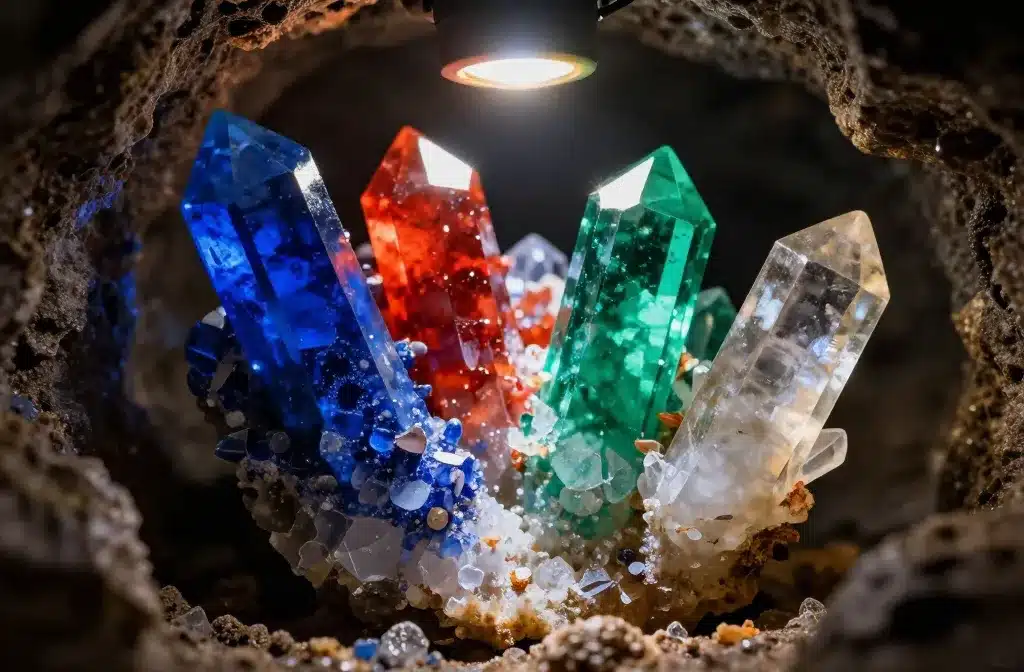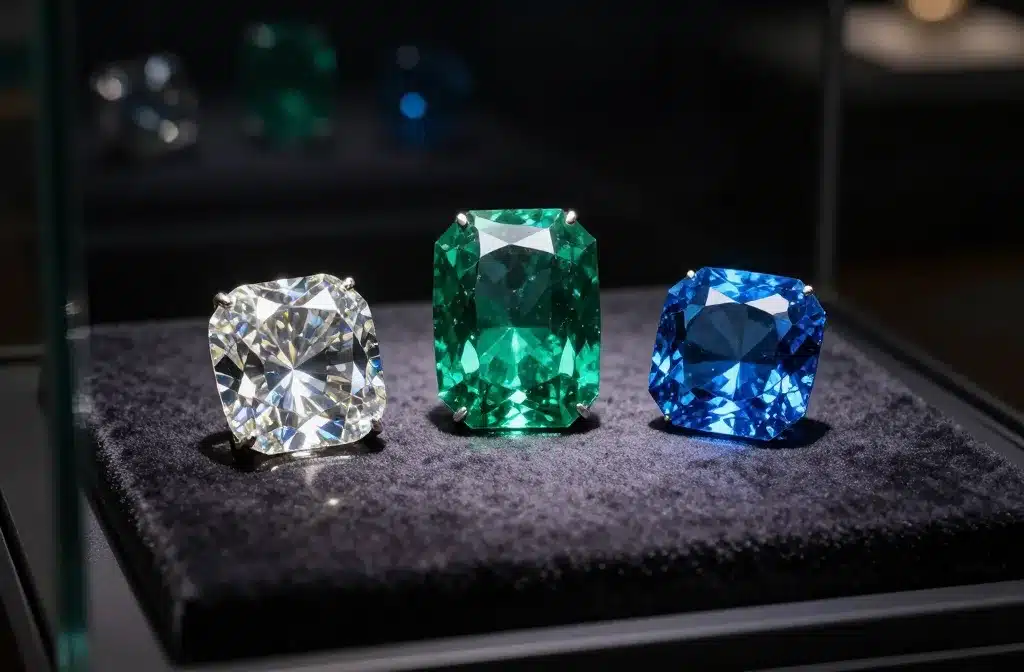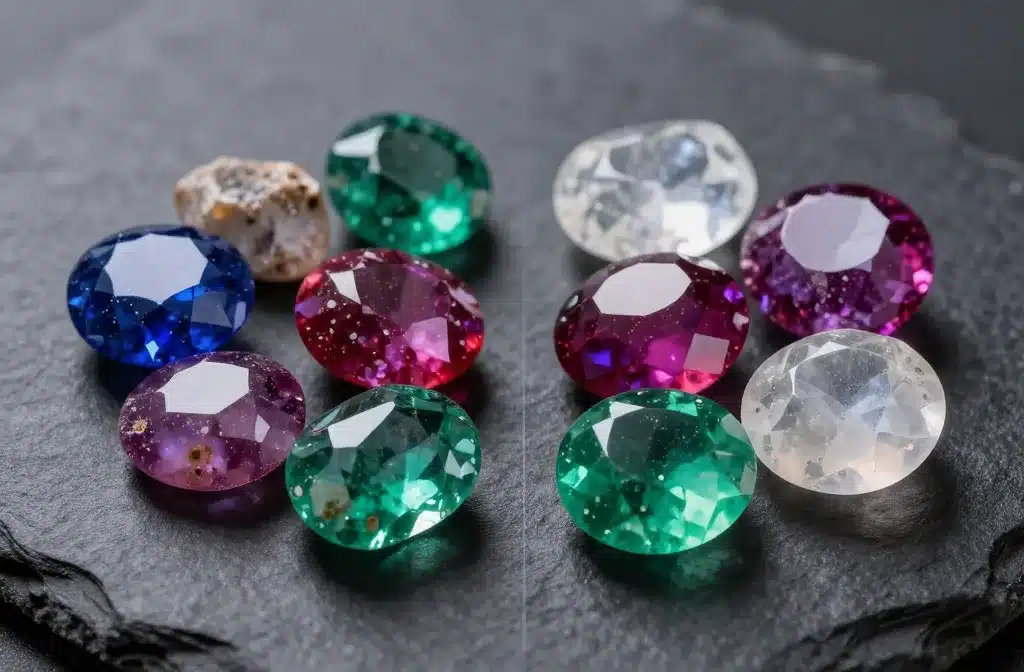
A shimmering sapphire, a fiery ruby, a neon-green emerald—each gem has a story. Part of that story is natural geology, and part is what humans do after the stone leaves the earth. Understanding that second chapter can transform you from a casual admirer into a confident buyer.
This guide unpacks what “treated” and “untreated” actually mean, how those choices affect beauty, durability, price, and ethics, and why disclosure matters. You’ll learn the common treatments gem cutters use, how to recognize them, when they’re sensible, and when paying a premium for natural character makes more sense.
We’ll also touch on specific stones—sapphires, rubies, emeralds, topaz, and quartz—because each behaves differently. Along the way, you’ll get practical buying tips, care advice, and simple tests you can ask for before you commit.
By the end, you’ll see treatments not as a mystery, but as part of a gemstone’s biography—one you can read and appreciate with a clear eye.
Defining Treated vs Untreated: The Plain-Language Basics
Untreated gemstones are exactly what they sound like: cut and polished, but not altered by heat, chemicals, radiation, dyes, or fillings to change color, clarity, or stability. Treated gemstones have undergone one or more of those processes to improve appearance, strength, or marketability.
Neither category is automatically “good” or “bad.” Many treatments are stable, disclosed, and widely accepted. Other treatments are short-lived or hidden, which can hurt both trust and long-term value. The key is transparency and understanding what was done, why, and how it will affect the stone over time.
Why Treatments Exist: Geology Meets Market Demand
Nature rarely grows perfect gems. Most crystals form under messy conditions—heat, pressure, trace elements, and growth interruptions. Those quirks create inclusions, color zoning, and hazy patches. Some collectors adore that individuality. Most jewelry buyers, however, want vivid color and lively transparency.
Treatments bridge the gap between what mines produce and what people like to wear. Heating can unlock sapphire’s blues, oiling can make emerald silk less obvious, and irradiation can push topaz toward that bright Swiss blue people love. The result can be a beautiful, durable stone at a friendlier price than rare, naturally vivid material.
Common Gem Treatments: What They Do and How Stable They Are
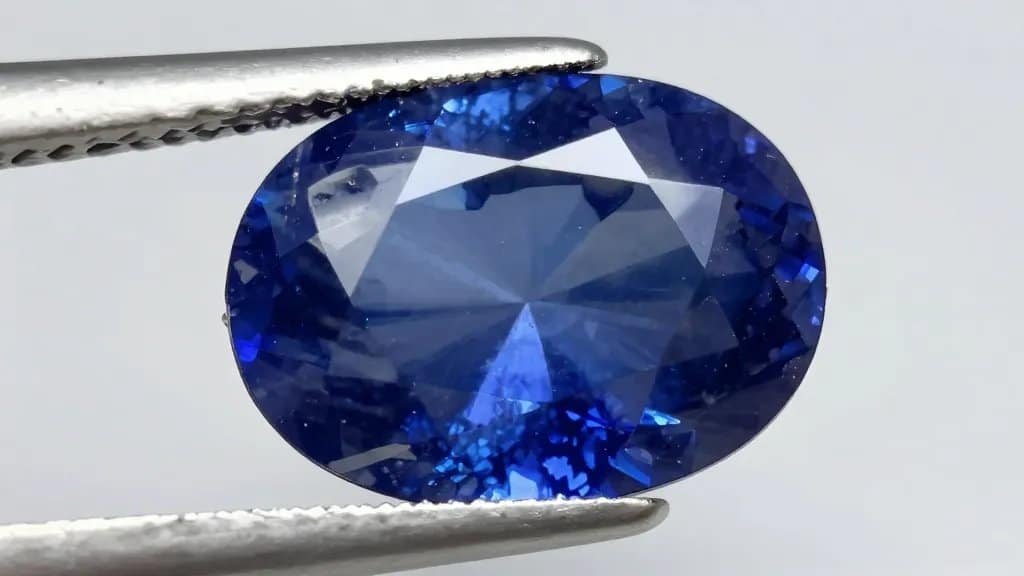
Think of treatments as tools. Some are traditional and stable; others are recent or cosmetic. Here are the ones you’ll see most often, with candid notes on longevity.
- Heat Treatment (sapphire, ruby, tanzanite, aquamarine): Enhances color and often clarity by dissolving rutile “silk” or shifting trace elements. Typically permanent. Standard and widely accepted when disclosed.
- Oil/Resin Filling (emerald, sometimes other beryls): Oils or resins seep into surface-reaching fissures to improve apparent clarity. Cedarwood oil is traditional and reversible; polymer resins are less reversible. Stability varies: oils may dry or shift; resins may yellow with heat. Requires gentle care and eventual re-oiling.
- Irradiation (topaz, some quartz, some tourmaline): Alters color centers inside the crystal lattice. Often followed by heat. Generally stable for blue topaz; some colors in quartz or tourmaline can fade with UV exposure.
- Diffusion (sapphire, occasionally other corundum): High-temperature treatment with chemicals that diffuse color-causing elements near the surface. Can produce vivid color skin-deep. If chips or repolishing occur, color may thin at edges. Disclosure is crucial.
- Fracture Filling with Glass/Lead Glass (ruby, sapphire): Molten glass fills cracks to improve transparency and color. Cosmetic and not very durable; heat from a jeweler’s torch can damage it. Value is far lower than untreated or simply heated corundum.
- Dyeing (jadeite, turquoise, chalcedony, opal, coral): Adds or deepens color. Dyes can fade or leach. Dyed material is affordable but should be priced accordingly and handled carefully.
- Stabilization (turquoise, opal): Porous or fragile stones are impregnated with resin to strengthen them and reduce surface chalkiness. Often practical and acceptable for everyday wear, but disclosure matters.
- Bleaching (pearl, jade): Lightens color or evens tones. Often combined with dyes in pearls. Typically stable, but affects pricing and should be disclosed.
How Treatments Change Appearance, Durability, and Value
Treatments can work magic on color and clarity, but every magic trick has trade-offs. Consider these three pillars as you evaluate any stone.
- Appearance: Heat can make sapphires glow a richer royal blue and rubies look less purplish. Oil can soften needles in emeralds for a clearer window. Diffusion can produce intensely saturated hues, though sometimes with a slightly “too even” look near the surface. Dyed stones may show concentrated color in cracks or around drill holes.
- Durability: Untreated corundum (sapphire and ruby) and spinel are tough (Mohs 9 and 8 respectively) and handle daily wear well. Heat doesn’t reduce that durability. Oiled or resin-filled emeralds (Mohs ~7.5–8 but brittle) require more caution—avoid ultrasonic cleaners and extreme heat. Lead-glass-filled rubies are the touchiest; even household chemicals can cloud them.
- Value: All else equal, untreated gems with fine color and transparency command the highest prices, especially with reputable lab reports. Heavily treated stones, especially glass-filled rubies or dyed jade, sell at a fraction of the price. Heat-only corundum sits in the middle—beautiful, durable, and widely collected at accessible price points.
Spotlight on Popular Gems: What’s Normal vs. Exceptional
Each species has its own “common” treatment profile. Knowing what’s typical helps you spot honest deals and red flags.
- Sapphire (Corundum, Mohs 9): Heat treatment is common and accepted; it evens color and dissolves silk, enhancing brilliance. Untreated sapphires with rich, even blue are rare and prized. Diffusion-treated sapphires can show concentrations of color along facet junctions and a paler interior under magnification.
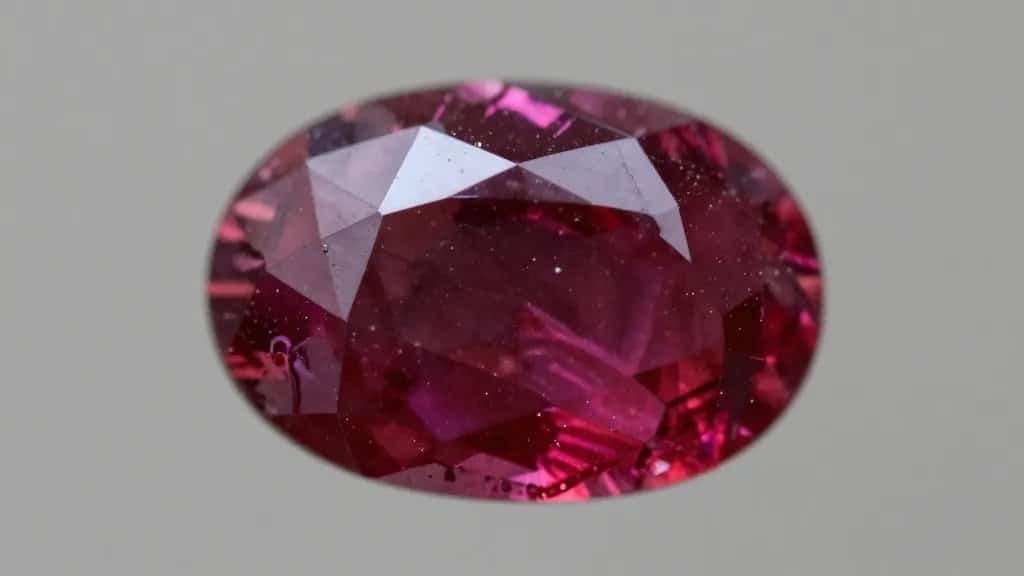
- Ruby (Corundum, Mohs 9): Heat is standard. Lead-glass filling exists in abundance and should be priced very low; ask for clear disclosure. Untreated “pigeon’s blood” rubies with strong fluorescence and minimal inclusions are among the most valuable gems on earth.
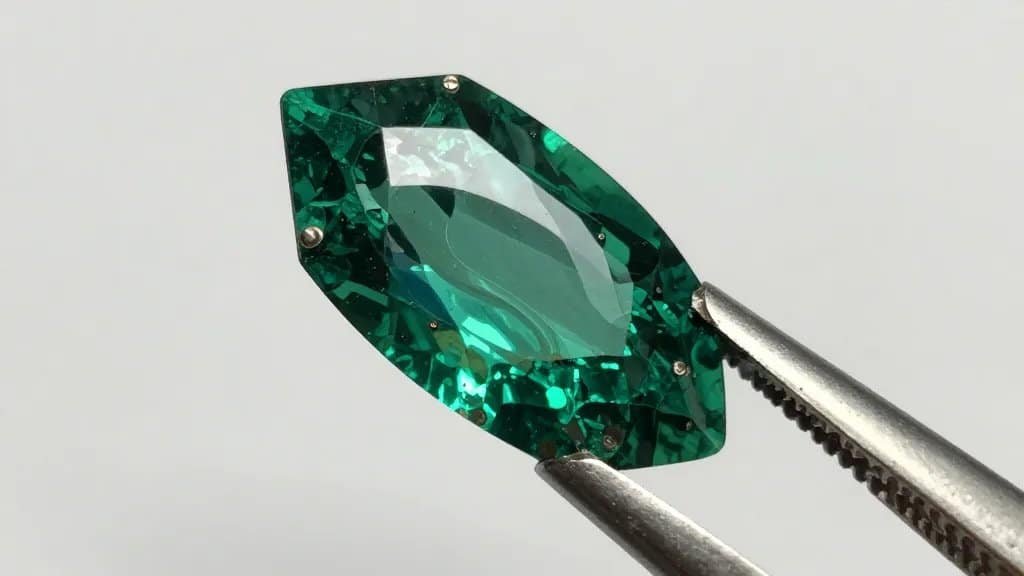
- Emerald (Beryl, Mohs 7.5–8 but brittle): Nearly all emeralds are oiled. Minor oil is widely accepted; significant resin filling should be priced accordingly. Untreated emeralds with bright, even color and good clarity are rare collector-grade pieces.
- Topaz (Mohs 8): Most blue topaz is irradiated and heated to produce the familiar Sky, Swiss, or London blues. This is stable and affordable. Natural blue topaz is subtle and uncommon. Imperial topaz is typically untreated; beware of coated stones masquerading as natural hues.
- Amethyst and Citrine (Quartz, Mohs 7): Heat treatment can lighten or shift color; much citrine is heated amethyst. Stable, affordable, and widely accepted. Ametrine often forms naturally, but some is heat-modified.
- Jadeite (Mohs ~6.5–7; tough): Type A is untreated and the gold standard. Type B is bleached and polymer-impregnated; Type C is dyed. B and C should cost dramatically less and require disclosure.
- Turquoise (Mohs ~5–6; porous): Stabilized turquoise is common and practical; it resists discoloration and abrasion better than untreated material. Dyed or reconstituted composites are inexpensive and should be labeled accordingly.
Identification Tips: Reading a Stone’s Story
True identification requires a trained eye and proper instruments, but you can ask smart questions and observe clues. For certainty, seek a report from a respected lab.
- Ask for disclosure in writing: Reputable sellers will specify treatments, such as “heated only,” “minor oil,” or “lead-glass filled.”
- Look for surface clues: Concentrated color along facet edges can suggest diffusion. Glassy patches in fissures may indicate glass filling. Dye lines often pool in cracks or around drill holes, especially in beads.
- Check consistency: Too-perfect color combined with a low price can be a hint. Natural stones often have gentle zoning, fine “silk,” or small crystals inside. A water-clear emerald is suspicious unless it’s documented—and priced accordingly.
- Use simple light tests: A penlight can reveal color concentrations. UV light may highlight fracture fillings in some stones, though not conclusively.
- Get a lab report for significant purchases: For high-value gems, ask for documentation from major labs. This can note whether a stone is untreated, heat-only, oiled, or otherwise processed, and sometimes the origin as well.
Buying Advice: Balancing Beauty, Budget, and Honesty
Your perfect gem is the one that aligns with your taste, lifestyle, and budget—backed by clear information. Use these principles to shop with confidence.
- Decide what matters most: If rarity and long-term value pull at your heart, look for untreated stones with strong color and reputable reports. If wearable beauty at a fair price is your goal, high-quality treated stones can be a joy.
- Accept the norms: Heat-only sapphire or ruby is a sweet spot for many buyers—lively color, solid durability, and strong resale appeal. Emerald with minor oil is equally reasonable and traditional.
- Be price-aware: If a “pigeon’s blood” ruby is offered cheaply, there’s likely glass filling or heavy treatment involved. Compare stones side-by-side, not just on paper; real-world appearance matters.
- Trustworthy sources: Choose jewelers who volunteer treatment disclosures and can explain care. For major purchases, request a lab report or consider dealers known in the trade.
- Match the stone to the setting: For a daily-wear ring, pick durable species and stable treatments. Reserve oiled emeralds or glass-filled rubies for earrings or pendants that see less impact.
If you want to explore broader context while shopping, pair this guide with topics like Gemstone Buying Guide, Gemstone Value Guide, and Gemstone Hardness to round out your decision-making.
Care and Cleaning: Keeping Treated and Untreated Gems Happy
Caring correctly preserves both the natural crystal and any added help from treatments.
- Avoid harsh cleaners: Ultrasonic and steam cleaners can damage oiled or filled stones and fracture-sensitive species. When in doubt, use lukewarm water, mild soap, and a soft brush.
- Watch heat and chemicals: Household cleaners, perfumes, and prolonged sun can affect dyes, resins, and some irradiated colors. Put jewelry on last, take it off first.
- Regular checkups: Prongs loosen and settings collect grime. Have a jeweler inspect your piece annually, especially with treated emeralds or filled corundum.
- Thoughtful storage: Harder stones can scratch softer ones. Store pieces separately. Wrap porous gems like turquoise to avoid absorbing oils or cosmetics.
- Rejuvenation: Lightly oiled emeralds can be re-oiled by a professional to refresh appearance. Don’t attempt DIY fixes—leave it to trained bench jewelers.
Ethics and Disclosure: The Heart of Trust
Treatments are not the problem—secrecy is. Ethical dealers disclose treatments clearly and price accordingly. That transparency supports miners, cutters, sellers, and buyers alike. It also respects the stone: its natural origin, its enhancements, and its real value.
Documentation protects you. If a listing says “no indications of treatment,” that claim should be backed by a credible lab. If a piece is “heated sapphire,” that’s fine—note it on the receipt. For heirloom or collector gems, proper paperwork adds to provenance and future resale.
Untreated vs Treated in Jewelry: Matching Stone to Lifestyle
Choosing between treated and untreated isn’t only about money; it’s about how you’ll wear the gem.
- Daily rings and bracelets: Opt for durable species and stable treatments—heated sapphire or ruby, untreated spinel, or irradiated blue topaz. These resist knocks and maintain color.
- Statement pieces: Oiled emeralds and stabilized turquoise look stunning in cocktail rings, pendants, or earrings where impact is lower. Save glass-filled rubies for occasional wear at most.
- Heirloom or collector pieces: Untreated stones with documented origin and minimal enhancement make compelling long-term anchors for a collection. Consider pairing them with Gemstone History or Collector Gemstones to deepen your appreciation.
- Gifts: If you’re gifting birthstone jewelry, clarity on treatments helps set expectations for care. A note card explaining the stone’s enhancements can be part of the charm.
Real vs Fake: Treatments Are Not the Same as Simulants
A treated sapphire is still a sapphire. A simulant is something else entirely—glass, cubic zirconia, or a lookalike mineral like spinel standing in for ruby. Synthetics are laboratory-grown but chemically identical to natural stones; they may also be treated. Treatments alter a natural gem; simulants imitate; synthetics replicate. Each has its place and price point, but they should never be confused or mislabeled.
If you’re comparing options, a section like Gemstone Comparisons or Gemstone Identification can help you weigh natural, treated, synthetic, and simulant choices side-by-side.
Myths vs Facts: Clearing the Fog
- Myth: All treatments are bad. Fact: Many are stable, traditional, and bring beauty within reach. Heat-only corundum is a jewelry staple.
- Myth: Untreated stones are always better. Fact: They’re rarer and can be more valuable, but a pale, cloudy untreated gem can underwhelm next to a tastefully treated counterpart.
- Myth: Treatments always fade. Fact: Not true. Heat in corundum and irradiation in blue topaz are generally permanent; dyes and some fillings may not be.
- Myth: You can tell by eye. Fact: Sometimes you can spot clues, but many treatments require microscopic or advanced testing. Documentation is your friend.
Frequently Asked Questions
Is a treated gemstone less “real” than an untreated one?
No. A treated gem is still the same mineral species from the earth. The treatment modifies appearance or stability but doesn’t make it fake. Simulants and synthetics are different categories.
Will a treated stone lose value over time?
Quality and disclosure drive value. Stable, commonly accepted treatments (like heat in sapphire) generally hold market respect. Heavily treated stones (like glass-filled rubies) have lower and less resilient value.
How can I tell if my emerald is oiled or resin-filled?
Under magnification, oil often looks subtle, while resins may show a slight flash effect or bubbles. For certainty, request a lab report; it will describe the type and degree of clarity enhancement.
Is blue topaz safe to wear if it’s irradiated?
Yes. Commercially irradiated blue topaz is regulated and safe for consumers. Its color is considered stable in normal wear.
Do lab-grown stones get treated too?
They can. Lab-grown sapphires or rubies may be heat-treated; lab diamonds may be HPHT or irradiated to alter color. They should be disclosed as both lab-grown and treated if applicable.
Are untreated gems always accompanied by a lab report?
For fine, high-value pieces, usually yes. Reports add credibility. For smaller or modestly priced stones, sellers may rely on in-house expertise; you can still request independent testing.
What’s the best everyday gemstone if I want minimal fuss?
Heated sapphire or ruby, natural spinel, and irradiated blue topaz are durable, attractive, and easy-care choices for daily jewelry.
Final Thoughts
Treated vs untreated gemstones is really a question of clarity—about the stone, the process, and the promise you’re buying. Learn which treatments are stable and customary, insist on honest disclosure, and choose a gem that fits your eye and your lifestyle. With that approach, every piece in your collection will feel as good as it looks.

Christian Grey is the creator of GemMeaning, where he shares simple insights about crystals, gemstone meanings, and spiritual guidance. His focus is on making complex ideas easy to understand and practical for everyday life.