Some gems wear their history as vividly as their color. A diamond might glitter like starlight, but a name like Hope or Koh‑i‑Noor adds a different kind of brilliance—one made of myth, intrigue, and very human ambition. These stones survived empires, voyages, and curious accidents at the jeweler’s bench. Their paths reveal as much about people as they do about geology.
Here you’ll meet the gemstones that stole crowns, changed fortunes, and shaped how we think about color and rarity. You’ll learn where they came from, how they formed, the markings that make them identifiable, and why some are wrapped in rumor. We’ll touch on value factors, treatments, and practical collecting tips so the stories feel grounded, not just romantic.
Expect surprise twists, like a sapphire that’s not blue and an emerald that hides garden-like jungles of inclusions. By the end, you’ll see why certain names keep echoing in auction rooms and museums—and what to look for if you want a tiny sliver of that legend for yourself.
The Hope Diamond: Velvet-Blue Mystery and the Birth of a Curse
Few names loom larger than the Hope Diamond. Its color is a saturated, velvety blue with an electric violet afterglow under strong UV—a classic signature of type IIb diamonds containing boron. It’s currently a cushion antique brilliant of 45.52 carats, displayed in Washington, D.C., where its cool fire and inky body color draw endless crowds.
Geologically, blue diamonds formed deep in the mantle and rode up via ancient volcanic eruptions. The Hope’s earliest chapters trace to India’s Golconda region, once known for exceptional clarity and limpidity in diamonds. Over centuries, it was cut, recut, stolen during the French Revolution, resurfaced in London, and eventually took the name of its owner, Henry Philip Hope. The “curse” stories likely grew from coincidence and press flair. What’s real is its scientific uniqueness and the boron that gives it that mesmerizing, midnight hue.
Value-wise, blue diamonds sit near the pinnacle of rarity. Color saturation, even distribution, and the stone’s historic pedigree create a perfect storm of desirability. For identification, trained eyes look for its particular phosphorescence—an orangey-red glow lingering after UV exposure. If you’re considering blue diamonds for jewelry, note their hardness is a 10 on the Mohs Scale, making them durable for everyday wear. Most buyers won’t find a Hope-caliber gem, but smaller, lab-grown blue diamonds offer a budget-friendly, ethical nod to the legend. Those curious about how color and treatments influence price may enjoy exploring a Gemstone Value Guide and Gemstone Colors as well.
The Koh‑i‑Noor: A Diamond that Traveled with Thrones
“Mountain of Light” is no understatement. The Koh‑i‑Noor’s story stretches across Persian, Sikh, and British crowns, stirring passionate debate along the way. Originally much larger and irregularly cut, it underwent a dramatic recutting in the 19th century to enhance brilliance, which reduced its mass but increased optical performance. Today it sits at 105.6 carats, a colorless diamond with an old-European spirit in its faceting heritage.
Golconda origins again matter: famed for type IIa diamonds—extremely pure, often with a water-clear look—stones from this region earned reputations for a distinct “soft” luster, even at high brilliance. A type IIa diamond lacks nitrogen aggregates that can impart a subtle tint, which is part of why timeless white brilliance accompanies the Koh‑i‑Noor’s mystique.
Beyond the politics, here’s a collector’s takeaway: older cuts can look different from modern round brilliants. The play of light feels broader and more romantic, with bold flashes rather than the staccato sparkle modern cuts emphasize. If that appeals to you, explore antique cuts in Gemstone Cuts and Gemstone Jewelry—just be mindful that older mountings may need careful restoration and that stones in vintage rings sometimes sit lower or with thinner girdles, requiring gentle care.
The Cullinan Pieces: From a Single Giant to a Royal Family of Diamonds
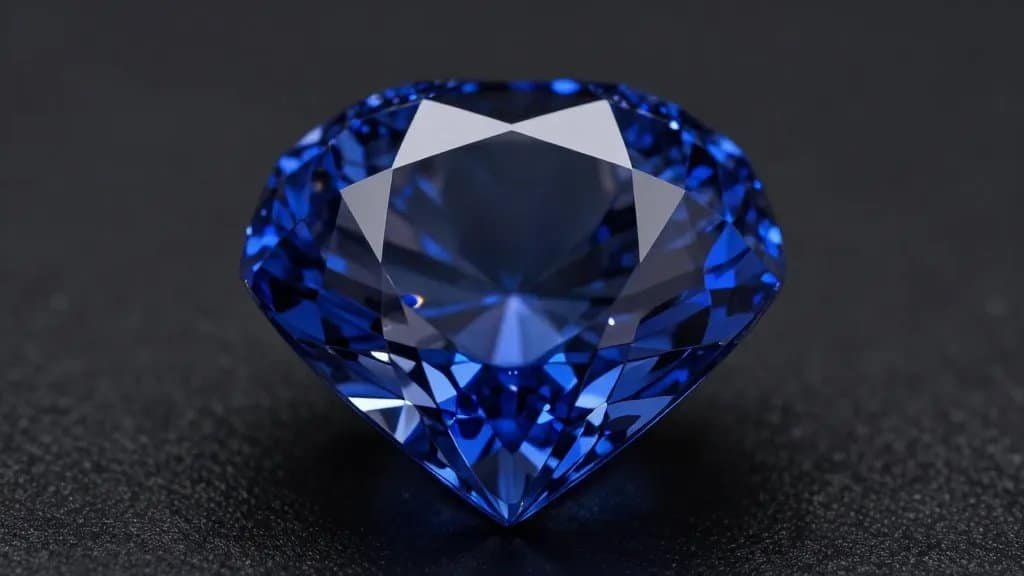
Discovered in South Africa in 1905, the Cullinan was a behemoth: 3,106 carats rough. Its nearly miraculous cleaving yielded a suite of major stones, including the Cullinan I (530.2 carats, the Great Star of Africa) and Cullinan II (317.4 carats), both set in British regalia. Unlike many historic diamonds, the Cullinans were engineered to modern brilliance, extracting as much fire and scintillation as possible.
The Cullinan rough displayed exceptional clarity. Today, type IIa purity is often attributed to several of these diamonds, reinforcing the ideal “white” look. As a teaching moment, the Cullinan story highlights how planning a cut can mean balancing yield against optical performance. Careful plotting—often using models or scans—aims to place inclusions near the girdle or in removable areas, maximizing eye-clean faces. If you’re buying a sizable diamond, request inclusion maps and consider how the cut mitigates them. For wearable pieces, diamonds again score a 10 on Mohs, but remember: tough doesn’t mean unbreakable. Hardness resists scratching; a sharp blow on a vulnerable point can still cause damage.
The Star of India and the Magic of Star Sapphires
Sapphires are best known in cornflower or royal blue, but the Star of India is a milky, translucent gray-blue with a six-rayed star that floats on the surface—a phenomenon called asterism. The star forms when rutile needles align within the corundum crystal (aluminum oxide), reflecting light in a crisp, moving star as the gem turns. Its size (over 560 carats) and sharp star elevate it to stardom.
Corundum rates a 9 on Mohs, making star sapphires excellent for rings and bracelets. But because these stones are often cabochon-cut (domed rather than faceted) to enhance the star, surface contact is higher; a protective setting—a bezel or a slightly raised frame—can help preserve polish. Appearance-wise, the best stars are centered, with strong, unbroken rays. Look for symmetry and minimal color zoning.
Heat treatment is common in sapphires to improve color and clarity. In star sapphires, though, excessive heat can dissolve rutile, weakening the star. Seek reputable reports if you’re paying a premium. If you’re comparing star corundum with other special effects, consider cat’s-eye chrysoberyl or the range of phenomenal gems covered in Rare Gemstones and Gemstone Comparisons.
The Black Prince’s Ruby: A Spinel That Fooled Kings
This royal impostor sits in the British Imperial State Crown as a luscious red cabochon. For centuries, many “rubies” in crown jewels were actually spinel—a magnesium aluminum oxide with a similar saturated red but a different crystal structure. The Black Prince’s Ruby likely hails from Central Asia and is an early lesson in Gemstone Identification before modern testing.
Spinel rates 8 on the Mohs Scale and can be wonderfully durable for jewelry. Its luster is softer than ruby’s adamantine snap yet still bright, and natural spinel often has few inclusions, giving it a limpid glow. Historically, color created confusion: both corundum (ruby) and spinel appear in the coveted “pigeon’s blood” red. Today, refractive index testing and spectroscopy remove doubts quickly.
Value hinges on pure, vivid color without too much brown or purple. Unlike many rubies, fine spinel is often untreated, which appeals to purists. If you’re drawn to royal reds but want a more accessible price, a crimson spinel ring or necklace may scratch the itch. This gem also highlights a buying tip: always ask for disclosure on treatments, especially diffusion or glass-filled corundum, which can alter appearance and durability. A quick look at Gemstone Buying Guide and Gemstone Myths can save headaches.
The Maharajas’ Emeralds: Gardens Within Green
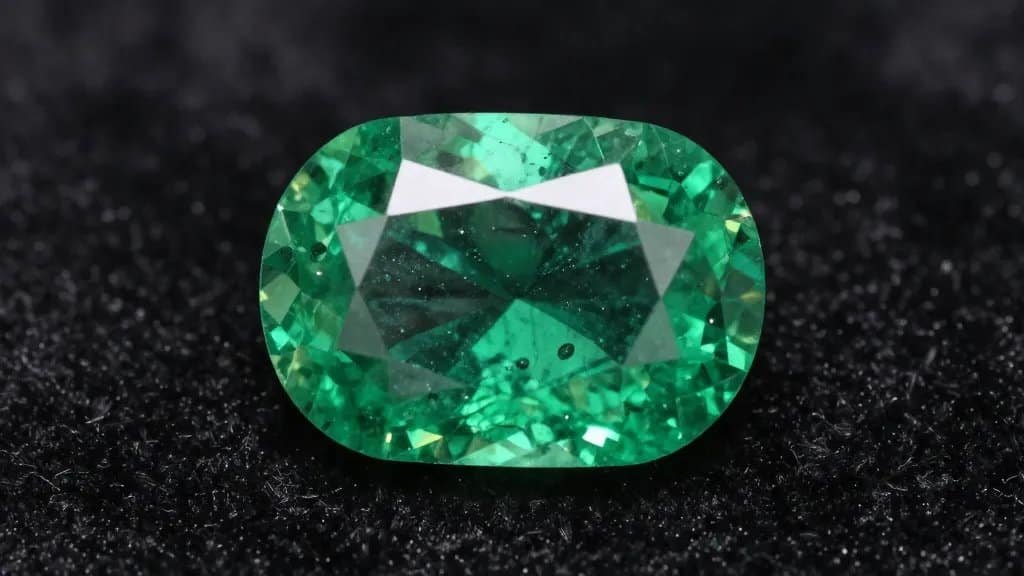
Emerald’s hypnotic green comes from chromium and sometimes vanadium in beryl. Colombia’s legendary mines—Muzo, Chivor, and Coscuez—produced stones worn by Indian maharajas, European nobility, and Hollywood royalty. The best color appears rich and pure, not too yellow or blue, with a silky glow that feels like deep shade beneath tropical leaves.
On Mohs, beryl sits at 7.5–8, but emeralds often have internal fractures and “jardin” (garden-like inclusions). These are part of their personality and also a durability consideration. Nearly all fine emeralds receive oiling—a traditional treatment using colorless oil or resin to minimize the visibility of fractures. It’s accepted in the trade when disclosed, but heavy, dyed, or unstable fillers can affect value and care.
For daily wear, an emerald ring benefits from a protective setting, mindful cleaning (no ultrasonic or steam), and gentle storage to avoid knocks. From a collector’s angle, origin can add prestige—Colombian, Zambian, and Afghan sources each bring subtle differences in hue and inclusion patterns. A loupe often reveals three-phase inclusions (solids, liquid, gas) in Colombian stones—a delightful hallmark for gem nerds. If emerald has your heart, read more on Gemstone Care and Gemstone Rings for practical tips before investing.
The Logan Sapphire and the Allure of Pure Blue
Weighing 422.99 carats, the Logan Sapphire is a masterclass in saturated blue without the inky darkness that kills light. Likely from Sri Lanka (Ceylon), it carries that region’s trademark: a regal blue with a clean, open tone. Cut as a cushion, it releases broad, velvety flashes, not the brittle sparkle of a small brilliant. Big sapphires can wear their color heavily; the Logan balances depth and life beautifully.
Geologically, corundum forms in high-temperature metamorphic environments and basaltic flows. Trace elements—iron and titanium—create blue, and careful heat treatment may refine the tone. For collectors, unheated sapphires with top color fetch serious premiums, especially above 10 carats. If size is part of the appeal, remember: color distribution matters. Look for evenness, minimal zoning, and no obvious extinction (dead patches).
Everyday advice: sapphire engagement rings have surged because corundum is tough, second only to diamond in practical hardness. If you want a modern heirloom, consider a slightly elongated cushion or oval sapphire in a simple setting that lets light pass beneath the stone. For more on shapes that enhance color and brilliance, explore Gemstone Shapes and Gemstone Cuts.
The Star of Africa’s Colored Counterpart: The Dresden Green Diamond
Green diamonds are among nature’s rarest experiments. The Dresden Green, around 41 carats, is a natural green—its color likely formed from radiation exposure in the earth that displaced carbon atoms in the lattice. True body color (not just skin-deep) is coveted; surface-only irradiation can produce a greenish rind but fades with recutting.
In person, the Dresden Green shows a saturated, slightly yellowish green with a crisp, bright interior—evidence of fine cutting and clarity. Type IIa chemistry and minimal nitrogen often contribute to their brightness. Green diamonds are typically untreated at the top end; confirm with a reliable lab report because modern treatments can mimic color. Collectors love them not just for hue, but for the science story etched into each lattice defect.
Care matches other diamonds: gentle cleaning with mild soap and a soft brush works well. Because of value density, keep green diamonds insured and stored individually. Those curious about durability across species might enjoy Gemstone Hardness to see how diamonds compare to other famous stones.
The Rosser Reeves Star Ruby and the Heartbeat of Red
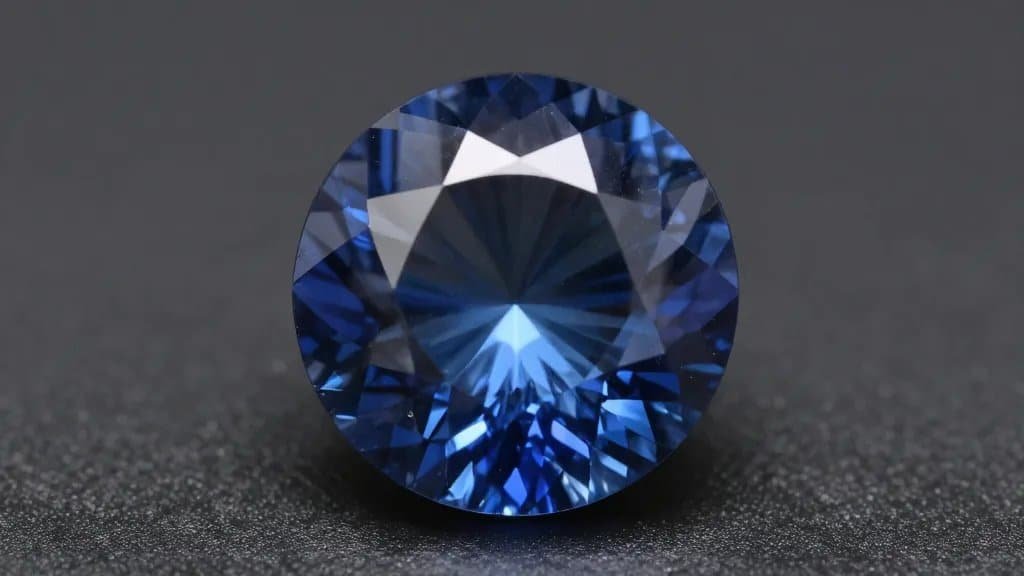
Star rubies blend the hunger of red with the poetry of a star. The Rosser Reeves, 138.72 carats, radiates a warm, pinkish-red with a sharp six-rayed star rolling across its domed surface. That star—like the sapphire’s—is caused by rutile silk. Clarity is deliberately translucent; facet these and you’d lose the magic.
Rubies are corundum colored by chromium. At high concentrations, chromium drives fluorescence that boosts apparent brightness. The best colors—often called pigeon’s blood—balance rich red with a living inner light. Star effects thrive when rutile is preserved; excessive heat reduces or removes silk, so high-quality star rubies are frequently less heated or unheated.
For jewelry, star rubies love the spotlight in rings and pendants. Look for centered stars with strong, straight rays, minimal windowing, and a high dome. A loupe should show tidy, fine needles rather than coarse, clouding inclusions. Because prices rise steeply for top color and sharp asterism, certification helps separate natural stars from synthesized corundum with added rutile. If you’re comparing ruby to spinel or garnet reds, a visit to Gemstone Comparisons can sharpen your eye.
The Pearl That Launched a Thousand Tales: La Peregrina
Pearls aren’t minerals; they grow inside mollusks, layer by nacreous layer. La Peregrina—“the Pilgrim”—is a near-perfect drop-shaped natural pearl with a satiny, mirrored surface. Passing through Spanish royalty and later owned by Elizabeth Taylor, it proves that organic gems can command as much awe as crystalline ones.
Pearls sit around 2.5–4.5 on Mohs, so they’re the gentle souls of the jewelry box. Perfume, hairspray, and acids can dull luster, and a quick wipe with a soft cloth after wearing keeps them glowing. For identification, natural pearls show concentric growth structures, while cultured pearls have a nucleus—x-ray reveals the difference. In daily life, a strand of well-matched cultured pearls offers the romance of La Peregrina without museum-level anxiety.
Value factors include luster (sharp reflections), surface cleanliness, shape, size, and color overtone. To keep a treasured pearl safe, restring periodically and store separately. Those exploring beyond pearls into other classics may enjoy Precious Gemstones and Gemstone Necklaces.
How Myths Stick to Gemstones—and What’s True Under the Shine
Legends arise where rarity meets power. The Hope’s “curse,” the Koh‑i‑Noor’s contested history, emeralds as talismans for vision—these stories add texture but can blur facts. A few quick calibrations help:
- Color is chemistry and structure: boron for blue diamonds, chromium for ruby and emerald, titanium and iron for sapphire, lattice defects for green diamonds.
- Hardness isn’t toughness: diamond resists scratches but can chip; emeralds need kinder handling despite decent hardness.
- Treatments are tools, not sins: oiling emeralds, heating sapphires, and clarity enhancement in diamonds all exist on a spectrum. Disclosure is the keyword.
- Origin matters, but quality leads: a superb Zambian emerald can outshine a mediocre Colombian. Buy the gem, not just the label.
If you love the lore, let it guide your curiosity—but anchor your purchases in verifiable reports and a strong sense of Gemstone Identification and Gemstone Care.
Practical Tips for Collecting a Piece of History
You may never own a museum piece, but you can collect with the same mindset:
- Documentation first: lab reports from recognized institutions clarify natural vs synthetic, treatments, and sometimes origin.
- Study with your eyes: train on color saturation, tone, and light return. Compare stones side by side in neutral daylight.
- Match stone to lifestyle: diamonds and sapphires tolerate daily wear; emeralds and pearls prefer gentler schedules.
- Choose classic cuts: cushions, ovals, and antique cuts age gracefully and suit colored stones’ optics.
- Budget for maintenance: pearls need restringing; emeralds may need re-oiling; prongs loosen over time.
- Buy from specialists: reputable dealers welcome questions and provide clear disclosures. Cross-check with a Gemstone Buying Guide for confidence.
FAQs
Are the “curses” around famous gemstones based on fact?
They’re mostly folklore. Patterns of misfortune often reflect history, not supernatural traits. The science—trace elements, lattice defects—explains color, not destiny.
How can I tell if a gemstone has been treated?
Many treatments leave diagnostic signs visible under magnification or spectroscopy. A trusted lab report is the simplest, safest confirmation.
What’s the safest famous-gem look for a daily-wear ring?
A sapphire or diamond in a protective setting (bezel or sturdy prongs) balances beauty and durability. Avoid daily wear for emerald or large pearls.
Is origin really worth the premium?
Sometimes. Origin can enhance value for top-quality stones, but color, clarity, and cut should still lead your decision.
Why do some star gems show sharper stars than others?
Star sharpness depends on rutile density and alignment, dome height, and polishing. Excessive heat or poor orientation weakens the effect.
Can antique cuts reduce a gem’s value?
Not necessarily. For historic or large stones, antique cuts can be prized for character. In modern markets, value depends on how the cut complements color and clarity.
What’s the best way to clean valuable colored stones?
Use lukewarm water, mild soap, and a soft brush. Avoid ultrasonic and steam for porous or included stones like emeralds and pearls.
Final Thoughts
The world’s most famous gemstones endure because they marry unforgettable color with human stories—voyages, crowns, near-misses, and brilliant craftsmanship. Learn how each gem gets its hue, respect its strengths and quirks, and you’ll see past the legend to the living light inside the stone. That’s where the real magic begins.

Christian Grey is the creator of GemMeaning, where he shares simple insights about crystals, gemstone meanings, and spiritual guidance. His focus is on making complex ideas easy to understand and practical for everyday life.