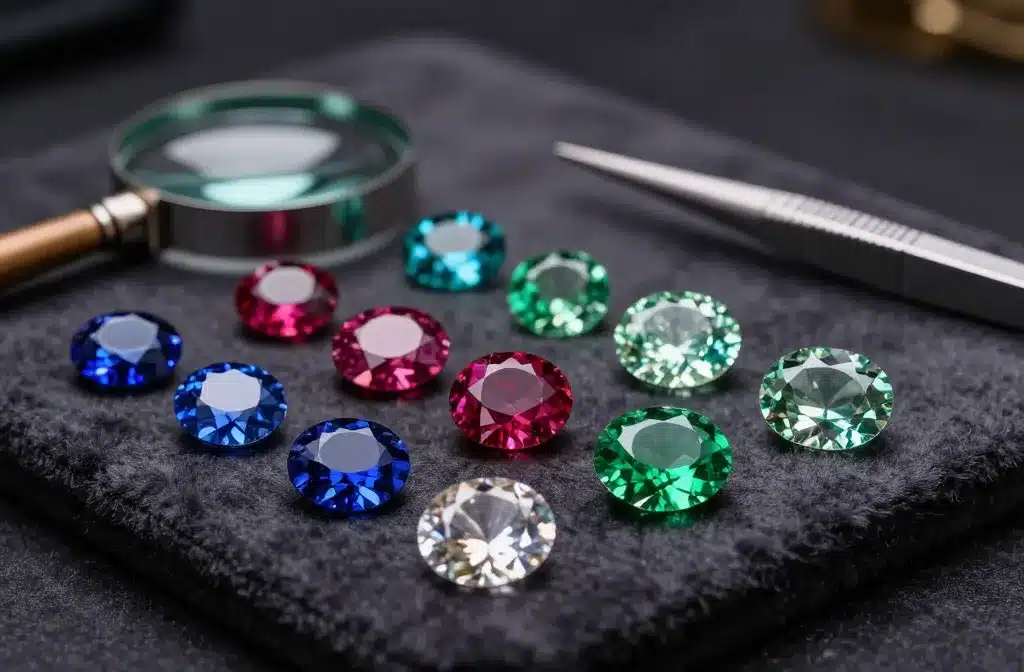
A well-chosen gemstone can catch the light and your breath in the same instant. A well-built collection goes a step further: it tells a story about earth, color, and the collector’s eye. Value isn’t just measured in appraisals; it lives in rarity, quality, provenance, and the joy a piece brings every time you open the case.
In this guide, you’ll learn how to evaluate stones like a pro, decide what to collect, avoid costly mistakes, and care for your gems so they age gracefully. You’ll also see how treatments, origins, and cutting styles influence both beauty and long-term worth.
Whether your heart races for neon tourmaline or silky blue sapphire, you’ll find clear steps and practical examples here. The goal is a collection that feels deeply personal—and happens to be a smart investment.
Let’s set a foundation you can build on for years, with room for curiosity and a sharpened eye.
Start With a Vision and a Budget You’ll Actually Keep
Great collections rarely happen by accident. Decide what excites you: vivid color, classic precious gems, under-the-radar rarities, or stones tied to history. You might focus on a theme—such as “neon and electric hues,” “birthstones,” “high-dispersion dazzlers,” or “miner-locality stars” like Kashmir sapphire, Mogok spinel, or Montana sapphire.
Set two budgets: a yearly ceiling and a per-piece range. Valuable gemstones often require patience. It’s better to buy one fine untreated ruby than three average ones with heavy treatments. Build a fund for irresistible opportunities so you can move quickly when the right stone appears.
Decide early whether you’ll mount stones into jewelry or keep them as loose gems. Loose stones offer flexibility and often better value; jewelry showcases beauty and can protect certain cuts. If jewelry appeals to you, factor in setting costs and choose designs that allow the gemstone to shine with minimal metal obstruction.
Know What Makes a Gem Valuable
Value comes from a blend of rarity, beauty, durability, and demand. Here’s how to read a stone the way seasoned collectors do:
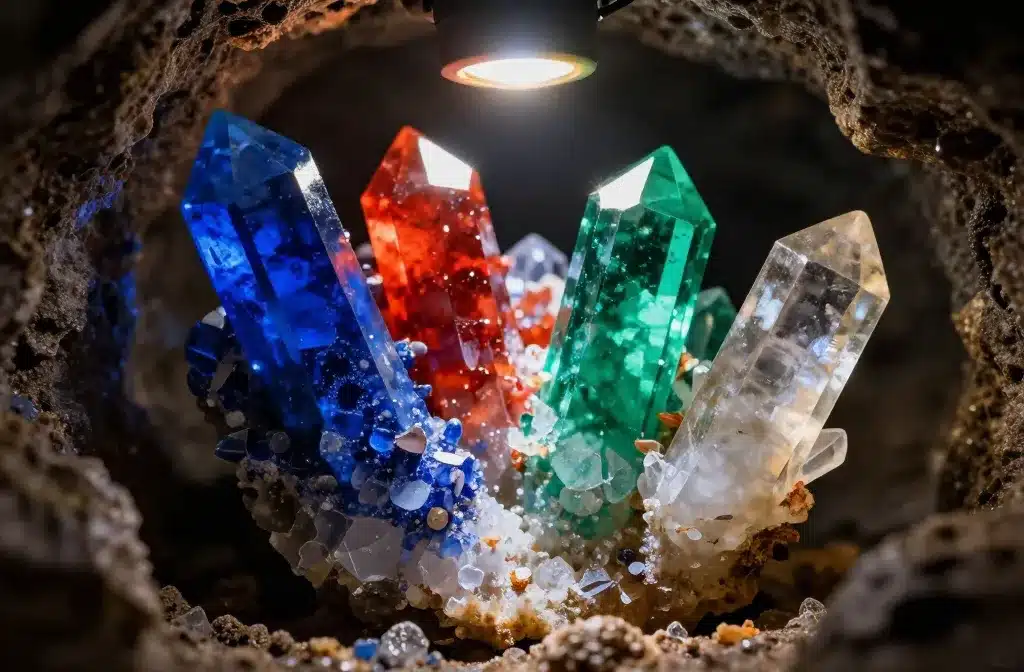
- Color: Watch for saturation and tone. The most prized stones balance richness with life—vivid without going too dark or washed out. Fine ruby glows a pure red with a hint of blue; sapphire favors royal to cornflower blues; emerald shows a velvety green with soft internal “jardin.”
- Clarity: Expect some inclusions in many colored gems; they can be fingerprints of natural origin. In sapphire and ruby, minor silk can soften light pleasantly; in emerald, jardin often forms part of the gem’s charm. In lighter-toned stones like aquamarine or morganite, eye-clean clarity matters more.
- Cut: Cut determines how light dances. A well-proportioned cut returns light evenly, avoiding windows (see-through patches) and extinction (dead dark zones). Precision cutting matters especially in gems with high refractive index, like garnet and sapphire, where crisp facet junctions produce sharp scintillation.
- Carat: Bigger is rarer, but only if quality scales with size. A 1.5-carat top-color ruby may outvalue a 3-carat mediocre one. Size premiums vary widely by species; spinel and tourmaline can scale gently, while fine ruby and emerald jump sharply with size.
- Durability: Hardness and toughness affect longevity and wearability. Corundum (sapphire, ruby) at Mohs 9 suits daily rings; emerald (Mohs ~7.5–8) can be brittle with inclusions; opal (~5.5–6.5) and tanzanite (~6–7) demand gentle handling.
- Origin: Some localities command premiums: Kashmir sapphire, Burmese ruby, Colombian emerald, Mahenge spinel, Paraíba tourmaline from Brazil. Origin matters most when paired with exceptional quality and reliable documentation.
- Treatments: Heating, oiling, and diffusion treatments impact value. Untreated stones with lab proof are scarce and highly prized. Subtle, traditional treatments (e.g., heated sapphire, lightly oiled emerald) are acceptable at many price points; more invasive methods reduce long-term desirability.
As you learn these factors, you’ll grow confident navigating related topics like Gemstone Value Guide and Gemstone Identification, which can reinforce your eye for what truly holds long-term worth.
Build a Foundation: Classic Cornerstones vs. Character Pieces
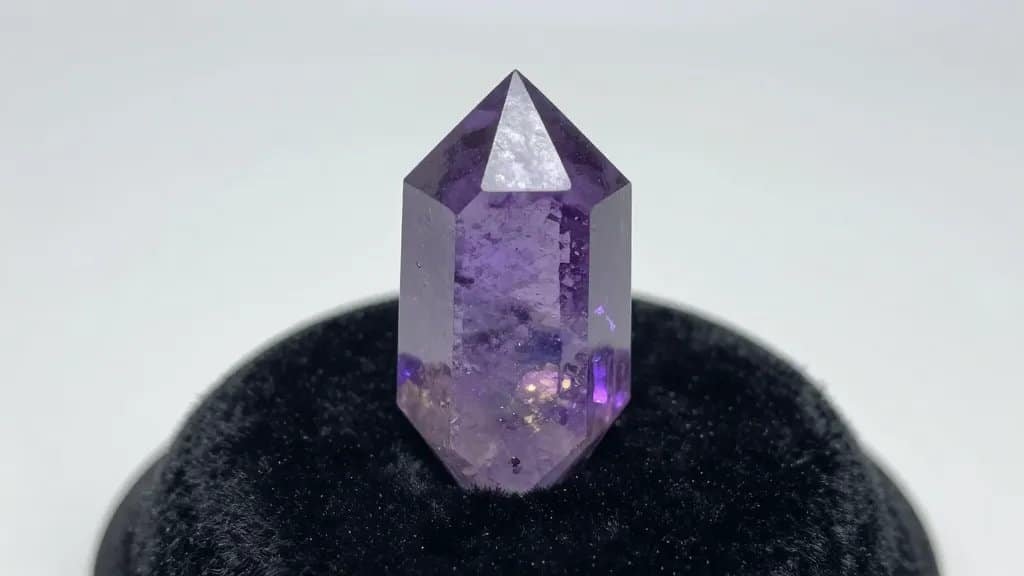
Start by pairing a few blue-chip classics with one or two expressive gems that feel uniquely yours. This mix anchors value while keeping the collection lively.
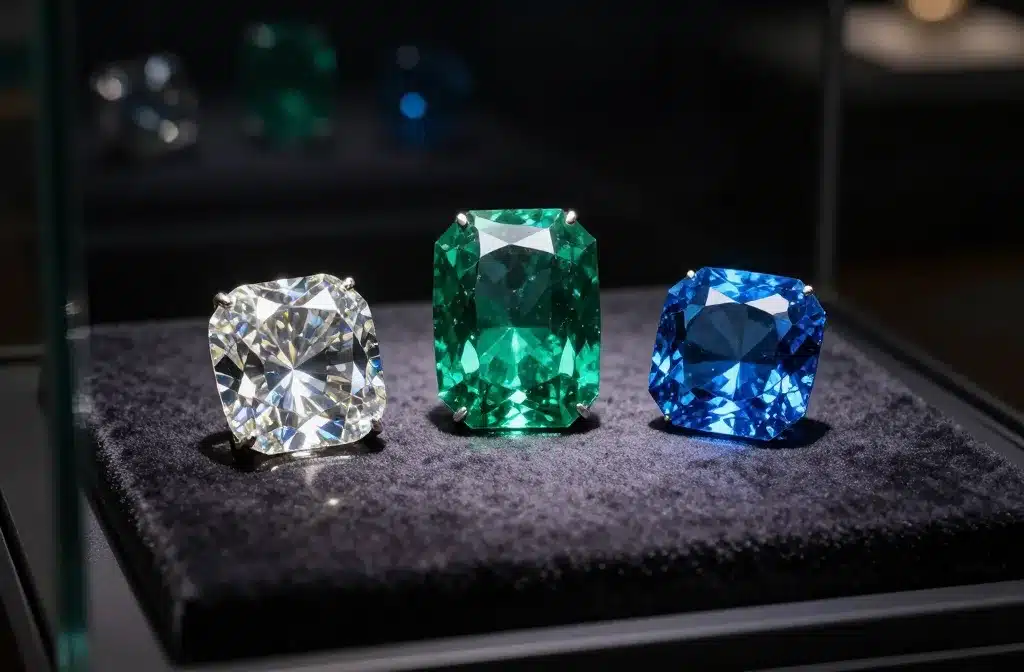
- Cornerstones: Ruby, sapphire, emerald, and diamond (if you collect colored diamonds, even better). Look for strong color, attractive cut, modest to minimal treatments, and lab reports.
- Character Gems: Spinel (from steely-blue to hot pink), Paraíba-type tourmaline (neon blue-green copper-bearing), alexandrite (distinct color change), tsavorite garnet (electric green), and fine imperial topaz (amber to peachy-pink). These bring personality and often compelling stories.
- Underappreciated Beauties: Mahenge garnet, color-shift garnet, chrysoberyl, cobalt blue spinel, cuprian tourmaline from Mozambique, fine peridot, and sunstone with schiller. When chosen well, these can be future “I wish I bought more back then” gems.
Balancing cornerstones and character pieces builds resilience. If fashion drifts, the classics hold; if supply tightens for a niche stone, your character piece might leap in desirability. For deeper comparisons among species, check related topics like Gemstone Comparisons and Precious Gemstones vs. Semi-Precious Stones to map trade conventions against actual beauty and rarity.
Train Your Eyes: Practical Evaluation Habits
Nothing replaces seeing stones in hand. Set simple routines that sharpen your instincts:
- Lighting: View gems in multiple lights—daylight, warm indoor, and a neutral LED. A fine sapphire stays vivid across changes; a weak stone dies in softer light.
- Angles: Tilt the gem slowly. Note scintillation (sparkle) and extinction (black areas). Well-cut stones “wake up” with movement rather than flash just once.
- Backgrounds: Evaluate on white and on skin-tone backgrounds. Some stones look great on white but mute on the hand, and vice versa.
- Loupe Work: Use a 10x loupe to learn inclusion patterns. Rutile silk in corundum can create a soft glow; fluid inclusions in emerald look feathery; needle-like inclusions in tourmaline line up with growth. Natural inclusions tell you what the gem has been through.
- Proportions: Note depth. A too-shallow stone may window; too deep and you carry weight where it doesn’t show, sometimes darkening the face.
- Consistency: Compare two or three examples side by side. Your brain calibrates fast with live contrasts.
Keep notes: measurements, weight, color impressions, and price. Over time, your records become a personal Gemstone Value Guide anchored in real experience.
The Truth About Treatments and Certification
Treatments are part of the modern gemstone world. Knowing them protects your wallet and clarifies value:
- Heat (common in sapphire and ruby): Usually stable and accepted. Pricing depends on resulting quality; unheated counterparts with equivalent beauty fetch premiums.
- Oil/Resin in Emerald: Light traditional oiling (often cedarwood oil) reduces visible fractures and is widely accepted; heavy oil or polymer/resin fillings reduce value and require disclosure.
- Diffusion (titanium or beryllium): Introduces color into top layers or throughout; can create vivid looks but lowers long-term desirability. Demands clear disclosure.
- Fracture Filling/Lead Glass in ruby or diamond: Dramatically lowers durability and value; should be bought with caution, if at all.
- Irradiation (blue topaz, some tourmaline): Common and typically stable; values are market-appropriate when disclosed.
For stones where origin or treatment matters—ruby, sapphire, emerald, Paraíba-type tourmaline, alexandrite—request a report from a respected lab. A lab document anchors value, especially for high-end purchases. Learn to read these reports; they often include geological indicators and clarity treatment levels. If you’re interested in comparisons across durability categories, the Gemstone Hardness topic will give useful context for wear-and-care expectations.
Buying Smart: Sources, Pricing, and Red Flags
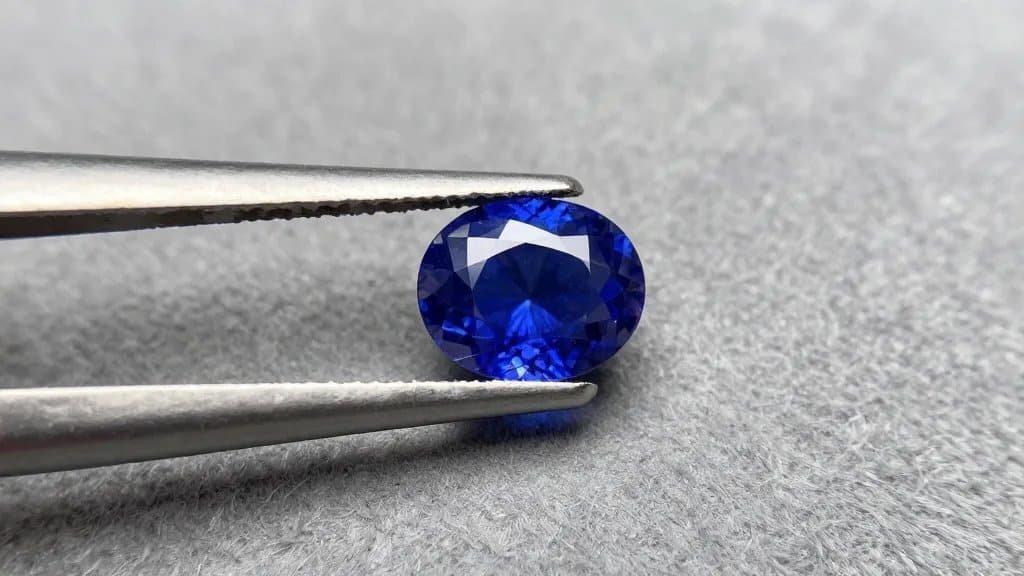
Reputable sources include established dealers, specialized auction houses, and vetted online platforms with return policies. In-person gem shows are invaluable for education and side-by-side comparisons. Relationships matter: a dealer who understands your taste will call you when something special appears.
Approach pricing with realism. A stone that seems “too good” likely hides heavy treatment, weak color, or issues with clarity and cutting. Ask for:
- Full disclosure of treatments
- Accurate measurements and carat weight
- Clear photographs and, ideally, daylight videos
- Return policy and lab report for significant purchases
Common red flags: exaggerated origin claims without documents, euphemisms like “enhanced” without detail, or photos that look oversaturated. For big buys, insist on independent lab confirmation before final payment. When in doubt, consult a trusted gemologist; a small fee can save a large disappointment. For additional guardrails, explore a Gemstone Buying Guide to align expectations with market norms.
Real vs. Synthetic vs. Imitation: Keep Your Definitions Straight
Natural means formed in the earth. Synthetic means the same chemical composition and structure, but grown in a lab (e.g., synthetic sapphire). Imitation mimics appearance only (e.g., glass resembling emerald).
How to tell them apart in practice:
- Inclusions: Natural stones show geological growth features—parted crystals, mineral needles, “fingerprints.” Synthetics may show curved striae, gas bubbles, or metallic platelets depending on the method.
- Filters and Instruments: A Chelsea filter can quickly screen for some dyes; a polariscope and refractometer offer objective data. Even a simple dichroscope reveals pleochroism in gems like sapphire and tanzanite.
- Weight and Feel: Glass is often lighter relative to size and shows rounded facet junctions, orange-peel texture, and more surface wear.
Authenticity matters both for conscience and value. If a deal hinges on origin or treatment, let a reputable lab be the referee. For more on field techniques, the Gemstone Identification topic pairs nicely with hands-on practice.
Mounting, Display, and Care: Protecting Your Investment
How you store and wear gems affects both beauty and future value. Consider these habits:
- Settings: For durable stones like sapphire, solitaire rings or tennis bracelets are fine for daily wear. For emerald or opal, choose protective settings—bezels, halos, or pendants—so they’re less exposed to knocks.
- Cleaning: Warm water, mild soap, and a soft brush cover most needs. Avoid ultrasonic and steam for emerald, opal, tanzanite, and fracture-filled stones. Wipe with a soft cloth after wear to remove skin oils that dim brilliance.
- Storage: Keep stones separated to prevent scratches. Corundum can scratch almost everything else; use individual pouches or compartments. Opals prefer moderate humidity; avoid sealed, bone-dry boxes for long periods.
- Documentation: Store lab reports, invoices, and photos together. Provenance adds story and can support future valuations.
If you’re assembling a wearable collection, explore Gemstone Jewelry subjects like Gemstone Rings or Gemstone Necklaces for design ideas that enhance life and light return while keeping the gem safe.
Rarity, Stories, and the Thrill of the Hunt
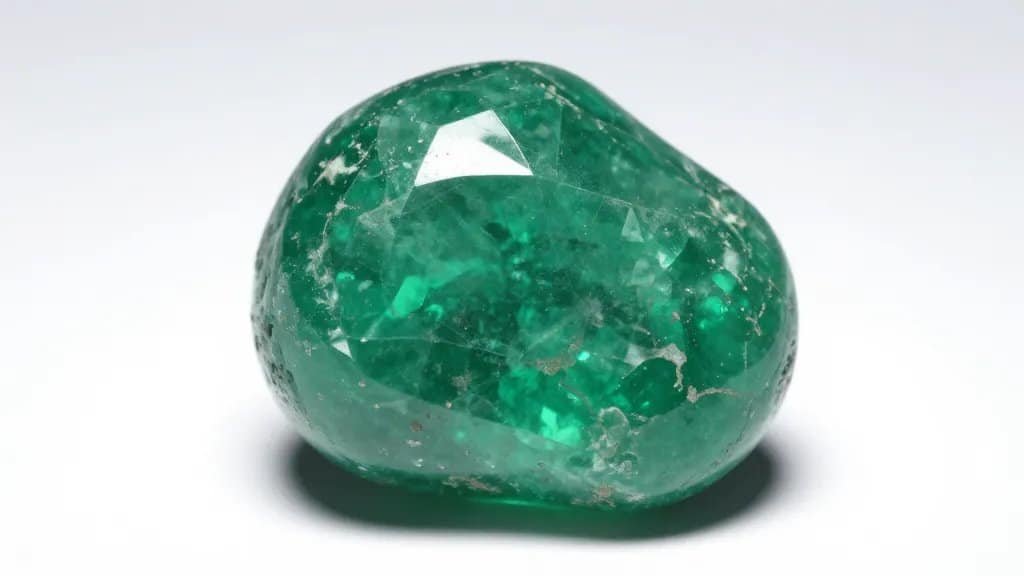
Value is not only a spreadsheet. Some of the most treasured pieces carry human and geological stories: a spinel from Mogok with silky glow; a fine tsavorite from the Voi–Taita region; a sapphire cut by a renowned lapidary whose precision makes the stone look lit from the inside.
Consider adding at least one piece with known provenance—a signed jeweler, a documented mine origin, or a stone traced to a historic collection. These stories often age well. Collector Gemstones and Gemstone History can help you contextualize special finds within broader narratives that enrich meaning and desirability.
Creating a Cohesive, Personal Collection
A valuable collection reflects a point of view. Aim for coherence without rigidity:
- Color Harmony: Group by complementary colors—teal tourmaline next to royal sapphire, raspberry spinel beside tsavorite—so the case sings when opened.
- Cut Language: Some collectors favor antique cuts (old mine, sugarloaf cabochons) for tactile charm; others love razor-sharp precision cuts with kaleidoscopic sparkle.
- Texture and Transparency: A glossy, glassy tanzanite next to a silky Kashmir-type sapphire teaches the eye about light diffusion. Cabochons can showcase asterism (stars) or chatoyancy (cat’s eye) that faceting would hide.
- Scale: Don’t chase size alone. A perfectly cut 1.2-carat stone that radiates life can anchor a tray better than a sleepy 3-carat lump.
Revisit your vision annually. Sell or trade pieces that no longer fit; upgrade to fewer, finer stones. Your collection should evolve as your taste sharpens.
Common Mistakes—and How to Avoid Them
- Buying for the Paper, Not the Stone: A lab report is essential, but the gem itself must stir you. If it doesn’t light up in person, pass.
- Chasing Trends Blindly: Neon colors and brand-new discoveries can spike prices. If you love them, great—but evaluate fundamentals: cut, clarity, stability of treatment, and supply.
- Ignoring Durability: Mounting a softer gem in a daily-wear ring invites chips. Save delicate beauties for earrings, necklaces, or special-occasion rings.
- Overlooking Cut Quality: Even a rare color can look dull if badly cut. Learn to spot windows and dark centers; demand balance and life.
- Skipping Documentation: For higher-value stones, lab reports and itemized invoices guard against ambiguity later.
- Neglecting Maintenance: Dirty facets kill brilliance. Regular gentle cleaning keeps performance high.
A Starter Roadmap: Curating Your First Ten Stones
Here’s a balanced path to begin, with room to personalize:
- Royal-to-cornflower blue sapphire, 1–2 ct, well-cut; heated acceptable, unheated if budget allows.
- Fine red ruby, 0.7–1.5 ct, vivid but not overly dark; prefer heated or, if feasible, natural no heat.
- Colombian or Zambian emerald, 0.8–1.5 ct, vibrant mid-to-deep green with minor to moderate oil.
- Spinel in hot pink, cobalt-blue, or classic red; look for lively cut and clean look to the eye.
- Tsavorite garnet, 1–2 ct, bright, even green with crisp scintillation.
- Paraíba-type tourmaline, 0.3–1 ct, pronounced coppery neon; secure a lab report for copper confirmation.
- Alexandrite with distinct color change; even small stones with strong change are compelling.
- Fine mandarin (spessartite) garnet, 1–3 ct, glowing tangerine without brown overtones.
- A precision-cut pastel—morganite, aquamarine, or kunzite—for contrast in mood and saturation.
- A character cabochon: star sapphire, cat’s-eye chrysoberyl, or black opal with rolling play-of-color.
These ten teach the eye across colors, structures, and phenomena. As you refine, you might branch into Rare Gemstones or focus on exquisite Gemstone Cuts that elevate ordinary material into something exceptional.
FAQs
How important is origin compared to overall quality?
Origin matters most when quality is already exceptional. A top-grade gem from a famed locality carries a premium; a mediocre stone won’t become valuable simply because of origin.
Should I prioritize untreated stones?
Untreated stones with strong color and cut are scarce and prized, but taste and budget matter. Light, traditional treatments are acceptable when fully disclosed; choose the most beautiful stone you can within your means.
Are lab-grown gems worth collecting?
They offer beauty and affordability but generally don’t appreciate like natural stones. Some collectors include them for design or science interest, but they’re typically not investment pieces.
What carat sizes tend to hold value best?
Stones above “threshold” weights (1, 2, 3 ct) can command step-up prices, assuming quality scales with size. However, a smaller, exceptional gem can outvalue a larger, average one.
How often should I clean my gemstone jewelry?
Light wipe after each wear, and a gentle soap-and-water clean every few weeks. Avoid ultrasonic cleaners for emerald, opal, tanzanite, and fracture-filled stones.
Do appraisals guarantee resale value?
No. Appraisals estimate replacement cost for insurance and can exceed real resale prices. Market demand, quality, and documentation drive actual resale value.
What’s a safe way to start without making big mistakes?
Buy fewer, better stones from reputable dealers with return policies, learn to use a loupe, and request lab reports for significant purchases.
Final Thoughts
A valuable gemstone collection grows from clear taste, disciplined buying, and steady learning. Choose stones that perform beautifully in real light, document them well, and care for them thoughtfully. Over time, your tray won’t just sparkle—it will tell a story only you could have assembled.

Christian Grey is the creator of GemMeaning, where he shares simple insights about crystals, gemstone meanings, and spiritual guidance. His focus is on making complex ideas easy to understand and practical for everyday life.