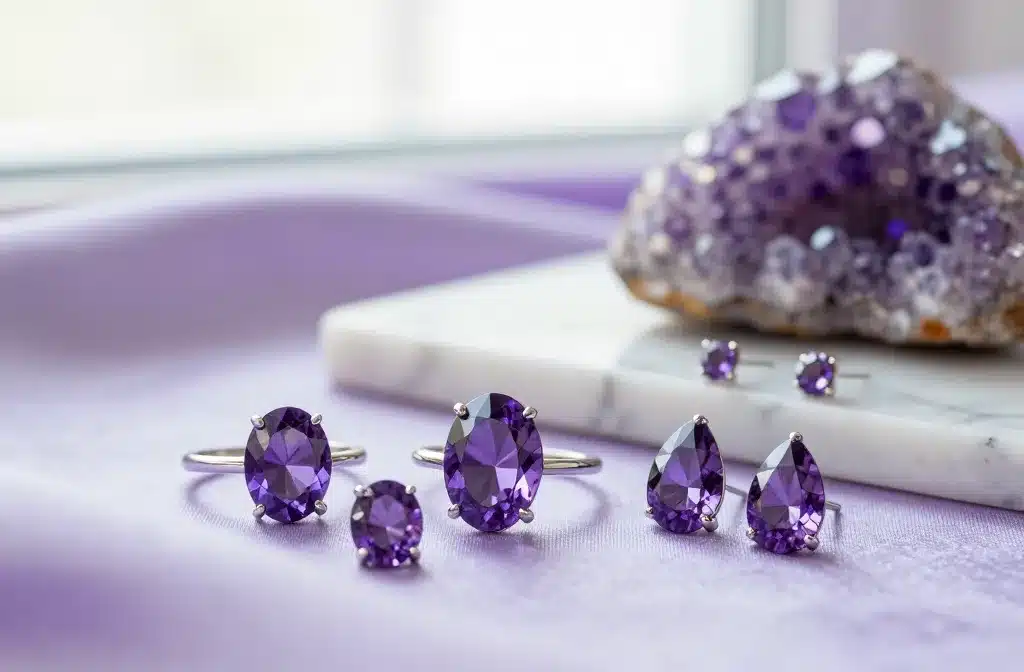
February’s birthstone has a knack for surprising people. Amethyst wears purple like velvet—sometimes whisper-soft lilac, sometimes a deep, winey plum—yet it remains one of the most approachable gemstones to buy and to wear. It carries centuries of symbolism, a fascinating geological story, and a color that flatters almost every skin tone.
If you’re shopping for a birthday, an anniversary tucked into late winter, or a self-gift with heart, you’ll find inventive ways to showcase amethyst beyond the classic solitaire. You’ll also learn why hue matters so much, what settings bring out the gem’s natural glow, and how to choose a piece that lasts.
Below, we’ll explore design ideas from dainty everyday pieces to heirloom-level stunners, value tips only gem lovers tend to share, and practical care advice. Expect a friendly mix of gemology and style—just enough science to buy with confidence, and plenty of inspiration to make someone smile.
Let’s start with what makes February’s stone distinctive and then move into specific jewelry ideas you can shop for today.
Meet Amethyst: Color, Character, and Meaning
Amethyst is the violet to purple variety of quartz, crystallized silicon dioxide with a six-sided symmetry that grows in prismatic crystals and druses. Its color comes primarily from trace iron and natural irradiation, producing shades from pale lavender to saturated royal purple. In bright light, fine stones show lively sparkle across the crown facets with flashes that can lean slightly red or blue depending on the individual stone.
On the Mohs scale, amethyst ranks a 7, making it durable enough for most jewelry, including rings, provided the piece is well designed. Its luster is vitreous, so a good polish yields a glassy, crisp surface. Expect eye-clean transparence in many modern cuts; feathers and color zoning can appear, but top stones combine even color with minimal visible inclusions.
Historically, amethyst symbolized sobriety, clarity, and spiritual calm. It was cherished by royalty and clergy, setting purple apart as a color of dignity and devotion. Today, it’s still associated with mental balance and creativity—sentiments that make for a meaningful gift without feeling heavy-handed.
Choosing Color: From Lavender to Royal Purple
Color is the main value driver in amethyst. The sweet spot is a medium to medium-dark purple with even saturation, not so dark that the stone looks inky in low light. You might notice two common looks:
- “Siberian” style color: A rich purple with subtle red and blue flashes. Prized for its depth and fire.
- Rose de France: Soft, pastel lilac. Airy and romantic, especially in larger stones where deep purple could feel heavy.
Color zoning—bands or patches of lighter and darker purple—is common in quartz. Skilled cutters often orient the rough to minimize zoning and showcase a smooth, even face-up hue. If you’re browsing in person, gently rotate the stone under light and look for consistent color across the table without murky areas. Online, request daylight photos or a video to see how the gem shifts in different lighting.
Origins and Varieties Worth Knowing
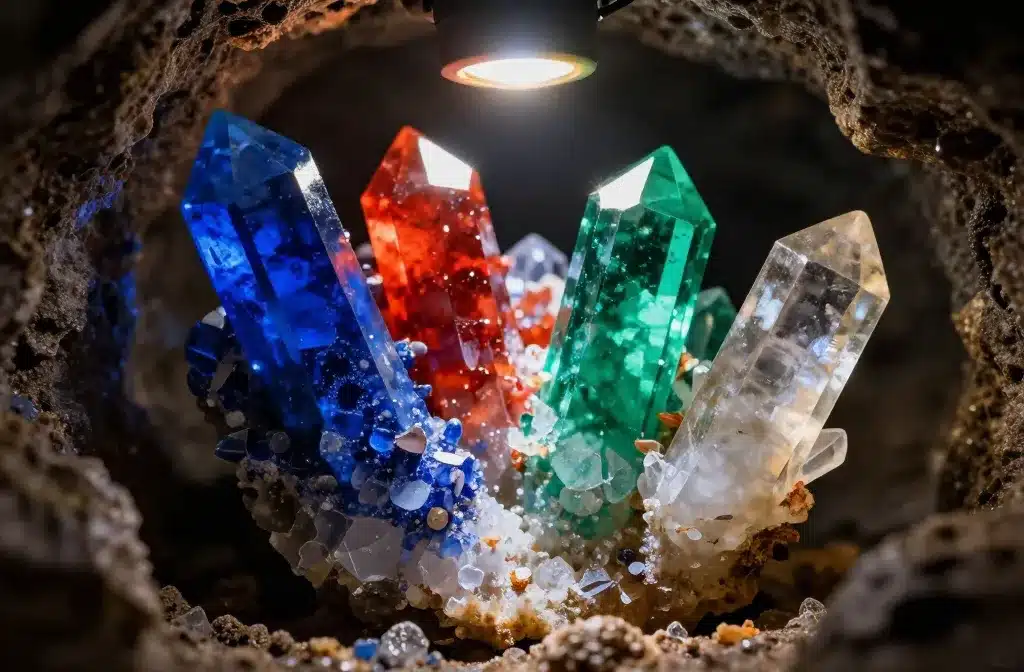
Amethyst forms in cavities of volcanic rock and hydrothermal veins, often in geodes lined with sparkling crystals. Brazil and Uruguay are longstanding sources for richly colored material; Zambia produces stones with slightly cooler, bluish undertones; and Madagascar can yield beautifully clean pastels.
Varieties and related gems to consider:
- Ametrine: A natural blend of amethyst and citrine in one crystal, creating a yellow-purple bicolor. Excellent for geometric cuts and statement pendants.
- Amethyst Stalactite Slices: Cross-sections of crystal growth with a mesmerizing bullseye pattern. These make artistic pendants and earrings with a raw-meets-refined vibe.
- Rose de France: Pastel amethyst; lovely in large, airy designs that show off its subtlety.
Most amethyst on the market is natural and untreated, though heating can modify color in some quartz. Laboratory-grown amethyst exists and is chemically identical; it can be a budget-friendly option, but should be clearly disclosed. If you’re curious about distinctions and testing methods, explore topics like Gemstone Identification and Gemstone Myths for a deeper dive.
Design Ideas: Thoughtful Gifts That Wear Beautifully
Great amethyst jewelry marries color to design. Here are curated gift ideas that balance beauty, practicality, and budget.
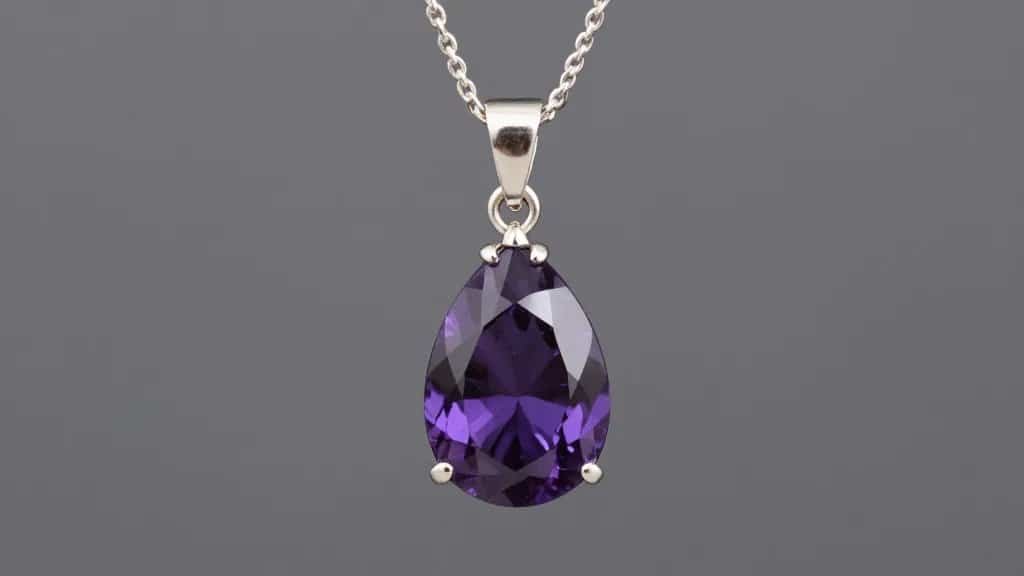
- Everyday Solitaire Necklace: A 5–8 mm round or oval in a bezel or petite prong setting. Look for medium saturation so the stone stays lively under office or winter light. Pair with white gold or sterling to emphasize coolness; rose gold warms the purple for a romantic feel.
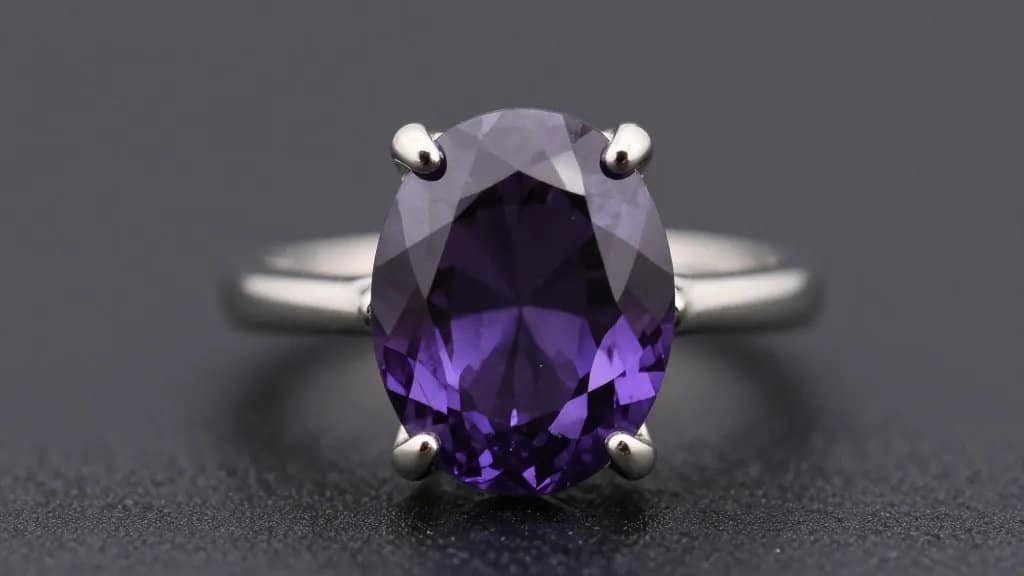
- East–West Oval Ring: Setting an oval sideways feels modern and elongates the finger. Choose a protective bezel or low-profile prongs and consider a tapered band. For durability, a simple halo of small diamonds or white sapphires adds sparkle without overpowering the center.
- Art Deco Halo Earrings: Step-cut amethysts (emerald or baguette shapes) framed with milgrain detail evoke vintage elegance. Deep purple stones pop against geometric lines, while pastel stones read soft and luminous.
- Birthstone Stacking Bands: Small round amethysts alternating with metal beads or tiny diamonds make for an understated, meaningful stack. Ideal for daily wear and easy to mix with other Birthstone Jewelry.
- Heirloom Pendant with Mixed Gems: Pair amethyst with diamond, white topaz, or moonstone for a balanced palette. For a color-forward piece, try amethyst with pale aquamarine or mint garnet—cool-on-cool tones that feel crisp and winter-fresh.
- Ametrine Statement Cut: A rectangular or fantasy-cut ametrine pendant highlights the natural color split. Keep the setting minimal so the bicolor effect takes center stage.
- Men’s Signet or Shield Ring: A cabochon or step-cut amethyst in a brushed gold or blackened silver bezel offers gravitas without flash. Bonus: a lower-set stone resists knocks.
- Bolo Bracelet with Cushion Cut: A cushion or square cut on an adjustable chain suits many wrist sizes. This is a versatile, one-size-gifts-most pick.
- Raw Crystal Necklace or Stalactite Slice: For a bohemian or artistic recipient, an uncut cluster or polished slice set in simple metal turns geology into wearable sculpture.
Setting Metals and Cuts That Flatter Amethyst
Metal color subtly steers the overall mood. White metals (platinum, white gold, sterling) coax out amethyst’s cool violet tones and add crisp contrast. Yellow and rose gold warm the gem, pulling faint red flashes to the surface and giving a regal, antique character.
As for cuts, amethyst is forgiving and brilliant when well-faceted. Consider:
- Brilliant Cuts (round, oval, pear): Maximize sparkle and hide minor inclusions. Great for everyday pendants and studs.
- Step Cuts (emerald, Asscher): Emphasize clarity and color zoning—choose cleaner material. These look luxurious and architectural.
- Cushion and Antique Cuts: Soft corners pair beautifully with the gem’s calm vibe. A cushion with a delicate halo makes a timeless gift.
- Cabochons: Smooth domes show off even color and feel vintage or artisanal. Ideal for boho pendants and bold rings.
If you’re choosing between shapes, think about the wearer’s style. Minimalists often prefer oval or round solitaires; bold dressers may love geometric step cuts or freeform slices. For more on aesthetics, see Gemstone Cuts and Gemstone Shapes.
Quality, Value, and How to Spot a Smart Buy
Amethyst offers unusually good value for size. You can choose a larger stone without a steep price jump—one reason it’s perfect for impactful gifts. To shop wisely:
- Color First: Aim for evenly saturated purple that stays bright in different lighting. Avoid overly dark stones that “close up.”
- Clarity and Cut: Many amethysts are eye-clean; prioritize a lively cut over carat weight. A well-cut 2-carat stone will outshine a dull 3-carat.
- Origin Isn’t Everything: Brazilian, Zambian, and Uruguayan stones can all be excellent. Judge the gem, not just the mine.
- Natural vs. Lab-Grown: Lab-grown amethyst can be flawless and affordable—great for budget-friendly statement pieces—just ensure clear disclosure. Natural stones with fine color carry more collector charm.
- Mounting Quality: Check prong symmetry, polish, and stone seating. A smooth under-gallery and balanced prongs signal care in craftsmanship and comfort on the skin.
If you’re comparing prices, a Gemstone Buying Guide or Gemstone Value Guide can help you weigh trade-offs like carat size versus cut precision or metal quality.
Durability and Daily Wear Tips
At Mohs 7, amethyst resists everyday scratches from household dust but isn’t invincible. Quartz can abrade against harder materials like sapphire or diamond jewelry in the same box. For rings, choose settings with some protection—bezels, halos, or slightly recessed prongs—especially for active wearers.
Practical habits to extend life and luster:
- Remove rings for gym sessions, gardening, or abrasive chores.
- Store pieces separately in soft pouches to prevent rubbing.
- Avoid prolonged heat or sudden temperature changes; excessive heat can alter color in quartz family gems.
For buyers weighing gemstone resilience across the board, topics like Gemstone Hardness and Gemstone Care offer useful context.
Care, Cleaning, and Long-Term Beauty
Keep amethyst bright with simple care:
- Clean using warm water, mild soap, and a soft brush. Rinse thoroughly to remove residue from behind the stone, where oil and lotion collect.
- Ultrasonic cleaners are generally safe for clean, unfractured amethyst, but avoid them if the stone has visible inclusions or if the jewelry contains delicate accents.
- Avoid steam cleaning and harsh chemicals, including bleach and strong detergents.
- Wipe with a lint-free cloth after wear to remove fingerprints that can dull the surface.
Over decades, high light exposure can gently fade some amethyst. Don’t store pieces on a sunny windowsill; a jewelry box is better for long-term color stability.
Personalizing the Gift: Birthdays, Zodiacs, and Meaning
February birthdays are the obvious match, but amethyst also resonates with Aquarius and Pisces themes—intuition, creativity, and compassion. For a personal touch, engrave a pendant’s back with a date, initials, or a short sentiment. Mixing amethyst with the recipient’s favorite color gemstones can make the gift feel bespoke—think amethyst and peridot for a surprising violet-green pairing, or amethyst with diamond for classic sparkle.
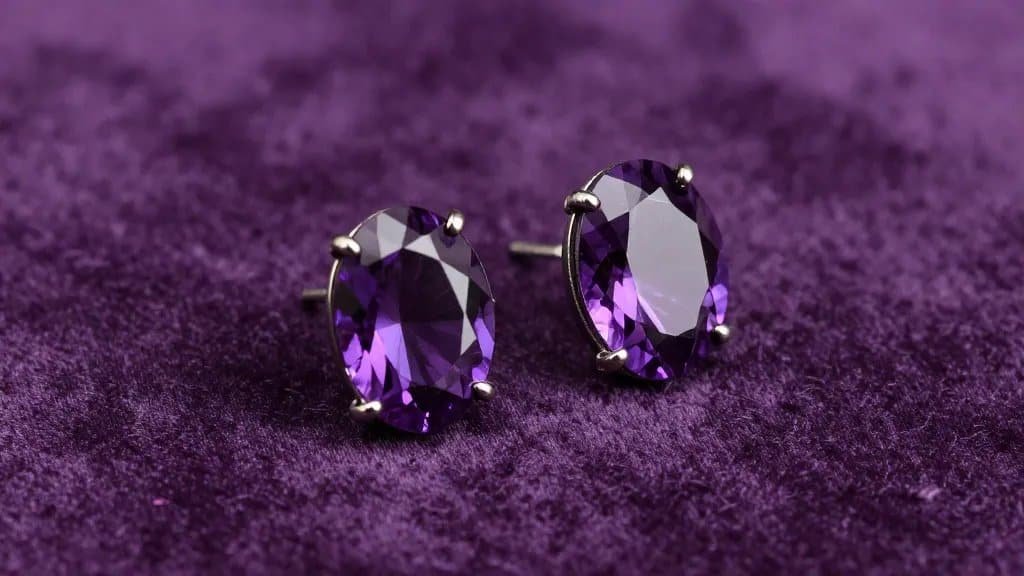
For new parents of a February baby, consider a charm bracelet with a petite amethyst drop. For partners, a coordinated set—studs plus a small pendant—feels thoughtful without being showy. And for collectors, a well-cut ametrine or a stalactite slice pendant adds something uncommon to the jewelry box; it also nods to collector interests you’ll find under topics like Collector Gemstones and Rare Gemstones.
Real vs. Imitation: Quick Identification Pointers
Amethyst is frequently imitated with purple glass. Here’s a quick guide:
- Inclusions: Natural amethyst may show fine needles, veils, or subtle color zoning. Glass often has round gas bubbles.
- Weight and Feel: Glass can feel heavier for its size and slightly “warmer” to the touch compared to crystalline quartz.
- Luster and Facet Edges: Well-cut amethyst shows crisp facet junctions; glass may have slightly softer edges and a different surface luster.
- Disclosure and Documentation: Reputable sellers will state whether a gem is natural or lab-grown and provide return policies. If in doubt, consult a professional appraiser or read up on Gemstone Identification.
Price Ranges and Thoughtful Budgeting
One of amethyst’s charms is how far your budget can go. As a rough guide:
- Simple sterling silver studs or a petite pendant with natural amethyst often sit in an accessible price bracket.
- Gold settings, larger stones, precision cutting, and diamond halos raise the price but still remain friendly compared with many Precious Gemstones.
- Ametrine and unique cuts or slices can command premiums for artistry or rarity of appearance rather than raw material cost.
Decide what matters most—color depth, metal, design complexity—and allocate accordingly. Often, choosing a slightly smaller stone with top color in a well-made setting beats going big for the sake of carats.
Common Mistakes to Avoid
- Overlooking Cut: A dull cut robs even richly colored amethyst of life. Prioritize brightness and symmetry.
- Buying Too Dark: If the stone looks almost black indoors, it will likely disappoint. Choose medium to medium-dark saturation.
- Ignoring Setting Height: A tall ring might catch on sweaters or winter gloves. Low-profile designs wear better day-to-day.
- Skipping Care: Storing amethyst loose with harder gems can cause fine abrasions over time. Separate storage is a simple fix.
- Confusing Glass for Gem: If the price is surprisingly low for a large, perfectly clean “amethyst,” ask questions and request details.
Frequently Asked Questions
Is amethyst suitable for an engagement ring?
Yes, if the design protects the stone. Choose a bezel or halo, and plan for regular care. It won’t rival diamond’s hardness, but many couples love its color and symbolism.
What metal pairs best with amethyst?
White metals sharpen the purple; yellow and rose gold warm it. Choose based on the wearer’s skin tone and style—both approaches look great.
Does amethyst fade over time?
Prolonged, strong light can gently fade some stones. Store in a jewelry box when not worn and avoid leaving pieces in sunny spots.
How can I tell if my amethyst is natural?
Look for subtle inclusions or color zoning and ask for disclosure. A gemologist can confirm with simple tests; documentation from a reputable seller helps.
What’s the difference between amethyst and ametrine?
Ametrine is a natural bicolor quartz showing both purple (amethyst) and yellow (citrine) in one stone. It’s rarer and striking in geometric cuts.
Can I wear amethyst every day?
Yes, with mindful care. Remove for rough activities, store separately, and clean gently to keep it bright.
Are there meaningful gem pairings with amethyst?
Diamond or white sapphire enhances sparkle, while aquamarine, peridot, or moonstone create poetic color stories. Choose pairings that echo the wearer’s palette.
Final Thoughts
February birthstone jewelry should feel personal, practical, and beautiful in real life—not just in a display case. Focus on lively color, thoughtful settings, and the recipient’s style. With amethyst, you don’t have to choose between meaning and wearability; you can have both, often at a comfortable price. That makes it a gift people reach for again and again—exactly what a birthstone should be.

Christian Grey is the creator of GemMeaning, where he shares simple insights about crystals, gemstone meanings, and spiritual guidance. His focus is on making complex ideas easy to understand and practical for everyday life.