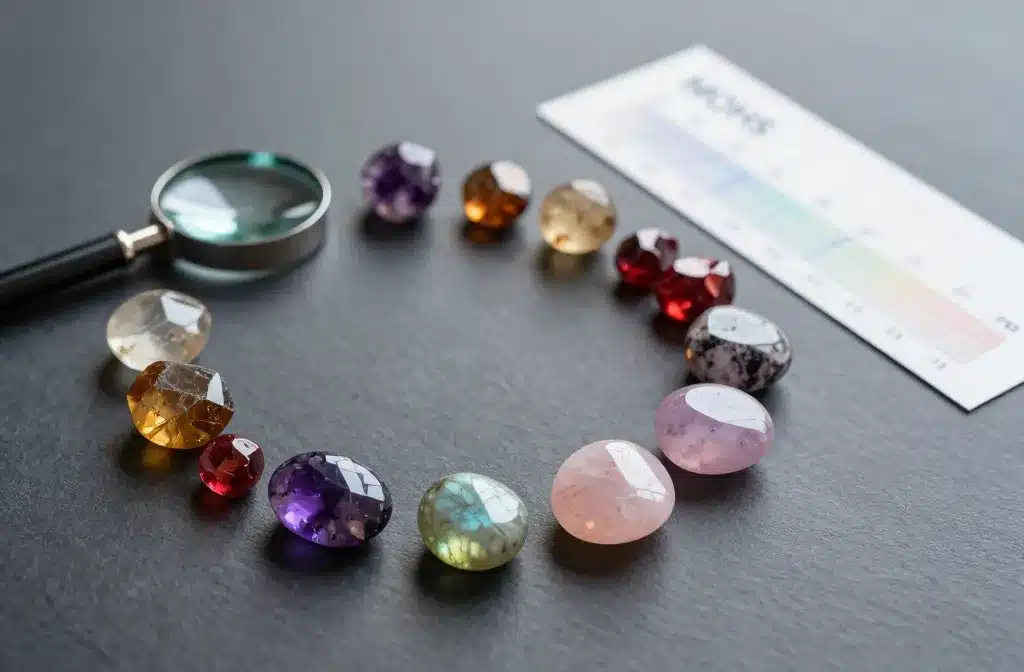
You don’t need a vault or a loupe collection to enjoy gemstones. A few well-chosen pieces can teach you a lot about color, light, and the stories rocks carry from deep underground. Start with stones that are durable, affordable, and easy to recognize—you’ll build confidence and an eye for quality much faster.
Here you’ll find practical picks that balance beauty with everyday sense. You’ll learn how each gemstone looks in real life, where it forms, how tough it is, what to watch for when buying, and how to care for it. I’ll also point out varieties that help train your eye, plus common traps new collectors can avoid.
By the end, you’ll have a list of starter stones, smart identification tips, and ideas for displaying or wearing your first mini-collection. If you want to go deeper, I’ll flag a few related topics like Gemstone Identification and Gemstone Care that are worth exploring next.
Let’s build a collection that’s both beautiful and sensible—one you’ll be proud to grow over time.
What Makes a Gemstone Great for Beginners
Good starter gemstones share a few traits: they’re widely available, reasonably priced in small sizes, and sturdy enough to handle light wear or occasional handling. They also offer clear visual cues—color zones, typical inclusions, or crystal habits—that help you learn without specialized tools.
I generally recommend stones at least 6.5–7 on the Mohs Scale for jewelry use, with exceptions when the color is irresistible and the price is low enough to offset the risk. Clarity and cut matter, but for first purchases, focus on lively color, an even polish, and a shape you love. Cabochons (rounded domes) are forgiving and reveal texture; faceted stones show brilliance and alignment of facets under light, which helps train your eye.
Quartz Family: Your First Classroom
Quartz is a beginner’s best friend. It’s tough, common enough to be affordable, and comes in a rainbow of varieties that teach you about color and formation. Quartz is 7 on the Mohs Scale, so it handles daily life better than many stones.
- Amethyst: From lilac mist to royal purple. Look for even saturation and a bright, “open” tone—not too dark. Typical sources include Brazil, Uruguay, and Zambia. Many pieces are heat-treated to deepen color, which is fine as long as pricing is fair. Watch for color zoning (bands of lighter and darker purple) and enjoy it; it’s part of amethyst’s charm.
- Citrine: Sunny yellow to honey orange. Natural citrine is rarer than treated, and much commercial citrine is heat-treated amethyst. A strong orange “Madeira” hue often indicates heat treatment. For beginners, that’s okay—just buy from a seller who discloses it.
- Smoky Quartz: Warm, tea-brown transparency, sometimes with a soft, velvety depth. Natural radiation in the earth causes the color. Heavily irradiated stones can look inky and lifeless; choose stones that still reflect light well.
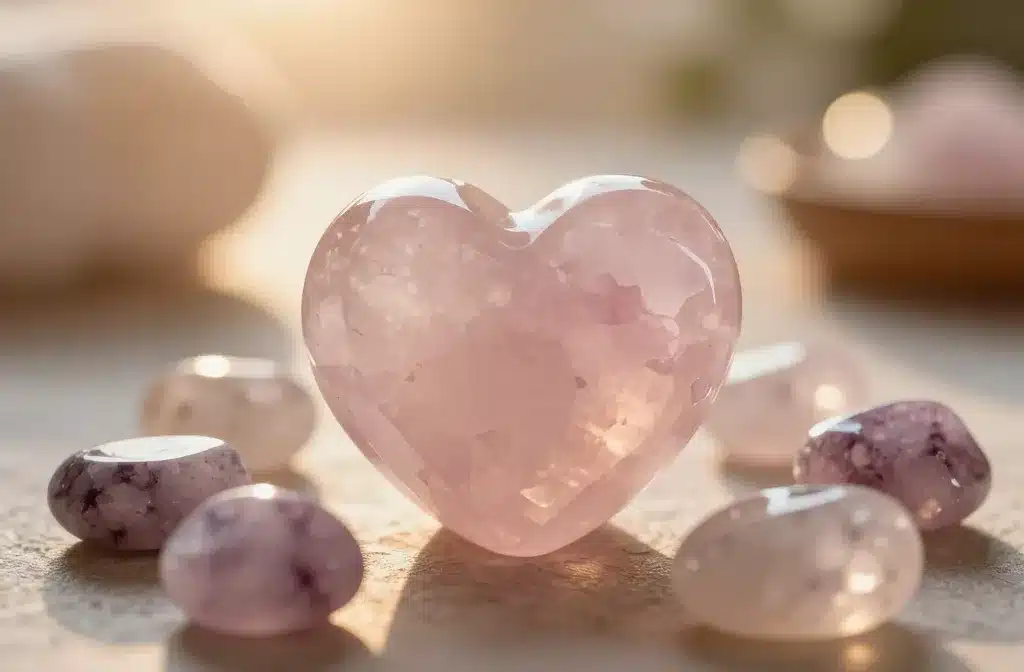
- Rose Quartz: Soft pink, typically translucent rather than sparkling. Some show a floating “glow” due to microscopic rutile. Star rose quartz cabochons can display a subtle asterism under direct light—great for learning about light effects in gems.
Buying tips: Seek clean polishing, no scratches on the table of faceted stones, and a balanced cut that doesn’t “window” (a pale, see-through center). Quartz is perfect if you’re starting a tray of mixed cuts—oval, pear, and emerald cut show different kinds of brilliance.
Garnet: Rich Color Without the Sticker Shock
Garnet is a family, not a single gem, and that variety is a boon for new collectors. Most garnets fall between 6.5 and 7.5 on the Mohs Scale and require little in the way of treatments—what you see is usually natural color.
- Almandine: Deep red with brown undertones, like burgundy wine. Often cut as oval or cushion; expect a glowing, almost velvety interior.
- Pyrope: Vivid, crimson red that can approach ruby hues. Smaller sizes punch above their weight in color power.
- Grossular (Hessonite and Tsavorite): Hessonite shows warm cinnamon or honey with a swirling, “treacly” look caused by inclusions—useful for learning identification. Tsavorite is a bright, grassy to emerald-like green; tiny sizes can be brilliant and surprisingly affordable compared to emerald.
- Rhodolite: A raspberry-pink blend of pyrope and almandine. Clean crystals can be dazzling in bright light.
Buying tips: Garnet is usually untreated, so strong color with good transparency is a green flag. Avoid stones that go too dark in low light. Check girdle edges and facet junctions for crispness—garnet’s luster should look glassy and sharp when well cut.
Peridot: The Cheerful Green That Teaches You About Doubly Refractive Light
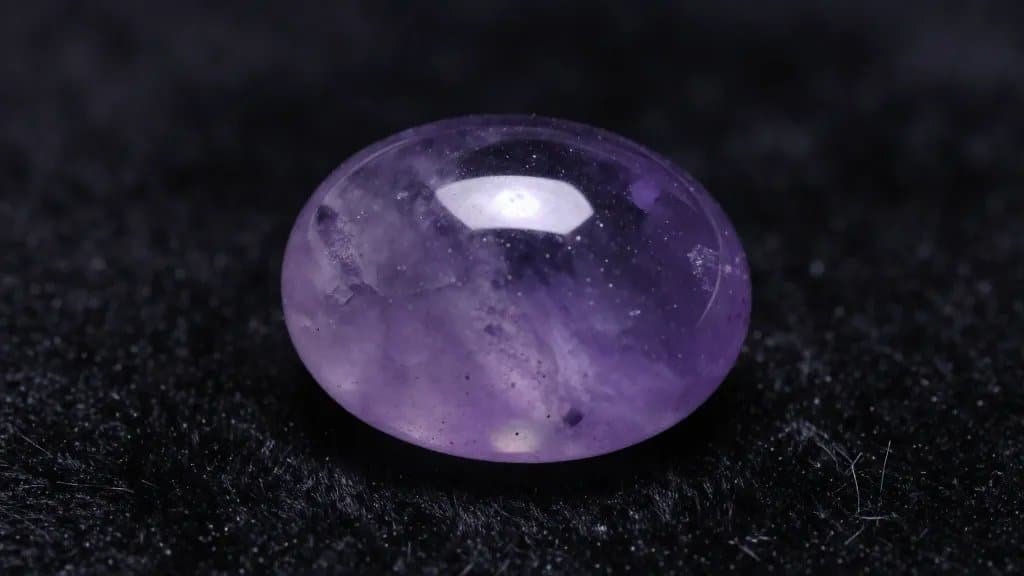
Peridot’s olive-to-lime green color looks refreshing straight from the box. It’s 6.5–7 on the Mohs Scale, with a high luster that catches the eye. Formed in the Earth’s mantle and sometimes found in meteorites, peridot often shows classic “lily pad” inclusions—small disk-like patterns that are diagnostic and fun to spot with a simple loupe.
Look for stones from Pakistan, Myanmar, or Arizona; small, bright stones are affordable and lively. Peridot’s double refraction can produce a soft, doubled image of back facets when viewed through the table—an easy optical lesson.
Care notes: Peridot can scratch more easily than quartz and doesn’t love ultrasonic cleaners. Warm soapy water and a soft brush are best. In rings, choose protective settings; pendants and earrings are safer everyday choices.
Topaz: Sky-Blue Sparkle and a Gateway to Variety
Topaz comes in many colors, but for starters, sky-blue and Swiss-blue topaz are easy choices: bright, clean, and budget-friendly. They’re typically created by treating colorless topaz with irradiation and heat to produce consistent blues. At 8 on the Mohs Scale, topaz resists scratching, though it has one perfect cleavage direction—meaning a hard knock can split it, so store it carefully.
Colorless topaz is also useful for learning brilliance and facet symmetry without paying for color. If you’re feeling adventurous, look at imperial topaz (golden to peach-pink), but expect higher prices. For now, a few well-cut blue topaz ovals can teach you a lot about sparkle, scintillation, and how light returns from a pavilion.
Buying tips: Favor bright, medium blues over overly inky tones. Check for windowing: hold the stone over printed text—if you can read clearly through the center, the cut is too shallow.
Spinel: The Underrated Star That Looks Expensive
Spinel has history: it once masqueraded as ruby in royal crowns because its red can be that convincing. Modern collectors love its full palette—red, pink, lavender, cobalt blue, and gray. Hardness is 8, and it’s usually untreated. That combination makes spinel a superb beginner’s “fine” stone.
Even small stones can display clean, punchy color with a crisp, reflective shine. Pink and lavender spinels from Sri Lanka or Tanzania are accessible; cobalt-blue spinel is pricier, so start with softer blues or grays to understand the species without overspending.
Identification tip: Unlike corundum (ruby/sapphire), spinel is singly refractive, giving it a calm, even look under magnification. If you’re exploring Gemstone Identification, spinel’s lack of doubling is a clear, teachable trait.
Tourmaline: A Color Workshop in a Single Species
Tourmaline’s color range can stock an entire beginner tray by itself. From mint to bottle-green, watermelon bicolor, bubblegum pink, and warm brown, there’s something for every budget. Hardness is around 7–7.5, and it often shows interesting inclusions—like long “needle” tubes—that glint when you rock the stone.
- Pink Tourmaline: Soft to vibrant pinks with gentle brilliance. Smaller stones remain affordable; look for even color and minimal brown masking.
- Green Tourmaline: From yellow-green to deep forest. Chrome tourmaline is vivid but pricier; standard greens are great learning stones.
- Bicolor/Watermelon: Slices show a pink interior with green rim. These are usually cut as cabochons or cross-sectional slices, perfect for observing color zoning and growth patterns.
Buying tips: Watch for overly dark greens that “black out” in low light. For faceted stones, seek a balanced tone that stays lively indoors. Gentle cleaning only; ultrasonic cleaners can exploit internal weaknesses.
Classic Workhorses: Sapphire and Ruby (Small and Sensible)
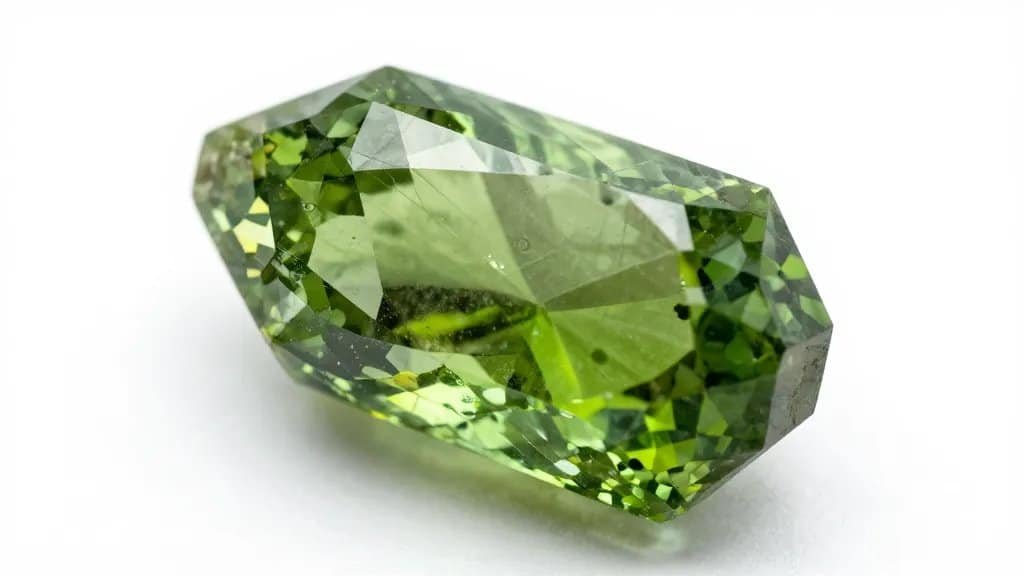
Corundum—sapphire and ruby—is the pro’s staple for good reason. At 9 on the Mohs Scale, it’s second only to diamond for durability. That said, top-quality stones can be expensive. Beginners can still enjoy corundum through calibrated small sizes, lower grades, or charming cabochons.
- Blue Sapphire: Deep navy to cornflower blue. Heat treatment is extremely common and acceptable when disclosed. In small sizes, choose brighter medium blues so the stone doesn’t look inky.
- Ruby: Vivid red with a touch of pink. Be cautious with very low-priced “ruby” offerings; many are lead-glass filled. That material has dramatic flash but is fragile and not collector-grade. If your budget is tight, consider a natural, slightly pinkish sapphire instead of a “too good to be true” ruby.
Identification note: Corundum is doubly refractive and often shows needles (rutile silk) in unheated stones. Under a penlight, silk can create a soft internal glow. Star sapphires and rubies display asterism in cabochon—an engaging phenomenon for a growing collection.
Opal: Affordable Magic with Sensible Expectations
Opal can seduce any collector with its play-of-color—tiny silica spheres diffract light into flashes of red, green, and blue. While high-end black opal is pricey, beginners can find wonderful value in well-cut Ethiopian or Australian white opals and in common opal with interesting body colors (mint, peach, or honey).
Opal ranges from 5.5–6.5 on the Mohs Scale and has a relatively low hardness, so save opal for pendants, earrings, or display stones rather than daily-wear rings. Keep it away from harsh heat and chemicals. Ethiopian hydrophane opal absorbs water; if it goes cloudy after a rinse, let it dry slowly—it usually recovers.
Buying tips: For play-of-color, judge pattern (broad flashes impress more than tiny pinfire at the same size), brightness, and how color shows from multiple angles. Doublets and triplets are constructed stones with a thin opal slice; they’re fine for learning, but price should reflect the composite nature.
Lapis, Jade, and Other Cabochon Classics
Not every gemstone is about sparkle. Some reward you with color and texture.
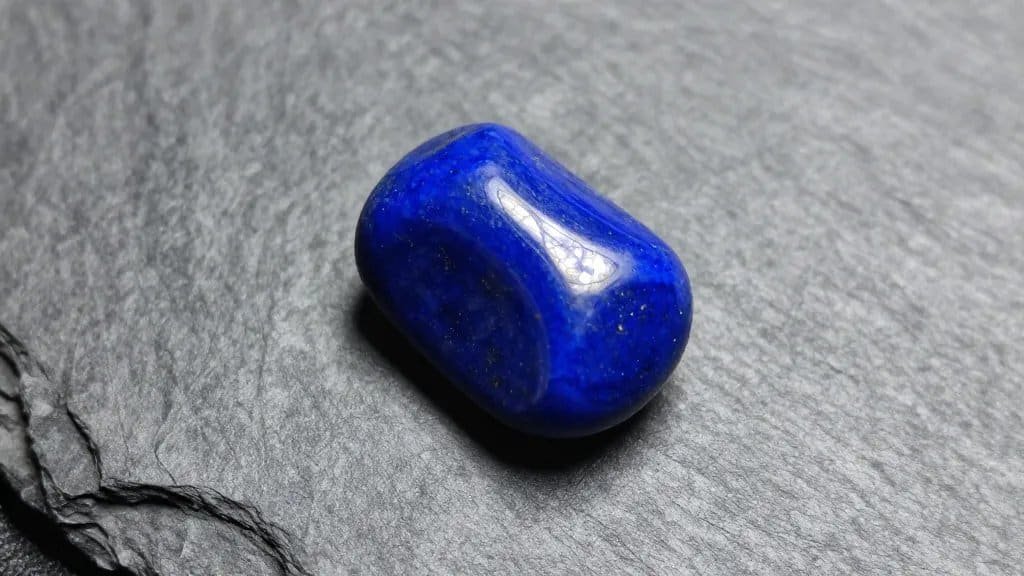
- Lapis Lazuli: A regal, ultramarine blue with scattered gold pyrite and cloudy white calcite. Afghanistan and Chile are classic sources. Choose rich blue with fine, delicate pyrite “stars.” Lapis trains you to read texture and uniformity in an opaque stone.
- Jade (Nephrite and Jadeite): Smooth, waxy luster and an almost “alive” translucency. Nephrite is common and affordable in greens, gray-greens, and creamy whites. Jadeite (especially imperial green) is expensive, so start with nephrite or lower-grade jadeite cabochons. Avoid “dyed jade” sold at suspiciously low prices; ask about treatments such as dyeing or polymer impregnation.
- Hematite and Obsidian: Metallic, mirror-sheen hematite cabochons are inexpensive but striking; obsidian offers inky black or sheens like rainbow or gold. These stones develop your sense of polish quality and surface perfection.
Care notes: Opaque stones rely on surface polish for beauty. Store separately to avoid scuffs, and clean with a soft cloth rather than aggressive methods.
Simple Tools and Habits That Sharpen Your Eye
You don’t need a lab to get better at collecting. A few basics go a long way.
- 10x loupe: Look for inclusions, facet junctions, and polish. Practice on quartz and garnet to learn what “clean” looks like.
- Neutral lighting: A daylight-balanced lamp reveals true color. Then compare under warm indoor light to see how stones shift.
- White card and tweezers: Place loose stones on white to judge tone and saturation. Rock them gently and notice scintillation—the sparkle pattern as facets turn on and off.
- Notebook or app: Jot source, size, treatments, and price. Building your personal Gemstone Value Guide over time beats memorizing averages.
As your curiosity grows, explore related topics like Gemstone Identification, Gemstone Hardness, and Gemstone Care to deepen your skills.
Avoiding Common Pitfalls
Most regrets come from rushing or ignoring durability. A few guardrails help:
- Too good to be true “ruby” deals: Often glass-filled or composite. Beautiful, but fragile and not investment pieces. If you see gas bubbles under magnification, walk away.
- Overly dark stones: If a gem only looks good under bright showcase lights, it may disappoint at home. Always check in softer light.
- Undisclosed treatments: Many are fine when priced correctly (blue topaz, heated sapphire), but undisclosed fracture filling or dyeing can be a problem. Ask plainly about treatments.
- Buying only one type: Variety accelerates learning. A small tray with quartz, garnet, tourmaline, and one “fine” species like spinel teaches more than five near-identical amethysts.
Care, Storage, and Display
Treat stones like glassware: clean gently, store separately, and avoid extreme conditions. A soft-lined box with dividers prevents harder stones from scratching softer ones. Topaz’s cleavage and opal’s sensitivity deserve extra care—pouches or individual gem jars help.
For cleaning, most stones are happy with lukewarm water, mild soap, and a soft brush. Avoid steam and ultrasonics for opal, emerald, dyed or fracture-filled stones, peridot, and tourmaline. Wipe opaque cabochons with a microfiber cloth to revive luster.
For wearable starters, consider Gemstone Earrings or Gemstone Necklaces; they experience fewer knocks than rings. If rings call your name, protective settings like bezels are kinder to softer stones.
Building a Starter Set: A Practical Shortlist
If you want a balanced, educational, and beautiful first collection, try this mix:
- Amethyst (faceted oval, 7–8 mm) for color zoning and affordable sparkle.
- Rhodolite Garnet (round brilliant, 5–6 mm) for saturated red-pink with crisp luster.
- Green Tourmaline (emerald cut, 6×4 mm) to study tone and step-cut reflections.
- Blue Topaz (pear, 8×6 mm) for scintillation and value.
- Peridot (cushion, 5–6 mm) to spot lily pad inclusions and double refraction.
- Spinel (pink or lavender, 4–5 mm) as your “fine” untreated gemstone.
- Opal cabochon (6–8 mm) for play-of-color and cabochon appreciation.
- Lapis cabochon (10×8 mm) to learn texture and judge polish on opaque stones.
This set spans colors, cuts, optical effects, and care requirements. It’s also easy to mount into simple Gemstone Jewelry over time—studs, a pendant, or a small stacking ring set.
Smart Buying: Where and How
Start with reputable dealers—local jewelers who can answer questions, vetted online sellers with clear return policies, and gem shows where you can handle stones in person. Ask for written disclosure of treatments and origin when available. For very modest budgets, calibrated sizes (common millimeter measurements) offer the best value and easiest settings later.
Train your eye by comparing three stones of the same type side by side. Look for the one that stays lively in low light, shows the cleanest polish, and has even color distribution. If you’re debating price, compare against recent listings and consult a general Gemstone Buying Guide for sanity checks.
FAQs
Which gemstone gives the most “wow” for the lowest price?
Rhodolite garnet and amethyst deliver vibrant color and crisp sparkle at friendly prices. Blue topaz is another strong contender for brilliance per dollar.
Are treated gemstones bad for a beginner collection?
No. Common treatments like heat in sapphire or irradiation in blue topaz are acceptable if disclosed and priced fairly. Avoid undisclosed fracture filling or heavy dyeing in stones marketed as “fine.”
What’s the safest gemstone for everyday ring wear?
Sapphire and spinel are excellent thanks to their hardness and toughness. Quartz and tourmaline can work in protective settings; opal and peridot are better for pendants and earrings.
How can I quickly tell real gemstones from synthetics?
It’s not always quick. A loupe can reveal natural inclusions versus telltale gas bubbles or curved growth in some synthetics. When in doubt, buy from trusted sources or get a lab memo. Studying Gemstone Identification improves your odds.
Should I focus on birthstones first?
Birthstone Jewelry can be a meaningful start, but don’t limit yourself. A varied color set teaches more and keeps collecting exciting.
Do I need a certificate for inexpensive stones?
Usually not. Save lab reports for costly or rare gems. For everyday pieces, clear disclosure, a good return policy, and your own examination are sufficient.
What’s a good first display setup?
A small, velvet-lined tray with labeled gem jars. Keep a loupe nearby and a daylight lamp. This simple setup encourages hands-on learning.
Final Thoughts
The best gemstones for beginner collectors combine beauty, durability, and clear teaching value. Start with quartz, garnet, peridot, blue topaz, spinel, tourmaline, and a few character-rich cabochons. Buy slowly, compare often, and care for each stone. Your eye will sharpen quickly—and so will your collection’s sparkle.

Christian Grey is the creator of GemMeaning, where he shares simple insights about crystals, gemstone meanings, and spiritual guidance. His focus is on making complex ideas easy to understand and practical for everyday life.