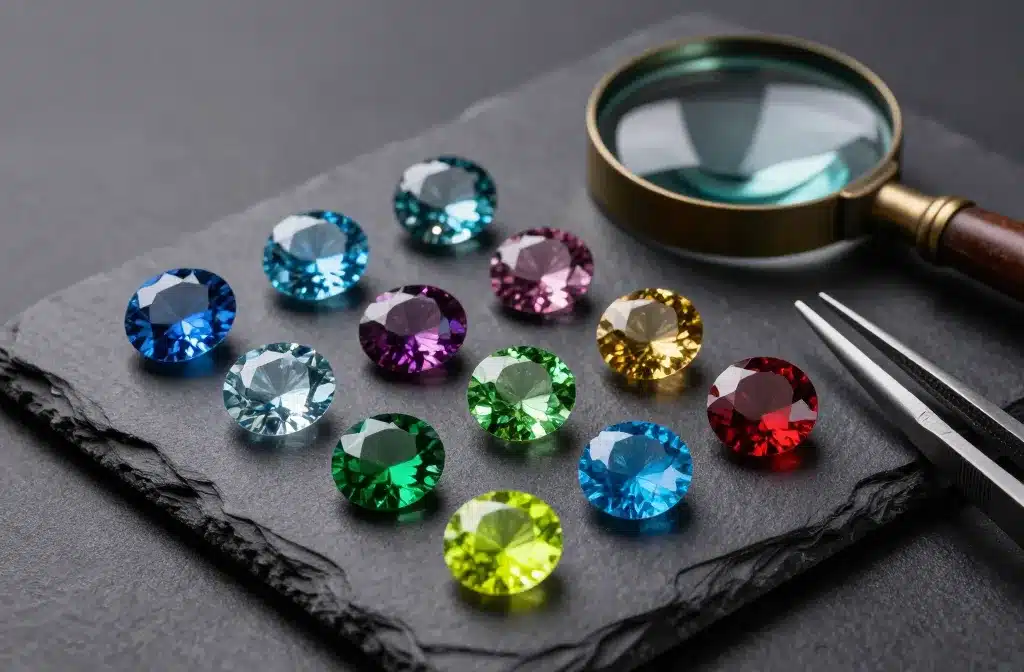
Some stones briefly flash across the market and fade. Others build a loyal following year after year—quietly, steadily, irresistibly. Those are the collector gemstones that keep rising in popularity, the ones that feel personal and exciting while also holding their ground in a serious collection.
In this guide, you’ll learn which gems are drawing sustained interest, why their supply-and-demand stories matter, and what visual clues help you judge quality at a glance. We’ll talk colors that stop you mid-sentence, inclusions that become a gem’s fingerprint, and care habits that preserve value.
Think of it as sitting at a gem show table with a friend who’s handled a lot of stones. I’ll share the quirks, the pitfalls, and those small details that separate a nice piece from one you’ll regret not buying.
If you’re building a collection—or simply love learning what makes certain gems special—this is a practical, hands-on tour of the standouts.
Why Some Gemstones Keep Rising: Rarity, Story, and Wearability
Collectors aren’t looking for just sparkle; they want narrative, scarcity, and a stone they can live with. Pricing tends to keep climbing when three things align:
- Constrained supply: One primary source, aging mines, or sporadic new finds. Uncertainty fuels demand.
- Distinctive appearance: A color or optical effect that’s instantly recognizable from across the room.
- Comfortable durability: Enough hardness and toughness for careful wear. Gems in the 7–9 Mohs range draw wide interest.
Many of the gems below also photograph beautifully—a modern factor that affects desirability. But beyond the social glow, they’ve earned their place through consistent quality and collector trust.
Paraíba Tourmaline: Electric Color, Finite Sources
Few stones create a gasp like Paraíba tourmaline. Its copper-bearing chemistry fires an intense neon that seems lit from within—electric turquoise to greenish-blue. Under bright light, the color looks almost impossibly saturated, with a glow that feels tropical and futuristic at once.
Origins and scarcity: Originally from Paraíba state in Brazil in the late 1980s, with later finds in Mozambique and Nigeria. True top-color material remains scarce, and fine stones above one carat can be breathtakingly expensive.
Hardness and wear: Tourmaline is 7–7.5 on the Mohs scale. It’s suitable for careful ring wear; pendants and earrings are safer. Expect eye-visible inclusions; clean stones with neon color are outliers and command premiums.
Treatments: Gentle heating is common and accepted if disclosed. Avoid stones with clarity filling. Ask for origin reports when spending big—they can affect pricing significantly.
Collector tip: Judge Paraíba by how the color holds in dimmer light. If it still glows under indirect lighting, you’ve got something special. For further context on evaluating stones like this, explore Gemstone Value Guide and Gemstone Identification topics.
Spinel: Queen of Understated Luxury
Spinel sat in ruby’s shadow for centuries, but collectors now prize its crisp crystal and sophisticated hues. From silvery lavender to iron-oxide reds and the coveted “cobalt” blue, spinel’s appeal is a mix of elegance and rarity—without the baggage of heavy treatments.
Appearance: Well-cut spinels look glassy-clean with bright, even flashes. Reds range from traffic-light crimson to brick; blues can skew steely; hot pinks and neon oranges from Mahenge (Tanzania) stole the spotlight in the late 2000s and never gave it back.
Origins: Myanmar, Sri Lanka, Tanzania, Vietnam, and Madagascar. Mahenge pinks and true cobalt blues from Vietnam are high on wish lists.
Hardness and wear: 8 on Mohs. Excellent for everyday jewelry with standard care. Minimal cleavage means fewer durability worries than many colored stones.
Treatments: Typically untreated, which is a huge part of the charm. Lab-grown spinel exists; it’s often too perfect and too cheap. Look for minor natural inclusions and ask for lab documentation on cobalt-blue pieces.
Buying advice: Prioritize saturation and a well-balanced cut. Spinel that “blinks” brightly across the crown facets under soft light is the keeper.
Teal and Parti Sapphires: Modern Palettes from Ancient Corundum
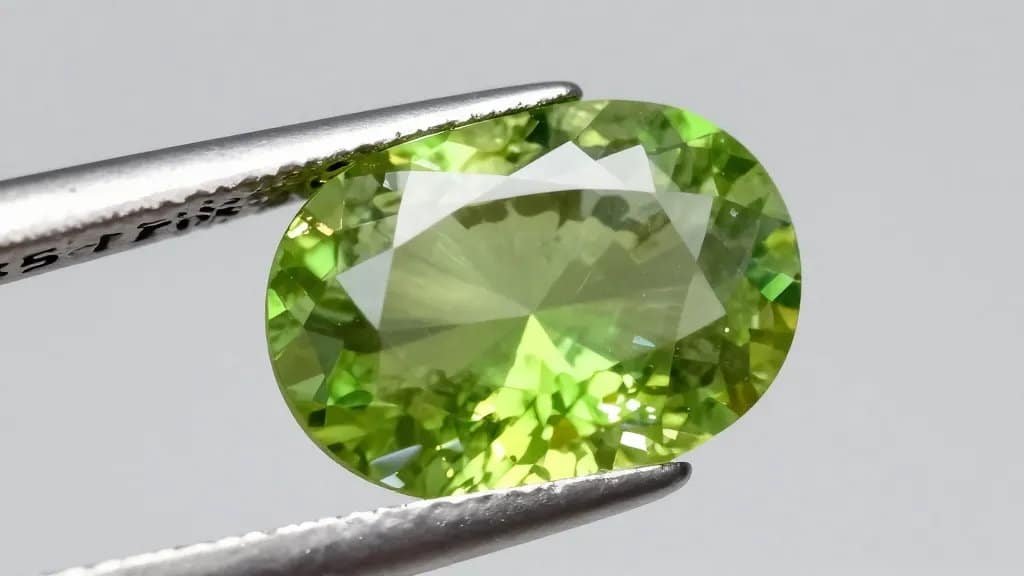
The sapphire family is enjoying a color renaissance. Teal sapphires blend blue and green in moody, sea-glass tones; parti sapphires show multiple colors zoning across the stone—often blue, green, and yellow in distinct bands.
Origins: Australia has long produced parti material. Teals also come from Madagascar, Montana (USA), and Nigeria, among others.
Hardness and wear: 9 on Mohs. Excellent durability for rings, and a practical choice for engagement-level wear.
Treatments: Heat treatment is common and widely accepted. Unheated teal sapphires with strong, even color can be pricey. Beware overly dark stones that black out indoors.
Collector appeal: Fresh, contemporary colors with the gravitas of corundum. Distinct zoning can boost individuality and value when attractive rather than chaotic.
Tip for selection: Rotate the gem. If the color shifts from teal to dark gray at certain angles, pass. Look for an even glow under office lighting to ensure daily wear satisfaction. For more on durability, see Gemstone Hardness.
Alexandrite: The Chameleon with a Chemistry Lesson
Alexandrite’s reputation rests on drama: green in daylight, red in incandescent light. The switch is due to chromium and the way the crystal absorbs different wavelengths. Fine stones look like emerald by day and ruby by night, though most examples are subtler—olive to brownish-red.
Origins and availability: Classic Russian material is rare. Today, Sri Lanka, Brazil, and Africa supply most stones. Prices have climbed as collectors chase stronger color change, even in modest sizes.
Hardness and wear: Chrysoberyl sits at 8.5 on Mohs—very durable. Good for rings with protective settings.
Value factors: Degree of color change (percentage from one color to the other), strength of each hue, and clarity. A clean stone with a 70–90% change is a treasure.
Treatments and synthetics: Alexandrite is heavily synthesized for jewelry. Flame-fusion synthetics often show a perfect, almost too-vivid change and minimal inclusions. Ask for a reputable lab report for any pricey piece.
Collector note: Small sizes can still impress. A 0.30 ct stone with a crisp green-to-red flip can outshine a larger, muddy example.
Nevada and Sonoran Opal: Color Play with Local Flavor
Opal never left the spotlight, but regional varieties and ethical sourcing have pushed interest higher. American collectors, in particular, are embracing opal from Nevada and Mexico’s Sonora region for their distinct personalities and transparent provenance.
Appearance: Precious opal shows play-of-color—flashes of neon green, orange, and violet dancing across a milky or crystal body. Mexican fire opal ranges from yellow to deep cherry, with or without play-of-color. Nevada opal can show bold patchwork patterns and rolling flashes.
Hardness and wear: 5.5–6.5 on Mohs. Opal is softer, sensitive to sudden temperature shifts and drying. Best in pendants and earrings, or rings with protective bezels.
Treatments: Some material is stabilized or impregnated; Ethiopian hydrophane opal absorbs water and can temporarily lose brilliance. Always ask about origin and stability.
Collector insight: Pattern drives price. “Harlequin” and large, contiguous flashes command premiums. Keep opals away from ultrasonic cleaners. For long-term care, see Gemstone Care.
Mali Garnet and the New Garnet Appreciation
Garnet is a family of mixes, and that chemistry cocktail is the charm. Mali garnet (grossular-andradite) surprised collectors with its lemon-to-olive hues and diamond-like luster. Demantoid garnet, with its horsetail inclusions, and vivid Tsavorite continue to rise.
Appearance: Mali often sparkles fiercely, with a slightly oily, high-refractive look. Colors can shift with lighting, tilting from yellow-green to chartreuse.
Hardness and wear: 7–7.5 on Mohs. Good for most jewelry. Chips can occur on facet junctions with hard knocks; routines matter.
Value factors: Brighter, cleaner stones above 2 cts are uncommon. In demantoid, visible golden “horsetail” inclusions from Russian material are a feature, not a flaw, and can indicate origin.
Treatments: Generally untreated, which appeals to purists. Always verify demantoid origin and whether clarity filling was used—rare but possible.
Why it’s rising: Garnet’s variety satisfies collectors who want sophistication without the sapphire-and-ruby price curve. It’s also an excellent species for Gemstone Comparisons and Gemstone Colors studies.
Benitoite: California’s Starry Night
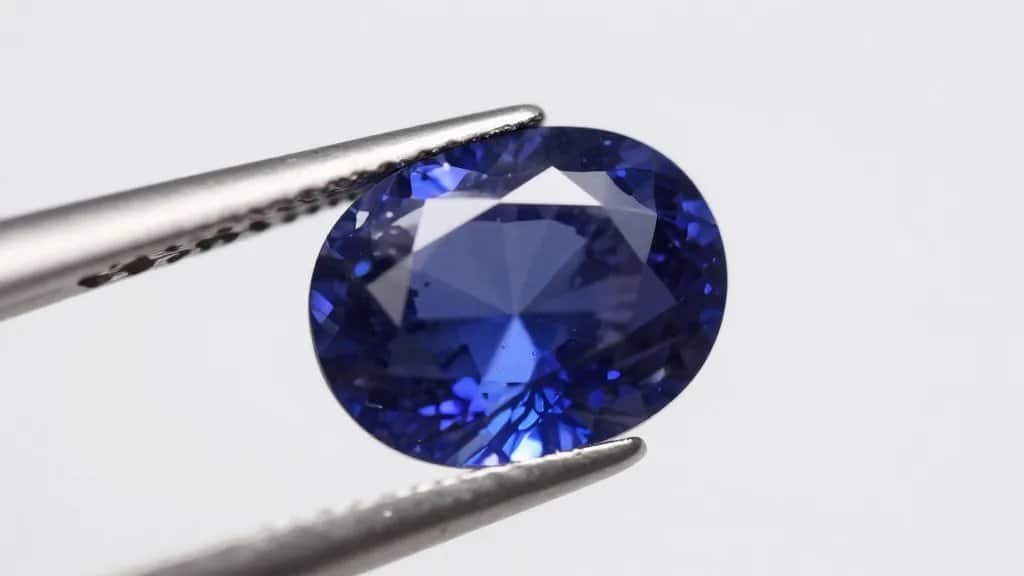
Benitoite is a connoisseur gem, small but mighty. Its rich sapphire-blue flashes with a cool, icy brilliance. Under short-wave UV light, it fluoresces bright electric blue—an identification delight.
Origins: Almost exclusively from San Benito County, California. Production is extremely limited. Most faceted stones are below 1 ct.
Hardness and wear: 6–6.5 on Mohs. Fragile for rings. Keep it in a protective setting or opt for earrings and pendants.
Value factors: Strong blue color, high clarity, and a lively cut. Because sizes are small, a well-proportioned 0.40 ct can feel like a jewel.
Collector tip: Because supply is finite, provenance matters. Ask for paperwork from the original mine or a trusted dealer. Expect tiny naturals or growth markings—evidence of minimal overpolishing is actually reassuring.
Morganite and the Refined Pastel Trend
Morganite’s peachy-pink has matured from fashion trend to enduring favorite. It flatters most skin tones and plays well with rose gold, making it a staple for modern bridal and everyday jewelry.
Appearance: Transparent pastel pink to peach, often with a soft, velvety glow when well cut. Larger stones show color better; small morganites may look too light if poorly set.
Hardness and wear: 7.5–8 on Mohs. Durable enough, but beryl can show brittle behavior; avoid sharp blows.
Treatments: Heat is common to remove unwanted yellow. Usually stable and accepted—ask for disclosure.
Buying advice: Seek stones with medium tone and minimal windowing. Closed-back rose-gold settings can intensify color. Keep it clean; pastel gems look dull faster than saturated stones if grime builds.
Sphene (Titanite): Fireworks for the Patient Collector
Sphene isn’t for the timid. Its dispersion surpasses diamond, throwing rainbow sparks that feel almost too lively. Lime, olive, or golden body colors contrast with multicolored flashes, creating a mesmerizing, slightly surreal look.
Hardness and wear: 5–5.5 on Mohs with distinct cleavage. It’s a case study in beauty over brawn. Avoid rings unless you’re meticulous. Pendants and special-occasion earrings are better.
Value factors: Transparency, strong dispersion, and medium tone. Many stones are included; a clean, 1–2 ct sphene with crisp fire is a coup.
Treatments: Heating may improve color; disclosure varies by source. Because of fragility, avoid ultrasonic and steam cleaning.
Collector angle: A great “show-and-tell” stone for Gemstone Facts. You’re buying spectacle; prioritize cut precision that maximizes fire without a deep window.
Moss Agate and Scenic Quartzes: Art Inside a Stone
Not every rising star is costly. Moss agate, plume agate, and scenic quartzes (with chlorite, hematite, or garden-like inclusions) appeal to those who love natural landscapes trapped in crystal. Each cabochon is a miniature painting.
Appearance: Semi-translucent to opaque, with dendritic or feathery inclusions forming “moss,” branches, or cloudscapes. Polished domes bring depth; light seems to float through layers.
Hardness and wear: 6.5–7 on Mohs. Easy-wear jewelry, great for everyday rings and bracelets with mindful care.
Value factors: Composition and balance of the scene, contrast, and polish quality. A crisp, glossy finish elevates even modest material.
Collector note: These are personality pieces. They won’t replace sapphires in a value chart, but they add soul to a collection and make meaningful Gemstone Gifts.
Kornerupine and Clinohumite: For the True Rarity Hunter
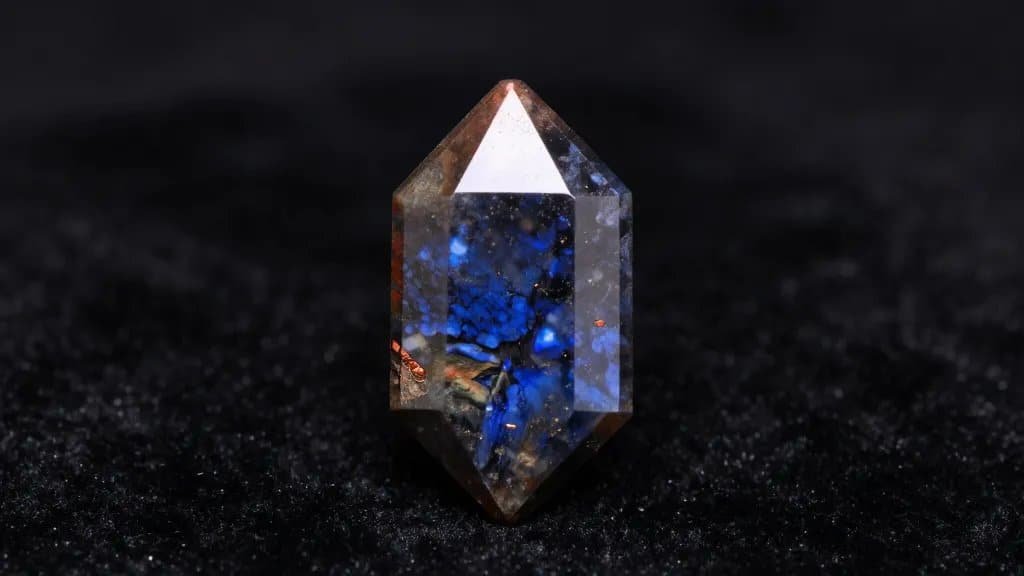
If you like the thrill of the hunt, consider kornerupine and clinohumite. Both are niche, both show attractive colors, and both remind you that the mineral kingdom still holds secrets.
Kornerupine: Color ranges from greenish-brown to teal. Pleochroism can show multiple hues as the stone turns. Hardness 6.5–7; typically small sizes. Clean examples are scarce and rising in price.
Clinohumite: Honey to orange-brown, sometimes vivid tangerine. Hardness 6–6.5. Tajikistan yielded fine crystals; faceted stones above a carat are legitimate rarities.
Buying advice: Work with dealers comfortable providing lab memos. Pleochroism and inclusions help identification, but documentation protects your wallet.
How to Evaluate Rising Collector Stones Without Getting Burned
Fast-climbing gems attract clever imitations. A few habits can save you money and regret:
- Insist on disclosure: Ask directly about treatments, origin, and whether the stone is natural or lab-created. Polite but firm questions set the tone.
- Seek independent reports for high-value pieces: Top-tier labs matter for Paraíba, alexandrite, and cobalt-blue spinel. For modest stones, a trusted dealer and return policy can suffice.
- Study behavior in various lights: Check color and brilliance under daylight, warm indoor bulbs, and low light. Real-life performance is everything.
- Respect the cut: Even rare material can disappoint if it windows or goes dark. A balanced pavilion and lively crown facets often outweigh a slightly larger carat weight.
- Compare side by side: Lining up similar stones sharpens your eye for saturation, tone, and clarity—and helps you pay the right price. For structured comparisons, see Gemstone Comparisons and Gemstone Buying Guide.
Care and Cleaning Essentials for Value Preservation
Rising popularity often means rising prices. Protect your investment with straightforward routines:
- Default cleaning: Lukewarm water, mild soap, soft brush. Rinse thoroughly and pad dry.
- Avoid ultrasonic and steam: Risky for opal, sphene, emerald (if oiled), and many included stones.
- Storage: Separate pouches or compartments. Hard stones scratch soft ones; diamonds can scratch nearly everything.
- Wear with intent: Rings take the most abuse. If a gem rates below 7 or has cleavage, save it for lower-impact wear.
- Maintenance: Periodic prong checks and re-polishing of scuffed facets keep pieces fresh. For broader tips, see Gemstone Care.
Real vs. Synthetic: Quick Field Clues
While lab testing is the gold standard, a few observations help:
- Too perfect, too cheap: Flawless “alexandrite” with dramatic color change at a bargain price is likely synthetic.
- Refractive character: Spinel is singly refractive; sapphire is doubly refractive. A jeweler’s polariscope and loupe can reveal basic properties—worth learning if you collect.
- Inclusions as signatures: Demantoid “horsetails,” alexandrite growth tubes, and Paraíba copper-related veils can be positive indicators. Ask to loupe the stone.
- Weight vs. size: High-RI stones like sphene feel “heavy for their size.” Over time, your fingers learn these cues.
Jewelry Setting Ideas That Honor the Stone
A thoughtful setting amplifies beauty and protects fragility:
- Paraíba tourmaline: White metal halos emphasize the neon. Keep prongs slim to avoid casting shadows.
- Spinel: Simple solitaires or three-stone rings let the crisp crystal sing. Step cuts are chic but demand top clarity.
- Teal sapphire: Yellow or rose gold warms green notes; platinum cools them for a moody sea tone.
- Opal: Bezel settings guard edges. Choose a closed-back if the stone is thin and needs visual depth.
- Sphene: Reserve for pendants; use protective baskets. A high crown can throw fire but needs guarding.
If you’re exploring styles, Gemstone Rings, Gemstone Necklaces, and Gemstone Earrings offer inspiration on balancing beauty with practicality.
Common Mistakes New Collectors Make
- Chasing size over quality: A smaller, vivid stone outperforms a larger, sleepy one—every time.
- Ignoring light performance: Gems live in the real world, not under showcase bulbs. Test them outside.
- Skipping provenance on rare stones: Paperwork won’t make a bad stone good, but it will make a great stone complete.
- Underestimating care needs: Sphene and opal are not gym companions. Match the gem to your lifestyle.
- Forgetting the cut’s impact on value: A fine cut is like good framing for art—it can elevate the entire piece.
FAQs
Are Paraíba tourmalines from Mozambique as valuable as Brazilian ones?
Top-color Mozambique stones can rival Brazilian pieces visually, but Brazilian origin often carries a premium. At equal color and clarity, Brazil usually wins on price, though individual stones should be judged on their own merit.
How can I test alexandrite’s color change at home?
View it in daylight or a daylight-balanced LED, then under a warm incandescent or 3000K LED bulb. A strong shift in both hue and tone indicates quality. Avoid testing under colored lamps.
Is teal sapphire a good choice for an engagement ring?
Yes. At 9 on Mohs, sapphire is excellent for daily wear. Choose a stone with even color that doesn’t go inky indoors, and consider heat-treatment disclosure based on your preferences.
Do all spinels increase in value?
No. Demand focuses on vivid reds, cobalt blues, and neon pinks from notable localities. Pale or brownish stones appreciate less. Buy what you love, but prioritize saturation and cut.
What’s the safest way to clean opal jewelry?
Use lukewarm water, mild soap, and a soft cloth. Skip ultrasonic and steam. Store away from heat and avoid rapid temperature changes.
How can I spot synthetic spinel?
Many synthetics show telltale curved striae under magnification and unusually uniform color. Prices are a giveaway. If in doubt, request a lab memo.
Are agates and scenic quartzes worth collecting if they’re affordable?
Absolutely. Collectability isn’t only about price. Unique patterns, fine polish, and pleasing compositions make them rewarding, and they diversify a collection’s textures and stories.
Final Thoughts
Collector gemstones that keep rising in popularity blend scarcity with unmistakable beauty and a wearable story. Train your eye on color that holds across lighting, cuts that wake the stone up, and documentation that supports the tale. Build slowly, buy deliberately, and your collection will feel both personal and enduring.

Christian Grey is the creator of GemMeaning, where he shares simple insights about crystals, gemstone meanings, and spiritual guidance. His focus is on making complex ideas easy to understand and practical for everyday life.