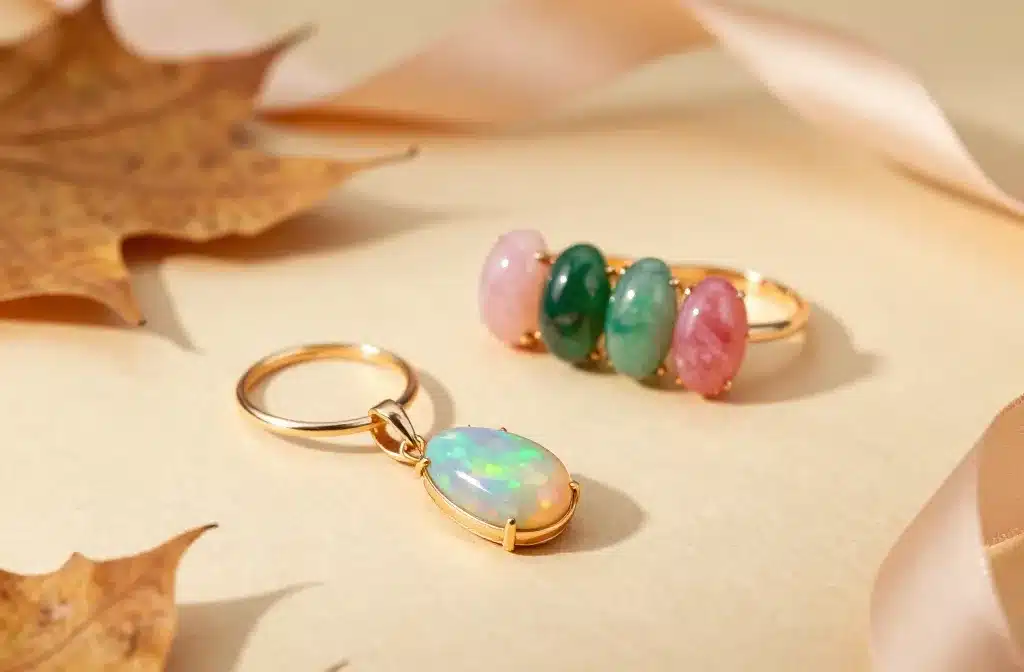
October is one of the rare months that gives you a choice of birthstones, and what a pair it is. Opal, with its dreamy play-of-color, looks like it’s holding a sunset inside. Tourmaline, the chameleon of the gem world, serves up a rainbow of shades from soft blush to electric neon. Together, they offer something for romantics, minimalists, and bold color lovers alike.
In this guide, you’ll learn how to spot quality in both stones, which styles flatter their character, and what to consider for everyday wear. You’ll also get practical care tips, buying advice, and a few insider pointers to avoid common mistakes. Think of it as your friendly briefing before choosing a piece you’ll actually wear and adore.
We’ll move beyond clichés and look closely at color, clarity, durability, and value—plus a few myths that refuse to retire. By the end, you’ll know which October birthstone matches your lifestyle and how to choose jewelry that lasts.
Ready for color that feels like fall leaves and candlelight? Let’s explore.
Meet October’s Duo: Opal and Tourmaline
October’s birthstones complement each other beautifully. Opal is prized for play-of-color—those shifting flashes that ripple across the surface when the stone moves. Tourmaline is treasured for its breadth of hues and its resilience. Both suit modern jewelry design, but they shine in different ways.
- Opal: A hydrated silica with a microstructure of silica spheres. When the spheres align just right, light diffracts to create fire-like flashes. It often appears milky to translucent with flickers of red, green, blue, and more.
- Tourmaline: A complex borosilicate mineral. It forms long, striated crystals and comes in nearly every color—green, pink, blue, yellow, black, and bi-color varieties like watermelon tourmaline.
If you want shimmer that feels almost liquid, choose opal. If you crave defined, saturated color and durability, tourmaline is your friend.
Opal’s Enchantment: Color, Varieties, and Origin
Opal isn’t one stone—it’s a family. Each type expresses play-of-color differently, and background body tone changes the mood entirely.
- White Opal: Creamy to light background with pastel flashes. Often found in South Australia (Coober Pedy). A gentle, cloudlike look perfect for everyday pendants and vintage-inspired rings.
- Black Opal: Dark body tone from gray to deep ink. Lightning Ridge, Australia, is the benchmark source. Dark backgrounds intensify color contrast—think emerald and neon red sparks bursting from night.
- Crystal Opal: Transparent to translucent with crisp, floating flashes. Lovely in bezels that let in light, enhancing the glow.
- Boulder Opal: Precious opal seams within ironstone matrix, often from Queensland. The earthy host rock frames the color, creating natural, abstract patterns.
- Ethiopian Opal (Welo): Usually hydrophane—meaning it can absorb water and temporarily change appearance. Offers vibrant color at approachable prices, with honey-clear to light backgrounds.
Geologically, opal forms when silica-rich water seeps into rock voids and slowly deposits layers of silica spheres. The size and uniformity of those spheres dictate the colors you see—larger spheres favor reds, which are rarer and more valuable.
Tourmaline’s Spectrum: Colors, Varieties, and Where They Come From
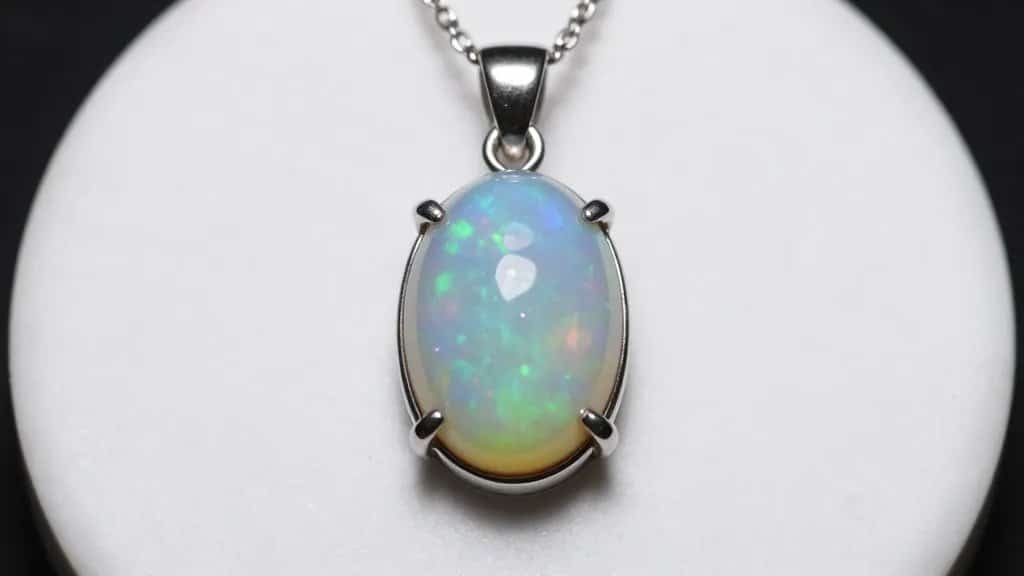
If opal is paint swirling in water, tourmaline is pigment in bold strokes. It’s famed for clean transparency and intense hues.
- Green Tourmaline (Verdelite): Forest to mint tones, often from Brazil and Africa. Bright, wearable, and usually great value for the size.
- Pink Tourmaline (Rubellite when reddish): From bubblegum to cranberry. True rubellite holds its red in varied lighting; it’s rarer and commands higher prices.
- Indicolite (Blue Tourmaline): Lagoon to denim blues; fine stones are scarce and sought after. Can appear inky if cut too deep.
- Paraíba Tourmaline: Copper-bearing neon blue to green from Brazil, Nigeria, and Mozambique. The glow is unmistakable and the prices reflect it—this is a collector gem.
- Watermelon Tourmaline: Pink center with green rim, often sliced across the crystal for striking two-tone cross-sections.
Tourmaline forms in pegmatites—coarse-grained igneous rocks rich in unusual elements. Growth conditions lead to color zoning, which cutters can use creatively to reveal dramatic bi-color blends.
Durability and Daily Wear: What Survives Your Routine
Durability determines how carefree you can be with a piece of jewelry. If you’re choosing an engagement ring or a wear-it-every-day bracelet, this section matters.
- Opal: Mohs hardness around 5.5–6.5. They’re more susceptible to scratches and sudden shocks. Non-hydrophane opals are relatively stable, while hydrophane types can absorb water and temporarily cloud. Rings are best with protective settings—bezels, halos, or low-profile designs.
- Tourmaline: Mohs hardness 7–7.5 with good toughness. Excellent for rings, earrings, and bracelets. Just avoid hard knocks against stone or metal surfaces, as with any gemstone jewelry.
If you love opals but lead an active life, consider pendants and earrings. If you want a ring that’s ready for daily wear, tourmaline is usually the more practical pick.
What Drives Value: Color, Pattern, Clarity, and Cut
Choosing wisely comes down to reading the gem’s “language.” Here’s what to look for in each stone.
- Opal Value Factors:
- Play-of-Color: More colors, stronger brightness, and pattern coverage raise value. Red flashes are typically rarer than greens and blues.
- Pattern: Harlequin checkerboards, broadflash sheets, and rolling flash are particularly prized. Pinfire can be lovely but often less valuable than big, bold patches.
- Body Tone: Darker body tones amplify color contrast. Black opal sits at the top tier.
- Transparency: Crystal opals with vivid internal color can be magical; milky stones with faint play are less costly.
- Cut: Well-domed cabochons show color best; overly thin stones risk cracking.
- Tourmaline Value Factors:
- Color Saturation: Lively, pure hues with even distribution are key. Oversaturated stones can look inky, especially in blue and green.
- Clarity: Most fine tourmalines are eye-clean. Rubellite often has inclusions; minor ones are accepted if color is superb.
- Cut: Long emerald cuts highlight tourmaline’s natural crystal shape. Skilled cutting keeps tone lively without windows or darkness.
- Rarity: Paraíba, top indicolite, and vivid rubellite sit at premium tiers.
If you’re interested in comparing factors across different stones, topics like Gemstone Value Guide and Gemstone Cuts offer helpful context.
Authenticity, Treatments, and Imitations
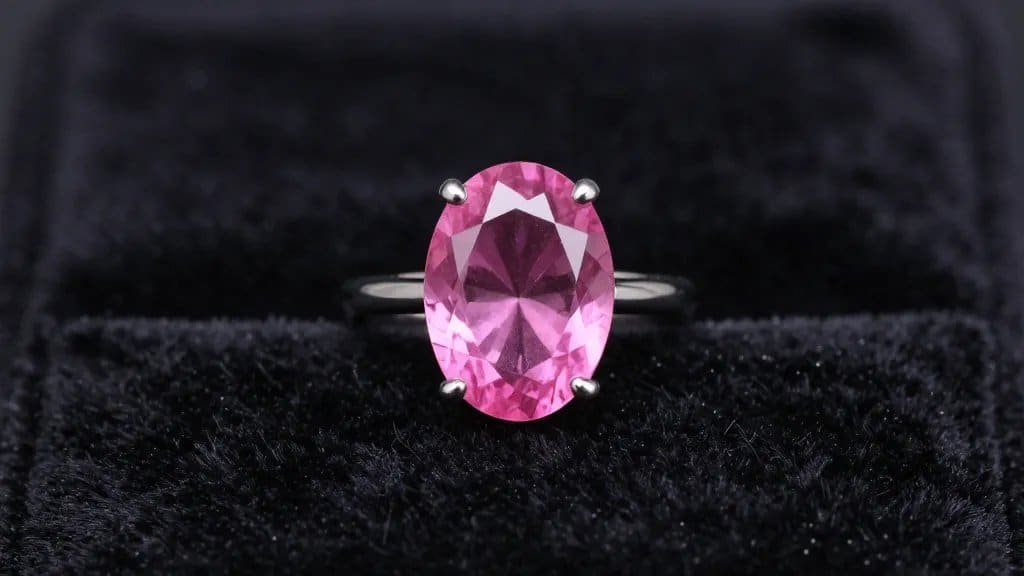
Real vs. lookalike can be tricky without a loupe and a good light, but a few clues go a long way.
- Opal:
- Solids vs. Doublets/Triplets: Doublets are a slice of opal glued to a dark backing; triplets add a clear cap. They’re affordable and attractive but should be clearly disclosed.
- Synthetic Opal: Lab-grown opal shows very regular, “lizard-skin” or snake-like blocky patterns under magnification. Natural opal patterns are more irregular.
- Hydrophane Behavior: Ethiopian opal may temporarily change in water; this is not a defect, but it does require mindful care.
- Tourmaline:
- Heat and Irradiation: Common and generally stable; can brighten or shift color, especially in pinks.
- Coatings: Rare but possible; look for suspicious surface color concentrations.
- Misidentification: Some green glass or other stones can mimic tourmaline. A gem lab report helps for high-value pieces.
When in doubt, ask for written disclosures. For high-end gems—black opal, Paraíba tourmaline—consider a reputable lab memo. If you love learning the telltale signs, you might enjoy a deeper look at Gemstone Identification and Gemstone Comparisons.
Jewelry Styles That Flatter Opal and Tourmaline
Design can amplify a gemstone’s strengths. Pick settings that harmonize with each stone’s personality.
- Opal Jewelry Ideas:
- Bezel-Set Rings: A metal rim protects the edges while showcasing the domed cabochon. Perfect for white and crystal opals.
- Halo Pendants: Diamonds or white sapphires frame opal’s color, adding sparkle without stealing the show.
- Boulder Opal Statement Pieces: Organic silhouettes that follow the natural seam read as modern art you can wear.
- Rose Gold Accents: Warm metal tones bring out pink and orange flash for a romantic glow.
- Tourmaline Jewelry Ideas:
- Emerald-Cut Solitaires: The elongated profile suits green and blue hues, highlighting clarity and depth.
- Three-Stone Rings: Pair a vivid tourmaline with tapered baguettes or tiny diamonds for balance.
- Bi-Color Slices: Watermelon tourmaline slices in open, minimal frames feel fresh and playful.
- Mix-and-Match Studs: A pink stud in one ear, green in the other—subtle yet striking.
If you’re weighing different settings or hoping to compare silhouettes, browsing Gemstone Rings, Gemstone Necklaces, and Gemstone Earrings can spark ideas.
Symbolism and Meaning: Emotion in Color
Birthstone jewelry is often gifted, and meaning matters. Opal and tourmaline carry distinct symbolism you can tailor to the wearer.
- Opal: Linked with inspiration, hope, and imagination. Its shifting fire feels personal—like a hidden spark. Historically, opal was considered a luck-bringer, though a 19th-century novel unfairly gave it a “bad luck” reputation for a time. Modern lovers of opal know better.
- Tourmaline: Thought to promote balance and emotional clarity. Pink suggests tenderness and compassion; green symbolizes vitality; blue feels calm and introspective. Watermelon tourmaline represents harmony—two energies balancing in one stone.
If the piece is a gift, choose a color that echoes a story—your partner’s favorite shade, a memory of a place, or a personality trait you adore.
Care and Cleaning: Keeping the Glow

Both stones benefit from gentle handling, but opal has special needs.
- Opal Care:
- Use a soft damp cloth with mild soap; rinse and pat dry. No ultrasonic or steam cleaners.
- Avoid prolonged exposure to extreme heat or rapid temperature changes.
- For hydrophane opals, limit soaking; if the stone darkens or clouds after water exposure, allow it to dry slowly in a cool place.
- Store separately in a cushioned pouch to prevent scratches.
- Tourmaline Care:
- Mild soap and lukewarm water are safe; a soft brush helps behind settings.
- Avoid harsh chemicals and sudden impacts.
- Ultrasonics are sometimes used for tourmaline, but I favor hand cleaning to be safe, especially for included stones.
If you’re building a collection and curious about how stones stack up, explore Gemstone Hardness and Gemstone Care for broader context.
Buying Advice: Choose Smart, Not Just Sparkly
Here’s how to pick a piece that feels special the moment you open the box—and still does years later.
- Set a Purpose: Daily ring? Occasional pendant? Heirloom gift? Let the purpose guide durability and setting choices.
- For Opal: Prioritize brightness over size; seek even color distribution. Ask if it’s solid opal, doublet, or triplet. For Ethiopian hydrophane, confirm the seller’s care recommendations and return policy.
- For Tourmaline: Seek vibrant, evenly distributed color. Check the stone in different lighting—daylight, office light, warm evenings—to ensure the hue doesn’t go flat.
- Metal Match: Cooler metals (white gold, platinum) flatter blue and green tourmalines and crystal opals. Yellow and rose gold enhance pinks, rubellite, and warm opal flashes.
- Certification: Consider a lab memo for significant purchases—especially Paraíba tourmaline or top black opal.
- Comfort and Craft: Inspect prongs, bezels, and finishing. A smooth undergallery and balanced weight make a big difference in daily wear.
If you’d like a broader checklist that applies to any stone, a Gemstone Buying Guide is a handy companion.
Who Wears Which: Matching Personality and Lifestyle
Opal and tourmaline tell different stories on the hand or collarbone.
- The Dreamer: Crystal or white opal in a delicate halo, catching light with every gesture.
- The Statement Maker: Boulder opal cuff or a sizable emerald-cut green tourmaline ring—bold forms, strong presence.
- The Minimalist: Fine-line bezel-set black opal pendant; clean bar-set indicolite in white gold.
- The Color Collector: Stackable pink and green tourmaline bands; watermelon tourmaline slice necklace for a playful anchor piece.
- The Everyday Wearer: Tourmaline studs or a low-profile tourmaline ring with protective settings. For opal lovers, choose earrings or a pendant for low-impact wear.
Common Mistakes to Avoid
- Choosing Size over Quality: A large opal with weak play-of-color won’t wow like a smaller, blazing stone.
- Ignoring Lighting: Tourmaline color can shift. Always check under natural and artificial light.
- Overlooking Setting Protection for Opal: Tall prong-set cabochons are more vulnerable to knocks.
- Assuming All Opal Behaves the Same: Hydrophane vs. non-hydrophane matters for care and appearance.
- Skipping Disclosure: Don’t buy “mystery” stones at premium prices. Ask about treatments and origin when relevant.
FAQs
Is opal too fragile for an engagement ring?
Not necessarily, but it requires a protective design and mindful wear. Consider a bezel setting, low profile, and occasional wear. Tourmaline is generally a sturdier choice for daily rings.
What’s the difference between black opal and white opal in value?
Black opal’s dark body tone creates stronger contrast, making play-of-color appear bolder. Fine black opals from Lightning Ridge are among the most valuable opals.
Are Paraíba tourmalines worth the premium?
If you love that neon glow, yes—they’re rare and collectible. Just buy from trusted sources and consider a lab memo confirming copper-bearing chemistry.
Do Ethiopian opals always change in water?
Many are hydrophane and can temporarily absorb water, altering transparency or tone. They typically return to normal after drying, but avoid soaking and steam.
How do I clean opal jewelry safely at home?
Use lukewarm water, a drop of mild soap, and a soft cloth. Rinse and pat dry. Avoid ultrasonic cleaners, steam, and harsh chemicals.
Which tourmaline color offers the best value?
Green tourmaline often provides strong color and clarity at approachable prices. Fine pinks and blues can be pricier, especially rubellite and indicolite.
Can I wear opal or tourmaline daily?
Tourmaline is well-suited to daily wear with normal care. Opal benefits from gentler use—great for earrings and pendants, and for rings with protective settings.
A Thoughtful Finish
October birthstone jewelry gives you two expressive paths: opal’s shifting poetry and tourmaline’s confident color. Choose the stone that fits your life, match it to a setting that protects and flatters, and focus on qualities that make you smile in every kind of light. That’s how a beautiful gem becomes a lasting favorite.

Christian Grey is the creator of GemMeaning, where he shares simple insights about crystals, gemstone meanings, and spiritual guidance. His focus is on making complex ideas easy to understand and practical for everyday life.