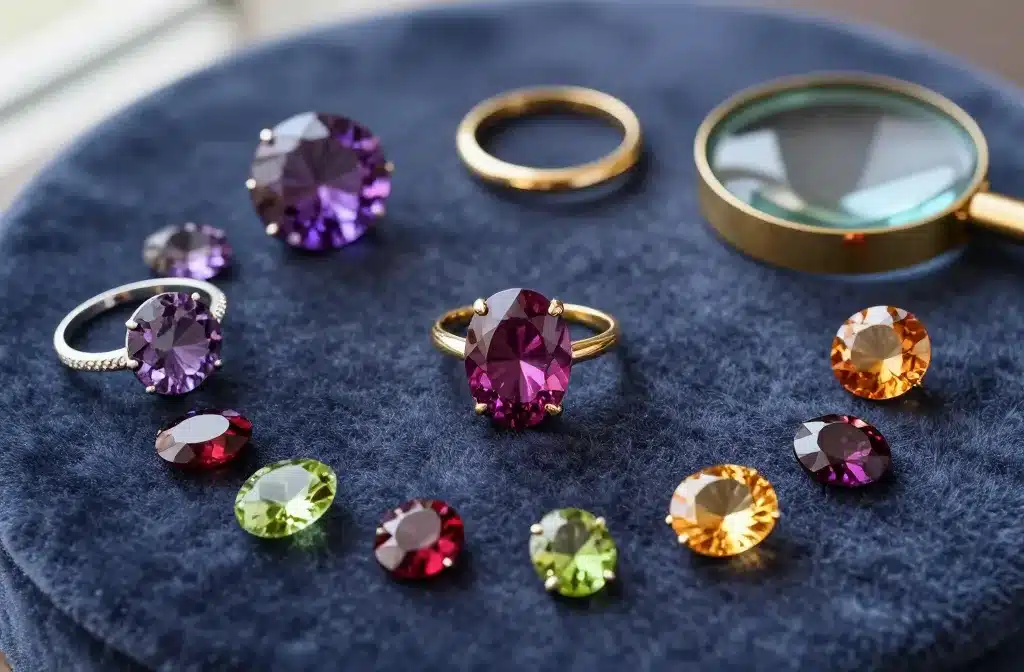
Some stones have a knack for looking lavish without the luxury price tag. They flash color like stained glass, throw light like a chandelier, and feel wonderfully personal—yet they don’t require a second mortgage. That sweet spot is where thoughtful gemstone gifts live.
If you’ve ever wondered which gems deliver the most “wow” per dollar, you’re in the right place. You’ll learn which stones outshine their price, how to pick quality pieces, and what settings make affordable gems look couture. You’ll also get smart tips on durability, care, and how to tell a great buy from a regrettable bargain.
By the end, you’ll be able to choose gemstone rings, necklaces, earrings, and bracelets that feel indulgent, wear beautifully, and leave plenty of budget for a celebratory dessert.
Why Some Gemstones Look Luxe for Less
Stones appear expensive when they show strong, clean color, bright return of light, and a good polish. Yet rarity isn’t the only driver of price. Large natural deposits, efficient cutting, and lighter market demand can keep costs low even when a gem looks dazzling.
Value blooms where visual drama meets supply. Think of gems that take a fine polish, have high refractive index or vivid saturation, and don’t require complex mining. Add flattering settings and thoughtful cuts, and you get that high-end look without the high-end invoice.
Spinel: The Under-the-Radar Showstopper
Spinel comes in a palette that reads like a designer’s swatch book: cherry red, ballet-slipper pink, silver-gray, lilac, peacock blue, and inky black. Well-cut spinel sparkles cleanly, with crisp, mirror-like facets that catch the eye across a room.
Mohs hardness is 8, so it wears well for rings and everyday jewelry. Untreated stones are common—great news for buyers who prefer natural color. The most famous spinels were once mistaken for rubies; that royal history alone whispers luxury.
Shopping tips: Look for strong saturation without going too dark; fine light return matters more than sheer size. Cushion and oval cuts show color luxuriously. Gray spinel in a rose gold bezel looks elegantly minimal. For a deeper dive into color and cuts, see Gemstone Colors and Gemstone Cuts.
Peridot: Fresh, Crisp, and Surprisingly Sophisticated
Peridot’s green sits between lime and olive, sometimes with a golden undertone that looks terrific in yellow gold. In bright light, it radiates—a clear, glassy glow rather than an intense flash—giving jewelry a clean, modern feel.
At 6.5–7 on the Mohs scale, it’s durable enough for pendants and earrings; rings benefit from protective settings. The gemstone forms deep in Earth’s mantle and occasionally arrives via pallasite meteorites—an irresistible conversation starter.
Stretch your budget by choosing stones in the 1–3 carat range with minimal visible inclusions. A simple solitaire pendant or station necklace in vermeil offers a “designer” look for a fraction of the cost. Keep peridot away from sudden temperature changes and ultrasonic cleaners; a gentle soap-and-water rinse is safest. For more on safe handling, see Gemstone Care.
Garnet: More Than the Classic Red
Garnet is a family, not a single gem. While deep red almandine is the headliner, affordable garnet dazzles in oranges, wine tones, and lush purplish reds. Rhodolite, with its raspberry-pink to plum hue, is a chic choice that often looks pricier than it is.
Mohs hardness ranges around 6.5–7.5 depending on the variety. Garnet’s refractive index delivers a rich, velvety glow rather than a diamond-like sparkle—very flattering in candlelight or evening wear.
Value pointers: Seek stones that aren’t overly dark; you want color that breathes in indoor light. Oval and pear cuts maximize the face-up size, which makes modest carat weights look generous. If you want a big look on a tight budget, try a cluster ring with mixed garnet hues—eye-catching and glam. January birthdays get the bonus of birthstone symbolism, and garnet’s lore of protection and devotion makes it a heartfelt gift. Explore more pairings in Birthstone Jewelry.
Blue Topaz: Ice-Bright Brilliance on a Budget
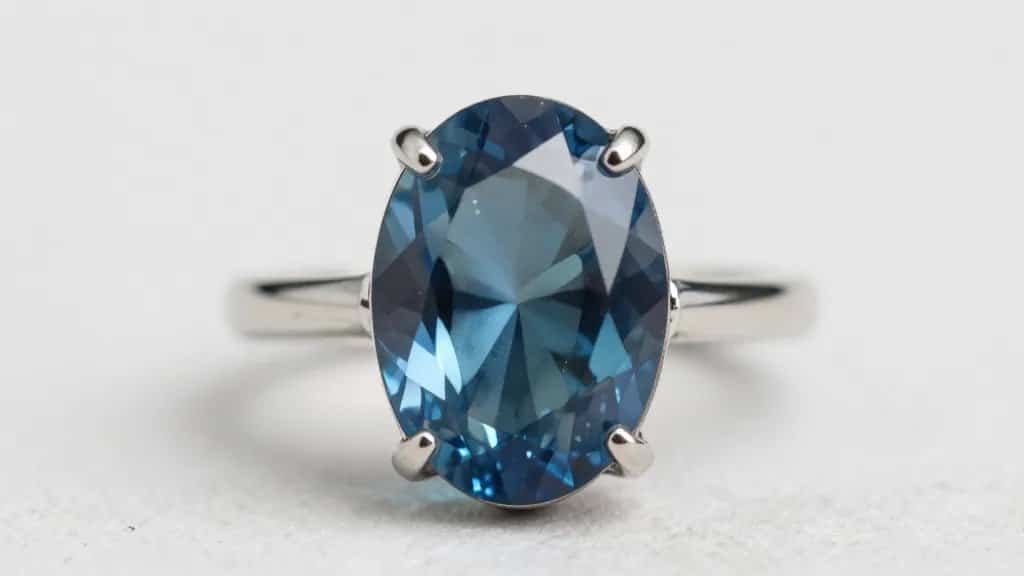
Blue topaz—usually the result of irradiation and heat treatment—offers a range from breezy sky blue to deeper Swiss and London blues. The cleaner the cut, the more it throws bright, punchy light. In white metals, it reads cool and crisp; in rose gold, particularly London blue, it feels moody and luxe.
At Mohs 8, topaz resists scratches but can cleave with a sharp blow, so prong settings should be well made and protective. Because larger sizes remain affordable, you can gift statement earrings or cocktail rings that look like they came from a flagship boutique.
Buying advice: Don’t be afraid of treatments; they’re standard and permanent for blue topaz. Prioritize precision cutting over carat weight. A step-cut emerald shape in London blue topaz is chic, grown-up, and wonderfully photogenic. Compare stones side by side to judge saturation and sparkle—two stones of equal size can look very different under the same light. For selecting shapes, see Gemstone Shapes.
Amethyst and Its Royal Reputation
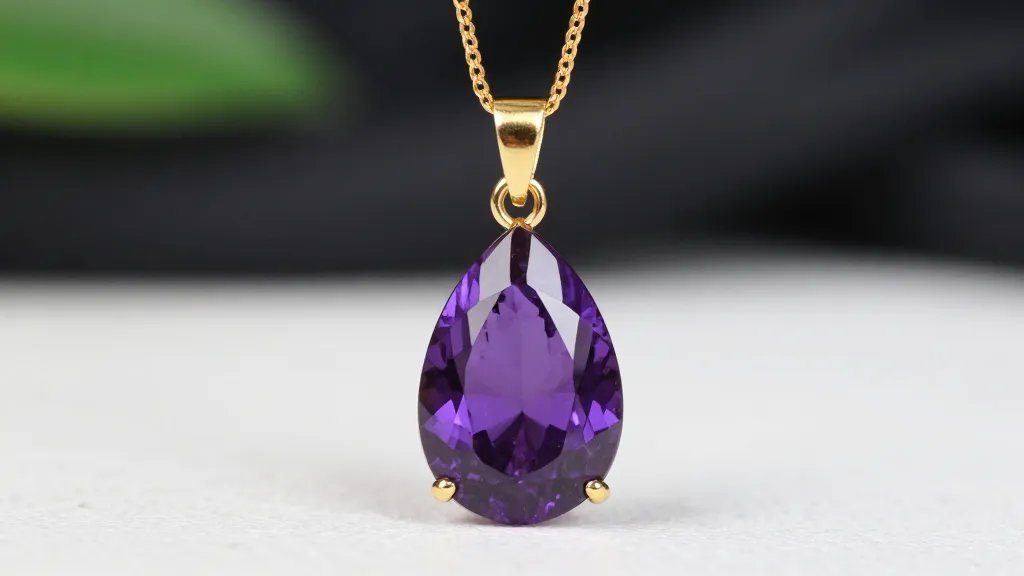
Amethyst’s purple once commanded royal status due to scarcity. Modern deposits in Brazil and Zambia keep prices friendly while the look remains regal. The best stones show even, grape-jelly to royal-purple color with flashes of red or blue in the facets.
Mohs 7 makes amethyst reliable for most jewelry, though it can abrade over long wear in rings. A clean step cut emphasizes sophistication and color zoning can add character, but avoid stones so dark they turn blackish indoors.
Set amethyst in yellow or rose gold for warmth, or pair with white metal and diamonds (or white sapphires) to mimic high-jewelry styling. For a luxurious gift under budget, try a three-stone amethyst ring with tapered baguette accents—timeless, refined, and often far less than the look suggests.
Labradorite and Moonstone: Ethereal Light for Artistic Souls
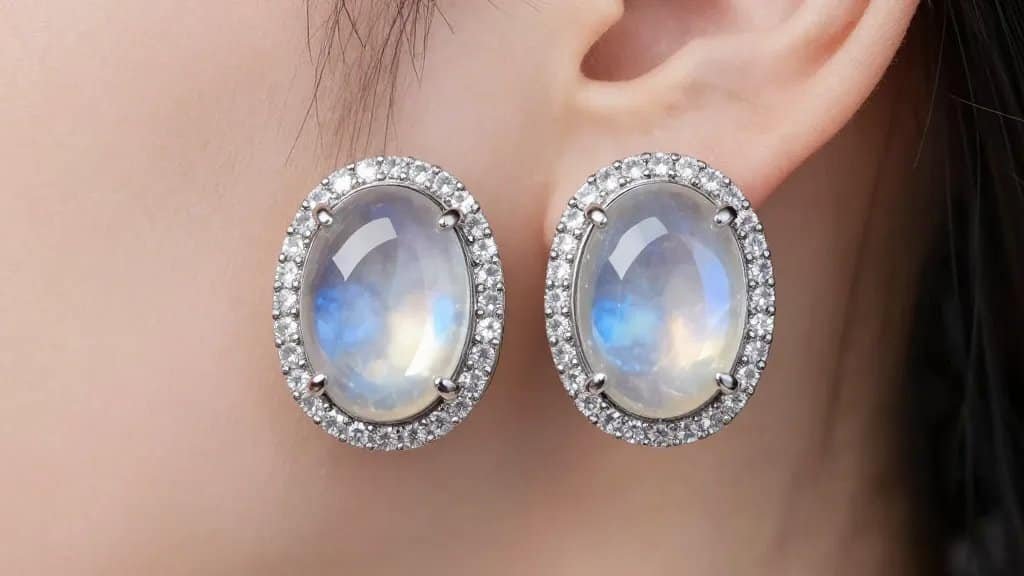
For giftees who love mood and mystery, feldspars deliver. Labradorite shows labradorescence—blue, green, or gold sheets of color that shift as you move it. Moonstone glows with adularescence, a soft, floating light that feels almost lunar.
Neither is about high sparkle; they trade scintillation for atmosphere. Both are typically 6–6.5 on the Mohs scale, so bracelets and rings need care, while earrings and pendants shine without risk.
Buying tips: Choose stones with strong, even sheen or flash centered on the face-up view. Cabochons are classic and flattering. Grey labradorite with an electric blue flash in a minimalist bezel looks boutique-chic. Rainbow moonstone with a color-play in a delicate pendant offers that “I found this in a hidden atelier” vibe.
White Sapphire and Moissanite: Diamond Looks, Different Stories
Want a diamond-adjacent look? White sapphire and moissanite both deliver, but in distinct ways.
White sapphire is corundum, Mohs 9, durable and crisp. It won’t match diamond’s fire, but in a fine cut it looks clean, elegant, and importantly, natural. For a classic solitaire gift with everyday wearability, it’s hard to beat.
Moissanite, a lab-created gemstone, offers blazing fire—sometimes more than diamond—at a lower price. Its dispersion creates rainbow flashes that feel extravagant, especially in spotlight or sunlight. For someone who loves sparkle and drama, it’s a thrill.
How to decide: Choose white sapphire for a restrained, old-world refinement. Choose moissanite for high scintillation and a “wow, is that a diamond?” moment. Make sure the setting quality matches the stone—thin, even prongs and a well-finished band elevate the whole piece. For durability comparisons, see Gemstone Hardness.
Citrine and Smoky Quartz: Warm Neutrals, Big Presence
Citrine ranges from pale lemon to deep Madeira orange; smoky quartz moves from latte to deep cocoa. Both belong to the quartz family (Mohs 7), abundant and nicely priced in larger sizes. That means dramatic pendants and cocktail rings with serious surface area.
Quality citrine has lively color without brownish muddiness; smoky quartz should be transparent with an even tone. Both stones benefit from fancy shapes—trillions, emerald cuts, or checkerboard tops that create lively reflections across the crown.
Gift idea: A chunky emerald-cut smoky quartz ring in yellow gold reads vintage-luxe. A gradient station necklace alternating small citrine and white topaz feels refined and surprisingly high-end for the cost.
Black Onyx and Hematite: Graphic Drama, Minimal Price
Black onyx provides a deep ink-black with a glossy polish, the little black dress of gemstones. Hematite offers a gunmetal mirror sheen with high luster. Neither relies on sparkle; instead, they bring a sculptural, graphic impact that looks tailored and expensive.
Onyx is generally around Mohs 6.5–7; hematite is softer and heavier, so earrings might be better than rings for long-term wear. Both shine in sleek, geometric designs—think signet rings, knife-edge bezels, or art deco motifs. Their neutrality pairs with everything in a wardrobe and carries a whisper of old-Hollywood elegance.
Settings and Cuts That Amplify the Luxe Factor
You can make an affordable stone look couture with smart design choices:
- Bezel and Half-Bezel Settings: Clean silhouettes that add metal presence and a custom feel.
- Halo Accents: A fine halo of white sapphire or moissanite around a colored center stone boosts face-up size and sparkle without a big spend.
- East-West Orientations: Ovals, emerald cuts, and marquise set horizontally feel contemporary and high-design.
- Step Cuts and Rose Cuts: Step cuts telegraph elegance; rose cuts create a romantic, antique flair with less material cost.
- Mixed-Metal Details: A sliver of contrasting metal or milgrain edging can transform a simple setting into something artisanal.
If you want more ideas on stone geometry and proportion, see Gemstone Shapes and Gemstone Jewelry.
How to Spot Quality Without a Microscope
Evaluating value isn’t hard once you know what to look for:
- Even Color: Avoid stones that go overly dark in indoor light or look washed out in daylight.
- Clean Face-Up View: Some inclusions are fine, but they shouldn’t distract when the stone is worn at arm’s length.
- Precision Cutting: Symmetrical facets, centered culet, and a lively return of light are worth more than extra carats.
- Good Polish: A glassy, mirror-like surface elevates the entire piece.
- Secure Mounting: Smooth prongs and well-seated bezels signal care and longevity.
Ask sellers about treatments. Heat, irradiation, or oiling can be perfectly acceptable if disclosed and stable. If you’re comparing across stones and budgets, our Gemstone Buying Guide and Gemstone Identification overviews are handy references.
Real vs. Fake: Keeping It Honest While Saving Money
Affordable doesn’t mean fake—but the market does have imitations. Glass can mimic color but often looks “soft” under light, lacking crisp reflections. Plastic feels warm to the touch and scratches easily.
Lab-created stones are real gemstones grown in controlled conditions (like lab sapphire or moissanite). They can be excellent gifts when transparency matters and the wearer values performance over rarity. Imitations, however, should be priced accordingly and clearly labeled.
Quick checks: Look for consistent disclosure in listings, a realistic price relative to size and variety, and return policies. If it seems too good to be true, compare it to known references or consult a jeweler. For more comparisons, see Gemstone Comparisons and Gemstone Value Guide.
Care and Cleaning for Long-Lasting Shine
Most gemstone gifts will stay gorgeous with gentle habits:
- Routine Cleaning: Lukewarm water, mild soap, a soft brush, and a lint-free cloth.
- Avoid Shock and Heat: Especially for topaz, peridot, moonstone, and treated stones.
- Storage: Separate pouches or compartments; harder stones can scratch softer ones.
- Check Settings: A quick prong check every few months prevents surprise losses.
- Skip Harsh Cleaners: Ultrasonic and steam cleaners are not for every gem; when unsure, use soap and water. See Gemstone Care for specifics by variety.
Thoughtful Gift Pairings That Feel Custom
If you want your present to feel tailored, match gemstone personality to the wearer:
- Minimalist Dressers: Black onyx signet, gray spinel solitaire, or east-west emerald-cut white sapphire.
- Color Lovers: Rhodolite garnet studs, Swiss blue topaz pendant, or peridot stacking rings.
- Vintage Aesthetes: Amethyst with baguette sides, smoky quartz in a step-cut cocktail ring, or moonstone in a filigree bezel.
- Statement Seekers: Big labradorite cabochon pendant, London blue topaz drop earrings, or moissanite halo ring.
If astrology or birthdays matter to the recipient, garnet (January), amethyst (February), and peridot (August) bring both sentiment and savings. For broader suggestions, peek at Gemstone Gifts and Birthstone Jewelry.
FAQ
Which affordable gemstone looks closest to a diamond?
Moissanite offers the most diamond-like sparkle and even more fire; white sapphire delivers a subtler, natural look that reads classic and refined.
What’s a safe everyday gemstone for a ring gift?
Spinel, sapphire (including white), and topaz are strong choices; aim for protective settings and periodic maintenance for longevity.
Are treated gemstones a bad thing?
Not necessarily. Heat and irradiation are common and stable for many stones (like blue topaz). The key is full disclosure and appropriate pricing.
How big should a stone be to look impressive?
Cut trumps carat. A well-cut 1–2 ct colored stone can look more striking than a larger, poorly cut gem. Step cuts and halos also enhance presence.
What metals make affordable stones look more expensive?
Well-finished settings in sterling silver, vermeil, or 14k gold with clean lines, milgrain, or bezel details elevate the presentation significantly.
How can I tell if a gemstone is real without equipment?
Check for sharp facet reflections, consistent disclosure, and weight that feels right for size. When in doubt, buy from reputable sellers with return policies.
Final Thoughts
The secret to gemstone gifts that look far more expensive than they are lies in smart choices: pick stones with vivid color or compelling light effects, insist on crisp cutting and solid settings, and match the gem’s character to the wearer. With a little knowledge, you can wrap up something that feels bespoke, sparkles beautifully, and leaves your budget intact.

Christian Grey is the creator of GemMeaning, where he shares simple insights about crystals, gemstone meanings, and spiritual guidance. His focus is on making complex ideas easy to understand and practical for everyday life.