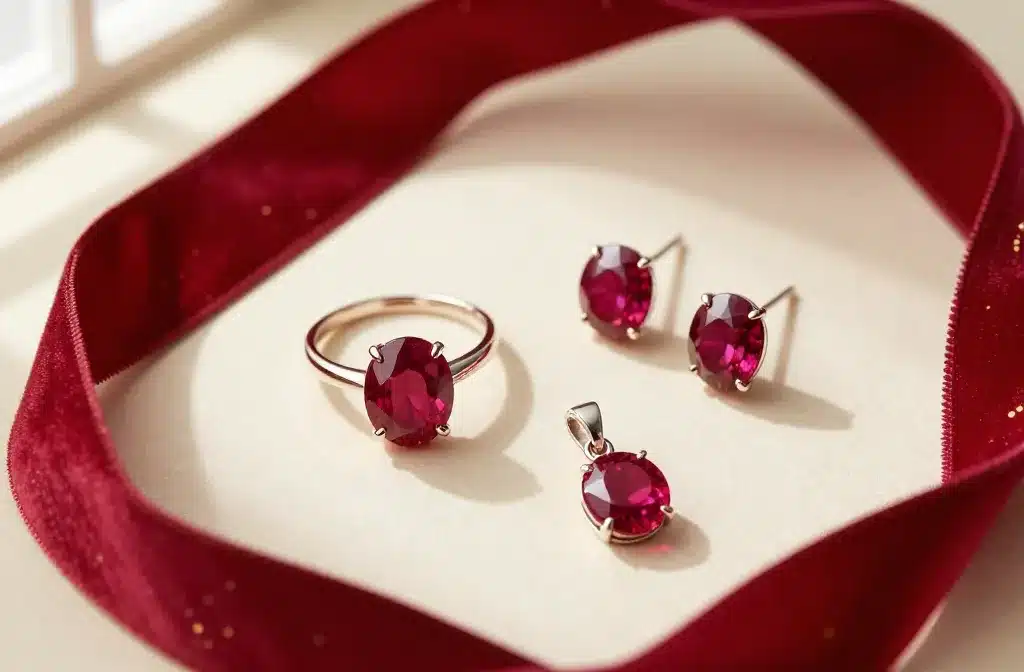
Some gemstones catch the light; rubies seem to ignite it. That vivid, velvety red has stirred poets, travelers, and jewelers for centuries—and it still steals the show in a jewelry box. If you’re marking a July birthday or simply love a stone with presence, ruby jewelry is a gift that feels both personal and enduring.
In this guide, you’ll see what gives rubies their unmistakable color and fire, the qualities that affect price and durability, and how to pick a piece that flatters the wearer’s style. You’ll learn about natural versus lab-grown stones, treatments you should know about, and designs that make rubies shine in everyday life. Expect practical buying tips with a collector’s eye for detail.
We’ll keep it approachable but precise—so you can feel confident choosing a ruby that tells a story, not just fills a setting.
By the end, you’ll have a clear plan for choosing July birthstone jewelry that looks striking today and holds meaning for decades.
Why Rubies Make Such Memorable Gifts
Rubies project warmth and strength. Their saturated red symbolizes love, vitality, and protection across many cultures. Historically, warriors wore rubies for courage; in royal courts, they signaled power and prosperity. That layered meaning still resonates, which is why a ruby gift rarely feels casual—yet it’s more versatile than you might expect.
Rubies are also practical. At 9 on the Mohs Scale, they’re second only to diamond in scratch resistance among commonly seen gemstones. That means a ruby ring, pendant, or pair of studs can be worn frequently with minimal worry, provided the setting is well-made and you avoid rough knocks.
And aesthetically, rubies have range. Deep crimson for the classic romantic, bright cherry red for a modern pop of color, and pinkish-red for a softer, feminine tone. A thoughtful pick can match a person’s complexion and wardrobe while still delivering the unmistakable “ruby glow.”
Color, Clarity, and Cut: The Value Heart of Ruby Jewelry
Color is king for rubies. The finest stones show an intense, rich red with a subtle undertone of blue that creates depth rather than a flat, tomato hue. Jewelers often call that “pigeon’s blood,” though the term is used loosely—what matters is a pure, vivid red that glows under varied lighting, from daylight to warm indoor bulbs.
Clarity matters, but differently than in diamonds. Most rubies have inclusions—silk-like rutile needles, minute crystals, or fingerprint patterns. Light, well-distributed silk can even enhance a ruby’s soft glow and help color distribute evenly. What you want to avoid are dark, clumpy inclusions or fractures near the surface that interrupt transparency or threaten durability. Eye-clean rubies are rare and command a premium.
Cut is about personality and performance. Ovals and cushions are classic for maximizing color and face-up size. Rounds and antique cuts show lively brilliance. Emerald cuts can look elegant but reveal inclusions more readily; choose a cleaner stone. A well-cut ruby shouldn’t appear too dark in the center (the “extinction” effect) or washed out around the edges. Tilt the stone: it should hold color and sparkle as it moves.
Origins and What They Mean for the Buyer
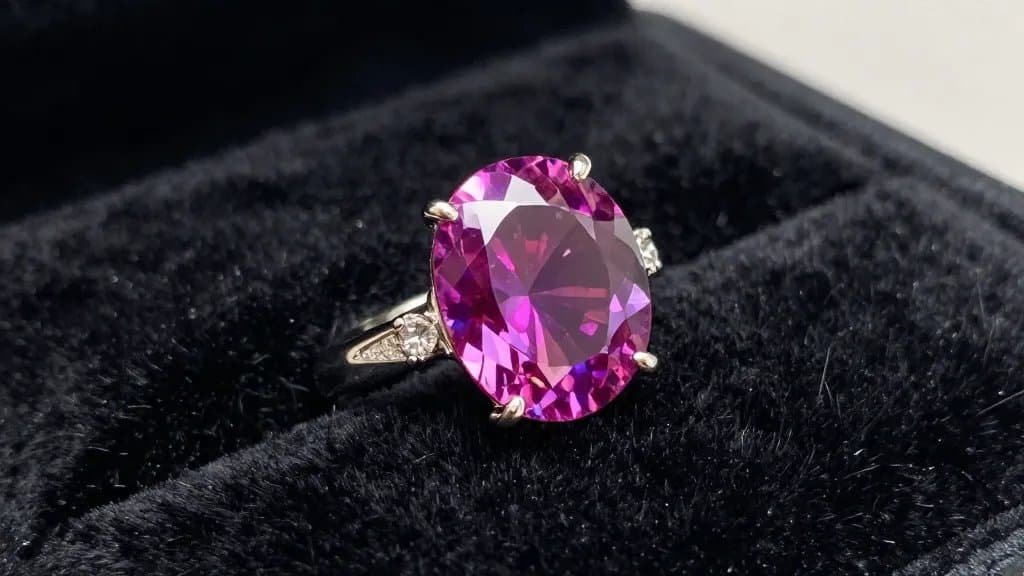
Geography can hint at appearance and value. Historically, rubies from Myanmar (Burma) are famed for saturated, slightly bluish red with velvety softness due to fine rutile silk. Mozambique now produces many top-tier stones with electric red and strong brightness, often cleaner than Burmese material. Thailand and Cambodia yield deep reds that may lean slightly brownish. Vietnam can offer lively, fine reds in smaller sizes. Each origin has its fans and its look.
Origin is not a quality grade by itself. A glowing Mozambique ruby can outshine a sleepy Burmese stone. If origin matters to you, look for a reputable lab report. Otherwise, judge with your eyes: choose the ruby that looks vivid, even, and alive in multiple lights.
Natural, Treated, and Lab-Grown: Understanding Your Options
Most rubies on the market are treated, and that’s not inherently a bad thing. Knowing which treatments are acceptable helps you buy wisely.
- Heat treatment: The most common and generally accepted. It can enhance color and clarity by dissolving rutile silk or improving transparency. Properly disclosed heated rubies are stable and durable.
- Flux healing: Molten flux during heating can fill fractures. While still considered ruby, extensive healing lowers value versus lightly heated stones.
- Lead-glass filling: Fills surface-reaching fractures with a glass-like substance to improve transparency. These stones are inexpensive and fragile. Avoid for long-term fine jewelry; a jeweler’s cleaning can damage them.
- Untreated (“no heat”): Rarer and priced accordingly. If you want a collector-grade piece, consider untreated with independent lab documentation.
- Lab-grown ruby: Chemically and structurally the same species (corundum) grown in a controlled environment. Colors are often vibrant and clean. Lab rubies deliver look and durability at a fraction of the price—excellent for stylish, budget-friendly gifts, but disclose clearly if it matters to the recipient.
Ask for disclosure in writing. If you’re investing at higher budgets, consider a lab report for stones above about one carat. Trusted sources can guide you through the nuances—see related topics like Gemstone Buying Guide and Gemstone Identification for more depth.
Designs That Make Rubies Shine
Some settings bring out ruby’s richness better than others. Consider the wearer’s lifestyle and how the stone will catch light.
- Solitaire studs and pendants: A round or oval ruby in a classic four-prong or secure bezel reads elegant and wearable. Yellow gold deepens warmth; white metal adds contrast and brightness. A smooth bezel protects the edges for daily wear.
- Halo settings: A ring or pendant with a halo of small diamonds amplifies sparkle and makes the ruby’s color pop. Ideal for smaller rubies you want to appear larger, or for extra presence without jumping carat sizes.
- Three-stone rings: Two tapered diamonds or white sapphires flanking a ruby create a timeless, balanced look. Great for anniversaries or milestone birthdays.
- East–west ovals and geometric bezels: A modern twist that feels fresh. Clean lines spotlight the ruby’s silhouette and intensify color.
- Vintage-inspired details: Milgrain edges, filigree, and antique cushion cuts evoke old-world charm. These pair beautifully with velvety rubies that glow rather than flash.
- Birthstone stacking: Petite ruby bands or tiny charm pendants layer easily with other Gemstone Jewelry, letting the July birthstone share a story with family stones.
For fashion-forward wearers, try knife-edge bands or asymmetric settings. For minimalists, a single well-cut ruby in a bezel pendant becomes a daily signature.
Size, Budget, and What to Expect
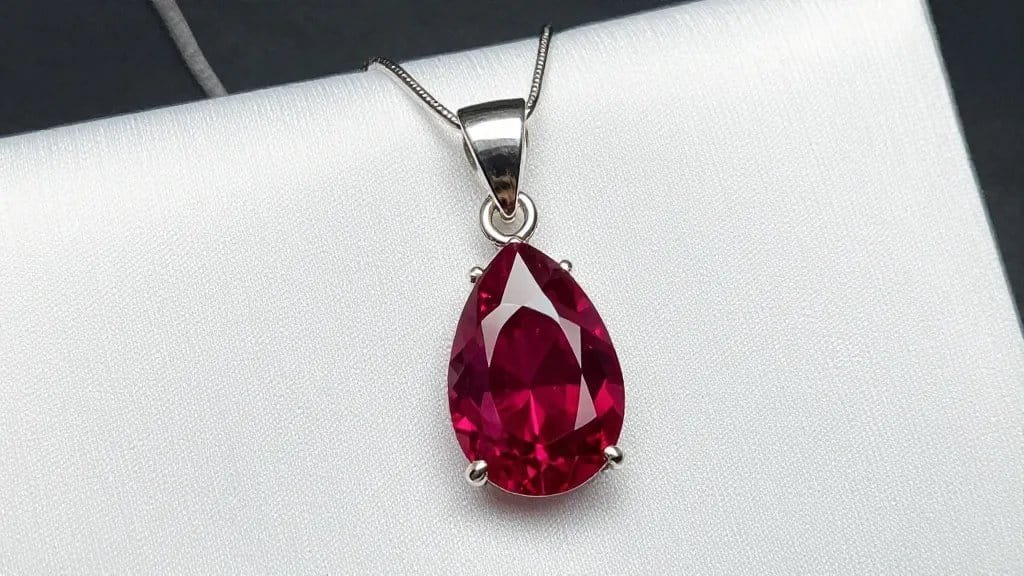
Rubies are rarer than diamonds in fine qualities, especially above one carat. Prices can climb steeply with color saturation and size. Here’s how to balance beauty and budget:
- Under 0.50 ct: Look for vivid color and good cut. A diamond halo or trio of small rubies can add visual impact. Studs and petite pendants shine in this range.
- 0.50–1.50 ct: A sweet spot for standout rings and pendants. Heated rubies with strong color deliver excellent value. Consider oval or cushion cuts to maximize face-up size.
- 2 ct and above: Expect to prioritize either color or clarity unless your budget stretches. Untreated or top Burmese/Mozambique stones become true Collector Gemstones.
Lab-grown rubies let you choose larger, cleaner stones affordably—particularly appealing for Gemstone Earrings and Gemstone Necklaces you want to wear often. If the recipient appreciates natural rarity, focus your budget on a smaller but richly colored natural ruby from a reputable source.
Real vs. Imitation: Quick Identification Tips
Rubies have a distinct “feel” to trained eyes, but a few quick indicators help consumers too:
- Color zoning: Natural rubies may show gentle color zoning; extreme, candy-like uniformity can suggest synthetic, though not always.
- Inclusions: Thin, intersecting silk needles under magnification are common in natural rubies. Gas bubbles, swirl lines, or a roiled, curved structure often indicate flame-fusion synthetics.
- Lead-glass filling signs: Look for blue flashes, glassy pockets, or a “crazed” texture within fractures under magnification. These stones can appear dramatically clear but are fragile.
- Star rubies: Asterism (a six-rayed star) appears when light reflects from oriented rutile silk. Natural star rubies have stars that move fluidly across the dome; in imitations, the star may be too perfect or painted-looking.
When in doubt, ask for documentation or consult a professional. For deeper study, see Gemstone Identification and Gemstone Comparisons to understand how ruby stacks up against red spinel or garnet, which can look similar to the untrained eye.
Metal Choices and Pairings That Enhance Ruby Color
Ruby is chameleon-like with metal. Each choice creates a mood:
- Yellow gold: Adds warmth and a regal, vintage aura. Beautiful with deeper or slightly purplish-red stones.
- Rose gold: Softly romantic, it flatters pinkish-red rubies and lighter skin tones.
- White gold or platinum: Crisp and modern, it enhances brilliance and contrast, ideal for bright, electric reds or diamond halos.
As for accents, white diamonds are classic for sparkle and contrast. For a unique look, try tapered baguettes, black diamonds for edgy drama, or even color-play with tsavorite garnet for green-red contrast. Just ensure the accent stones don’t overpower the ruby’s center-stage role.
Durability, Care, and Cleaning for Everyday Wear
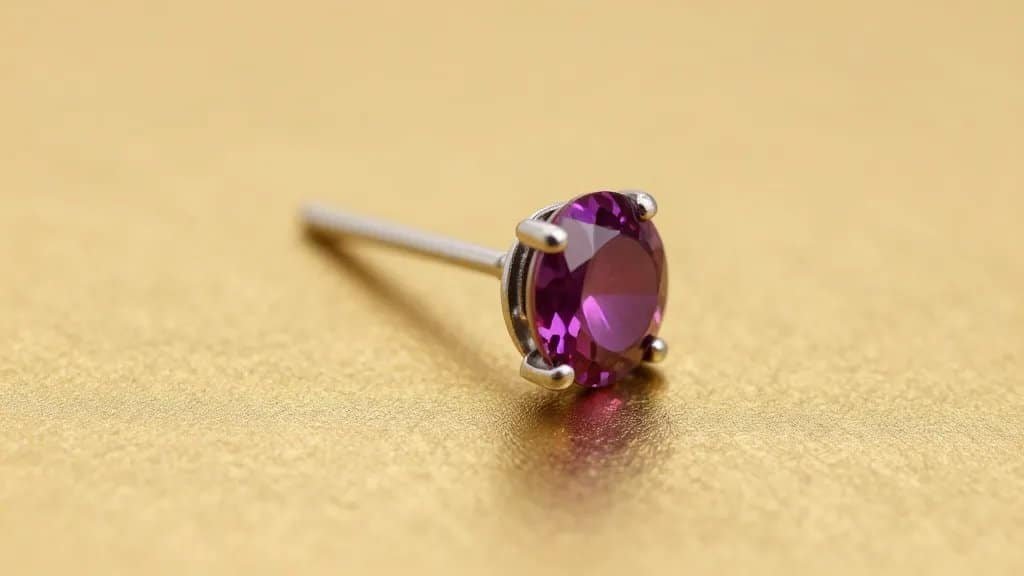
Ruby’s hardness (Mohs 9) makes it a strong everyday choice, but no gemstone is indestructible. Protect it from hard impacts and from high-heat jewelry repairs if the stone has fracture filling.
- Routine cleaning: Warm water, mild dish soap, and a soft brush. Rinse well and pat dry. Ultrasonic and steam cleaners are usually fine for untreated or heat-only rubies, but avoid them for flux-healed or glass-filled stones.
- Storage: Keep ruby jewelry separate from softer gems to avoid scratches. Fabric pouches or individual compartments work well.
- Maintenance: Have prongs and bezels checked annually—especially for rings—so the stone stays secure. If you suspect glass filling, inform the jeweler before cleaning or repair.
If the recipient is active or works with their hands, consider low-profile settings and bezels. These protect the girdle and reduce snagging while keeping the ruby front and center.
Meaningful Gift Ideas by Personality and Lifestyle
Matching design to the wearer’s life is where a good gift becomes a great one.
- The minimalist: A bezel-set oval ruby pendant on a fine chain or petite ruby huggie hoops. Clean lines, daily wearable, endlessly chic.
- The romantic: A cushion-cut ruby with a milgrain halo in yellow or rose gold. Add a hidden diamond in the gallery for a small secret flourish.
- The professional: Ruby studs with screw backs or a slim ruby-and-diamond station bracelet. Polished, not flashy.
- The trendsetter: East–west marquise ruby ring in platinum or a geometric ruby bar pendant. Unexpected shapes make the color feel modern.
- The traditionalist: Three-stone ruby ring with tapered baguettes or a classic tennis line of alternating rubies and diamonds. Quiet luxury.
Don’t overlook birthstone stacking bands: a July ruby band paired with a partner’s or child’s birthstone creates wearable symbolism without shouting.
Common Mistakes to Avoid When Buying Ruby Jewelry
- Chasing size over color: A larger pale or brownish ruby won’t satisfy like a smaller, richly saturated gem.
- Ignoring treatment disclosures: Lead-glass-filled “bargains” can disappoint. If a deal looks too good, ask questions.
- Overlooking cut: Poorly cut rubies can look dark or lifeless. View the stone under different lights and angles.
- Paying a premium for origin without proof: If origin drives the price, request a respected lab report.
- Forgetting comfort: High-profile rings can snag; heavy earrings can pull. The best gift is beautiful and wearable.
If you want to compare qualities side-by-side, resources on Gemstone Value Guide and Gemstone Cuts can help you weigh trade-offs intelligently.
Ruby Myths, Facts, and Collector Tidbits
Rubies have gathered lore like facets catch light. Ancient Sanskrit texts called them “ratnaraj,” the king of gems. Medieval Europeans believed rubies could warn of danger by darkening. While we’ve traded superstition for science, rubies still feel protective—maybe because their color radiates life.
From a collector’s view, star rubies with sharp, centered asterism are fascinating. Translucent cabochons with silky interiors can produce a six-rayed star that glides with the light source. Untreated Burmese stones with fine silk and even color remain grail pieces, but Mozambique has produced modern classics that are already earning respect in serious collections.
FAQs
Is ruby the only July birthstone?
Yes. Unlike some months with multiple options, July’s primary and traditional birthstone is ruby.
How does ruby compare to red spinel or garnet?
Fine red spinel can mimic ruby color but is generally less expensive and softer in look. Garnet (like pyrope) can be richly red but often lacks ruby’s brightness and durability. See Gemstone Comparisons for nuanced differences.
Should I choose natural or lab-grown for a gift?
It depends on priorities. Natural offers rarity and romance; lab-grown delivers vivid color and size at a friendlier price. Disclose your choice and match it to the recipient’s values.
What metal best suits everyday ruby rings?
Platinum or 14k gold (white, yellow, or rose) are durable choices. Choose bezels or protective prongs if the wearer is active.
Are heated rubies less valuable?
Heated rubies are common and can be excellent. They’re valued less than comparable untreated stones but often look better than untreated stones at the same price point.
Can I clean ruby jewelry at home?
Yes—warm water, mild soap, soft brush. Avoid ultrasonic or steam if the stone is fracture-filled or you’re unsure about treatments.
What carat weight looks substantial on the hand?
A well-cut 0.80–1.20 ct oval or cushion can look very present, especially in a halo. Cut quality and color often matter more than raw carat weight.
A Short Wrap-Up
July birthstone jewelry thrives on ruby’s rich color, durable nature, and timeless symbolism. Choose a vivid, well-cut stone in a design that suits the wearer’s life, understand treatments, and favor craftsmanship. Do that, and your ruby gift won’t just look beautiful—it will feel like it belongs to the person who wears it.

Christian Grey is the creator of GemMeaning, where he shares simple insights about crystals, gemstone meanings, and spiritual guidance. His focus is on making complex ideas easy to understand and practical for everyday life.