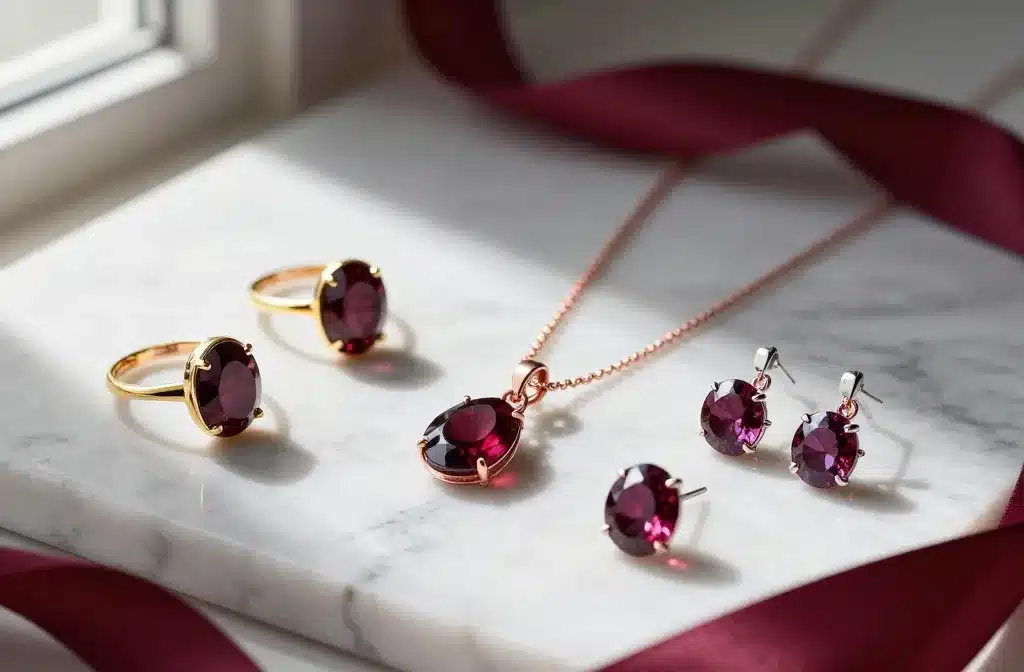
January’s birthstone has a way of catching the eye even across a crowded room. Rich, wine-red garnets glow with a warmth that feels generous in the coldest month of the year, and that glow has charmed collectors for centuries. There’s history in that sparkle—and practicality, too—making it a natural choice for everyday wear and gift-giving.
Here you’ll find inspired jewelry ideas built around garnet’s lush color and surprising variety. You’ll learn how to spot quality, which cuts and settings make garnets pop, what to pair them with, and how to pick pieces that last. I’ll also share a few under-the-radar garnet varieties that will delight anyone who likes to zig where others zag.
Expect practical buying tips, care advice, and design suggestions for rings, necklaces, earrings, and bracelets. By the end, you’ll not only have favorites in mind—you’ll know how to choose pieces that look superb for years.
Let’s bring that January glow to life.
Meet January’s Star: What Makes Garnet Special
Garnet is a family of minerals rather than a single stone. That’s why you see everything from deep pomegranate reds (almandine, pyrope) to vibrant raspberry (rhodolite), claret with a hint of brown (almandine-spessartine mixes), sunset orange (spessartite), and even green (tsavorite and demantoid). January tradition leans red, but if you’re gifting for a January birthday, every garnet counts.
On the Mohs scale, most garnets sit around 6.5–7.5. That’s solid enough for daily wear, especially in earrings and pendants. Rings will do well with protective settings and mindful care. Garnet’s luster is typically vitreous—think glassy polish that drinks in light—while fine stones show excellent saturation and even color. Many red garnets have tiny inclusions; needle-like “horsetail” inclusions in demantoid are actually sought after by collectors.
Symbolically, garnet has long been linked to protection, loyalty, and enduring affection. Roman signet rings, Victorian brooches, and Art Deco cocktail pieces all used garnet to say, “This matters.” As birthstone jewelry, it’s a great way to mark beginnings, commitments, and milestones.
Color and Cut: How to Choose a Garnet That Glows
Color is king. For red garnet, look for a rich, even tone that stays red under different lighting. If a stone turns dull brown in low light, or nearly black in bright light, it’s too dark. Rhodolite brings a rosy or purple undertone that flatters many skin tones; it often faces up brighter and feels romantic rather than dramatic.
Cut matters just as much. A well-cut garnet throws back a warm inner fire rather than a flat, inky look. Brilliant cuts (rounds, ovals, cushions) enhance sparkle, while antique-style rose cuts and cabochons serve up moody depth and old-world charm. Pears and marquises make elegant pendants and drop earrings, elongating the silhouette and catching light at every step.
For larger gemstones, consider checkerboard tops—those crisscrossed facets add movement so the stone never appears too heavy. If you want maximum flash, spessartite and tsavorite in brilliant cuts can outperform many red garnets on sparkle alone.
Classic January Birthstone Rings: From Minimal to Statement
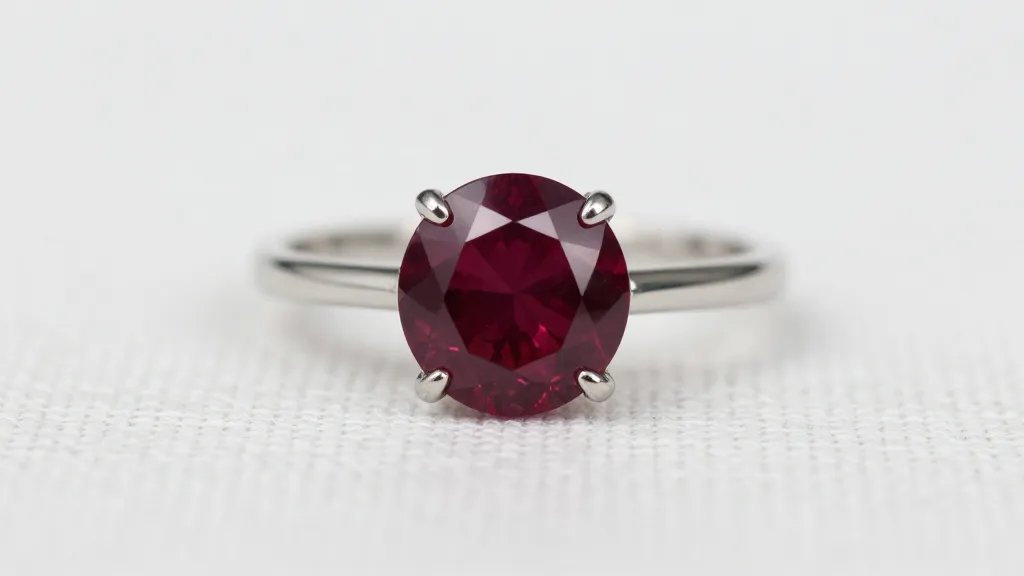
Rings work hard, so design and setting should protect the gem while showing off its color. A few tried-and-true ideas:
- Solitaire in Yellow Gold: A medium-dark almandine or pyrope in a four or six-prong setting looks timeless. Yellow gold warms red garnet, turning the color velvety—lovely for vintage-inspired tastes.
- Rhodolite Halo in Rose Gold: A rose-gold halo ring with small white diamonds or white sapphires brightens a rhodolite’s raspberry hue. The contrast creates a petal-soft aura and works beautifully in oval or cushion shapes.
- East–West Bezel: Setting an emerald-cut or oval garnet horizontally in a thin bezel feels modern and offers good protection. Bezel edges reduce snagging and shield girdles from knocks.
- Three-Stone Garnet and Diamond: Two tapered baguettes beside a deep-red center stone feel crisp and architectural. It’s a handsome choice for everyday wear or a right-hand ring.
- Signet or Gypsy-Set: A flush-set cabochon garnet in a smooth dome or oval signet delivers quiet luxury. This style handles daily life well and nods to antique signet traditions.
Practical note: Rings take the most impact. Consider higher-karat gold for warmth and malleability, or 14k for a balance of color and hardness. Platinum offers excellent durability but cooler color; pairing it with rhodolite or tsavorite is especially striking.
Necklaces and Pendants: Red That Frames the Face
Pendants are a low-risk, high-impact category for January birthstone jewelry. Because they’re protected by clothing and less exposed to impact, you can wear larger gems without worry.
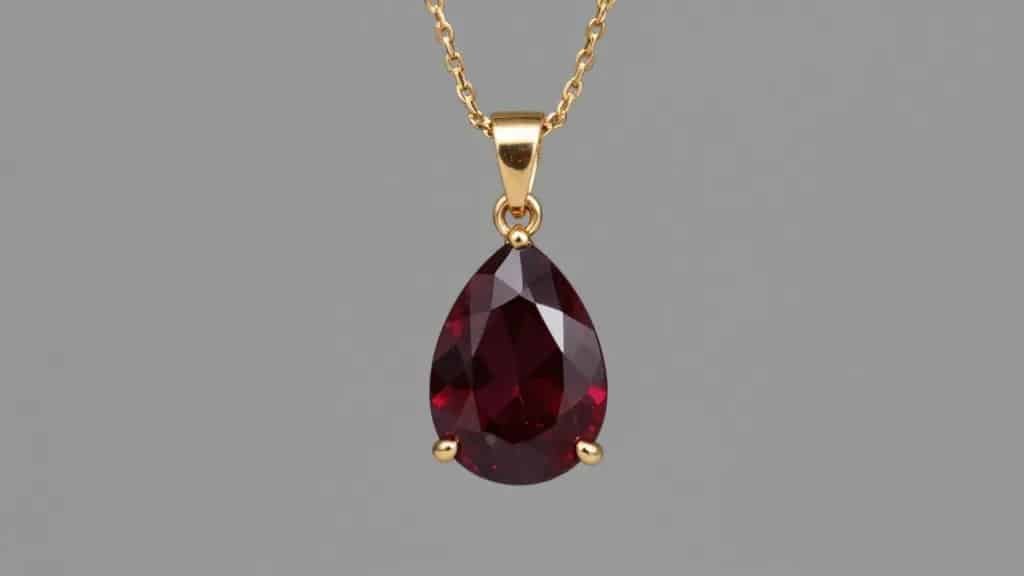
- Simple Solitaire Drop: An oval or pear-shaped garnet on a fine chain sits just below the collarbone, catching light with every turn. Consider a tapered bail to keep the pendant centered.
- Locket with Garnet Accent: A small cabochon garnet as a locket centerpiece nods to Victorian styles and makes a meaningful keepsake for January birthdays or anniversaries.
- Bar Pendant with Mixed Garnets: Arrange gradient stones from rhodolite to almandine for a berry-to-wine ombré effect. The linear shape feels contemporary and layers easily.
- Medallion with Star-Set Garnet: A hand-textured disc with a star-set round garnet looks artisanal and sits beautifully on mid-length chains.
Chain length changes the mood. A 16-inch choker length reads delicate and youthful. An 18-inch princess length is universally flattering. For sweaters and dresses, a 20–24-inch chain lets a deeper red pendant become the outfit’s anchor.
Earrings: Everyday Spark or Gala Drama
Garnet earrings are easy to love because red near the face adds warmth and confidence. You can go subtle or swingy:
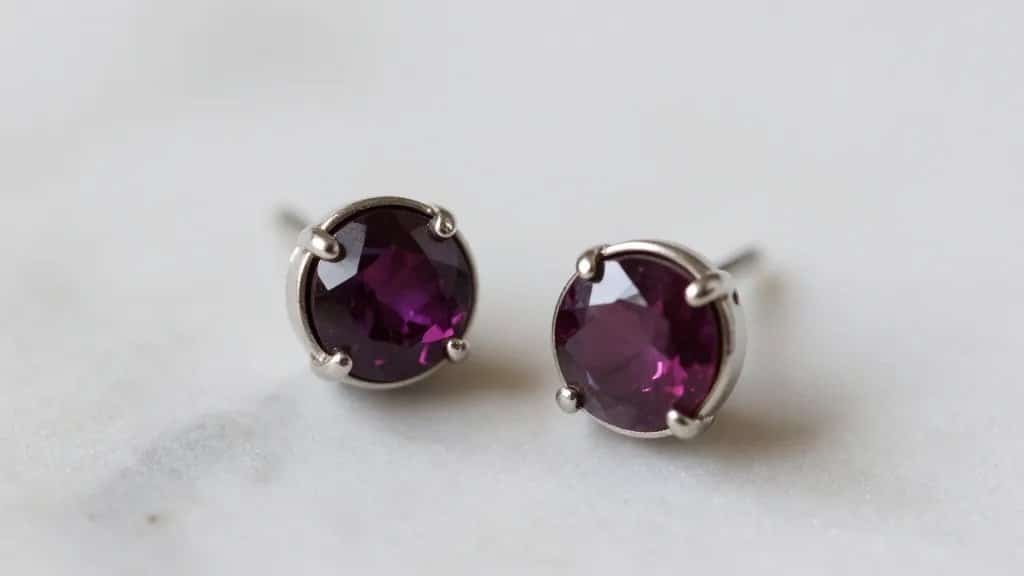
- Studs with a Twist: Round brilliant rhodolite studs framed by tiny milgrain bezels feel antique-chic while staying office-friendly.
- Tapered Drops: Pear or kite-shaped garnets in simple wire drops lengthen the neck visually. A minimalist frame avoids weight and keeps light passing through the stone.
- Cluster Blooms: Small mixed reds—rhodolite and almandine—clustered like petals deliver texture and sparkle, harking back to Georgian and Victorian jewelry.
- Hoops with Garnet Charms: Add removable garnet briolettes to slim hoops for day-to-night versatility. Briolettes shimmer with every movement.
If you’re sensitive to weight, stick to stones under 1.5 carats each for long wear and comfort. Closed-back antique styles are beautiful but can darken a garnet; open backs help light return and keep the color lively.
Bracelets: Stacking, Tennis Lines, and Beads
Bracelets let you play with rhythm and repetition. Garnet’s uniform color grades well, so matched sets look cohesive rather than fussy.
- Tennis Bracelet: Round garnets in four-prong or bezel settings give a steady stream of red. Add occasional diamond or white sapphire stations for contrast without upping maintenance much.
- Beaded Strands: Polished round almandine or faceted rhodolite beads feel tactile and earthy. Double-wrap designs add presence without bulk.
- Charm Bracelets: A single garnet charm—perhaps a heart, pear drop, or star-set disc—keeps the birthstone close without dominating a curated stack.
- Cuff with Inlay: A slender gold or sterling cuff inlaid with thin garnet slices nods to contemporary design. Low profile, highly wearable.
For daily wear, look for secure clasps (lobster or box with safety) and low-profile settings that won’t catch on sweaters. Bezel-set stones handle knocks better than tall prongs.
Beyond Red: Unexpected January Birthstone Choices
While deep red is classic, exploring the garnet family opens a world of color for January jewelry ideas you’ll love:
- Rhodolite: Raspberry to plum. Often cleaner and brighter than almandine, superb in rose gold. Great for halos and vintage-inspired designs.
- Spessartite: Sunny to tangerine orange. Electric in yellow gold, exhilarating in modern geometric cuts. A statement choice for pendants and cocktail rings.
- Tsavorite: Intense, emerald-like green with excellent brilliance. Stunning in white gold or platinum, especially as delicate studs or eternity bands. Prices can be high in fine qualities.
- Demantoid: Bright green with exceptional dispersion—tiny rainbow flashes. Antique Russian pieces are legendary. Beautiful, but often delicate and pricier; ideal for special-occasion earrings and pendants.
- Color-Change Garnet: Shifts from greenish in daylight to purplish-red under incandescent light. Fascinating for collectors and unique bespoke pieces.
If you want to keep the January tradition while surprising the recipient, choose a rhodolite or tsavorite and mention the garnet link—it feels both personal and fresh.
Quality, Value, and Real vs. Imitation
Garnet is less commonly treated than many gemstones. Most red garnets are not heat-treated, and you won’t find routine fracture-filling. That said, always buy from reputable sellers who disclose treatments and provide detailed descriptions.
Value factors include:
- Color: Even, richly saturated tones command higher prices. Too dark or too brown lowers value.
- Clarity: Eye-clean stones are desirable, though slight inclusions are normal. Demantoid’s “horsetail” inclusions can add value.
- Cut: Bright stones with lively return are worth more than large but sleepy gems.
- Carat Weight: Larger fine-quality garnets are less common and rise in price per carat.
Imitations to watch for include glass and synthetic spinel in red hues. Quick identification tips at home:
- Look for doubling: Garnet is singly refractive; you won’t see a doubled facet edge through a loupe like you might with some other gems.
- Check weight: Garnet is relatively dense; a same-sized glass imitation often feels lighter.
- Bubbles vs. inclusions: Round gas bubbles suggest glass. Natural garnets show more irregular mineral inclusions.
For deeper learning, explore Gemstone Identification or a Gemstone Buying Guide to understand tests and certifications. A professional appraisal helps for high-value pieces or antique finds.
Design Pairings: Metals, Accent Stones, and Styles That Work
Garnet’s chameleon quality lets it dress up or down depending on what you pair it with:
- Metals: Yellow gold intensifies warmth and depth. Rose gold pairs dreamily with rhodolite and romantic motifs. White gold and platinum sharpen edges and boost contrast—fantastic with tsavorite.
- Accent Stones: White diamonds or moissanite make classic halos. White sapphire offers sparkle at a friendlier price. Champagne diamonds soften the contrast for vintage moods. Tiny black diamonds lend modern edge around deep-red centers.
- Motifs and Settings: Milgrain, hand-engraving, and bead settings echo antique pieces. Sleek bezels and knife-edge bands feel modern. For a bohemian vibe, mix-cut clusters with pears and rounds look naturally organic.
If you love gemstone mixing, consider Gemstone Colors and Gemstone Comparisons to see how garnet plays with navy sapphire, teal tourmaline, or smoky quartz. The right combo makes garnet’s glow unmistakable.
Care and Cleaning: Keeping That Glow
Garnet handles daily life well, but a little care goes far:
- Cleaning: Warm water, mild soap, and a soft brush. Rinse thoroughly and pat dry. Ultrasonic cleaners are generally safe for many garnets but avoid if the stone has fractures or is part of delicate antique settings.
- Storage: Store separately in a soft pouch or compartment. Garnet can scratch softer gems, and harder gems (like sapphire and diamond) can scratch garnet.
- Wear: Remove rings for weightlifting, gardening, or abrasive chores. Check prongs annually; bezels and flush settings need less frequent maintenance.
A gentle polish with a microfiber cloth before wearing keeps the surface bright and ready for compliments. For more tips, see Gemstone Care and Gemstone Hardness to better understand daily wear considerations.
Gifts and Personal Touches for January Birthdays
Birthstone jewelry shines brightest when it reflects the wearer’s style. A few thoughtful ways to personalize:
- Engraving: Add initials, a date, or a tiny message on pendants, signets, or the inner band of rings.
- Custom Cuts: Heart-shaped garnets can be charming without feeling saccharine when set east–west or in sleek bezels.
- Layering Sets: Pair a petite garnet pendant with a longer charm necklace. Add slim stacking rings: one garnet, one plain band, one with subtle texture.
- Bespoke Color Stories: Commission a gradient piece moving from rhodolite to almandine for a wearable ombré of January reds.
If the recipient is a collector, consider rarer choices such as demantoid with visible horsetails or a well-documented antique Bohemian garnet piece. Those make excellent entries into the world of Collector Gemstones and Gemstone History.
Common Mistakes to Avoid
Even seasoned shoppers can misstep. Here’s how to sidestep regrets:
- Choosing stones that are too dark: Always view under different lights. A gorgeous store display can hide a stone that goes black outdoors.
- Overlooking cut quality: Size does not equal sparkle. Select stones with lively returns and crisp facet junctions.
- Neglecting setting strength: Delicate prongs can snag. For daily rings, consider bezels or heavier prongs; for bracelets, ensure double safeties.
- Skipping disclosures: Ask about treatments, origin, and any enhancements. A trustworthy seller won’t hesitate.
- One-size-fits-all gifts: Match metal color and style to the wearer’s wardrobe. Warm complexions often glow in yellow or rose gold; cool complexions shine in white metals.
FAQs
Is garnet durable enough for an engagement ring?
Yes, with the right design. Garnet’s 6.5–7.5 hardness is fine for daily wear if the stone is well-cut and set protectively (bezel, halo, or sturdy prongs) and you follow basic care.
Which garnet color looks brightest in low light?
Rhodolite and many spessartites tend to face up brighter than very dark almandine or pyrope. Look for medium to medium-dark tones for consistent sparkle.
Are most red garnets treated?
No. Red garnets are typically untreated. Always confirm with the seller, but routine heating or filling is uncommon for garnet compared to other gems.
How can I tell if my garnet is real?
Look for natural inclusions rather than round gas bubbles, check weight (garnet feels dense), and note that garnet is singly refractive. For certainty, get a gemological report.
What metal pairs best with January’s birthstone?
Yellow gold enriches deep reds; rose gold flatters rhodolite’s pinks; white metals sharpen contrast and suit tsavorite or bright rhodolite.
What’s a budget-friendly January birthstone gift?
Rhodolite stud earrings, a petite bezel-set pendant, or a simple beaded bracelet offer impact without high cost, especially in sterling silver or 14k gold.
Can garnet be worn daily in a bracelet?
Yes, if stones are bezel or low-prong set and the clasp is secure. Avoid abrasion and store it separately to prevent scratches.
A Final Thought
January birthstone jewelry should feel warm, personal, and enduring—just like garnet itself. Choose a lively color, a flattering cut, and a setting that suits your lifestyle, and you’ll have a piece that brings a little midwinter glow to every season.

Christian Grey is the creator of GemMeaning, where he shares simple insights about crystals, gemstone meanings, and spiritual guidance. His focus is on making complex ideas easy to understand and practical for everyday life.