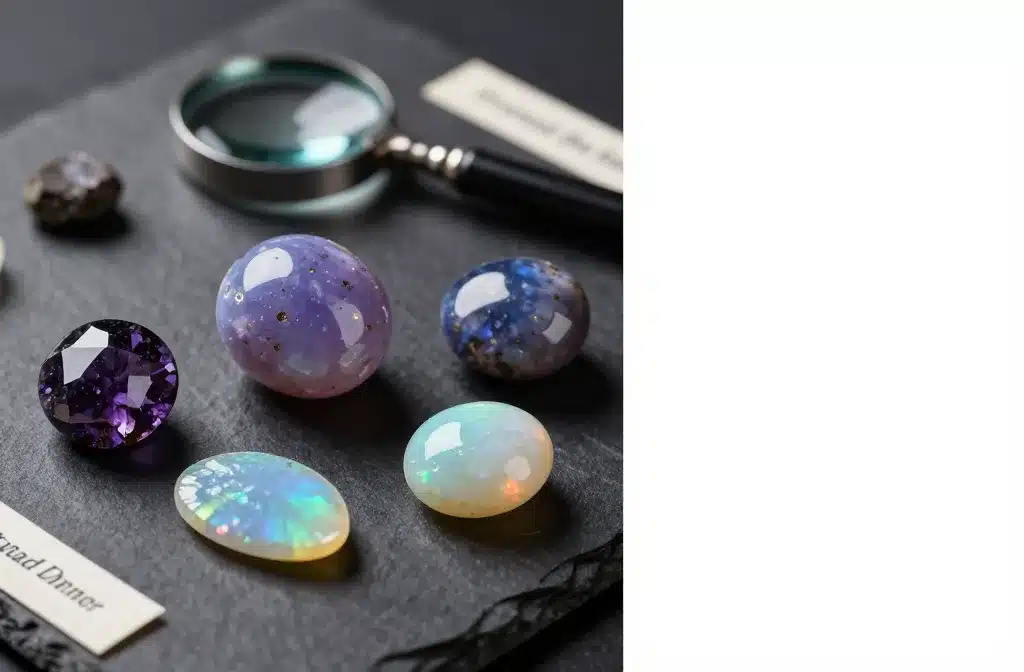
Some stones whisper rather than shout. They don’t crowd jewelers’ windows or flood social feeds, yet they carry stories of volcanoes, ancient seas, and geologic quirks that happen once in a planet’s lifetime. Those are the rare specimens that make collectors lean in and take a second look.
Here you’ll learn what sets rare rocks and minerals apart—how they form, what they look like, and why certain pieces fetch serious prices. We’ll cover real-world buying tips, durability for jewelry, and the subtleties that separate “interesting” from “investment-grade.” If you enjoy the hunt as much as the sparkle, this is your map.
Expect a mix of science and bench-top wisdom: how colors arise, which localities matter, and how to care for fragile beauties so they last a lifetime. We’ll also point you to related essentials like Gemstone Identification and a practical Gemstone Buying Guide when another layer of detail helps.
By the end, you’ll recognize which rare rocks and minerals are worth seeking—and how to spot authentic, well-cut, and responsibly sourced pieces that feel special on the hand and under the loupe.
What Makes a Rock or Mineral “Rare” in Gem Terms?
Rarity wears many faces. Sometimes it’s chemistry—an element that almost never shows up in crustal rocks. Sometimes it’s geology—conditions for forming a gem-quality crystal occur in a tiny sliver of space and time. And often it’s about the number of clean, cuttable stones that actually reach the market.
Collectability hinges on three pillars: limited occurrence, beauty under light, and durability. The Mohs scale matters because even a gorgeous mineral can be too soft or brittle for everyday wear. Transparency and color intensity shape value, while inclusions tell a story about origin and authenticity. Finally, provenance—think a single Kenyan hill or a narrow Brazilian pegmatite—can elevate a specimen from rare to legendary.
Rocks vs. Minerals: Why the Distinction Matters
A mineral is a distinct chemical compound with a consistent crystal structure—alexandrite, benitoite, and taaffeite are classic examples. A rock is an aggregate of minerals—like lapis lazuli or eudialyte-bearing syenite—whose patchwork can create unique patterns. Both can be collectible. For jewelry, minerals with high hardness and toughness fare best, while rare rocks often shine in cabochons, beads, or display specimens where their patterns or phosphorescence steal the show.
Standout Rarities You Should Know
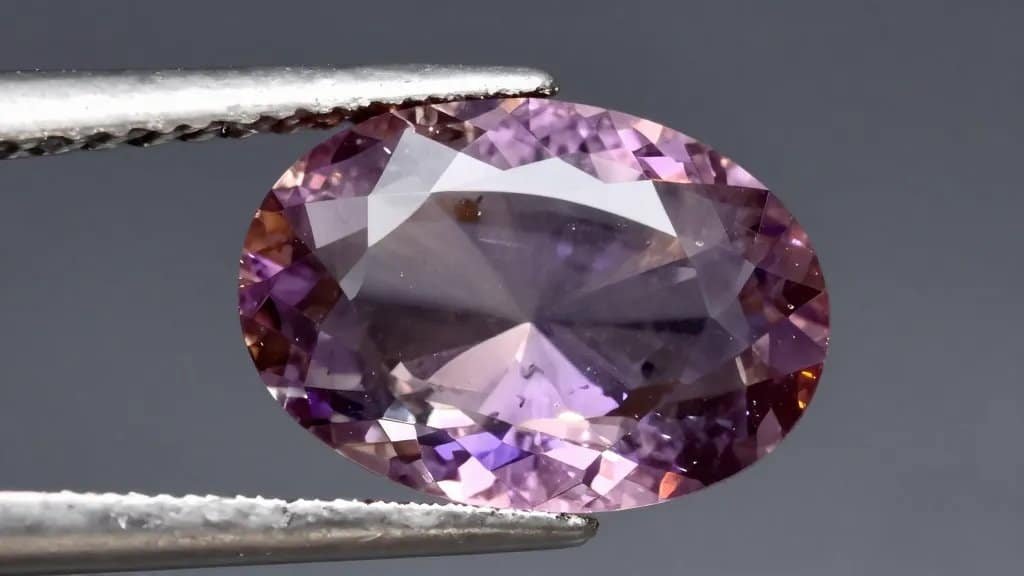
Alexandrite: The Color-Changing King
Appearance: Alexandrite flips from green to bluish-green in daylight to raspberry-red or purplish-red under warm indoor light. Fine stones show a dramatic, balanced shift. The crystal is a variety of chrysoberyl with chromium as the chromophore.
Formation and origin: Classic Russian Urals material set the benchmark, but fine pieces also emerge from Brazil, Sri Lanka, and East Africa. Geological conditions require beryllium and chromium to meet—an improbable handshake.
Hardness and wear: 8.5 on the Mohs scale, excellent toughness. Perfect for rings and daily-wear jewelry if securely set.
Value notes: Color change strength outweighs carat size; a 1-carat alexandrite with a vivid, clean shift can outprice larger, muddier stones. Lab-grown material is common—comparing prices and asking for a lab report is wise. For more on durability, see Gemstone Hardness and Gemstone Value Guide.
Benitoite: California’s Electric Blue
Appearance: A crisp, sapphire-like royal to violet-blue with strong fire in well-cut stones. Under shortwave UV, quality crystals glow an intense sky-blue.
Formation and origin: Found chiefly at the Benitoite Gem Mine in San Benito County, California, with minor occurrences elsewhere. It forms in high-pressure metamorphic environments with unusual chemistry.
Hardness and wear: About 6–6.5 Mohs. More a collector’s ring for special occasions than an everyday stone; better in pendants or earrings.
Value notes: Facetable crystals are scarce and usually small. Eye-clean stones above 1 carat are exceptional. Beware substitutes like blue sapphire; UV fluorescence and specific crystal habits help with Gemstone Identification.
Taaffeite: The Accidental Discovery
Appearance: Lavender, mauve, to pinkish-purple with a mellow luster. Often mistaken for spinel.
Formation and origin: First recognized when a faceted “spinel” showed double refraction. Main sources include Sri Lanka and Tanzania. Magnesium-beryllium aluminum oxide composition makes it geologically unusual.
Hardness and wear: 8–8.5 Mohs. Tough enough for rings if protected; looks elegant as a center stone in vintage-inspired settings.
Value notes: Rarer than alexandrite in the market. Expect small sizes. A lab report is your ally because it’s visually close to spinel; refractive index and birefringence help experts tell them apart.
Jeremejevite: Pastel Perfection
Appearance: Colorless to sky blue, sometimes champagne. Bright, glassy, and often exceptionally clean with a crisp, high-luster polish.
Formation and origin: Typically found in granitic pegmatites. Namibia and Myanmar are key sources.
Hardness and wear: 7.5 Mohs, brittle; treat as a dress piece. Facets can chip if knocked.
Value notes: Prized by collectors for rarity and gemmy clarity, but sizes are modest. Blue tones command premiums.
Grandidierite: Sea-Green Rarity
Appearance: Teal to bluish-green, often translucent rather than fully transparent. Pleochroism can shift from blue-green to colorless along different axes.
Formation and origin: Madagascar reigns, with the name honoring French naturalist Alfred Grandidier. Formed in metamorphosed rocks rich in boron and magnesium.
Hardness and wear: 7–7.5 Mohs. Usually set in pendants or earrings to showcase its saturated glow without risking abrasion.
Value notes: Transparent stones over 1 carat are prizewinning. Much material is cabochon-grade; a well-cut transparent stone leaps in value.
Musgravite: Spinel’s Rarer Cousin
Appearance: Gray to violet-gray and sometimes greenish, with a silky, understated presence more appreciated under a loupe than bright showroom lights.
Formation and origin: Discovered in Australia’s Musgrave Ranges; Sri Lanka and Madagascar have produced additional pieces. Structurally related to taaffeite.
Hardness and wear: 8–8.5 Mohs. Suitable for careful wear; seek protective settings if placed in rings.
Value notes: One of the scarcest gemstones in transparent quality. Documentation is crucial because of its close resemblance to taaffeite and spinel.
Poudretteite: Cotton-Candy Pink Rarity
Appearance: Delicate light pink to lavender with soft brilliance. The finest stones look like pastel spinel with a gentler glow.
Formation and origin: First identified in Mont Saint-Hilaire, Quebec; Myanmar later yielded facetable material.
Hardness and wear: About 5 on Mohs. Too soft for daily rings; better for protected pendants or safe-keeping in a collector’s case.
Value notes: Extremely rare in clean, cuttable crystals. Stones above 1 carat are newsworthy.
Serendibite: A Name That Fits
Appearance: Black to very dark green or blue-green; transparent gems are exceptional and often tiny. Under strong light, they can show a deep forest-glass glow.
Formation and origin: Sri Lanka and Myanmar produce minute transparent crystals, typically in metamorphosed limestone skarns.
Hardness and wear: 6.5–7 Mohs, fairly tough but nearly always cut small. More collector’s case than cocktail ring.
Value notes: Rarity over brilliance. Documentation and provenance are central to valuation.
Rare Rocks That Shine in Cabochon and Collector Form
Variscite: A Calming Green Canvas
Appearance: Mint to apple-green with creamy matrix patterns. Translucent nodules can show a soft inner glow.
Origin and formation: Phosphate mineral found in the western United States (notably Utah), Australia, and Germany. Forms as a secondary mineral near the surface.
Hardness and wear: 3.5–4.5 Mohs, relatively soft. Best in pendants, earrings, and beaded strands, away from rough wear.
Value notes: Fine color uniformity and intricate spiderweb patterns lift value. Stabilization treatments occur—ask sellers for disclosure.
Lapis Lazuli: Ancient Blue With Golden Stars
Appearance: Royal to ultramarine blue rock speckled with gold pyrite and soft white calcite clouds. The finest displays rich, even blue with faint or no calcite.
Origin and formation: A metamorphic rock historically from Afghanistan’s Sar-e-Sang mines; also found in Chile and Russia.
Hardness and wear: About 5–6 Mohs; treat with care. Cabochons and beads thrive; avoid ultrasonic cleaners.
Value notes: Color saturation and minimal calcite are key. Dyed and reconstituted simulants are common; check for overly uniform color and suspicious price points.
Eudialyte: Raspberry Mosaic
Appearance: Crimson to raspberry-red patches in a black or gray matrix, sometimes translucent zones showing wine-red glints.
Origin and formation: Found in alkaline igneous rocks in Russia’s Kola Peninsula, Greenland, and Canada. A complex silicate bearing rare earth elements.
Hardness and wear: 5–6. Brittle; better for pendants and brooches than rings.
Value notes: Unique patterns make each cabochon one of a kind. Look for bright, saturated red with attractive contrast and a high polish.
How Color, Light, and Cut Transform Rarity Into Beauty
Gem color springs from trace elements and crystal structure. Chromium ignites alexandrite’s shape-shifting hues; titanium and iron sculpt benitoite’s blue. Pleochroism—different colors from different viewing angles—can be a blessing if the cutter orients the stone wisely.
Cutting rare materials is an art of conservation. In tiny crystals, cutters fight for brightness without losing precious weight. Expect precision meets pragmatism: slightly deep pavilions to preserve color, or fancy cuts to avoid inclusions. With cabochons, a well-placed dome can highlight chatoyancy or swirl patterns; the polish should feel like still water under your fingertip.
Identification Tips: Real vs. Imitation
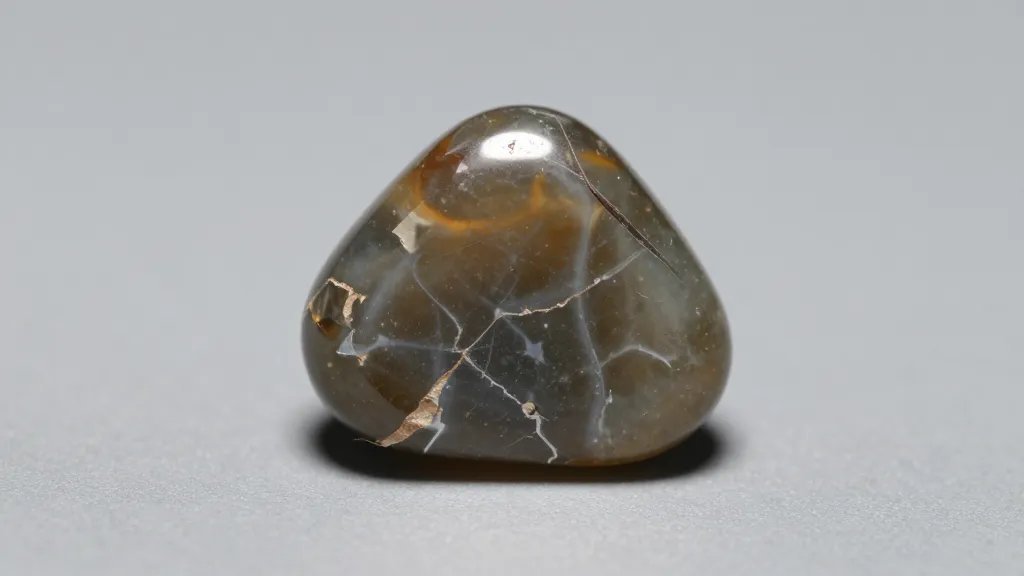
- Alexandrite: True color change should be obvious under daylight and incandescent or warm LED. Lab-grown stones exist and are beautiful—prices will be far lower. Thermal inertia and spectroscopy separate natural from synthetic in serious labs.
- Benitoite: Intense shortwave UV fluorescence is a strong clue. Blue sapphires generally show weaker response and different crystal habit.
- Lapis lazuli: Reconstituted or dyed composites look too uniform and often bleed color with acetone. Real lapis shows tiny pyrite “stars” and subtle, natural variation.
- Variscite vs. dyed turquoise: Variscite leans green and often shows cream or brown matrix; dyes sometimes pool in fractures. A cotton swab with acetone on an inconspicuous spot can reveal surface dyes (exercise caution).
- Taaffeite vs. spinel: Double refraction in taaffeite is the tell; a trained gemologist can confirm with a polariscope and refractometer.
When stakes are high, request a respected lab report. That advice pairs well with a broader Gemstone Buying Guide and Gemstone Identification resources to avoid costly missteps.
Durability and Daily Wear: Matching Gems to Jewelry
For rings and bracelets—the high-impact zones—aim for stones at 7.5 Mohs or higher with good toughness: alexandrite, taaffeite, and spinel are safe bets. For softer beauties like poudretteite or variscite, save them for pendants, earrings, or a collector’s tray. Benitoite sits in the middle: stunning in a cocktail ring worn with care; happier in earrings.
Settings matter. Bezel or semi-bezel mountings protect edges; halo designs cushion bumps. Avoid open-back mounts for stones that may show windowing or need extra backing to deepen color.
Treatments, Ethics, and Smart Buying
Rare doesn’t mean treatment-free. Lapis may be dyed or waxed; variscite can be stabilized. Stabilization isn’t inherently bad if disclosed and priced accordingly. Many rare transparent gems, though, are untreated because experimentation and supply are limited—another reason certification matters.
Ask sellers for origin details, treatment disclosure, and return policies. Gravitate to reputable dealers and seek stones with paperwork from labs like GIA, AGL, or SSEF for high-value pieces. Traceable sourcing is improving for some locales; buying from dealers who support responsible mining adds intangible value you can feel good about.
Care, Cleaning, and Storage for Delicate Rarities
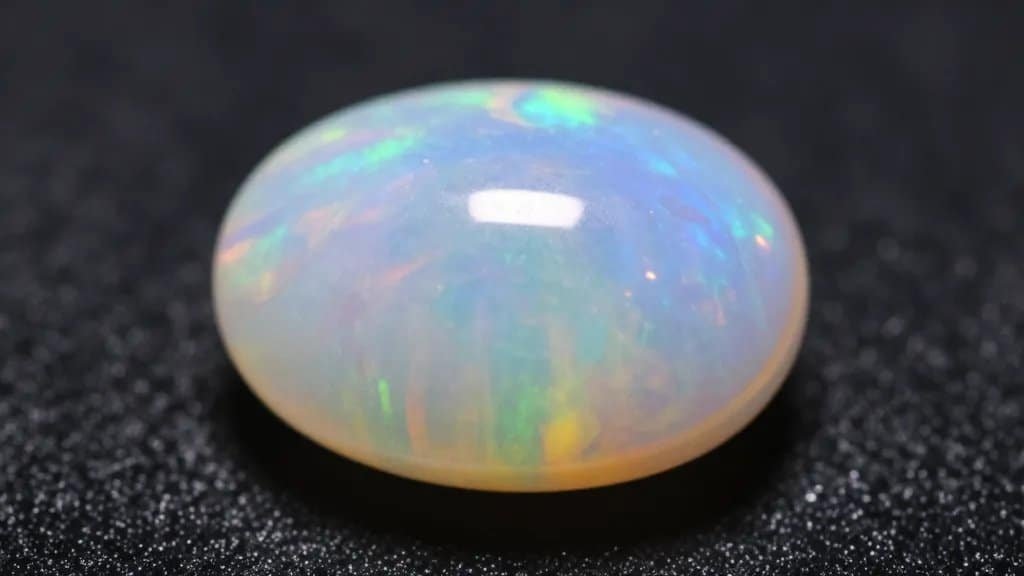
- Cleaning: Lukewarm water, mild soap, soft brush. Pat dry. Avoid ultrasonic and steam unless a professional greenlights it for that specific stone.
- Chemicals: Keep stones away from bleach, household cleaners, and prolonged cosmetics exposure—especially softer rocks and porous materials.
- Storage: Individual pouches or compartments. Hard stones can scratch soft ones, and even tough gems can chip if they jostle in a shared box.
- Maintenance: Periodically check prongs and bezels. For collector stones, keep silica gel packets in display cases and limit direct sunlight for pieces prone to color fade.
For broader maintenance tips across your collection, see Gemstone Care and Gemstone Jewelry guidance, especially if you rotate pieces.
Who Should Collect or Wear These Gems?
If you love a story as much as sparkle, rare rocks and minerals will hook you. Minimalists often favor a single alexandrite ring that shifts with the day. Artists gravitate toward eudialyte or variscite cabochons with organic patterns. Meticulous collectors enjoy tracking provenance—“a Namibian jeremejevite from the 1990s pocket” has a ring to it.
For gifting, think lifestyle: a careful wearer who removes rings for the gym will appreciate benitoite earrings; a bold daily-wear ring lover might be better served with alexandrite or taaffeite. If you’re building a capsule set, browse Gemstone Rings, Gemstone Necklaces, and Gemstone Earrings for setting ideas that balance beauty and protection.
Common Mistakes and How to Avoid Them
- Chasing carat over character: In rare gems, a smaller stone with superb color change or clean crystal often outshines a larger, mediocre one.
- Skipping documentation: For taaffeite, musgravite, and alexandrite, a lab report can be the difference between treasure and expensive spinel.
- Forgetting wearability: A powder-soft beauty like poudretteite doesn’t want to be a daily ring. Match gem to lifestyle.
- Ignoring locality: Some localities carry cachet and consistent quality. Learn the hallmarks of classic sources—this knowledge pays dividends.
- Neglecting cut: A lifeless cut can smother a brilliant stone. Compare in various lights and view from multiple angles.
FAQs
Is alexandrite really rarer than emerald?
Fine, natural alexandrite with strong color change is generally rarer in the market than high-quality emerald. Both can be costly, but alexandrite’s unique chemistry and dual lighting personality limit supply even more.
Can I wear benitoite every day?
It’s better for occasional wear. At 6–6.5 Mohs with fair toughness, benitoite can abrade or chip in a daily ring. Choose earrings or a pendant for frequent use.
How do I verify taaffeite or musgravite?
Request a lab report from a reputable laboratory. Their optics and spectroscopy distinguish these from spinel with certainty.
Are stabilized variscite and dyed lapis worth buying?
Yes, if disclosed and priced fairly. Stabilization improves durability for daily wear; dyes in lapis enhance color. Just avoid paying untreated prices for treated goods.
What size is considered large for rare gems?
It varies by species. For benitoite, over 1 carat is notable; for alexandrite, 2 carats with strong change is special; for grandidierite, any clean transparent stone over 1 carat is prized.
Do rare gems appreciate in value?
Some do, especially stones with documented provenance and top traits. Buy primarily for love and quality; consider a Gemstone Value Guide for broader market context.
Which rare gem is safest for an engagement ring?
Alexandrite and taaffeite are top picks due to hardness and toughness. Choose protective settings and insure the piece.
Final Thoughts
Rare rocks and minerals reward curiosity. Learn the nuances—color change, locality, durability—and you’ll spot pieces that feel like they chose you. Whether it’s a teal grandidierite cab or a flashing alexandrite, the right gem blends geology, craftsmanship, and personal style into something you’ll cherish every time it catches the light.

Christian Grey is the creator of GemMeaning, where he shares simple insights about crystals, gemstone meanings, and spiritual guidance. His focus is on making complex ideas easy to understand and practical for everyday life.