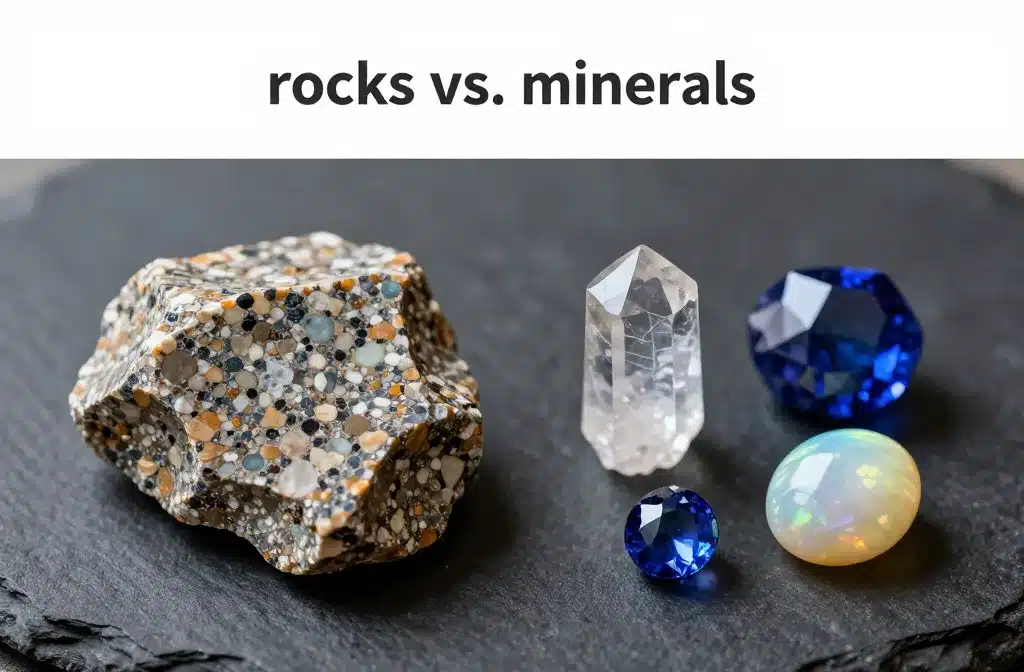
If gemstones make your heart skip—whether it’s the cool glow of moonstone or the deep, velvety blue of sapphire—you’ve already stepped into a world shaped by two basic building blocks: rocks and minerals. Understanding the difference between them doesn’t just satisfy curiosity; it helps you recognize quality, spot imitations, and appreciate the earth’s craftsmanship in every polished cabochon and faceted gem.
By the end of this guide, you’ll know exactly how rocks differ from minerals, where gemstones fit into the picture, and how these distinctions show up in color, durability, value, and care. We’ll look at real examples, practical buying tips, and a few myth busters along the way.
Think of this as a friendly explain-it-like-I-wear-gemstones conversation. No geology degree required—just curiosity and maybe a favorite ring on your finger.
Let’s make the earth’s language feel simple, useful, and a bit magical.
What’s the Difference? The Short, Crystal-Clear Answer
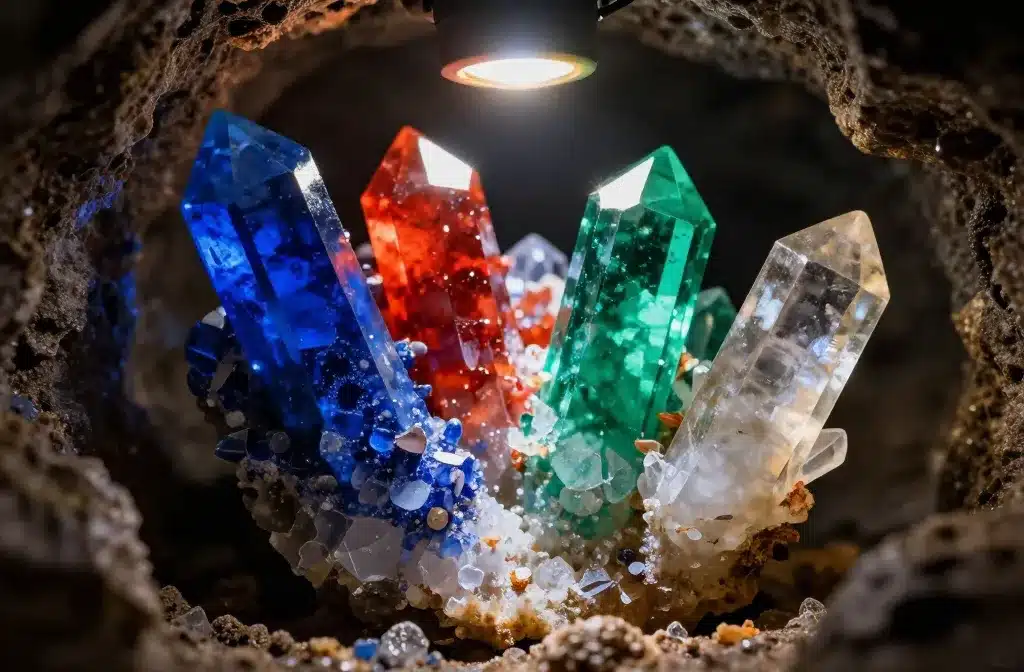
Minerals are pure, naturally occurring substances with a specific chemical formula and crystal structure. Quartz, for example, is silicon dioxide (SiO2). Corundum—the family that includes ruby and sapphire—is aluminum oxide (Al2O3). Each mineral forms crystals with a consistent internal order, which is why they have reliable properties like hardness and refractive index.
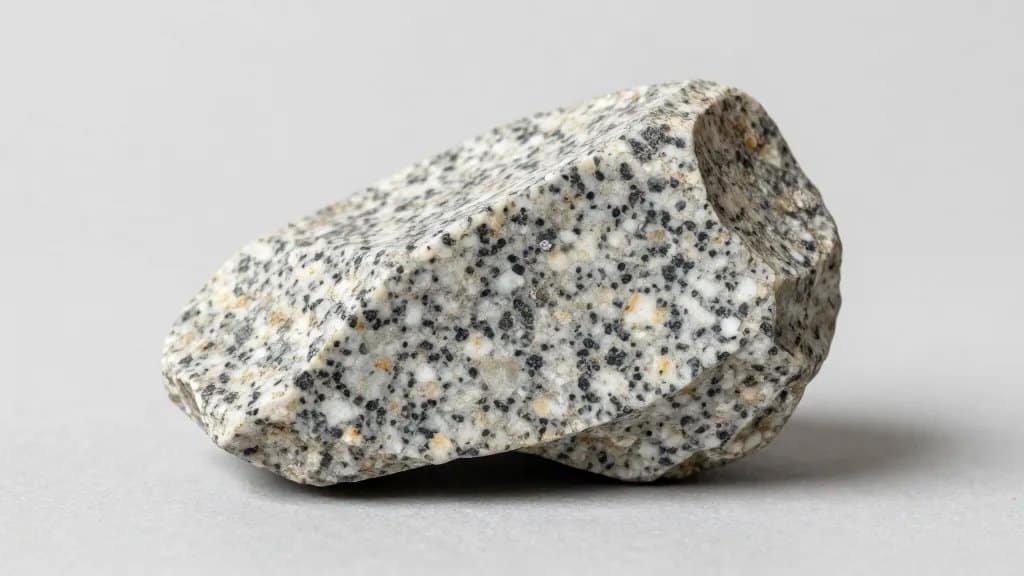
Rocks are aggregates of one or more minerals (and sometimes mineraloids like opal or volcanic glass). Granite is a rock made of quartz, feldspar, and mica. Lapis lazuli is also a rock—an ornamental gem rock—composed mainly of lazurite, with calcite and pyrite sprinkled in.
One-liner to remember: Minerals are the ingredients; rocks are the recipes.
Where Do Gemstones Fit—Mineral or Rock?
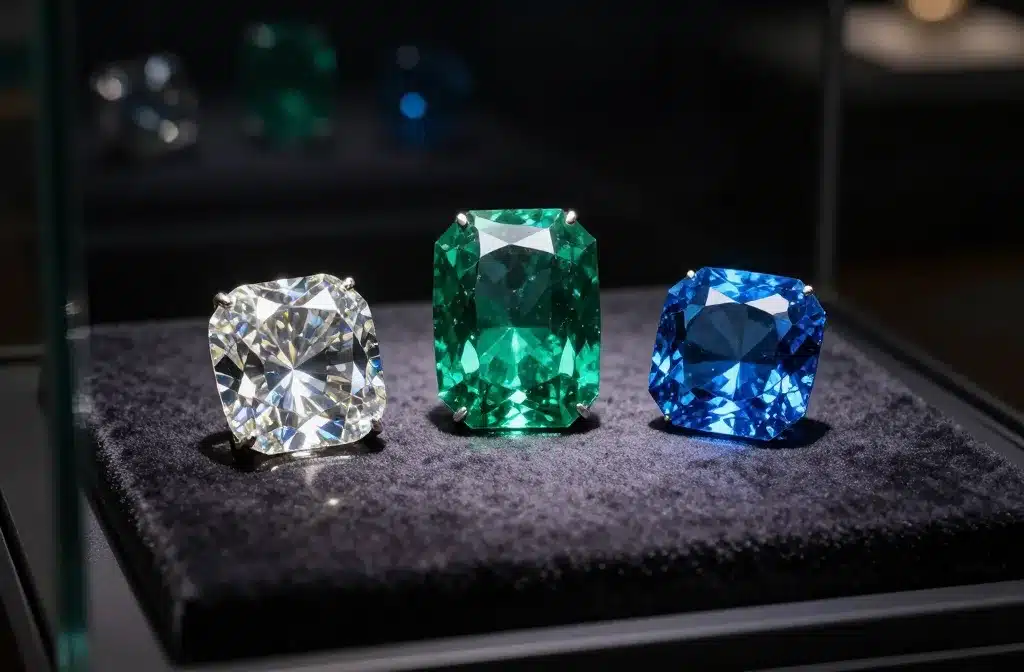
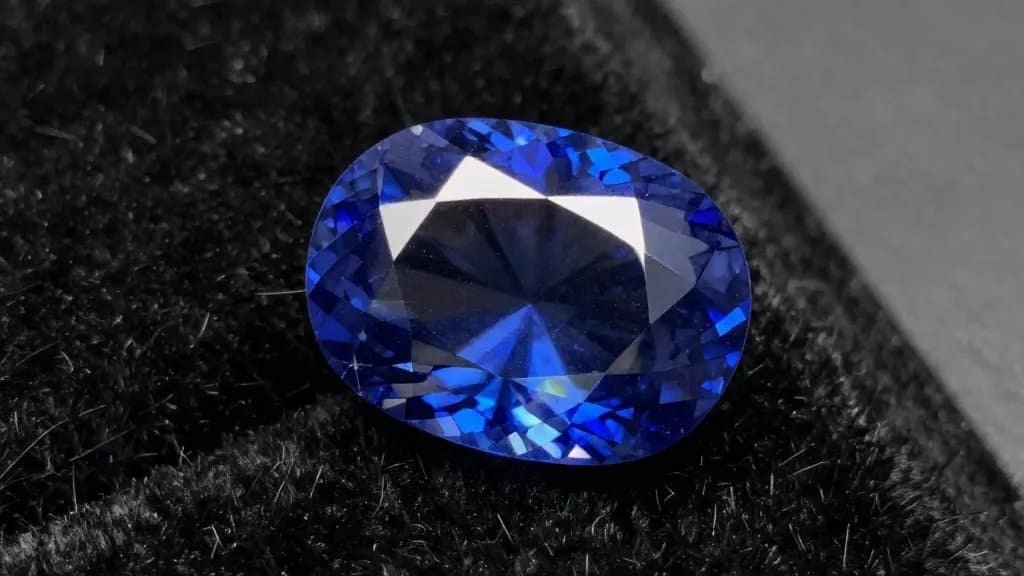
Most gemstones are minerals. Diamond, emerald (beryl), sapphire (corundum), and garnet are all single-mineral gems. Their consistent chemistry gives them recognizable traits: diamond’s super-high brilliance, sapphire’s toughness, garnet’s varied palette.
But some gemstones are rocks. Lapis lazuli, jadeite-nephrite composites called “jade,” and certain forms of turquoise and serpentine can contain a mix of components. These gem rocks are valued for overall appearance rather than a single mineral identity. Their mosaic nature can create gorgeous texture—think powdery ultramarine sprinkled with gold-fleck pyrite in fine lapis.
A few exceptions are mineraloids—gem materials without a fully ordered crystal structure. Opal is the celebrity here: a hydrated silica with microscopic spheres that diffract light into play-of-color. Obsidian, a volcanic glass, is another mineraloid prized for sleek, mirrorlike polish.
How They Form: The Story Written in Stone
Formation stories explain so much about what we see and how gems behave in jewelry. Rocks and minerals come from three main geologic settings, and gemstones can appear in any of them.
- Igneous: Born from cooling magma or lava. Slowly cooled deep underground, you get large crystals—think smoky quartz in pegmatites or topaz with clean, glassy faces. Rapid cooling at the surface can trap bubbles or create glassy textures like obsidian.
- Sedimentary: Built layer by layer from weathered fragments and chemical precipitates. You’ll find banded agates in ancient cavities, earthy turquoise forming from copper-rich solutions, and fossilized wood turned to chalcedony—each with memory-like patterns.
- Metamorphic: Transformed under heat and pressure, without melting. Garnet schists sparkle with dodecahedral crystals, and corundum (ruby/sapphire) can form in marbles or gneisses. Jade’s famed toughness comes from densely interlocking crystals created during metamorphism.
Rocks record whole environments—layers, bands, and inclusions that narrate change. Minerals record precision—ordered atoms frozen into geometric habits. Together, they write the backstory of every gemstone.
Appearance and Texture: What Your Eyes and Hands Can Tell
Minerals often show signature crystal habits. Quartz loves hexagonal prisms that taper to a point, while pyrite forms shiny brass-colored cubes. When cut, minerals display consistent luster: diamond’s adamantine blaze compared to corundum’s high vitreous shine.
Rocks read differently. They look composite, mottled, or banded. Granite’s salt-and-pepper speckling, lapis’s patchy ultramarine with white calcite veins and gold pyrite stars, or jasper’s scenic swirls—these are rock aesthetics. Under polish, rocks may show mixed lusters or grain sizes across their surface.
Feel matters too. A fine-grained chalcedony cabochon feels uniformly silky, while a coarse metamorphic rock may feel slightly uneven even when polished. In jewelry, a mineral gem tends to catch the light uniformly. A gem rock may flash differently across its surface due to its mixed composition.
Hardness, Toughness, and Durability in Real Life
Hardness, measured on the Mohs Scale (1–10), is a mineral property. Because rocks are mixes, their “hardness” can vary across the same piece. That’s why lapidaries often prefer single-mineral gems for clean faceting and crisp edges—and choose domed cuts for softer, composite materials.
- Diamond (10): Hardest, fiercely bright, great for rings—but can chip with a sharp blow. Hardness isn’t the same as toughness.
- Corundum (9): Sapphire and ruby are extremely durable for daily-wear rings and bracelets.
- Beryl (7.5–8): Emerald is reasonably hard but often included; it needs gentle care.
- Quartz family (7): Amethyst, citrine, and chalcedony resist scratches from everyday dust but can wear at facet junctions over decades of heavy use.
- Jade (6–6.5): Not very hard, but incredibly tough thanks to its interlocking structure—ideal for carvings and bangles.
- Lapis (about 5–5.5): Softer rock gem; best as earrings, necklaces, or gentler-wear rings with protective settings.
For more practical context across many stones, you might enjoy exploring Gemstone Hardness and Gemstone Care after this article.
Identification Tips: Spotting a Mineral Gem vs. a Rock Gem
Gemologists use tools, but your eyes and a loupe go a long way:
- Uniform vs. composite look: Minerals typically show a consistent color and luster. Rocks display mixtures—granular patches, veins, or inclusions of different materials.
- Crystal faces: Minerals may show natural crystal shapes or cleavage. For example, feldspar can show lamellar twinning; mica peels in sheets.
- Granularity: In lapis, look for tiny pyrite sparkles and chalky white calcite areas. In fine turquoises (often a rock ranging in purity), a webbed matrix can crisscross the blue-green body.
- Transparency and brilliance: Single-mineral gems often show even transparency and predictable sparkle when faceted. Gem rocks tend to be opaque to translucent with softer, even “glow-like” light return, making them perfect for cabochons.
- Streak and heft: Simple tests like streak (color of powdered material) and specific gravity need care but can separate lookalikes. For instance, dyed howlite (lightweight) can impersonate turquoise (usually heavier).
Curious to go deeper into testing? A good next stop is Gemstone Identification and Gemstone Comparisons to see side-by-sides of popular lookalikes.
Value Factors: Why Some Minerals Fetch More Than Some Rocks
Value hinges on rarity, beauty, and durability. Minerals with exceptional hardness and brilliant optics—diamond, sapphire, spinel—often command high prices because they handle daily wear and display light intensely. Purity and color saturation matter a lot: an unheated royal-blue sapphire or a vivid neon Paraíba tourmaline can be breathtaking and rare.
Rock gems can be highly collectible too. Lapis lazuli from Afghanistan with deep ultramarine color and minimal calcite fetches strong prices. Fine-quality jadeite, though technically a rock-forming mineral, commonly occurs in interlocking masses; the most desired “imperial” jade commands elite prices due to fine translucency and pure, even green.
Clarity is nuanced. A mineral gem with clean transparency can be prized, while certain inclusions add personality or even value—think rutile silk in sapphire creating a star effect. In rock gems, visually pleasing patterns are the goal. A scenic jasper that looks like a painted landscape is valued for exactly that artistry.
Treatments influence value too. Emeralds often have clarity enhancement with oils or resins; lapis may be dyed to deepen blue; turquoise may be stabilized to improve durability. Always ask for disclosure, especially when purchasing high-ticket pieces. For a broader view, see a Gemstone Value Guide or Gemstone Buying Guide.
Real vs. Fake: Common Pitfalls and Easy Checks
Because both minerals and rocks can be valuable, fakes abound. Here are straightforward checks:
- Too perfect, too cheap: If a “flawless emerald” is bright grass-green, big, and bargain-priced, assume synthetic or heavily treated.
- Dyed blues and greens: Howlite and magnesite are frequently dyed to mimic turquoise. Look for color pooling in cracks and an overly uniform saturated blue.
- Glass imitations: Glass lacks the crisp double refraction you’ll see in many minerals (like zircon or peridot). It often shows swirly bubbles and a soft luster.
- Plastic masquerades: Light weight, warm feel, and a surprising “softness” are giveaways. A quick tap against your teeth (gently) can hint at glass vs. plastic vs. stone.
- Synthetic vs. natural: Lab-grown ruby and sapphire are chemically identical to natural corundum. Look for growth lines (curved in flame-fusion synthetics) and ask for lab reports for expensive stones.
When in doubt, reputable sellers and independent lab reports (GIA, AGL, SSEF, Gübelin) provide peace of mind—especially for major purchases like fine ruby, emerald, jadeite, or alexandrite.
Choosing Jewelry: Matching Material to Lifestyle
Everyday jewelry needs durability. Rings and bracelets take more knocks than pendants or earrings. Here’s how the rock vs. mineral difference plays out on the hand:
- Daily rings: Stick to tough mineral gems: sapphire, ruby, spinel, diamond, chrysoberyl. Their hardness and stability protect facets and polish.
- Statement rings with care: Garnet, tourmaline, zircon, and topaz are lovely but benefit from mindful wear. For zircon especially, protect facet junctions from abrasion.
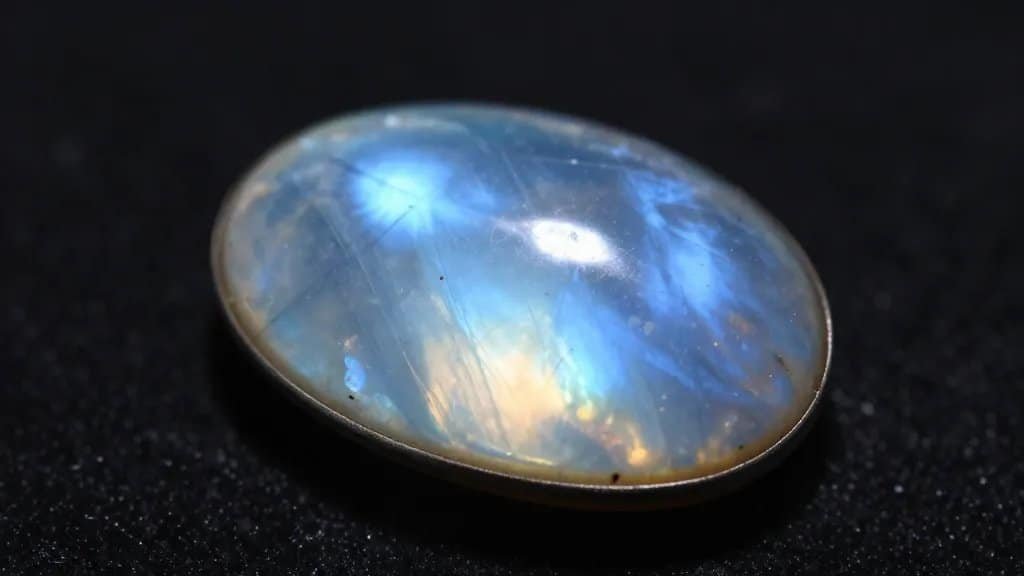
- Gentle-wear beauties: Lapis, malachite, opal, turquoise, and serpentine shine in pendants and earrings. As rock gems or mineraloids, they deserve protective settings and soft storage.
- Carving and bangles: Jade’s toughness makes it ideal for carved bangles that can survive daily life better than their modest hardness suggests.
If you’re comparing shapes and styles, browsing Gemstone Cuts and Gemstone Shapes can help you visualize how each material performs in different designs.
Care and Cleaning: Keep the Earth’s Art Looking Its Best
One rule saves many gems: if you’re unsure, mild soap, lukewarm water, and a soft brush are safest. Dry with a lint-free cloth. Avoid ultrasonic or steam cleaners except for robust, untreated stones like diamond, sapphire, and some garnets.
- Avoid heat and sudden temperature changes: Opal can craze; treated emeralds can sweat out oils; glass-filled rubies can be damaged.
- Keep chemicals away: Perfume, hairspray, and household cleaners can etch or stain softer rock gems like malachite or lapis.
- Store smart: Separate harder minerals from softer materials to prevent scratches. Fabric-lined compartments or gem pouches are worth it.
- Re-oiling emerald: If an emerald looks suddenly dull or shows new fractures, a jeweler can advise on safe reconditioning.
Remember: mineral gems often tolerate more vigorous cleaning than rock gems or mineraloids. When buying, ask the seller for specific care notes.
Myths vs. Facts: Clearing the Fog
- Myth: All gemstones are minerals. Fact: Many are, but lapis, some jades, and obsidian prove rock and mineraloid gems are real and beloved.
- Myth: Hardness means “can’t break.” Fact: Hardness resists scratching. Toughness resists breaking. Diamond is hard but can chip; jade is less hard but very tough.
- Myth: Natural is always better than treated. Fact: Ethical treatments can make gems wearable and beautiful at accessible prices. Value depends on transparency and quality.
- Myth: All blue stones are sapphire. Fact: Blue spans kyanite, spinel, topaz, lapis, turquoise, and more—each with distinct traits, origins, and values.
Buying Advice from a Gem-Obsessed Friend
Start with what your eyes love, then check practicality. If you adore a lush green, compare emerald (mineral) with jadeite (rock-like aggregate) and green tourmaline (mineral). Try different lighting to see how each color holds up. For rings you’ll wear daily, prioritize durability and settings with protective bezels or halos.
Ask for disclosures on treatments and origin. Origin can influence price—Burma ruby, Kashmir sapphire, Colombian emerald—but beauty should be the final judge. For significant purchases, consider stones with lab reports. And don’t overlook lesser-known species: a well-cut spinel or chrysoberyl can out-sparkle pricier classics and make brilliant Gemstone Gifts.
If you’re building a collection, mix mineral gems with character-rich rock gems: a fine lapis cab, a dendritic agate with feathery inclusions, a jade bangle with superb translucency. These complement the glitter of faceted stones and tell a broader story of the earth.
FAQs
Is quartz a rock or a mineral?
Quartz is a mineral with the formula SiO2. Agate and jasper, both quartz varieties in microcrystalline form, are often considered rock-like aggregates because they form as masses rather than single, well-formed crystals.
Is lapis lazuli a mineral or a rock?
Lapis lazuli is a rock composed mainly of lazurite, with calcite and pyrite. Its value rises with strong ultramarine color, minimal white calcite, and even distribution of tiny pyrite flecks.
Are opals minerals?
Opal is a mineraloid, not a true mineral, because it lacks a fully ordered crystal structure. Its play-of-color comes from microscopic silica spheres diffracting light.
Which is tougher: jade or diamond?
Diamond is harder, but jade (especially nephrite) is tougher. Jade resists breakage remarkably well, making it ideal for carvings and bangles.
Can I wear turquoise and lapis in rings every day?
It’s possible with protective settings and mindful wear, but they’re better suited to pendants and earrings. Both are relatively soft and can absorb chemicals or scratch more easily.
Do rocks have a Mohs hardness?
Mohs hardness applies to minerals. Rocks made of multiple minerals can show variable hardness across the same piece, which is why polishing and wear can be uneven.
How do I know if a blue stone is turquoise or dyed howlite?
Look for unnatural, overly uniform color and dye concentrations in cracks for howlite. Turquoise is typically denser, often shows more nuanced blue-green tones, and reputable sellers will disclose stabilization or origin.
Final Thoughts
Rocks are the earth’s grand compositions; minerals are the precise notes. Gemstones live at their intersection—sometimes pure, sometimes beautifully mixed, always shaped by pressure, heat, and time. Learn the difference once, and shopping, wearing, and collecting gems becomes clearer, more enjoyable, and far more rewarding. When you next admire a sapphire’s crisp sparkle or the serene blue of lapis, you’ll know exactly why they look and behave the way they do—and that knowledge is part of the beauty.

Christian Grey is the creator of GemMeaning, where he shares simple insights about crystals, gemstone meanings, and spiritual guidance. His focus is on making complex ideas easy to understand and practical for everyday life.