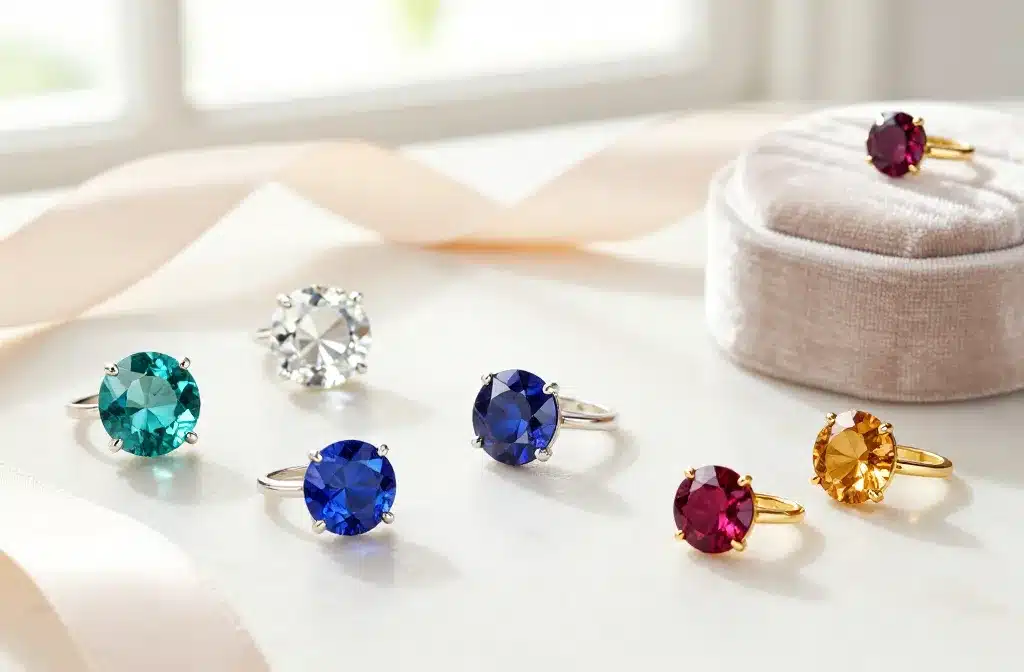
Some gifts make eyes widen before the box is even closed. A well-chosen gemstone does that—radiance, color, and a whisper of story, all for less than you might expect. The trick is knowing where beauty hides in plain sight and how to shop with a gem-lover’s eye.
Here you’ll learn how to select gemstones that look high-end without straining your budget. We’ll talk colors that pop, cuts that maximize sparkle, and affordable species that masquerade as their pricier cousins. You’ll get care tips, buying guidance, and real-world examples so you can gift with confidence.
Expect an honest, enthusiast’s view—no fluff—plus practical advice you can use today. By the end, you’ll know exactly which stones to pick, what treatments are worth embracing, and where cost-saving choices won’t compromise beauty.
Why Some Gems Look Expensive (And Don’t Have To Be)
Luxury is in the eye and in the details. Three things make a gemstone read “high-end” at first glance: bold color, crisp cutting, and clean polish. A vivid, evenly colored stone with a lively sparkle fools the brain long before it notices brand names or price tags. You can achieve all three on a budget.
Color saturation matters most. A medium-to-strong tone that isn’t too dark gives jewelry a glow from across the room. Next, a well-executed cut—symmetry, balanced proportions, and a polished surface—returns light in tidy flashes. Finally, a sturdy setting in sterling silver, vermeil, or gold-fill frames the gem with elegance without demanding a luxury-metal price.
Affordable Stunners That Wear Like Royalty
Here are gemstone species that deliver a luxe look without the premium markup, along with how they appear, how durable they are, and what styles they flatter.
- Garnet: Not just “red.” Almandine leans wine-red, pyrope glows cranberry, rhodolite shows raspberry with a hint of purple, and demantoid flashes green fire. Mohs 6.5–7.5. A rhodolite in a clean oval or cushion cut looks like designer jewelry in seconds. Inclusions are common but often minute; choose stones with bright, even color. Pairs beautifully with rose gold or yellow vermeil.
- Amethyst: A regal purple that feels lavish even in small sizes. Mohs 7. Look for medium to medium-dark saturation (not blackish). Step cuts (emerald, baguette) or checkerboard tops give a sophisticated, tailored shine. Larger well-cut amethysts can look pricier than small dark sapphires at a fraction of the cost.
- Blue Topaz: Sky, Swiss, and London Blue offer a designer-like color palette. Mohs 8. Bright brilliance and good clarity keep it looking expensive. A pear or trillion cut in London Blue can pass for “modern fine jewelry” from several feet away.
- Peridot: A lively grassy to chartreuse green with a silky glow. Mohs 6.5–7. Expect eye-visible crystals called “lily pad” inclusions in some stones; they add character without dulling brightness. Works beautifully in yellow metals and halo settings.
- Citrine: Honey to whisky gold with cheerful fire. Mohs 7. In mixed or Portuguese cuts, citrine sparkles like a celebratory drink. Combine small citrines with white topaz accents for an opulent, vintage look.
- Spinel: The stealth-luxury gem. Reds, pinks, blues, and steely grays; brilliant and durable (Mohs 8). Well-cut spinel looks like high-end sapphire or ruby under many lights, yet prices are still friendlier for many colors. Choose crisp rounds and ovals for maximum sparkle.
- Tourmaline: Available in delicious shades—mint, watermelon bi-colors, deep teal “indicolite”-like hues. Mohs 7–7.5. Elongated emerald or baguette cuts accentuate its linear crystal structure and feel couture on a budget.
- Moonstone and Labradorite: Iridescence over brute sparkle. Mohs 6–6.5. High-domed cabochons with a blue sheen (moonstone) or peacock flashes (labradorite) look mysterious and refined. Great for boho-luxe gifts.
- White Topaz and Colorless Quartz: Clean, bright, and surprisingly glamorous in precision cuts. Mohs 8 (topaz), 7 (quartz). Use as a “diamond-bright” center or accent without the diamond price. Avoid overly shallow cuts that look glassy.
Color Secrets: How To Maximize Impact Per Dollar
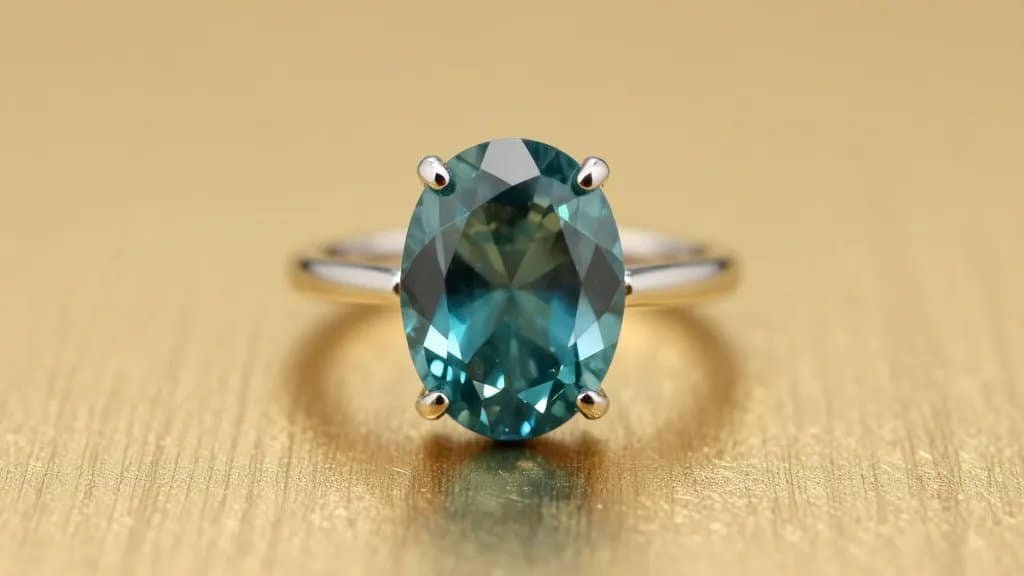
Gem pricing climbs steeply at the extremes—very light and very dark stones are often cheaper, but the sweet spot is medium to medium-dark saturation with even tone. That’s where the eye sees “rich.”
- Go one shade lighter: A slightly lighter amethyst often faces up brighter and larger than a very dark specimen, with a more luxurious feel.
- Choose teal over royal blue: Teal tourmaline or spinel costs far less than top sapphire yet looks intensely sophisticated.
- Try raspberry instead of pigeon’s-blood: Rhodolite garnet offers a plush, ruby-adjacent vibe.
- Seek color zoning artfully: Some tourmaline and sapphire cousins show gentle gradients; if arranged thoughtfully in the setting, the stone looks custom and expensive.
Cut Matters More Than You Think
A meticulously cut mid-priced gem outshines a poorly cut expensive one. Look for symmetry, lively return under diffused light, and no “windowing” (a see-through area in the center where light leaks). Tilt the stone: it should blink with flashes rather than go dead. Precision cutting—Portuguese rounds, barion cushions, well-proportioned pears—elevates even modest material to gallery grade.
Smaller, well-cut stones grouped together can feel luxe. Three-stone rings, toi et moi styles, or a graduated necklace line create richness without relying on a single large, costly gem. For an evening look, checkerboard tops on amethyst, citrine, or quartz make affordable stones glitter like champagne bubbles.
Smart Substitutions for Pricey Lookalikes
If you love the look of a top-dollar gem, consider kin with similar optics and sturdiness. This is where knowing your Gemstone Comparisons and Gemstone Value Guide helps.
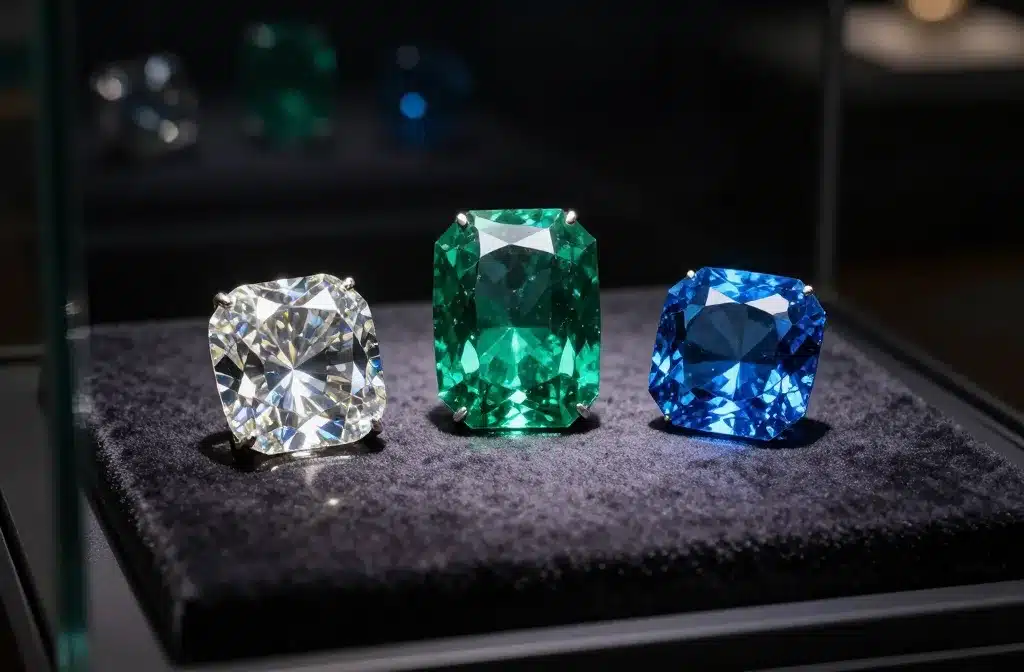
- Diamond look: White topaz or colorless spinel in precision cuts can mimic the gleam. White sapphire is harder (Mohs 9) but may appear glassy if shallow-cut; insist on good proportions.
- Ruby mood: Rhodolite or red spinel offers plush red or pink-red sparkle at approachable prices.
- Sapphire style: Blue spinel, blue zircon (careful with wear; Mohs ~7.5 but brittle), or Swiss/London Blue topaz channel that deep, formal blue. Zircon’s high dispersion gives a diamond-like flash in blue tones, but it needs protective settings.
- Emerald glow: Chrome diopside gives a velvety green at a lower cost but is softer (Mohs 5.5–6)—better in earrings or pendants. Green tourmaline is sturdier and striking in elongated cuts.
- Paraíba dream: Electric neon looks show up in copper-bearing tourmaline alternatives rarely at low prices, but bright teal apatite or neon-blue topaz in sleek settings gives a related wow at a fraction of the spend. Apatite is soft (Mohs 5), so gift as earrings or necklaces.
Treatments, Synthetics, and What’s Worth Saying Yes To
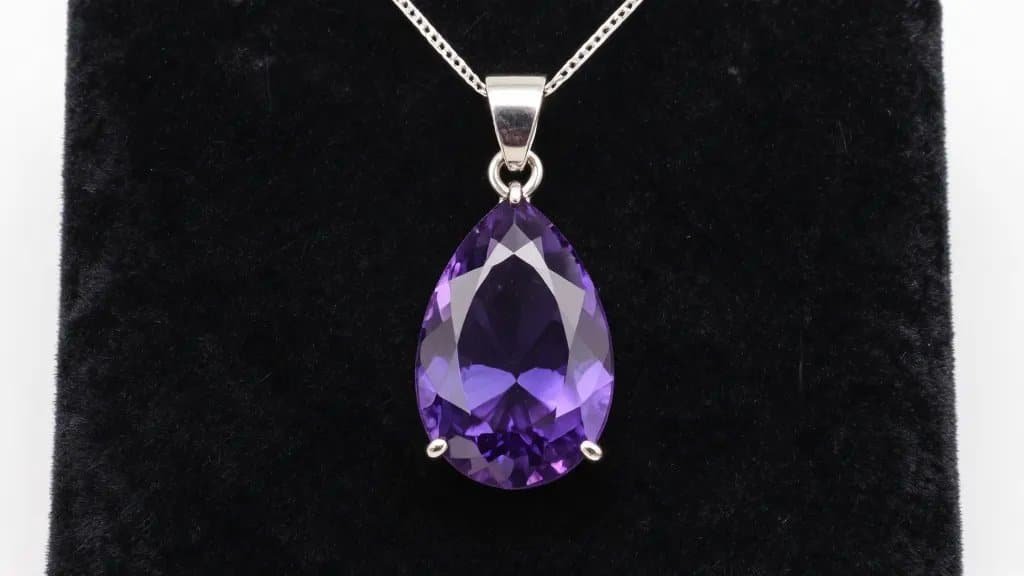
Treatments aren’t the enemy—many are stable and industry-standard. Heat treatment (amethyst, sapphire, aquamarine, citrine) enhances color permanently and doesn’t harm value for these varieties. Irradiation plus heat gives us those gorgeous blue topazes, typically stable and well-accepted.
Glass filling in ruby or heavy oiling in emerald can boost clarity but affect durability; if buying those, ask for details and choose protective settings. Diffusion-treated stones can have color only near the surface; request full disclosure and weigh the price accordingly.
Synthetics deserve a fair look. Lab-grown corundum (ruby/sapphire) and spinel are chemically identical to natural, with crisp color and excellent clarity at a friendly price. If the recipient values natural origin, choose an untreated or simply heated natural gem. If the goal is color, brilliance, and budget, a well-cut lab stone set beautifully looks unmistakably luxe to the eye.
Settings That Elevate: Making Affordable Gems Look Opulent
The right frame is half the magic. Jewelry design can turn a modestly priced gem into a red-carpet piece.
- Halo settings: A ring of small white topaz or moissanite around a colored center magnifies presence. Even a 6–7 mm center feels extravagant.
- Bezel polish: A high-polish bezel in sterling or vermeil outlines the stone like a museum piece, perfect for cabochons such as moonstone or labradorite.
- East–West and toi et moi: Modern orientations make the design look custom, shifting attention to style rather than carat size.
- Mixed metals and textures: Brushed gold over sterling, milgrain edges, or knife-edge bands add designer cues without heavy cost.
- Gem clusters: Small well-matched stones create a floral or constellation look, sparkling from many angles and giving great coverage.
Durability, Daily Wear, and Care
Gifts get worn most when they’re easy to wear. Consider the Mohs Scale, cleavage, and brittleness. Topaz (Mohs 8) is hard but has perfect cleavage—avoid hard knocks. Spinel and sapphire handle daily wear brilliantly. Quartz family (amethyst, citrine) is fine for regular use but can scratch if thrown into a jewelry dish with harder stones.
Care basics keep budget-friendly gifts looking like heirlooms:
- Clean with warm water, mild soap, and a soft brush. Rinse well; pat dry with a lint-free cloth.
- Avoid ultrasonic cleaners for heavily included stones or heavily treated gems.
- Store pieces separately in soft pouches; hardness differences cause scratching.
- Take off rings for gym sessions, gardening, and abrasive chores.
For more on wearability across species, explore Gemstone Hardness and Gemstone Care.
How To Spot Quality Without a Loupe
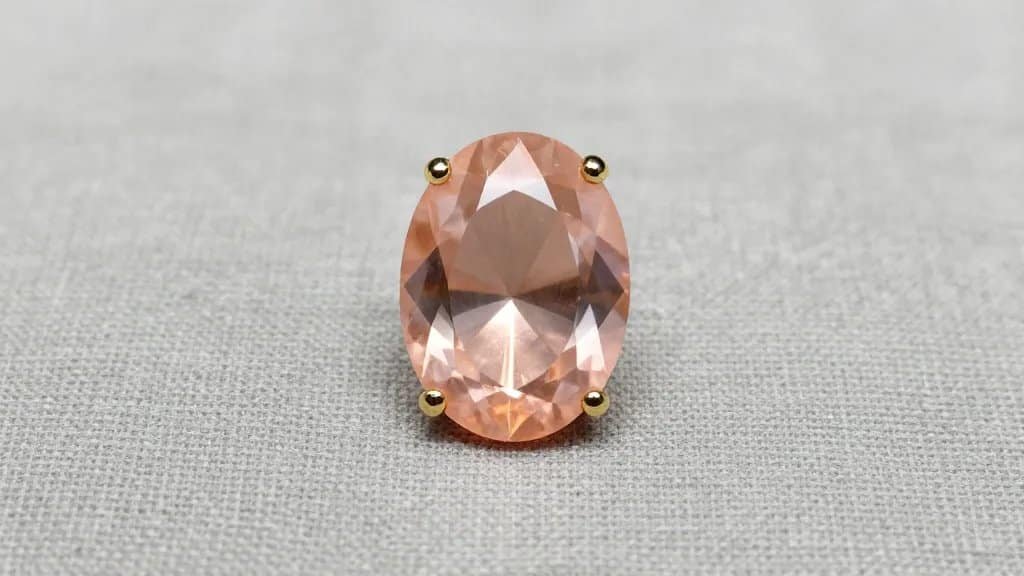
You don’t need a lab to make confident gift choices. Use these quick checks:
- Face-up brightness: Under soft indoor light, does the stone stay lively, or does it “sleep”? Bright wins.
- Even color: Subtle gradients can be pretty, but avoid obvious dark patches or washed-out centers.
- Cut precision: Are facets neat and symmetrical? Is the outline true (round is round, not slightly oval)?
- No windowing: Look straight through; if you easily see your finger beneath, light is leaking.
- Secure setting: Prongs should be even and smooth; bezels should hug the stone with no gaps.
If authenticity matters, buy from sellers who provide full disclosures and, for higher-value items, lab reports. For a quick primer on distinctions, see Gemstone Identification and Real vs Fake comparisons within Gemstone Buying Guide resources.
Occasion-Ready Gift Ideas That Look Pricier Than They Are
Tailor the gem to the moment and the person’s style. A few can’t-miss combinations:
- Anniversary Ring: Rhodolite garnet cushion in a white topaz halo on a slim yellow-gold vermeil band—romantic, richly colored, and timeless.
- Birthday Pendant: London Blue topaz emerald-cut in a bezel on a fine box chain—sleek, architectural, and gender-neutral.
- Everyday Earrings: Round amethyst studs in martini settings or petite peridot hoops—bright color, minimal fuss.
- Statement Bracelet: Labradorite cabochons with strong blue-green flash set in brushed sterling—mood lighting for the wrist.
- Modern Heirloom: Mixed tourmaline baguettes in a gradient line necklace—designer look sourced from accessible stones.
For recipients tied to astrology or tradition, birthstone picks feel personal without ballooning price. Amethyst (February), peridot (August), and citrine (November) make especially affordable, luxe-looking Birthstone Jewelry.
Value Traps to Avoid (So Your Gift Stays Classy)
Avoid oversized stones with murky centers. Bigger isn’t better if light doesn’t return. Beware of overly dark gems that turn black in low light; they read dull and inexpensive. Steer clear of mystery-metal findings—look for sterling silver, gold-fill, vermeil, or solid gold stamps.
Be cautious with rock-bottom prices for “emerald” or “ruby” in large sizes; they may be heavily filled or imitation glass. If a retailer doesn’t disclose treatments or duck questions about origin and durability, move on. Elegant packaging and a clear care card add a luxe touch for pennies.
Origin, Story, and the Romance of the Stone
A good gift carries a narrative. Garnet has guarded travelers for centuries. Amethyst was prized by royalty and clergy for its contemplative purple. Spinel masqueraded as ruby in crown jewels and finally earned its own respect—an excellent anecdote to share with your recipient.
Geologically, many of these gems form in metamorphic or igneous environments where mineral chemistry and pressure paint their color: iron and manganese for garnets and amethysts; chromium and vanadium for greens in tourmaline; trace elements tuning spinel to lavender or cobalt-tinged blue. A simple story about color coming from “tiny whispers of metal atoms” in the crystal lattice adds wonder without adding cost.
Budget Planning: Where to Spend, Where to Save
Put most of your budget into cut and color. Spend on a skilled lapidary’s work or a design-forward setting. Save on size—choose a 6–7 mm center stone with great life over a larger but sleepy gem. Consider silver or vermeil for larger, look-at-me pieces; reserve solid gold for sentimental, everyday-wear gifts like stacker rings or small pendants.
If buying a set, prioritize the piece that gets the most attention (often the pendant or ring) for best material, then match simpler, smaller stones in earrings or bracelet accents. When in doubt, a single vivid gemstone in a clean setting feels intentional and expensive.
FAQs
Which gemstone gives the most “luxury look” per dollar?
Spinel is a top contender for brilliance and durability, with rhodolite garnet and London Blue topaz close behind for rich color and presence.
Are lab-grown stones a good gift choice?
Yes—lab-grown sapphire or spinel offers vivid color and clarity at great prices. Be transparent about origin if the recipient values natural gems.
What cuts make affordable stones look high-end?
Precision rounds, barion cushions, emerald cuts, and Portuguese cuts. Checkerboard tops add sparkle to quartz family stones.
How do I keep a gemstone ring sparkling over time?
Clean gently with warm soapy water, store separately, avoid harsh chemicals, and remove during strenuous or abrasive activities.
Is sterling silver “luxury” enough for a gift?
Absolutely. High-polish sterling, vermeil, or gold-fill looks refined and is durable when well-made. Design and finish matter more than metal karat alone.
What size stone feels substantial without overspending?
A 6–8 mm round or equivalent gives impressive finger or neckline coverage while staying affordable in most species.
How can I verify a gemstone’s identity affordably?
Buy from reputable sellers offering disclosures and, for pricier items, basic documentation. Explore beginner-friendly Gemstone Identification tips before purchase.
Final Thoughts
Luxury-looking gemstone gifts are about choices, not compromises: choose rich color, crisp cutting, thoughtful settings, and honest sellers. With those, you’ll give a piece that glows like it cost a fortune—and only you will know it didn’t. For more comparisons, care tips, and style ideas, browse topics like Gemstone Buying Guide, Gemstone Jewelry, and Gemstone Cuts to refine your eye even further.

Christian Grey is the creator of GemMeaning, where he shares simple insights about crystals, gemstone meanings, and spiritual guidance. His focus is on making complex ideas easy to understand and practical for everyday life.