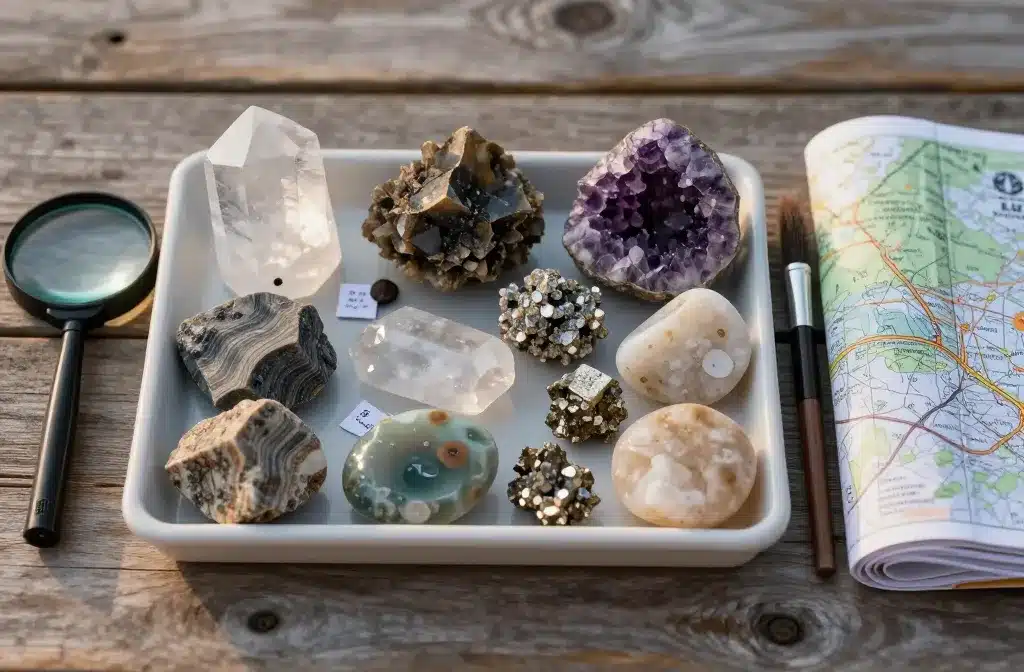
There’s a quiet thrill in spotting a glint along a trail or a patterned stone in a riverbed and realizing you know its name. Rocks and minerals are nature’s record keepers, each piece telling a story of earth’s pressure, heat, and time. Learn to read those stories and you’ll never look at a gravel path the same way again.
This guide distills the essentials every nature lover should know—how to recognize key species, what gives them color and character, and which ones transition beautifully from field finds to jewelry. You’ll also pick up practical tips on identification, durability, care, and how value is determined when a mineral becomes a gemstone.
Think of it as a trail map for your curiosity. We’ll keep the science friendly, the descriptions vivid, and the advice grounded in real-world collecting and jewelry experience.
By the end, you’ll be able to name the usual suspects with confidence and appreciate the rare surprises that occasionally surface from pocket, beach, or creek.
Quartz: The Ubiquitous Shape-Shifter
Quartz is the mineral you’ll meet most often in the wild. It forms six-sided crystals that end in a pointed tip, like a pencil sharpened at one end. In massive form it can look like cloudy glass, but in crystal clusters it shows crisp faces that reflect light with a soft, watery sheen. On the Mohs scale it clocks in at 7, making it durable enough for most jewelry with reasonable care.
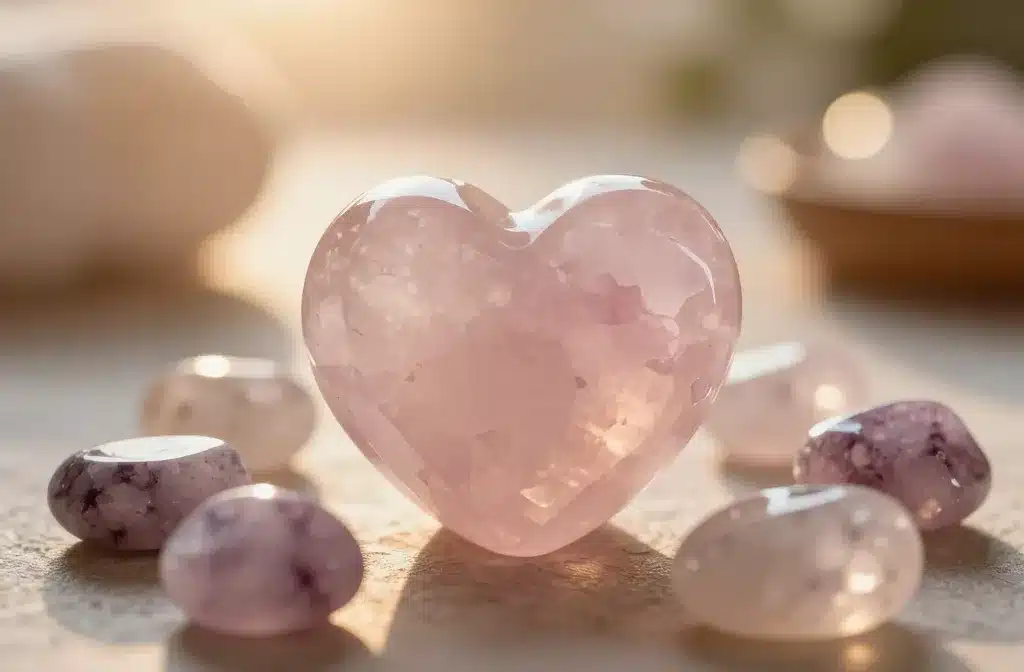
The purest form is colorless rock crystal. Add trace iron and radiation, and you get amethyst with royal violet tones; heat amethyst in nature and it can become citrine with honey-gold warmth. Smoky quartz carries subtle gray to coffee-brown hues from natural irradiation. Rose quartz has a tender blush, often slightly milky due to microscopic inclusions that scatter light into a velvety glow.
In the field, look for that telltale hexagonal cross-section and conchoidal fracture—smooth, curved breaks like ripples in glass. Quartz varieties make excellent entry points for anyone learning Gemstone Identification. As for jewelry, amethyst and citrine are favorites for Gemstone Earrings and Gemstone Necklaces, offering color without a punishing price. Steer clear of harsh chemicals and high heat; warm soapy water and a soft brush keep quartz lively.
Feldspar Family: Moonstone, Labradorite, and Sunstone
Feldspars are everywhere geologically and unforgettable visually. They score around 6 to 6.5 on Mohs, so they’re slightly softer than quartz and appreciate gentle wear. The two celebrities in this family are moonstone and labradorite, both famed for optical effects that dance with movement.
Moonstone shows adularescence—an inner billowy light that looks like moonbeams gliding under a satin surface. Classic rainbow moonstone (actually a form of labradorite feldspar) flashes blue to multicolored sheen against a milky body. Labradorite serves drama: broad flashes of electric blue, green, and gold known as labradorescence. The effect comes from light interacting with microscopic layers in the crystal, like a built-in prism.
Sunstone, especially from Oregon, twinkles with aventurescence—sparkles from tiny copper inclusions that look like a shaken snow globe frozen in peach or champagne glass. In hand, rotate feldspar to catch the flash; it’s all about the angle. Set moonstone and labradorite in protective bezels or pendants—perfect for Gemstone Jewelry with a mystical vibe. Avoid ultrasonic cleaners; stick with soft cloths and mild soap.
Jasper, Agate, and Chalcedony: The Artist’s Palette in Stone
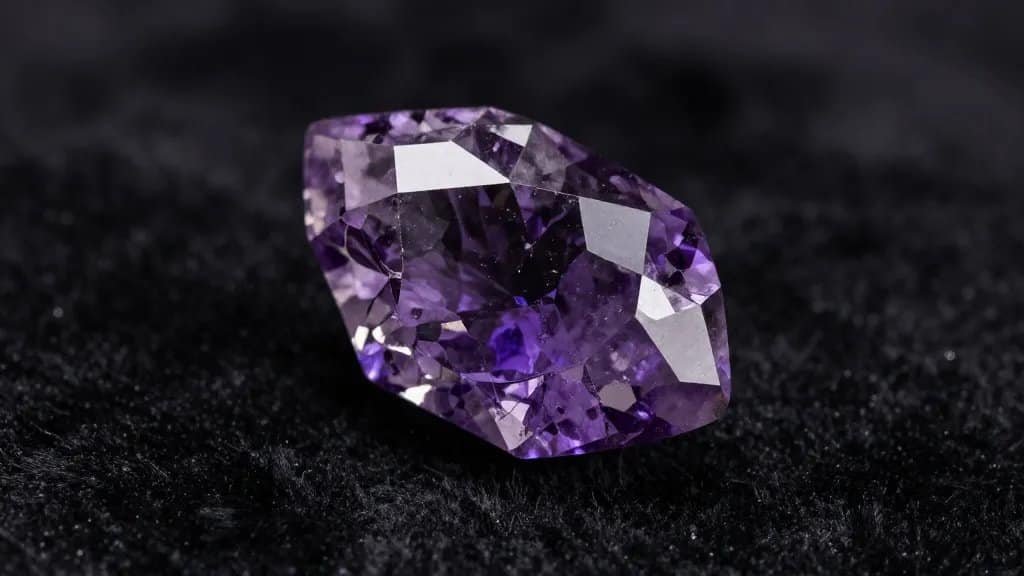
All three are microcrystalline quartz, but their personalities differ. Agate forms in bands, often translucent to semi-translucent, with patterns that look like tree rings, lace, or even feathery plumes. Jasper is opaque and painterly—think red, yellow, brown, and green landscapes preserved in stone. Chalcedony is the umbrella term, but it’s also used for uniform, soft-toned material in blues, grays, and whites.
These stones polish to a warm luster rather than a hard brilliance, giving them a grounded, organic beauty. They measure 6.5–7 in hardness and are tough enough for rings and bracelets. Identify agate by its banding and chalcedony by its waxy luster and even color; jasper feels more solid, with earthy hues and speckled or scenic inclusions.
Collectors love moss agate (dendritic green inclusions suspended in translucent chalcedony) and Botswana agate’s subtle pastel rings. These materials are delightful references for Gemstone Colors and how pattern affects price. Values hinge on pattern crispness, color contrast, and polish. Care is easy: avoid abrasive surfaces and clean gently.
Garnet: More Than January’s Red
Garnet is a family, not a single stone. While many people picture deep merlot almandine, nature paints garnet across a surprising spectrum. Pyrope offers wine-red transparency with bright, open light return; spessartine glows tangerine to fiery orange; grossular gives mint greens (tsavorite), honey shades (hessonite), and even luscious cinnamon tones. Most garnets range 6.5–7.5 in hardness and have a reassuring weight in the hand.
Crystals often form dodecahedra—compact, twelve-faced “golf ball” shapes—making rough identification straightforward. In jewelry, garnet takes a high polish and shows rich saturation without seeming inky if cut well. Untreated stones are common, which appeals to purists. Prices vary widely: fine tsavorite and Mandarin spessartine command strong premiums for their color purity and clarity.
For everyday wear, garnet performs beautifully in Gemstone Rings and pendants. Symbolically, garnet is associated with vitality and guidance during travel—a reason it appears in Birthstone Jewelry. Clean with mild soap, and store separately to prevent scratching softer neighbors.
Beryl: From Aquamarine Calm to Emerald Fire
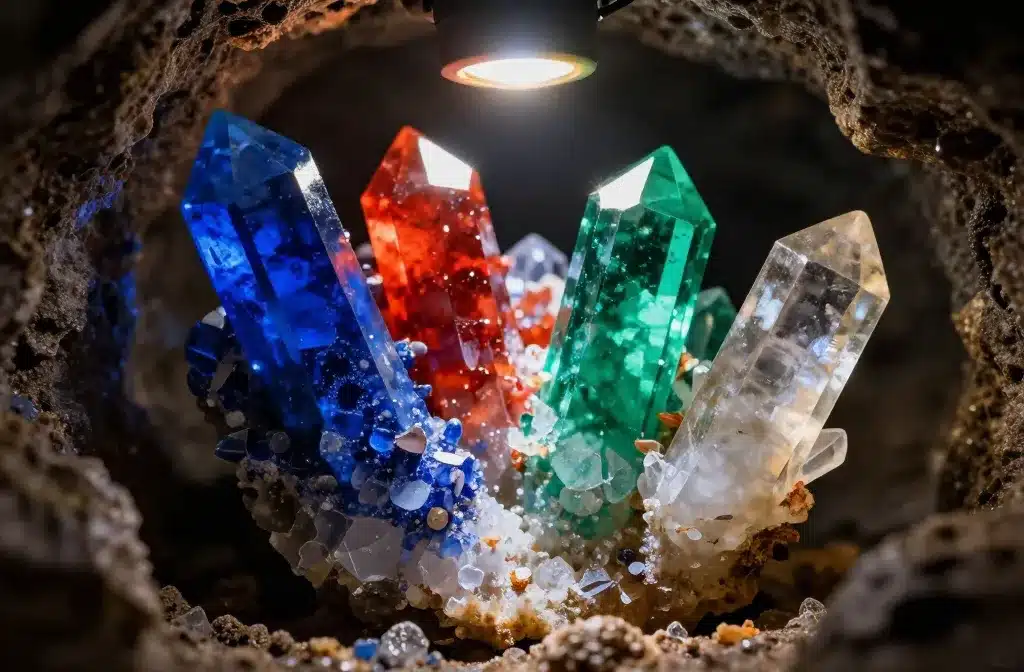
Beryl is the elegant chameleon of the mineral world. Trace elements create the iconic hues: chromium or vanadium for emerald’s lush green, iron for aquamarine’s serene blue, manganese for morganite’s blush pink. At 7.5–8 on Mohs, beryl is suitably hard for daily jewelry, though emerald’s inclusions make it the most delicate member.
Emeralds almost always contain “jardin,” garden-like inclusions that soften the light and add character. Those internal features also make emeralds prone to surface-reaching fissures, so they are commonly treated with oils or resins to improve apparent clarity. Aquamarine and morganite may be heated to enhance color, a stable and accepted treatment in the trade.
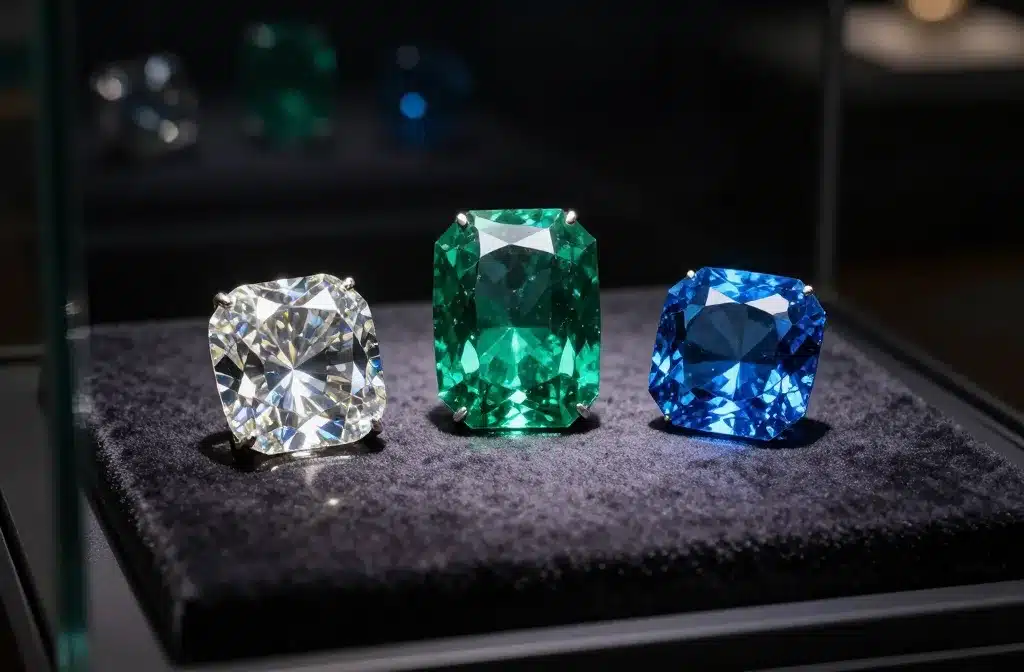
In hand, beryl has clean, hexagonal prisms and a glassy luster. Aquamarine best suits crisp emerald or step cuts that heighten its watery clarity; emerald benefits from protective mountings and cautious cleaning—never ultrasonic for oiled stones. For shoppers comparing quality, consult a Gemstone Buying Guide and a Gemstone Value Guide to understand how color tone, saturation, and eye-clean clarity steer price.
Corundum: Sapphire and Ruby, The Workhorses of Luxury
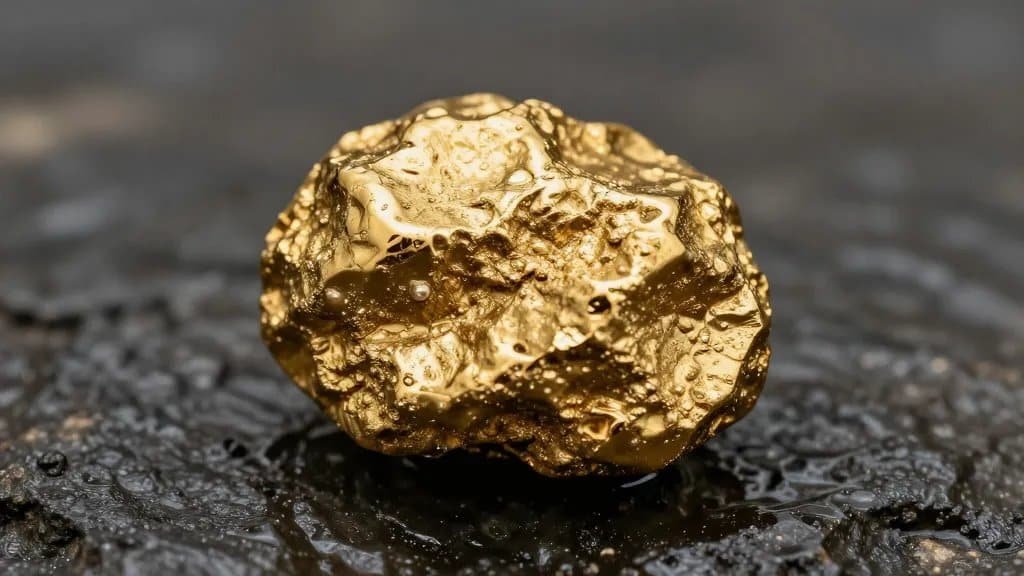
Corundum, the species behind sapphire and ruby, is second only to diamond in hardness at 9. That makes it a reliable choice for heirloom rings and bracelets. Ruby is the red variety colored by chromium; sapphire is every other color—royal blue, cornflower, velvet violet, sunrise padparadscha, and even colorless. The mirror-like polish and high refractive index give corundum a vivid, punctual sparkle.
Heat treatment is common and generally stable, enhancing color and clarity. Some sapphires show asterism—star sapphires—when cut as cabochons, thanks to rutile needles aligning in the crystal. Identification clues include high luster, strong dichroism in some colors, and crystal habit as tabular hexagonal prisms in rough.
These gems are perfect for daily-wear Gemstone Earrings and engagement-worthy Gemstone Rings. Clean with warm soapy water or ultrasonic unless the stone has surface-reaching fractures. Prices correlate tightly with color purity, tone, and scarcity; natural, unheated ruby and fine Kashmir-like blues represent the dream tier for Collector Gemstones.
Turquoise, Malachite, and Lapis: Ancient Stones with Living Color
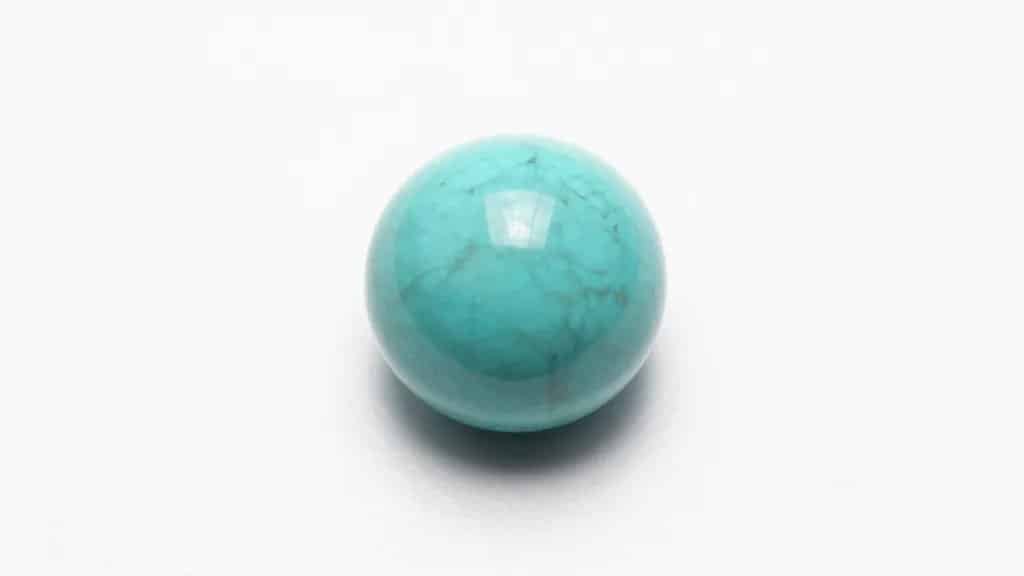
Some minerals feel timeless because civilizations have cherished them for millennia. Turquoise, with robin’s-egg to sage-blue hues and web-like matrix, has adorned jewelry from Egypt to the American Southwest. It’s relatively soft (5–6 Mohs) and porous, so stabilization—impregnating with clear resin to boost durability and color—is common and acceptable when disclosed.
Malachite shows banded greens, from bottle to spring, in dramatic waves. It’s softer (3.5–4) and sensitive to acids and heat. Lapis lazuli is a deep, ultramarine aggregate with specks of golden pyrite and whitish calcite; true, richly saturated lapis looks like night sky velvet. Historically used for ultramarine pigment, lapis sits around 5–5.5 in hardness.
Identification is visual: turquoise’s bluish-green palette and webbing; malachite’s concentric bands; lapis’s intense blue punctuated by pyrite. Jewelry should be set where abrasion is minimal—pendants and earrings are wise. Wipe gently with a soft cloth; avoid chemicals and ultrasonic cleaning. For buyers, even color and minimal blotching add value; quality lapis should be richly blue with modest calcite and tasteful pyrite.
Obsidian, Jet, and Amber: Organic and Volcanic Charms
These materials offer texture and mood rather than high sparkle. Obsidian is volcanic glass—midnight black to mahogany—breaking with razor-clean conchoidal fractures and polishing to a mirror. Certain varieties reveal golden or rainbow sheen from microscopic bubbles or inclusions. At about 5–5.5 Mohs, it can scratch but makes striking statement cabochons.
Jet is carbonized wood, lightweight and velvety black. Run a fingertip across a polished piece and you’ll feel a softer, warmer luster than glassy obsidian. Amber is fossilized tree resin, buttery to honey-brown, sometimes with plant fragments or the rare ancient insect preserved within. It’s light in hand, can hold a static charge when rubbed, and floats in saltwater—handy field tests.
These materials suit bold beads and pendants. Keep them away from acetone, alcohol, or heat; a brief wipe with a damp cloth is safest. Their tactile appeal makes them favorite picks for Gemstone Gifts with a natural, storied vibe.
Hardness, Toughness, and Durability: Read the Wearability Map
Hardness (scratch resistance), toughness (resistance to breaking), and stability (resistance to chemicals, light, and heat) determine how a mineral performs in daily life. Diamond is a 10 for hardness but can cleave along perfect planes. Jadeite and nephrite, though softer, are incredibly tough—like resilient green steel.
For rings that see knocks, sapphire, ruby, and spinel shine. For pendants, you can enjoy softer beauties like opal, turquoise, or malachite. A quick reference to Gemstone Hardness helps match stones to lifestyle: 7+ for frequent wear rings; 6–7 for occasional rings and daily pendants; under 6 for gentle, protected settings.
Real vs. Imitation: Simple Field and Home Tests
You don’t need a lab to avoid the most common pitfalls. A few practical checks go a long way.
- Look closely at bubbles: Round, uniformly sized bubbles usually mean glass; natural inclusions are irregular.
- Check heft and temperature: Glass and plastic feel warmer and lighter than most natural stones, which cool the skin.
- Examine surface wear: Soft materials like turquoise or malachite show abrasion sooner than quartz. Too-perfect polish on a “soft” stone can be a red flag unless stabilized.
- Use a loupe: Crystal faces, mineral grains, or natural zoning patterns reveal authenticity; painted color concentrates in depressions.
- Magnet and UV curiosity: A weak magnet might influence some garnets; certain stones fluoresce under UV, but this varies and requires context.
When in doubt, consult professionals and explore Gemstone Identification resources. For high-value purchases, ask for disclosures on treatments and consider reputable labs for reports.
From Field Find to Jewelry: Cutting, Value, and Care
Not every pretty pebble becomes a great gem, but understanding the journey helps you judge potential. Lapidaries evaluate rough for cracks, orientation (to maximize color or sheen), and yield. Transparent stones favor faceting to spark brilliance; opaque materials shine as cabochons, beads, or carvings where pattern takes center stage.
Value rests on the interplay of color, clarity, cut, and carat—but each species bends those rules. For sapphire, color purity and saturation lead; for opal or labradorite, the strength and coverage of play-of-color or schiller is king. For agates and jaspers, crisp patterning and polish quality rule the day. Studying a Gemstone Value Guide prepares you to recognize pieces priced for what actually matters.
Caring for a collection is simple if you sort by toughness. Store softer stones separately in pouches. Use mild soap and water, a soft brush, and pat dry. Avoid sudden temperature shifts—thermal shock can craze opal and fracture quartz with fluid inclusions. When in doubt, gentle cleaning wins, and professional jewelers can advise on secure settings and repair.
Myths, Lore, and the Meaning We Carry
Part of the fun is the stories we attach to stones—emerald for insight, amethyst for clarity, moonstone for intuition, garnet for safe passage. These associations won’t change a mineral’s chemistry, but they do add personal resonance. If you enjoy symbolic ties, explore Gemstone History and Gemstone Myths to deepen the narrative behind your favorites. Just remember: a stone’s magic begins with the way it makes you feel and the way it suits your life.
FAQ
How can I tell quartz from glass in the field?
Quartz often shows a hexagonal crystal habit and curved, shell-like fractures with subtle growth lines, while glass has uniform bubbles and smoother, more uniform surfaces. Quartz also tends to feel colder and harder; it will scratch ordinary window glass.
Is heat-treated sapphire or citrine considered “fake”?
No. Heat treatment is common, stable, and disclosed in the trade. The stones remain natural corundum or quartz; the treatment enhances color and clarity.
What’s a safe everyday ring stone?
Sapphire, ruby, and spinel are top choices for daily wear due to high hardness and good toughness. Well-cut quartz is fine for many people, but avoid heavy knocks.
Why does my emerald look hazy under magnification?
Emeralds commonly have jardin—internal features that create a soft, garden-like appearance. Many are oiled to improve clarity; handle gently and avoid ultrasonic cleaning.
Can I wear turquoise in the shower?
It’s better not to. Turquoise is porous and can absorb soaps and oils, dulling color. Stabilized turquoise resists this better, but gentle care still prolongs beauty.
What causes labradorite’s colorful flashes?
Microscopic layers within the feldspar scatter light, producing labradorescence. Tilt the stone to find the brightest angle; the effect is directional.
Are all garnets red?
No. Garnets occur in oranges, greens, pinks, and even rare blues. Each species within the garnet group has distinct chemistry and color ranges.
Closing Thoughts
Learning a handful of cornerstone rocks and minerals unlocks the landscape. With quartz as your compass, feldspar for optical magic, and classics like garnet, beryl, and corundum for color and durability, you’ll read the ground with new eyes. Keep a loupe in your pocket, care for what you collect, and let curiosity lead—the Earth has countless treasures waiting just beneath the dust.

Christian Grey is the creator of GemMeaning, where he shares simple insights about crystals, gemstone meanings, and spiritual guidance. His focus is on making complex ideas easy to understand and practical for everyday life.