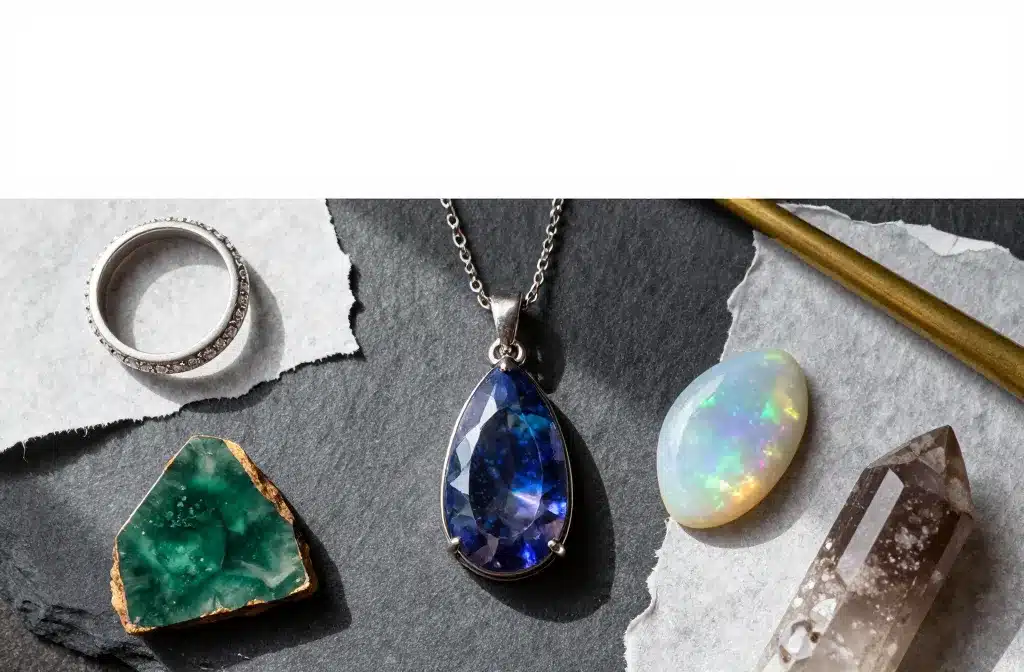
We’ve all seen the same mass-produced gemstone jewelry spinning in glass cases under harsh lights. It’s shiny, sure, but it doesn’t feel personal. A meaningful gemstone gift should tell a story—about the earth, the wearer, and the moment you’re celebrating.
If you want something that stands apart, you don’t have to spend a fortune or hunt through obscure auction houses. You just need to know where the character lives: in uncommon materials, unusual cuts, thoughtful settings, and pieces that showcase a gem’s natural quirks.
Here you’ll find fresh ideas for gemstone gifts that look and feel singular. You’ll learn how to choose stones with personality, how to pair them with designs that highlight their strengths, and how to shop smart so you get value and beauty without buying a generic look.
Let’s build a gift that makes people say, “Where did you find that?”—and genuinely mean it.
Start With Character: Gems That Wear Their Origin Proudly
Uniqueness often starts with the gemstone itself. Instead of classic-but-ubiquitous options, consider species and varieties that naturally have more individuality.
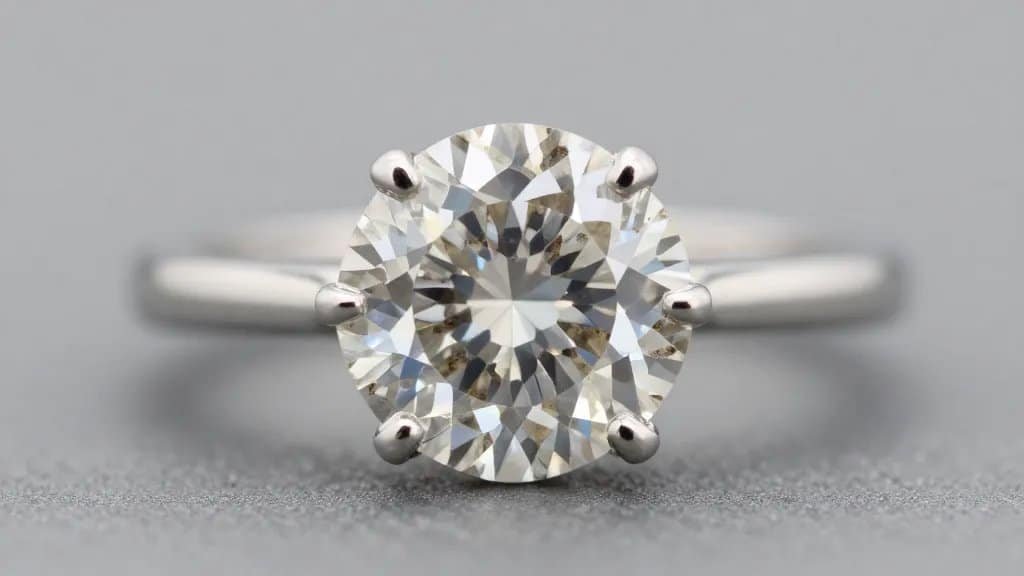
- Salt-and-Pepper Diamonds: These diamonds hold wisps, freckles, and smoky galaxies of inclusions. They’re still diamonds—hardness 10 on the Mohs Scale—but their speckled interiors make every stone one of a kind. In minimalist settings, the cosmic look steals the show.
- Parti Sapphires: Mined frequently in Australia, these sapphires display two or more colors in the same crystal—green fading to blue or yellow kissing teal. They’re corundum, so durability is excellent (hardness 9), and the color zoning feels modern and artful.
- Opal With Natural Matrix: Boulder opal retains a sliver of host rock, giving the rainbow play-of-color a bold, earthy frame. Ethiopian hydrophane opals glow with honeyed translucence and can show neon-like flashes—just keep them away from prolonged soaking.
- Moss and Dendritic Agate: Feathery fern-like inclusions look like pressed botanical art frozen in a clear-to-milky chalcedony. Durable enough for pendants and earrings (hardness 6.5–7), these are wonderful for nature lovers.
- Sunstone: Tiny copper platelets create aventurescence—sparkling confetti that dances in warm daylight. Oregon sunstone often shows peach-to-green color shifts and is a local favorite for U.S.-based gifts.
- Trapiche and Star Gems: Trapiche emerald or sapphire shows a cartwheel-like pattern caused by growth zoning; star sapphires and rubies exhibit asterism under direct light. Both feel mystical without looking mass-market.
If you’re unsure what speaks to your recipient, browse stones that echo their favorite colors. You can explore related topics like Gemstone Colors and Rare Gemstones to get more ideas and comparisons before you shop.
Choose Cuts That Stand Out: Beyond Round and Oval
Even a common gemstone looks fresh with an unusual cut. Lapidary style influences both the gem’s look and the wearer’s experience.
- Rose Cuts: A flat base and a domed, faceted top give off a soft, candlelit sparkle. Rose-cut diamonds and sapphires look antique and modern at once, sitting close to the skin for low-profile comfort.
- Hexagons, Kites, and Shields: Angular geometry feels current and graphic. These shapes frame color zoning and inclusions beautifully, particularly in parti sapphires and tourmaline.
- Cabochons With Character: Smooth domes highlight internal effects—phenomena like chatoyancy (cat’s-eye), adularescence (moonstone’s glow), or sheen (labradorite’s aurora). Cabochons read more “gem collector” and less “big-box jewelry.”
- Freeform Slices: Thin slices of agate, opal, or tourmaline keep natural outlines and strata. They look like cross-sections of the earth, perfect for pendants or statement earrings.
- Portrait Cuts: Clear gems like white sapphire or quartz are cut thin and open, like a frame. Set over a motif, inscription, or textured metal, they create a little wearable diorama.
For more insights on how cut affects brilliance, durability, and style, see Gemstone Cuts and Gemstone Shapes. Unique shapes may also require protective settings, which we’ll cover next.
Settings That Celebrate the Stone: Design Ideas That Don’t Feel Factory-Made
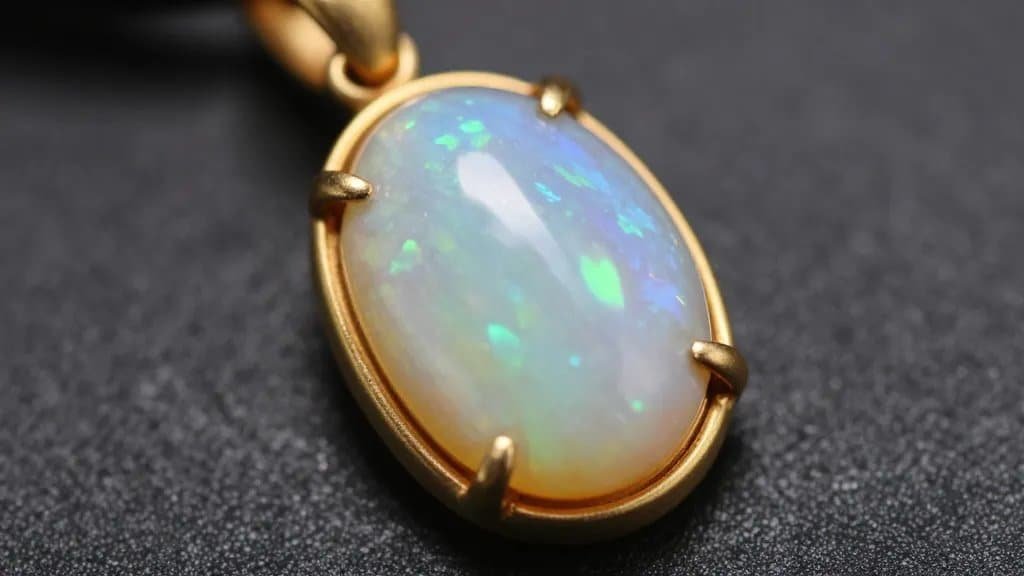
The right setting can turn a nice gem into a personal heirloom. Aim for designs that show intention and interaction with the stone’s character.
- Bezel Set for Everyday Wear: A thin rim of metal hugging the gem’s edge adds protection and a clean line, especially for softer stones like opal or turquoise. It also frames slices and geometric cuts beautifully.
- Rustic Prongs: Slightly organic prongs—hand-filed, asymmetric, or textured—make a faceted gem feel artisanal. This style pairs well with salt-and-pepper diamonds and rough crystals.
- Open-Backed Settings: Let light through for opal, moonstone, and bicolor tourmaline. Well-finished galleries and airy baskets hint at custom craftsmanship.
- Mismatched or Asymmetric Pairs: Earrings with subtly different gems or shapes feel handpicked, not machine cloned. Try a twin set of dendritic agate with similar “landscapes.”
- Mixed Metals: A yellow-gold bezel on a white-gold or platinum shank can make green stones pop. Rose gold adds warmth to sunstone, morganite, and champagne diamond.
If durability is a concern, explore Gemstone Hardness to align settings with the gem’s wearability. A bezel, for instance, can extend the life of a softer stone in a ring.
Go Beyond Jewelry: Object Gifts That Hold Meaning
Gemstone gifts don’t have to sit on a finger. Objects and small talismans can feel more personal and often more affordable.
- Desk Totems: A palm-sized labradorite with strong blue-green flash or a polished septarian nodule makes a one-of-a-kind desk companion. The textures and color shifts calm busy minds during long calls.
- Key Charms or Bag Fobs: Tiny, well-set cabochons of jade, agate, or spinel in sturdy metal casings survive daily knocks and bring a quiet flash of color to your carry.
- Bookmark With Gem Inlay: A slim metal or wood bookmark inlaid with malachite or lapis lazuli feels thoughtful for avid readers—practical, lightweight, and unexpected.
- Home Altar or Mantel Stones: A pair of drusy quartz clusters or a small slice of amethyst stalactite adds natural sparkle to a shelf without veering into kitsch.
These gifts work well for recipients who don’t wear much jewelry but appreciate natural beauty and texture.
Pair Story With Stone: Symbolism That Isn’t Cliché
Symbolism should enhance the gift, not replace quality. Many gems carry histories that feel personal without sounding like horoscope quotes.
- Garnet: Associated with safe travels and lasting bonds since ancient caravans used it as a talisman. Its deep wine hues (with orange, green, and purple varieties) suit people who like rich, grounded color. Hardness 6.5–7.5.
- Aquamarine: Once favored by sailors for calm seas; clear, cool tones for steady beginnings and clarity. Hardness 7.5–8, great for daily wear.
- Peridot: Volcanic-born, often formed deep in the mantle and delivered by eruptions. Its olive-lime glow looks stunning in summer light and reads optimistic. Hardness 6.5–7; bezel settings help.
- Lapis Lazuli: The ultramarine of Renaissance paint came from lapis. Gifting it to an artist or writer nods to creativity and history. Mohs ~5–5.5, better for necklaces and earrings.
- Tourmaline: Piezoelectric and pyroelectric—yes, it actually builds tiny charges when warmed or squeezed. The rainbow of colors (from neon Paraíba to earthy watermelon) lets you tailor a mood to the person.
When symbolism matters, include a concise story card about the stone’s origin, properties, and care. No fluff—just the geological facts and a line or two on cultural meaning. For more background, explore Gemstone History and Gemstone Facts.
Real vs. “Looks Like” Stones: Honest Beauty Beats Pretend Luxury
Generic gifts often chase an imitation: white sapphire for diamond, dyed howlite for turquoise, glass-filled ruby for “big look.” Instead, choose authentic materials that own their identity.
- Embrace Variety Within a Species: Natural zircon (not cubic zirconia) has a fiery sparkle that rivals diamond in its own way. Spinel, in reds, blues, or graphite gray, offers clean brilliance without pretense.
- Know Common Treatments: Heat treatment for sapphire and ruby is stable and widely accepted. Glass filling in ruby or heavily dyed stones can be fragile and deceiving. Ask sellers to disclose treatments in writing.
- Identification Tips: Under a loupe, natural inclusions in tourmaline or sapphire look like needles, veils, or growth lines. Perfect clarity at a giveaway price is a red flag. When in doubt, request a lab memo for higher-value pieces—reputable sellers won’t balk.
Learning a little Gemstone Identification goes a long way. The goal isn’t to avoid all treatments; it’s to choose stones with integrity and durability appropriate for the intended use.
Designing For the Wearer: Lifestyle, Color, and Comfort
A unique gemstone gift becomes a favorite when it suits the wearer’s life and palette.
- Daily Wear vs. Occasional: Rings and bracelets take more abuse; aim for hardness 7+ and protective settings. Earrings and necklaces are gentler on stones, so opal, turquoise, pearl, and lapis can shine there.
- Color Harmony: Think about their clothing neutrals and metals. Cool wardrobes pair well with blue sapphire, icy aquamarine, gray spinel. Warm wardrobes sing with peach moonstone, sunstone, champagne diamond, and green garnet.
- Texture Preferences: Some love mirror-bright polish; others prefer satin finishes or rough crystal points. Choose a finish that complements their aesthetic.
- Size and Weight: Statement earrings should balance size with comfort—large but thin slices or open-backed settings keep weight down.
If you’re torn between two options, a simple sketch or mockup from a jeweler can help. Custom doesn’t have to mean complicated—small choices like bezel vs. prong or matte vs. high polish make an outsized difference.
Budget Without Compromise: Where Value Hides
Unique doesn’t require high carat counts. Value lives in thoughtful materials and craftsmanship.
- Choose Secondary Gems: Instead of sapphire, look at blue spinel or kyanite (mind the softness for rings). Instead of emerald, consider chrome diopside for electric green in pendants and earrings.
- Small Stones, Strong Design: A tiny hex-cut parti sapphire centered on a textured gold band can outshine a larger, generic blue stone.
- Ethical Sourcing: Local or traceable gems (like Oregon sunstone or Montana sapphire) add a story that buyers appreciate. It’s substance, not marketing fluff.
- Vintage and Recut: Antique rings or old-stock gems recut into modern shapes combine sustainability with uncommon looks. A reputable jeweler can verify condition and advise on Gemstone Value Guide considerations.
Don’t let perfect clarity or “investment grade” buzzwords push you into overspending. For gifts, presence and personality matter more than collector-tier specs.
Caring For Uncommon Gems: Keep Them Looking Special
Part of gifting well is including care instructions. A quick note avoids mishaps.
- Cleaning: Warm water, mild soap, and a soft brush fit most stones. Avoid ultrasonic cleaners for opal, emerald, tanzanite, and any heavily included or filled gem.
- Chemicals and Heat: Take off rings when cleaning or applying lotions and perfume. Hydrophane Ethiopian opal can absorb water; let it dry naturally away from heat.
- Storage: Store softer gems separately in pouches to prevent scratching. Diamonds and sapphire will scratch almost everything else in a shared box.
- Check Settings: Prongs snag, bezels can deform. A quick yearly check with a jeweler protects your investment and ensures a secure fit.
For more maintenance guidance, see Gemstone Care, especially if you’re gifting stones under Mohs 7 or those with special optical effects.
Smart Buying: Questions To Ask Before You Commit
A few practical questions will separate unique treasures from dressed-up generic pieces.
- What’s the gem’s exact identity and origin? “Blue stone” isn’t enough. Ask for species, variety, and known locality if available.
- Any treatments? Heat, dye, oil, diffusion, glass filling—request disclosure in writing. Stable treatments are fine; unstable ones are not.
- Durability for the use (ring vs. pendant), plus recommended cleaning methods.
- Return and resize policies for gifts, especially custom work.
- Documentation: For higher-value items, a brief lab memo or an appraisal helps with insurance and future service.
If you’re comparing pieces across shops, our Gemstone Buying Guide and Gemstone Comparisons can help you weigh pros and cons beyond price and carat weight.
Gift Ideas You Can Use Today
Here are a few ready-to-run combinations that consistently get delighted reactions.
- Minimalist Hex Parti Sapphire Necklace: A small hex in a thin yellow-gold bezel on a fine chain. Clean, modern, and works with everything.
- Boulder Opal Bezel Ring: Low-profile with a wide, brushed band. The opal’s lightning bolt colors look incredible in casual light.
- Asymmetric Dendritic Agate Earrings: Two stones with similar “tree” patterns, set in matte silver. Each is a tiny landscape.
- Rose-Cut Salt-and-Pepper Diamond Studs: Dark sparkle that reads chic, not flashy—perfect for everyday wear.
- Oregon Sunstone Kite Pendant: Warm champagne-to-green shift in a simple prong frame, paired with rose gold for extra glow.
- Lapis Inlay Bookmark: Sleek, practical, and surprisingly luxe. Great for writers, teachers, and lifelong readers.
FAQs
Are unique gemstone gifts more fragile than mainstream options?
Not necessarily. Many distinctive choices—sapphire, spinel, diamond—are very durable. It’s more about matching the stone and setting to how it will be worn. Rings need hardness 7+ and protective settings; pendants and earrings allow more flexibility.
How can I tell if a gemstone’s “unique look” is just dye or filler?
Ask for treatment disclosure and look for reputable sellers. Dyes often pool in cracks; glass-filled rubies show gas bubbles under magnification. If the price is too good for size and color, get a second opinion or a lab memo.
What’s a safe gemstone for someone hard on their jewelry?
Diamond, sapphire, ruby, and spinel are top picks. Consider bezel settings and low profiles. Avoid softer or cleavable stones like opal, turquoise, and tanzanite for daily-wear rings.
Is custom work expensive and slow?
It can be, but small customizations—choosing a unique cut, tweaking the setting, mixing metals—are often accessible and quick. Ask for a timeline and a simple design sketch up front.
Which gemstones give the most color impact on a budget?
Garnet (including vivid tsavorite and rhodolite), spinel, peridot, sunstone, and lapis lazuli offer strong color at friendly prices. Thoughtful design elevates them further.
Do unique cuts affect resale value?
Resale depends on market taste. Classic shapes are easiest to resell, but standout cuts can attract niche buyers. If resale matters, keep documentation and choose quality over size.
What’s a good non-jewelry gemstone gift for someone minimalist?
A small labradorite palm stone, a refined inlay bookmark, or a single drusy cluster for a shelf. Low clutter, high character.
Final Thoughts
Unique gemstone gifts shine when the stone’s natural character leads and the design follows. Choose materials with personality, pair them with thoughtful cuts and settings, and buy from sellers who value transparency. The result is a piece that feels as individual as the person receiving it—something they’ll reach for often, because it feels like it was made just for them.

Christian Grey is the creator of GemMeaning, where he shares simple insights about crystals, gemstone meanings, and spiritual guidance. His focus is on making complex ideas easy to understand and practical for everyday life.