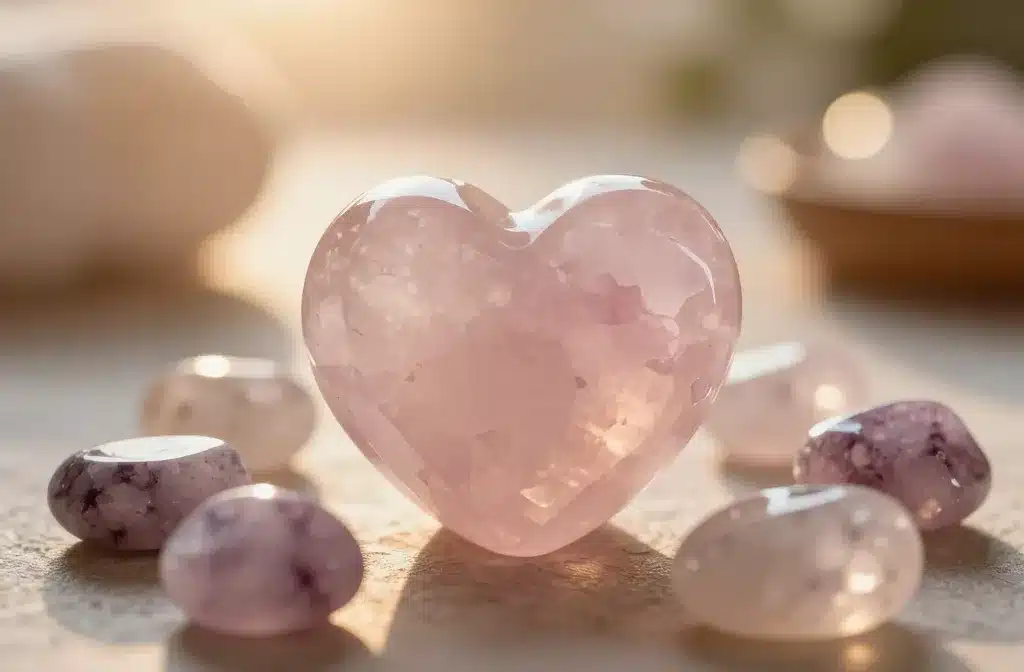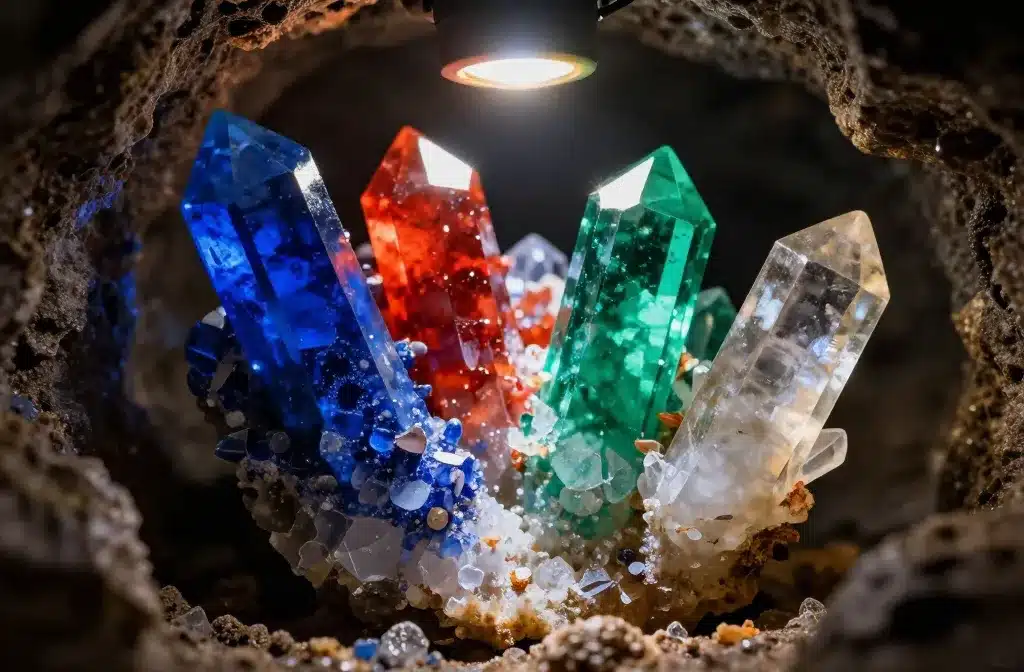
Your yard is a quiet museum. Beneath the grass and along the flower beds, ordinary-looking stones hold stories of fire, water, and deep time. With a little knowledge and a few tools, those overlooked pebbles can become luminous centerpieces—and yes, sometimes even surprise “gem” finds worthy of display.
This guide shows you how to transform backyard rocks into striking decor with the eye of a gem enthusiast. You’ll learn how to recognize promising material, prepare and polish it safely, and style it beautifully indoors and outdoors. We’ll also touch on simple identification tips, common varieties you’re likely to find, and how to care for your creations so they stay radiant.
By the end, you’ll see your yard differently. That river-washed cobble might reveal ribbons of agate. A dull gray chunk could polish to a gleam and anchor a coffee-table vignette. The thrill lies in discovery—and in turning nature’s quiet textures into artful accents.
Let’s start where all good gemstone journeys begin: looking closely.
Seeing Potential: What Makes a Rock “Decor-Worthy”
Great decor stones have character. Look for patterns, color contrast, or texture that catches light or the eye. Ribbons, speckles, bands, and concentric rings often signal silica-rich stones like jasper and agate. These polish beautifully and hold a glossy finish. You might also spot quartz veins glinting through granite, or subtle green flecks of epidote in river stones—details that come alive with a light oil or polish.
Color variety is a strong clue. Iron oxides stain stones red, orange, or yellow; manganese lends purples; copper can produce blues and greens. Even muted grays and creams can look elegant once smoothed and sealed. Don’t discount rough textures: vesicular basalt (peppered with small holes) makes striking, modern accents; schist’s mica plates reflect a soft, silvery sheen under a lamp.
Weight and hardness matter, too. Denser stones often feel “quality” in the hand. On the Mohs scale, quartz family stones (agate, jasper, chalcedony) sit at about 6.5–7 and are durable for both indoor and outdoor decor. Softer stones like limestone (3–4) and soapstone (1–2) carve easily and feel silky but may weather faster outside. If a stone scratches glass, it’s likely hard enough to take a good polish.
Backyard Geology: Common Finds and Their Personalities
Your local geology sets the menu. Here are stones you’re likely to meet—and how they shine as decor:
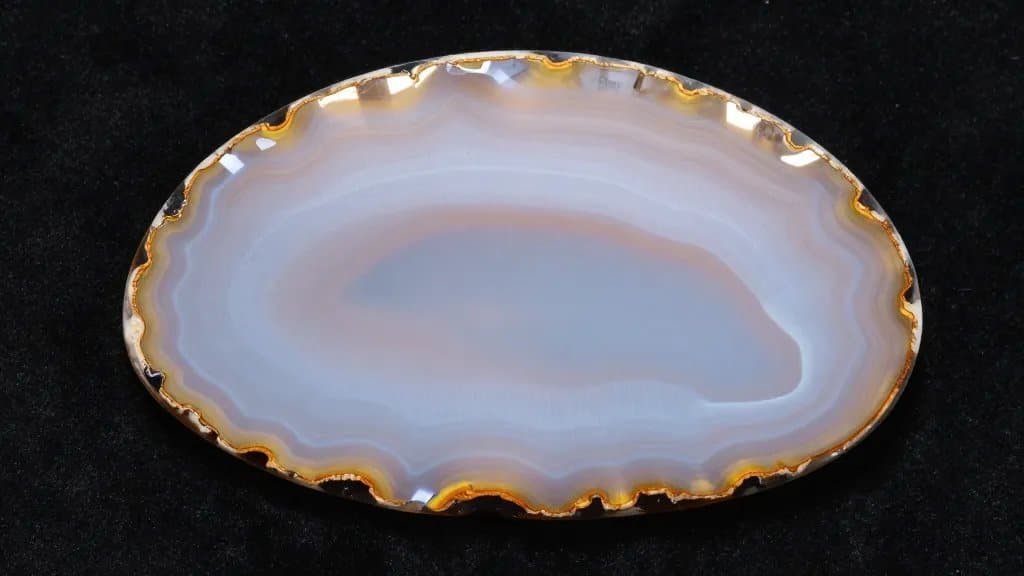
- Quartz and Chalcedony (Mohs ~7): The backbone of many backyard treasures. Agate shows translucent bands; jasper is opaque with earthy colors and patterns. Both polish to a glassy finish and are ideal for coasters, bookends, or small sculptures.
- Granite (Mohs ~6–7): Speckled with quartz, feldspar, and mica. Its crystalline “confetti” sparkles under a soft light. Slice a thin slab, hone it, and you’ve got a modern tray or shelf accent.
- Basalt and Andesite (Mohs ~6): Dark, smooth, often porous. Their matte charcoal tones make elegant minimalist decor, especially as garden borders, tea-light rests, or zen-style stacks.
- Sandstone (Mohs ~6–7, but friable): Warm, grainy layers suited to rustic pieces. Takes a honed finish but sheds if overly abraded. Great for candle platforms or succulent bases indoors.
- Limestone and Marble (Mohs ~3–4 for limestone; ~3–5 for marble): Softer, with velvety polish potential. Subtle veining in marble captivates. Use as indoor statement pieces; seal if near moisture.
- Slate (Mohs ~2.5–4): Perfect cleavage into thin plates, with moody grays, greens, or purples. Makes sleek cheese boards, nameplates, or wall tiles with a natural riven texture.
- Gneiss and Schist (Mohs ~5–7): Layered, banded, or mica-rich. Their linear patterns look dynamic when cut or arranged in a chevron stack.
If you live near old riverbeds, glacial deposits, or volcanic terrains, keep an eye out for agates, petrified wood, and colorful jasper. Petrified wood, in particular, shows growth rings frozen in quartz—polished slices become conversation pieces with subtle translucence at the edges.
Safe and Smart Collecting: From Yard to Workbench
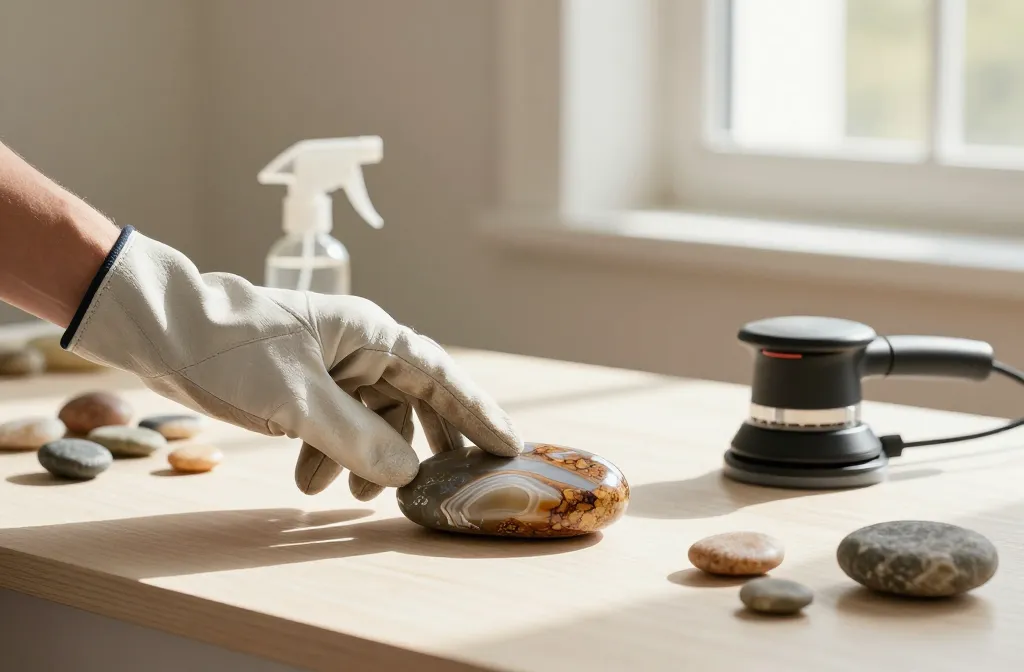
Always prioritize safety and stewardship. Wear gloves and sturdy shoes. If you’re hunting beyond your property, get permission and respect regulations. Avoid removing stones from protected areas.
At home, clean rocks with water, a scrub brush, and mild soap if needed. Skip harsh chemicals at this stage—you want to see the stone’s natural character. A quick trick: rub a little water on a dry rock; colors deepen and patterns pop. If that wet look excites you, the stone will likely shine with polish.
Sort your finds by hardness. Try a simple scratch test on an inconspicuous spot using a steel nail (~5.5), a piece of glass (~5.5), or a known quartz point (~7). Grouping by hardness helps you choose the right finishing method and keeps softer stones from getting chewed up with harder ones.
From Rough to Radiant: Finishing Methods That Work
The right finish turns “nice” into “wow.” Choose a method based on stone type, size, and your tools:
- Tumbling: Best for small to medium pebbles. A rotary tumbler cycles through coarse to polish grits, rounding and shining stones over weeks. Quartz varieties respond brilliantly, revealing translucence and saturated color. Keep mixed loads close in hardness to avoid bruising softer pieces.
- Hand Sanding and Polishing: For select pieces or larger shapes. Use waterproof sandpaper in ascending grits (e.g., 120, 220, 400, 800, 1200, 3000). Keep surfaces wet to control dust and heat. Finish with a cerium oxide or tin oxide polish on a felt pad for quartz-rich stones. This method preserves edges and character better than tumbling.
- Honing for Matte Elegance: Not every stone needs a mirror shine. A honed finish around 400–800 grit leaves a soft glow that suits basalt, slate, and sandstone. It’s modern and forgiving of wear.
- Sealing and Oil Finishes: A breathable stone sealer or a light mineral oil application can deepen color and reduce dusting, especially on porous stones. Test first; some sealers can darken dramatically. Avoid cooking oils; they can go rancid.
- Cutting and Shaping: A wet tile saw or diamond blade can slice slabs for coasters, bookends, or wall panels. Always cut wet to control silica dust and wear eye and respiratory protection. Edges can be eased with diamond hand pads.
Work slowly. The jump from coarse to fine grits is where magic happens. If scratches persist, you likely skipped a thorough pass at a lower grit. Patience pays in clarity and luster.
Design Ideas: Turning Finds into Decor That Feels Curated
Natural stones carry visual weight. Balance their ruggedness with clean lines or soft textures nearby. Here are versatile ideas that highlight geology without overwhelming your space:
- Candle Platforms and Tea-Light Cradles: A flat river cobble or thin slate piece makes a serene candle base. The flame brings out mica sparkle and subtle translucence along agate edges.
- Bookends with Personality: Cut and polish two faces of a larger stone, leaving the outer rind untouched. Agate nodules, petrified wood, or dense basalt look timeless and sturdy on a shelf.
- Coasters and Trivets: Thin slabs of jasper or granite honed to a satin finish feel luxurious. Add cork backing to protect furniture.
- Zen Bowls and Succulent Bases: Shallow depressions in softer stones like soapstone or weathered limestone cradle air plants or succulents. The juxtaposition of matte greens against stone is quietly striking.
- Wall Accents: Arrange thin slate or schist plates in a staggered pattern for a tactile, shadow-catching display. Small agate slices can be backlit on a shelf for a gentle glow.
- Table Vignettes: Cluster three stones of different sizes but similar color temperature. Contrast smooth polished pieces with one raw fragment for visual tension.
- Garden Paths and Borders: Use water-worn stones with consistent size to guide the eye. Interlace a few polished “hero” stones along the path as subtle focal points.
Let light do some of the work. Place stones near window light or under a warm LED to reveal translucent bands and glittering inclusions. Even a gentle oiling can deepen grain and make a stone read as “finished” in minimal time.
Gemologist’s Eye: Identification Tips for Curious Decor Makers
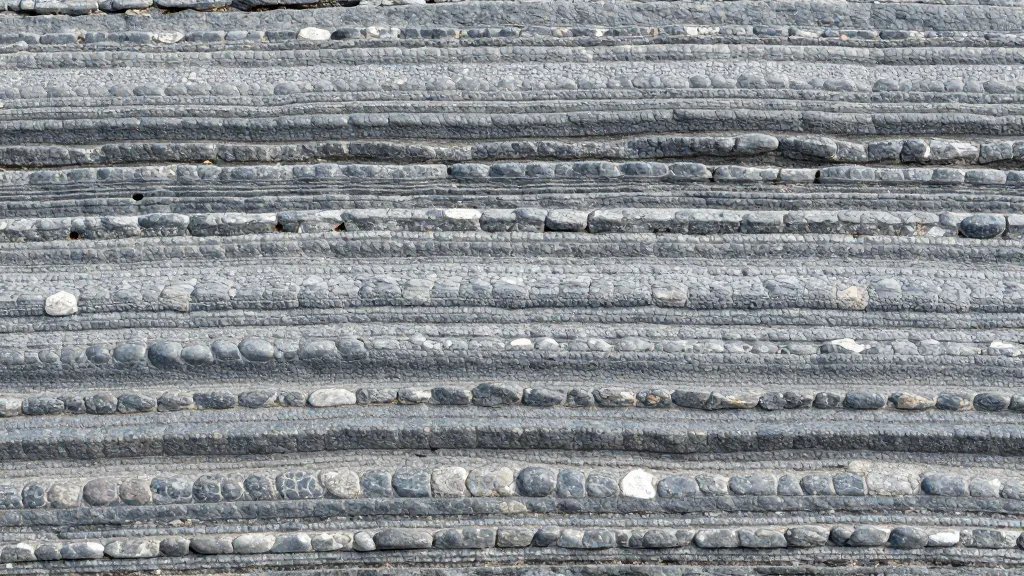
While you don’t need lab certainty to enjoy decor stones, a few field clues help you appreciate what you’ve found:
- Agate vs. Jasper: Agate tends to be translucent in thin edges, with curved banding and a waxy luster. Jasper is opaque, often with scenic patterns or brecciation (broken fragments cemented together). Both sit around Mohs 6.5–7.
- Quartz vs. Calcite: Quartz scratches glass and has no strong reaction to mild acids. Calcite is softer, scratches easily, and effervesces with a drop of vinegar or lemon juice.
- Granite vs. Gneiss: Granite shows interlocking crystals without aligned bands; gneiss shows light-dark banding from high-grade metamorphism. Both can sparkle from mica.
- Magnetite-Rich Rocks: If a magnet sticks, you may have magnetite-bearing basalt or a banded iron formation fragment. These dark pieces can look dramatic when polished.
If identification fascinates you, explore topics like Gemstone Identification, Gemstone Hardness, and Gemstone Facts. Understanding structure, luster, and cleavage adds a new layer to decor design, helping you plan finishes and placement.
Durability, Care, and Keeping That Shine
Decor longevity depends on hardness, porosity, and exposure. Quartz-rich stones are low-maintenance and resist scratching. Softer stones (marble, limestone, soapstone) need gentler handling and mild cleaners. Outdoors, freeze-thaw cycles can stress porous stones; avoid placing delicate pieces in standing water or where sprinklers soak daily.
Basic care routine:
- Dust with a soft cloth to keep luster crisp. For polished stones, a microfiber cloth removes fingerprints without dulling.
- Clean with water and a few drops of mild soap. Rinse and dry thoroughly.
- Reapply a stone-safe sealer annually on porous pieces used as coasters or near sinks.
- Use felt or cork pads beneath heavy stones to protect furniture and prevent scuffs.
If a polished piece dulls, a quick refresh with a fine-grit diamond pad and a touch of cerium oxide usually restores gloss on quartz materials. For marble or limestone, stick to honing; aggressive polishing pastes can etch or leave uneven sheen.
Value, Rarity, and the Joy of the Unexpected
Backyard decor isn’t about market value so much as personal resonance. That said, value factors we use for gemstones still inform your choices. Stones with saturated color, striking patterns, translucence, or chatoyancy (a soft, cat’s-eye shimmer) make stronger focal points. Consistency matters when creating sets—coasters or bookends feel upscale when color and pattern harmonize.
True precious or rare finds in a backyard are uncommon, but not impossible. Beachcombers sometimes discover sea-tumbled agates; volcanic regions can offer thundereggs that reveal kaleidoscopic interiors. If you suspect something unusual, research similar material under topics like Rare Gemstones or Collector Gemstones. Even if it isn’t a high-value specimen, the story of discovery elevates the decor piece.
Myths, Missteps, and How to Avoid Disappointment
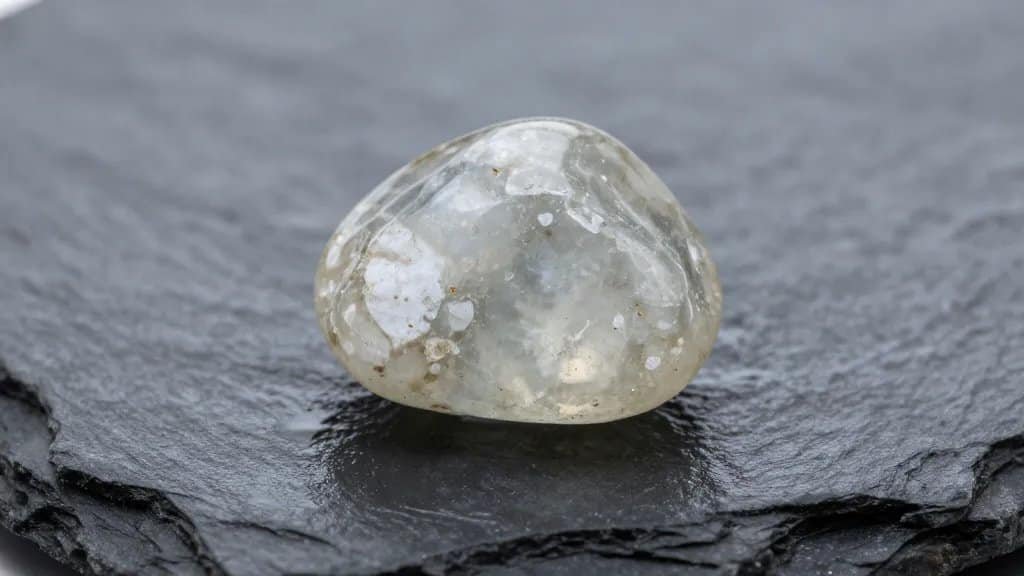
A few persistent myths and common mistakes can derail enthusiasm:
- Myth: “Any rock can be polished to a mirror.” Not quite. Stones with uneven hardness or crumbly matrices won’t take a uniform shine. Choose finishes that suit the material—honed or oiled textures can be just as beautiful.
- Mistake: Mixing hardness in a tumbler. Softer stones will bruise or vanish. Tumble by hardness groups for the best results.
- Mistake: Skipping the coarse stage. Rushing to fine grits leaves pits and scratches. The coarse stage does 80% of the shaping work.
- Myth: “Sealers make stones waterproof forever.” Sealers slow absorption but don’t armor stones. Reapply periodically and wipe spills quickly, especially on marble or limestone.
- Mistake: Using household acids for cleaning. Vinegar or citrus cleansers can etch calcareous stones. Stick to pH-neutral cleaners.
Remember, nature’s variations are the point. A healed fracture, a spray of mica, or a cloudy inclusion adds personality. Curate pieces that make you pause and look closer.
Styling With Meaning: Color, Symbolism, and Mood
Gem lovers know stones carry moods as much as colors. You can weave subtle symbolism into decor without being heavy-handed:
- Calming Neutrals: Slate, basalt, and soft-gray quartz promote a grounded, minimalist feel. Pair with linen and wood for a spa-like space.
- Warm Earth Tones: Jasper in russets and ochres feels welcoming in living rooms and kitchens. It suggests hearth and harvest.
- Cool Serenity: Blue-gray gneiss or green-tinged stones with epidote or chlorite calm a workspace or bedroom.
- Light and Clarity: Translucent agate slices near a lamp hint at clarity and focus—ideal for a reading nook.
If you’re gifting a piece, lean into simple meanings: agate for balance, jasper for stability, quartz for clarity. For more on pairing color and meaning, browse topics like Gemstone Colors or Gemstone Gifts. The story you share becomes part of the decor’s charm.
From Decor to Jewelry: When a Backyard Find Belongs on You
Some stones practically ask to be worn. A water-worn pebble with a natural hole—even if it’s just sandstone—can make a poetic pendant. Small agates and jasper ovals can be cabbed into simple necklaces or earrings. For wearable durability, favor stones around Mohs 6.5 or higher, especially for rings or bracelets that see more knocks. If setting stones, explore Gemstone Cuts, Gemstone Shapes, and Gemstone Jewelry for inspiration on profiles that maximize color and pattern while protecting edges.
Real vs. “Improved” Backyard Finds
It’s common to enhance stones meant for jewelry. Stabilizing porous material with resin, dyeing pale agate to bring out bands, or heat-treating certain quartzes are all recognized practices in the gem world. For decor, keep enhancements minimal so surfaces remain natural to the touch. If you do use color enhancers, be honest when gifting or selling. A little transparency goes a long way in building trust.
FAQs
How do I quickly tell if a rock will polish well?
Wet it and check for tight grain, uniform hardness, and interesting pattern. Quartz-rich stones with a waxy feel when wet usually polish to a bright luster.
Is it safe to cut or grind rocks at home?
Yes, with precautions. Always work wet, wear eye protection and a respirator rated for silica dust, and keep your workspace ventilated and clean.
What’s the easiest decor project for beginners?
Flat candle platforms or coasters from slate or river cobbles. Clean, hone to 400–800 grit, lightly seal, and add felt pads underneath.
Can I use backyard stones in aquariums?
Only if they’re inert and well-cleaned. Avoid calcareous stones like limestone in freshwater tanks; they raise pH. Quartz-based stones are usually safe.
Why did my polished stone turn dull outside?
UV, abrasion, and mineral deposits from water can haze finishes. Clean with mild soap, re-hone or re-polish as needed, and consider a breathable sealer.
How do I avoid scratching furniture with heavy stones?
Attach cork or felt pads to the base and keep surfaces dust-free. Even a few grains of sand can cause scratches when weight shifts.
Do I need special tools to start?
No. Begin with a bucket, brush, wet/dry sandpaper, and patience. Add a small tumbler or diamond pads as your interest grows.
A Thoughtful Finish
Transforming backyard rocks into stunning decor is equal parts science and poetry. With an eye for pattern, a simple toolkit, and respect for the material, you can reveal luster, translucence, and stories hidden in plain sight. The best pieces don’t just look good—they invite touch, catch light, and quietly connect your space to the earth beneath your feet. If the process sparks a deeper curiosity, explore Gemstone Identification, Gemstone Care, or the Gemstone Buying Guide to expand your skills and your collection with confidence.

Christian Grey is the creator of GemMeaning, where he shares simple insights about crystals, gemstone meanings, and spiritual guidance. His focus is on making complex ideas easy to understand and practical for everyday life.