The humble rock is a small geology lesson you can hold in your palm. Some are silky with ancient polish from riverbeds; others glitter with microscopic quartz points. Each one carries a story of pressure, heat, and time—materials that beg to be turned into something beautiful and useful.
Here, you’ll learn practical, creative ways to transform found stones and simple gemstones into decor, jewelry, and gifts. I’ll show you what to look for, which rocks withstand daily use, and where to add a dash of gemological know-how so your projects last.
Expect straightforward techniques with pro tips for safety and finish, plus small details that elevate a piece from “craft” to “keepsake.” If you love color, texture, and a touch of meaning, you’re in the right place.
Ready to work with what the Earth gives us—and make it sing? Let’s start at the workbench.
Choosing Rocks Like a Gem Enthusiast
Before any glue or polish, pick the right material. Not every stone suits every project. Think of hardness, structure, and porosity like you would in a Gemstone Hardness chart.
- Hardness matters. On the Mohs scale, 1 is talc-soft; 10 is diamond-hard. For coasters, knobs, garden markers, and keychains, aim for 6–7 (quartz, jasper, agate). Softer stones like calcite (3) and selenite (2) scratch easily and prefer gentle, display-only projects.
- Texture tells you how a stone will finish. Fine-grained jaspers and agates take a glassy polish; schists and slates keep a velvety, matte charm. Porous limestones drink up sealer, which can darken color—sometimes beautifully.
- Structure affects durability. Layered rocks (slate, schist) split more readily, great for flat surfaces but not impact-heavy items like rings. Massive quartzites and dense basalts are resilient.
- Color and inclusions add character. Look for banded agate, speckled granite, mossy jasper, and river quartz that glows milky to clear. Tiny hematite flecks give a metallic twinkle. Veins and drusy pockets catch the light.
Field tip: Hunt riverbanks after rain for tumbled, naturally rounded stones. If you’re buying, browse bins labeled “tumbled stones” or “slabs” from reputable sellers. When in doubt, a quick scratch test with a steel nail (about Mohs 5.5) helps: if the nail can’t scratch it, you’ve got a durable candidate.
Rock Coasters That Are Actually Waterproof
Stone coasters are simple to make and, with the right finish, survive coffee rings and condensation.
- Best stones: Flat slate (hardness ~3–4 but layered and heat-tolerant), agate slices (7), marble tiles (3–4 with care). Agate adds jewel-toned translucency—amethyst, blue lace, or caramel-banded varieties feel luxe.
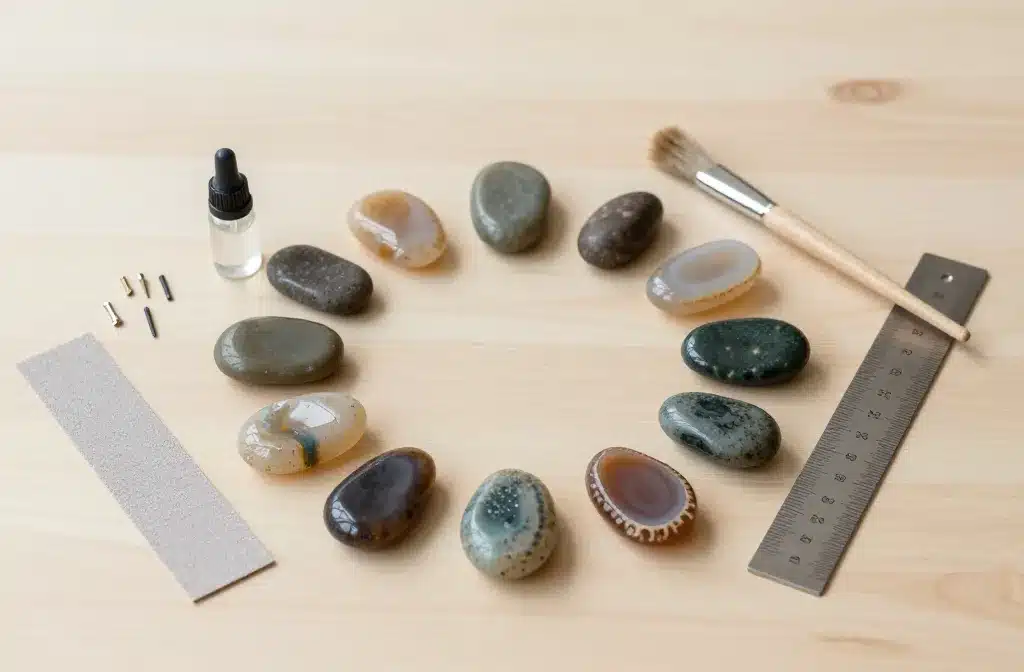
- Prep: Wash stones with warm, soapy water. Let them dry fully. If edges are rough, smooth with 220- to 400-grit wet/dry sandpaper. For agate slices, a quick pass with 800-grit refines the edge without losing that glassy bite.
- Seal: Use a penetrating stone sealer or a thin, food-safe mineral oil for slate (matte, deep charcoal). For agate, a clear, solvent-based acrylic sealer preserves sparkle without clouding. Avoid thick resin domes unless you want a high-gloss look.
- Backings: Stick silicone bumpers or cork to the base. Balance is everything; use three or four evenly spaced pads to avoid wobble.
Pro note: Dyed agate slices exist in vivid fuchsias and blues. Pretty, yes—but the dye can fade with UV. Natural hues hold up better. If you’re curious about natural vs. treated slices, see topics like Gemstone Treatments and Gemstone Colors for telltale signs of enhancements.
Cabochon Magnets and Thumbtacks with Real Gem Appeal
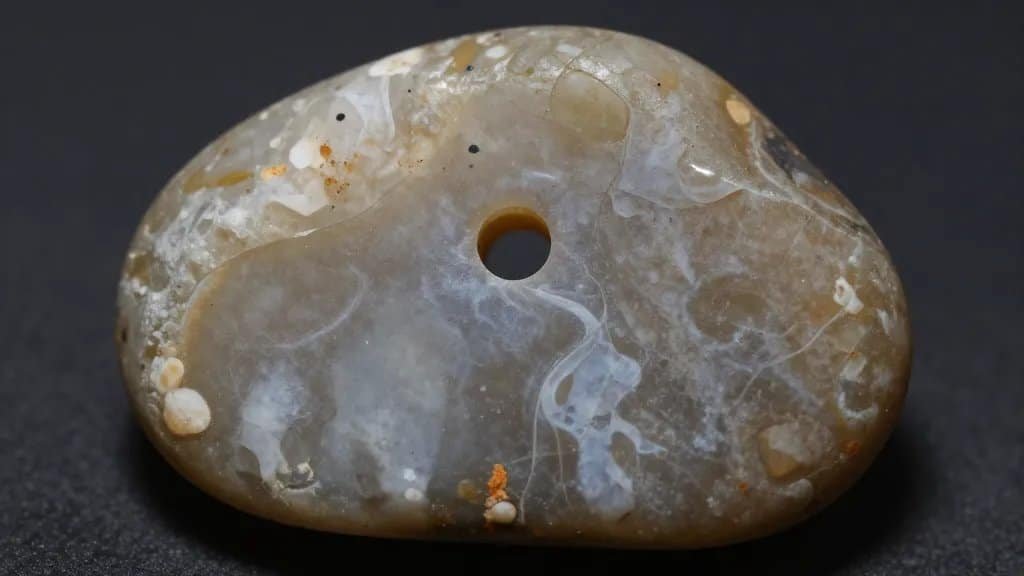
Turn small tumbled stones or flat-backed cabochons into tiny artworks for your fridge or pin board.
- Pick cabochons: Look for hematite (metallic gunmetal sheen), tiger’s eye (chatoyant ribbons), amazonite (sea-glass turquoise), or moss agate (misty translucence). A 10–20 mm size works best.
- Adhesive: Two-part epoxy outperforms hot glue. Scuff both surfaces lightly for grip. Use neodymium magnets for strength; for thumbtacks, high-quality metal tacks glued to the back will do.
- Finish: If the stone looks dusty after sanding, buff with a soft cloth and a pea-sized dab of mineral oil. This wakes up dull chalcedony or granite specks nicely.
Gemologist aside: Tiger’s eye’s silky glow comes from fibrous quartz replacing crocidolite. That shimmering line you see move is chatoyancy—wonderful in small pieces where light plays across the curve.
Wire-Wrapped Rock Pendants Without a Torch
Wire wrapping needs patience more than power tools. It’s an elegant way to wear a favorite found pebble or a polished cab.
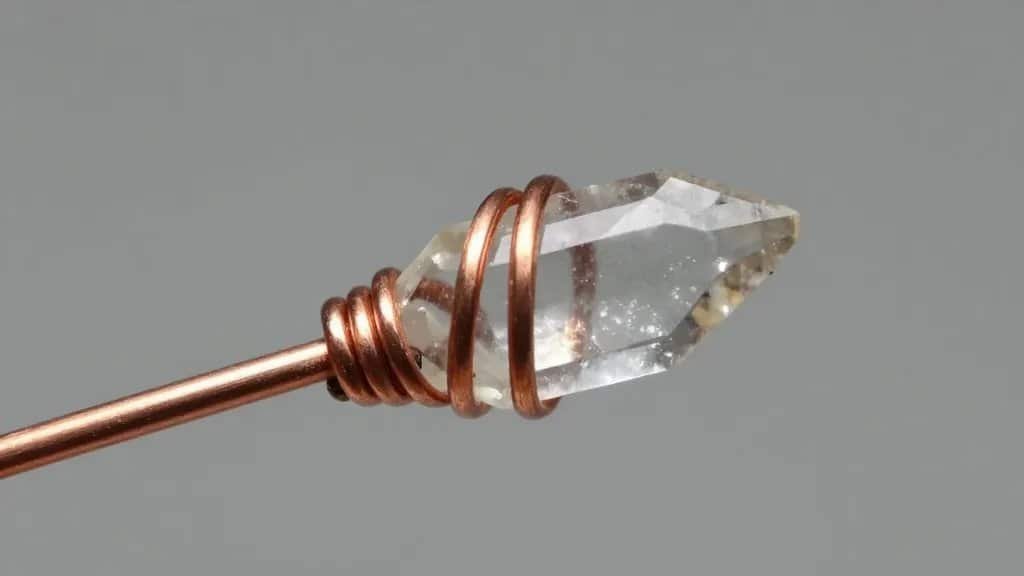
- Wire choice: 20–22 gauge for the structural frame, 24–26 for wrapping. Copper is forgiving and antiqued finishes hide beginner marks. Sterling or gold-filled add value for special stones.
- Stone selection: Slightly elongated shapes are easiest. Quartz pebbles, beach agates, and jaspers hold well. Avoid flaky, layered pieces.
- Technique: Create two parallel wires as a backbone, wrap them together at intervals, then form a cradle around the stone. Add a small decorative twist above for the bail.
- Polish: Burnish the wire gently with a plastic spoon or nylon jaw pliers for a smooth finish. If you darken copper with liver of sulfur, neutralize, rinse, and wax lightly to protect skin and color.
If you’re curious about cut vs. uncut aesthetics, explore Gemstone Cuts and Gemstone Shapes. A freeform wrap around a raw quartz point reads earthy; a calibrated oval cab feels classic and collectible.
Garden Markers That Weather Well
Painted or engraved stones make botanical labels that last beyond one season.
- Stones: Smooth river rocks palm-sized or larger. Granite and quartzite hold paint and shrug off sun. Slate chips engrave easily.
- Lettering: Use oil-based paint pens or exterior acrylics. A steady hand and short, blocky letters stay legible. Outline, then fill.
- Sealing: Spray with UV-stable clear acrylic. Avoid thick varnishes that can yellow outdoors.
- Engraving option: A rotary tool with a diamond burr lightly etches names. Wipe dust, then rub a dark wax or paint into the grooves, buff off the excess for crisp contrast.
Durability tip: Softer limestones and marbles etch easily but stain. If your garden is clay-rich or damp, choose the hardest rocks you can find to keep them looking fresh.
Rock Knobs and Drawer Pulls for an Earthy Upgrade
Changing hardware is the fastest way to refresh a cabinet. Stone knobs add weight and texture that metal alone can’t match.
- Shape: Look for rounded pebbles that sit comfortably in the hand. Avoid highly irregular forms that snag clothing.
- Hardware: Use threaded inserts or machine screws with backer washers. If you drill the rock, a diamond core bit and water as coolant prevent cracks. Go slow; let the bit do the work.
- Adhesion: For non-drilled stones, “stud mount” with a metal base and industrial epoxy. Rough both surfaces first for grip.
- Finish: Matte slate or basalt reads modern; polished agate or jasper leans jewel-like. Keep a consistent palette across a set.
Geology note: Basalt’s tiny crystals make it dense and strong—excellent for hardware. Granite is also tough, but larger mica plates can cleave if drilled aggressively. Patience here pays off in crack-free results.
Agate Night-Light or Sun-Catcher That Glows
Thin slices of agate transform with backlighting, revealing lacey bands and hidden plumes.
- Selection: Choose slices with even thickness and natural translucence. Warm carnelian oranges, cool blues, or neutrals with dendritic “ferns” give drama.
- Mounting: For night-lights, use ready-made clip fixtures designed for agate. For windows, suspend with fine fishing line or jewelry chain through a small pre-drilled hole or a bezel mount.
- Seal: Use clear, non-yellowing acrylic if the slice feels chalky. Keep adhesives away from the face to avoid smears visible in light.
Many agate slices are dyed. Natural tones typically show subtle, gradual color zoning; dyed pieces can display intensely saturated, uniform rings. Both are beautiful—just choose knowingly. If you enjoy sorting natural from enhanced, the Gemstone Identification topic is a rewarding rabbit hole.
Pebble Mosaics for Trivets, Trays, and Bath Mats
Arrange small stones into patterns that feel like a riverbed under your hands—or feet.
- Trivets and trays: Use heat-tolerant stones like granite and quartz. Set pebbles into thinset mortar on a cement backer board, or use a high-strength construction adhesive on a wooden tray. Fill gaps with sanded grout, wipe clean, then seal.
- Bath mats: Choose smooth, flat, sealed pebbles over a mesh mat. Ensure strong adhesion and complete grout lines to keep water from pooling. Test barefoot feel before sealing the design.
- Design: Alternate light and dark stones in waves, spirals, or concentric rings. Jasper and basalt contrast beautifully; sprinkle a few glittering quartz pebbles for “stars.”
Care: Reseal yearly in high-moisture areas. Avoid acids like vinegar on calcite-based stones—they’ll etch and dull. If you’re uncertain which minerals react, the Gemstone Care topic covers safe cleaners by stone type.
Pocket Talismans and Worry Stones with Meaning
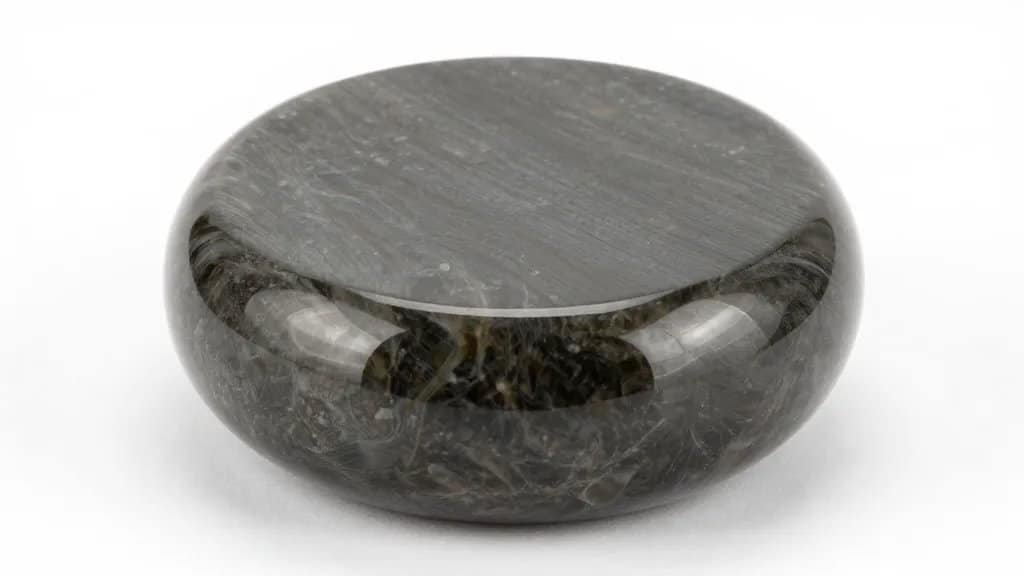
Small, smooth stones make tactile companions—easy to carry, easy to personalize.
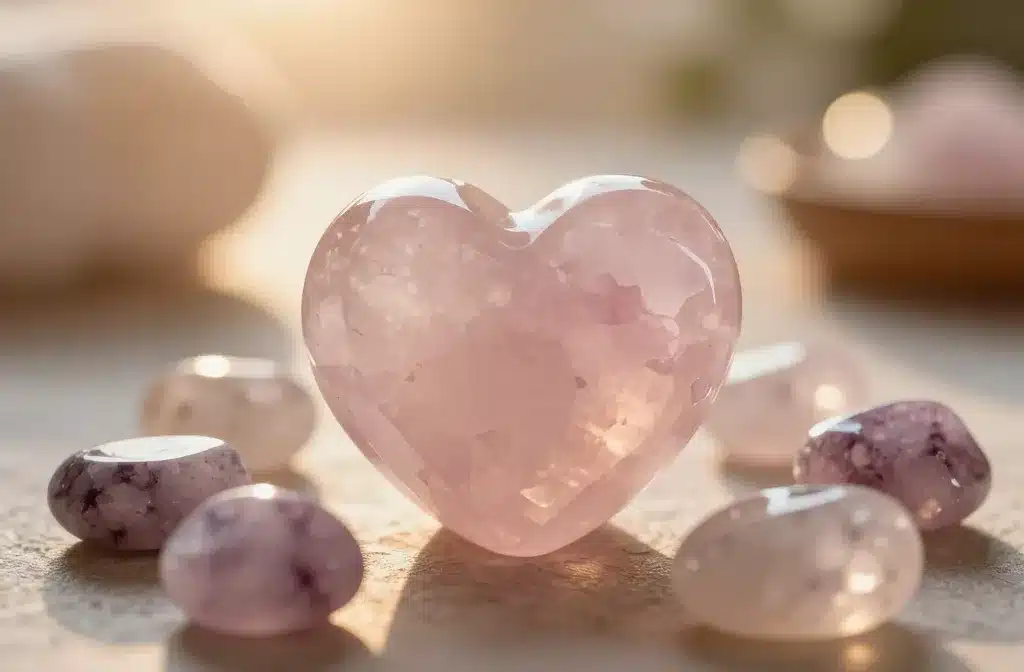
- Choices: Hematite (cool, heavy, metallic), rose quartz (soft pink, soothing translucence), black onyx (inky, protective feel), aventurine (sparkly green from fuchsite inclusions), or any river pebble that fits your thumb groove.
- Symbolism: Rose quartz often symbolizes compassion; hematite is grounding; lapis suggests truth and history. While meanings vary by culture, choosing a color or texture that speaks to you is as valid as any lore.
- Personalization: Etch a simple sigil with a diamond pen, wrap a thin leather thong around the middle, or rub in a drop of essential oil then buff to add a private ritual to the polish.
Fun fact: Aventurine’s shimmering flecks are called aventurescence. It’s subtle in small stones but catches sunlight like dust motes in air—perfect for a discreet bit of magic in your pocket.
Simple Rock Candles and Tea Light Holders
Let stone steady the flame. The key is heat management and stability.
- Tea light wells: Use larger, dense stones—granite, basalt, or quartzite. Drill a shallow 38–40 mm hole with a diamond core bit under running water. Keep the candle slightly proud of the rim for easy removal.
- Wick-in-rock candles: A steel wick holder set into a shallow bore, with melted soy or beeswax poured around, turns a river stone into a candle. Pre-warm the stone slightly so wax doesn’t shrink away in a ring.
- Safety: Never use highly porous or layered rocks near live flame; trapped moisture can expand. Keep the base wide and the candle centered.
A basalt holder shows tiny pinpricks of olivine under flame—sparks of olive-green in a charcoal sky. It’s understated drama, the kind you notice in a quiet room.
How to Clean, Polish, and Protect Your Rock Projects
Finishing transforms a good project into a great one. Think clarity, luster, and longevity.
- Cleaning: Start with warm water and mild soap. Soft brush for texture. Avoid bleach and vinegar on carbonate stones (marble, travertine, calcite)—they’ll fizz and etch.
- Polishing: For jaspers and agates, a dab of cerium oxide on felt brings a high gloss. For matte stones, buff with a clean, dry microfiber. Mineral oil deepens color on slate and some jaspers, but test first; oil can attract dust on high-touch items.
- Sealers: Penetrating sealers protect against stains without shine; topical acrylics add gloss. Choose UV-stable products for items near windows.
- Storage: For jewelry, store wire-wrapped copper pieces in anti-tarnish bags. Wipe skin oils from stones after wear to keep their surface lively.
If your curiosity grows from craft to collecting, explore Collector Gemstones and a Gemstone Value Guide to understand what makes a stone common, rare, or special. Even a simple river pebble can be a microcosm of ancient geology.
Ethical and Smart Sourcing
Gathering stones can be as meaningful as making with them—just do it responsibly.
- Know the rules: Some public lands allow casual collecting; others do not. Always check local regulations and respect private property.
- Buy well: Reputable sellers disclose treatments and country of origin. Ask questions. If a color looks too bright to be true, it may be dyed or irradiated. That’s not inherently bad, but it should be priced and presented honestly.
- Think purpose: For high-wear pieces like rings, choose tough materials or switch to a design that protects the stone. See Gemstone Jewelry and Gemstone Rings for durability insights by stone type.
Small choices—like supporting lapidary artists, or using a river pebble instead of newly mined stone—connect your project to a thoughtful story.
Common Mistakes and Easy Fixes
- Using the wrong adhesive: Hot glue fails on smooth stone. Switch to two-part epoxy or a masonry-grade construction adhesive.
- Skipping surface prep: Dust and polish residue kill adhesion. Degrease with isopropyl alcohol before gluing or sealing.
- Over-polishing soft stones: Calcite and fluorite scratch when overworked. Stop at a satin sheen and celebrate the softness.
- Incorrect drilling: Dry drilling overheats bits and cracks rock. Use water, slow speed, and light pressure. Let the diamond do the cutting.
- Sealer mismatch: A glossy topcoat on a naturally matte stone can look plastic. Test finishes on the underside first.
FAQs
How can I tell if a rock is hard enough for a daily-use project?
Try a scratch test with a steel nail (Mohs ~5.5). If the nail can’t mark the rock, it’s usually hard enough for coasters, knobs, and keychains. Quartz-family stones (agate, jasper) are reliable choices at Mohs 6.5–7.
Are dyed agate slices safe to use in home projects?
Yes. The dye sits within microscopic pores and doesn’t off-gas. Expect some color fading with UV exposure over time. Natural-toned slices age more gracefully.
What’s the best way to drill a hole through a pebble?
Use a diamond-coated bit, slow speed, and a water bath to cool and clear debris. Start with a small pilot hole, flip the stone halfway to prevent blowout, then widen as needed.
Can I make rock jewelry without metal allergies acting up?
Choose sterling silver, gold-filled, or stainless steel components. For wire-wrapped pieces, add a leather or waxed-cotton cord to keep metal off skin if needed.
Which stones should I avoid near heat or flame?
Avoid layered or porous stones (slate, shale, some sandstones) for direct heat. Dense igneous rocks like basalt or granite handle candle warmth better when drilled properly.
How do I keep a matte, natural look without darkening the stone?
Skip oils. Use a water-based, penetrating sealer labeled “natural finish” or “no sheen.” Always test a hidden spot first; some stones darken no matter what.
What’s a simple project to try first?
Make cabochon magnets or a wire-wrapped pendant. Both teach surface prep and finishing without heavy tools.
A Quick Wrap-Up
Stones carry color, structure, and history you can feel. Choose durable varieties, finish them thoughtfully, and match the right rock to the right job. With a little knowledge and a steady hand, your easy DIYs become heirloom-worthy—pieces that look as good years from now as they did on your worktable today.

Christian Grey is the creator of GemMeaning, where he shares simple insights about crystals, gemstone meanings, and spiritual guidance. His focus is on making complex ideas easy to understand and practical for everyday life.