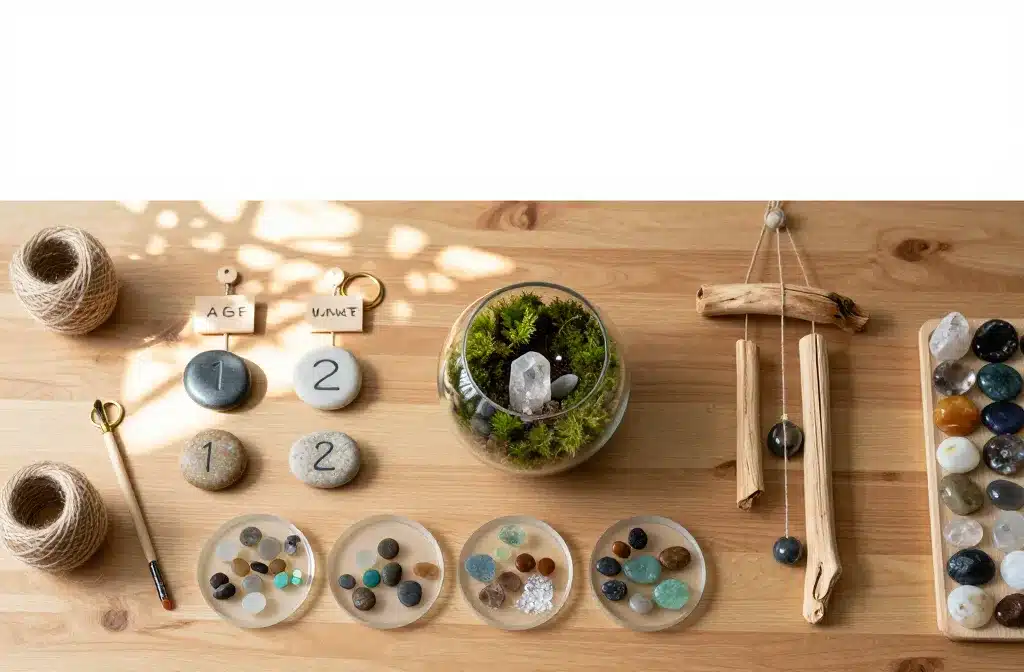
Some projects feel good from the first sketch. Nature-inspired pieces fall into that category because they carry the calm of mossy trails, wave-worn pebbles, and the quiet glint of minerals below your feet. Bring gemstones into that picture and you add color, meaning, and a touch of geology to your everyday life.
Here you’ll learn how to turn small stones into graceful, useful objects: garden markers that won’t fade, wind chimes with a bell-like ring, luminous terrariums, resin coasters that trap a bit of tidepool light, and more. I’ll share why certain gems work better than others, what to look for when buying, and how to keep your creations sturdy and beautiful for years.
Expect practical steps, not just pretty ideas. You’ll find real-world guidance on hardness, durability, and cleaning, along with tips to avoid common pitfalls like brittle stones, cheap dyes, and glue that yellows in sunlight. If you love the intersection of craft and earth science, you’re in good company.
Gather your tray of pebbles and crystals. We’re building pieces you’ll actually use—and enjoy explaining when someone asks, “What stone is that?”
Choosing Stones That Behave: Durability, Texture, and Feel
Before you glue a single finding, match your project to the right mineral. Not all stones are equal, and that matters in daily wear and outdoor exposure.
- Hardness: Aim for Mohs 6–7 for anything handled or jostled. Quartz (amethyst, citrine, rock crystal), agate, and jasper shrug off scratches. Softer stones—malachite (3.5–4), fluorite (4), selenite (2)—shine in gentle, indoor projects.
- Texture: Tumbled stones offer smooth edges for pocket charms, mobiles, and coasters. Raw points work well for dramatic terrariums or wall pieces, but mind their brittleness.
- Color and Stability: Some dyed agates fade in sun; heat-treated citrine is stable. Lapis can lose polish in acids and harsh cleaners. If your project will sit in a window or garden, choose robust colors like black onyx, carnelian, and most jaspers.
- Weight: For mobiles and wind chimes, lighter materials—thin agate slices or small tumbled stones—balance better than chunky quartz clusters.
If you’d like a deeper refresher, peek at Gemstone Hardness and Gemstone Care topics to understand how your stones will hold up over time.
Mossy Garden Markers with Agate or Jasper
Painted wooden markers fade. Stone endures sun, water, and yours truly clumsy shoe. Agate and jasper check all the boxes—hard, stable, and colorful.
Materials: Flat pebbles or oval agate slices, archival paint pen or ceramic pencil, matte outdoor sealant, short stakes or copper wire, epoxy.
- Find your canvas: Choose stones with enough surface area for legible lettering. Agate’s banding makes a beautiful frame; jasper’s earthy reds and mustard tones blend into the bed like they grew there.
- Lettering: Write plant names with a fine archival paint pen. If the stone is dark, use white or silver. Keep strokes firm and simple.
- Seal: A thin coat of UV-stable, matte sealant preserves the writing without a plastic shine. Avoid thick layers that can peel.
- Mounting: For a low profile, nestle stones at soil level. For upright markers, epoxy them onto short metal stakes or wrap with weathered copper wire for a rustic look. Copper takes on a lovely green patina that echoes lichen.
Why it works: Agate and jasper are quartz family members with Mohs 6.5–7 hardness. They laugh at sprinklers and trowels and hold their color outdoors. If you’re curious about banding and patterns, explore Gemstone Colors to learn how iron and trace elements sketch those natural lines.
Sea-Breeze Wind Chimes with Agate Slices
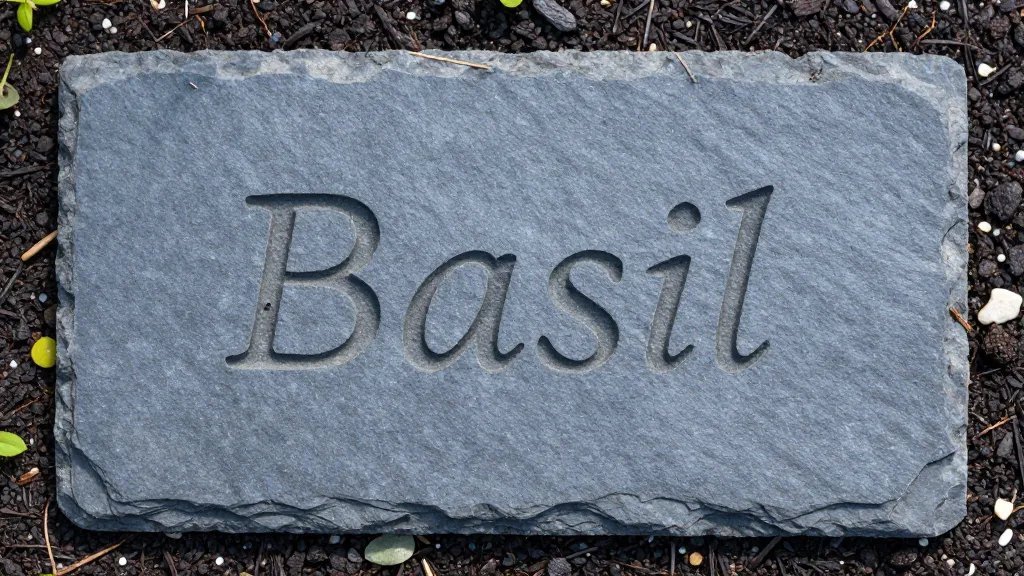
Thin agate slices ring softly when the wind lifts them, more melodic than most glass. Their candy-like translucency looks like captured sunlight.
Materials: 5–9 thin agate slices with pre-drilled holes, monofilament or nylon-coated beading wire, driftwood branch, small crimp beads, optional small brass bells.
- Balance the palette: Mix cool blues and moss greens with honey ambers to mimic tidepools. Avoid overly thick slices; they clack instead of chime.
- Stringing: Use short lengths of monofilament to minimize tangles. Crimp securely above and below each stone. Test new crimps with a gentle tug; if it slips now, it’ll fall outdoors.
- Spacing: Stagger lengths so stones touch lightly. Consider adding a small brass bell at the end of one or two strands for a bright accent.
- Mount: Tie each strand to the driftwood, then add a hanging cord. Hang where the wind is curious but not wild—under an eave is perfect.
Stone tip: If you suspect dyed stones, rub a cotton swab with acetone on an inconspicuous edge. Color transfer suggests dye. Natural colors generally show subtle, uneven zoning; neon-bright is often suspect. For more telltales, see Gemstone Identification.
Terrariums with Raw Quartz, Amethyst, and Petrified Wood
Living green against crystalline textures never gets old. Stones lift moss and succulents, giving micro-landscapes contour and sparkle.
Materials: Glass vessel with ventilation, horticultural charcoal, succulent or moss substrate, small raw quartz points or amethyst, petrified wood chips, tweezers.
- Layer base: Start with charcoal for odor control, then a soil mix suited to your plants. Keep the profile shallow so stones don’t disappear.
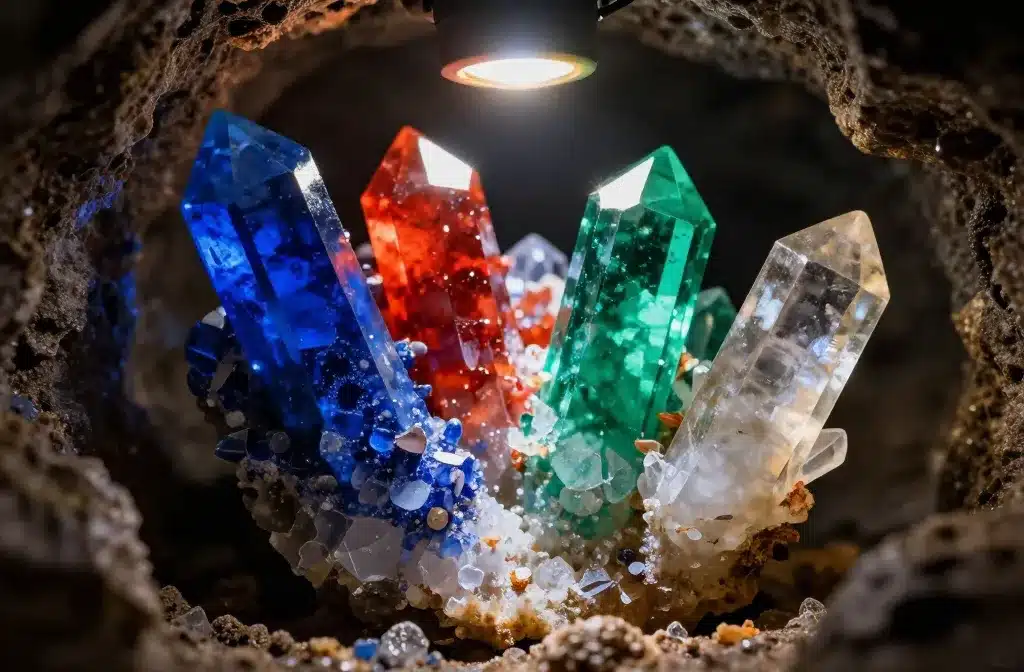
- Place focal stones: Use a small amethyst point as a “mountain,” with low moss around its base. Petrified wood adds warmth—its tree-ring patterns echo natural bark.
- Edit ruthlessly: One or two stones per small vessel look curated; a dozen looks cluttered. You want a single visual story.
- Light and care: Bright, indirect light keeps amethyst from fading and plants happy. Mist sparingly; standing water dulls polish and invites algae on quartz.
Why these stones: Quartz varieties are tough enough for occasional cleaning. Petrified wood blends woody nostalgia with stone permanence. If you want to learn more about how wood becomes quartz over ages, dig into Gemstone History and Gemstone Facts—petrified wood sits at that crossroads of botany and geology.
Pressed-Leaf Resin Coasters with Gem Shimmer
Resin can look sterile on its own. Add a few crisp leaves and a rim of gemstone chips and you get nature under glass—practical and pretty.
Materials: Food-safe epoxy resin, silicone coaster molds, pressed leaves or fern tips, fine gemstone chips (peridot, amethyst, or rock crystal), isopropyl alcohol, heat gun or torch.
- Prep: Make sure leaves are truly dry; moisture clouds resin. Wipe molds with isopropyl alcohol to remove dust.
- Gem ring: Sprinkle a thin halo of chips along the outer edge of each mold. Peridot brings spring-green sparkle; amethyst adds soft violet; clear quartz brightens without competing.
- Pour and place: Pour a thin layer of resin, set your leaf, then top up. Nudge bubbles to the surface and pass a quick flame to pop them.
- Cure and finish: Let cure fully before demolding. If edges are sharp, sand lightly and polish. Avoid heavy gemstone clusters in the center where mugs sit—chips should be thin to keep surfaces level.
Care: Wipe with a damp cloth. Don’t run through the dishwasher or leave on a sunbaked sill for days—UV can yellow some resins. Quartz and peridot chips won’t fade, but the resin matrix can.
Wildflower Memory Pendants with Birthstone Accents
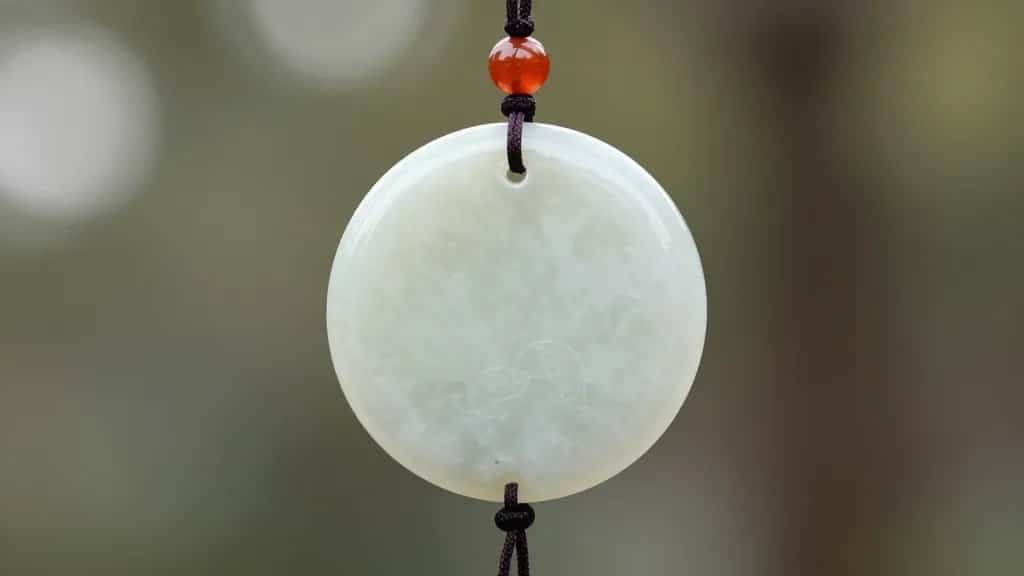
Pick a tiny flower from a hike, then frame it with a birthstone. The contrast between organic fragility and mineral sparkle tells a story you can wear.
Materials: Small bezel pendant trays with glass cabochons, preserved dried flowers, jeweler’s-grade adhesive, fine chain, tiny faceted birthstone charms.
- Compose: Trim the flower to fit inside the bezel. A fern leaflet over a pale paper backing creates a botanical silhouette.
- Set and seal: Glue lightly, avoid excess that can haze the glass. Seat the cabochon and press gently.
- Birthstone charm: Add a small gemstone drop on the chain near the clasp. Garnet’s wine-red glow pairs beautifully with greenery; aquamarine lends a dew-kissed look.
Stone sense: If you wear the pendant daily, choose durable accents—garnet (7–7.5), amethyst (7), or sapphire (9). Softer birthstones like opal (5.5–6.5) still work as tiny, protected charms but keep them away from household cleaners and rough zippers. For more pairing ideas, browse Birthstone Jewelry and Gemstone Necklaces.
River-Path Candleholders with Jasper and Quartz
There’s something meditative about a line of stones tracing a river’s bend. Recreate the feeling on your table with a simple candle base and a stream of gems.
Materials: Wooden or slate tray, fire-safe votive cups, clear adhesive suitable for stone, mixed tumbled jasper, quartz pebbles, and a few raw micro-crystals.
- Map the flow: Lay out stones in a gentle S-curve. Use jasper for earthy banks and clear quartz like little rapids catching light.
- Adhere sparingly: Tack only key stones so you can refresh the composition seasonally.
- Light test: Set candles and dim the room. Adjust quartz to catch flame reflections—crystal faces throw tiny points of light, especially with a light polish.
Safety: Keep stones at least a finger’s width from flame. Heat won’t hurt quartz or jasper, but adhesives and finishes prefer distance.
Herb-Drying Racks with Gemstone Weights
Air-drying herbs is old kitchen magic. Small gemstone weights clip to bundles so they dry straight without tangling.
Materials: Cotton twine, small tumbled stones, fine gauge wire, S-hooks, sturdy dowel or branch.
- Wrap and weight: Bind herb stems with twine, then wire a tumbled stone to the end as a gentle weight. Green aventurine or smoky quartz feel at home in the kitchen palette.
- Hang: Suspend bundles from a branch under a cupboard or in a pantry with decent airflow.
- Reuse: After harvest, wipe stones with a damp cloth. Avoid harsh detergents—some stones like lapis lazuli dislike chemicals and prolonged soaking.
Stone choice: Stick to hard, non-porous options so aromas don’t linger. Agate, jasper, and quartz families are safe bets.
Field Notebook: Identify, Don’t Over-Collect
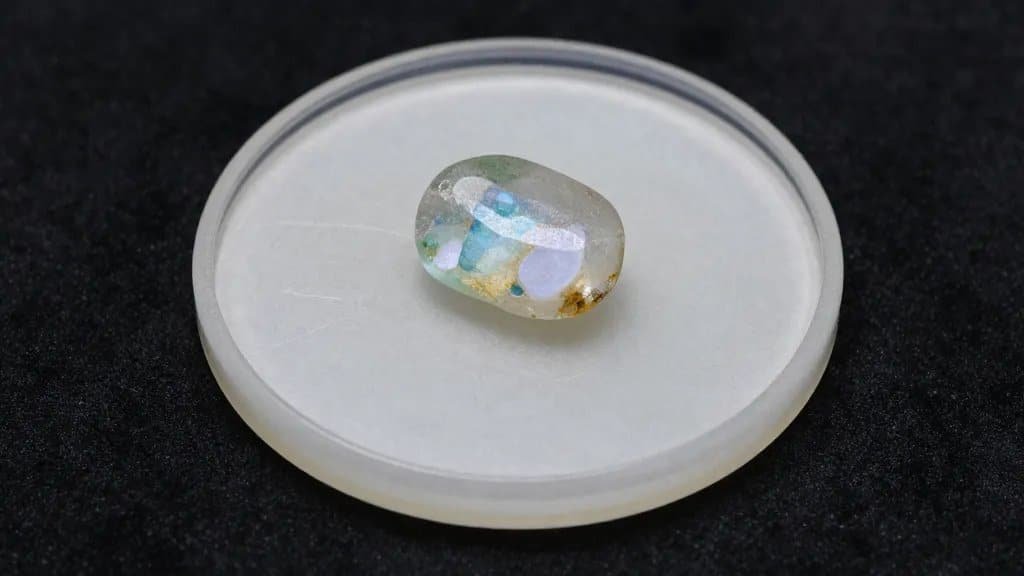
Half the fun is the hunt. If you enjoy gathering stones outdoors, a little gemstone savvy makes the difference between a meaningful find and a random rock.
- Tell quartz from glass: Quartz scratches glass, not the other way around. Look for conchoidal fractures in glass versus irregular, sometimes sugary breaks in quartzite.
- Agate clues: Translucent edges with fine banding. Hold to the light; agate glows softly with layered veils, while jasper is opaque and solid-toned.
- Magnet test: Hematite is weakly magnetic only when heated or alloyed; many shiny “hematite” beads are synthetic or ferrite-based. Real hematite leaves a red-brown streak.
- Legal and ethical: Collect where permitted and take only what you’ll use. Some beaches and parks prohibit removal to protect habitats.
Curious how professionals compare materials at a glance? The Gemstone Identification and Gemstone Comparisons topics are great refreshers before your next walk.
Treatments, Fakes, and What’s Fine for DIY
Treatments aren’t villains; they’re tools. For craft projects, stability is what matters.
- Heat treatment: Common in amethyst-to-citrine transformations. Stable, colorfast—excellent for décor and jewelry.
- Dyeing: Widespread in agate slices. Some dyes fade; if your project sits in sun, choose naturally colored pieces or accept that patina as part of the story.
- Stabilization: Porous stones like turquoise are often resin-stabilized for strength. Great for coasters or pendants exposed to skin oils.
- Synthetics: Lab-grown quartz or corundum offer clarity and consistency. For mobiles or resin work, synthetics can be cost-effective and ecologically sensible.
If value is a concern, our Gemstone Value Guide explains how treatments influence price. For DIY, prioritize colorfastness and structural integrity over pedigree.
Care, Cleaning, and Longevity
Handmade projects deserve a simple care ritual to keep them bright.
- Dust gently: Soft brush or microfiber cloth. Avoid paper towels on softer stones—micro-scratches dull polish.
- Skip harsh chemicals: Vinegar, bleach, and strong cleaners can etch calcite-based stones and cloud resins.
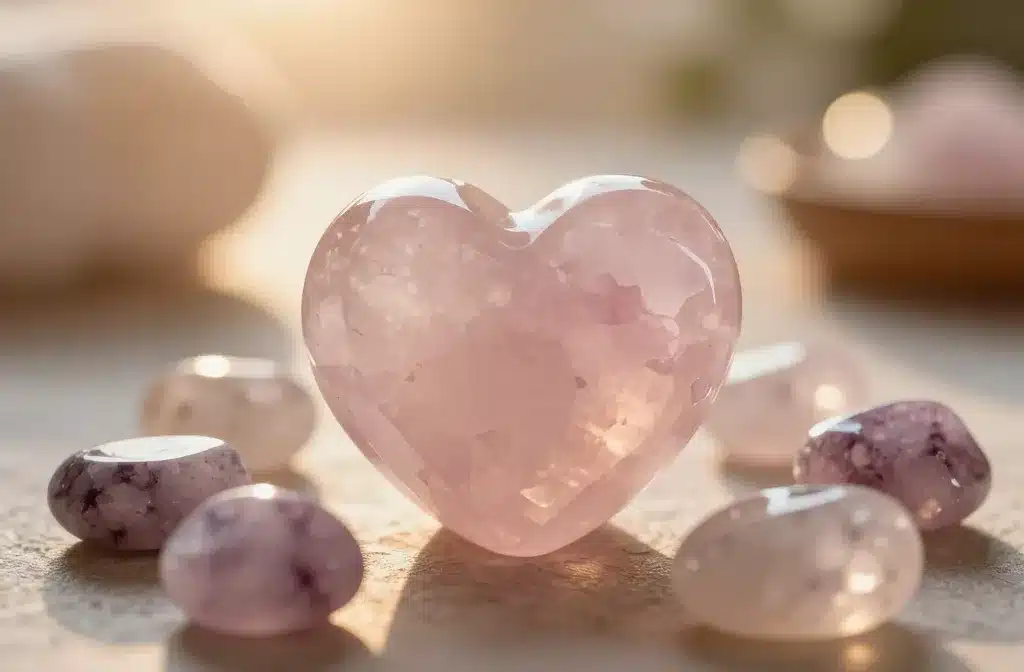
- Sunlight sense: Amethyst and rose quartz can pale after months in direct sun. Display them in bright but indirect light, especially in terrariums or windowsill projects.
- Adhesive checks: Once a season, tug-test mobile strands and chime crimps. Re-crimp or re-glue any suspect joins.
For wearable pieces, a quick read through Gemstone Care and Gemstone Jewelry tips will save you from accidental bathtub soaks or perfume mishaps.
Project Ideas for Specific Stones
Use the natural vibe of each gemstone to guide your design.
- Amethyst: Soft violet, often transparent to translucent, hexagonal crystals. Ideal for meditation corners, nightlight shadow boxes, or one bold pendant. Moderate durability (Mohs 7).
- Jasper: Opaque, earthy palette with scenic patterns. Perfect for garden stepping-stone mosaics or mantel “river paths.” Durable and forgiving.
- Agate: Translucent bands, fine polish takes on a wet look. Agate slice sun catchers, luminaries, coasters with gemstone halos.
- Citrine: Sunny yellow to honey brown, cheerful in kitchen accents or herb-label charms. Stable color; easy to clean.
- Aventurine: Sparkling green with mica inclusions. Use where you want a hint of shimmer—drawer pulls, bookmark toppers, or minimal earrings.
- Labradorite: Smoky gray body with blue-green flashes. Best in pieces that catch movement—pendants and mobiles. Avoid hard knocks; internal planes can cleave.
- Hematite: Metallic gunmetal shine, mirrorlike polish. Sophisticated touch for desk organizers or modern photo stands. Keep dry; natural iron stones can rust if unsealed.
Buying Smart: Small Lots, Realistic Prices
You don’t need museum-grade stones for nature DIY. Seek the sweet spot between beauty and practicality.
- Mixed bags: Tumbled stone assortments are perfect for beginners. Look for bags with fewer chalky stones and more polish—this signals better hardness and finish.
- Pre-drilled slices: For chimes and necklaces, buy agate slices with clean, centered holes. Drilling at home risks cracks unless you have water-cooled bits and patience.
- Transparency claims: If a seller shows neon-perfect color with no zoning, ask if it’s dyed or lab-grown. Both are fine, but price should reflect it.
- Local rock shops: Being able to handle stones matters. You’ll spot fractures, chips, and real luster in person far better than you can online.
For jewelry-focused projects, the Gemstone Buying Guide and Gemstone Cuts sections help you choose shapes that sit flat, catch light, and wear comfortably.
FAQs
Can I put gemstones directly in plant soil?
Yes, quartz, agate, and jasper are plant-safe and inert. Avoid copper-bearing stones like malachite in constantly damp soil; over time, moisture can affect their surface and they’re softer.
How do I test if a stone is too soft for daily-wear jewelry?
Check the Mohs hardness. Aim for 6.5 or higher for rings and bracelets. Softer stones still work in earrings and pendants where they face less contact.
Will agate chimes crack in winter?
Temperature swings aren’t the issue; impact is. Hang chimes where they won’t whip against brick or metal. Thin slices and secure crimps minimize risk.
What glue works best on polished stones?
Two-part epoxy offers strong, long-term bonds. Roughen a tiny hidden area with fine sandpaper for extra grip, and let cure a full 24 hours.
Are dyed stones unsafe?
Most dyed agates are safe for décor. Use caution in food-contact items; seal thoroughly or keep stones embedded in resin where they don’t touch food.
How do I keep resin projects from yellowing?
Choose a UV-resistant resin and avoid prolonged direct sun. Lightly tinting resin with a warm tone can disguise subtle yellowing over years.
Which stones are best for sunlight exposure?
Jasper, agate, carnelian, and many chalcedonies resist fading. Amethyst and rose quartz can pale with months of direct sun.
A Gentle Finish
Nature-inspired DIY thrives on balance: sturdy materials shaped into pieces that feel alive. Pick stones that match the job, let colors echo the landscape, and build with simple, durable techniques. With a few smart choices, your garden markers won’t blur, your chimes will sing, and your keepsakes will hold their sheen—each one a small reminder that geology and green things are perfect partners.

Christian Grey is the creator of GemMeaning, where he shares simple insights about crystals, gemstone meanings, and spiritual guidance. His focus is on making complex ideas easy to understand and practical for everyday life.