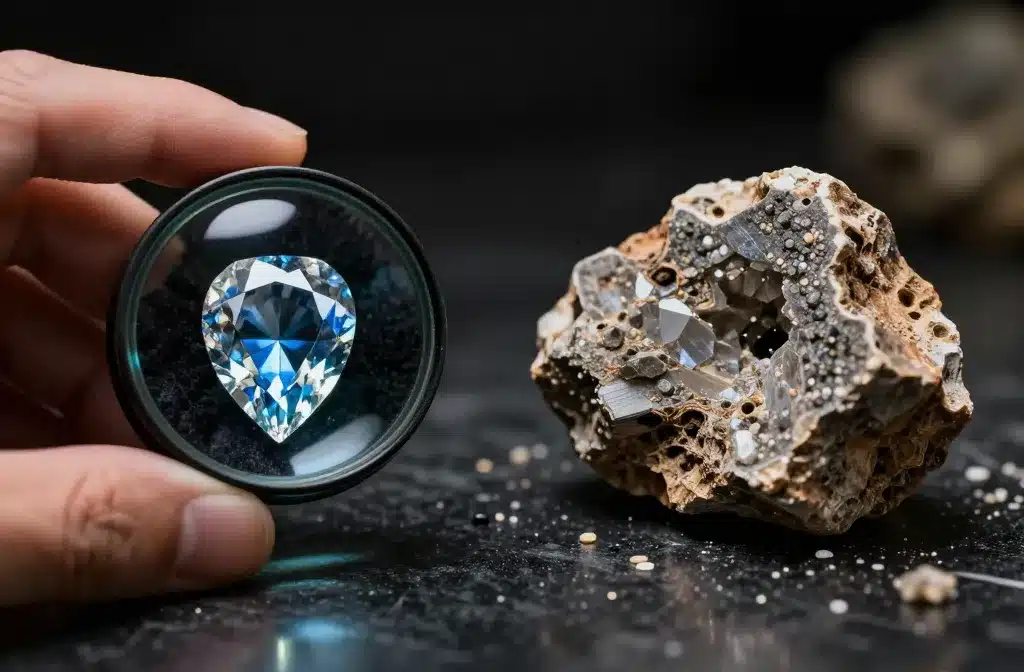
Rocks quietly record Earth’s wildest stories—volcanoes raging, oceans retreating, even ancient life caught mid-sparkle. If you love gemstones, those stories are written in color, crystal, and light. A single faceted stone can hold a few billion years of geologic drama in the span of a ring.
Here you’ll find the kind of rock facts that make gem lovers grin: time scales longer than imagination, minerals harder than steel, and colors that change with a room’s light. You’ll learn how gems form, why they glow, what makes them rare, and how to tell the real treasures from the clever fakes.
Expect clear explanations, practical tips, and a few myths joyfully busted. By the end, you’ll never look at a sparkling jewel—or a “plain” pebble—the same way again.
Let’s open the jewelry box and the geology book at the same time.
Diamonds Are Old—But Zircon Remembers More
People call diamonds “forever,” and their ages often stretch past a billion years. Yet the oldest known Earth minerals are actually zircons from Western Australia, dated to more than 4 billion years. Under a loupe, zircon can look like a tidy, bright crystal; under a lab, it’s a time capsule. Tiny traces of uranium and lead inside zircon crystals act like atomic clocks. That’s how scientists piece together Earth’s earliest timeline.
Gem zircon (not cubic zirconia—that’s a lab-made diamond simulant) comes in honey, cinnamon, and ocean-blue tones with a high refractive index that gives it a brilliant, fiery sparkle. On the Mohs scale it rates about 6.5–7.5, so it’s reasonably durable with careful wear. If you’re drawn to stones with a backstory longer than continents, zircon is a poetic choice for a ring or pendant.
Ruby, Sapphire, and Padparadscha: One Mineral, Many Moods
Ruby and sapphire share the same mineral species: corundum. Chromium gives corundum a fierce red glow—ruby. Iron and titanium color it blue—sapphire. A delicate blend of pink and orange creates the coveted padparadscha sapphire, named after a lotus blossom and prized for its sunrise hue.
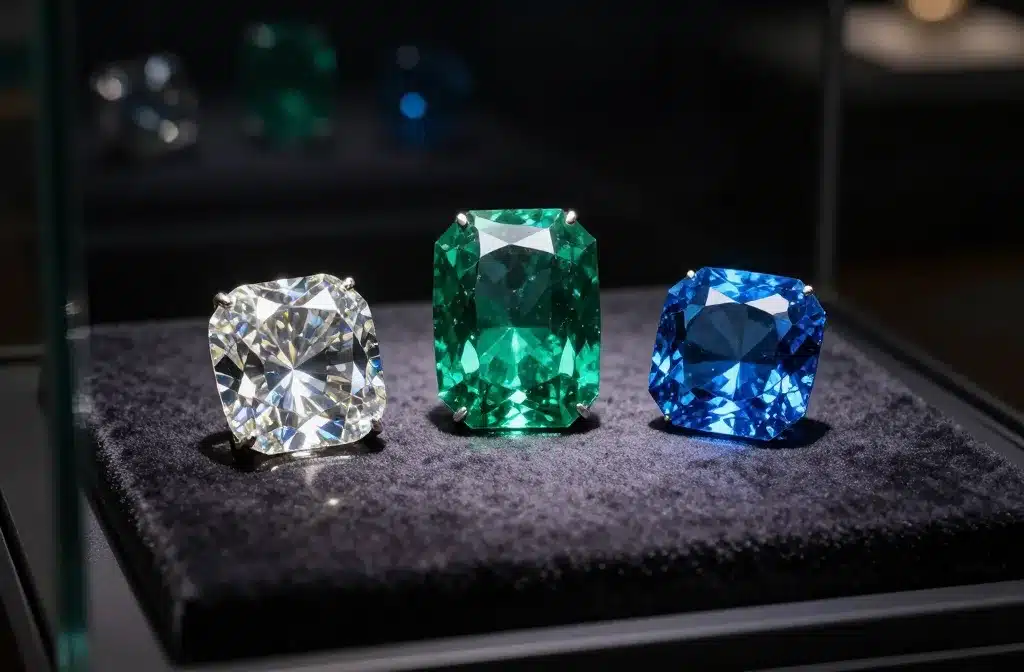
Corundum sits at 9 on the Mohs scale, so it’s second only to diamond in hardness. That makes it a top pick for Gemstone Rings and daily-wear Gemstone Jewelry. Watch for their pleochroism—subtle color shifts when the stone is viewed from different directions—and rutile “silk” inclusions that can soften color or, if arranged just right, create a star effect in cabochons. Heat treatment is common to improve color and clarity; it’s stable and accepted, but unheated stones with fine color command a premium in any Gemstone Value Guide.
The Chameleon Trick: Color Change and Phenomena
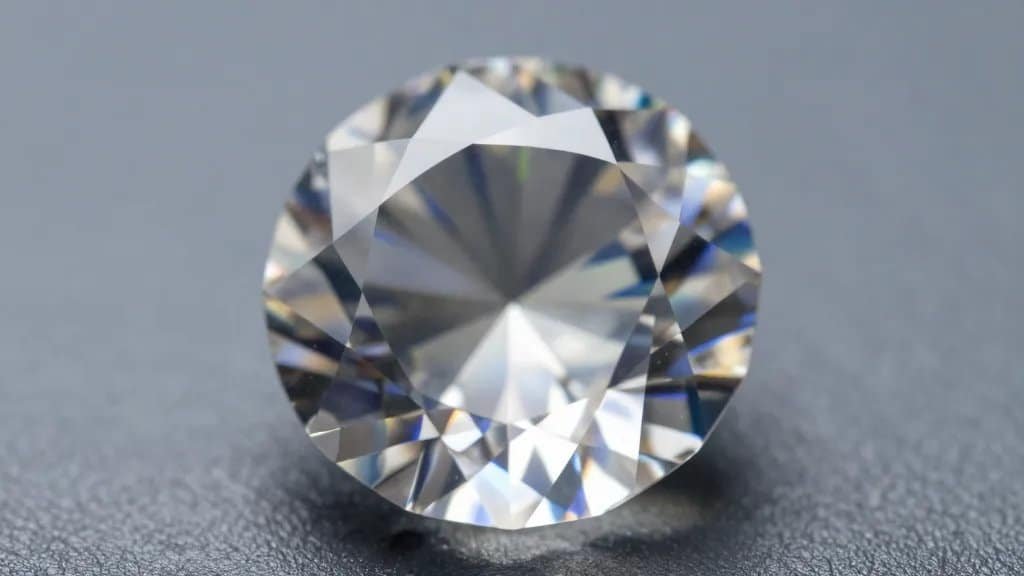
Color-change gems feel like magic you can measure. Alexandrite famously shifts from bluish-green in daylight to raspberry-red under warm indoor light. The effect comes from how its crystal structure filters different wavelengths, emphasizing green under daylight-rich blue spectra and red under incandescent light. High-quality alexandrite shows a strong, dramatic switch and remains one of the most prized Collector Gemstones.
Other phenomena include star sapphires and rubies that display asterism—silky rays crossing the dome of a cabochon due to needle-like rutile inclusions. Moonstone shimmers with adularescence, a floating light that looks like moonglow beneath its surface. Opal carries a kaleidoscope: microscopic silica spheres diffract light into rolling flashes of red, green, and violet. The more intense and broad the play-of-color, the higher the value.
When shopping, view these gems under multiple light sources. If a seller dodges that simple test, be cautious. And remember: with phenomena stones, beauty often lies in movement. Tilt the gem. Let it dance.
Hardness Isn’t Toughness: Why Some Stones Chip Despite High Mohs
The Mohs scale measures scratch resistance, not shatter resistance. Diamond at 10 shrugs off scratches but can still cleave along crystal planes if struck. Jadeite and nephrite, despite lower hardness (about 6.5–7 and 6–6.5), have exceptional toughness thanks to their interlocking fibers. That’s why ancient jade carvings have survived centuries of wear and knocks.
For daily rings, corundum and diamond are strong choices, but settings matter. A low-profile bezel can shield edges on brittle materials like emerald (7.5–8 hardness but with typical fractures). Tough-but-softer gems such as jade or chrysoprase do well in bracelets and pendants where scratching is less likely. If durability is your focus, explore Gemstone Hardness alongside toughness before buying.
Emerald’s Garden: Inclusions That Add Identity
Emerald’s vivid green comes from chromium and/or vanadium in beryl, and few stones can rival a truly fine emerald for lush, saturated color. But emeralds almost always carry inclusions—called their “jardin,” or garden—webs of fissures, crystals, and fluids that grew with the stone. Those features help gemologists identify source regions and natural origin. Colombian stones may show three-phase inclusions: a gas bubble, a liquid, and a tiny crystal locked together.
Most emeralds receive oil or resin filling to reduce the visibility of fissures. This is standard, but it affects value. The less treatment, the better. If you’re considering an important piece, ask for a lab report noting the degree of clarity enhancement. Wear emerald rings with care and avoid ultrasonic cleaners. A soft brush, mild soap, and lukewarm water are your friends for Gemstone Care.
From Volcanoes to Metamorphic Forges: How Gems Are Born
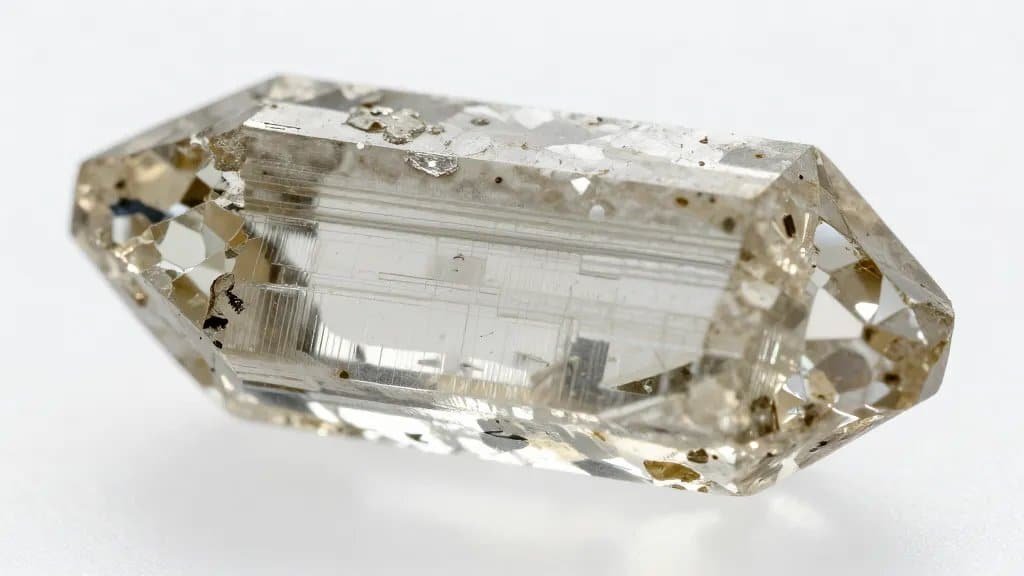
Gems don’t just appear—they survive. Diamonds crystallize deep in the mantle under crushing pressures and blistering heat, hitching a ride to the surface in kimberlite eruptions faster than a marathon pace. Slow down that ascent, and they’d simply turn to graphite along the way.
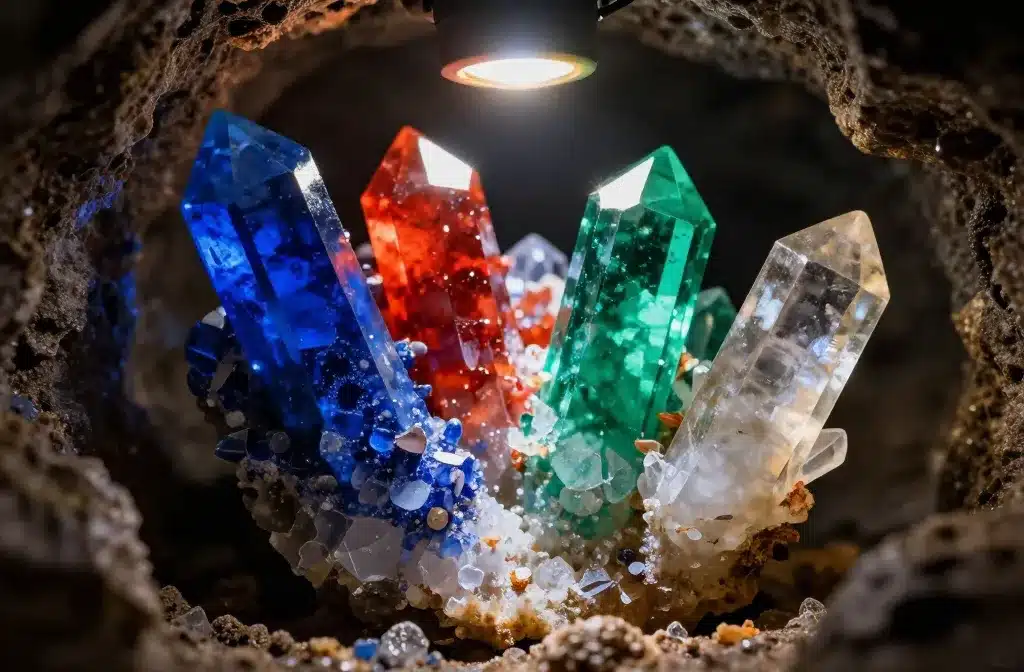
Sapphires and rubies often grow where tectonic plates squeeze and heat rocks into new forms—metamorphic environments—or in basaltic lavas. Emeralds need a geologic “meeting of strangers”: beryllium-bearing host rocks mixing with chromium-bearing fluids. That odd-couple chemistry is why fine emerald deposits are rare.
Then there’s opal, which is more like a stone sponge filled with ordered silica spheres. It forms at low temperatures when silica-rich water seeps into voids. Its play-of-color depends on how uniform those spheres are; tight, even packing can flash broad fields of red and orange, the rarest hues.
The Rarity Equation: Why Some Colors Cost a Fortune
Beauty matters, but scarcity writes the price tag. Blue sapphires in velvety royal hues from Kashmir became legends partly because the primary historical mine is exhausted. Paraíba tourmaline glows with electric neon blue-green thanks to copper; its first Brazilian finds were tiny and transformative, and values surged as collectors chased that unmistakable glow. Fine alexandrite with dramatic color change is genuinely scarce, which keeps prices high.
Clarity and size amplify rarity. Clean, vivid rubies above two carats get exponentially rarer. Emerald tolerates inclusions, but a transparent, richly colored stone of notable size is a trophy. For buyers, matching what you love with what you can responsibly afford is the art. Look for offbeat gems—spinel in hot pink or silvery lavender, or garnet in vivid mint-green grossular varieties—for excellent color without runaway prices. If you’re comparing options, our Gemstone Comparisons and Gemstone Buying Guide can help you weigh trade-offs.
Lab-Grown vs. Lookalikes: Same Chemistry, Different Story
Lab-grown gems share the same chemistry and crystal structure as their natural counterparts. A lab-grown sapphire is sapphire, not a simulant. It forms in months, not millennia, and often shows telltale growth lines or metallic flux residue under magnification. Value is lower because rarity is missing, but color can be superb and affordable.
Simulants only mimic appearance. Cubic zirconia and moissanite can look diamond-like, but they’re different minerals. Moissanite, with higher dispersion than diamond, throws rainbow flashes that feel almost too lively. Under a simple loupe, doubled facet edges in moissanite can tip you off, and a basic thermal tester distinguishes most diamond from cubic zirconia. For serious purchases, consider professional Gemstone Identification and, for diamonds, a grading report.
Stones That Glow: Fluorescence and Phosphorescence
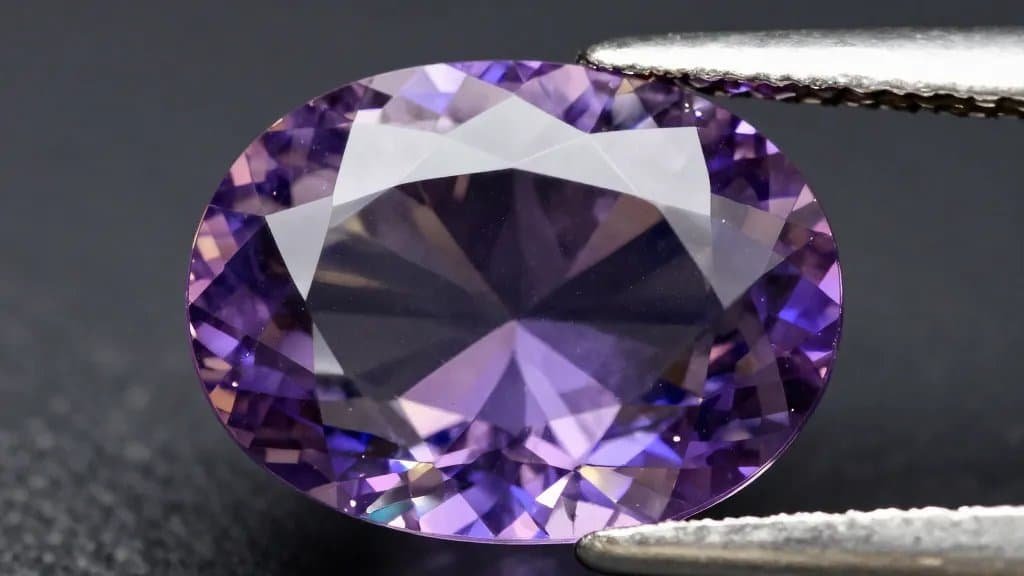
Some gems have a nightlife. Rubies fluoresce bright red under long-wave UV, their chromium lighting up like a signal flare. Certain diamonds glow blue; in rare fancy-color stones like the Hope Diamond, a red phosphorescence lingers after the UV is switched off. Fluorescence can nudge color perception—strong blue fluorescence sometimes makes faintly yellow diamonds look whiter in sunlight. In others, it can give a hazy look. There’s beauty and nuance here; seeing stones in different lights is a smart step in any Gemstone Buying Guide.
Birthstones, Beliefs, and Myths That Refuse to Quit
Birthstones blend history and marketing with a little stardust. Garnet for January evokes warmth in deep red, but it’s a color chameleon as a species: green tsavorite and mint grossulars feel fresh and modern. Sapphire for September was once a symbol of loyalty and truth. Pearl for June is the outlier: not a mineral, but an organic gem built by mollusks, prized for softly glowing luster rather than sparkle.
Myths abound. No, opals aren’t bad luck; that superstition bloomed from a 19th-century novel and lingered unfairly. In Roman times, opal was a stone of hope. Feel free to wear what you love; history contains plenty of blessings for every gem under the sun.
Care That Makes Gems Last
Each stone asks for different care. Ultrasonic and steam cleaners are great for diamond, sapphire, and ruby, but they can harm opal, emerald, and tanzanite. Porous and fracture-filled stones prefer a gentle wash: mild soap, soft brush, warm water, and pat dry. Avoid sudden temperature changes with opal; it can craze. Keep softer or brittle gems separate in storage so a diamond’s edges don’t scratch their neighbors.
For jewelry ideas, consider bezels for emerald and turquoise to protect edges; prong settings let diamonds and sapphires show more light. If you’re choosing Gemstone Rings for everyday wear, durability and toughness should weigh as much as sparkle. For heirloom looks, Gemstone Necklaces and Gemstone Earrings let you enjoy delicate stones with less risk.
Field Notes: Simple Tests You Can Safely Try at Home
While advanced testing belongs to labs, a few non-destructive habits help:
- Look under different lights. Daylight, LED, and incandescent reveal shifts in color and phenomena.
- Use a 10x loupe. Natural inclusions look organic and varied; gas bubbles in glass are often perfectly round and isolated.
- Check for wear. Soft stones show abraded facet junctions; a well-worn “diamond” with rounded edges might be glass.
- Feel the heft. High-density stones like zircon feel surprisingly heavy for their size compared to glass.
- Ask for disclosure. Treatments like heat, oil, diffusion, or fracture filling should be stated. No surprises is the golden rule in any Gemstone Buying Guide.
Unexpected Stars: Humble Minerals With Big Personalities
Not every scene-stealer is famous. Sunstone can glitter with coppery aventurescence that looks like bottled sunshine. Spinel, long mistaken for ruby (the Black Prince’s “ruby” in the British Crown Jewels is spinel), is now celebrated for neon pinks and steely blues. Andalusite shows earthy greens and rusts in the same stone through strong pleochroism, perfect for autumn palettes. And then there’s peridot—formed deep in the mantle and sometimes found in meteorites—bringing zesty, olive greens that glow at twilight.
If you love exploring beyond the classics, our pages on Rare Gemstones and Gemstone Facts are happy rabbit holes.
FAQ
Are all blue gemstones sapphire?
No. Blue appears in many species: sapphire, spinel, tourmaline, topaz, zircon, and even some garnets. Each has distinct refractive properties and inclusions. Proper identification prevents overpaying.
Why do some opals crack over time?
Opal contains water; rapid humidity or temperature changes can cause crazing. Store away from heat and strong lights, and avoid sealed dry boxes. Gentle wear and stable conditions help.
Is a lab-grown diamond a “fake” diamond?
No. It’s chemically and physically diamond. It’s less rare and usually less expensive, which affects value and collectability, not authenticity.
How can I tell if an emerald is oiled?
Many are. Under magnification, you may see flash effects—rainbow-like flashes along fissures—from resins. For certainty, request a lab report specifying treatment.
What gemstone is best for an everyday ring?
Diamond and corundum (ruby/sapphire) are top choices for hardness and durability. Spinel is an underrated, durable alternative with great color.
Do gemstones lose color in sunlight?
Most do not, but a few can fade with prolonged UV exposure—kunzite and some pink topaz are sensitive. Store them out of direct sunlight.
Why do some diamonds look milky?
Strong fluorescence combined with certain structural features can create a hazy look in some stones. Always evaluate fluorescence on a case-by-case basis in various lights.
Final Thoughts
Rocks don’t just sparkle—they testify. Behind every flash of color lies a saga of heat, pressure, chemistry, and time. Understanding those stories helps you choose gems you’ll love longer, care for them better, and appreciate their value beyond price tags. The real mind-blower isn’t just how old or rare these stones are; it’s how alive they feel when you know what you’re looking at.

Christian Grey is the creator of GemMeaning, where he shares simple insights about crystals, gemstone meanings, and spiritual guidance. His focus is on making complex ideas easy to understand and practical for everyday life.