Hold a very old gemstone in your hand and you’re not just admiring color and sparkle—you’re touching a sliver of Earth’s earliest history. Some stones formed long before the first dinosaur ever took a step, back when our planet’s crust was still stitching itself together. That sense of time gives these gems a quiet gravity that newer stones can’t quite match.
This article explores which gems truly predate the dinosaurs, how they formed, and why collectors and jewelry lovers prize them. You’ll learn practical buying tips, care guidance, and the stories hidden inside their inclusions and colors. Along the way, we’ll separate legend from lab report and point you toward kindred topics if the ancient-matter bug bites you.
By the end, you’ll be able to spot which “ancient” claims are real, which are marketing poetry, and which stones deserve a place in a collection built to last another few million years.
What “Older Than Dinosaurs” Really Means
Dinosaurs appeared about 240–230 million years ago, in the Triassic. Anything older than that earns the “pre-dinosaur” badge. Many gemstones formed in cycles of mountain building and magmatic activity that began billions of years earlier. Geologists call rocks older than 541 million years “Precambrian,” and in that vast window live some of the earth’s oldest gem-bearing cratons—stable continental cores in places like Canada, Brazil, southern Africa, Greenland, and Western Australia.
Not every gem is the same age as the rock it’s found in. Some crystals grew later in fractures or in metamorphic “re-cooking.” Still, several iconic gem species commonly occur in deposits proven to be hundreds of millions—or billions—of years old. Those are the stones that earn a true ancient pedigree.
Gems With Deep-Time Credentials
Below are gemstone favorites whose notable sources are older than dinosaurs, often by an astonishing margin. Because each mine and deposit has its own age, think of these as families with ancient lineages rather than a single birthday.
- Zircon (Mohs ~7.5): The timekeeper of geology. Tiny zircon grains from Jack Hills, Western Australia, date to about 4.4 billion years—nearly as old as Earth itself. Facetable zircons in jewelry aren’t that old, but the species’ reputation for archiving geologic time is unparalleled. Look for stones with a glassy brilliance and strong fire. Natural colors include honey-brown, reddish, greenish, and rarely blue (most blue zircon is heat-treated).
- Emerald (Mohs 7.5–8): Colombian emeralds formed during Andean tectonics in the Cretaceous—so not older than dinosaurs—but many emeralds from the Pan-African belt (Zambia, Ethiopia, parts of Madagascar) grew in crust far older than dinosaurs, with host rocks often Precambrian. Their silky inclusions and cool, saturated green feel ancient even at a glance.
- Ruby and Sapphire (Corundum, Mohs 9): Madagascar, Sri Lanka, and East African rubies and sapphires often weather from ancient metamorphic terranes. Burmese rubies are younger geologically but still predate the youngest dinosaurs. Corundum’s adamantine-like luster and durability embody deep time in wearable form. Classic blue sapphire, pigeon’s blood ruby, and exotic hues like padparadscha occur in these old crusts.
- Garnet (Mohs 6.5–7.5): Not one gem, but a family: almandine, pyrope, spessartine, grossular, and andradite. Almandine and pyrope commonly crystallize in ancient metamorphic rocks. Idaho’s star garnets and Mozambique’s rich red pyropes, for instance, may come from terranes assembled long before any dinosaur hatched.
- Spinel (Mohs 8): Traditional spinel localities like Sri Lanka, Tajikistan, and Myanmar source from marbles and metamorphic rocks with old geological roots. Spinel’s clean crystal habit and neon-friendly hues (in certain locales) belie an origin story written in fold and pressure eons ago.
- Tourmaline (Mohs 7–7.5): Pegmatites can be very ancient, particularly those tied to old continental collisions. Some African and Brazilian tourmalines grow in Precambrian terranes. Expect everything from inky schorl to electric Paraíba-type blues (those are younger in geologic terms, but the regional crust is ancient).
- Aquamarine and Morganite (Beryl family, Mohs 7.5–8): Many beryls crystallized in pegmatites intruding deep, old crust. Brazil, Mozambique, and Namibia yield stones whose surrounding geology traces back long before dinosaurs, even if the specific pegmatite event is younger Precambrian to Paleozoic.
- Peridot (Olivine, Mohs 6.5–7): Peridot from mantle xenoliths has a primal origin—Earth’s mantle. Some of these nodules formed extraordinarily early in Earth history. The apple-green glow in a well-cut peridot reads fresh, but its birthplace is ancient.
- Diamond (Mohs 10): Many natural diamonds formed in the deep mantle billions of years ago, then rode kimberlite or lamproite pipes to the surface. The Kaapvaal and Slave cratons host diamonds with ages pushing 3+ billion years. Few gems so perfectly combine modern glamour with Archean roots.
- Jadeite and Nephrite (Mohs ~6–6.5): Jade’s metamorphic origin ties to subduction zones and mountain belts that can be extremely old. While specific jade deposits vary in age, the serpentinized, high-pressure environments that birth jade mirror some of Earth’s earliest tectonic dramas.
How These Stones Formed Long Before Dinosaurs
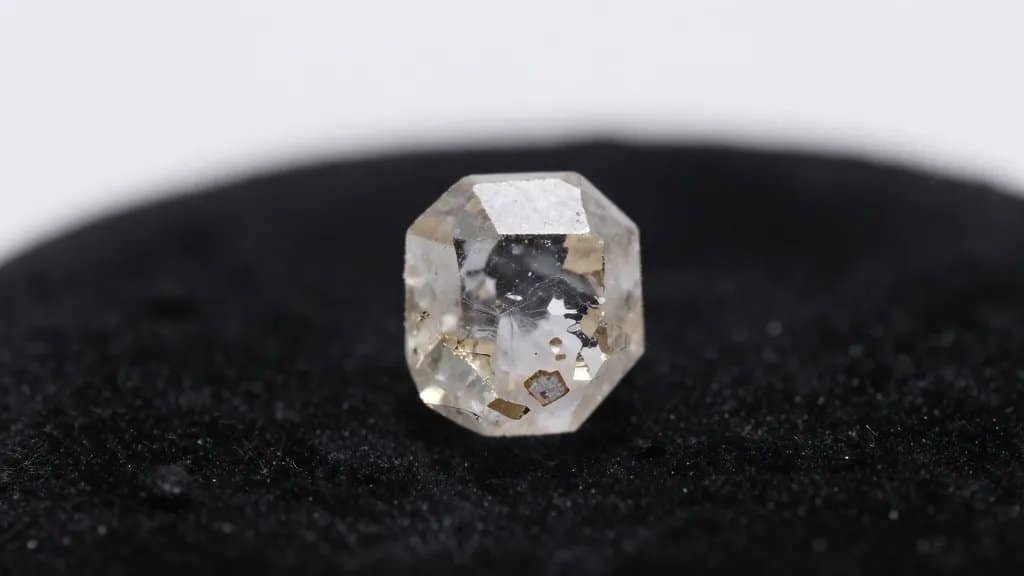
Three major geologic settings account for many deep-time gems:
- Ancient cratons: Stable continental cores preserve Archean and Proterozoic rocks. Diamonds, zircon-bearing gneisses, and metamorphic garnets commonly come from these blocks. Think South Africa’s Kaapvaal, Canada’s Superior and Slave provinces, or the Pilbara and Yilgarn in Australia.
- High-grade metamorphism: Heat and pressure over repeated orogenies (mountain-building events) transform protoliths into schists, gneisses, and marbles—prime habitats for corundum, spinel, and garnet. Metamorphism can remix ingredients and grow new crystals while keeping the larger terrane’s ancient age signature.
- Pegmatites: Late-stage magmas intrude older rocks and cool slowly, growing large, well-formed crystals like tourmaline, beryl, and topaz. Pegmatite events may be younger than the host crust yet still predate dinosaurs by hundreds of millions of years.
If you enjoy geology, these settings connect naturally to Gemstone Identification and Gemstone Facts, making it easier to interpret inclusions and growth zoning you’ll actually see under a loupe.
What Ancient Looks Like: Visual Clues in the Hand
Ancient gems don’t wear dates, but they carry clues:
- Zircon: Often shows strong birefringence; look for doubled facet edges when you tilt the stone. Many zircons carry a subtle warmth—champagne to cinnamon. Tiny, wispy inclusions are common. A well-cut stone throws crisp rainbow flashes.
- Ruby/Sapphire: Needles (rutile silk), hexagonal growth zoning, and fingerprint inclusions hint at metamorphic origins. In sapphire, velvety silk can soften brilliance into a royal glow prized in classic stones.
- Garnet: Almandine frequently looks wine-red to almost black-red with even color. Pyrope can glow cherry to deep claret. Look for rounded crystal fragments in alluvial stones and blocky, dodecahedral shapes in rough.
- Spinel: Clean, crisp octahedra in rough, with bright, glassy luster in finished gems. Fine cobalt-blue spinel from metamorphic marbles pops with an electric purity.
- Diamond: Inclusions may include tiny garnets, sulfides, or graphite; these can be age messengers linking to mantle origins. In the hand, a well-cut diamond’s white light return is piercing and unmistakable.
None of these features prove age by themselves, but they tell a story aligned with deep-time geology. If you’re building knowledge, a loupe, a polarized light source, and a basic Gemstone Identification guide are smart companions.
Hardness, Durability, and Wearability
Age alone doesn’t guarantee toughness. Here’s a practical overview for jewelry use:
- Diamonds (10): Extremely hard and durable but can cleave if struck. Excellent for rings and everyday wear.
- Corundum (9): Ruby and sapphire handle daily wear well. Great for rings, bracelets, and earrings.
- Spinel (8): Underappreciated and durable. Suitable for rings with mindful setting; ideal for pendants and earrings.
- Beryl (7.5–8): Emerald needs protective settings due to inclusions and occasional fissures. Aquamarine and morganite are sturdier choices.
- Zircon (~7.5): High brilliance but brittle; avoid rough knocks. Better for pendants, earrings, and occasional-wear rings.
- Garnet (6.5–7.5): Most are fine for regular wear; avoid hard impacts and store separately.
- Peridot (6.5–7): Softer; reserve for pendants, earrings, and occasional-wear rings with protective bezels.
- Jade (6–6.5, but very tough): Despite modest hardness, exceptional toughness makes jade carvings and bangles surprisingly resilient.
If durability is your focus, explore Gemstone Hardness and Gemstone Jewelry for setting styles that protect softer ancient stones without hiding their beauty.
Treatments, Value Factors, and Buying Advice
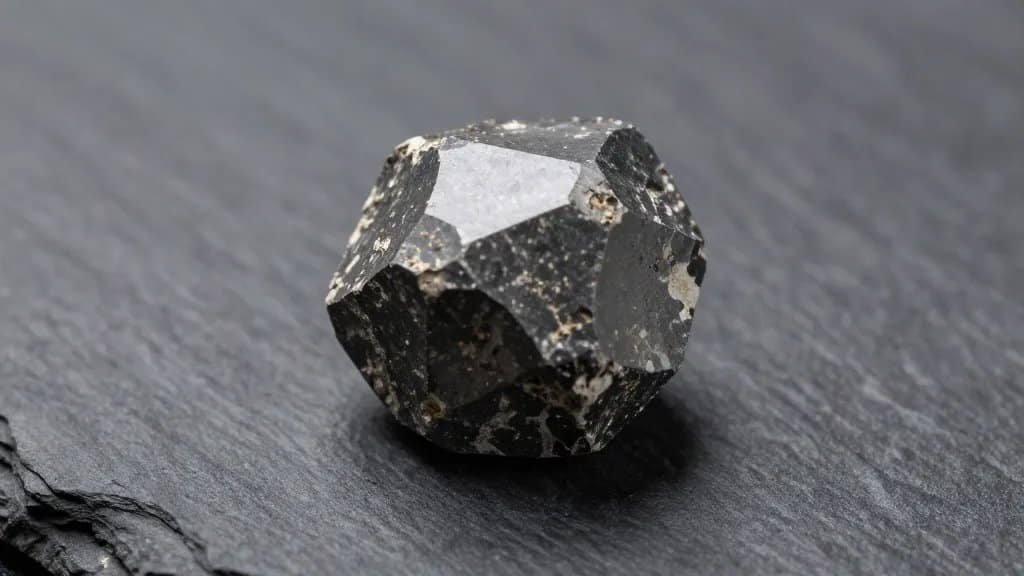
Ancient pedigree adds romance, but value rests on a familiar trio: color, clarity, and cut—plus rarity and origin. Treatments also matter.
- Color: For ruby and sapphire, saturated, evenly distributed color brings premiums. For garnet, pure, vivid reds (pyrope-almandine mixes) and rare oranges (spessartine) shine. Zircon rewards rich honey to cognac tones; blue zircon fetches attention but is usually heat-treated.
- Clarity: Eye-clean spinel and sapphire are highly prized. Emerald tolerates inclusions—“jardin” is expected—but avoid stones with surface-reaching fissures that threaten durability.
- Cut: Ancient-origin stones deserve intelligent cutting. Zircon benefits from slightly deeper pavilions to maximize fire. Corundum and spinel look best with balanced brilliance and color windows minimized. Old-mine style cushions in sapphire or ruby can feel poetically appropriate for deep-time gems.
- Treatments:
- Heat: Common for corundum and zircon; widely accepted when disclosed.
- Oil/Resin in Emerald: Industry standard to varying degrees. Seek reliable disclosure and moderate to minor enhancement grades for better value retention.
- Diffusion/Fracture Fill: More controversial. Be cautious with corundum diffusion and glass-filled ruby; value and durability can suffer.
- Origin: A respected lab report that ties a gem to an ancient terrane (e.g., East Africa, Sri Lanka, Madagascar, Kaapvaal diamonds) can support both authenticity and storytelling. Certificates from reputable labs strengthen value in Collector Gemstones and Gemstone Buying Guide contexts.
Practical tip: If the seller leans heavily on “older than dinosaurs” without discussing species, locality, and treatments, press for details. Age romance should never replace gemological facts.
Real vs. Fake: Sorting Myth From Marketing
The claim “formed before dinosaurs” appears on both genuine treasures and creative listings. Here’s how to parse it:
- Ask for locality: If a sapphire is from Sri Lanka’s gem gravels or a ruby from Mozambique’s Montepuez region, the host terranes are indeed ancient, even if the exact crystal age may be younger than the crust itself.
- Request disclosure: Synthetic corundum and spinel are common, and their lab origins are decidedly not ancient. If price is too good and color too perfect, consider the lab-grown possibility.
- Check inclusions: Natural inclusions often look “organic”—fingerprints, rutile silk, mineral crystals—whereas synthetics show curved striae (flame-fusion) or overly neat growth features. A 10x loupe can be revealing.
- Lab reports: For high-value stones, a report anchors the story. It won’t always list a numeric age, but it can confirm natural origin, treatments, and likely geographic source.
Comparing species side by side also helps. If you enjoy this exercise, the Gemstone Comparisons and Gemstone Identification topics offer deeper dives into telling features.
Caring for Stones With Primordial Pedigrees
Even if a gem has seen eons, treat it with respect:
- Cleaning: Warm water, mild soap, and a soft brush suit nearly all. Avoid ultrasonic and steam for emeralds, fracture-filled rubies, and heavily included stones.
- Storage: Separate pouches or compartments. Hard stones can scratch softer ones; diamonds can scratch everything.
- Settings: Protective bezels or halos help for peridot, zircon, and included emeralds. Prongs are fine for tougher species like sapphire and spinel.
- Maintenance: Have a jeweler check prongs and bezels annually. Re-oiling emeralds should be conservative and documented.
For more specifics across your collection, see Gemstone Care for safe routines and Gemstone Value Guide to understand how condition influences resale.
Jewelry Ideas That Celebrate Deep Time
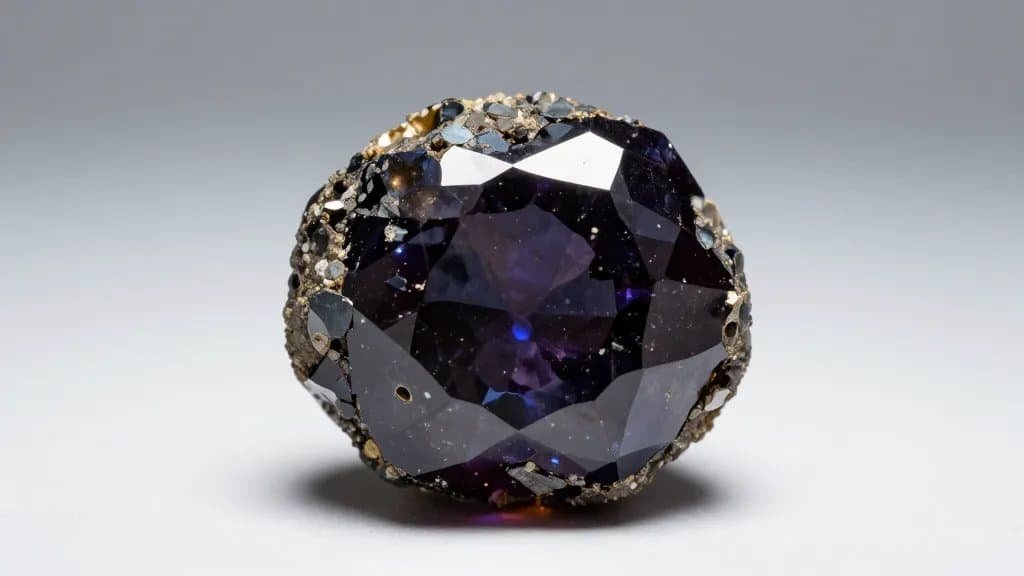
Let the design echo the story. Ancient gems shine in pieces that mix modern wearability with subtle historic cues:
- Diamond solitaires: A classic ring with an old-European cut or antique-style cushion frames an Archean-age stone in vintage romance.
- Sapphire and ruby halos: Art Deco or Edwardian motifs complement corundum’s aristocratic glow and nod to centuries of royal use.
- Zircon earrings: Champagne zircons in simple drops radiate fire; keep them away from rough wear and enjoy their warm brilliance.
- Spinel suites: A matched set of neon pink or cobalt spinels in earrings and a pendant makes an elegant, less-expected alternative to sapphire.
- Garnet signet: Deep almandine in a low-profile bezel brings medieval charm to a thoroughly modern ring.
- Peridot pendant: A bezel-set, apple-green peridot against brushed gold recalls raw mantle origins with a refined finish.
If you’re exploring design directions and price tiers, browse Gemstone Jewelry and Gemstone Rings or Gemstone Necklaces for style language that suits ancient-material narratives.
Stories, Symbolism, and Cultural Threads
Ancient stones pick up human stories as easily as they pick up light. Emerald symbolizes rebirth and insight; ruby, vitality and protection. Sapphires have long been linked to wisdom and steadfastness—fitting for crystals born under enormous pressure. Jade stands for harmony and longevity in East Asia, and its smooth polish feels timeless in the hand.
Zircon historically suffered from name confusion with cubic zirconia, yet in older texts “hyacinth” zircon was prized for its fiery warmth. Spinel for centuries masqueraded as ruby in royal regalia—the “Black Prince’s Ruby” in the British Crown Jewels is a famous spinel. These tales don’t change the physics of age, but they add a human layer to deep-time matter—why we care, collect, and pass them down.
Collector Notes: Provenance, Rarity, and Resale
Collectors who chase ancient lineage often focus on three things:
- Provenance: A stone’s paper trail—mine, region, even a specific historical collection—amplifies value. For diamonds and corundum, reports from respected labs can estimate geographic origin with reasonable confidence.
- Rarity within species: Cobalt-blue spinel, unheated Kashmir-like sapphire, top spessartine, or neon tourmaline from classic localities carry strong premiums. Age of the host terrane plus rarity of color and clarity is a potent combo.
- Historical cuts: Old-mine cushions, antique brilliants, and step cuts with broader facets can wear age with grace. Not every stone needs a modern precision cut to be captivating.
If building a portfolio, balance beauty with documentation. That habit pays dividends when you revisit the Gemstone Buying Guide or later explore Rare Gemstones and Collector Gemstones.
Common Mistakes to Avoid
- Confusing species age with deposit age: A zircon species can be ancient, but an individual gem may be geologically “young.” Focus on locality data.
- Ignoring treatments: A dinosaur-era host rock doesn’t excuse undisclosed diffusion, resin fills, or heavy oils. Ask, verify, and get it in writing.
- Overestimating durability: Peridot and zircon are beautiful but need kinder settings than corundum or diamond.
- Equating darkness with age: Some buyers think deeper color means older formation. It doesn’t. Color reflects chemistry and structure, not a timeline.
- Skipping professional evaluation: For significant purchases, enlist a qualified gemologist. It’s the difference between a story and a substantiated legacy.
FAQ
Are all diamonds older than dinosaurs?
Not all, but many are. A significant portion formed billions of years ago in Earth’s mantle and reached the surface via ancient kimberlite eruptions.
Is zircon the oldest gemstone I can buy?
Zircon is Earth’s oldest known mineral. While your jewelry zircon won’t be 4.4 billion years old, the species is the closest link to Hadean time.
Which ancient gem is best for daily-wear rings?
Diamond, sapphire, and ruby. They combine deep-time origins (depending on locality) with excellent hardness and toughness.
How do I confirm a stone’s ancient origin?
Request a reputable lab report indicating natural origin and likely locality. Pair that with seller transparency and, if needed, an independent appraisal.
Are blue zircons natural?
Most blue zircons are heat-treated from brownish material. The treatment is accepted when disclosed; the underlying zircon remains natural.
Do inclusions reduce value in ancient gems?
They can, but context matters. Emerald accepts more inclusions; ruby and sapphire value clarity. Some inclusions confirm natural origin, which can support value.
Is jade really tough enough for bangles?
Yes, especially fine-grained nephrite and high-quality jadeite. They’re less hard than corundum but exceptionally tough against breakage.
Closing Thoughts
If the idea of wearing deep time resonates, you have a rich palette to choose from—diamond with mantle-born fire, zircon with a memory older than mountains, corundum forged in ancient metamorphic crucibles, and garnet and spinel with quiet, enduring glow. Pair the romance of age with sound gemology—origin, treatment disclosure, and smart settings—and your piece won’t just look beautiful today. It will carry Earth’s earliest stories gracefully into tomorrow.

Christian Grey is the creator of GemMeaning, where he shares simple insights about crystals, gemstone meanings, and spiritual guidance. His focus is on making complex ideas easy to understand and practical for everyday life.