Some of the most enchanting stones never make it to glossy showcases or red carpet settings. They lie tucked in sea caves, weathered hillsides, or beneath quiet desert crusts—brilliant, unusual, and often overlooked. These are the places where rock meets story, where light and time shape color into something unforgettable.
If you’ve ever felt the pull of a glittering seam in a cliff or wondered what gives a dull pebble its electric heart, you’re in the right company. This guide highlights lesser-known rock wonders across the globe and explains what they are, why they form, and how to appreciate them safely and ethically.
You’ll learn how to spot beauty in unlikely places, understand the science beneath the sparkle, and pick up tips for identifying, caring for, and—when appropriate—collecting legally and responsibly. Think of it as a conversation with a gem-obsessed friend who has mud on their boots and a loupe in their pocket.
Pack your curiosity. The trail ahead glints with surprises.
Desert Thundereggs: Nondescript Outside, Galaxies Within
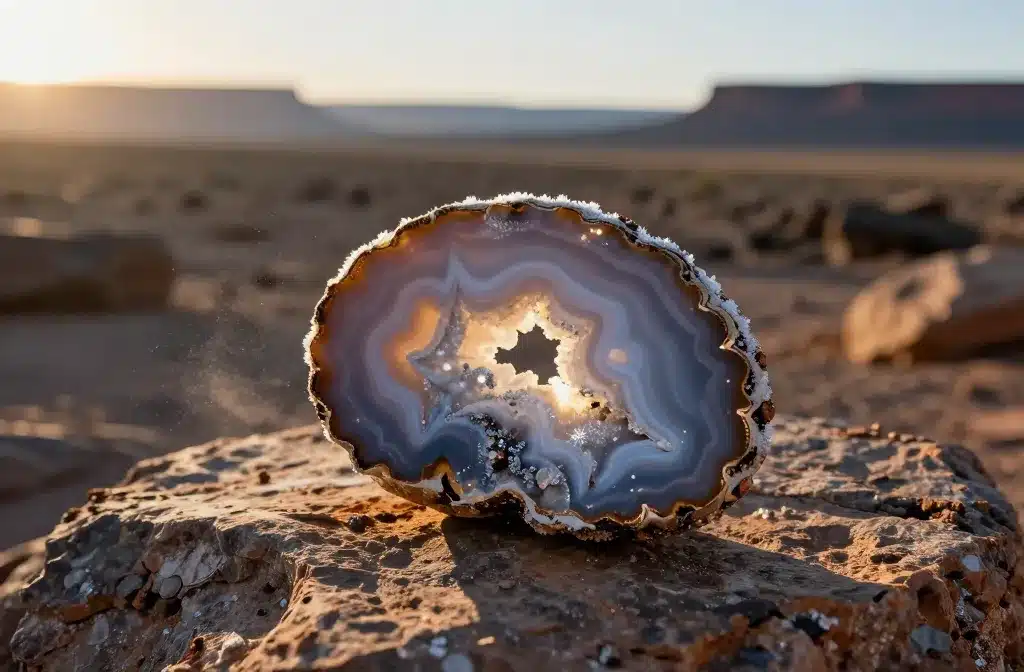
Walk the volcanic flats of Oregon or Chihuahua and you’ll see gray, potato-like nodules scattered in the dust. Crack them open—preferably by saw, not hammer—and you may find a stained-glass world: agate swirls, chalcedony plumes, mossy patterns, sometimes with drusy quartz sparkling like frost.
Thundereggs are rhyolitic nodules formed in gas pockets within lava flows. Silica-rich fluids later seep in, solidifying into chalcedony and agate. Colors range from smokey blue to rusty reds and cream, often with starburst patterns. On the Mohs scale, their interiors sit around 6.5–7, making them durable for cabochons or paperweights.
Value comes from symmetry of the interior pattern, color contrast, and whether there’s a central “eye.” Untreated pieces are the norm; stabilization is rare and not usually necessary. Polished halves display a satin glow, with light rolling across microcrystalline quartz like moonlight on water.
Identification tip: Thundereggs have a knobbly, matte shell that looks more like a weathered potato than a rounded geode. A thin saw slice often reveals a distinct outer rind and a filled center rather than a hollow cavity. For more on evaluating durability, see the broader topic of Gemstone Hardness.
Sea-Cave Agates: Tidal Jewelry Etched by Time
Along windswept coasts in Scotland, Argentina, and the Pacific Northwest, wave-polished agates hide among kelp and shingle. Their skins are caramel or smoke when wet; hold one to the light and bands glow like stacked sunsets. Some show fortification patterns—angular rings like topographic maps—while others seem to contain tiny landscapes: trees, clouds, distant shores.
These agates formed in volcanic voids, then weathered loose into the surf. Water sorts and polishes them, rounding sharp edges and making translucency pop. Colors lean toward amber, mocha, and milk-white, but iron staining can add coppery reds. Most are tough enough for jewelry, especially pendants and wire wraps where their natural contours shine.
Collecting ethics: Many coastlines restrict taking stones. Learn local rules, and never pry material from bedrock or from protected shores. A single pocket stone makes a better memory than a full bucket. Care is simple—warm, soapy water and a soft toothbrush. Avoid ultrasonic cleaners; agates are hard, but fractures can propagate with vibration.
Buying advice: Look for crisp, unpitted surfaces and well-defined banding. Natural, surf-polished skins are a charm; overly glossy coatings can indicate resin. If you’re comparing options, our Gemstone Comparisons guide offers a helpful lens for banded agate versus jasper.
Fluorite’s Secret Chambers: Cubes, Color Zoning, and Fluorescent Whispers
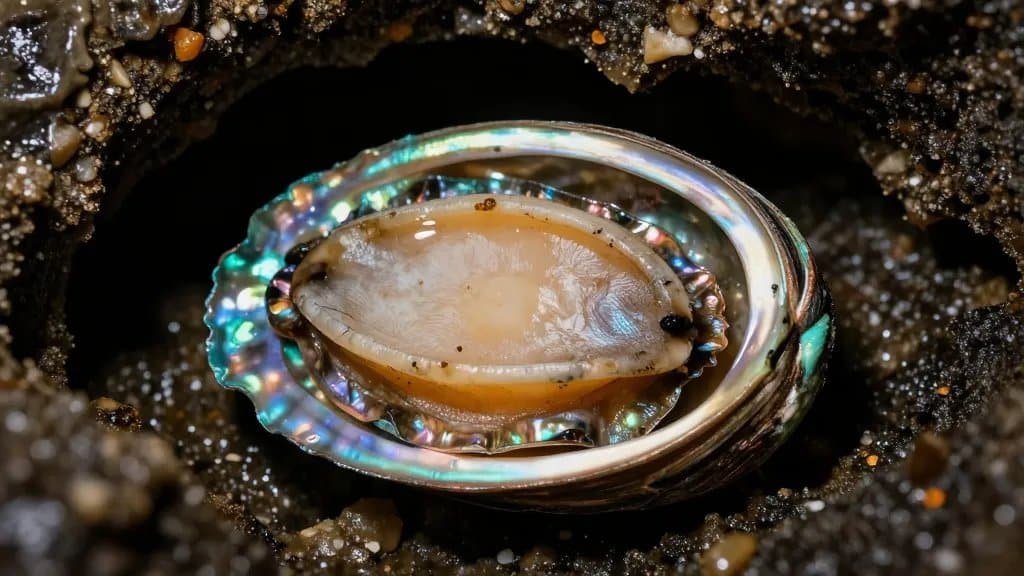
Fluorite is known to collectors, but its lesser-known forms—perfectly stacked cubes in narrow mine pockets, or “phantom” crystals with ghostly interiors—are easy to miss in mainstream jewelry. The mineral’s clarity and color-zoning can stop you mid-step: emerald-green merging into violet, or a colorless cube with a lavender heart. Under UV light, many specimens glow ethereal blue.
Geologically, fluorite precipitates from hydrothermal fluids in veins and cavities, often with quartz, sphalerite, and galena. Its crystal habit is strikingly cubic, with silky luster along cleavages. On the Mohs scale it’s only 4, so it scratches easily—best for pendants or earrings protected from knocks, rather than rings or bracelets.
Treatments: Heating can alter color, but natural zoning is a hallmark of authenticity. Be wary of composite carvings—sections glued for dramatic banding. Identification tip: Perfect octahedral cleavage planes under a loupe are a fluorite giveaway. For care and long-term display, keep away from extreme sunlight; some hues fade.
Collectors cherish locality: English Weardale greens, Illinois blues, and Chinese rainbow zoning each tell a different story. If you’re starting a themed cabinet, fluorite is an ideal study piece for color, cleavage, and fluorescence—an all-in-one crash course in Gemstone Identification.
Trapiche and Starry Surprises: Unusual Growth That Defies Expectations
Trapiche gems—named for the six-spoked sugar mill wheel—form with dark, radiating arms of inclusions that divide the crystal into pie-like sectors. The classic is trapiche emerald from Colombia, but sapphire, ruby, and tourmaline can show trapiche structures too. They’re rare, visually arresting, and often misunderstood.
The “spokes” are not added lines; they’re growth zoning combined with included minerals like carbon or hematite occupying channels between sectors. In emerald, vibrant green beryl is partitioned by inky rays, creating a vital contrast that looks graphic yet organic. Mohs hardness follows the host gem: emerald about 7.5–8, sapphire and ruby at 9, tourmaline around 7–7.5.
Star gems offer a different optical treat: asterism, where silky needle inclusions reflect light into a star on a domed cabochon. Star sapphires and rubies are well known, but rarer examples—star garnet from Idaho or India—often slip under the radar, showing four- or six-rayed stars in deep wine tones.
Value factors: Centered, sharp rays or spokes, rich body color, symmetry, and minimal surface pits. Synthetic star corundum is common; look for unnaturally perfect, neon-like stars and gas bubble inclusions. Gentle backlighting and a penlight can help you assess authenticity. For pricing baselines, compare with our Gemstone Value Guide to understand how rarity impacts cost.
Opal That Sleeps in Wood and Bone: Petrified Stories With Fire
In a few fossil beds, silica replaces organic material and occasionally opalizes it, creating petrified wood or bone that flashes with spectral color. Think of it as time’s patient swap: cell walls traded for glassy silica, then laced with microscopic spheres that diffract light into neon greens, oranges, and blues.
Opalized wood often shows grain lines as if someone inlaid prismatic film between growth rings. Opalized bone can retain porous textures, with fire filling marrow channels. These specimens are fragile—hydrated silica sits around 5.5–6.5 on the Mohs scale and is sensitive to sudden temperature changes and dehydration.
Treatments and care: Some pieces are stabilized with resin to prevent flaking; reputable sellers disclose this. Store opals away from heat vents, and avoid prolonged direct sun. A soft cloth and light water mist are fine—skip ultrasonics and steamers. For jewelry, bezel-set pendants keep edges protected. If you love opal’s personality, our pages on Gemstone Colors and Gemstone Jewelry dive deeper into pairing tone and metal settings.
Basalt Bubbles and Zeolite Gardens: Cavities That Bloom
Crack open a basalt geode from India’s Deccan Traps or Iceland’s lava fields and you might find a miniature garden of zeolites: scolecite sprays like frozen fireworks, heulandite petals in peach and cream, or pale green prehnite grapes with waxy luster. These minerals grow as low-temperature hydrothermal fluids circulate through vesicles—air bubbles—trapped in cooling lava.
Most zeolites fall between 4–5.5 on the Mohs scale and cleave easily, so they’re for display, not daily wear. Their appeal lies in texture: needles, fans, and ribbed domes that catch side light rather than direct sparkle. Gentle dusting and occasional air-blown cleaning protect delicate terminations.
Buying advice: Intact sprays without crushed tips command higher prices. Beware of glued repairs where long needles meet the base—look for glossy seams or residue. Labels matter with zeolites; locality and species affect desirability. If you enjoy mineral cabinets, this is a category where modest budgets can still unlock show-stopping aesthetics.
Chrysocolla, Shattuckite, and the Blues Between: Copper’s Painterly Palette
In old copper mines and arid outcrops, water-soluble copper salts paint the host rock in electric blues and greens. Chrysocolla can look velvety, malachite swirls in tight concentric bands, and shattuckite adds sky-blue patches with inky outlines. Some pieces mingle these minerals with quartz or chalcedony, creating “gem silica” when silica is abundant—translucent, glowing, and highly prized.
Hardness varies wildly: pure chrysocolla can be soft (2–4), but when impregnated with chalcedony as gem silica, it climbs to 7, suitable for polished cabochons. Stone surface tells the story—chalky or dusty blues indicate softness; glassy, translucent patches are sturdier. Jewelry makers often back soft material or set it as inlay to protect edges.
Symbolism and wear: These copper blues are often chosen for calming, oceanic vibes. In necklaces and earrings, they draw the eye without begging for spotlight. Cleaning is easy: a quick rinse and pat dry—avoid harsh chemicals, which can alter surface luster. If you’re exploring Gemstone Earrings or Gemstone Necklaces, this palette pairs beautifully with warm rose gold or rustic silver.
Snowflake Obsidian, Mahogany, and the Poetry of Glass
Obsidian is volcanic glass—fast-frozen lava that traps motion inside stillness. While jet-black is common, lesser-visited varieties tell subtler stories. Snowflake obsidian shows white “flowers” of cristobalite crystals that crystallized within the glass, while mahogany obsidian weaves iron-rich browns through onyx-black ribbons like ember trails in smoke.
At Mohs 5–5.5, obsidian scratches metals and can chip at sharp angles. It polishes to a mirror that seems to drink in light and reflect it back in slow waves. Cabochons exhibit sleek, inky reflections; beads carry a faint, moonlit sheen. For those sensitive to bright sparkle, obsidian’s soft shine is restful and modern.
Buying notes: Look for crisp, clean polish without drag lines; poorly finished surfaces dull easily. Natural vs. synthetic is less of an issue here, but dyed glass imitations exist. Obsidian’s conchoidal fractures are distinctive—smooth, shell-like curves where the stone chipped. If you love understanding how cut affects look, explore Gemstone Cuts and Gemstone Shapes to see why domes suit opaque glass so well.
Hidden Lab Colors: Andesine, Sunstone, and the Feldspar Maze
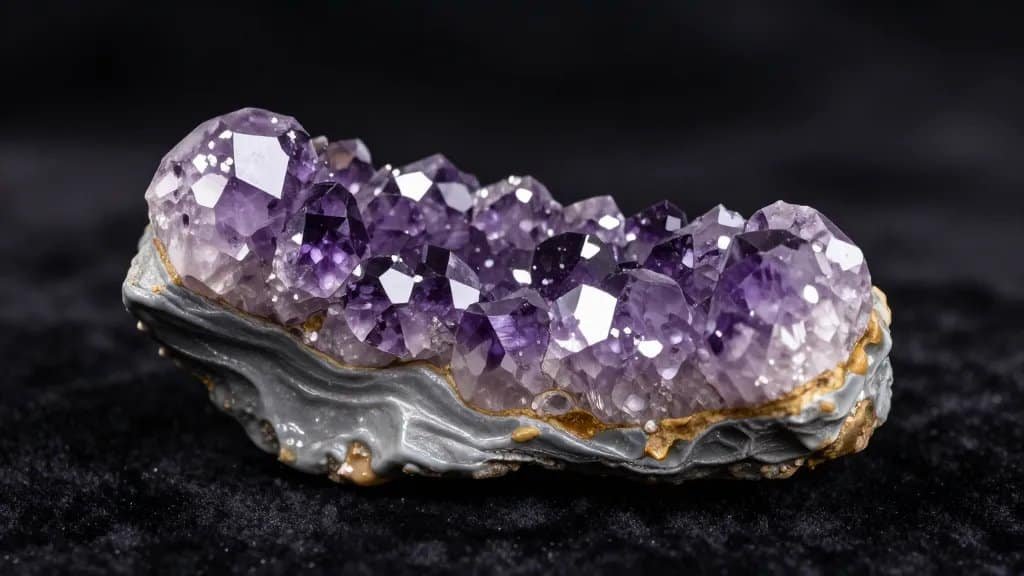
Feldspars are a family with complicated identities. Sunstone can shimmer with coppery aventurescence; andesine may appear a quiet red or green. Confusion blooms where treatments enter the picture. Years ago, copper diffusion turned ordinary feldspar into “andesine-labradorite,” creating debates that still echo at gem shows.
Natural Oregon sunstone often shows visible copper platelets—tiny mirrors that flash as you tilt the stone. Untreated andesine exists, but it’s rarer than many listings suggest. Mohs hardness hovers around 6–6.5, making these gems decent for most jewelry if you avoid rough wear.
Identification tips: Under magnification, look for copper platelet inclusions in natural sunstone. Diffused stones may show color concentrated near the surface. Reputable sellers provide origin and treatment disclosure. If a “top-color” red andesine seems underpriced, ask questions. Our Gemstone Buying Guide covers smart verification steps without dampening the thrill of the hunt.
Fieldcraft: How to Explore and Collect Responsibly
Hidden wonders reward patience and respect. Before heading out, check land ownership, collecting laws, and access conditions. Many of the best spots are on private or protected land, and fines for casual trespass can be steep. A conversation with a local rock club can save you time and build friendships.
Bring basics: a rock hammer for prying (not smashing), a hand lens, newspaper for wrapping, water, and a small first-aid kit. For delicate pockets like zeolites, swap the hammer for plastic wedges and a paintbrush. On beaches, take only what you can carry in a hand. Leave the place looking untouched; the next collector might be you in ten years.
Transport and care: Cushion specimens to prevent bruising. At home, clean with the gentlest method first—lukewarm water and a soft brush. Avoid strong acids on carbonates and never ultrasonic-clean anything with visible fractures. For jewelry, a soft pouch prevents obsidian and fluorite from rubbing against harder stones.
Ethics and value: A good rule—if removing a piece erases the story of a site, take a photograph instead. For buying, provenance matters. Labels that list locality add to a specimen’s narrative and resale value. To understand pricing tiers and condition grading, the Gemstone Value Guide is a helpful companion reference.
From Rough to Wearable: Turning Oddities into Everyday Treasures
Many of these hidden rocks become most lovable after a careful cut or polish. Thunderegg halves make meditative desk pieces; sea-cave agate slices glow in window light; obsidian cabochons pair with matte silver for minimalist rings; and gem silica cabs become small oceans on a wrist.
For jewelry, match durability to design. Fluorite and zeolites prefer pendants or protected lockets. Agate, jasper, and chalcedony handle daily wear in rings. Opalized wood deserves bezels that guard edges. A good lapidary respects the natural lines—following banding or growth spokes often reveals harmony that brute geometry cannot.
If you’re assembling a capsule collection, consider one specimen piece, one wearable daily gem, and one “study stone” for magnification practice. These choices make a satisfying trio and help you build intuition across rarity, workmanship, and durability. To plan settings and silhouettes, browse Gemstone Rings and Gemstone Bracelets for fresh pairing ideas.
FAQ
Are thundereggs the same as geodes?
Not quite. Thundereggs typically have a solid or mostly filled interior of agate and chalcedony, while geodes are often hollow with crystals lining a cavity.
Can I wear fluorite in a ring every day?
Fluorite is too soft for everyday rings. Choose pendants or earrings, and reserve rings for occasional wear with protective settings.
How can I tell if a star sapphire is natural or synthetic?
Natural stars often show slightly uneven rays and needle inclusions under magnification. Synthetic stars tend to have very sharp, perfect rays and can display gas bubbles.
What’s the safest way to clean zeolite specimens?
Use a gentle air blower and a very soft brush. Avoid ultrasonic cleaners and harsh chemicals; zeolites cleave and can shed needles easily.
Do opals really dry out and crack?
Some opals can craze if exposed to rapid temperature or humidity changes. Store away from heat and bright sun, and avoid sudden drying conditions.
Is gem silica the same as chrysocolla?
Gem silica is chrysocolla that has been fully impregnated with chalcedony, making it translucent and harder—more suitable for fine jewelry.
Are beach agates legal to collect?
Rules vary widely. Some beaches allow limited collecting of loose stones; others prohibit removal entirely. Check local regulations before picking anything up.
A Short Farewell
The earth hides masterworks in plain sight—quiet stones whose beauty reveals itself slowly. Learn their stories, treat them kindly, and they’ll reward you with colors and textures no catalog can match. The best part isn’t just what you find; it’s how you start to see.

Christian Grey is the creator of GemMeaning, where he shares simple insights about crystals, gemstone meanings, and spiritual guidance. His focus is on making complex ideas easy to understand and practical for everyday life.